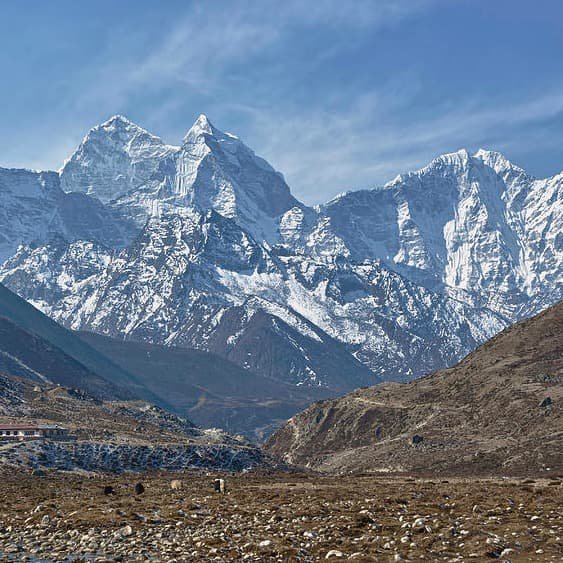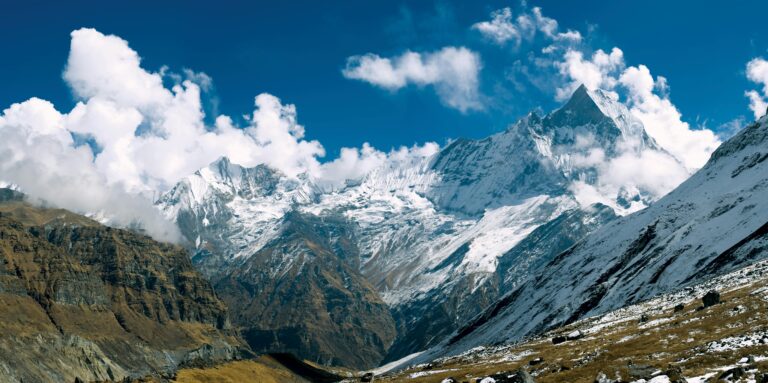

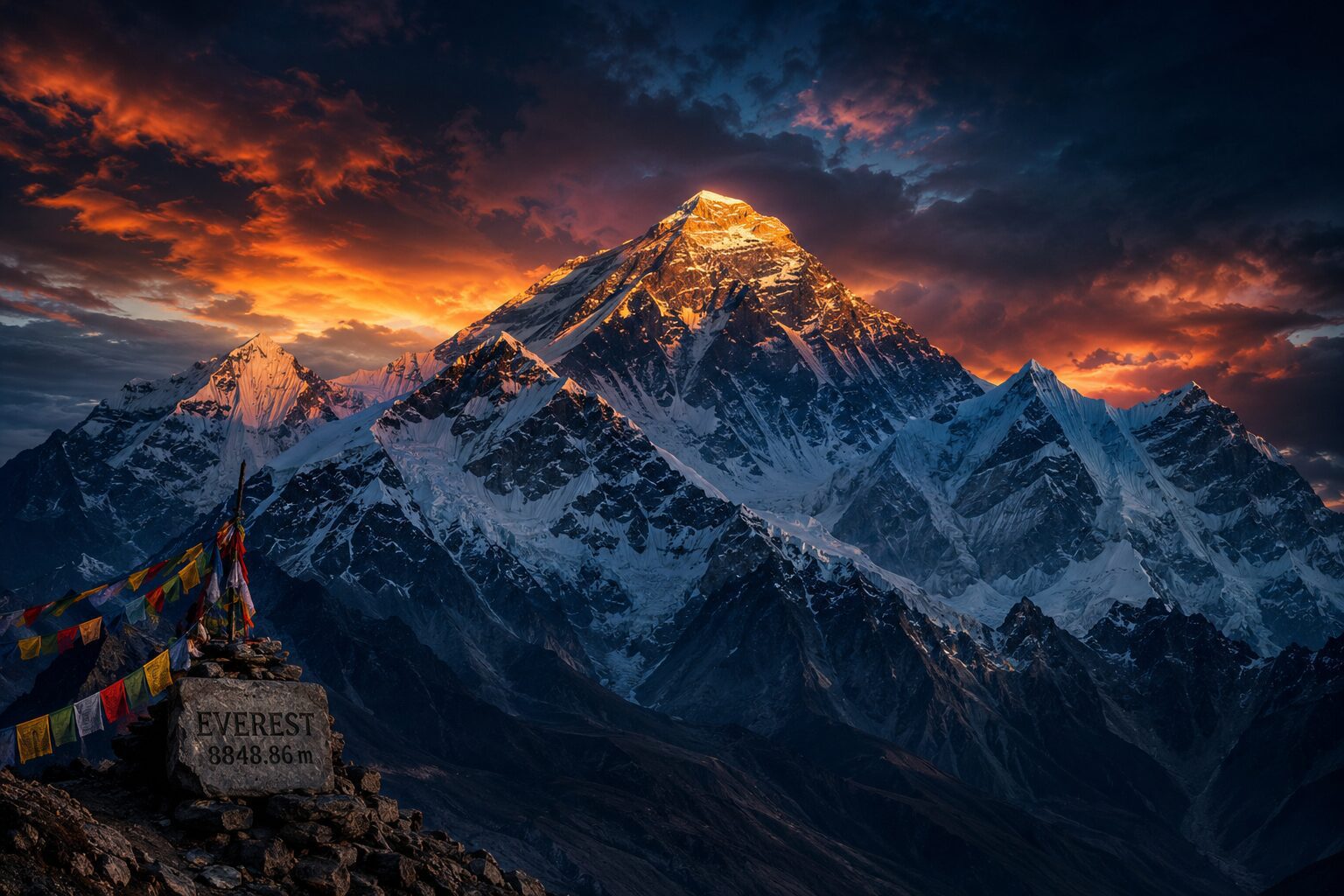
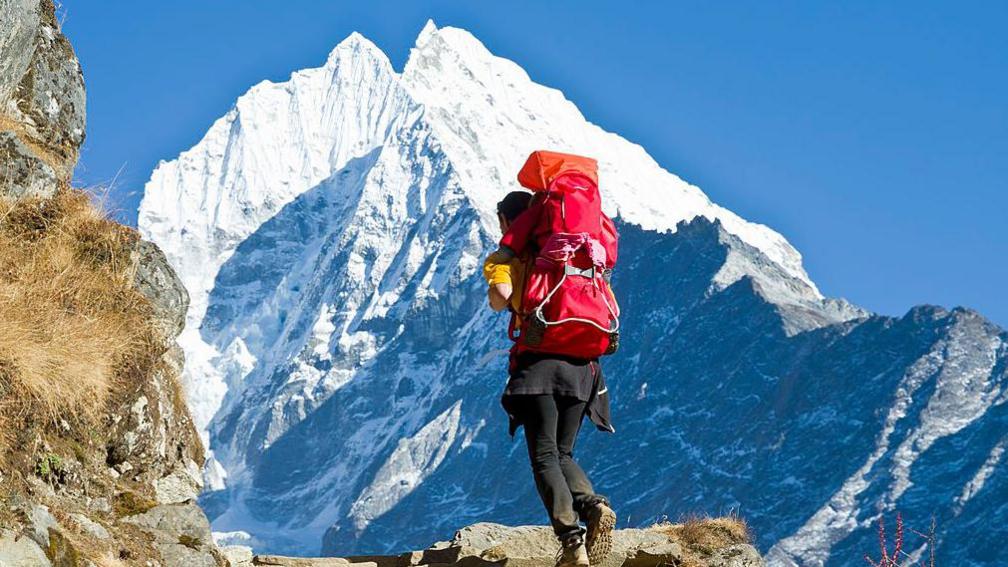

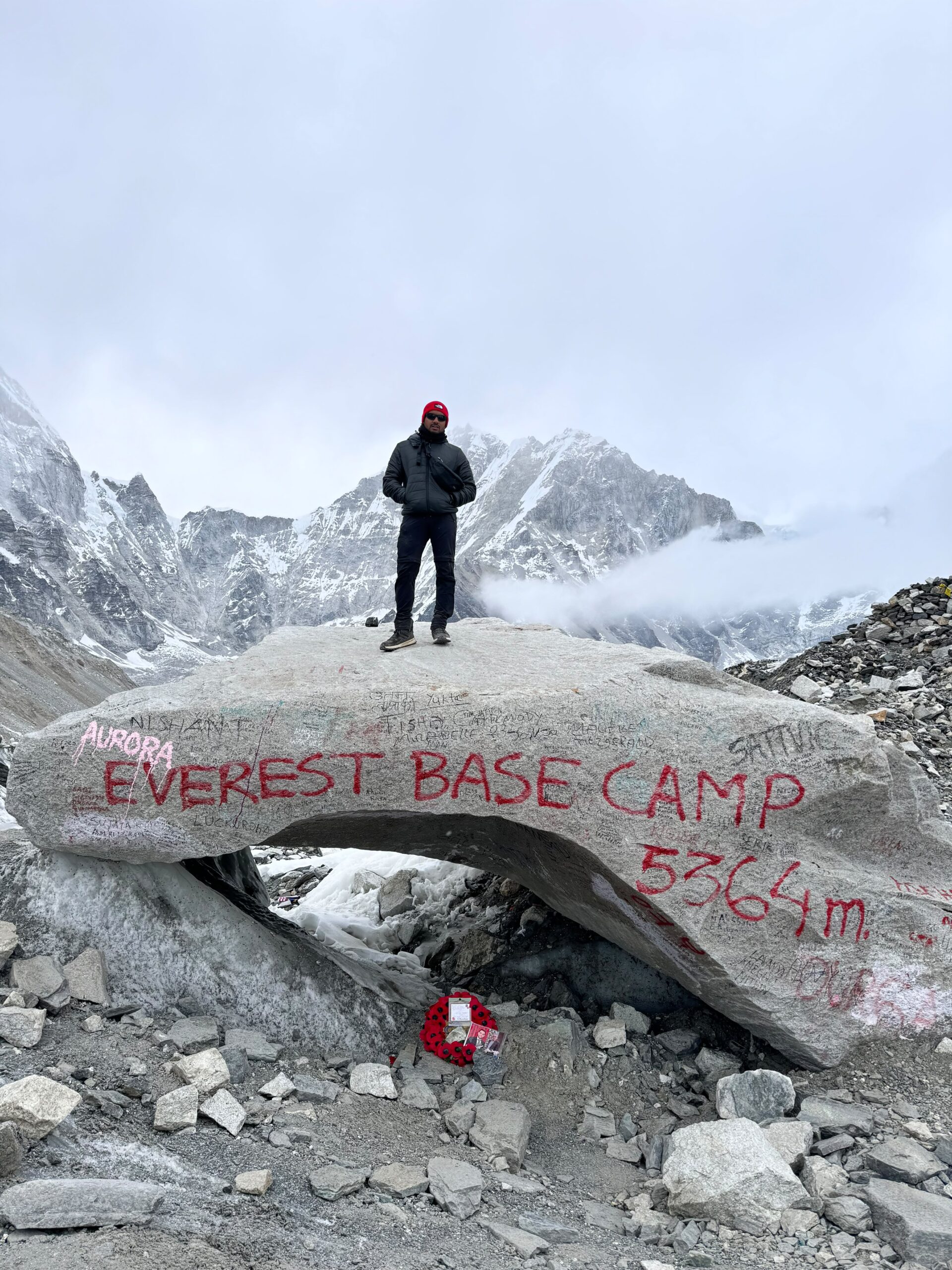


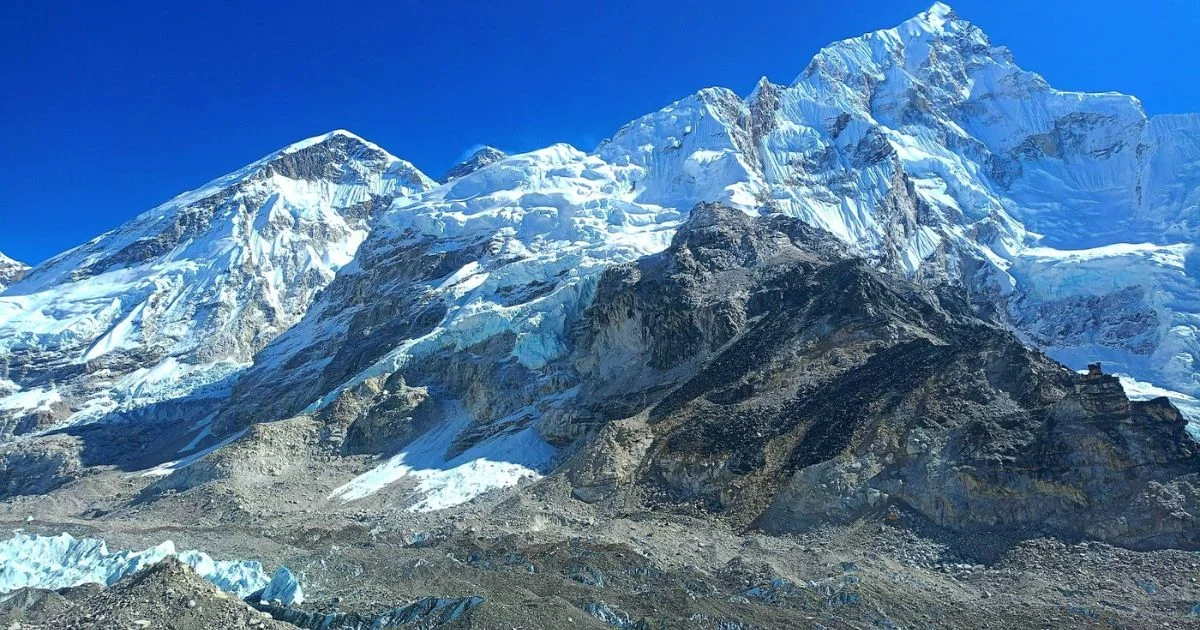

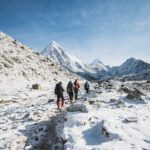


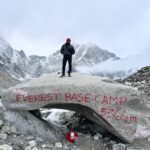

The Everest Base Camp trek is moderately hard to challenging. It is not technical, but the altitude makes it serious. You walk about 130 km over 12 to 14 days, usually 5 to 7 hours a day, and sleep as high as 5,164 m at Gorak Shep. At Base Camp (5,364 m) each breath holds roughly half the oxygen it would at sea level.
No climbing skills are needed. If you can hike 5 to 6 hours on hilly ground, two days in a row, and you follow a sensible acclimatisation plan, you have a very good chance of making it.
Everest Base Camp difficulty rating at a glance
Most trekking companies call EBC “moderate” or “strenuous”, and both are fair. The trek is easy technically: there are no ropes, ladders or scrambling on the standard route, just well-used stone paths, stairs and suspension bridges. What makes it hard is the combination of high altitude, many days in a row and basic mountain conditions.
The walking is moderate. The altitude is serious. Respect the altitude and the rest becomes very doable.
What actually makes the Everest Base Camp trek hard?
People who find EBC hard rarely say “the trail was too steep”. They talk about the thin air, the cold nights, broken sleep and the long run of trekking days. These are the six real factors.
High altitude
Above about 4,000 m every step takes more effort, sleep gets lighter and appetite drops. Altitude sickness is the main reason trekkers turn back.
Many days in a row
No single day is extreme, but 10 to 12 trekking days with little real rest add up, especially for knees on the long descents.
Constant up and down
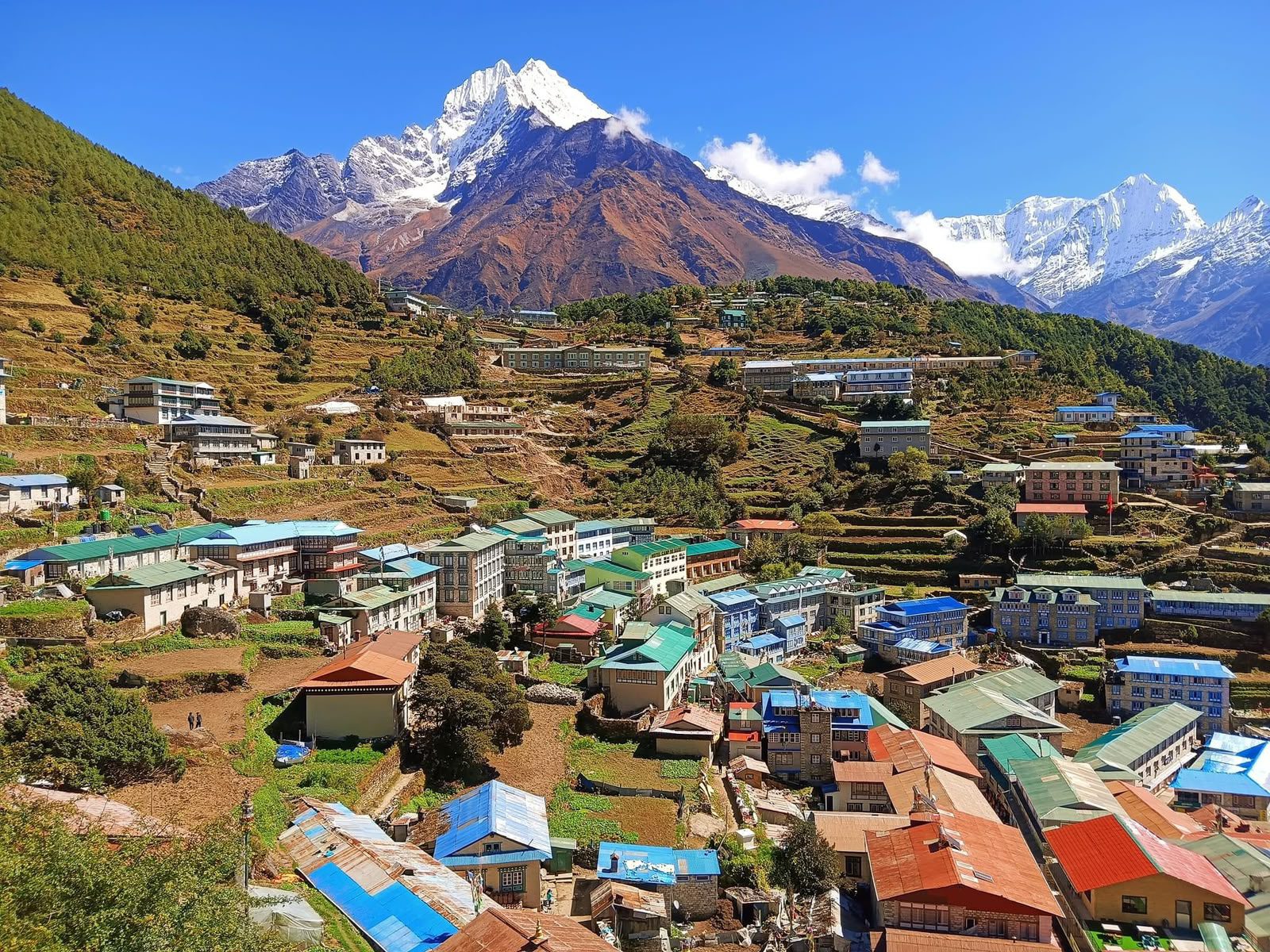
The trail climbs and drops across river valleys. The famous climb to Namche Bazaar gains about 800 m in one afternoon.
Cold and dry air
Nights at Lobuche and Gorak Shep are well below freezing. Dry, dusty air often causes a cough that keeps people awake.
Basic conditions
Teahouse rooms are simple and unheated. Hot showers, charging and Wi-Fi cost extra and become rarer as you climb.
Lukla flights
Mountain weather often delays flights to and from Lukla. The uncertainty is stressful if you have no buffer day.
Altitude: the real challenge of the EBC trek
At sea level the air pushes oxygen into your lungs easily. As you climb, air pressure falls, so each breath delivers less oxygen. At Everest Base Camp you get roughly half the oxygen per breath you would get at the beach. Your body can adapt, but only slowly, which is why every good EBC itinerary climbs gradually and includes rest days.
Altitude sickness on the Everest Base Camp trek
Acute mountain sickness (AMS) is common on the way to Base Camp, and mild symptoms are normal for many trekkers above about 3,000 m. Fitness does not protect you: very fit people get AMS too, often because they walk too fast. What protects you is a slow ascent, rest days and honest reporting of symptoms.
| Level | Signs | What to do |
|---|---|---|
| Mild AMS | Headache, poor appetite, nausea, tiredness, poor sleep, dizziness | Tell your guide. Rest, drink fluids and do not go higher until you feel better. |
| Getting worse | Headache that painkillers do not fix, vomiting, symptoms that do not improve after a rest day | Descend at least 300–500 m. Do not sleep higher. |
| HACE (brain) | Confusion, stumbling, unable to walk heel to toe, unusual behaviour, extreme drowsiness | Emergency. Descend immediately, give oxygen if available and arrange evacuation. |
| HAPE (lungs) | Breathless at rest, wet or bubbling cough, chest tightness, blue lips | Emergency. Descend immediately, give oxygen if available and arrange evacuation. |
Never go higher with symptoms of altitude sickness. If symptoms get worse, go down. Descent is the treatment that always works.
Our guides check every trekker’s oxygen level and pulse twice a day with a pulse oximeter and carry emergency oxygen. The Himalayan Rescue Association runs an aid post in Pheriche during the main seasons, a few hours below Lobuche. Speak with your doctor about acetazolamide (Diamox) before you travel. It can help acclimatisation but does not replace a slow ascent.
Everest Base Camp trek difficulty day by day
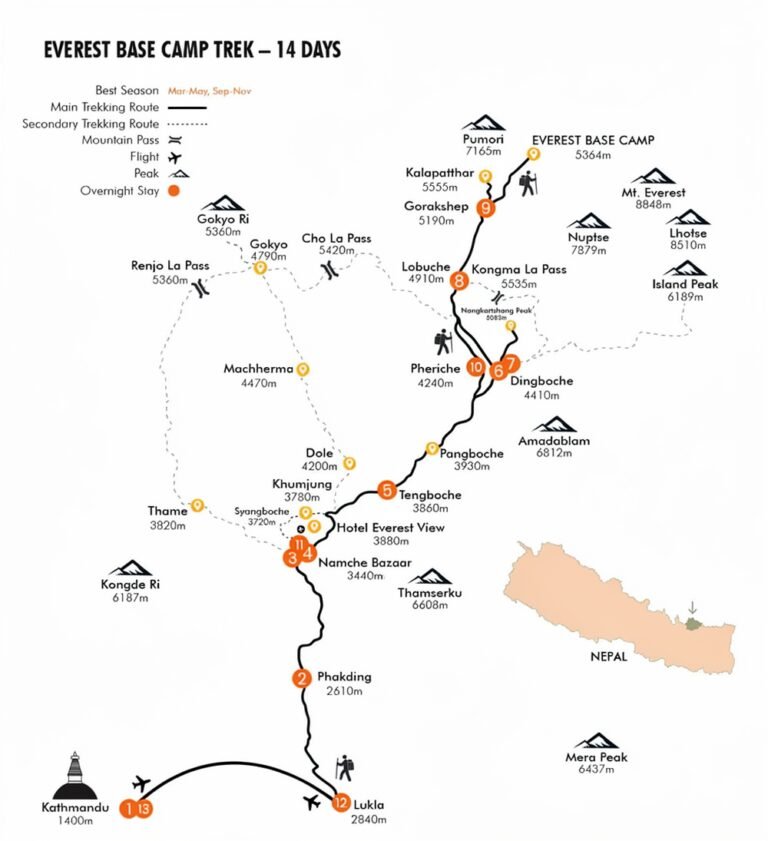
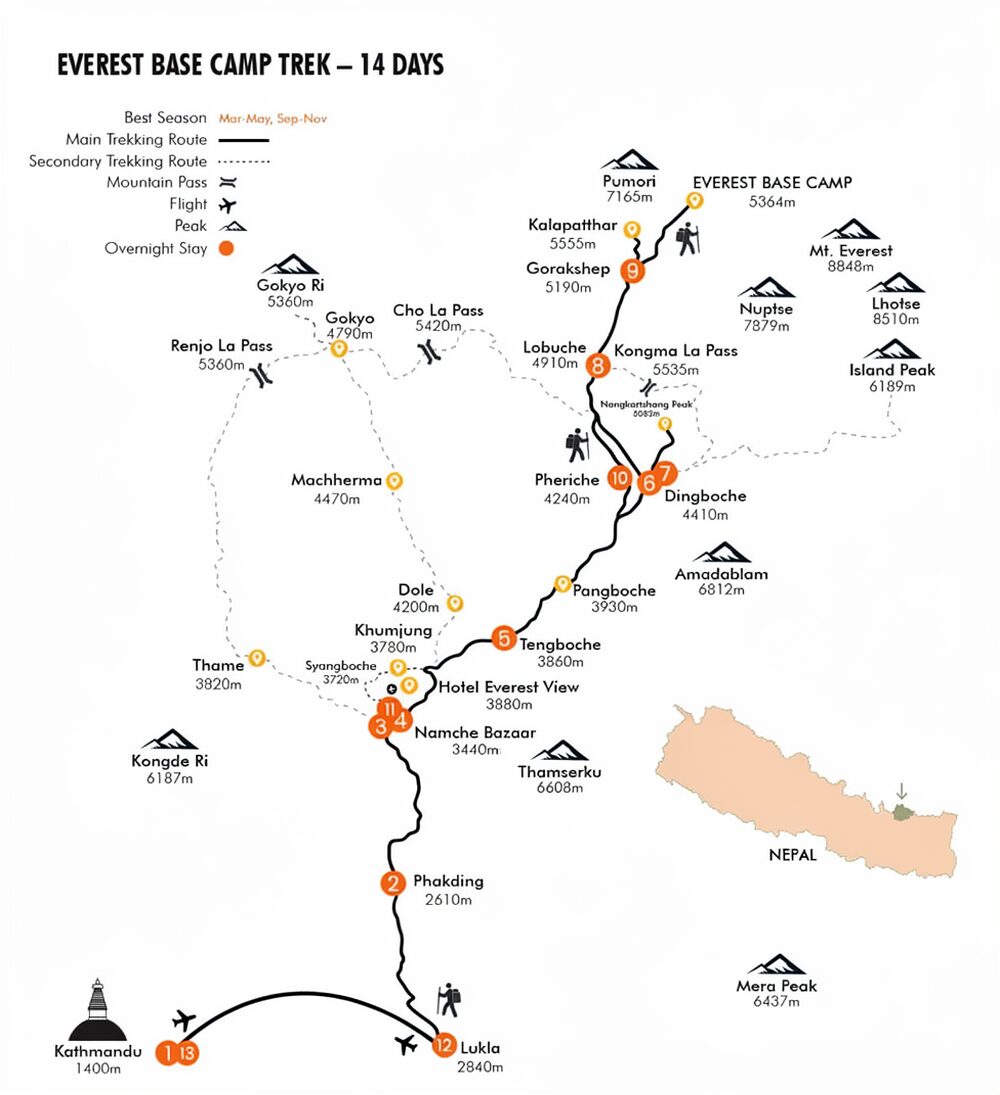
This is how each day feels on our 14-day Everest Base Camp Trek. Times are typical walking times at a relaxed pace, including short breaks. Distances are approximate. For the full story of each day, read our day-by-day itinerary.
| Day | Route | Walk | Sleep at | Difficulty |
|---|---|---|---|---|
| 1 | Arrive in Kathmandu | – | 1,400 m | Easy |
| 2 | Fly to Lukla (2,860 m), trek to Phakding | 3–4 h · ~8 km | 2,610 m | Easy |
| 3 | Phakding to Namche Bazaar | 6–7 h · ~11 km | 3,440 m | Hard |
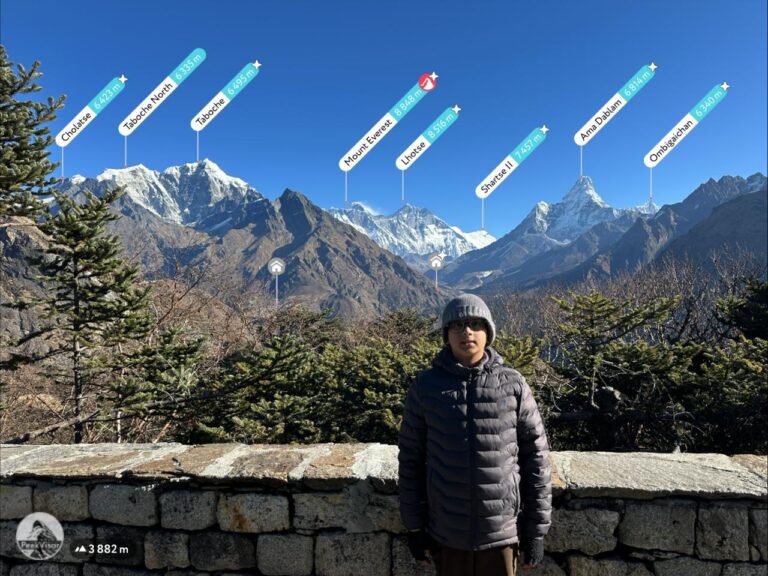
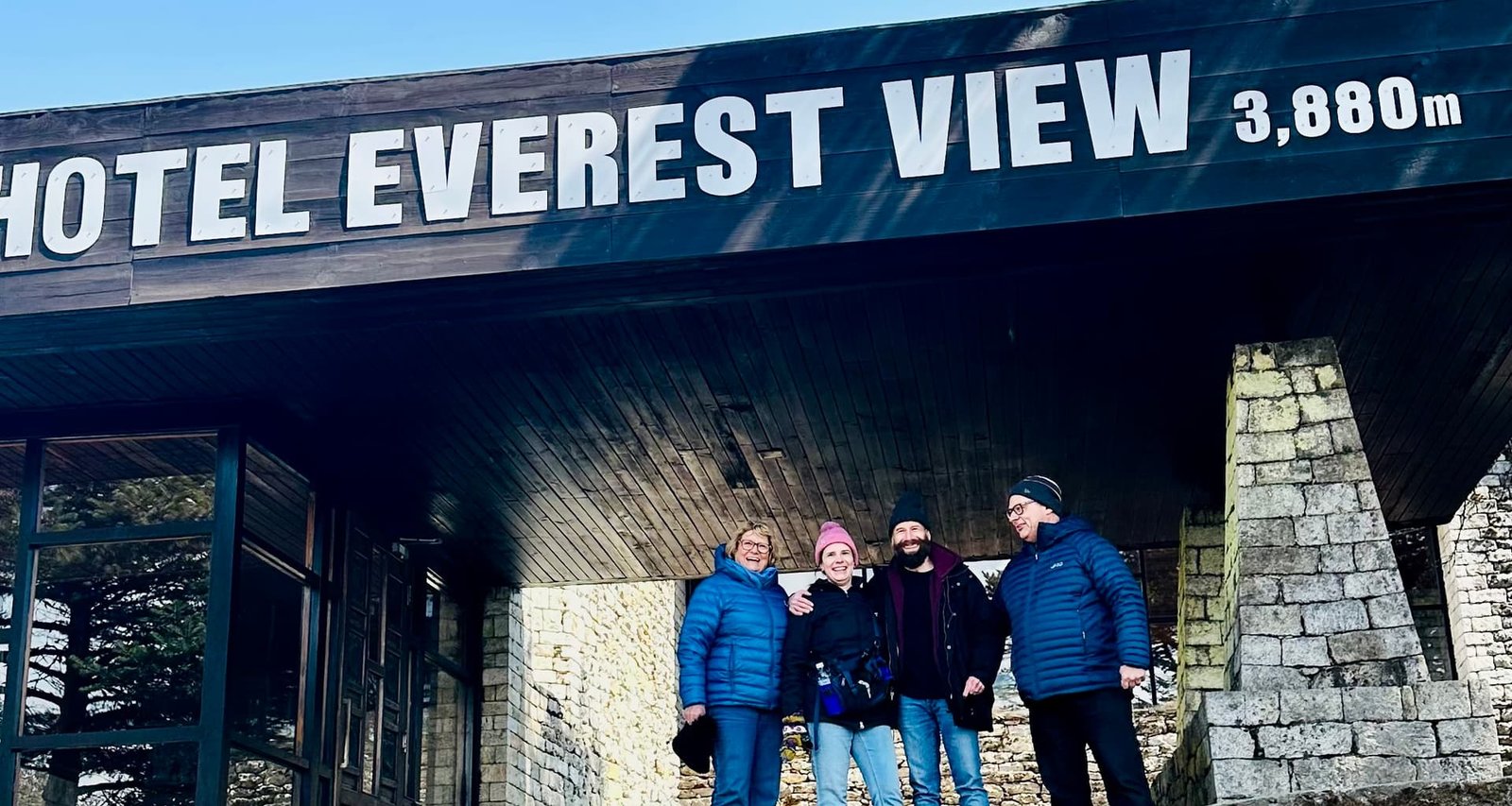
| 4 | Acclimatisation day, hike towards Everest View Hotel | 3–4 h | 3,440 m | Easy |
| 5 | Namche to Tengboche | 5–6 h · ~10 km | 3,867 m | Moderate |
| 6 | Tengboche to Dingboche | 5–6 h · ~11 km | 4,410 m | Moderate |
| 7 | Acclimatisation day, hike to the Nangkartshang ridge | 3–5 h | 4,410 m | Moderate |
| 8 | Dingboche to Lobuche via the Thukla climb | 5–6 h · ~8 km | 4,940 m | Hard |
| 9 | Lobuche to Gorak Shep, then Everest Base Camp and back | 7–8 h · ~12 km | 5,164 m | Hardest |
| 10 | Sunrise on Kala Patthar, descend to Pheriche | 7–8 h · ~13 km | 4,371 m | Very hard |
| 11 | Pheriche to Namche Bazaar | 6–7 h · ~14 km | 3,440 m | Moderate |
| 12 | Namche to Lukla | 6–7 h · ~18 km | 2,860 m | Moderate |
| 13 | Fly back to Kathmandu | – | 1,400 m | Easy |
| 14 | Departure | – | – | – |
The hardest days on the Everest Base Camp trek
1. The Namche Hill (day 3)
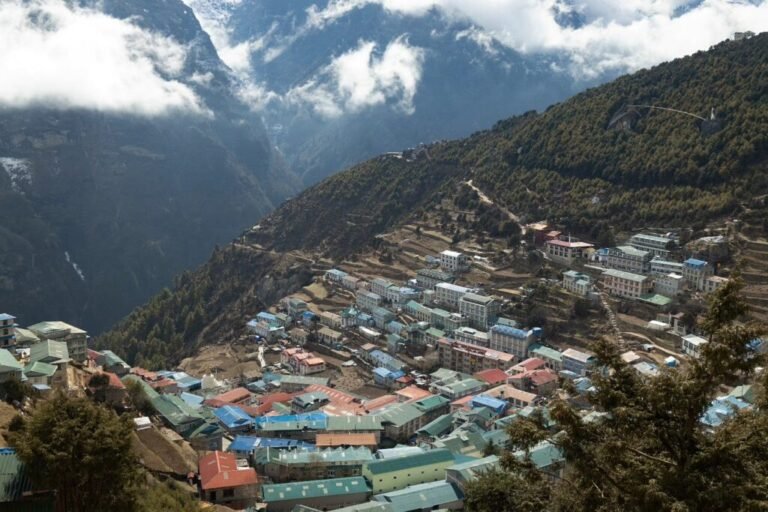
After crossing the high Hillary Suspension Bridge, the trail climbs steeply for 2 to 3 hours to Namche Bazaar. It is the first real test and the first time many people feel the altitude. Walk slowly, use your poles and stop for water often.
2. Thukla Pass to Lobuche (day 8)
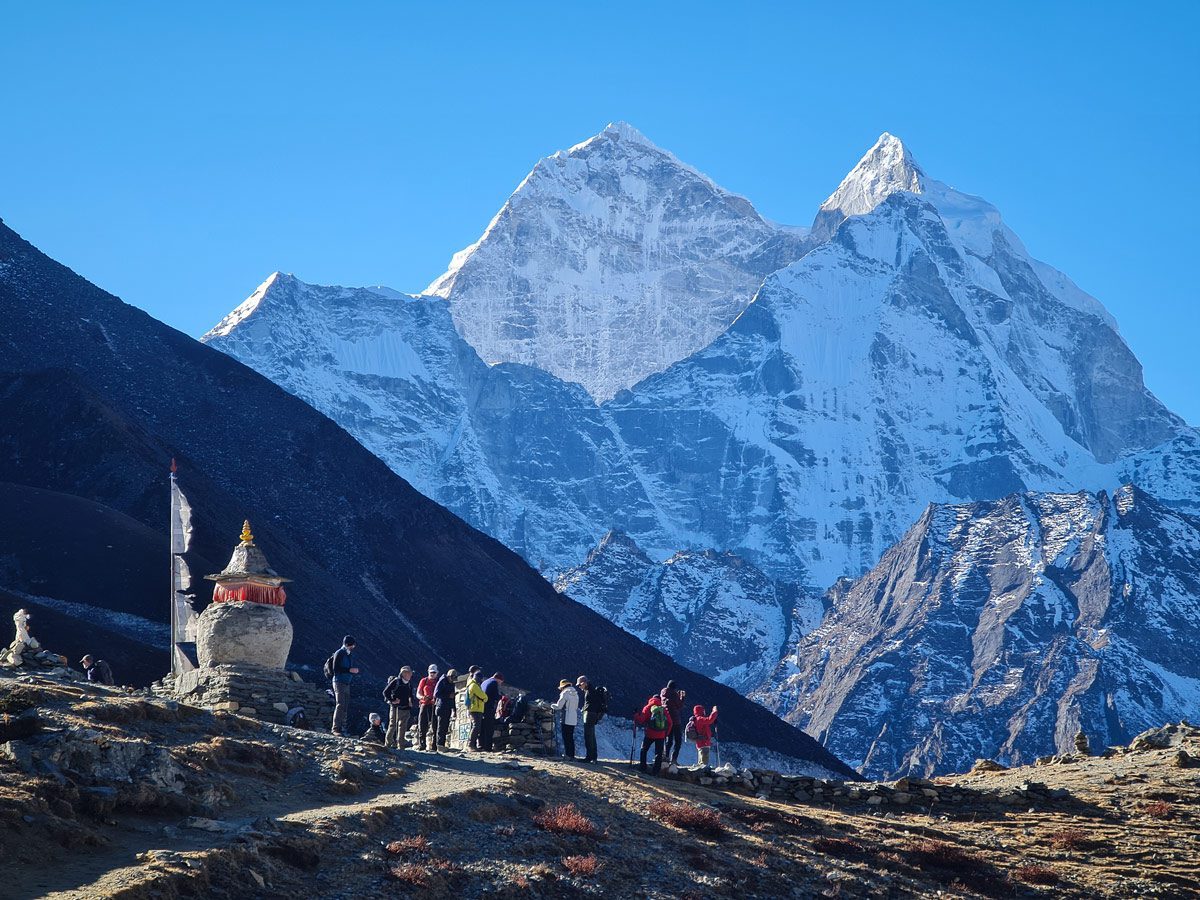
A steep, rocky climb of about an hour leads to the Thukla memorial area, where stone cairns remember climbers who died on Everest. It is emotional and hard at nearly 4,900 m.
3. Gorak Shep and Base Camp (day 9)
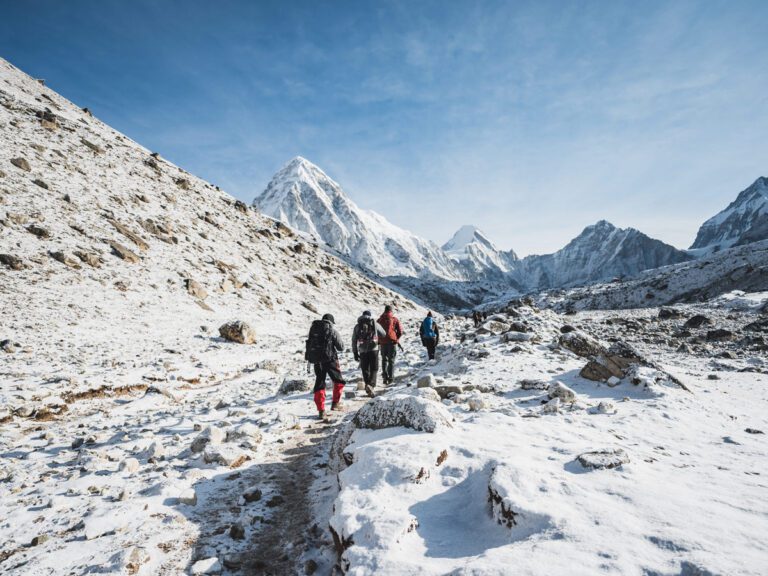
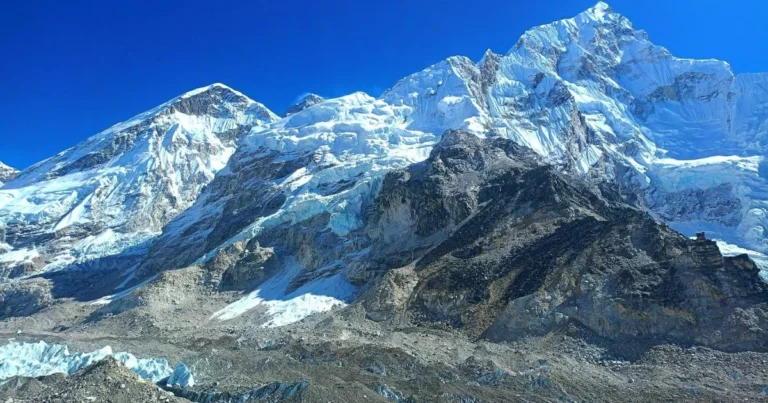
This is the big day: rocky glacial moraine to Gorak Shep, then a 2 to 3 hour walk each way along the Khumbu Glacier to Base Camp. You are tired, the air is thin and the ground is uneven. It is also the most rewarding day of the trek.
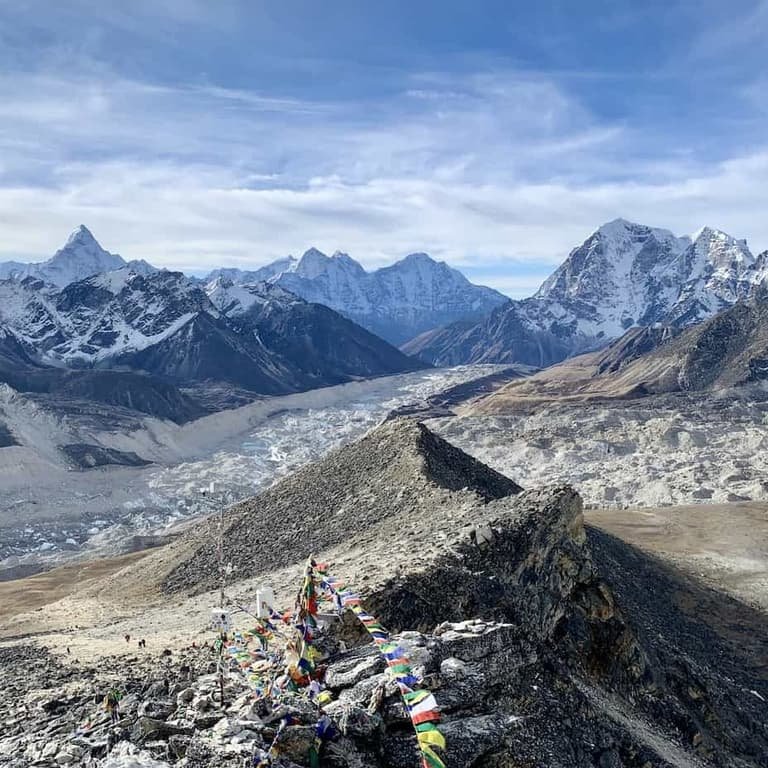
4. Kala Patthar at sunrise (day 10)
Many trekkers say this is the hardest single climb. You start before dawn in deep cold and climb about 400 m to the viewpoint. Then you descend about 1,200 m to Pheriche. The reward is the best close view of Mount Everest on the whole trek.
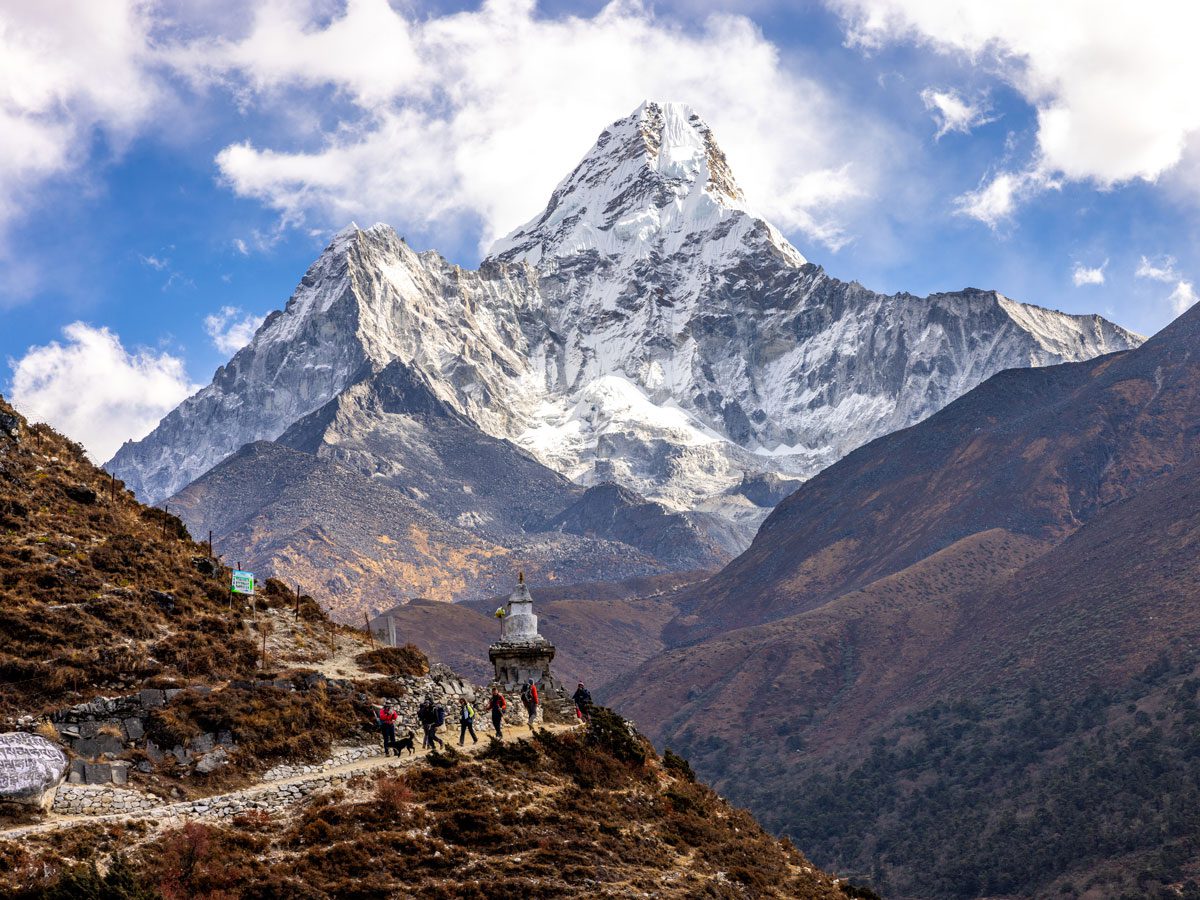
Kala Patthar is optional. If you feel unwell or very tired after Base Camp, it is completely fine to skip it. Base Camp is the goal, and your health comes first.
How does EBC compare with other famous treks?
| Trek | Highest point | Usual length | Difficulty | Main challenge |
|---|---|---|---|---|
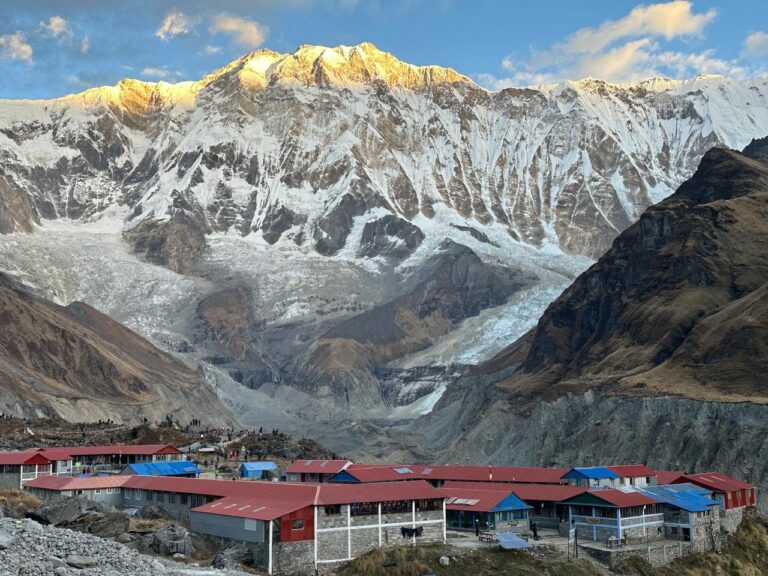
| Annapurna Base Camp, Nepal | 4,130 m | 7–12 days | Moderate | Thousands of stone steps |
| Everest Base Camp, Nepal | 5,364–5,545 m | 12–14 days | Moderate–challenging | Altitude and endurance |
| Kilimanjaro, Tanzania | 5,895 m | 6–8 days | Challenging | Fast ascent and a very hard summit night |
| Everest Three Passes, Nepal | 5,535 m (Kongma La) | 18–21 days | Hard | Three high passes, glacier sections |
| Tour du Mont Blanc, Alps | about 2,665 m | 10–12 days | Moderate | Big daily ascents, low altitude |
Kilimanjaro reaches a higher point but in fewer days, so the altitude hits harder. EBC is longer but more gradual, which many people find more comfortable. If you have done a multi-day hut trek in the Alps, the daily walking on EBC will feel familiar. The altitude is the difference.
How fit do you need to be for Everest Base Camp?
You do not need to be an athlete. You need good everyday endurance: walking for hours, uphill and downhill, for many days in a row. Here is an honest benchmark.
- Hike 15–20 km in a day with about 800–1,000 m of ascent
- Do that again the next day without major pain
- Carry a 5–7 kg daypack for 6 hours
- Climb 60+ flights of stairs at a steady pace
- Walk downhill for 2 hours without knee problems
- Heart or lung conditions, including poorly controlled asthma
- Uncontrolled high blood pressure
- Previous HAPE or HACE
- Pregnancy
- Recent surgery or a serious ongoing illness
Age is less important than health and preparation. Teenagers and trekkers in their 60s and 70s complete EBC every season. Being overweight or new to hiking does not rule you out either, but it does mean starting your training earlier.
A simple 12-week training plan for Everest Base Camp
Start at least 12 weeks before you fly. If you are new to hiking, give yourself 4 to 6 months. The best training is the closest thing to the trek: long walks on hills, with a pack.
Weeks 1–4: Build a base
3–4 cardio sessions a week of 30–45 minutes (brisk walking, cycling, swimming), plus 2 short strength sessions. One weekend hike of 2–3 hours.
Weeks 5–8: Add hills and weight
Weekend hikes of 4–5 hours with a 5–7 kg pack and real ascent. Stairs or an incline treadmill once a week. Squats, lunges, step-ups and core work twice a week.
Weeks 9–11: Back-to-back days
Hike 5–7 hours on Saturday and again on Sunday. This teaches your legs to recover overnight, which is exactly what EBC asks of you. Practise long downhills for your knees.
Week 12: Taper
Ease off. Short walks only, plenty of sleep, and break in your boots if you have not already. Arrive in Nepal rested, not exhausted.
Use stairs, a stair machine or an incline treadmill with a loaded pack. Walking for an hour on a 15% incline is great EBC training.
How the season changes the difficulty
| Season | Months | Conditions | Difficulty |
|---|---|---|---|
| Spring | March–May | Stable weather, warmer days, rhododendrons lower down, busy trails | Best |
| Autumn | Late Sept–November | Clearest skies and views, cold nights higher up, busiest season | Best |
| Winter | December–February | Very cold nights (often −15 °C or lower at Gorak Shep), possible snow, quiet trails | Harder |
| Monsoon | June–early Sept | Rain, cloud, slippery trails, frequent Lukla flight delays | Harder |
Even in the best seasons, expect warm sun in the day and freezing nights above Dingboche. Good layers and a warm sleeping bag make a huge difference. See our Everest Base Camp packing list for exactly what to bring.
Teahouse life: the hidden difficulty
For many people the hardest part is not the walking. It is two weeks of basic living at altitude. Knowing what to expect makes it much easier.
- Rooms: simple twin rooms with thin walls and no heating. The dining room has a stove in the evening and is the warm heart of every lodge.
- Toilets: often shared, and higher up many are squat toilets. Bring your own toilet paper and hand sanitiser.
- Showers and charging: usually paid extra, and less reliable above Dingboche. Many trekkers skip showers higher up and use wet wipes.
- Food: filling and carb-heavy. Dal bhat (rice and lentils) is the trekkers’ favourite and often comes with free refills. Many guides advise skipping meat higher up.
- Sleep: light, broken sleep at altitude is normal. It improves as you acclimatise.
- The “Khumbu cough”: dry, cold air irritates the throat. A buff over your mouth and throat lozenges help a lot.
Want to know where you will sleep? Have a look at our stays, such as Phakding Lodge.
Do you need a guide for Everest Base Camp?
Since April 2023 Nepal requires trekkers in its national parks and conservation areas to hire a licensed guide. The Khumbu Pasang Lhamu Rural Municipality, which manages the Everest region, has allowed independent trekking. Rules and checkpoint enforcement can change, so check the latest rules before you travel, for example with the Nepal Tourism Board.
Whatever the rules say, a good guide makes EBC noticeably easier and safer:
- They set a slow, steady pace, which is the best protection against altitude sickness.
- They spot early warning signs that you may not notice in yourself.
- They book teahouses in busy season, handle permits and sort out flight delays.
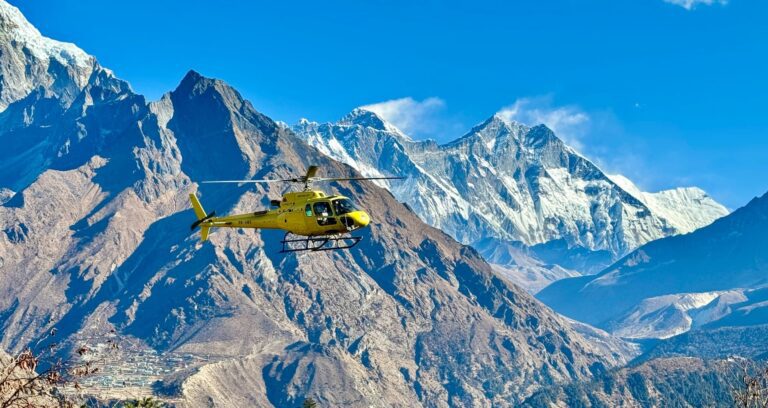
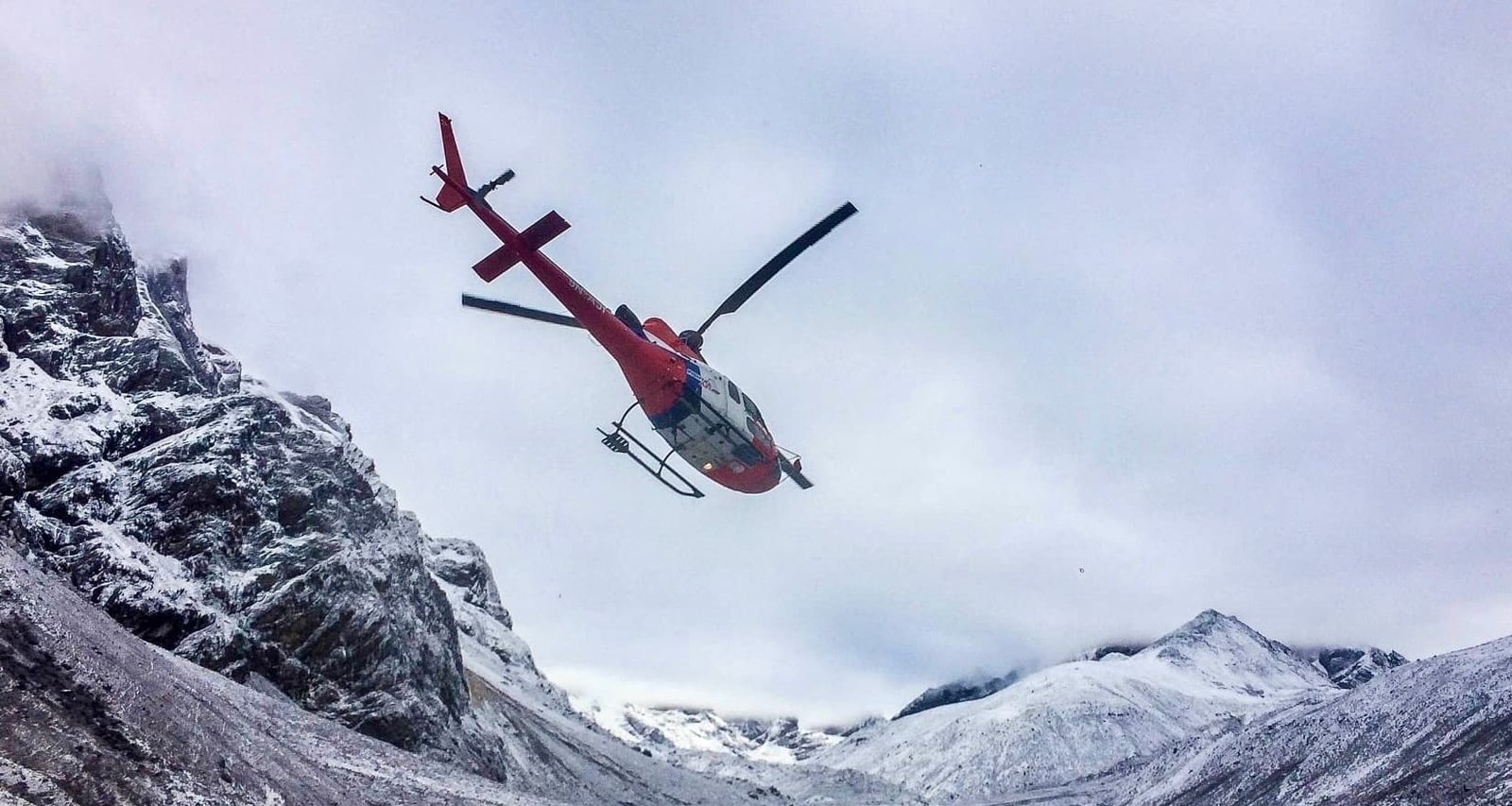
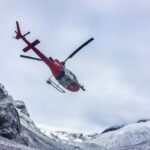
- They can organise a helicopter evacuation quickly if something goes wrong.
A porter carries your main bag (usually up to 10–12 kg per trekker), so you only carry a light daypack. That alone makes every day easier. Meet guides like Pasang Sherpa and Dawa Sherpa, who lead our Everest treks.
Two local permits: the Sagarmatha National Park entry permit and the Khumbu Pasang Lhamu Rural Municipality permit, each about NPR 3,000 for foreign visitors. The TIMS card is no longer used in the Khumbu. Fees can change, so confirm before you go. Both are included in our package, as listed in what’s included.
Are you ready for Everest Base Camp? Quick self-check
Tick every statement that is true for you today.
12 ways to make the Everest Base Camp trek easier
- Walk slowly. Locals say “bistarai, bistarai”: slowly, slowly. You should be able to talk while walking.
- Never skip acclimatisation days. Use them for short hikes higher up, then sleep lower.
- Drink 3–4 litres of water a day. Use purification tablets or a filter instead of buying plastic bottles.
- Eat even when you are not hungry. Your body burns a lot of energy at altitude.
- Avoid alcohol and sleeping pills on the way up.
- Use trekking poles. They save your knees on the long descents.
- Hire a porter and keep your daypack light.
- Dress in layers and put on a warm layer as soon as you stop.
- Protect your throat with a buff to prevent the Khumbu cough.
- Break in your boots before the trek and treat hot spots early.
- Add a buffer day in Kathmandu for Lukla flight delays.
- Buy travel insurance that covers trekking up to 6,000 m and helicopter evacuation.
Everest Base Camp difficulty: myths vs reality
Everest Base Camp difficulty: frequently asked questions
Can a beginner hike to Everest Base Camp?
Yes. Many trekkers reach Base Camp on their first multi-day trek. You need 3 months of good training, a gradual itinerary with acclimatisation days and the patience to walk slowly. A guide and porter make it much easier for beginners.
How many hours a day do you walk on the EBC trek?
Usually 5 to 7 hours, including breaks. The longest days, Base Camp day and Kala Patthar day, can be 7 to 8 hours. Acclimatisation days have 3 to 5 hours of easier walking.
What is the hardest part of the Everest Base Camp trek?
The altitude, especially the days from Lobuche to Gorak Shep, Base Camp and the early climb to Kala Patthar. The steep climb to Namche Bazaar on day 3 is the hardest early day.
Is Everest Base Camp harder than Kilimanjaro?
Kilimanjaro’s summit is higher (5,895 m) and climbed much faster, with a very hard summit night, so many people find it harder on the body. EBC is longer and has basic living conditions for more days, but its gradual ascent makes acclimatisation easier.
How fit do I need to be for Everest Base Camp?
You should be able to hike 15–20 km with about 1,000 m of ascent in a day and do it again the next day. You do not need to run marathons. Endurance matters more than speed or strength.
Can I do the Everest Base Camp trek without a guide?
The Everest region’s local municipality has allowed independent trekking, unlike most other national parks in Nepal, where a licensed guide has been required since 2023. Rules can change, so check before you go. A guide is strongly recommended for first-timers because of the altitude.
Is there an age limit for the Everest Base Camp trek?
There is no official age limit. Teenagers and trekkers over 70 complete it every year. Your health, preparation and a slow pace matter far more than your age. Older trekkers should get a medical check before booking.
How many people get altitude sickness on the EBC trek?
Mild symptoms such as headache and poor sleep are very common above 3,500 m. Serious altitude illness is much less common and is largely prevented by a gradual itinerary, rest days and descending early when symptoms get worse.
Can I do the Everest Base Camp trek in 10 days?
It is possible but not recommended for most people. A shorter trek means fewer acclimatisation days and a higher risk of altitude sickness. Our 14-day itinerary includes two acclimatisation days and time to recover.
What is the best time to trek to Everest Base Camp?
Spring (March to May) and autumn (late September to November) offer the most stable weather and the clearest views. Winter is very cold, and the monsoon brings rain and flight delays.
Final verdict: how difficult is it to hike to Everest Base Camp?
The Everest Base Camp trek is a challenging but achievable adventure for healthy people who prepare. The walking itself is moderate. The altitude, the long run of days and basic mountain living are what make it hard. Train on hills for 12 weeks, choose an itinerary with proper rest days, walk slowly and listen to your body, and you can stand at the foot of the world’s highest mountain.
New to big treks? Start with our complete preparation guide for first-timers and our guide Is the Everest Base Camp trek right for you?
Ready to Walk to Everest Base Camp?
Join our 14-day Everest Base Camp Trek with licensed Sherpa guides, porters, permits, Lukla flights and daily oxygen checks included.
Altitudes and walking times are typical figures for the standard route and can vary with pace and conditions. Permit fees and trekking rules are set by Nepal’s authorities and can change. Always check the latest information before you travel. This guide is general information, not medical advice. Speak with your doctor about trekking at high altitude.