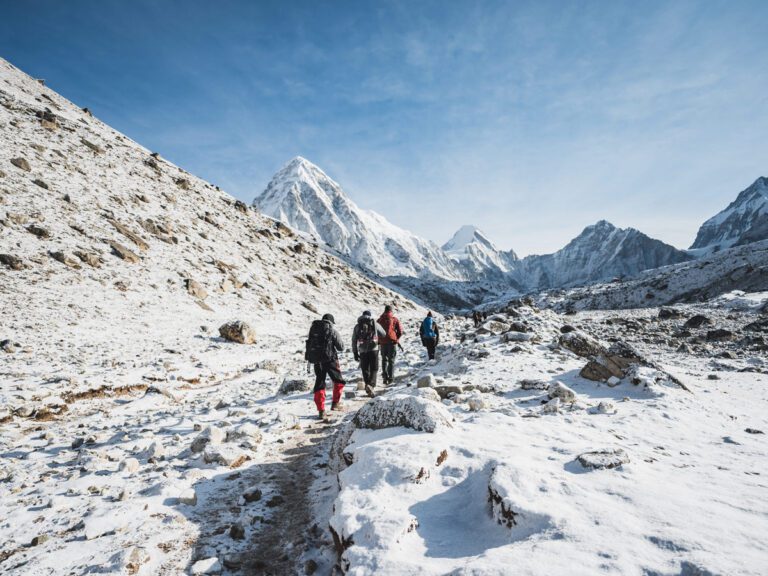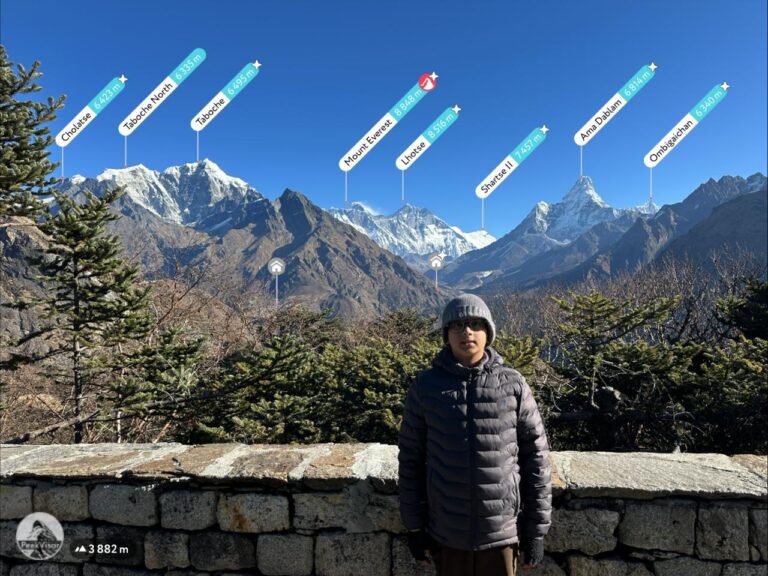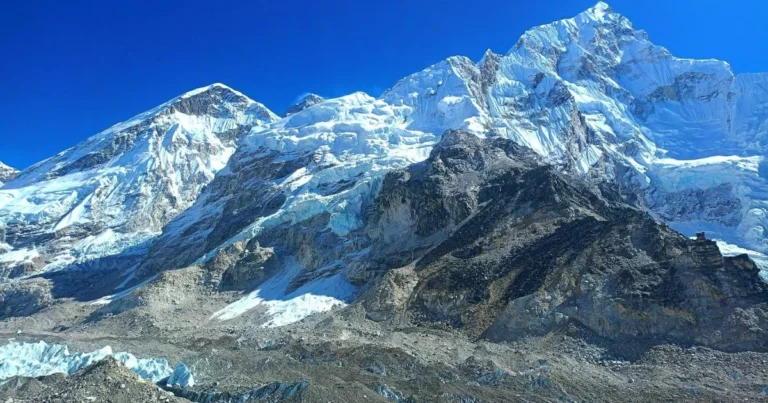

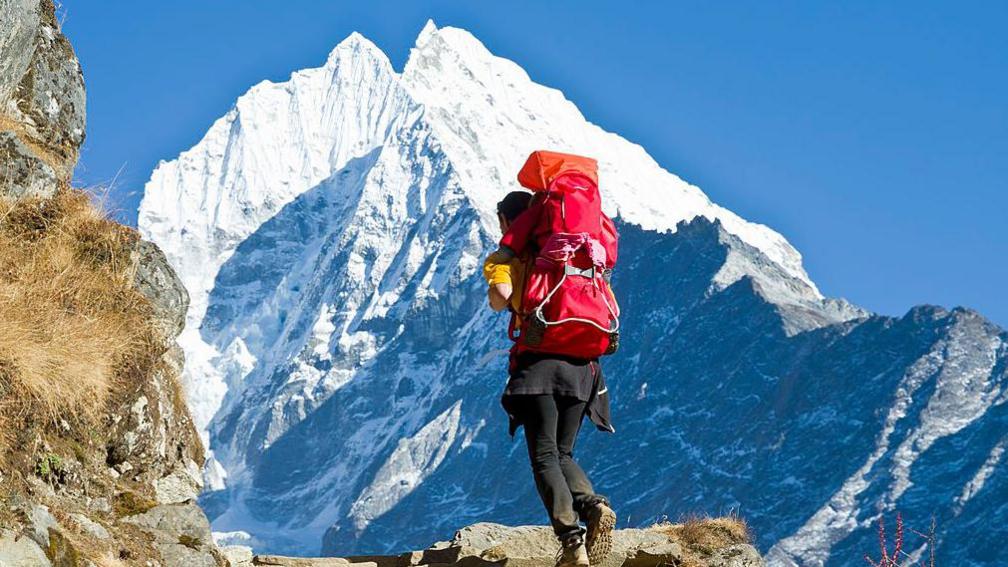
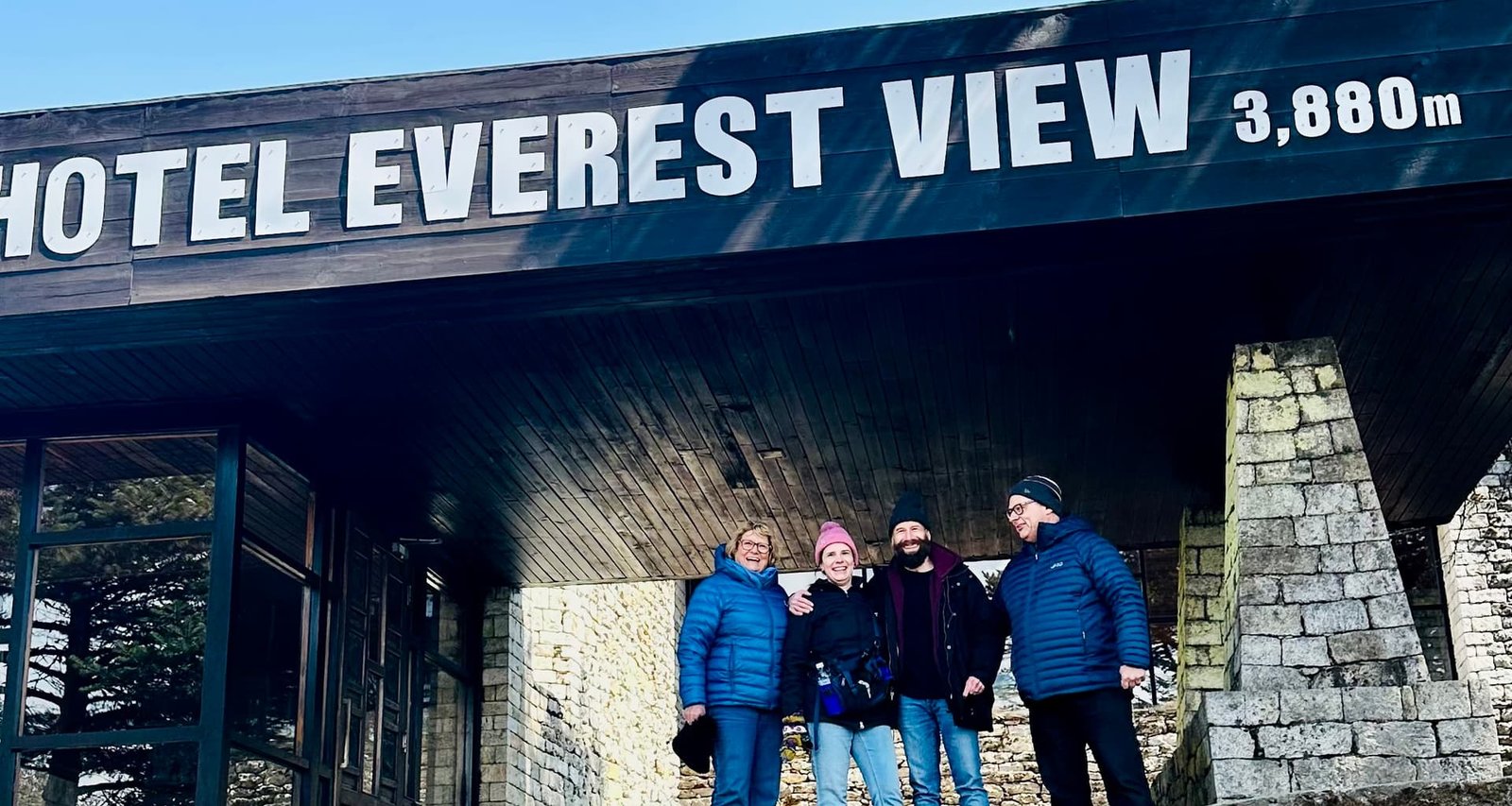






For healthy, well-prepared trekkers on a sensible itinerary, the Everest Base Camp trek is generally considered safe. It is a walking trek, not a climb, and tens of thousands of people do it every year.
It is not risk-free, though. Altitude sickness is the main danger, followed by Lukla flight disruption, cold and weather, trail slips and stomach illness. Almost all of these risks are reduced by a slow ascent, a licensed guide, good travel insurance and turning back early when something feels wrong.
Everest Base Camp risks at a glance
This is an honest view of each risk: how often it affects trekkers, how serious it can be, and the best way to reduce it.
| Risk | How common | How serious | How to reduce it |
|---|---|---|---|
| Mild altitude sickness | Common | Usually mild | Slow ascent, rest days, water, tell your guide |
| HAPE / HACE (severe altitude illness) | Uncommon | Life-threatening | Never go higher with symptoms, descend early, oxygen, evacuation |
| Lukla flight delays | Common | Disruptive | Buffer days, flexible plans |
| Stomach upsets | Common | Usually mild | Treated water, hand hygiene, simple food |
| Khumbu cough and colds | Common | Mild | Buff over mouth, lozenges, stay warm |
| Slips, sprains and falls | Occasional | Mild to serious | Good boots, poles, careful pace, microspikes in winter |
| Yak and porter traffic | Daily encounters | Can knock you over | Always step to the mountain side of the trail |
| Cold injury (frostnip, hypothermia) | Uncommon | Serious if ignored | Proper layers, warm sleeping bag, stay dry |
| Landslides, rockfall, avalanches | Rare on the trekking route | Serious | Trek in the main seasons, follow local advice |
Altitude sickness: the main risk on the EBC trek
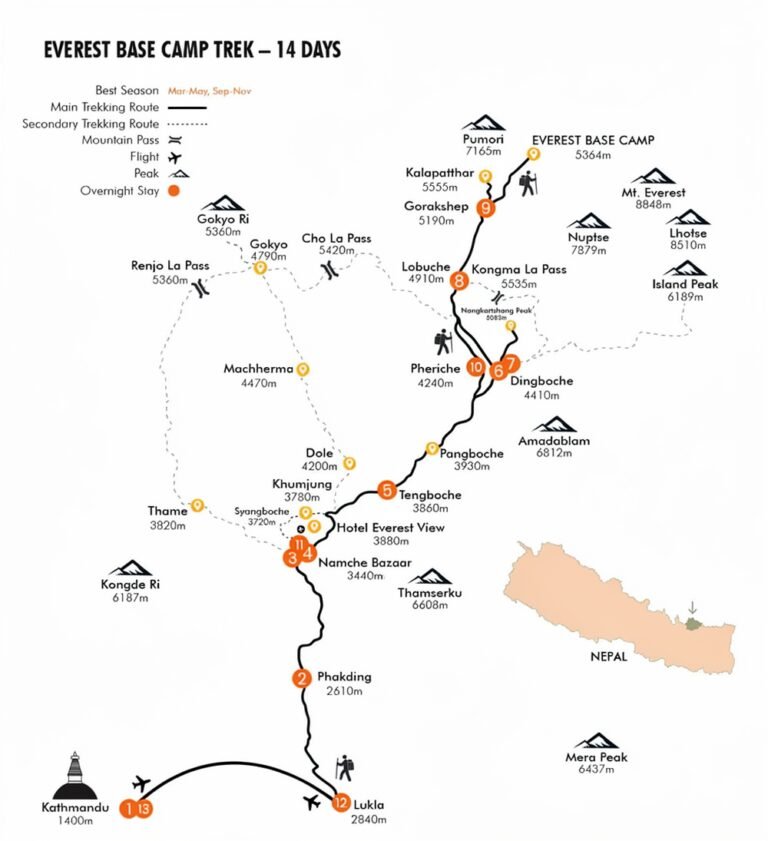
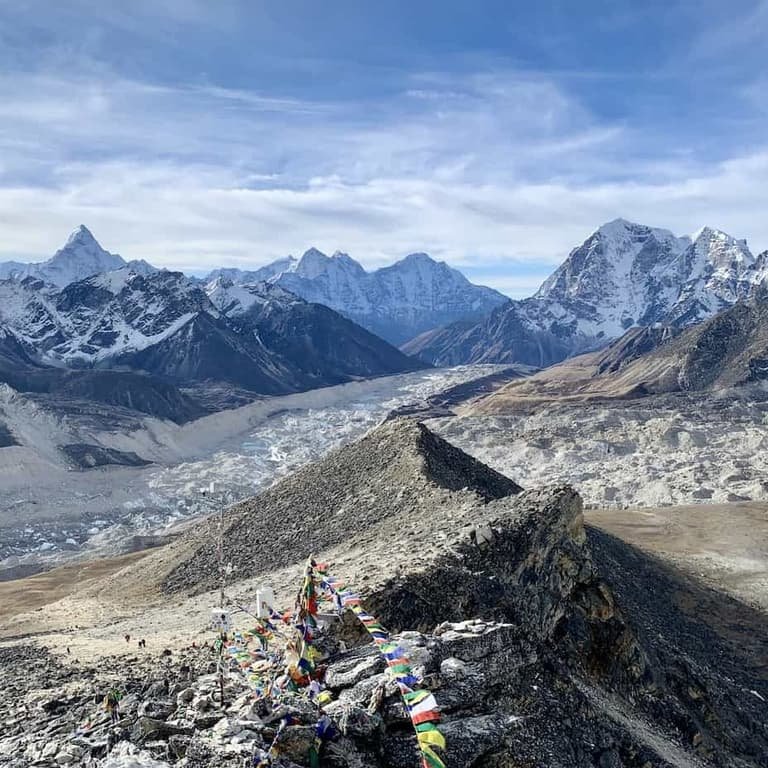
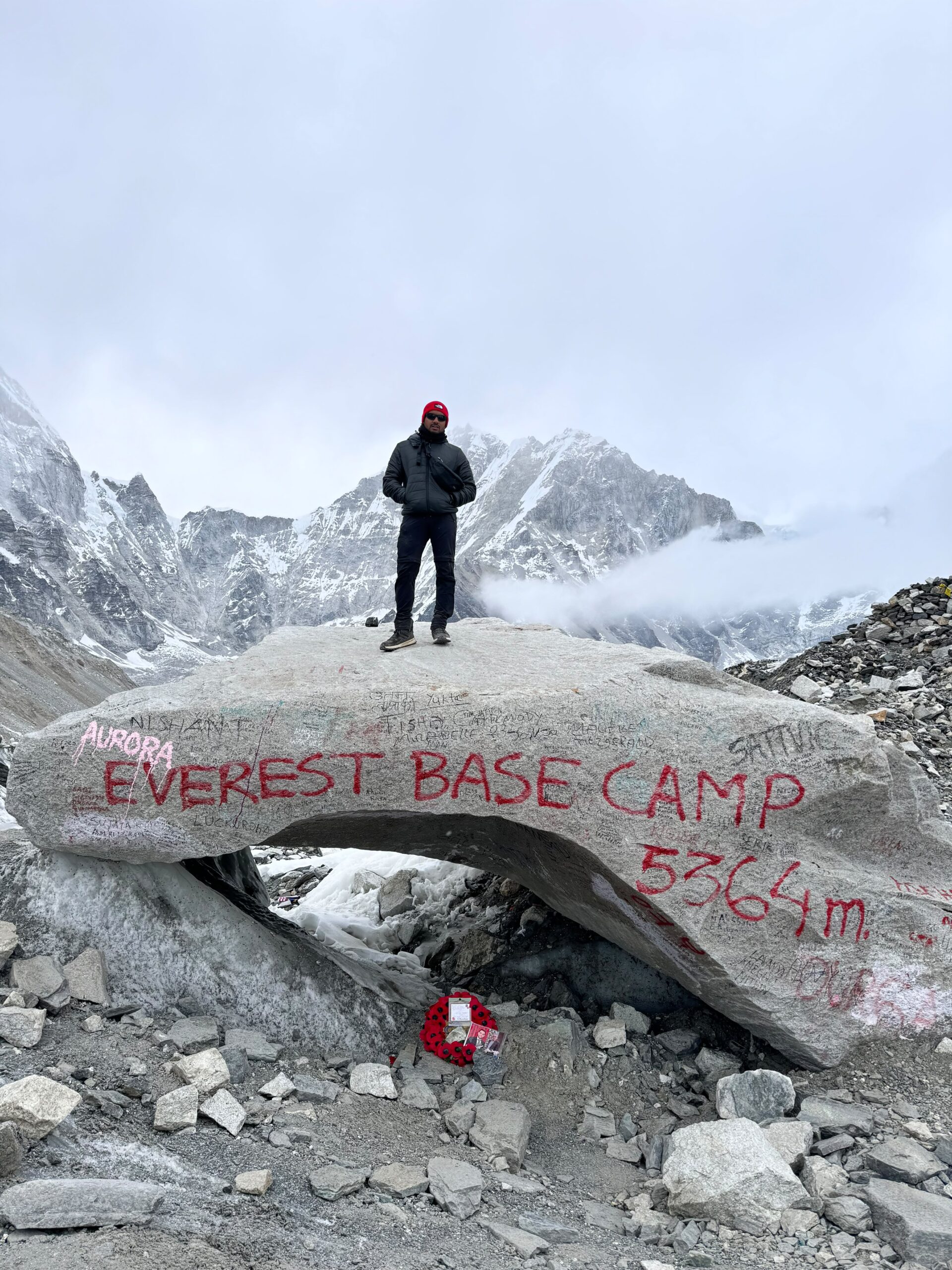
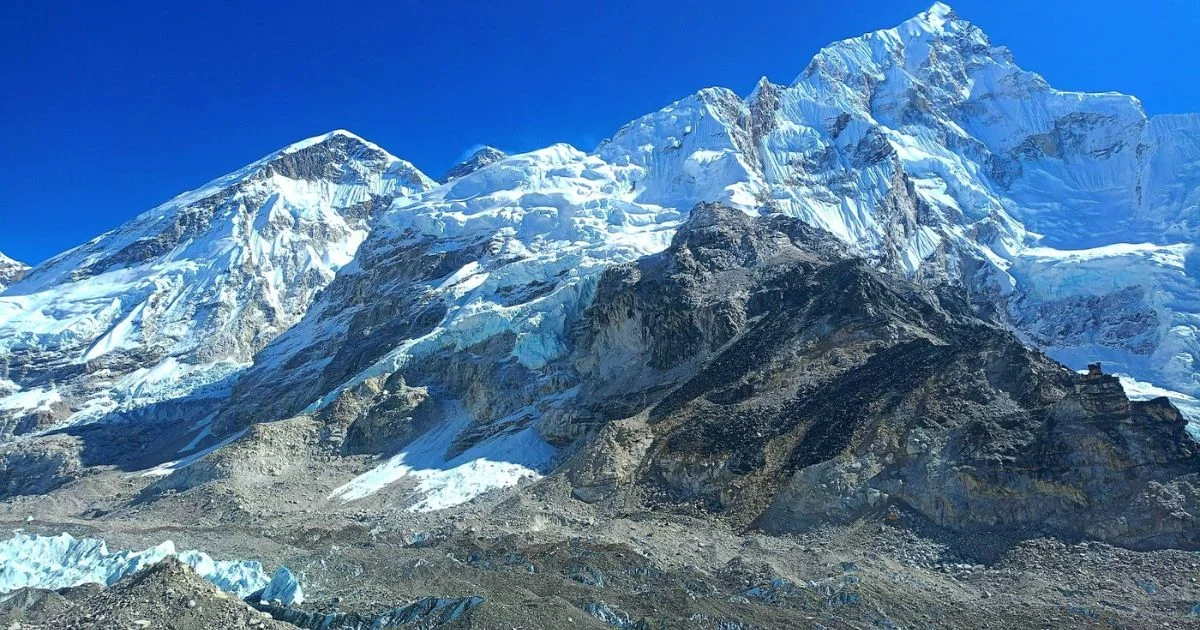
The trek climbs from 2,860 m at Lukla to 5,364 m at Base Camp, and many trekkers go up to 5,545 m at Kala Patthar. At Base Camp each breath holds roughly half the oxygen it would at sea level. Your body can adapt to this, but only slowly. Problems happen when people climb faster than their body can adjust.
The three types of altitude illness
AMS (acute mountain sickness)
Headache, nausea, poor appetite, tiredness and poor sleep. Common and usually mild. Rest, fluids and not going higher normally fix it.
HACE (brain)
Severe headache, confusion, stumbling, unusual behaviour, extreme drowsiness. An emergency: descend immediately.
HAPE (lungs)
Breathless at rest, a wet or bubbling cough, chest tightness, very tired. An emergency: descend immediately.
Never go higher with symptoms of altitude sickness. If symptoms get worse, go down. Never leave someone with symptoms alone. Descent is the treatment that always works.
How to reduce your altitude risk
- Choose an itinerary with at least 2 acclimatisation days, like our 14-day Everest Base Camp Trek.
- Walk slowly, even when you feel strong. Fitness does not protect you from altitude sickness.
- Drink 3 to 4 litres a day, eat well and avoid alcohol and sleeping pills on the way up.
- Tell your guide about every symptom, however small.
- Ask your doctor about acetazolamide (Diamox) before you travel. It can help but never replaces a slow ascent.
For a full breakdown of the altitude on each day, see How difficult is it to hike to Everest Base Camp?
How safe are Lukla flights?
Tenzing-Hillary Airport in Lukla sits on a mountainside with a short, sloping runway. It is often called one of the most challenging airports in the world, and there have been serious accidents in its history. Today, flights are run by experienced mountain pilots and only operate in good visibility, which is why delays and cancellations are common.
- Delays are the most likely problem. Morning flights are the most reliable, and flights can stop for hours or days in bad weather.
- Ramechhap departures: in busy seasons many flights leave from Manthali Airport in Ramechhap, a very early drive of about 4 to 5 hours from Kathmandu.
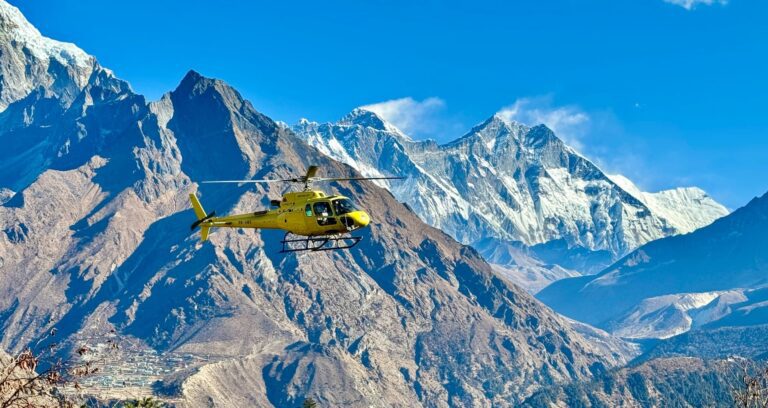
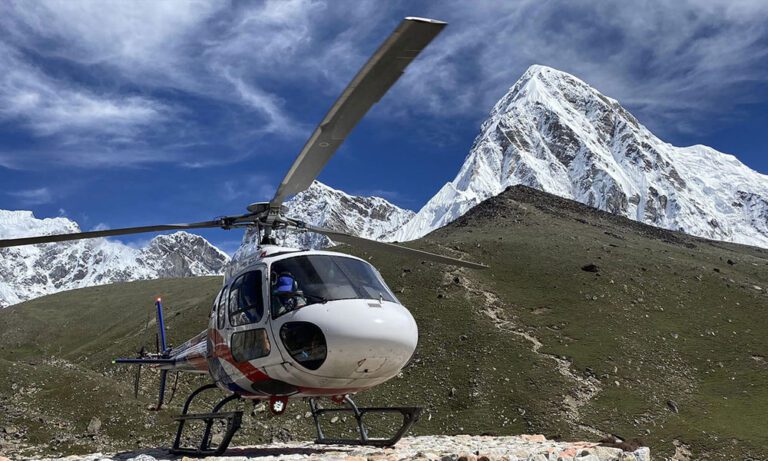
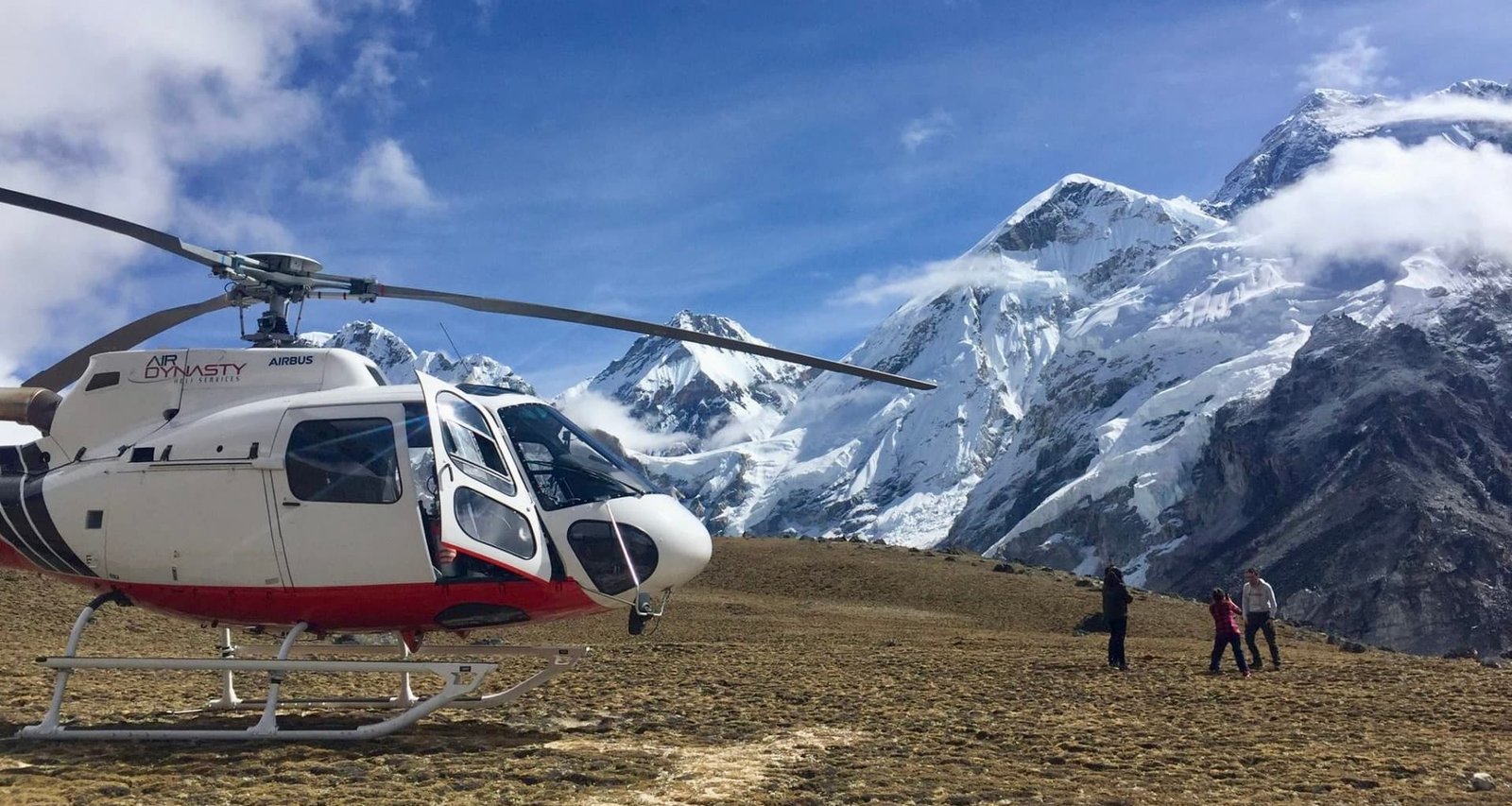
- Helicopters can sometimes fly when planes cannot, at extra cost.
Leave 1 to 2 spare days in Kathmandu before your international flight home. It removes the pressure to fly in poor weather and turns a delay into a free day in Kathmandu.
Trail hazards on the way to Base Camp
Yaks and pack animals
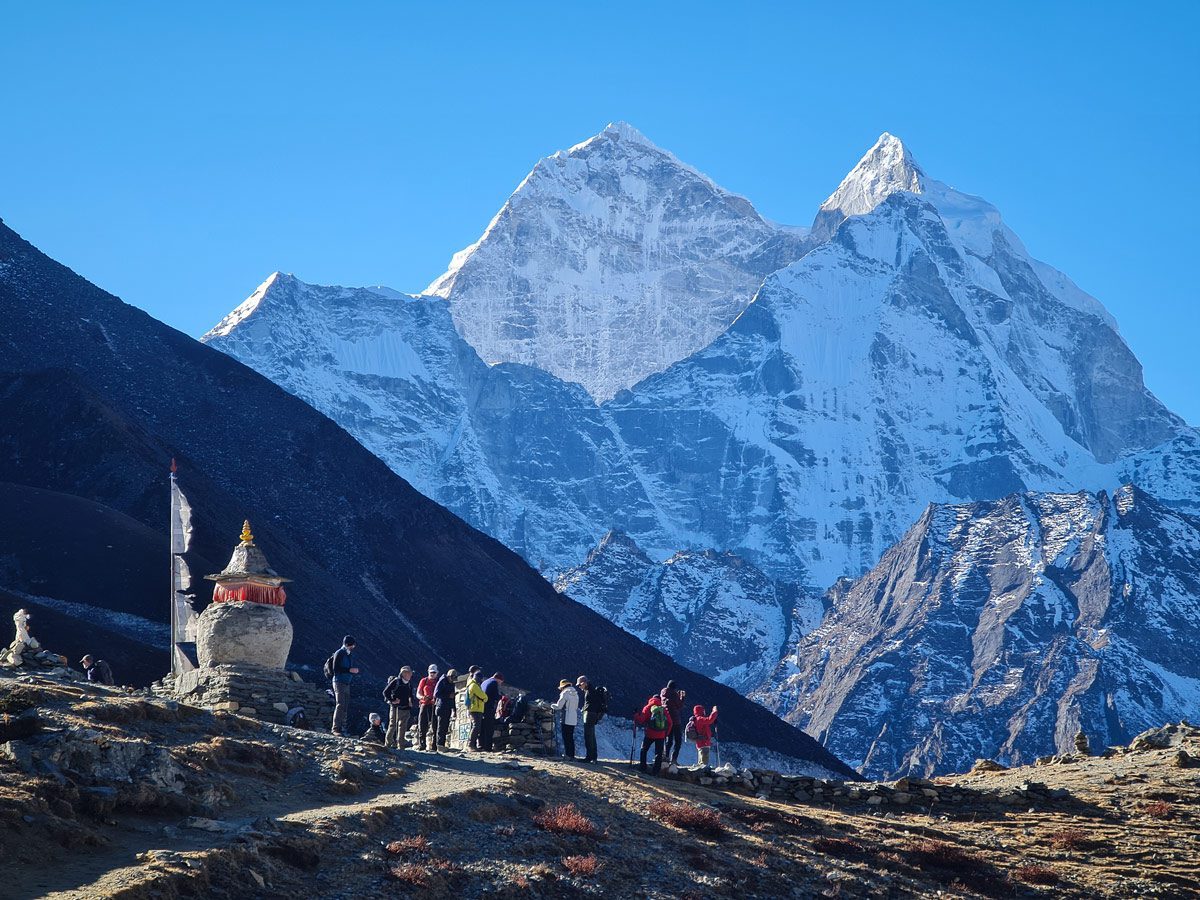
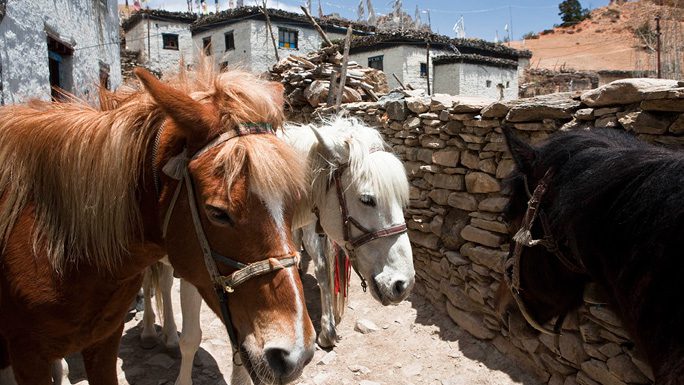
Yak and zopkyo trains carry supplies up the trail. Always wait on the mountain side, never the cliff side, when they pass.
Suspension bridges
High but well built and safe. Cross one at a time if they are busy, and wait for animal trains to cross first.
Rocky and icy ground
Loose stones near Lobuche and Gorak Shep, and icy paths in winter. Use poles, and microspikes in cold months.
Fog and getting lost
The main trail is clear, but cloud can hide junctions higher up. With a guide, getting lost is very unlikely.
Illness and health on the trail
- Stomach upsets are the most common illness. Drink only treated or boiled water, use hand sanitiser and keep food simple. Many guides advise eating vegetarian higher up.
- The Khumbu cough is a dry cough from cold, dusty air. A buff over your mouth and throat lozenges help.
- Sun and cold: UV is intense at altitude and nights are below freezing above Dingboche. Use sunscreen and sunglasses by day and warm layers at night.
- Existing conditions: heart, lung and blood pressure problems can get worse at altitude. See your doctor before you book.
Weather and natural hazards by season
| Season | Months | Main risks | Overall |
|---|---|---|---|
| Spring | March–May | Afternoon cloud, busy trails, occasional snow higher up | Lowest risk |
| Autumn | Late Sept–Nov | Cold nights higher up, busy trails | Lowest risk |
| Winter | Dec–Feb | Severe cold, snow and ice, some lodges closed | Higher risk |
| Monsoon | June–early Sept | Rain, landslides and rockfall lower down, flight cancellations | Higher risk |
The standard trekking route does not cross avalanche-prone glaciers like the Khumbu Icefall. Big natural disasters are rare, but they happen: in April 2015 an earthquake triggered an avalanche that struck Everest Base Camp during the climbing season. Always follow local advice and your guide’s decisions about the weather.
If something goes wrong: rescue and medical help
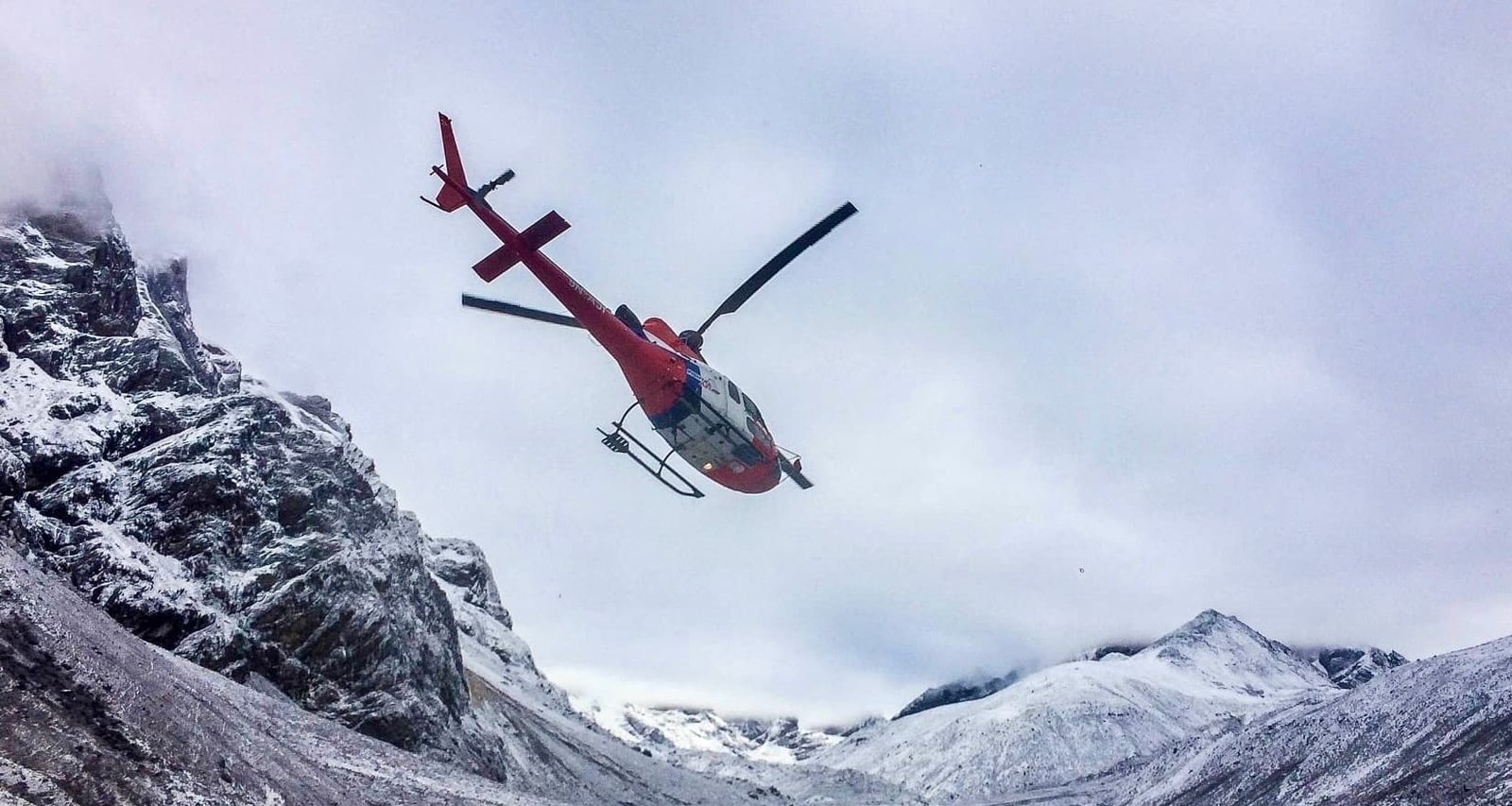
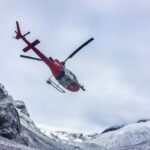
There are no roads above Lukla, so serious emergencies are handled by helicopter evacuation to Lukla or Kathmandu, weather permitting. Help on the trail includes:
- Your guide: trained in first aid, carries a pulse oximeter and can organise a rescue quickly.
- Health posts: there are basic health posts in the Khumbu, and the Himalayan Rescue Association runs an aid post in Pheriche during the main seasons.
- Helicopters: can often reach trekkers within hours in good weather.
A helicopter rescue costs thousands of dollars. Your travel insurance must cover trekking to at least 6,000 m and emergency helicopter evacuation. Send a copy to your trek operator before you start.
Is trekking to Base Camp as dangerous as climbing Everest?
No. This is one of the biggest misunderstandings. Trekking to Base Camp and climbing Mount Everest are completely different activities.
🥾 Trekking to Base Camp
- Highest point 5,364–5,545 m
- Walking on established trails
- Lodges and food every night
- No climbing skills or equipment
- About 2 weeks
⛰️ Climbing Everest
- Summit at 8,849 m
- Khumbu Icefall, ladders, fixed ropes
- Tents in high camps
- Bottled oxygen used by most climbers
- About 2 months
Why is Camp 4 called the “death zone”?
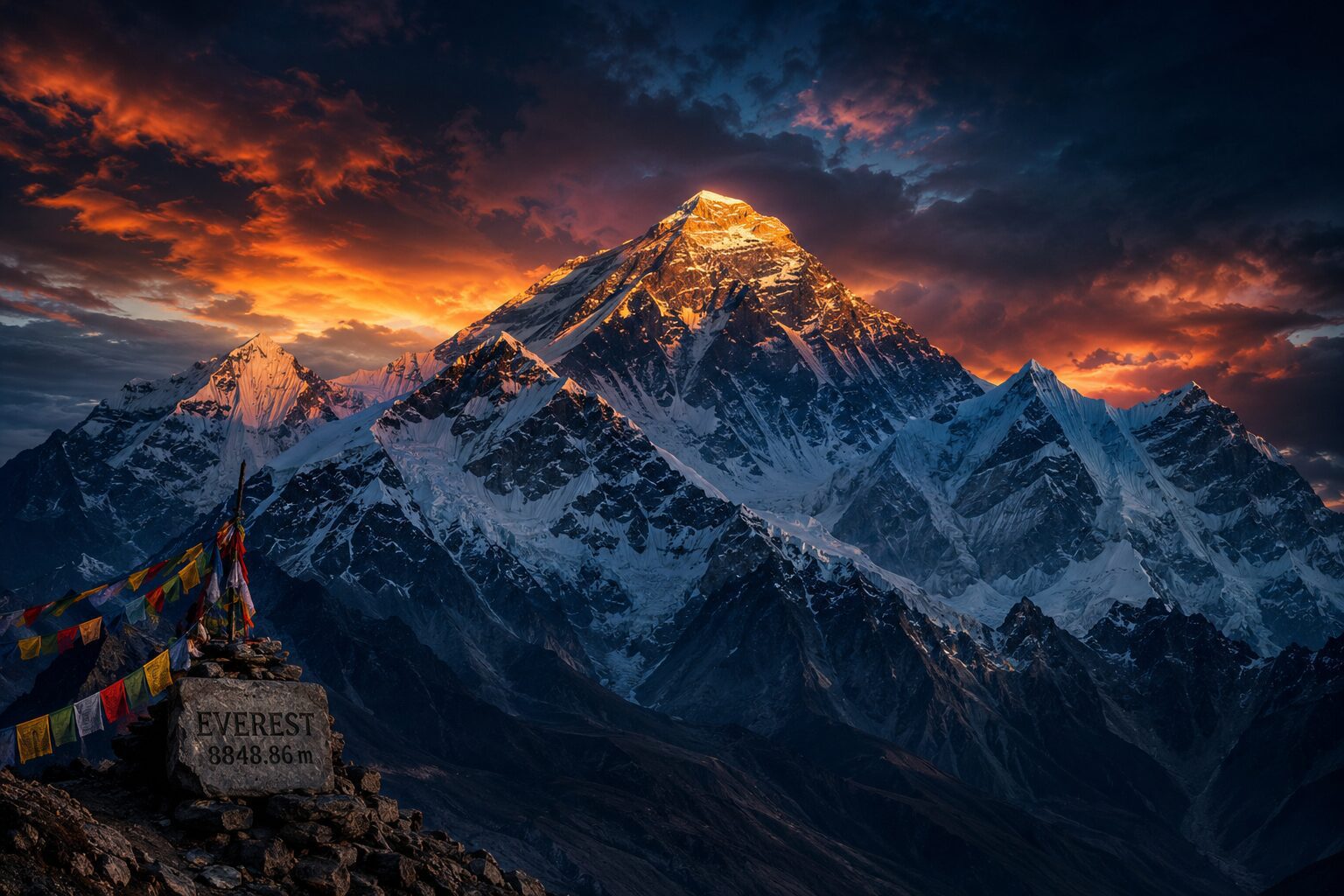
Above about 8,000 m, the air holds only around a third of the oxygen found at sea level. At that height the human body cannot acclimatise. It slowly deteriorates, even at rest. Climbers call it the “death zone”. Camp 4, the last camp on the South Col route, sits at around 7,900 to 8,000 m, right at its edge. Climbers try to spend as little time there as possible before pushing for the summit.
On the trek to Base Camp you stay far below the death zone, more than 2,500 m lower, and you sleep no higher than about 5,164 m at Gorak Shep.
Who should be extra careful?
- First-time trekkers who train for 8–12 weeks
- Solo travellers trekking with a guide
- Healthy trekkers in their 50s, 60s and 70s
- Women travelling alone or in small groups
- Heart or lung conditions, or poorly controlled asthma
- Uncontrolled high blood pressure or diabetes
- Previous HAPE or HACE
- Pregnancy or recent surgery
First trek? Read Can a beginner do the Everest Base Camp trek?
How we keep trekkers safe
Twice-daily oxygen checks
Your guide checks your oxygen level and pulse every morning and evening.
Emergency oxygen
Carried on the trek for altitude emergencies.
24/7 evacuation support
Our Kathmandu team coordinates helicopter rescue if it is ever needed.
See everything included in our Everest Base Camp package.
Your Everest Base Camp safety checklist
- Medical check-up and a chat with your doctor about altitude
- 8–12 weeks of hill and stair training
- An itinerary with at least 2 acclimatisation days
- A licensed guide and, ideally, a porter
- Travel insurance covering 6,000 m and helicopter evacuation
- 1–2 buffer days in Kathmandu for flight delays
- Proper layers, a warm sleeping bag and broken-in boots
- Water purification and a basic first-aid kit
- The promise to yourself to turn back if you feel unwell

Everest Base Camp safety: FAQs
Is the Everest Base Camp trek dangerous?
For healthy, prepared trekkers on a sensible itinerary, it is generally considered safe. The main danger is altitude sickness, which is largely preventable with a slow ascent, rest days and early descent when symptoms get worse.
Do people die on the Everest Base Camp trek?
Deaths among trekkers are rare compared with the tens of thousands who trek each year, but they do happen. Most are linked to severe altitude illness or existing medical conditions. This is why a slow itinerary, honest symptom reporting and a medical check before you travel matter.
What is the biggest risk on the EBC trek?
Altitude illness. Mild symptoms are common. The serious forms, HAPE and HACE, are uncommon but life-threatening and need immediate descent.
Is Lukla airport dangerous?
Lukla has a short, sloping mountain runway and has had accidents in the past. Flights now only operate in good visibility, which makes delays and cancellations common. Leave buffer days so you are never under pressure to fly in poor weather.
Is Everest Base Camp safe for solo and female travellers?
Yes, the Everest region is generally very safe and welcoming. Trekking with a licensed guide is strongly recommended for solo trekkers, mainly for altitude safety.
Is there avalanche risk on the Everest Base Camp trek?
The standard trekking route does not cross the avalanche-prone Khumbu Icefall, so the risk for trekkers is low. Snow and ice in winter, and landslides lower down in the monsoon, are more relevant. Follow your guide’s advice on weather.
What happens if I get sick on the trek?
Your guide will help you rest, descend or get treatment. In serious cases a helicopter evacuation to Lukla or Kathmandu can be arranged, which is why insurance covering helicopter rescue is essential.
Why is Camp 4 on Everest called the death zone?
Above about 8,000 m the air has around a third of sea-level oxygen and the body cannot acclimatise, so it slowly deteriorates. Camp 4 on the South Col sits at around 7,900 to 8,000 m, at the edge of this zone. Trekkers to Base Camp stay far below it.
Trek to Everest Base Camp Safely
Licensed Sherpa guides, two acclimatisation days, twice-daily oxygen checks, emergency oxygen and 24/7 evacuation support.
This guide is general safety information, not medical advice. Speak with your doctor about trekking at high altitude. Conditions, flight arrangements and local rules can change, so always check the latest information and follow your guide’s advice on the trail.