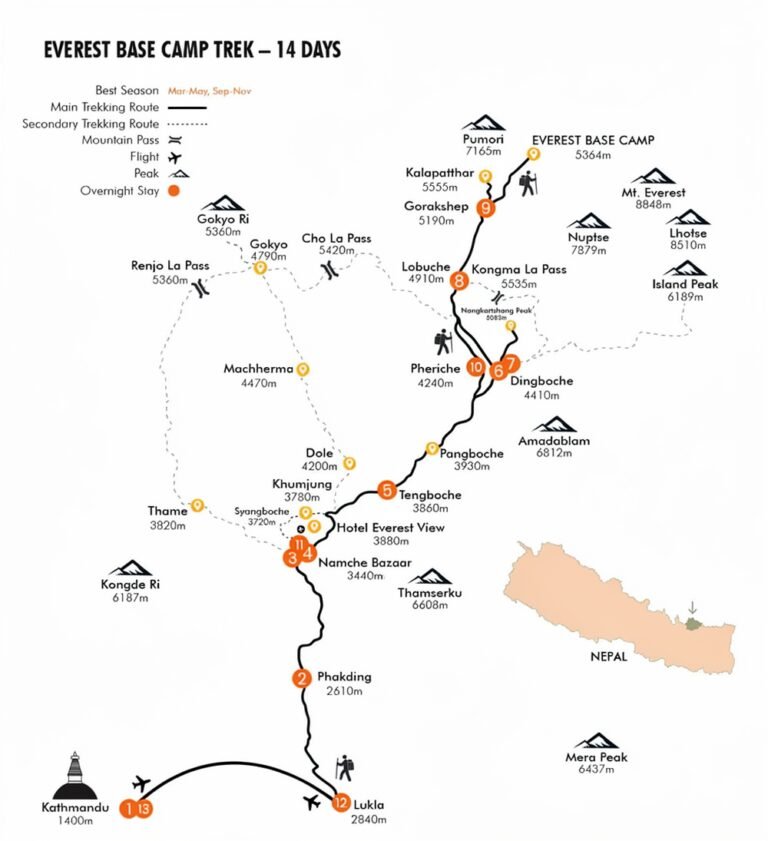









The hike to Everest Base Camp is about 130 km (80 miles) round trip from Lukla, or roughly 65 km each way. Most trekkers take 8 to 9 days to walk up, including 2 acclimatisation days, and 3 to 4 days to walk down.
That makes 12 to 13 days on the trail, or about 14 days from Kathmandu and back. You walk 5 to 7 hours a day, which adds up to roughly 60 to 70 hours of walking in total.
How far is the hike to Everest Base Camp?
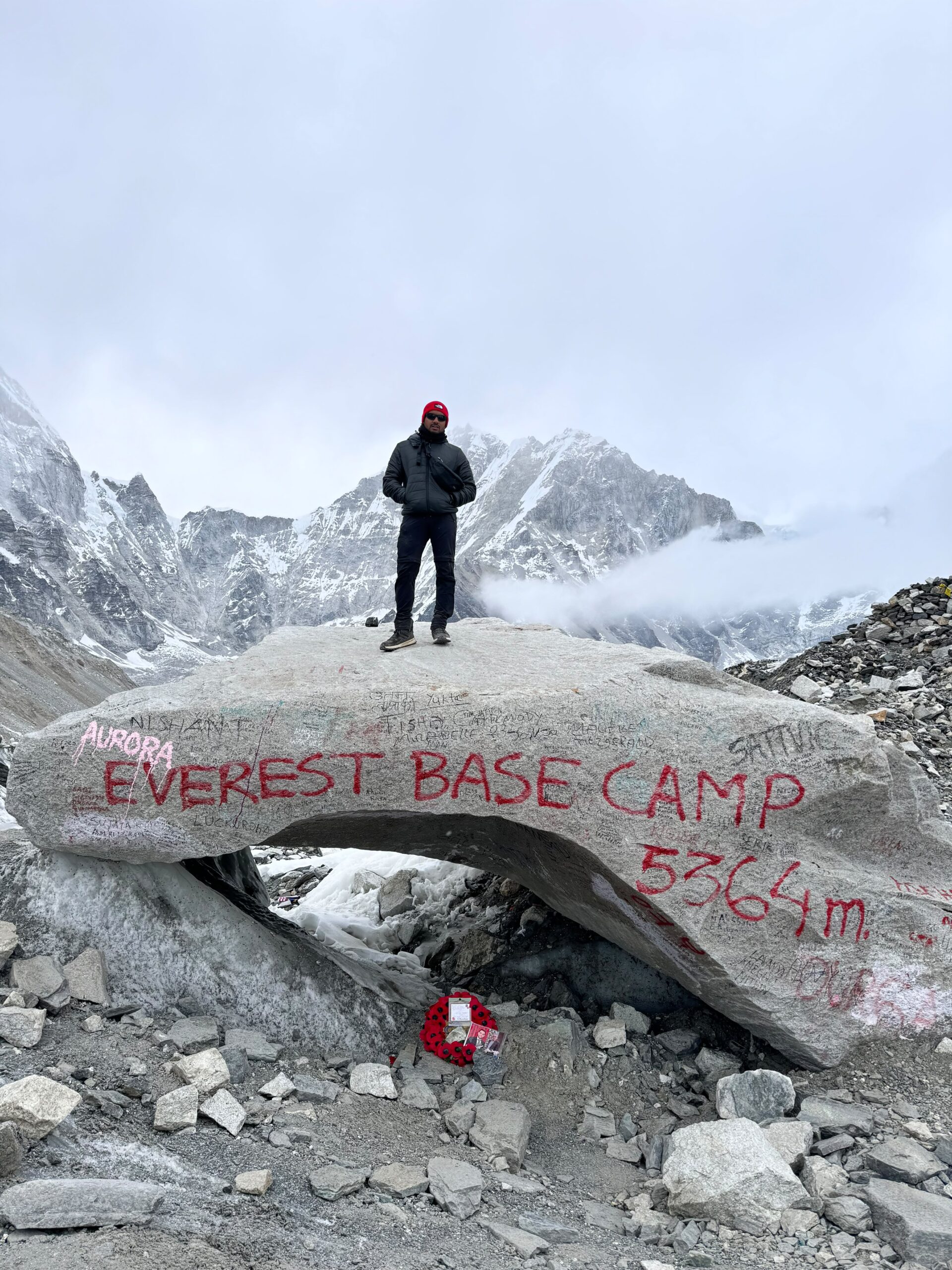
Most people start walking at Lukla (2,860 m) after a short mountain flight from Kathmandu or Ramechhap. From Lukla, the classic trail to Everest Base Camp (5,364 m) covers roughly 60 to 65 km each way. Most operators quote about 130 km (80 miles) for the full round trip, which includes the acclimatisation hikes and the optional climb to Kala Patthar.
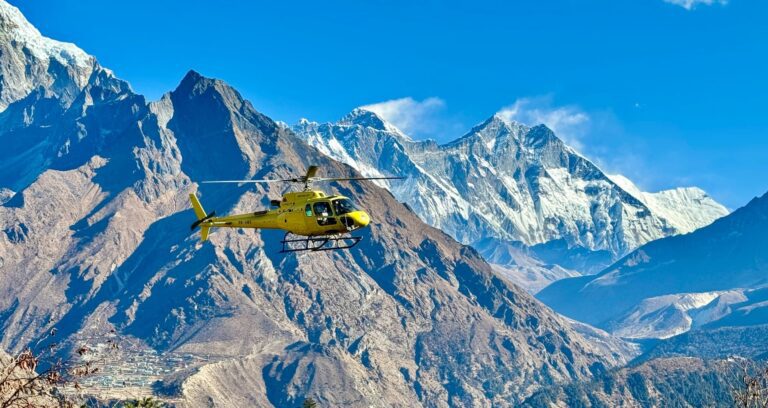
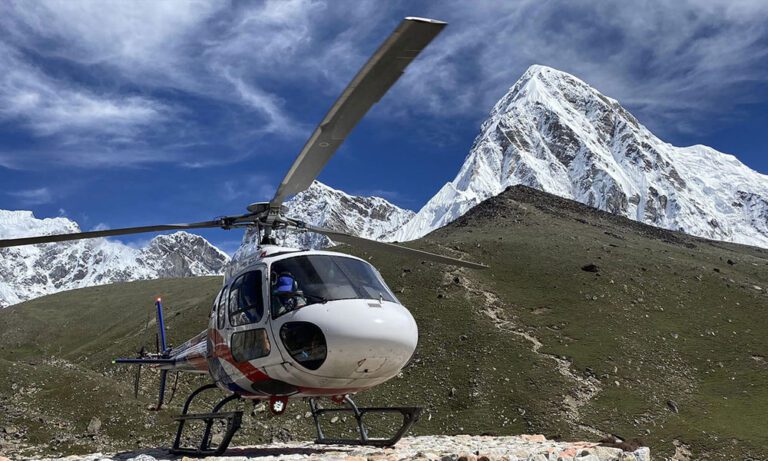
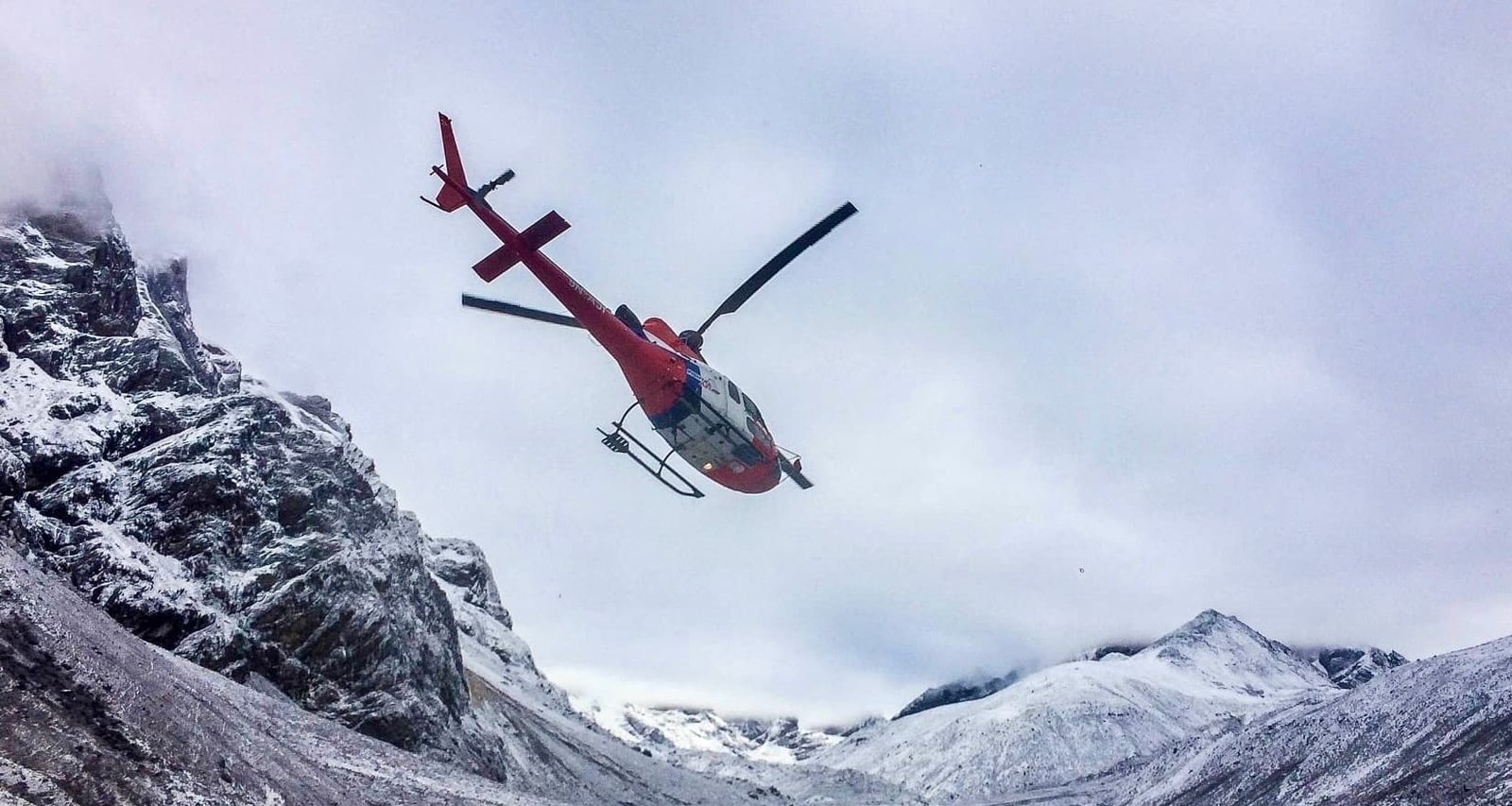
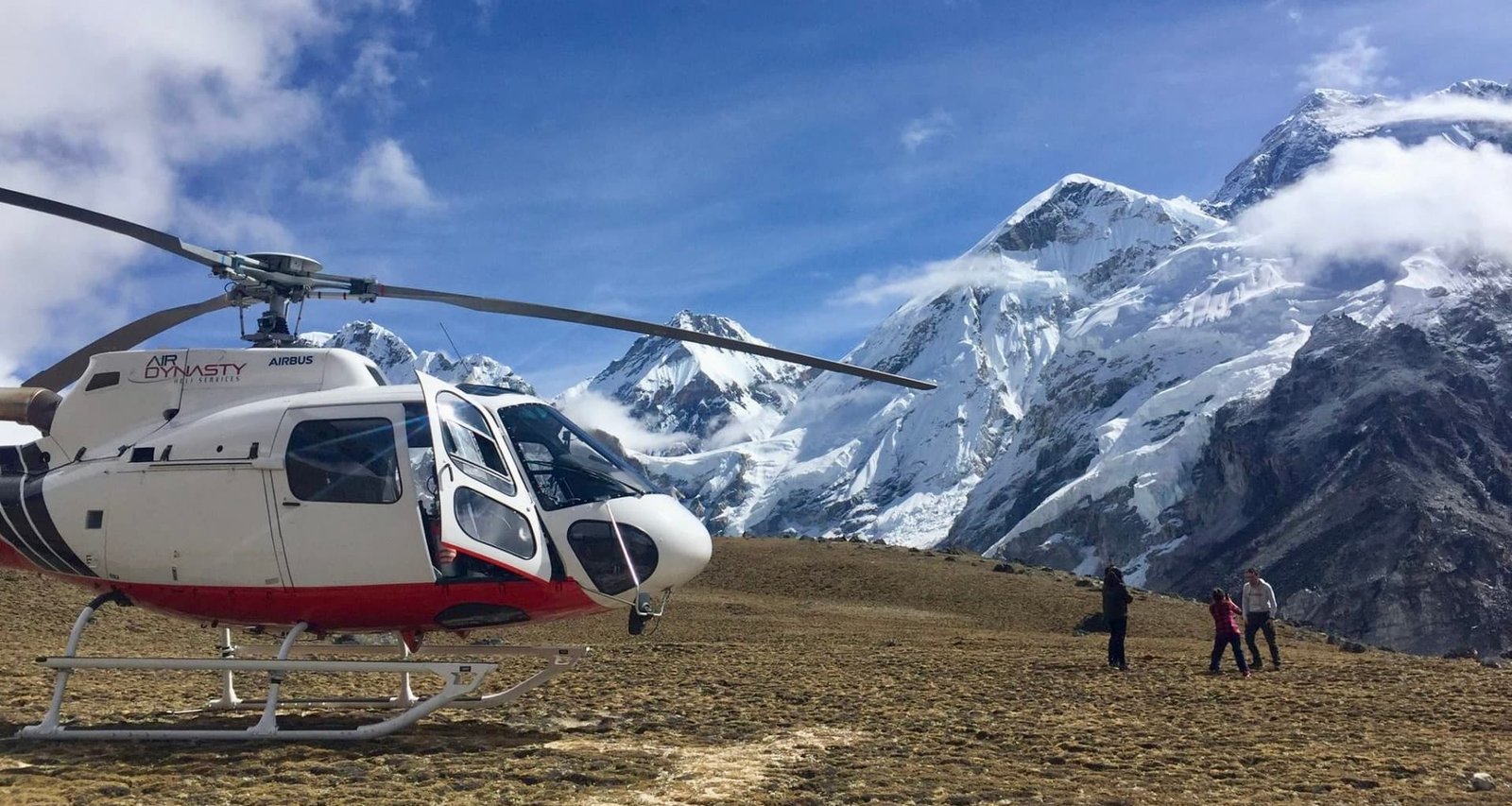
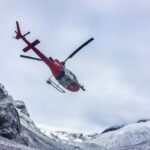
There is no road to Base Camp. The only ways in are on foot, or by helicopter for a short visit. The distance is not long by hiking standards. The time comes from the altitude, which forces you to climb slowly and rest.
Trail distances on mountain paths are hard to measure, and every operator counts side trips differently. Most published figures fall between 120 and 130 km round trip. Use the hours per day, not the kilometres, to plan your trek.
How many days does it take to walk up and down?
Going up, you can only raise your sleeping altitude a few hundred metres a day once you are high. Going down, you can safely cover in one day what took two or three days on the way up. That is why the descent usually takes less than half the time of the ascent.
Everest Base Camp trek: distance and hours day by day
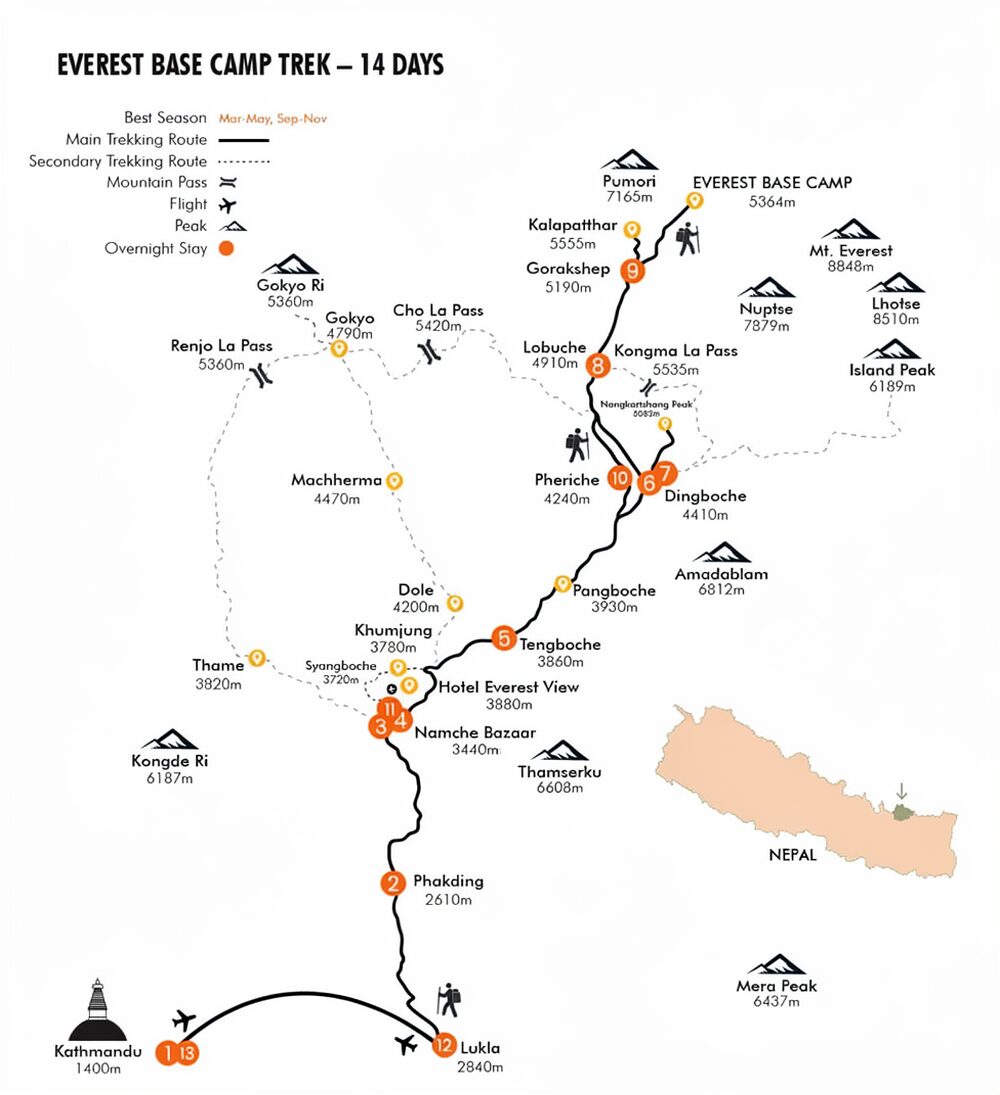
This is the standard route on our 14-day Everest Base Camp Trek. Distances are approximate and times are relaxed walking times including short breaks.
| Day | Route | Distance | Walking time | Effort |
|---|---|---|---|---|
| 2 | Lukla → Phakding | ~6–8 km | 3–4 h | Easy |
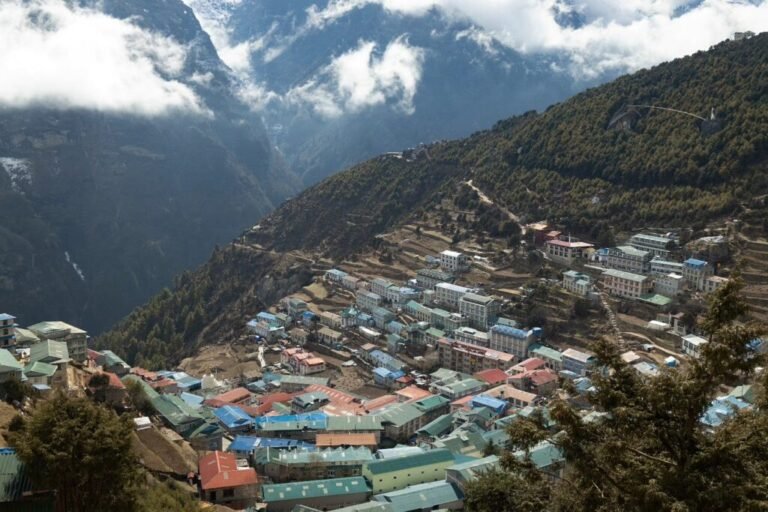
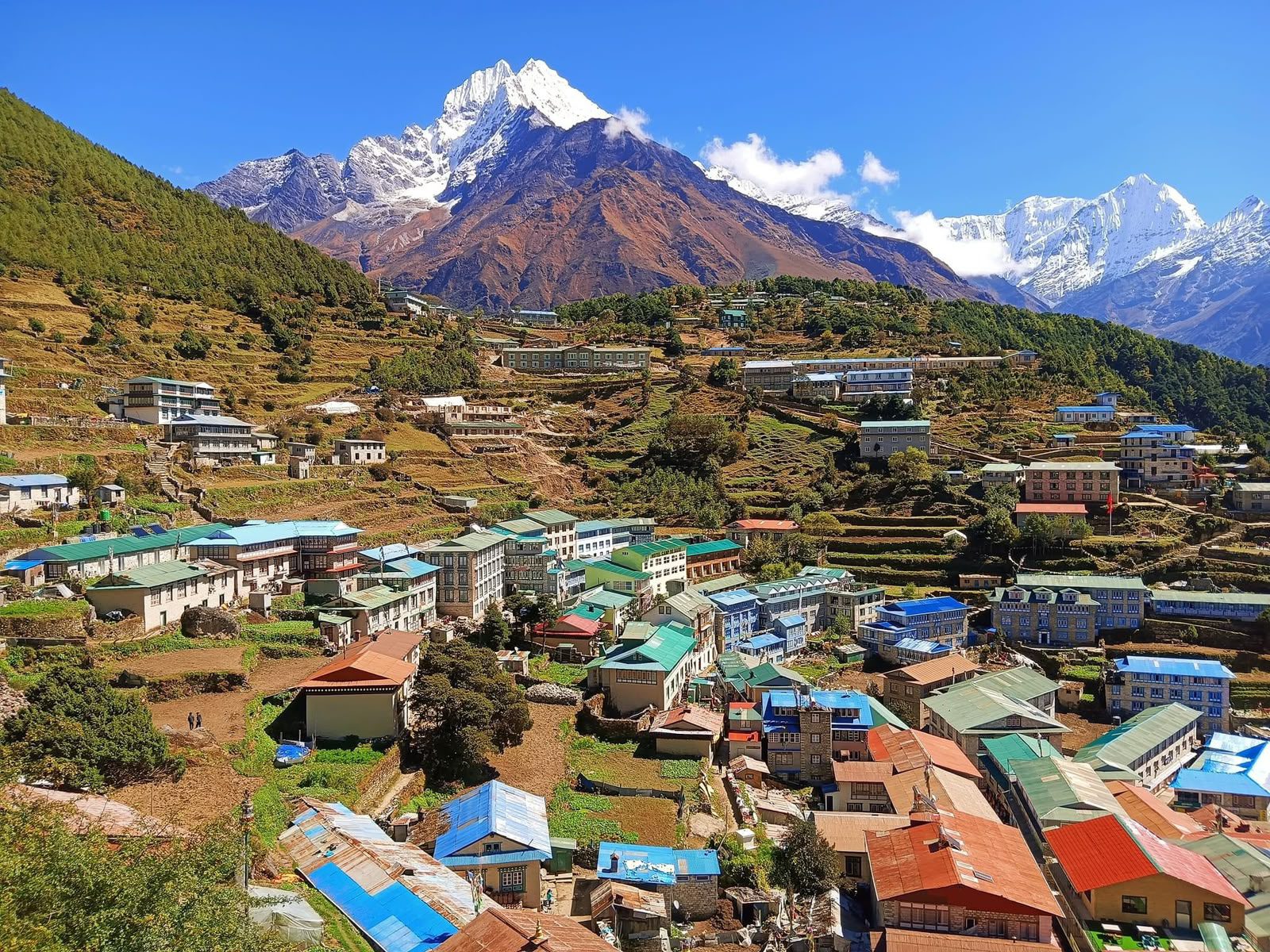
| 3 | Phakding → Namche Bazaar | ~8–11 km | 6–7 h | Hard |
| 4 | Acclimatisation hike from Namche | ~4–6 km | 3–4 h | Easy |
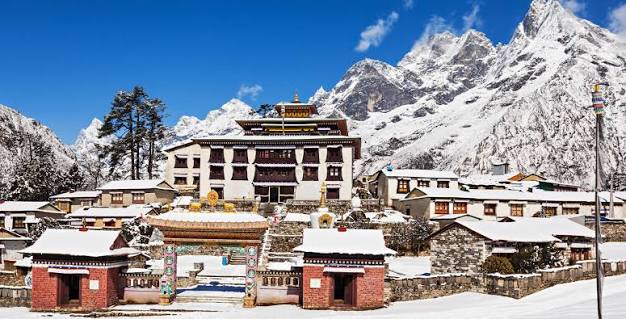
| 5 | Namche → Tengboche | ~9–10 km | 5–6 h | Moderate |
| 6 | Tengboche → Dingboche | ~10–12 km | 5–6 h | Moderate |
| 7 | Acclimatisation hike from Dingboche | ~4–5 km | 3–5 h | Moderate |
| 8 | Dingboche → Lobuche | ~8 km | 5–6 h | Hard |
| 9 | Lobuche → Gorak Shep → Base Camp → Gorak Shep | ~11–12 km | 7–8 h | Hardest |
| 10 | Kala Patthar → Pheriche | ~12–13 km | 7–8 h | Very hard |
| 11 | Pheriche → Namche Bazaar | ~14 km | 6–7 h | Moderate |
| 12 | Namche → Lukla | ~16–18 km | 6–7 h | Moderate |
| Total on the trail (11 walking days) | ~120–130 km | ~60–70 h | ||
Day 1 is your arrival in Kathmandu (1,400 m), day 13 is the flight back from Lukla, and day 14 is departure. For a description of every day, see our day-by-day itinerary.
How long are the key sections?
- Lukla to Namche Bazaar: usually 2 days (via Phakding). Strong, acclimatised walkers on the way down do it in one long day.
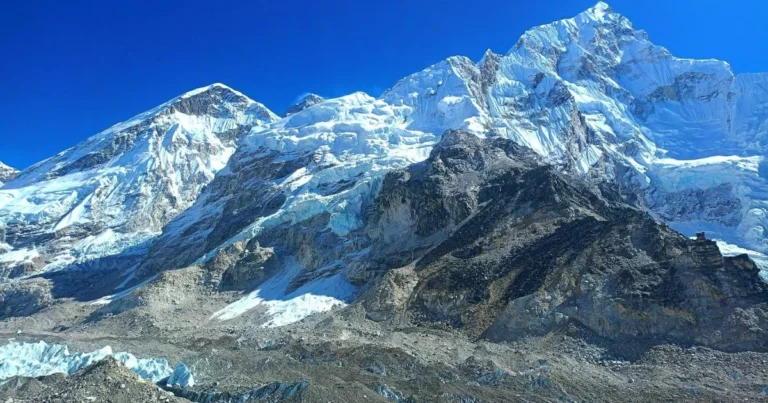
- Gorak Shep to Everest Base Camp: about 2 to 3 hours each way over rocky glacial moraine, about 3.5 km.
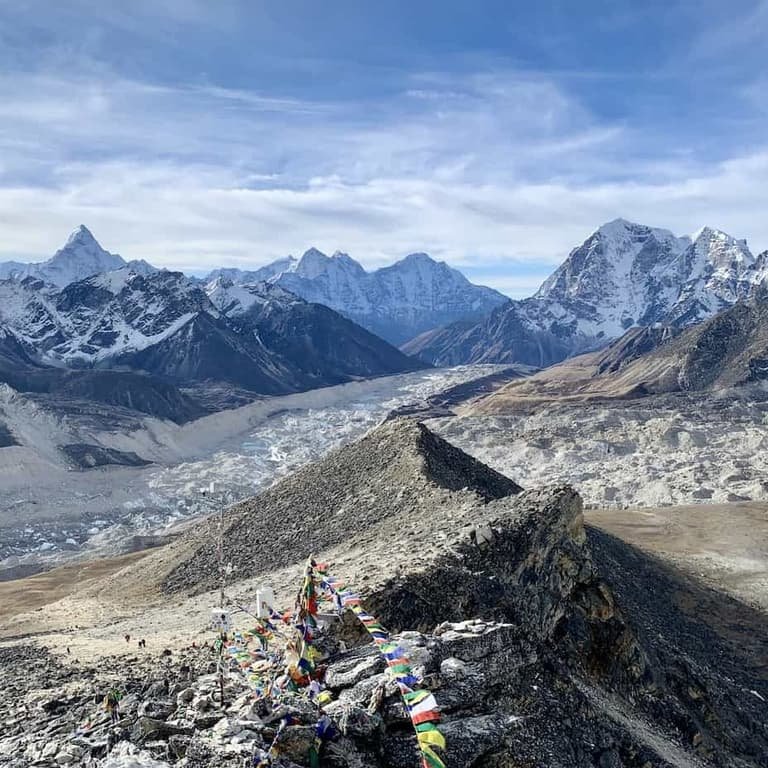
- Gorak Shep to Kala Patthar: about 1.5 to 2.5 hours up and 1 to 1.5 hours down.
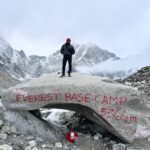
- Time at Base Camp itself: most trekkers spend 30 minutes to an hour taking photos before walking back to Gorak Shep.
Why does a short distance take so long?
Ten kilometres in a day sounds easy. On the Everest trail it can take 6 hours. Three things slow you down:
- Altitude: above 4,000 m each breath holds much less oxygen, so a comfortable pace becomes slow. At Base Camp you get roughly half the oxygen per breath you would at sea level.
- Acclimatisation rules: once you are high, your sleeping altitude should only rise gradually, with rest days. So the itinerary stops early on purpose, even if you feel strong.
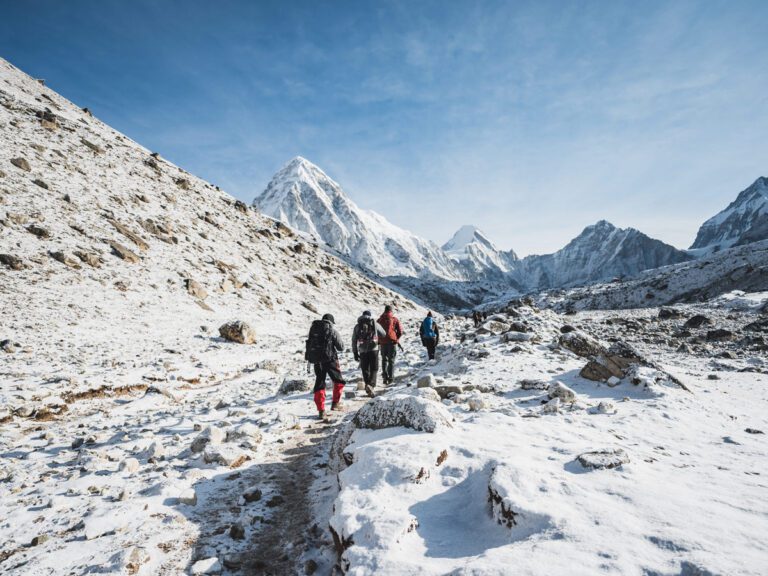
- Terrain: stone stairs, suspension bridges, steep climbs and descents, and rocky moraine near Base Camp.
Want to know how hard each day feels? Read How difficult is it to hike to Everest Base Camp?
How many days do you need? Itinerary options compared
| Option | Total days | Best for | Trade-off |
|---|---|---|---|
| Classic trek (Kathmandu to Kathmandu) | 14 days | Most trekkers, including first-timers | Two acclimatisation days and a sensible pace |
| Standard trek (Lukla to Lukla) | 12 days on the trail | Fit trekkers with limited time | Little spare time if weather delays you |
| Trek with extra rest days | 15–16 days | Older trekkers, slower walkers, extra safety | More days off work |
| Trek with helicopter return | 10–11 days | Short on time but want to walk up | Extra cost for the helicopter |
| Gokyo Lakes or Three Passes add-on | 15–21 days | Experienced trekkers wanting more | Higher passes and longer days |
| Classic route from Jiri or Salleri | 18–21 days | Lovers of long walks and quiet trails | About a week of extra walking before Lukla |
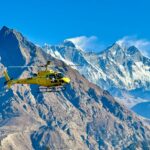
| Helicopter day tour | 1 day | No time to trek, or not able to | No trekking; very short time at altitude |
Treks that reach Base Camp in 5 to 6 days from Lukla skip acclimatisation days and raise the risk of altitude sickness. A few extra days are the best safety investment you can make.
What a typical trekking day looks like
- 6:30 am · Wake upTea at your door in many lodges. Pack your duffel for the porter.
- 7:00–7:30 am · BreakfastPorridge, eggs, pancakes or Tibetan bread. Your guide checks your oxygen and pulse.
- 8:00 am · Start walkingThe clearest mountain views are usually in the morning.
- 12:00 pm · Lunch stopA long break at a teahouse along the trail.
- 2:00–3:30 pm · Arrive at the next villageTime to rest, wash, explore or take a short acclimatisation walk.
- 6:00–6:30 pm · DinnerIn the warm dining room, followed by a briefing for the next day.
- 8:00–8:30 pm · SleepEarly nights are normal on the trail.
What can add time to your Everest Base Camp trip?
- Lukla flight delays: mountain weather often delays flights by hours, and sometimes by a day or more.
- Ramechhap departures: in busy seasons many Lukla flights leave from Manthali Airport in Ramechhap, which means a very early drive of about 4 to 5 hours from Kathmandu.
- Altitude symptoms: an extra rest day, or a short descent, may be needed if you feel unwell.
- Weather: snow in winter or heavy rain in the monsoon can slow the trail or close flights.
- Your pace: everyone walks at a different speed at altitude, and that’s fine. A good guide adjusts the day to you.
How long should you plan to be in Nepal?
For a 14-day trek, plan 15 to 17 days in Nepal. That gives you 1 to 2 spare days in Kathmandu for Lukla flight delays, and maybe a day to see Kathmandu’s temples and squares before you fly home.
Book your international flight home at least 1 to 2 days after your scheduled return from Lukla. If everything runs on time, you get a relaxed extra day in Kathmandu.
New to trekking? Our guide Can a beginner do the Everest Base Camp trek? covers training, packing and everything else first-timers need.
How long is the Everest Base Camp hike? FAQs
How many miles is the hike to Everest Base Camp?
About 80 miles (130 km) round trip from Lukla, or roughly 40 miles (65 km) each way, including acclimatisation hikes and side trips.
How many days does it take to hike to Everest Base Camp?
Usually 8 to 9 days to walk up from Lukla, including 2 acclimatisation days, and 3 to 4 days to walk down. The full trek is about 12 to 13 days on the trail, or 14 days from Kathmandu and back.
How many hours a day do you walk on the EBC trek?
Usually 5 to 7 hours including breaks. Base Camp day and Kala Patthar day can be 7 to 8 hours, while acclimatisation days have 3 to 5 hours of easier walking.
Can you hike to Everest Base Camp in 7 days?
Walking up and down in 7 days is not recommended. It leaves no time to acclimatise and greatly raises the risk of altitude sickness. If you only have a week, consider a helicopter tour or a trek with a helicopter return.
How long does it take from Lukla to Namche Bazaar?
On the way up it usually takes 2 days: 3 to 4 hours to Phakding, then 6 to 7 hours to Namche. On the way down, many trekkers walk from Namche to Lukla in one long day.
How long is the walk from Gorak Shep to Everest Base Camp?
About 3.5 km each way, taking 2 to 3 hours to get there and a little less to walk back, over rocky glacial moraine.
Can you drive to Everest Base Camp in Nepal?
No. There is no road to Everest Base Camp on the Nepal side. You fly to Lukla and walk, or start from road heads at Jiri or Salleri and walk for longer. A helicopter tour is the only way to visit without trekking.
How long should I plan for the whole Everest Base Camp trip?
Plan 15 to 17 days in Nepal for a 14-day trek, so you have spare days for Lukla flight delays.
Walk to Everest Base Camp at the Right Pace
Our 14-day Everest Base Camp Trek has two acclimatisation days, licensed Sherpa guides, porters, permits, Lukla flights, teahouses and meals.
Distances and walking times are typical figures for the standard route and vary with pace, weather and side trips. Flight arrangements can change by season. Always check the latest information before you travel.
Essential Reads Before You Visit
View all travel info (5)Nepal Visa on Arrival 2026: Fees, eVisa & How to Apply
Nepal visa on arrival in 2026: US$30 for 15 days, US$50 for 30 days, US$125 for 90 days. The new eVisa, who…
- 15-day visa
- US$30
- 30-day visa
- US$50
- 90-day visa
- US$125
- Entries
- Multiple
Money in Nepal: ATMs, Cards, Cash & Tipping
Nepal still runs mostly on cash. In Kathmandu and Pokhara you can pay by card in hotels, bigger restaurants and trekking shops,…
- Currency
- Nepali rupee (NPR)
- Pay with
- Mostly cash
- ATM limit
- NPR 10,000–35,000
- ATM fee
- NPR 500–800
SIM Card & Internet in Nepal for Tourists
Staying connected in Nepal is easier and cheaper than most travellers expect. In Kathmandu and Pokhara, a local SIM gives you fast…
- Main networks
- Ncell and Nepal Telecom (NTC)
- SIM cost
- About NPR 100–150 plus a data pack
- Documents needed
- Original passport, visa or entry stamp, passport photo
- Where to buy
- Kathmandu airport counters, city shops
Is Nepal Safe for Tourists?
Yes. Nepal is one of the friendliest and safest countries in Asia for travellers, and violent crime against tourists is rare. The…
- Overall
- Safe for visitors
- US advice level
- Level 2: increased caution
- Crime
- Low; mostly petty theft
- Biggest risks
- Roads, weather, altitude
Altitude Sickness on Nepal Treks: Signs & Prevention
Altitude sickness is the most common health problem on Nepal's treks, and it can affect anyone, however fit. The good news is…
- Starts from
- About 2,500–3,000 m
- Most common
- Mild AMS
- Safe pace
- +300–500 m a day
- Rest days
- Every 3–4 days