









Pheriche
The windy valley village where Everest trekkers learn to stay safe at altitude
Pheriche (about 4,371 m) is a windswept Sherpa village below Dingboche, home to the Himalayan Rescue Association aid post that has cared for trekkers since 1973. On our Everest Base Camp trek it is the overnight stop on the way down after Kala Patthar.
Why Pheriche is known
Himalayan Rescue Association aid post, founded 1973
Daily altitude sickness talk in season
Everest Memorial sculpture
Wide yak pastures in the Khumbu Khola valley
Classic descent stop after Everest Base Camp
About Pheriche
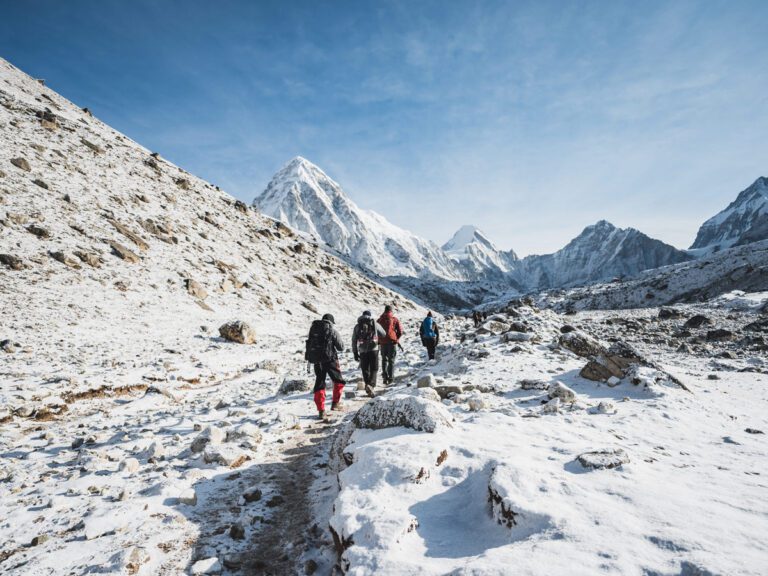
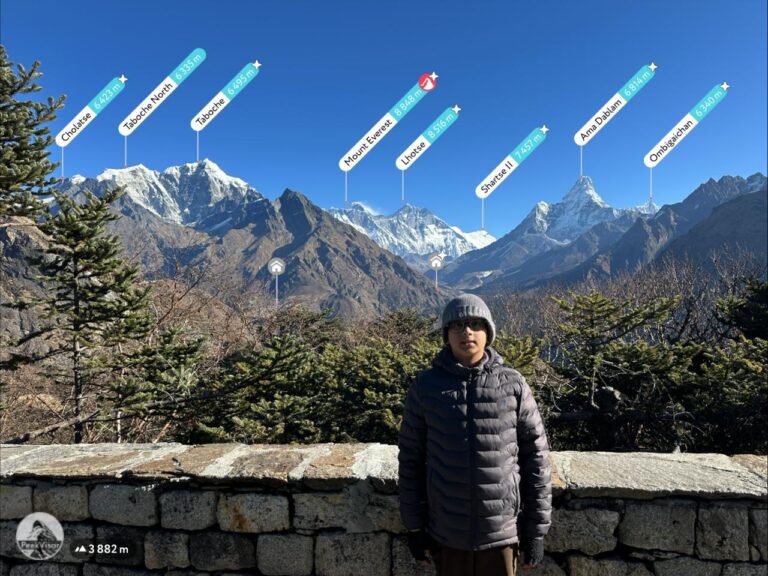
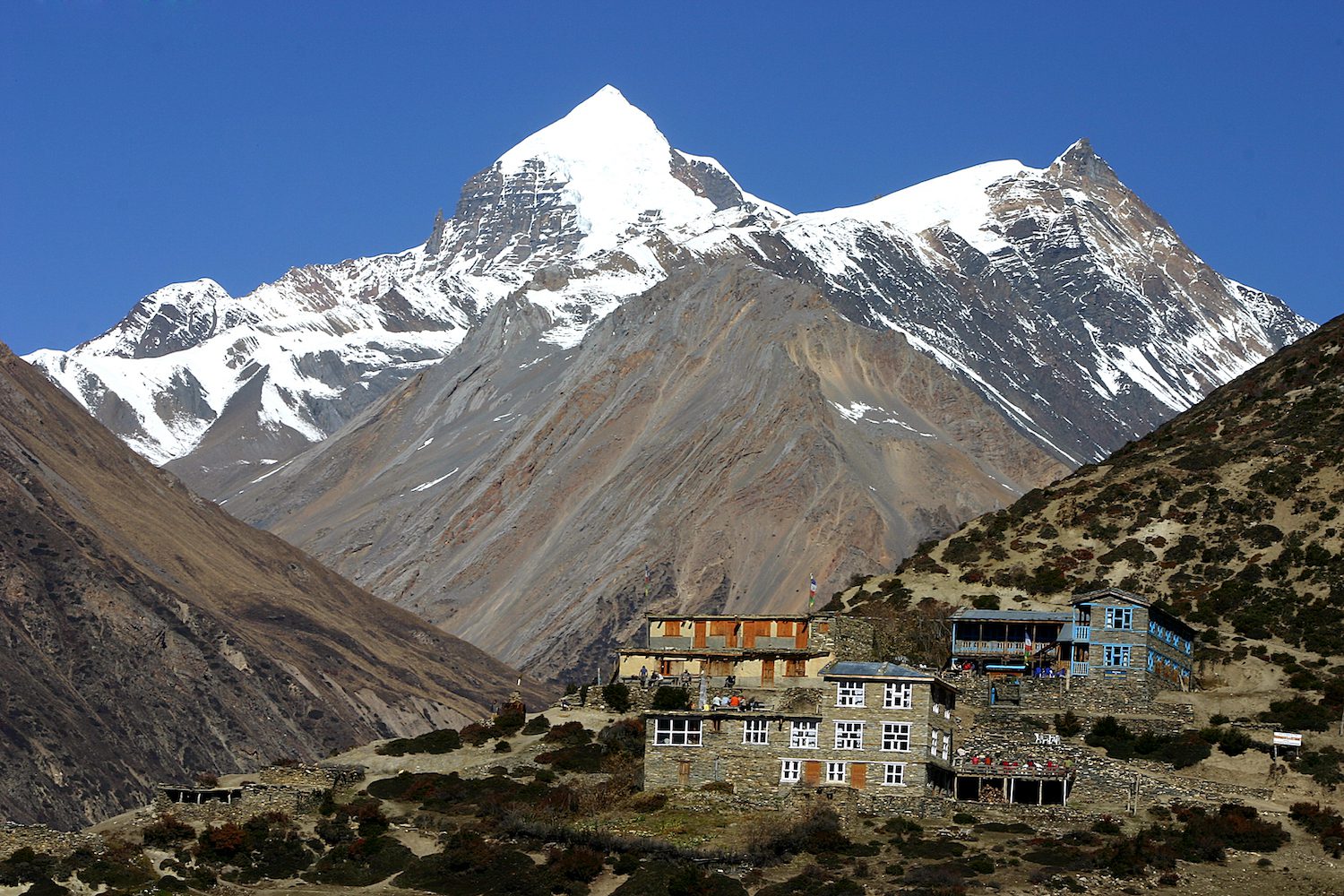
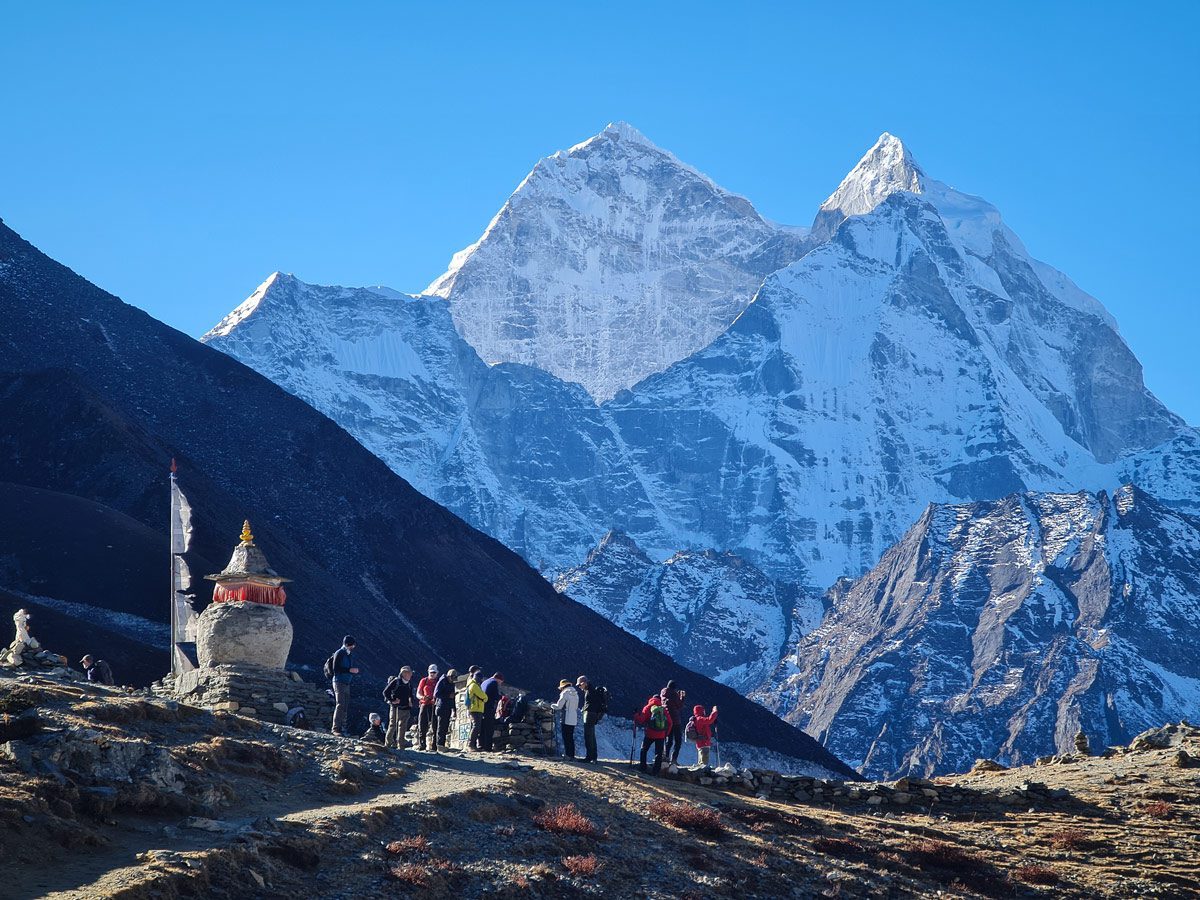
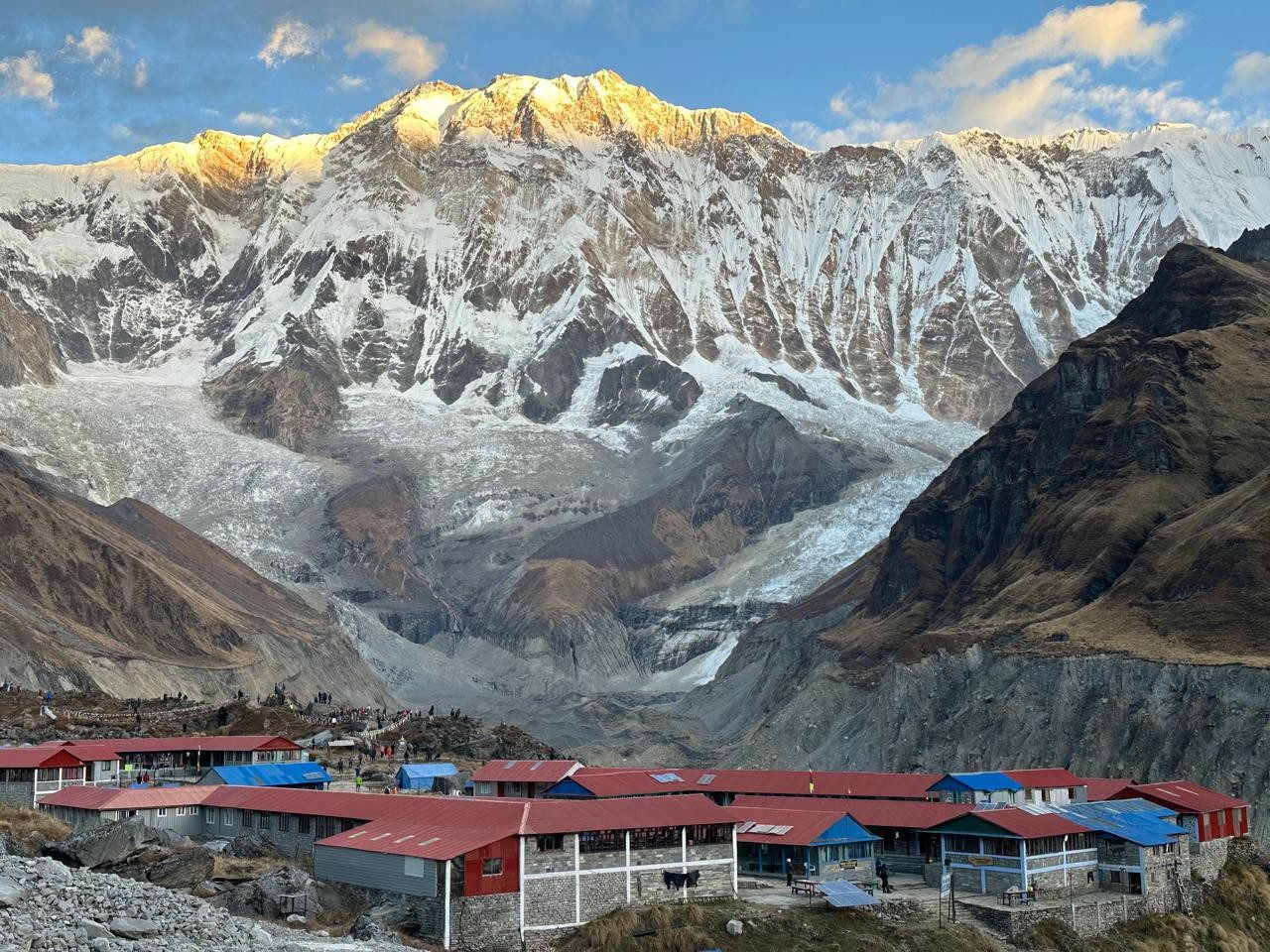
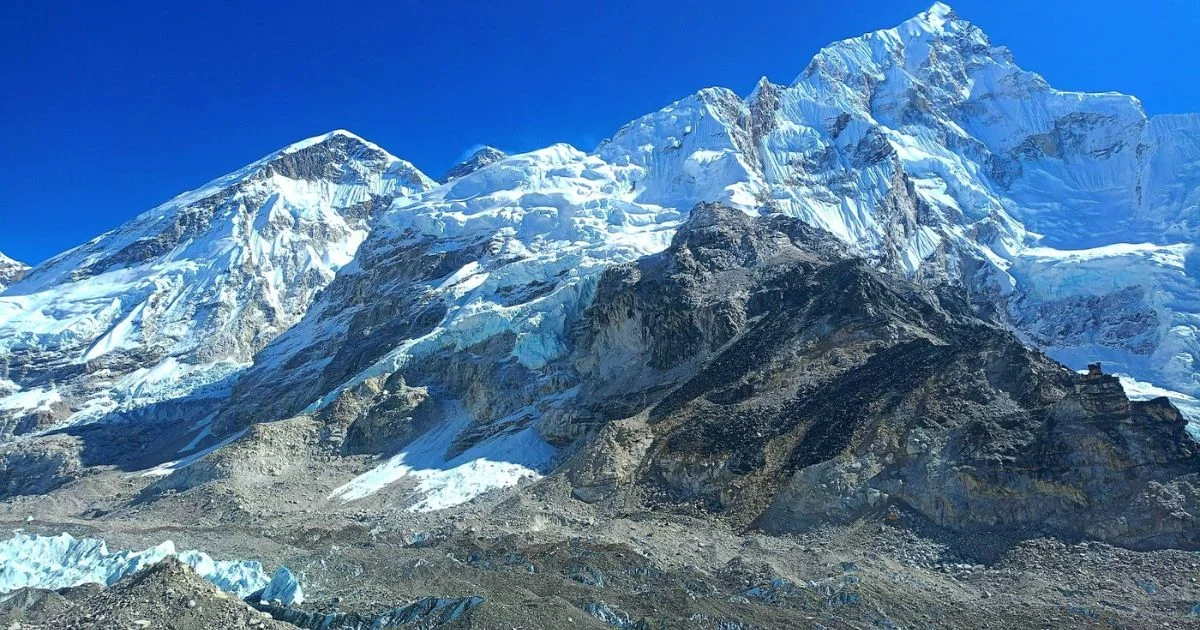
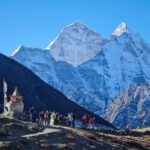
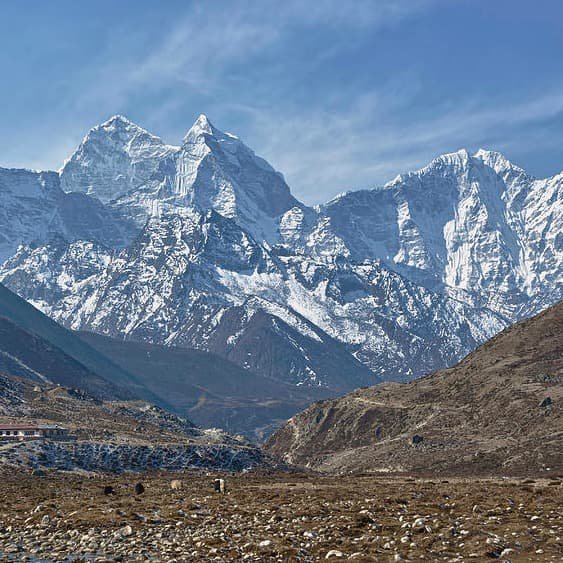
Pheriche sits in a long, flat valley at about 4,371 metres, just over a low ridge from Dingboche, with the Khumbu Khola running past stone-walled yak pastures and Taboche and Cholatse rising above. It is best known for the Himalayan Rescue Association (HRA) aid post, a small clinic staffed by volunteer doctors that has looked after trekkers, porters and Sherpas on the Everest trail since 1973. On our Everest Base Camp Trek it is the overnight stop on the way down, after Kala Patthar.
Pheriche at a glance
- Altitude: about 4,371 m (14,340 ft)
- Location: Khumbu Khola valley, below Dingboche, Sagarmatha National Park
- Known for: the HRA aid post, founded in 1973
- Altitude talk: free daily lecture at the aid post during the trekking seasons, usually in the afternoon
- Also here: the Everest Memorial, a stainless-steel sculpture honouring those who died on Everest
- Distance to Dingboche: about 1 hour over the ridge
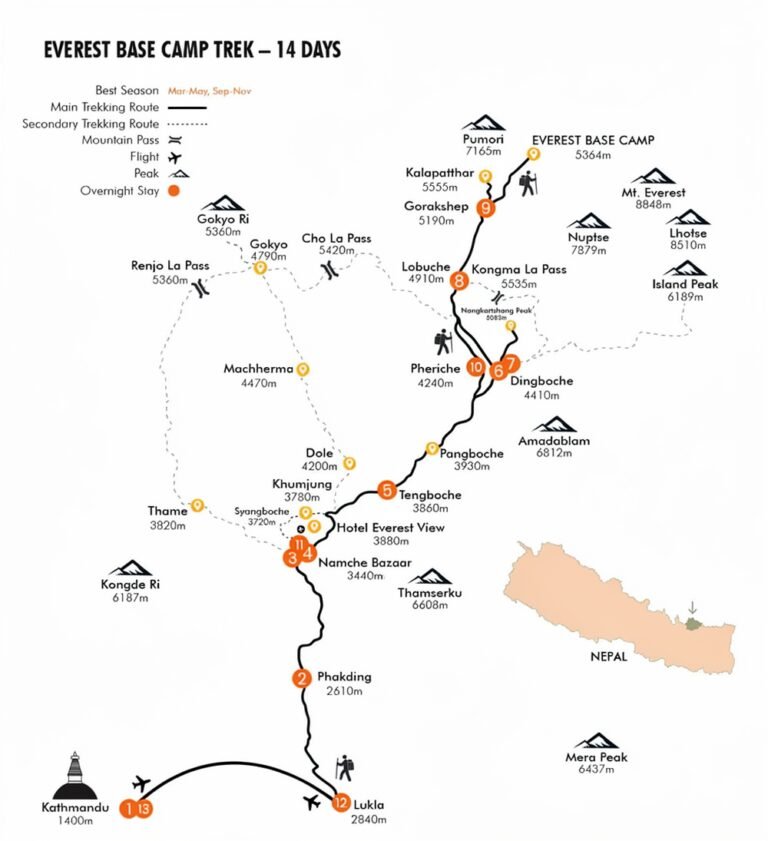
- On our trek: overnight on Day 10, after Kala Patthar
The Himalayan Rescue Association aid post
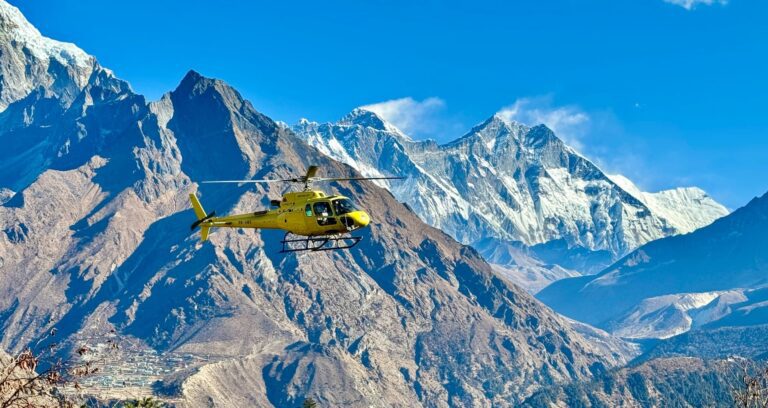
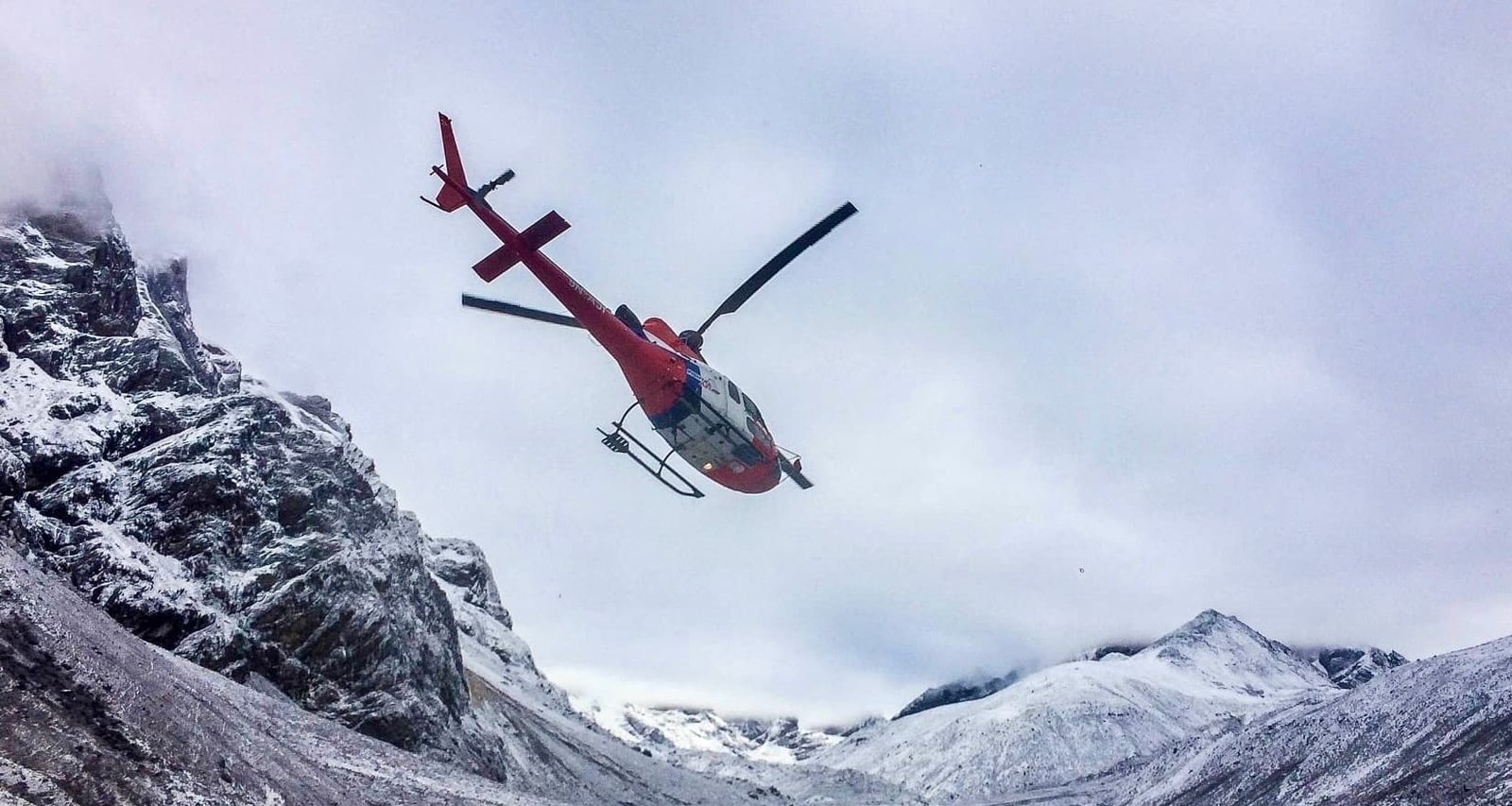
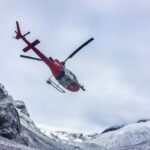
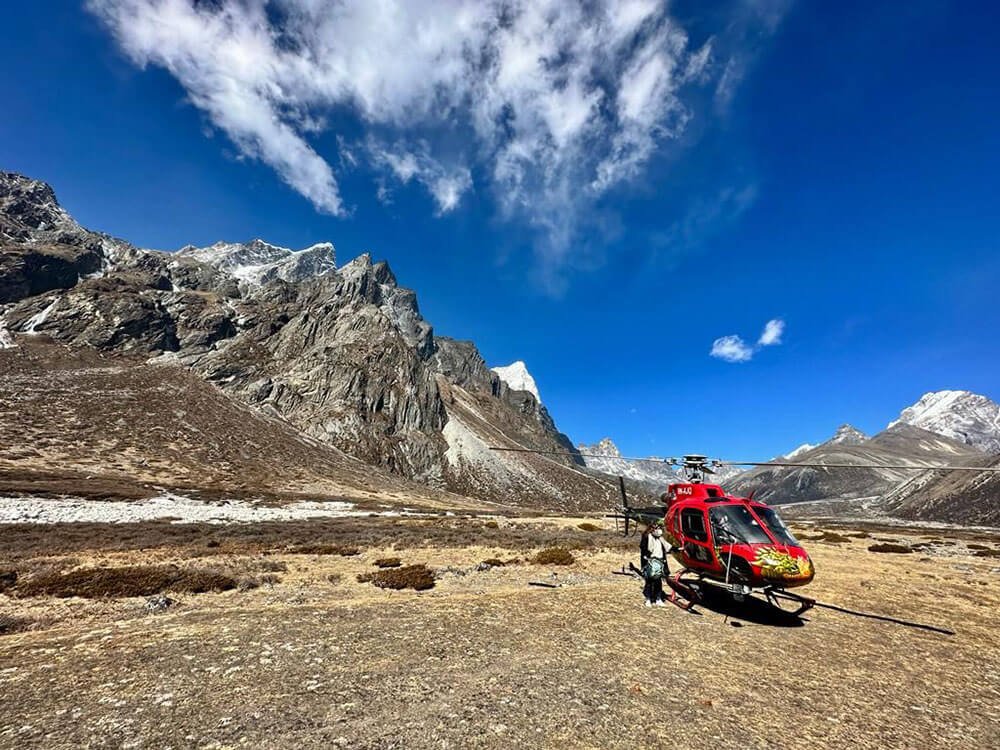
In the early 1970s, more and more trekkers were becoming ill from altitude sickness on the Everest trail. The Himalayan Rescue Association was founded in Kathmandu in 1973, and that autumn a French nurse, Danielle Laigret, opened its first aid post in a rented yak hut in Pheriche. Today it is a proper clinic, staffed in spring and autumn by volunteer doctors from around the world, with oxygen, a portable pressure chamber (Gamow bag) and medicines for altitude illness. It also treats porters and local people, and its doctors have contributed to much of what we know about altitude sickness.
If you pass through Pheriche in season, the afternoon altitude talk is well worth an hour. The doctors explain how the body adapts to height, the warning signs of AMS, HAPE and HACE, and when to go down. Donations help keep the aid post running.
The Everest Memorial
Beside the aid post stands a stainless-steel sculpture shaped like a stylised mountain, engraved with the names of climbers who have died on Everest. Together with the stone chortens at the Thukla Pass Memorial further up the valley, it is a quiet place to pause and remember the cost of climbing the world’s highest mountain.
Pheriche or Dingboche?
Both villages lie at roughly the same height and both are used for acclimatisation. Dingboche gets more sun, has more lodges and bakeries, and has better views of Ama Dablam and Island Peak, so most groups, including ours, stay there on the way up. Pheriche is windier and quieter, but it has the aid post, which is why many itineraries stay here on the way down, after the effort of Base Camp and Kala Patthar. If anyone in your group is feeling unwell, Pheriche is the place to get checked.
Where to stay in Pheriche
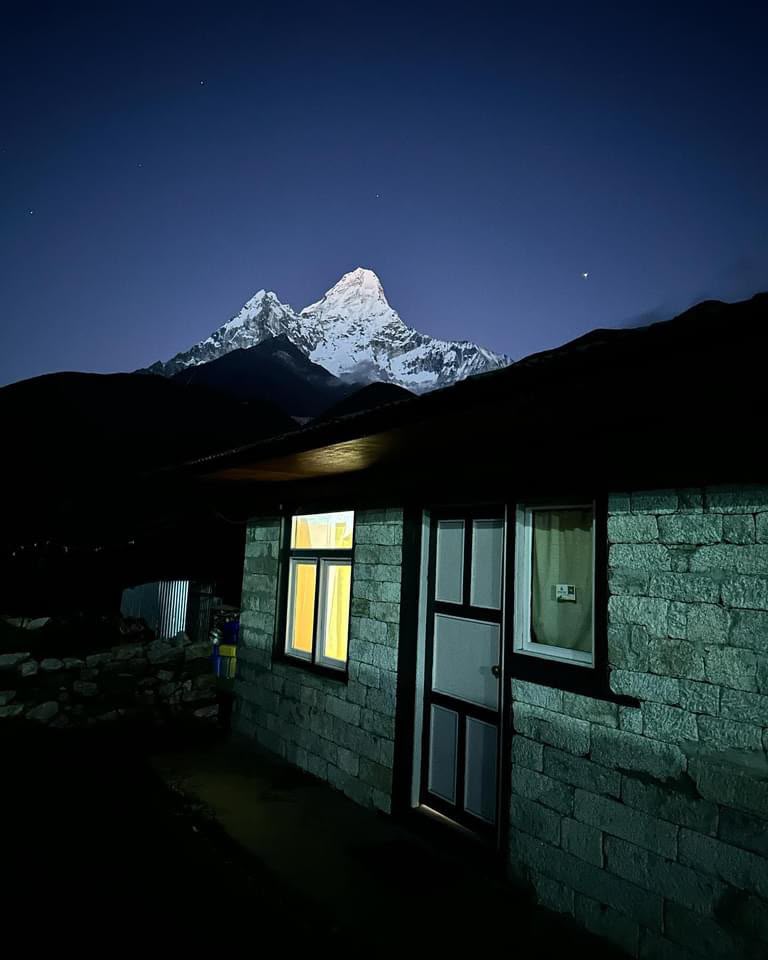
Pheriche has a handful of simple teahouses with dining rooms heated by yak-dung stoves, shared bathrooms and basic rooms. On our trek you stay at the Pheriche Lodge, where hot drinks and a big plate of dal bhat are waiting after the long walk down from Gorak Shep.
Pheriche on the 14-day Everest Base Camp Trek
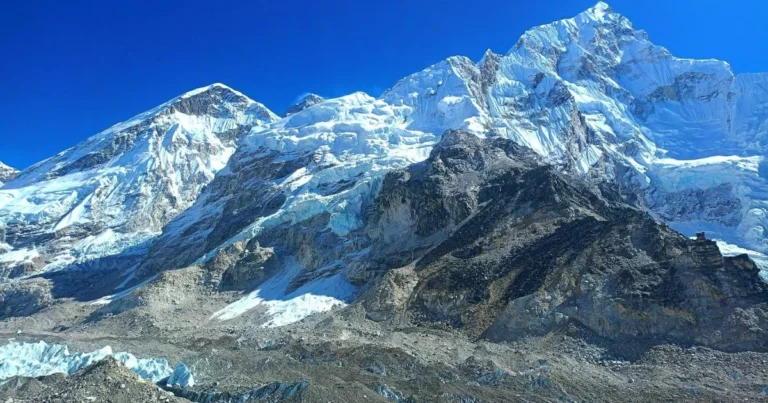
On Day 10 you climb Kala Patthar at dawn, return to Gorak Shep for breakfast, and descend past Lobuche and the Thukla memorials to Pheriche. Losing nearly 1,000 m of altitude in a day feels wonderful: you will sleep better, eat more and breathe easily again. On Day 11 the trail continues down through Pangboche and past Tengboche to Namche Bazaar.
Highlights
- Attend the free altitude talk at the HRA aid post
- Pay respects at the Everest Memorial sculpture
- Walk the wide yak pastures of the Khumbu Khola valley
- Sleep easier after descending from Kala Patthar
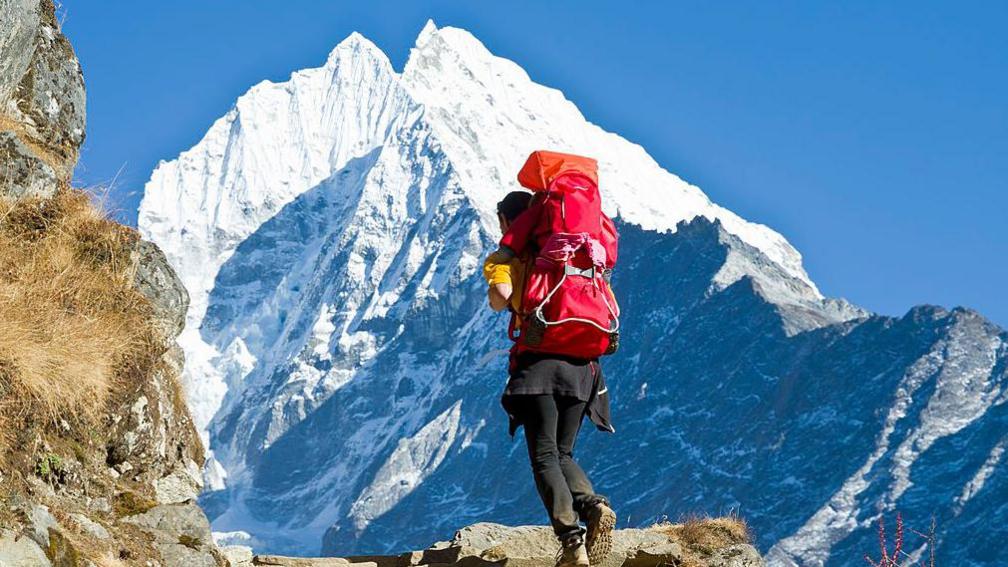
- Views of Taboche, Cholatse and Ama Dablam
Gallery
Location
Open in Google MapsFrequently asked questions
How high is Pheriche?
Pheriche is at about 4,371 m (14,340 ft), roughly the same height as Dingboche.
What is the Pheriche aid post?
A clinic run by the Himalayan Rescue Association since 1973 and staffed by volunteer doctors in spring and autumn. It treats altitude sickness and other illnesses for trekkers, porters and locals.
Is there an altitude sickness talk in Pheriche?
Yes. During the trekking seasons the HRA doctors give a free talk on staying safe at altitude, usually in the afternoon. Donations are welcome.
Should I stay in Pheriche or Dingboche?
Dingboche is sunnier with more lodges, so it is better for acclimatisation on the way up. Pheriche has the aid post and is a good stop on the way down.
On which day of the trek do we stay in Pheriche?
On Day 10 of our 14-day Everest Base Camp trek, after the sunrise climb of Kala Patthar.
Can I see a doctor in Pheriche?
Yes, at the HRA aid post during the main trekking seasons. Consultations are charged for foreigners, and your travel insurance should cover them.