









Sherpa Culture & the Mani Rimdu Festival
Monasteries, prayer flags, butter tea and masked dances: the living culture of the Everest trail
A trekker's guide to Sherpa culture in the Khumbu: who the Sherpas are, the Buddhist sights on the Everest trail, everyday life in the villages, and how to see the Mani Rimdu masked-dance festival at Tengboche Monastery.
About Sherpa Culture & the Mani Rimdu Festival
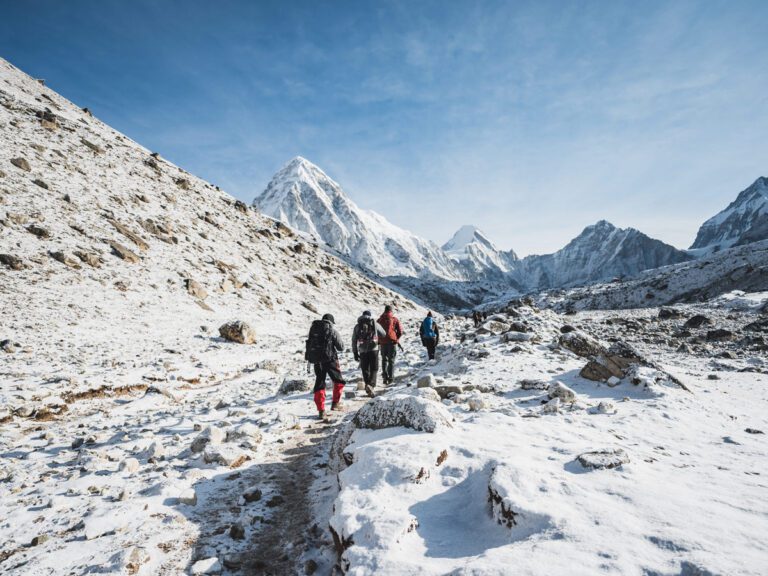
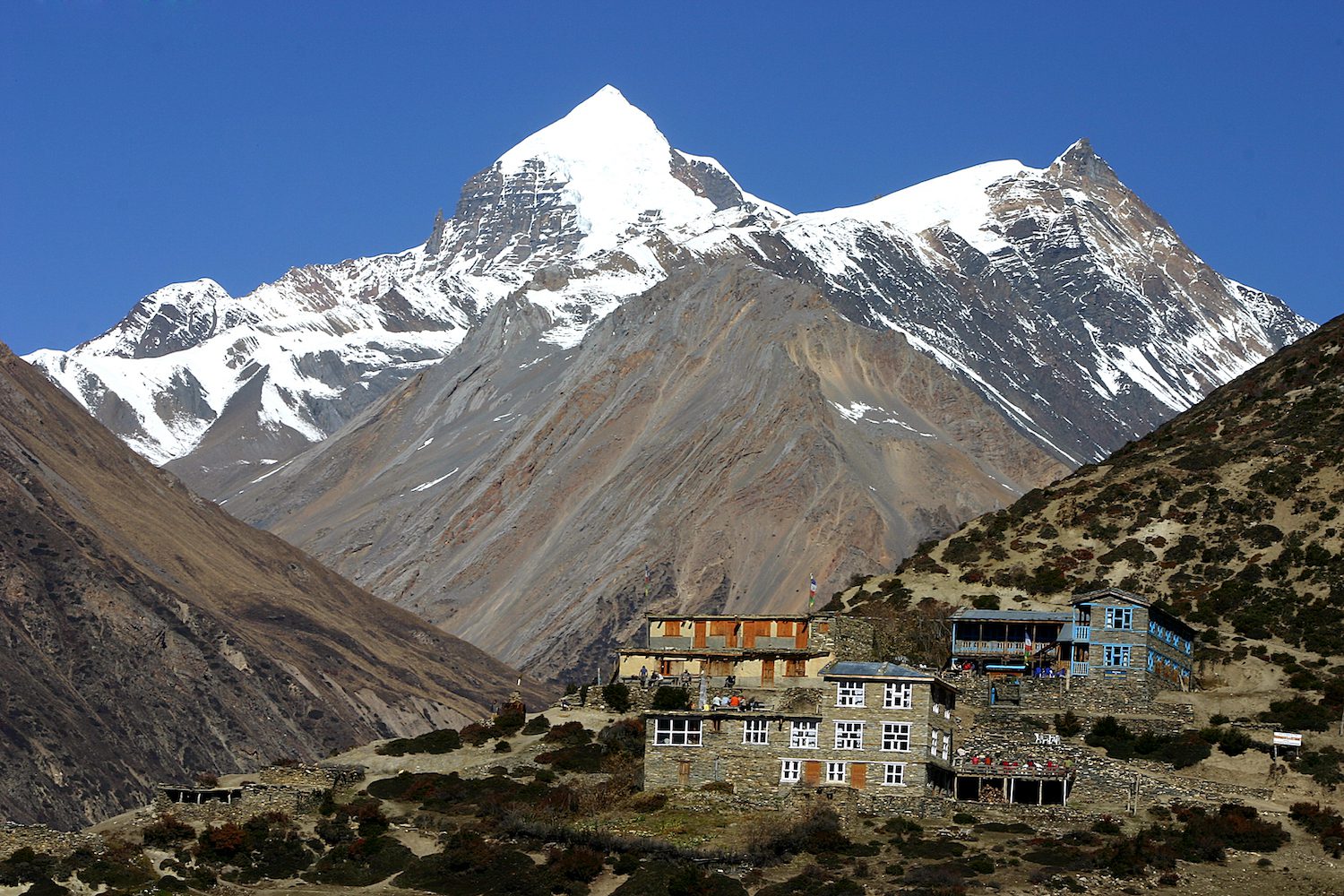
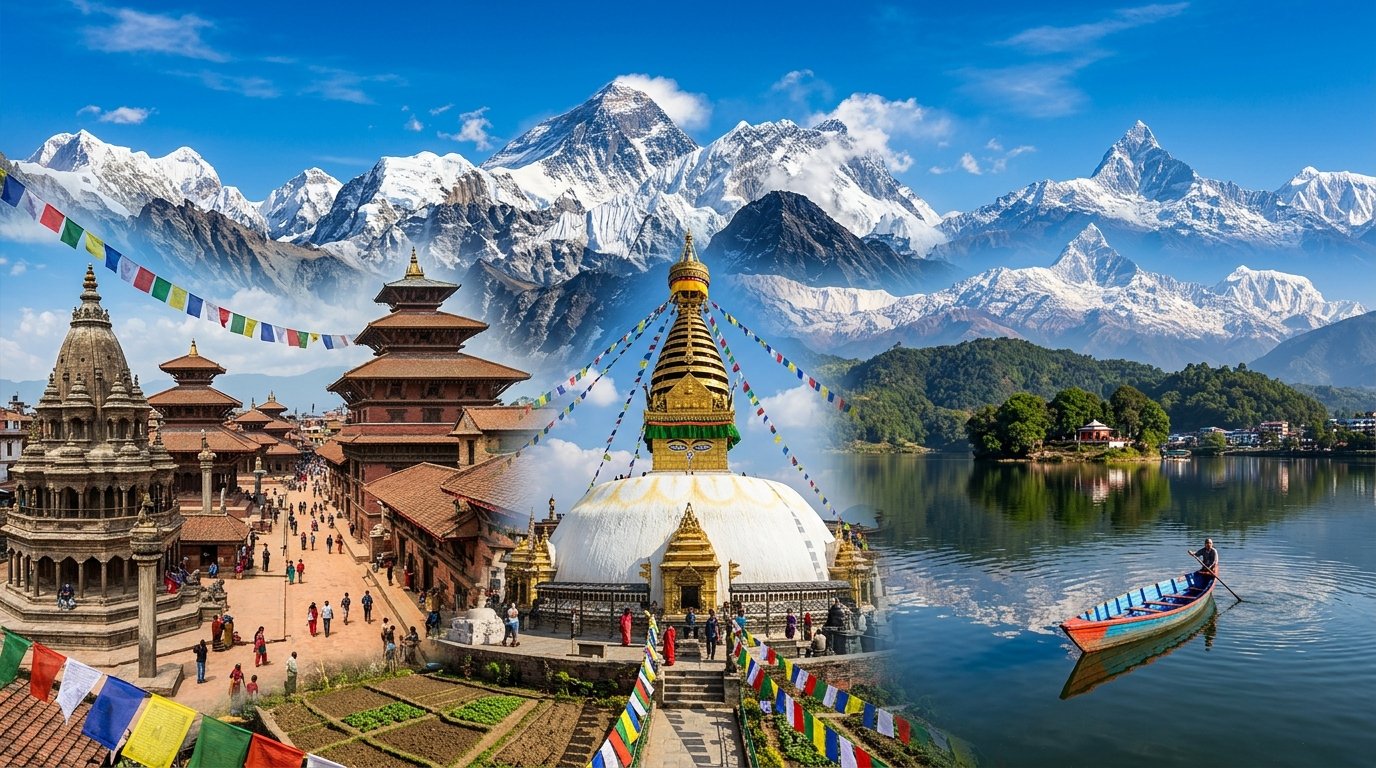
Walk into the Khumbu and you walk into Sherpa country. Every prayer wheel you spin, every mani stone you pass on the left and every cup of butter tea in a lodge kitchen is part of a living culture that is more than five centuries old. Knowing a little about it turns the Everest Base Camp trek from a hike into a journey, and if your dates line up with Mani Rimdu, the region’s great monastery festival, you will see that culture at its most colourful.
Who are the Sherpa people?
The name Sherpa comes from the Tibetan shar (east) and pa (people): “people from the east”. Their ancestors crossed the Nangpa La pass from the Kham region of eastern Tibet about 500 years ago and settled in the high valleys of Solu and Khumbu, below Mount Everest. They farmed potatoes and barley, herded yaks, and traded salt, wool and grain across the passes between Tibet and Nepal.
Today Sherpas live mainly in the Solukhumbu district, with communities in Rolwaling, Helambu and Kathmandu. Around the world the word “sherpa” has come to mean a mountain guide, but for Sherpas themselves it is the name of their people, and many Sherpas work as teachers, doctors, pilots, business owners and lodge keepers as well as climbers and guides.
Faith: Buddhism in every village
Sherpas follow the Nyingma school, the oldest school of Tibetan Buddhism, which traces its teachings to Guru Rinpoche (Padmasambhava). Older beliefs live alongside it: mountains, springs and rocks are homes of local deities. Khumbila (5,761 m), the peak that rises above Khumjung and Namche, is the home of the Khumbu’s protector god, and it has never been climbed out of respect.
On the trail you will see this faith everywhere:
- Mani stones and walls carved with Om Mani Padme Hum. Always walk to their left, keeping them on your right.
- Prayer wheels at village entrances and monasteries, turned clockwise so each turn sends the prayers inside out into the world.
- Prayer flags in five colours (blue, white, red, green and yellow) strung across bridges and passes, where the wind carries their blessings.
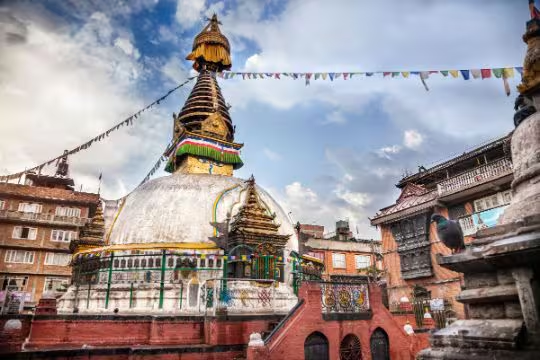
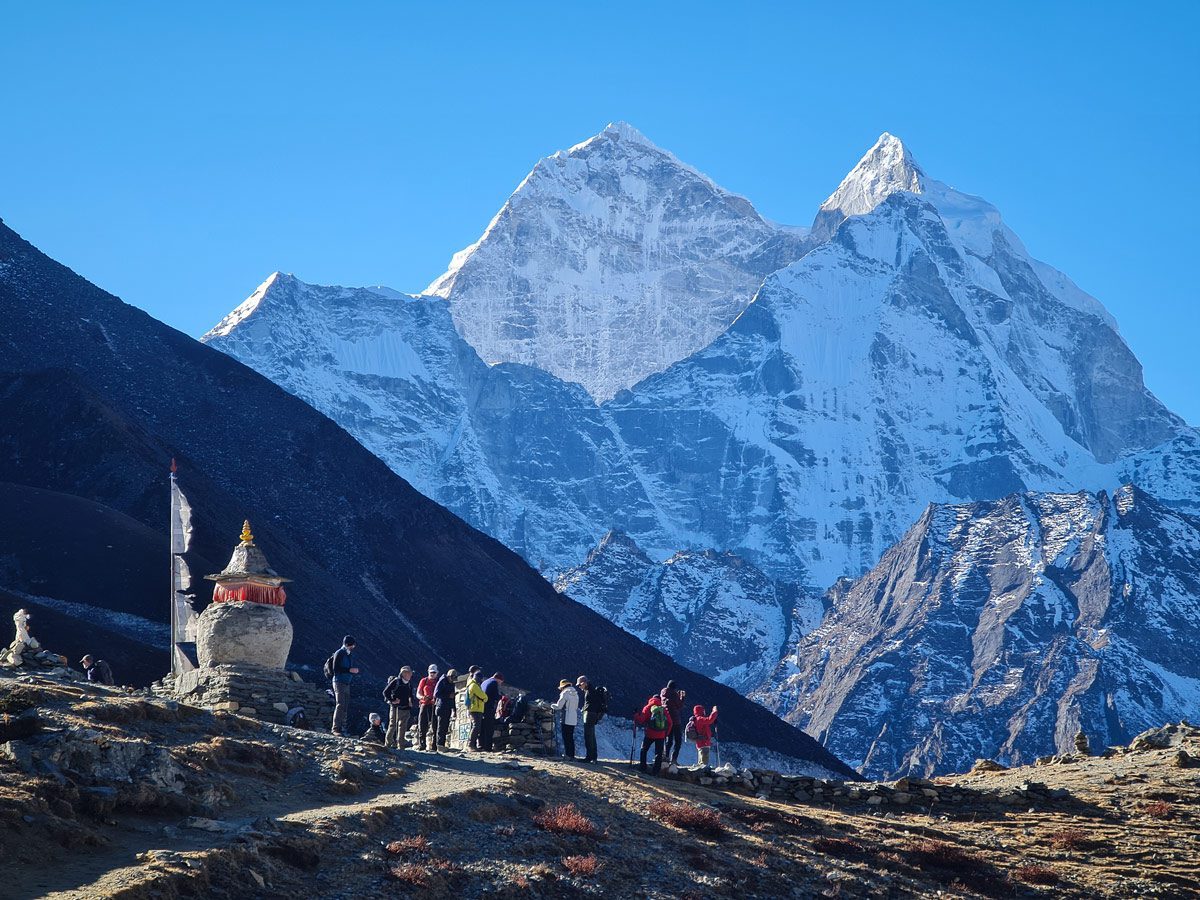
- Chortens (stupas) at passes and village gates, walked around clockwise.
- Kani gates, painted archways at village entrances, meant to purify travellers who walk through.
Monasteries on the Everest trail
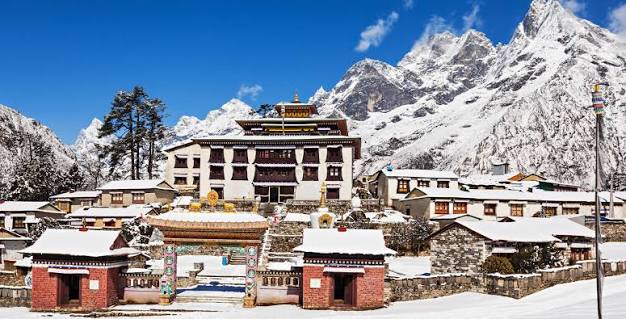
The great monastery of the Khumbu is Tengboche (3,867 m), founded in 1916, destroyed by an earthquake in 1934, rebuilt, burned in 1989 and rebuilt again with help from around the world. Other gompas worth a visit are Khumjung, which keeps a famous “yeti scalp“; Pangboche, said to be the oldest monastery in the Khumbu; Thame, built into the cliff above the village; and the small monastery in Namche Bazaar. Most welcome respectful visitors, especially during afternoon prayers.
Everyday Sherpa life you will see
Names by the day of the week. Many Sherpas are named after the day they were born, which is why you meet so many Pasangs and Dawas: Nima (Sunday), Dawa (Monday), Mingma (Tuesday), Lhakpa (Wednesday), Phurba (Thursday), Pasang (Friday) and Pemba (Saturday).
Food and drink. Butter tea, tsampa (roasted barley flour), potato pancakes called rildok and riki kur, Sherpa stew (shyakpa), and of course dal bhat and momos. In the lodges, the kitchen stove is the warm heart of the house, and the family usually eats there too.
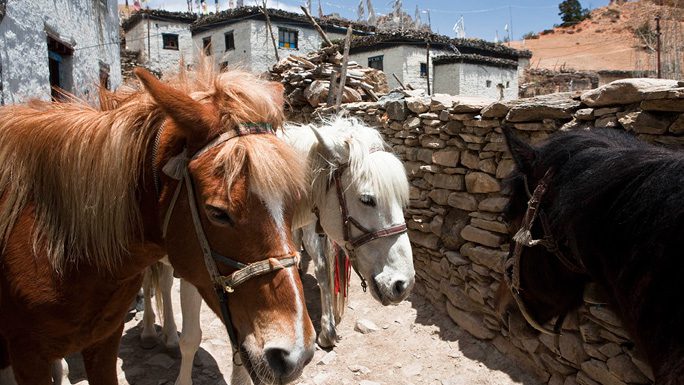
Homes and yaks. Traditional houses are built of stone with the family living upstairs and animals or storage below. Yaks and dzopkyos (yak–cow crossbreeds) carry loads on the trail; always step to the mountain side when they pass.
Language. Sherpas speak Sherpa, a Tibetan language, as well as Nepali. A smiling Tashi delek (good luck, hello) or Namaste is always welcome, and thuk-je-chhe means thank you.
The Mani Rimdu festival
Mani Rimdu is the most important festival in the Khumbu: a 19-day cycle of prayers and rituals that ends with three public days of blessings, masked dances and a fire ceremony. It celebrates the victory of Buddhism over the old demons of the land and is believed to bring blessings, health and long life to everyone who attends.
The festival came to the Khumbu from Rongbuk Monastery on the Tibetan side of Everest in the first half of the 20th century. Today it is held three times a year in the region: at Tengboche in autumn (October or November), at Thame in spring (around May), and at Chiwong monastery in the lower Solu region in autumn.
For the first two weeks, the monks work in private: they build a detailed sand mandala, chant, and prepare the sacred rilbu pills. Then the courtyard opens to everyone:
- Wang (blessing day). The head lama blesses the crowd and gives out long-life pills and blessed threads. Sherpas from all over the valley come in their best clothes.
- Chham (masked dances). Monks in brocade robes and painted masks perform slow, powerful dances that act out the defeat of evil and ignorance, with comic interludes that make the crowd laugh. This is the day most visitors come for.
- Jinsak (fire ceremony). A fire offering burns away harm and obstacles, and the sand mandala is swept away, a reminder that nothing is permanent.
In 2026, the public days at Tengboche were 26–28 October. The festival follows the Tibetan lunar calendar, so the dates move each year; they usually fall between mid-October and mid-November. Ask us for next year’s dates and we can plan your Everest Base Camp Trek so you reach Tengboche on dance day.
Other Sherpa festivals
Losar, the Tibetan and Sherpa New Year, falls in February or March, with family feasts, new prayer flags and monastery visits. Dumji, held around June and July in villages such as Namche, Khumjung and Thame, honours Guru Rinpoche with dances and village feasts. Both are local celebrations and fall outside the main trekking seasons, but if you are in the Khumbu at the time you will be warmly welcomed.
How to be a good guest
Sherpa hospitality is famous, and a few simple habits show respect: walk clockwise around stupas and to the left of mani walls; ask before photographing people, monks and ceremonies; take off your shoes and hat inside monasteries; don’t touch religious objects or point your feet at altars; dress modestly; and leave a small donation in the box when you visit a gompa. During Mani Rimdu, sit where the monks direct you, don’t stand in front of the dancers, and keep the flash off.
The best way to understand Sherpa culture is to travel with a Sherpa guide. Our guides grew up in these valleys and are happy to take you into the monasteries they know, explain the rituals and introduce you to their families’ lodges. Read more about the villages on the route in our Everest region guide.
Highlights
- Watch masked Chham dances in the Tengboche courtyard during Mani Rimdu
- Receive the head lama's long-life blessing on Wang day
- Sit in on afternoon prayers at Tengboche Monastery
- See the famous yeti scalp at Khumjung monastery
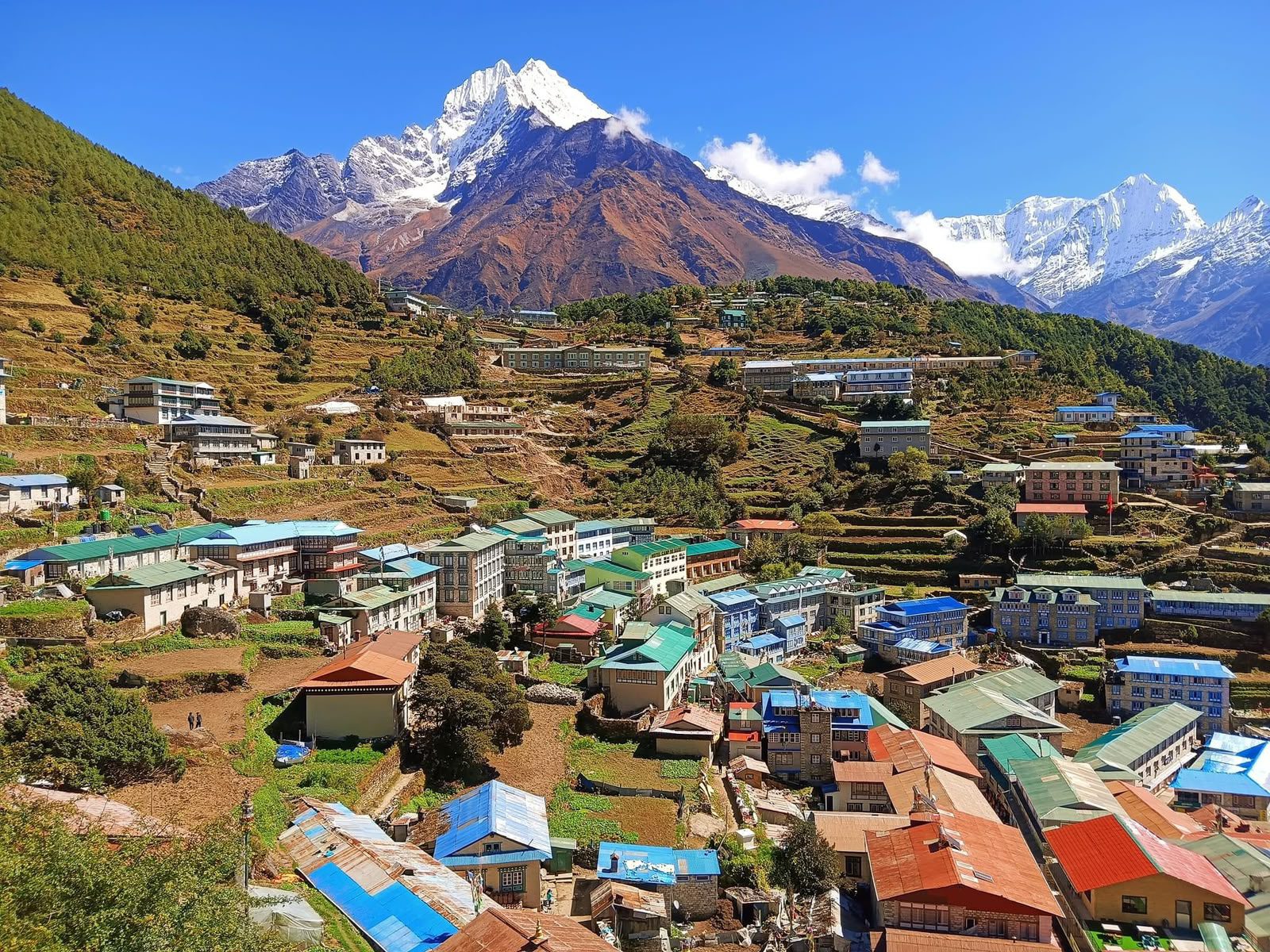
- Spin the prayer wheels and walk the mani walls of Namche Bazaar
- Share butter tea and potato pancakes in a Sherpa family kitchen
- Visit Pangboche, said to be the oldest monastery in the Khumbu
- Cross bridges strung with prayer flags over the Dudh Koshi
Plan Your Visit
When and where to see Sherpa festivals, and how to fit them into a trek.
Sherpa Festival Calendar
Dates move each year with the lunar calendar
Mani Rimdu at Tengboche is the one most trekkers can catch, because it falls in the main autumn trekking season.
| Festival | Where | When | What you see |
|---|---|---|---|
| Mani Rimdu | Tengboche Monastery | Oct–Nov | Blessings, masked dances, fire ceremony |
| Mani Rimdu | Thame Monastery | Around May | Smaller, quieter version of the festival |
| Mani Rimdu | Chiwong Monastery (Solu) | Autumn | Festival in the lower Solu region |
| Losar (New Year) | Every Sherpa village | Feb–Mar | Family feasts, new prayer flags |
| Dumji | Namche, Khumjung, Thame | Jun–Jul | Village dances honouring Guru Rinpoche |
Ask us before booking: we confirm festival dates with the monasteries each year.
Mani Rimdu: The Three Public Days
What happens in the Tengboche courtyard
The first two weeks of the festival are private prayers and the making of the sand mandala. The public days follow.
The head lama blesses the crowd and gives out long-life pills and blessed threads.
Masked monks perform the ritual dances that act out the defeat of evil. The busiest and most photographed day.
A fire offering removes obstacles, and the sand mandala is swept away as a lesson in impermanence.
Tips for Festival Day
How to get the most out of Mani Rimdu
- Book your Tengboche lodge early: rooms fill weeks ahead, and many trekkers stay in Deboche, 20 minutes down the trail.
- Arrive in the courtyard by mid-morning; the dances last most of the day.
- Bring a down jacket, sit mat and sun hat: it is cold in the shade and bright in the sun at 3,867 m.
- Use a long lens instead of walking into the dance area, and never use flash.
- Leave a small donation for the monastery; the festival is funded by the community.
Location
Open in Google MapsFrequently asked questions
What is the Mani Rimdu festival?
Mani Rimdu is the biggest Sherpa Buddhist festival in the Everest region: a 19-day cycle of prayers ending with three public days of blessings (Wang), masked dances (Chham) and a fire ceremony (Jinsak) at Tengboche Monastery.
When is Mani Rimdu at Tengboche?
It follows the Tibetan lunar calendar and usually falls between mid-October and mid-November. In 2026 the public days were 26–28 October. Contact us for next year's dates.
Can tourists attend Mani Rimdu?
Yes. The three public days are open to everyone. Arrive early for a good spot in the courtyard, dress warmly, follow the monks' directions and don't use flash.
Where else is Mani Rimdu held?
Besides Tengboche in autumn, it is held at Thame monastery in spring (around May) and at Chiwong monastery in the lower Solu region in autumn.
Can I see Mani Rimdu on the Everest Base Camp trek?
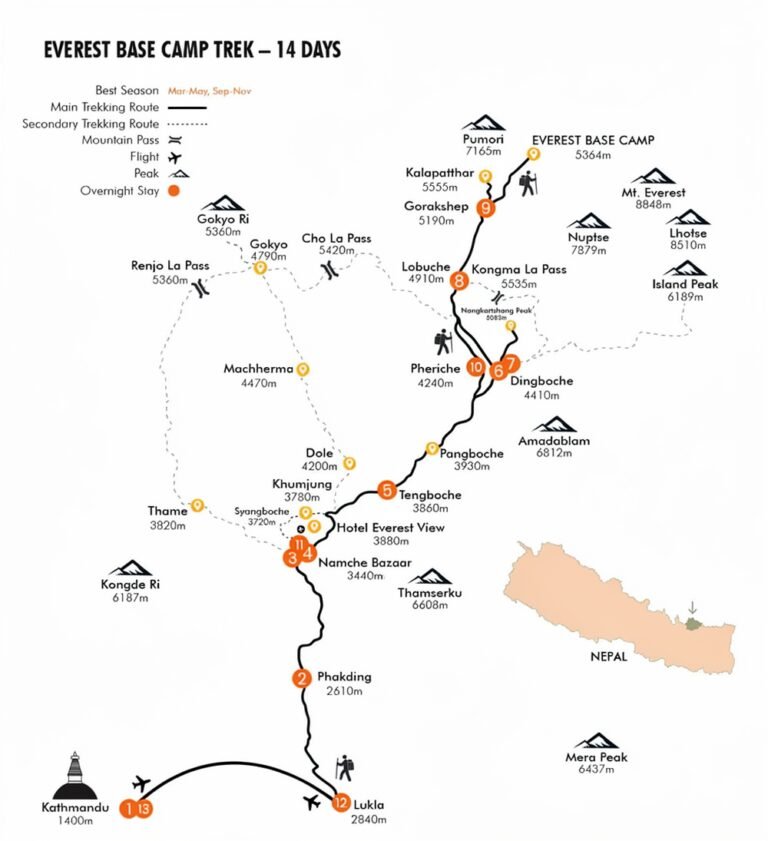
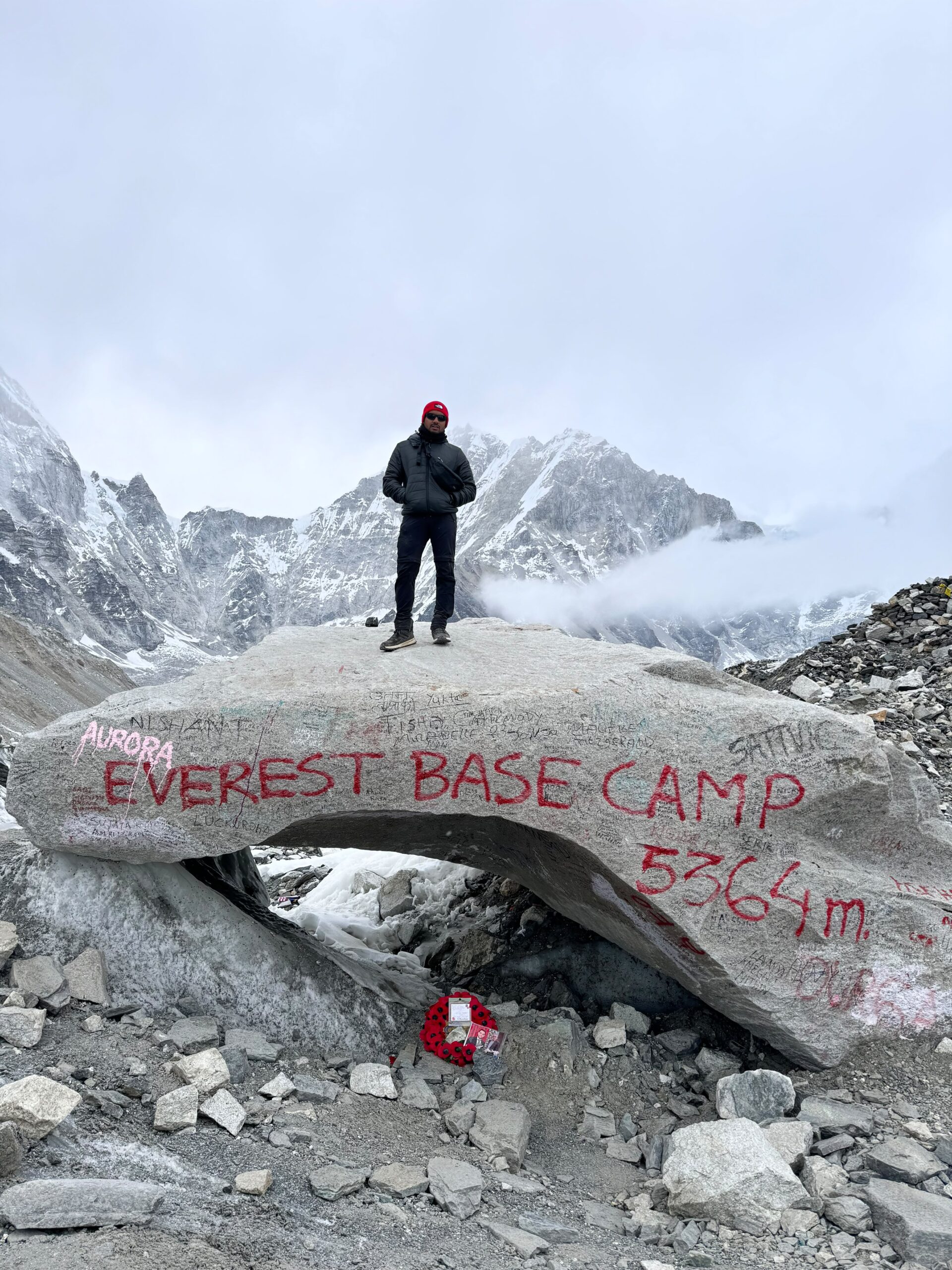
Yes. Tengboche is usually on day 5 of the trek. If you time your start date, you can stop at Tengboche for the dance day and then continue to Base Camp. We can adjust your itinerary for it.
What does the word Sherpa mean?
It comes from the Tibetan words shar (east) and pa (people), meaning "people from the east", because the Sherpas came from the Kham region of eastern Tibet.
What religion do Sherpas follow?
Most Sherpas follow the Nyingma school of Tibetan Buddhism, alongside older beliefs in mountain and nature deities such as Khumbila, the protector of the Khumbu.
How should I behave in a Sherpa monastery?
Take off your shoes and hat, walk clockwise, ask before taking photos, don't touch religious objects, sit quietly at the back during prayers, and leave a small donation.
Why do so many Sherpas have the same names?
Many are named after the day of the week they were born: Nima (Sunday), Dawa (Monday), Mingma (Tuesday), Lhakpa (Wednesday), Phurba (Thursday), Pasang (Friday) and Pemba (Saturday).