








Kala Patthar
The best viewpoint on the trek for Mount Everest, at 5,545 m
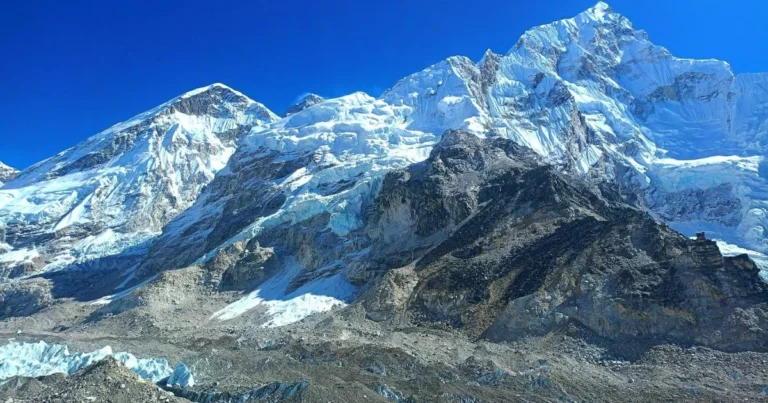
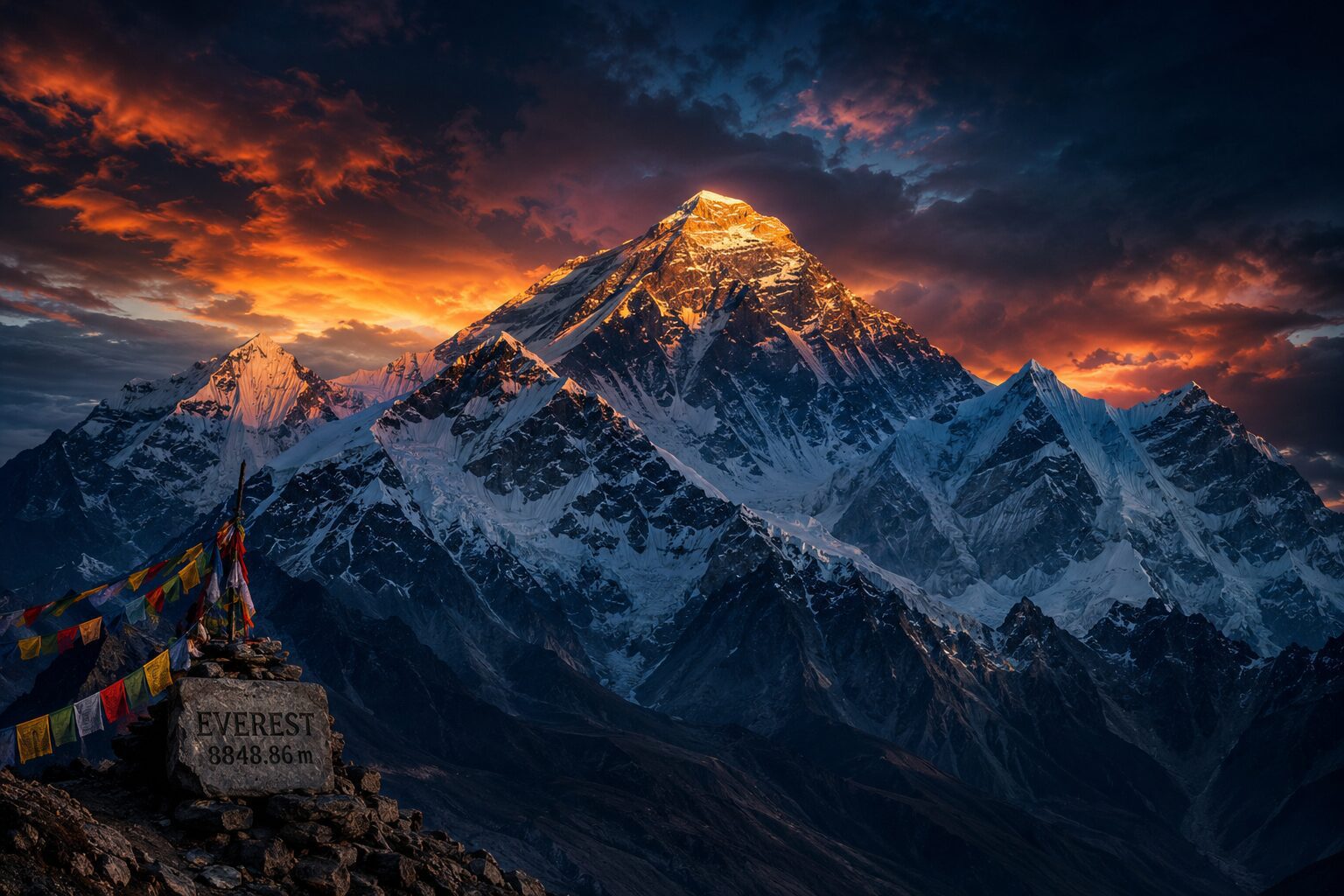
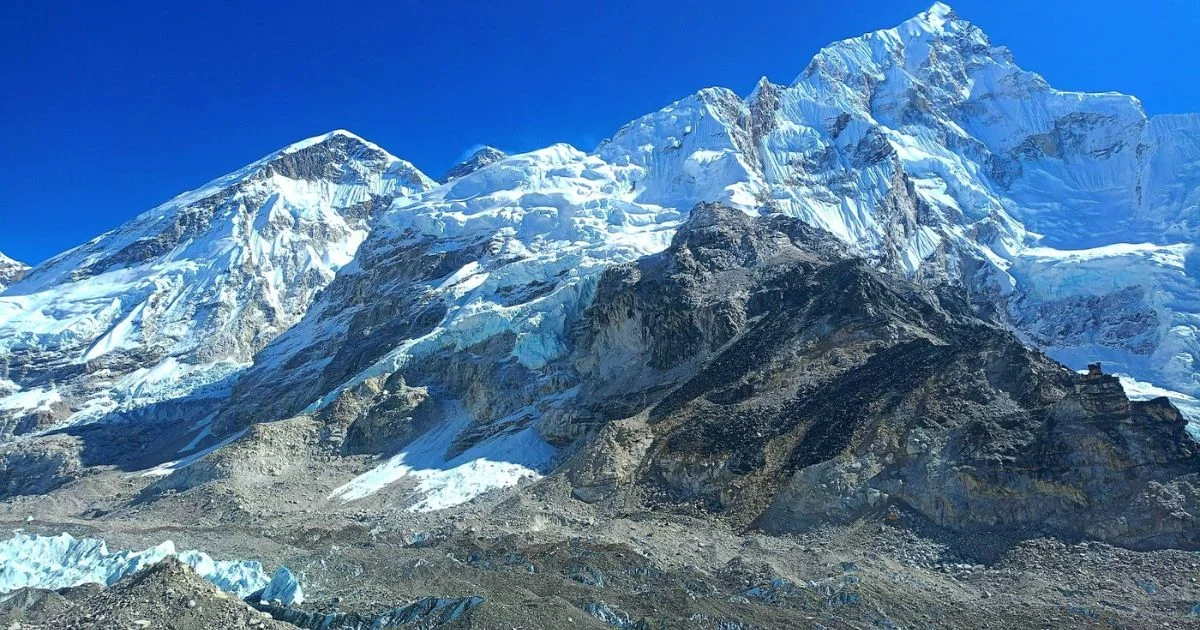
Rising above Gorak Shep, Kala Patthar is the famous black-rock viewpoint where trekkers watch sunrise light up Mount Everest, Nuptse and Pumori in one of the greatest mountain panoramas on Earth.
Why Kala Patthar is known
Best close-range viewpoint of Mount Everest on the standard trek
Highest point reached on the Everest Base Camp trek
Sunrise and sunset views over Everest, Lhotse, Nuptse and Pumori
Name means "Black Rock" in Nepali, after its dark, rocky slopes
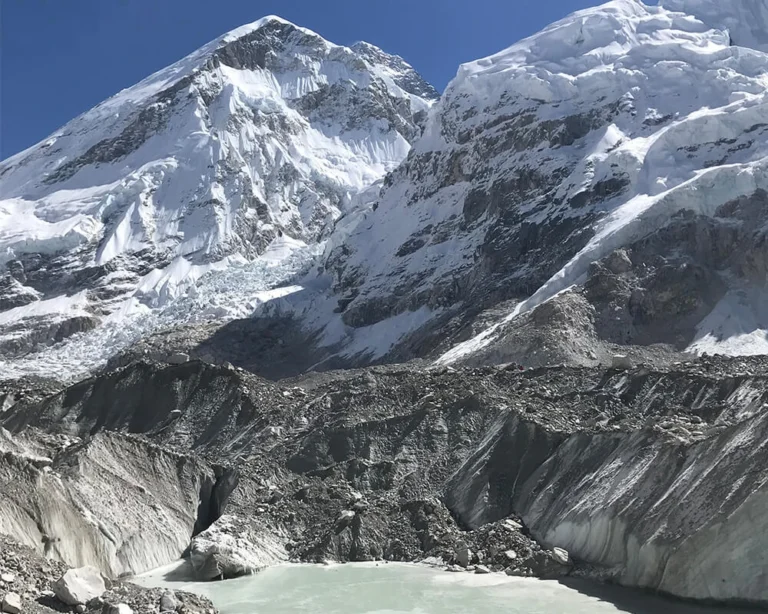
Looks down on Everest Base Camp and the Khumbu Glacier
About Kala Patthar
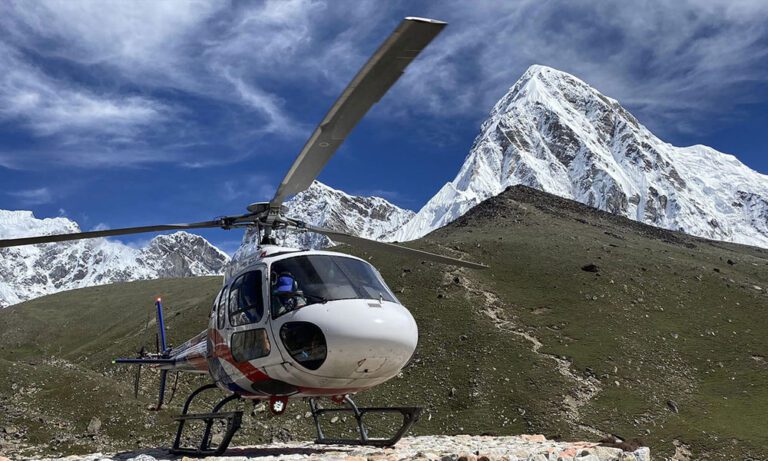
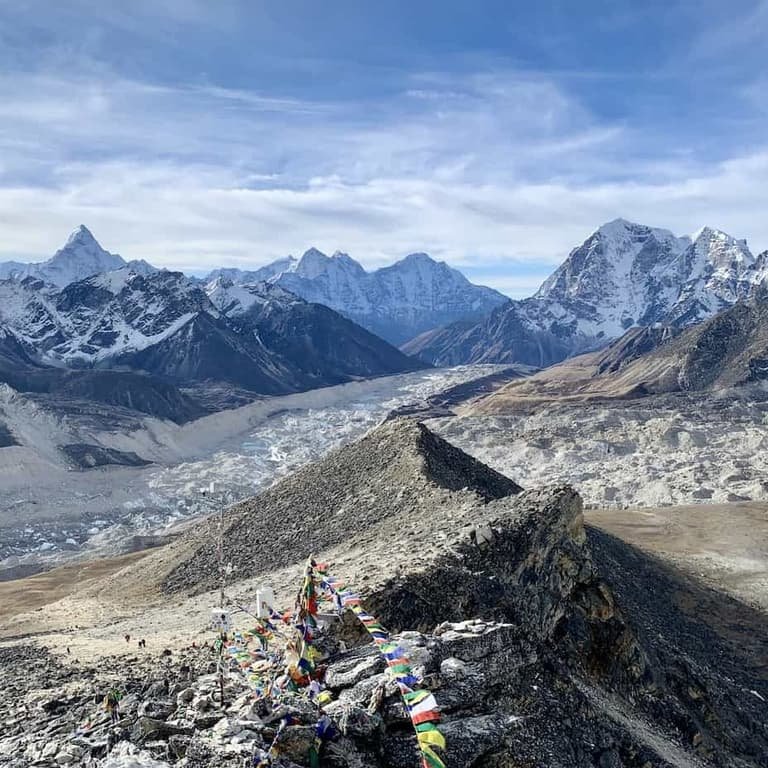
At 5,545 metres, Kala Patthar is a dark, rocky ridge on the shoulder of Pumori, rising above the settlement of Gorak Shep. Its name means “Black Rock” in Nepali, and it is the place where trekkers finally see Mount Everest properly. From Everest Base Camp, the summit is hidden behind Nuptse. From Kala Patthar, Everest rises clearly above the surrounding ridges, framed by Lhotse, Nuptse and Changtse.
The climb
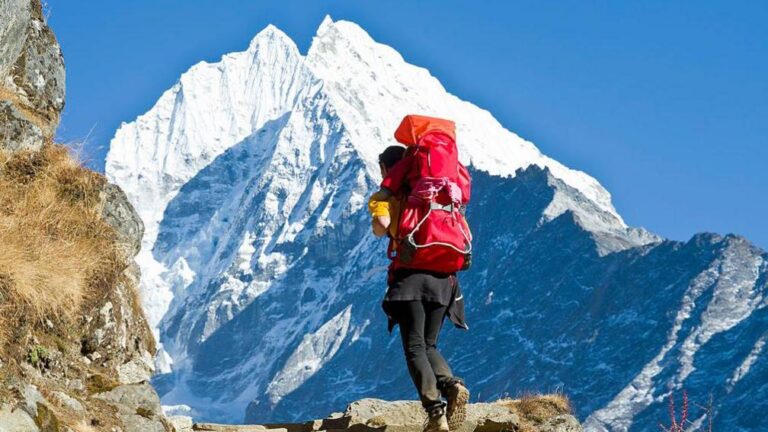
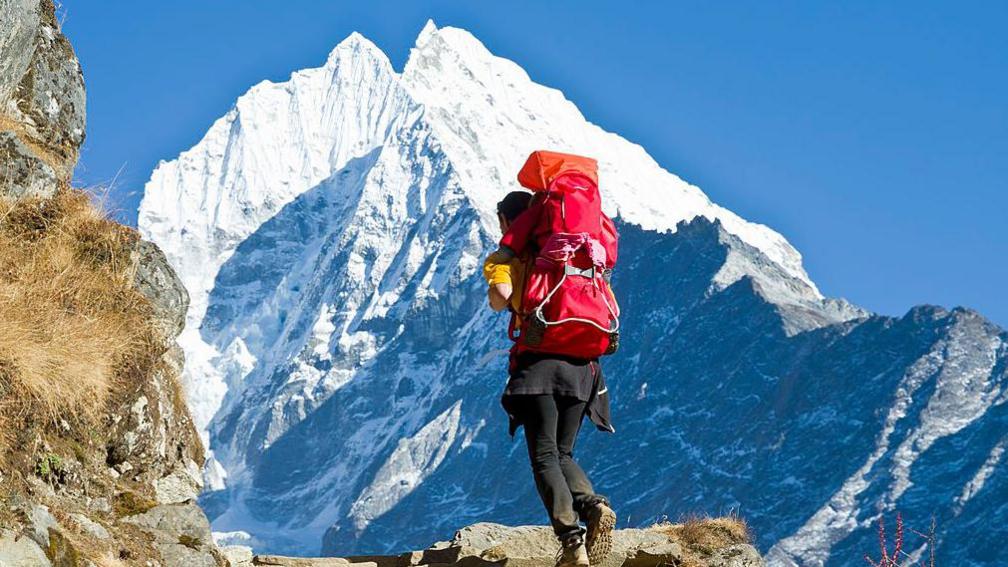
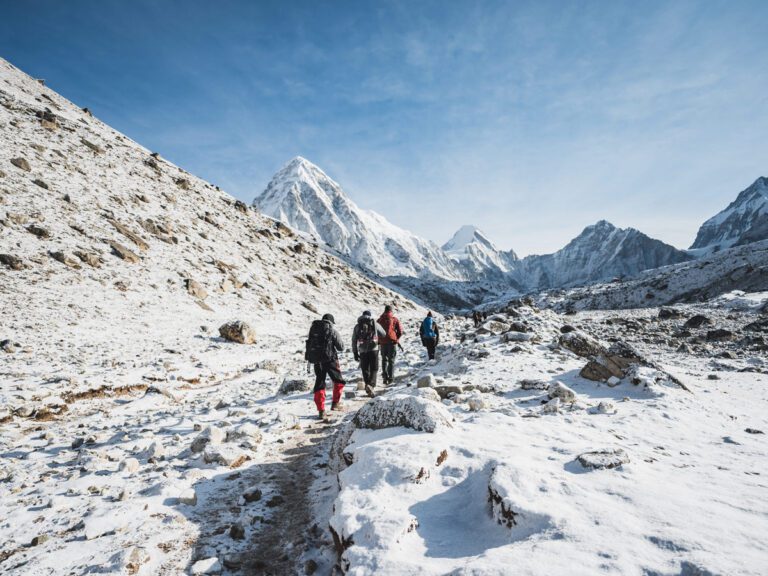
The trail starts right behind Gorak Shep and climbs steadily up a loose, rocky slope. Most trekkers leave before dawn with headlamps, aiming to reach the top as the sun rises. The climb takes about 1.5 to 2 hours at a slow, steady pace. It is steep, cold and breathless, but the path is clear and the views open up with every step.
Sunrise on Everest
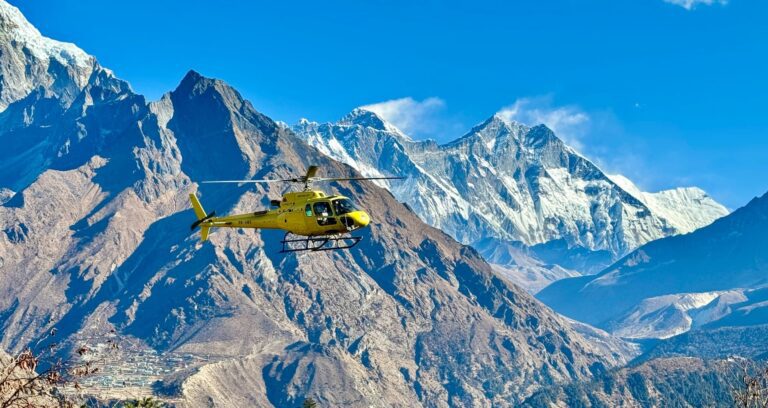
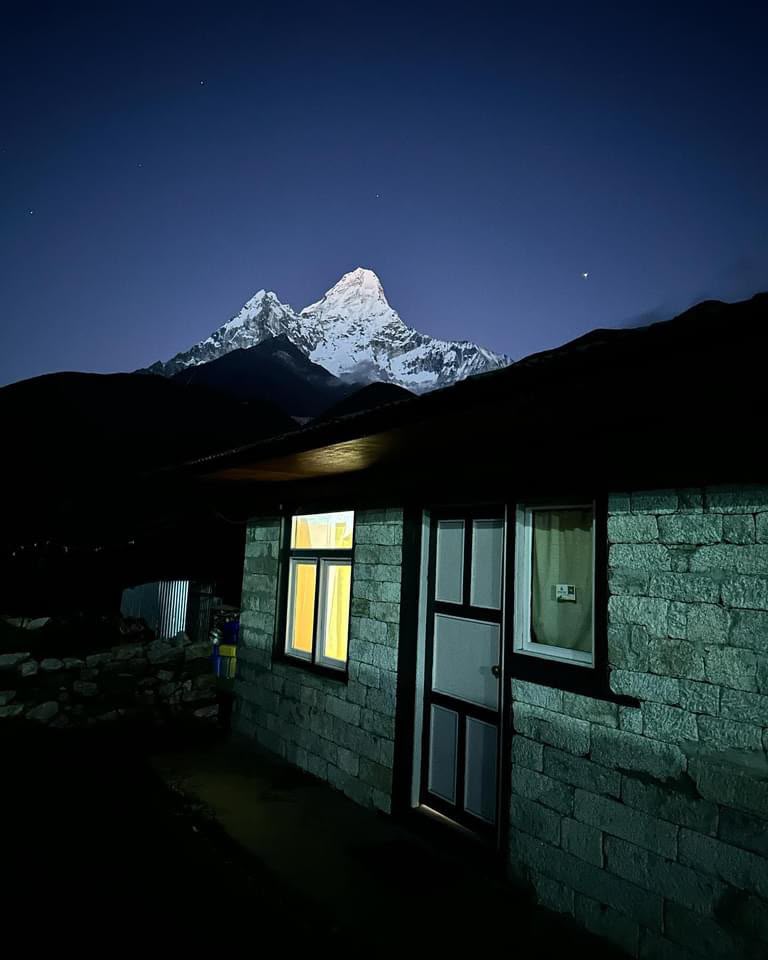
At the top, prayer flags snap in the wind and the whole Khumbu spreads out below. First light touches Everest’s summit, then Nuptse and Pumori, and the valley slowly fills with gold. Below, you can pick out Everest Base Camp, the Khumbu Glacier and the winding trail you walked to get here.
Sunrise or sunset?
Sunrise brings the most dramatic colors, but it is also the coldest and windiest. Some trekkers choose to climb in the late afternoon, when conditions are calmer and the light on Everest is warm and soft. Your guide can advise on the best timing based on weather and how you feel.
Altitude and safety
Kala Patthar is the highest point of the standard Everest Base Camp trek. Move slowly, drink water, wear plenty of layers and turn back if you feel unwell. Headaches, dizziness and nausea are warning signs. A guide who knows the symptoms of altitude sickness is strongly recommended.
Practical tips
Bring a down jacket, windproof shell, warm gloves, a hat, a headlamp with spare batteries and trekking poles. Keep your camera and phone close to your body to stop batteries draining in the cold. Carry a hot drink in an insulated flask, and eat a light breakfast before you set off.
Highlights
- Watch sunrise turn Everest's summit gold
- Stand at 5,545 m, the high point of the trek
- Look down on Everest Base Camp and the Khumbu Glacier
- See Everest, Lhotse, Nuptse and Pumori in one panorama
- Walk beneath fluttering prayer flags at the summit cairn
- Capture the Khumbu Icefall from above
- Enjoy a bird's-eye view of the Himalayan giants
- Celebrate the finish of the highest day of the trek
Gallery
Frequently asked questions
What is the altitude of Kala Patthar?
The viewpoint most trekkers reach is usually given as about 5,545 m (18,192 ft); the true summit of the ridge rises to around 5,644 m (18,517 ft). Either way, it is the highest point on the standard Everest Base Camp trek.
Why is Kala Patthar famous?
It offers the best close view of Mount Everest on the trek, especially at sunrise, with Nuptse, Lhotse and Pumori all in the frame.
How long does it take to climb Kala Patthar?
About 1.5 to 2 hours up from Gorak Shep and about 1 hour back down, depending on pace and conditions.
Can I see Everest from Base Camp?
Not the summit. Nuptse blocks it. Kala Patthar is where trekkers get the clear view of Everest.
Is Kala Patthar dangerous?
It is a non-technical walk, but the altitude, cold and wind make it demanding. Go slowly, dress warmly and turn back if you feel unwell.
Is it better to go at sunrise or sunset?
Sunrise has the most dramatic colors but is colder and windier. Late afternoon is calmer and also beautiful.
Do I need a permit for Kala Patthar?
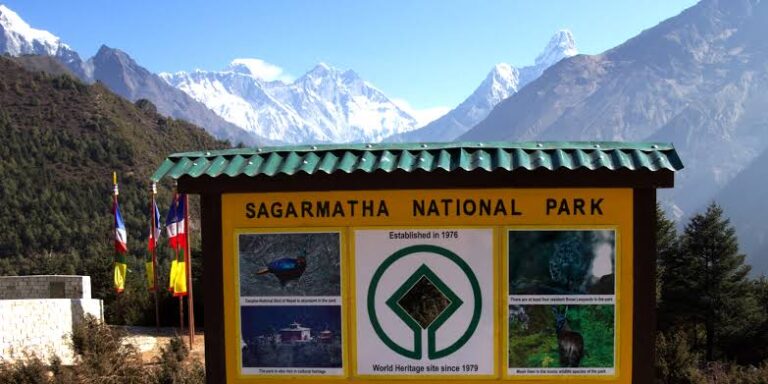
It falls within Sagarmatha National Park, so your standard park and local permits cover it. Check current rules with your trekking company.
Is Kala Patthar on the Three Passes Trek?
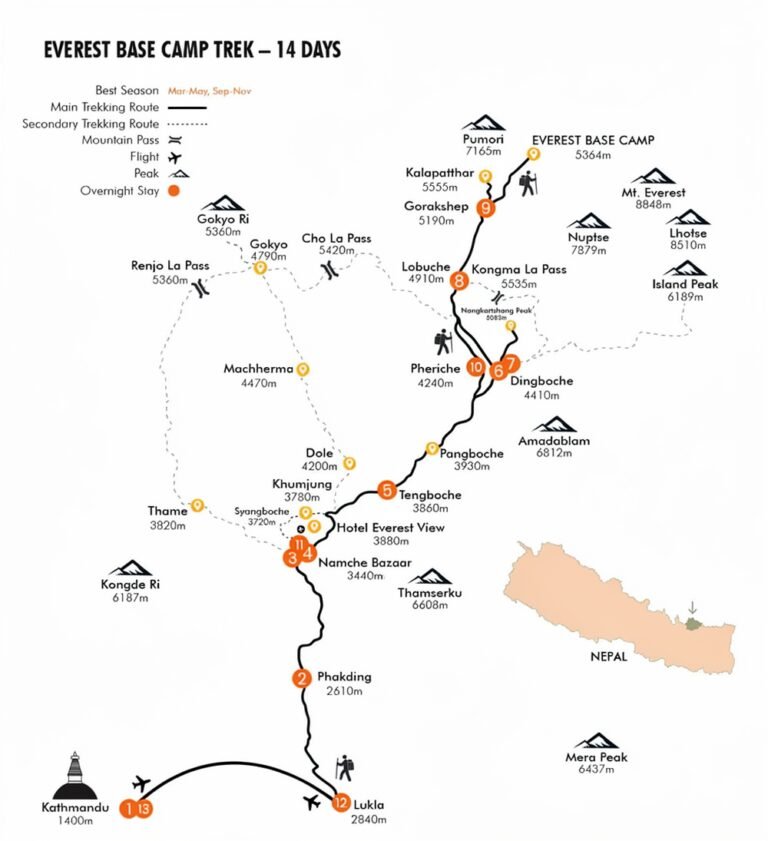
Yes. On the Everest Three Passes Trek you climb Kala Patthar at sunrise after crossing Kongma La and visiting Everest Base Camp, then walk on to Dzongla for Cho La.
You may also like
 Place · MountainMount Everest8,848.86 m / 29,031.7 ft
 Place · GlacierKhumbu IcefallAbout 5,400 to 6,000 m
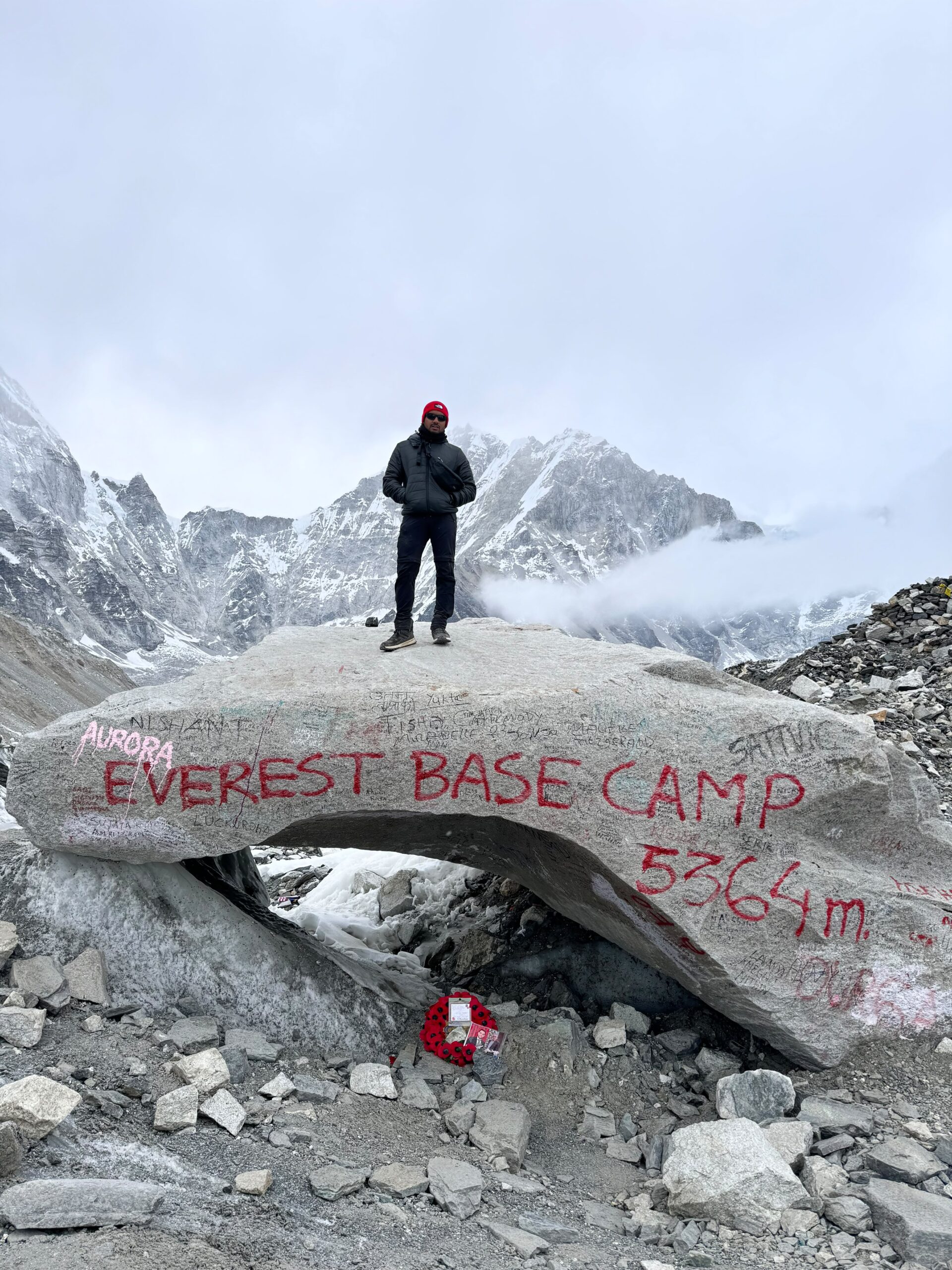
 Place · Base CampEverest Base Camp5,364 m / 17,598 ftPlace · Base CampDingboche4410
 Place · Base CampGorak Shep5,164 m
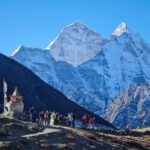 Place · Base CampLobuche4,910 m
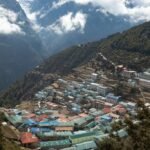 Place · Base CampLukla2,846 m / 9,337 ft
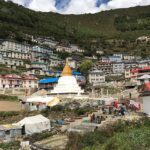 Place · Base CampNamche Bazaar3,440 m
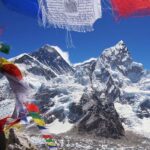 Place · Base CampSagarmatha National Park2,845 m to 8,849 m
 Place · Base CampTengboche Monastery3,867 mOffer · AutumnSpecial Everest Base Camp Trek Discount Offer5% Off In EBC TrekPlace · VillageDzongla4830Place · ViewpointGokyo Ri5357