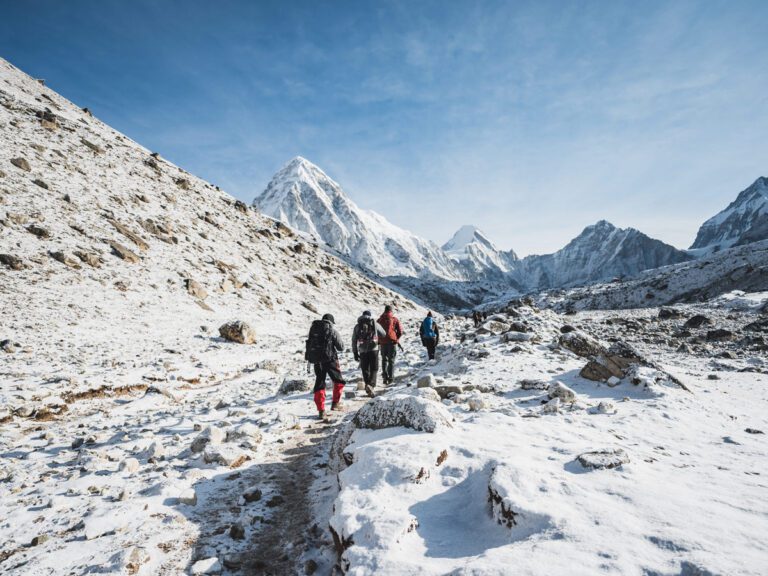



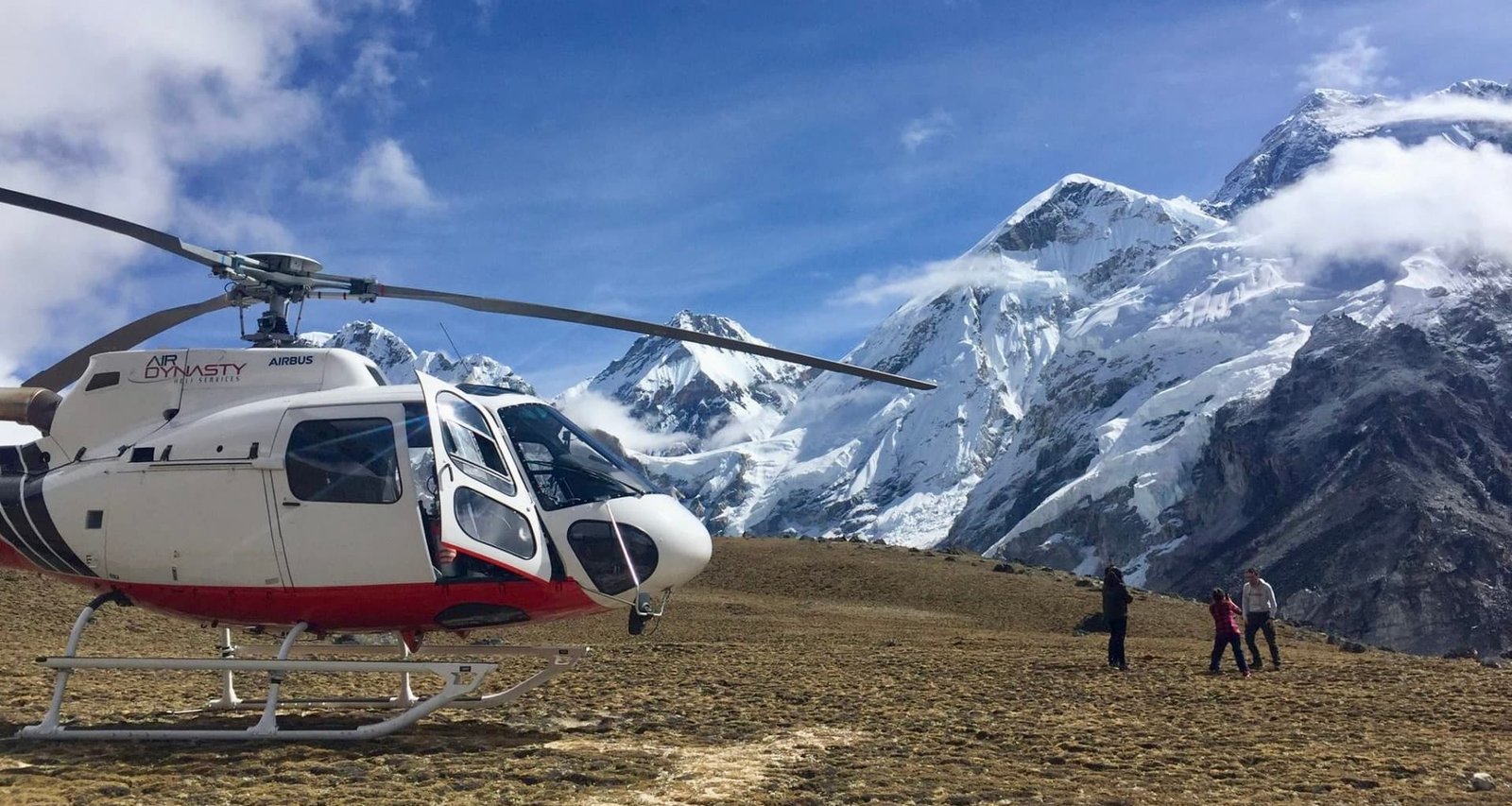
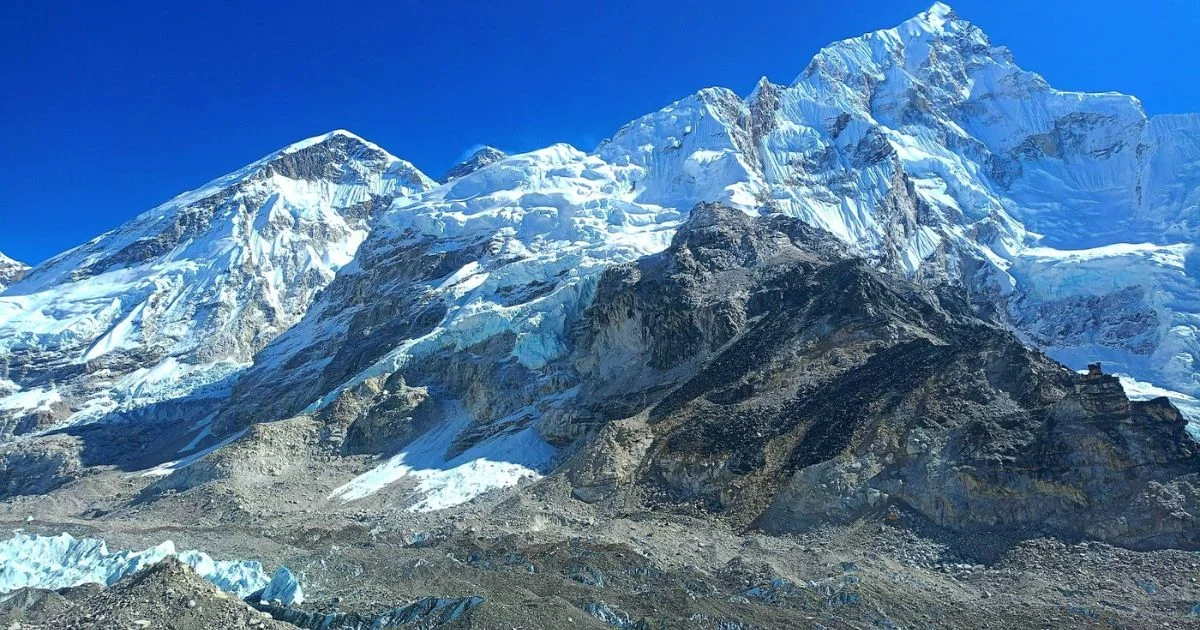




Yes, a beginner can trek to Everest Base Camp. You do not need climbing or mountaineering experience. There are no ropes, ice axes or technical sections, just a long walk on established trails to 5,364 m.
What beginners do need is 8 to 12 weeks of training, an itinerary with at least 2 acclimatisation days, the patience to walk slowly, and ideally a licensed guide and porter. Every season, thousands of first-time trekkers reach Base Camp this way.
Can a complete beginner trek to Everest Base Camp?
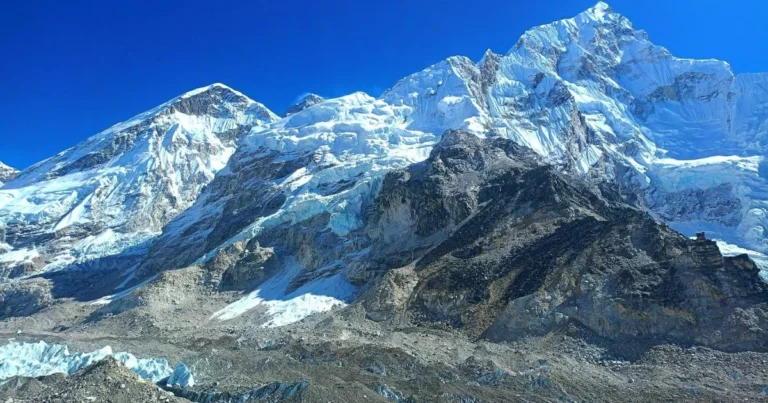
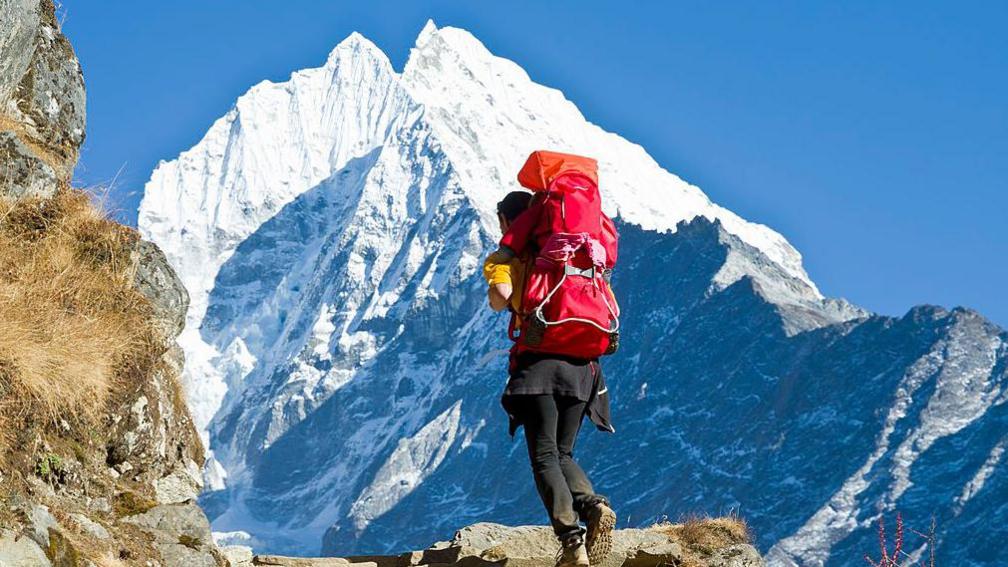
Yes. The biggest myth about Everest Base Camp is that it needs mountaineering experience. It does not. Base Camp sits at the foot of the Khumbu Icefall, where the climb to the summit begins. Getting there is a walking trek on paths that Sherpa families and traders have used for generations, with stone stairs, suspension bridges and lodges all the way.
“Beginner” can mean two different things, and both can make it:
- A beginner to trekking, who is reasonably active but has never done a multi-day hike. With 8 to 10 weeks of focused training you are in a great position.
- A beginner to exercise, who is not active today. You can still do it, but give yourself 4 to 6 months to build up, and be honest about your progress.
The people who reach Base Camp are rarely the fittest. They are the ones who trained consistently, walked slowly and listened to their guide. A fit runner who rushes the ascent often does worse at altitude than a moderately fit beginner who follows a proper acclimatisation plan.
For an honest breakdown of the altitude, daily hours and the hardest days, read our guide How difficult is it to hike to Everest Base Camp?
What beginners need, and what they don’t
- Climbing or mountaineering experience
- Ropes, crampons or an ice axe (on the standard route in the main seasons)
- Previous high-altitude experience
- To be young or an athlete
- Expensive gear: much of it can be rented in Kathmandu
- Good walking endurance: 5 to 7 hours a day, many days in a row
- Strong legs and knees for stairs and long descents
- A slow itinerary with acclimatisation days
- Patience, and the humility to turn back if you feel unwell
- Travel insurance that covers trekking to 6,000 m and helicopter rescue
Common beginner worries, answered
“I’ve never done a multi-day hike.”
Most EBC trekkers hadn’t before their first big trip. Practise with back-to-back weekend hikes and you will know what to expect.
“I’m not very fit.”
Fitness can be built. Start early, train on hills and stairs, and choose a 14-day itinerary rather than a rushed one.
“I’m scared of altitude sickness.”
It is a real risk, but it is well understood. A slow ascent, rest days, a guide who checks your oxygen and early descent keep you safe.
“I’ve never stayed somewhere basic.”
Teahouses are simple but friendly, with hot meals and a warm dining room. Most trekkers end up loving them.
“I’m travelling alone.”
Solo beginners are very common. With a guide you are never really alone, and the dining rooms are full of fellow trekkers.
“I’m over 50.”
Trekkers in their 50s, 60s and 70s reach Base Camp every season. Get a medical check and train steadily.
Everest Base Camp training plan for beginners
The trek asks two things of your body: endurance for 5 to 7 hours of walking a day, and leg strength for days of stone stairs up and down. Train for exactly that. A general gym routine is not enough on its own.
Already active? Follow the 8-week plan. Starting from zero? Add a month of easy walking first, then follow it.
| Phase | Weeks | Focus | Key workouts |
|---|---|---|---|
| Pre-start (true beginners) | −4 to 0 | Build the habit | Walk 30–45 minutes, 5 days a week. Take the stairs everywhere. |
| Base | 1–2 | Cardio base | 30–40 minutes of brisk walking, cycling or swimming 3–4 times a week. Squats, lunges and planks twice a week. |
| Strength | 3–4 | Legs and joints | 30 minutes of stair climbing with a 5 kg pack twice a week, incline treadmill, step-ups and calf raises. |
| Trail endurance | 5–6 | Copy the trek | One 4–5 hour hilly hike each weekend in your trekking boots with a 5–7 kg daypack. |
| Back-to-back | 7 | Recovery | Hike 5–6 hours on Saturday and again on Sunday. This is the single best test of readiness. |
| Taper | 8 | Rest and repair | Cut training by half. Short walks, good sleep and stretching. Arrive in Nepal fresh. |
Beginner fitness benchmarks before you fly
- Hike 15 km with about 800 m of ascent, then do it again the next day
- Climb 40–60 flights of stairs with a 7 kg pack at a steady pace
- Walk briskly for 2 hours without stopping
- Walk downhill for an hour without knee pain
Stair climbing with a light pack. Thirty minutes, three times a week, builds exactly the leg strength the Khumbu trail demands, far more than flat running or cycling.
Trail skills every beginner should learn first
Pacing
Walk at a pace where you can still talk. If you can’t finish a sentence, slow down.
Layering
Take a layer off before you sweat and put one on as soon as you stop. Wet clothes make you cold fast.
Foot care
Break in your boots for at least 50 km. Treat hot spots with tape before they become blisters.
Using poles
Practise with trekking poles at home. They take a lot of strain off your knees on the way down.
Drinking and eating
Sip water every 20–30 minutes and snack often. At altitude you rarely feel hungry or thirsty, so build the habit.
Listening to your body
Learn to tell normal tiredness from warning signs, and always tell your guide how you feel.
Altitude safety for first-time trekkers
Altitude is the part beginners worry about most, and rightly so. At Everest Base Camp each breath holds roughly half the oxygen it would at sea level. Your body can adapt, but only slowly. That is why the standard 14-day Everest Base Camp Trek includes two full acclimatisation days, at Namche Bazaar and Dingboche.
What altitude sickness feels like
Acute mountain sickness (AMS) usually starts 6 to 12 hours after reaching a new height. Early signs are a dull headache, mild nausea, unusual tiredness and poor sleep. These are common and usually settle with rest and fluids. The danger signs are a headache that painkillers don’t fix, repeated vomiting, confusion, stumbling or breathlessness at rest. These can mean HACE or HAPE, which need immediate descent.
Five rules that keep beginners safe
- Climb high, sleep low. On rest days, hike higher in the day and sleep lower at night.
- Walk slowly. The Sherpa phrase is “bistarai, bistarai”: slowly, slowly.
- Drink 3–4 litres a day. Dehydration feels like altitude sickness and makes it worse.
- No alcohol or sleeping pills on the way up. Both slow your breathing at night.
- Never go higher with symptoms. If they get worse, go down.
If symptoms get worse overnight instead of better, descend. Don’t wait and don’t push on with pills. Most altitude sickness improves quickly after a descent of 300–500 m.
Talk to your doctor about acetazolamide (Diamox) before you travel. It can help acclimatisation but never replaces a slow ascent.
The Everest Base Camp route, step by step
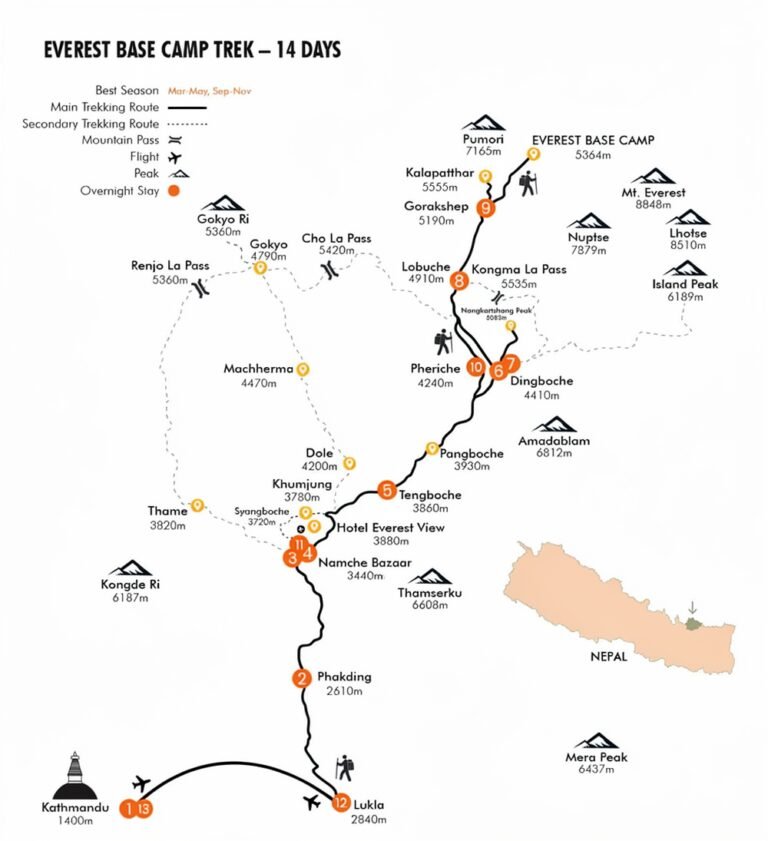
The trail does not climb in a straight line. It steps up, pauses for rest days, then climbs again. That is the acclimatisation plan at work. For every day in detail, see our day-by-day itinerary.
- Kathmandu 1,400 mArrival, gear check and trek briefing.
- Lukla → Phakding 2,860 → 2,610 mMountain flight to Lukla, then an easy first walk of 3–4 hours.
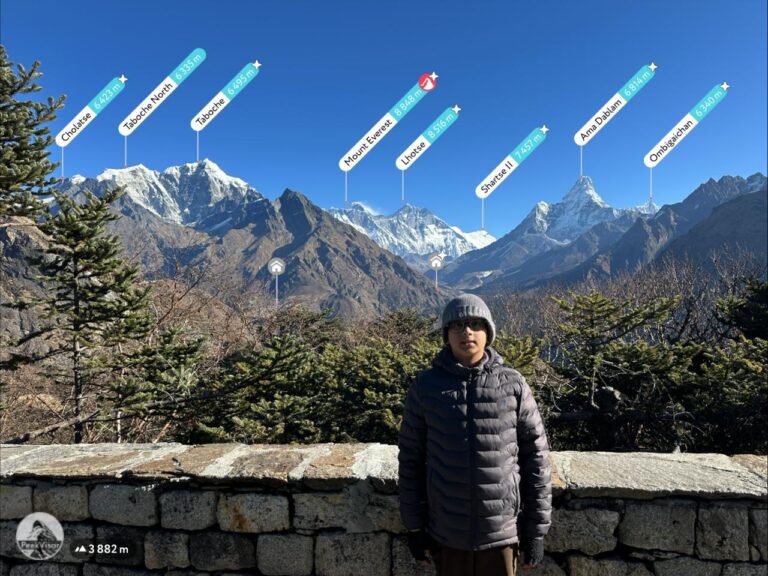
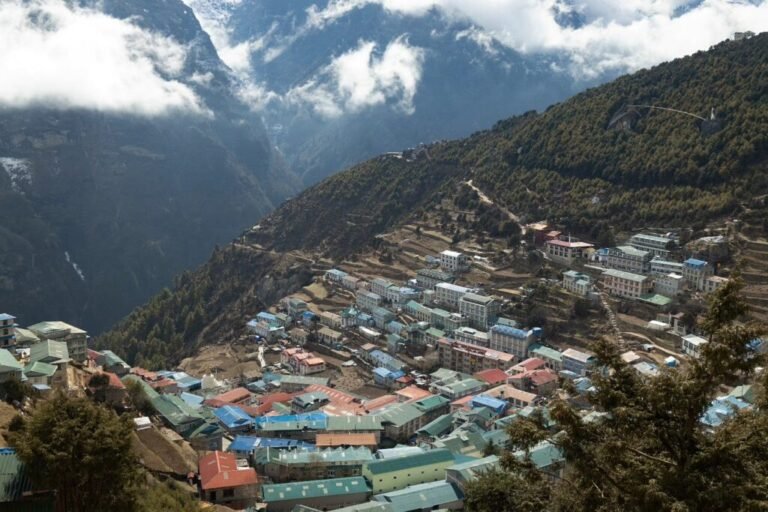
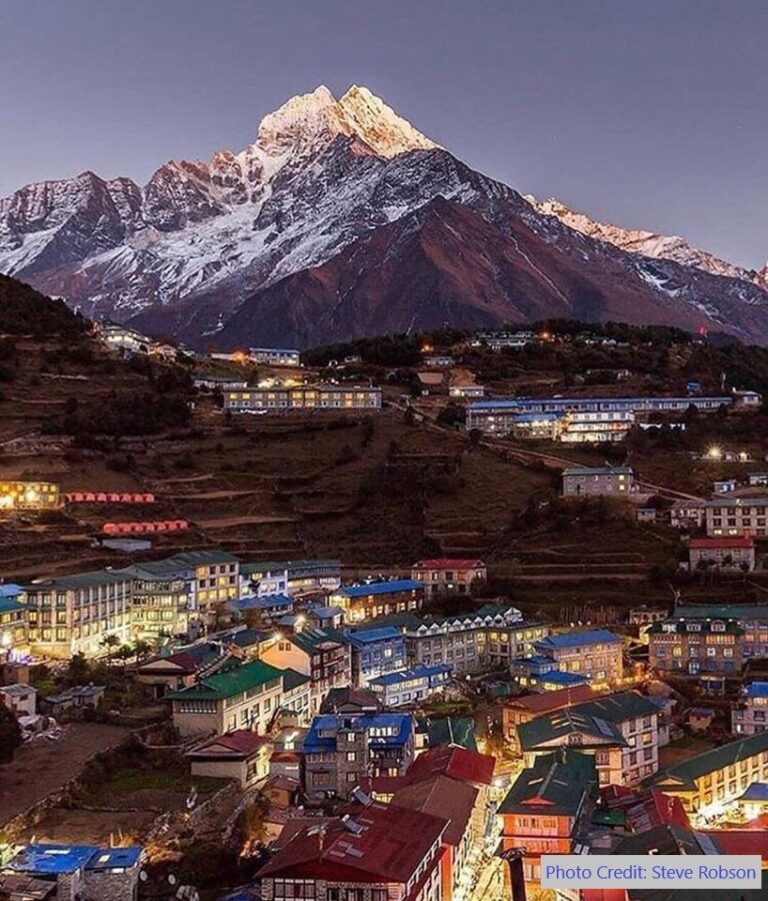
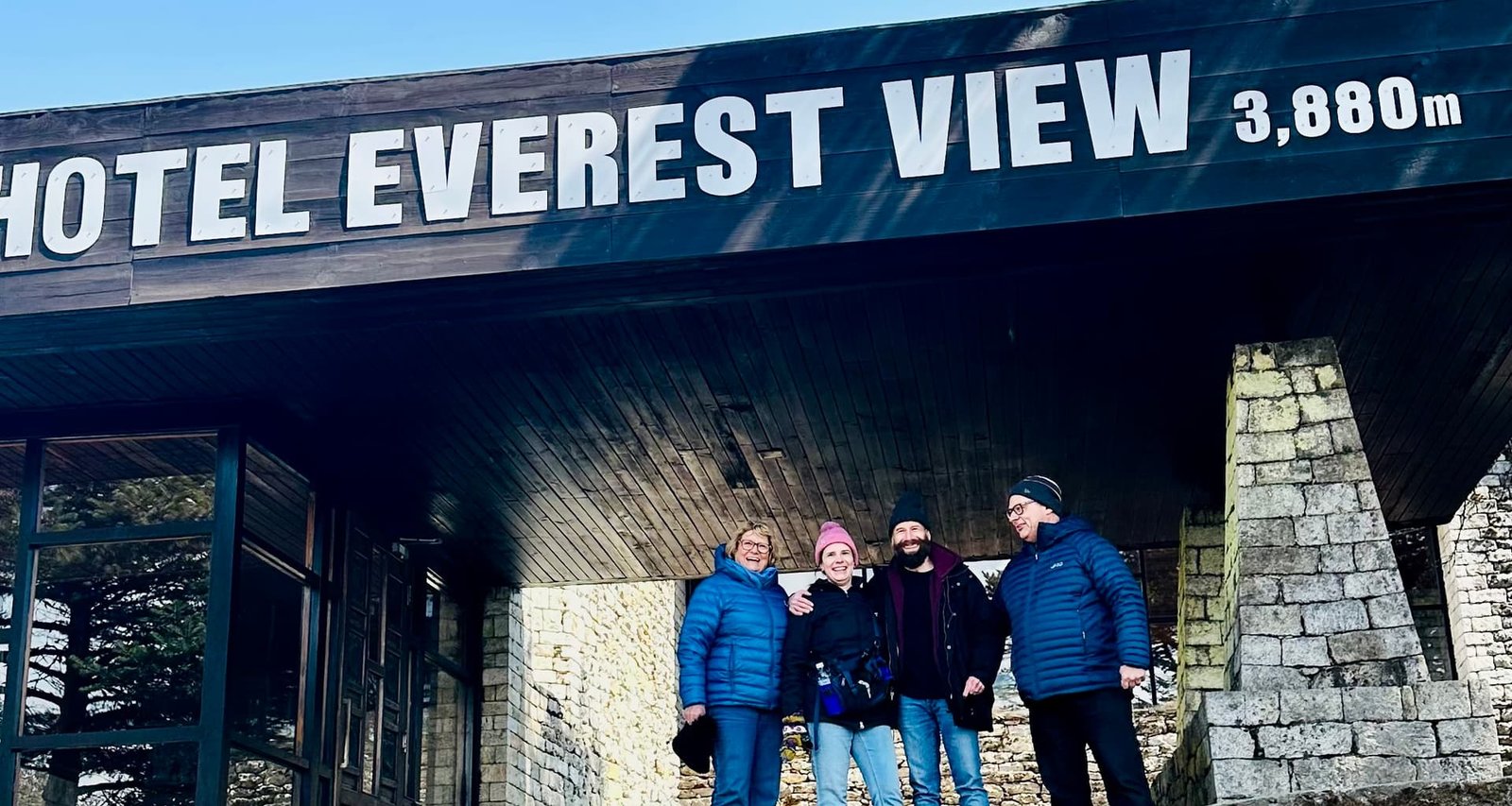
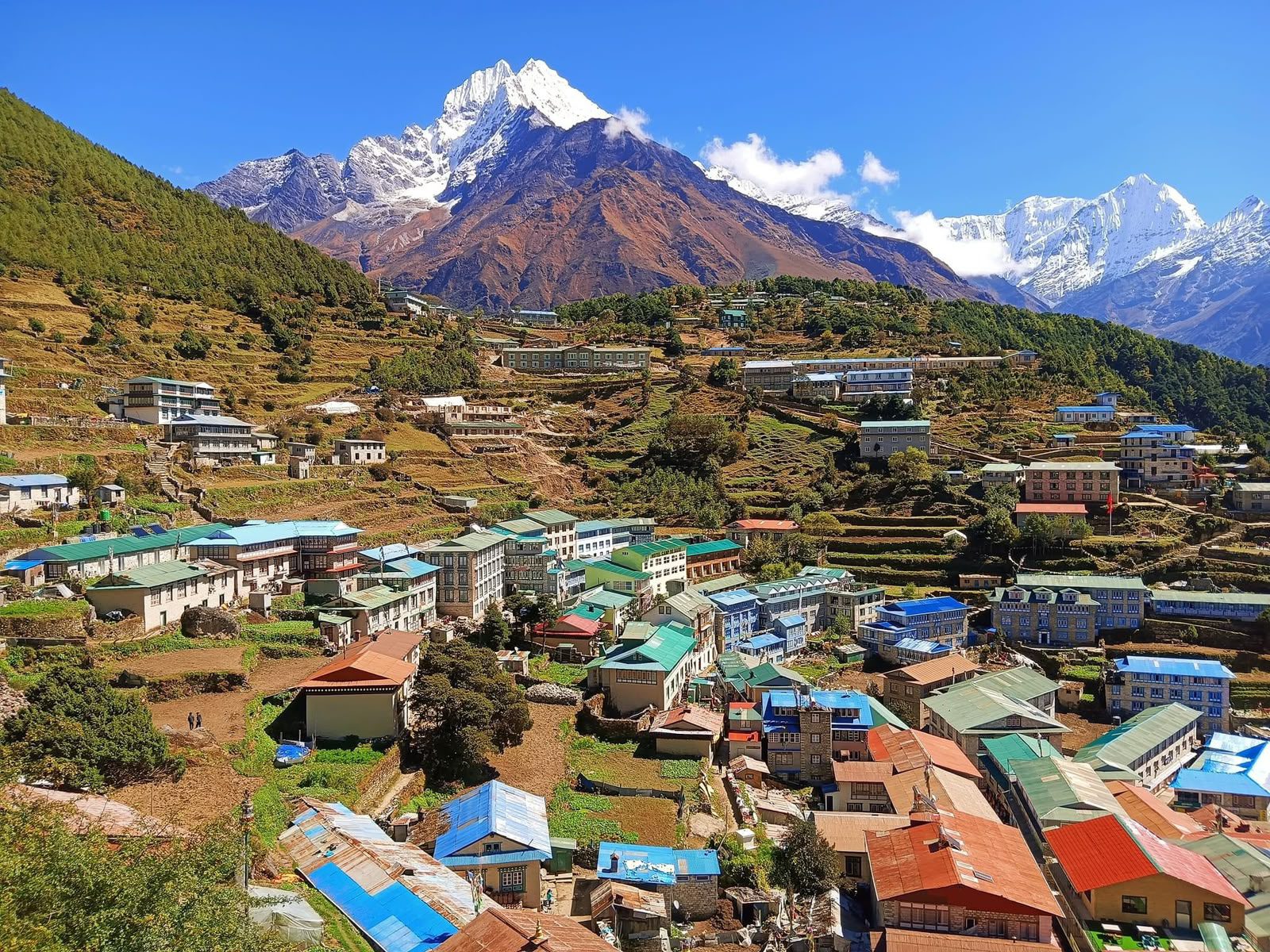
- Namche Bazaar 3,440 mThe Sherpa capital. First rest day, with a hike towards Hotel Everest View for your first Everest views.
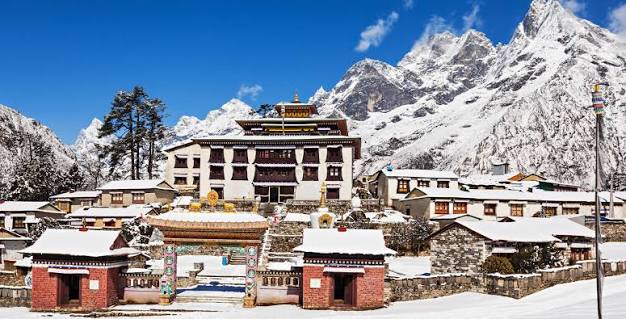
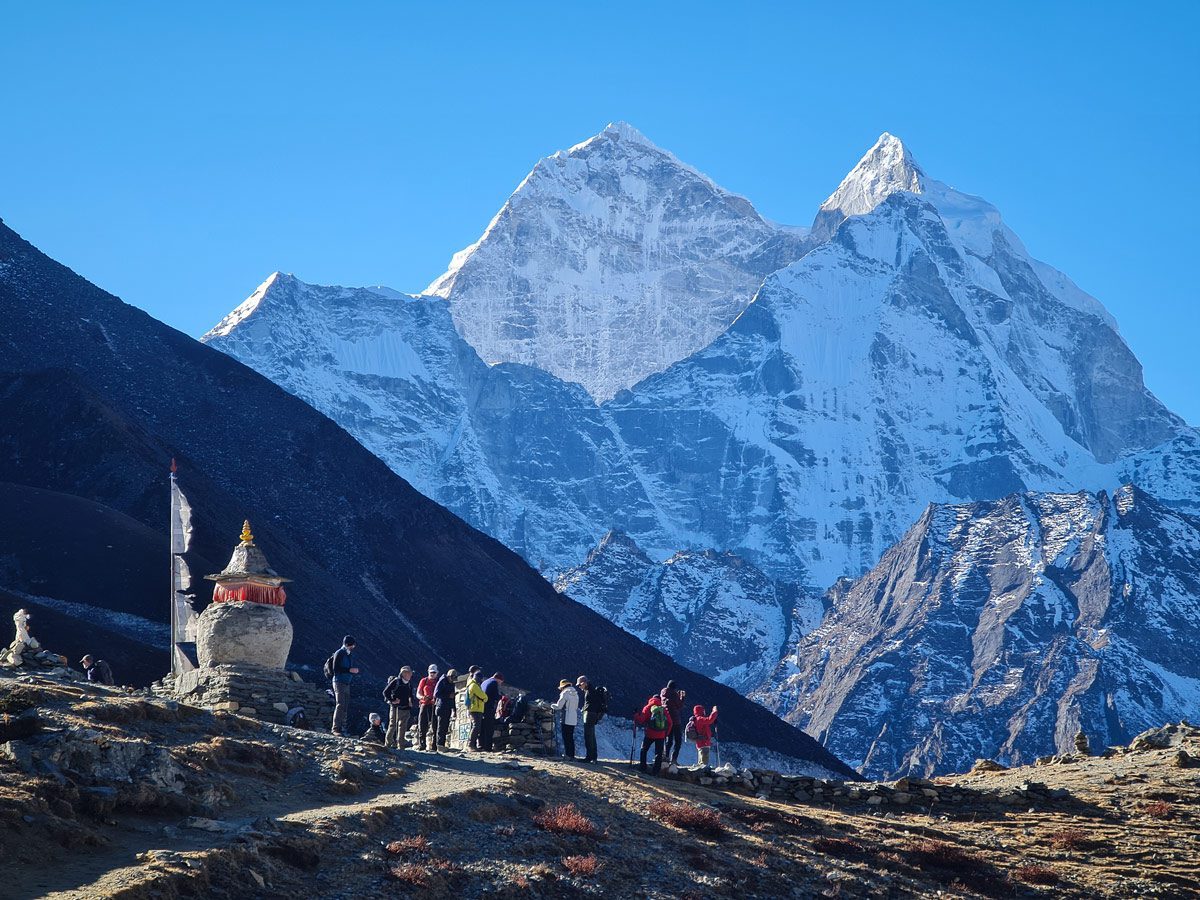
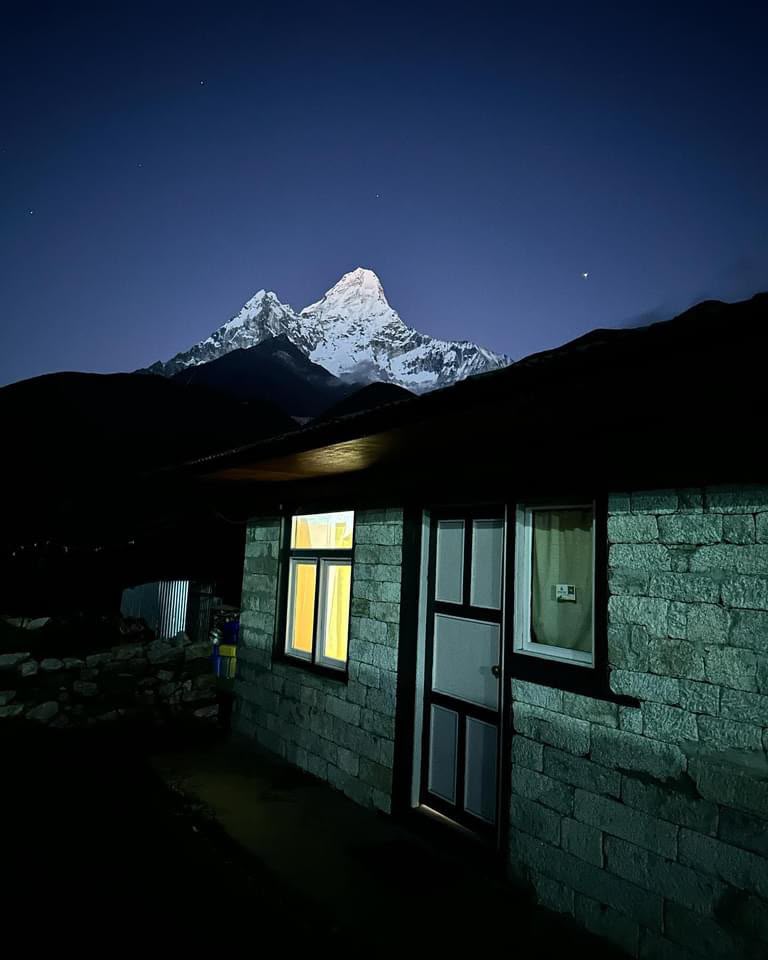
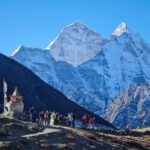
- Tengboche Monastery 3,867 mThe largest monastery in the Khumbu, with Ama Dablam towering behind.
- Dingboche 4,410 mSecond rest day, with an optional hike up the Nangkartshang ridge.
- Lobuche → Gorak Shep 4,940 → 5,164 mPast the Thukla memorials to the highest village on the route.
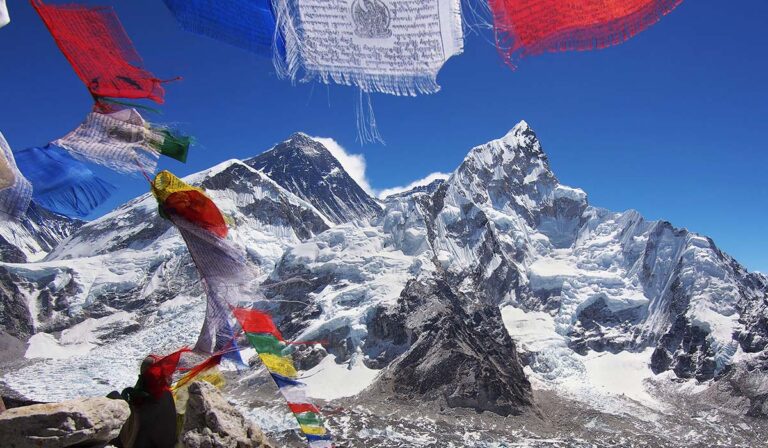
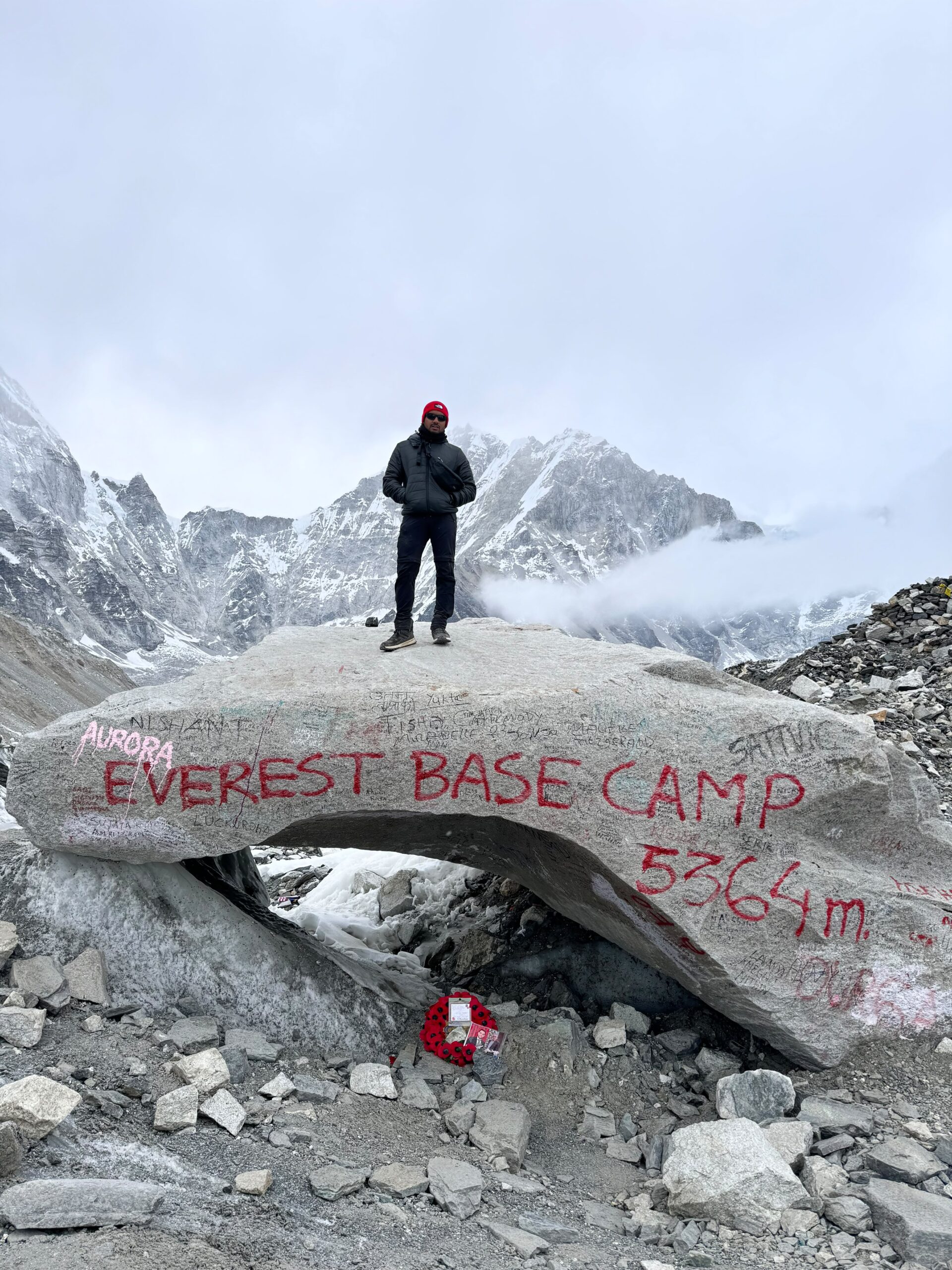
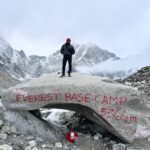
- Everest Base Camp 5,364 mThe goal: standing on the Khumbu Glacier below the Icefall.
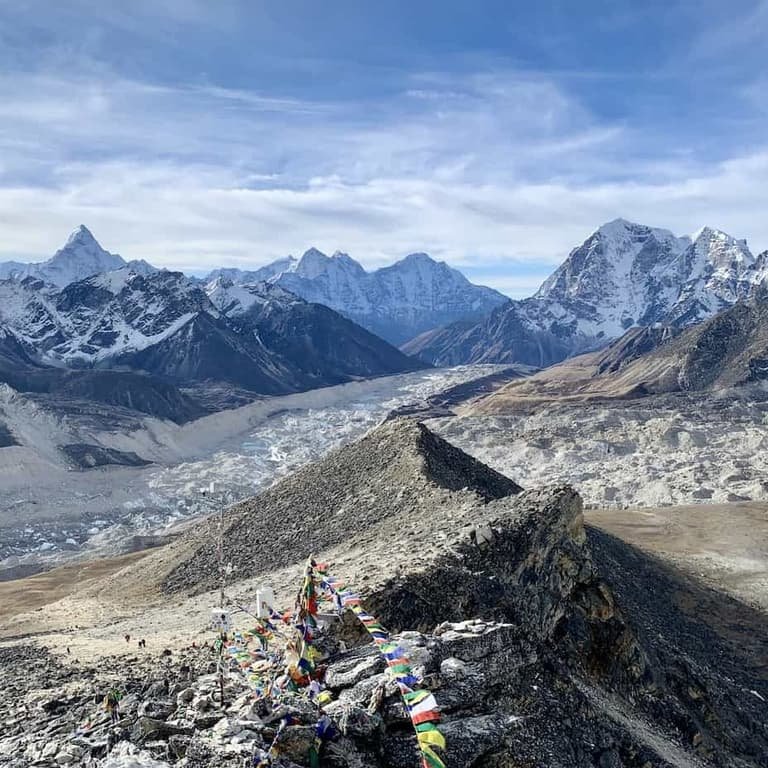
- Kala Patthar sunrise 5,545 mThe highest point of the trek and the best close view of Everest. Optional.
- Back to Lukla and Kathmandu 2,860 → 1,400 mA faster descent via Pheriche and Namche, then a farewell dinner with your crew.
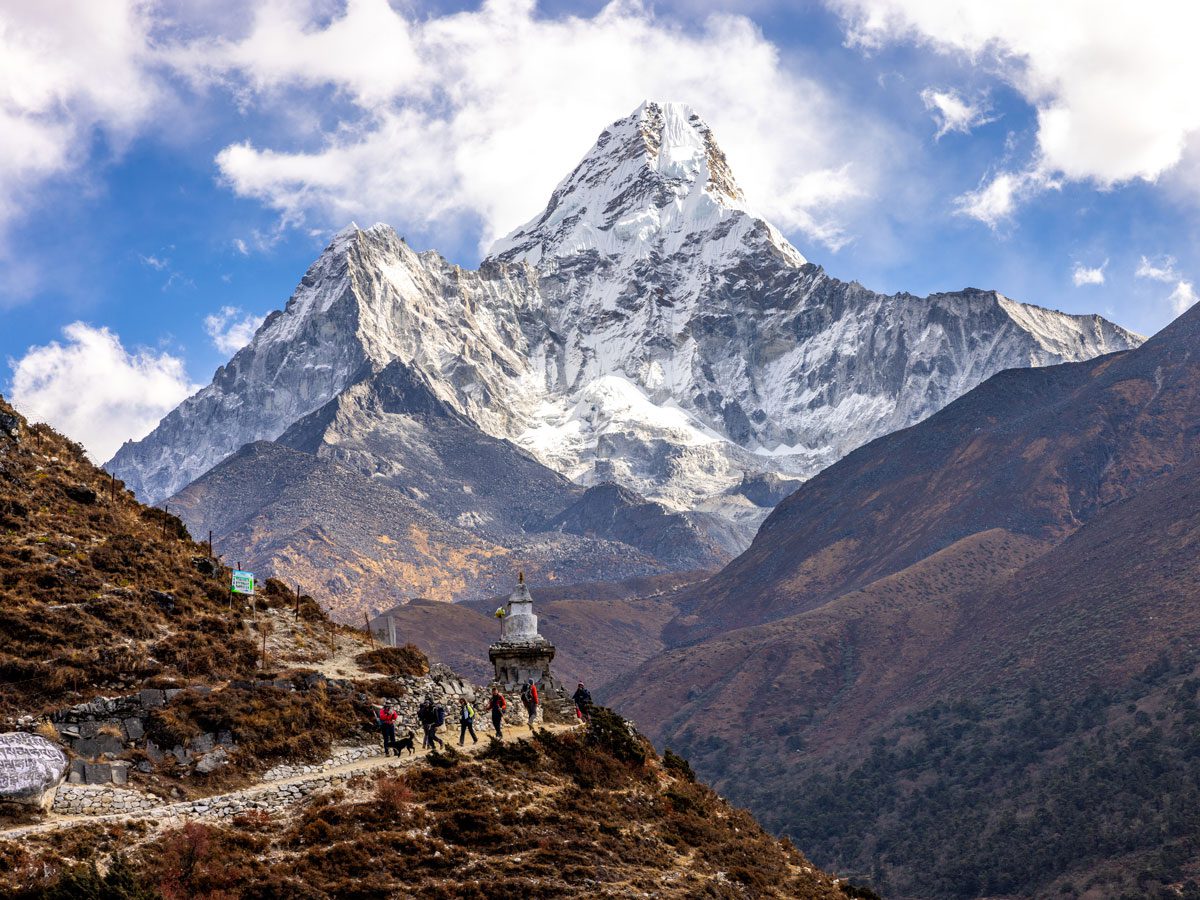
Why beginners should trek with a guide
Since April 2023 Nepal requires trekkers in its national parks and conservation areas to hire a licensed guide. The Everest region’s local municipality has allowed independent trekking, but rules and checkpoint enforcement can change, so check before you travel. For a first trek, a guide is the best investment you can make:
- Safety: guides set a slow pace, check your oxygen level and know the warning signs of altitude sickness.
- No stress: they handle permits, teahouse bookings and Lukla flight changes.
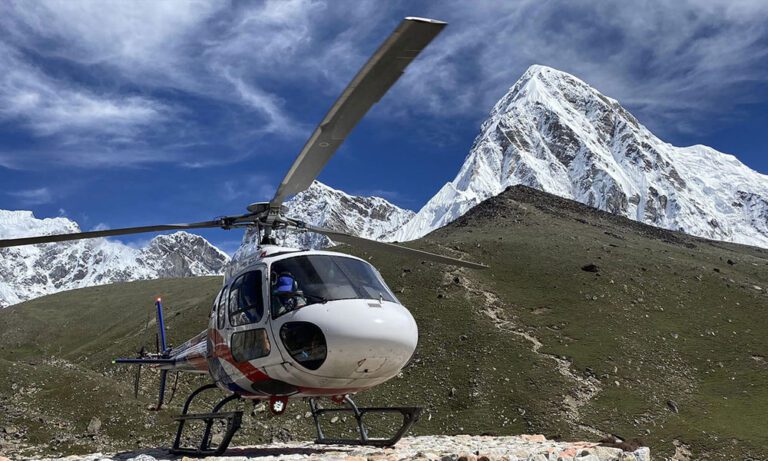
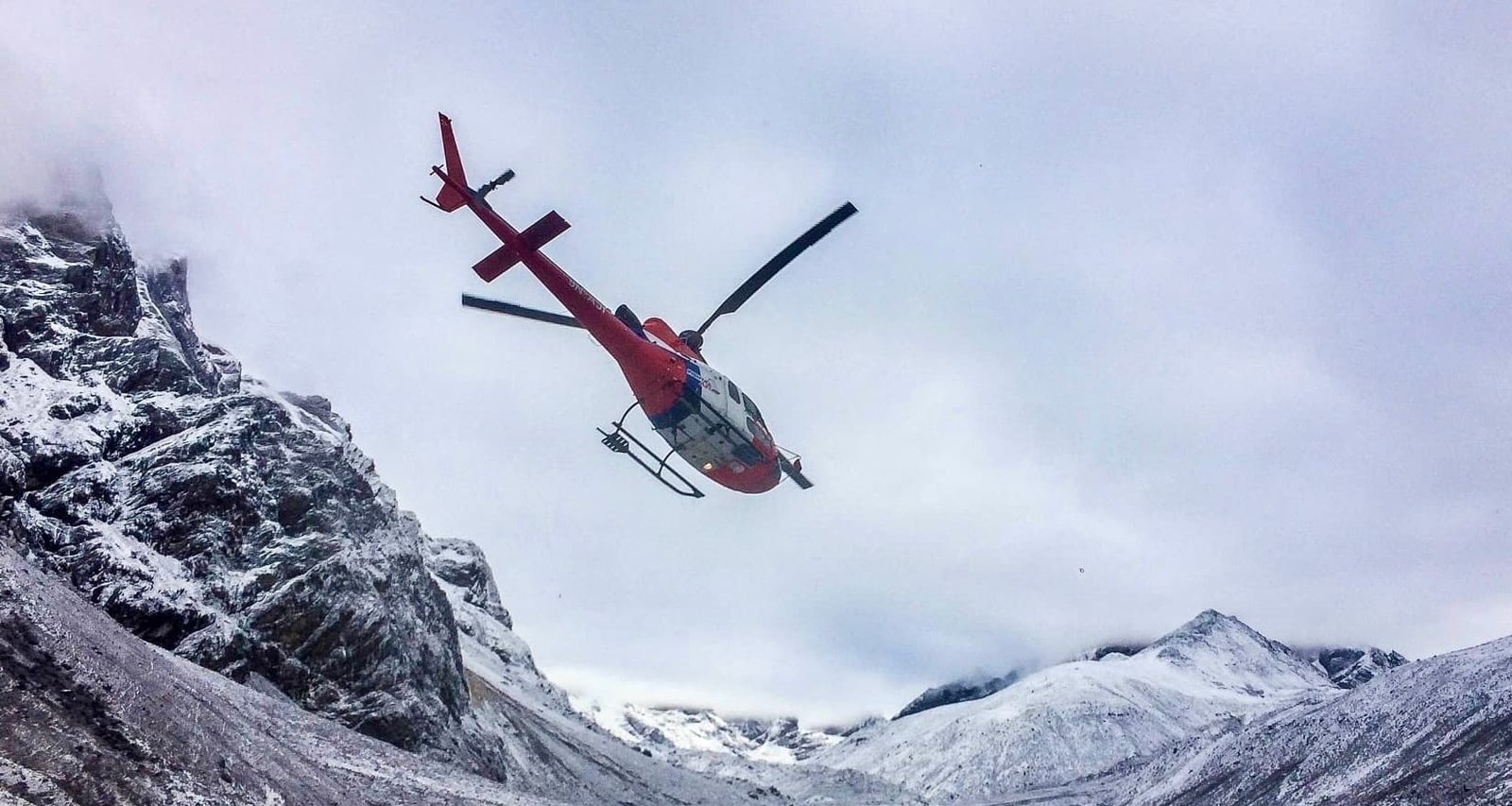
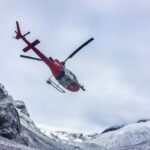
- Rescue: they can organise a helicopter evacuation quickly if needed.
- Culture: they explain the monasteries, villages and Sherpa life you walk through.
A porter carries your main bag, so you only carry a light daypack. For beginners, this makes a huge difference to how each day feels. Meet guides like Pasang Sherpa and Dawa Sherpa.
Packing for your first Everest Base Camp trek
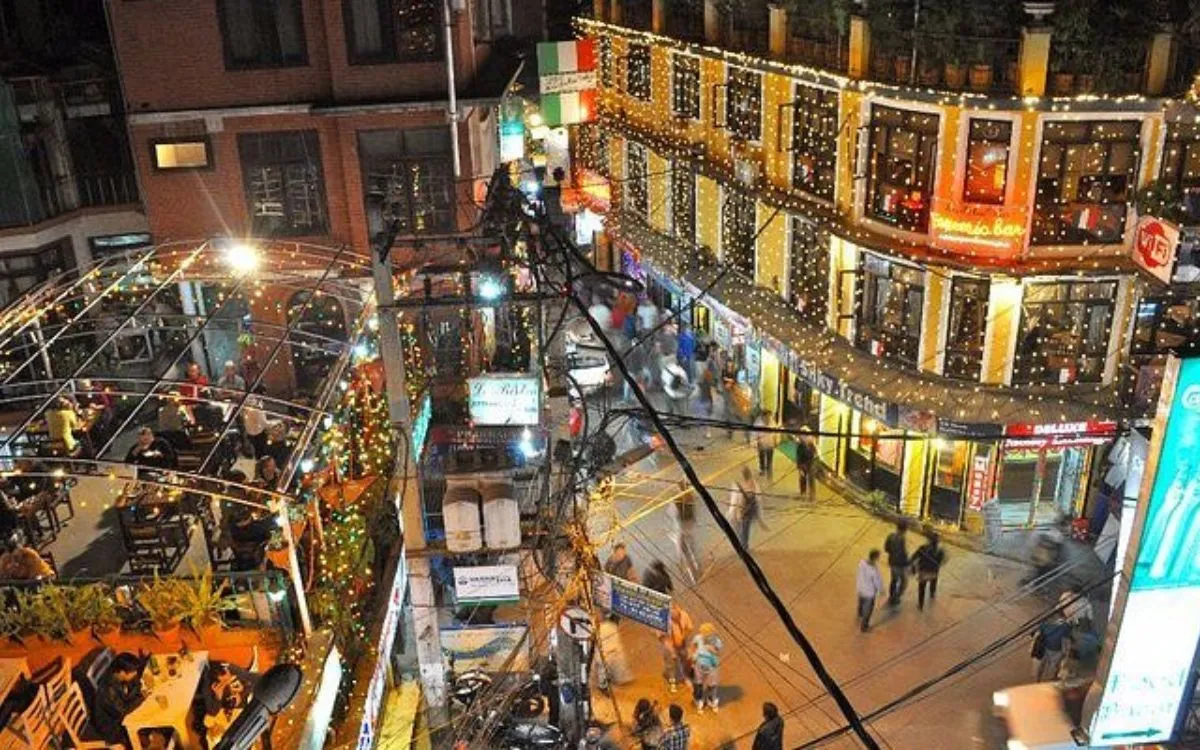
Lukla flights usually allow about 15 kg per person in total: around 10 kg in the duffel your porter carries, plus a 5 kg daypack you carry yourself. Pack light, and rent bulky items in Kathmandu’s Thamel district.
The 10 essentials that earn their weight
- Broken-in waterproof trekking boots: new boots cause most blisters
- Waterproof shell jacket for wind and rain
- Down jacket with a hood: nights above 4,000 m often drop below −10 °C
- 2–3 merino or synthetic base layers: no cotton
- Sleeping bag rated to around −15 °C
- Buff or balaclava to prevent the dry “Khumbu cough”
- Trekking poles to protect your knees
- Headlamp for the pre-dawn Kala Patthar climb
- Sunglasses, high-SPF sunscreen and lip balm: the UV is intense
- Water purification tablets or a filter
For the full list of what to bring, rent or leave at home, see our Everest Base Camp packing list.
Lukla flights and the buffer day rule
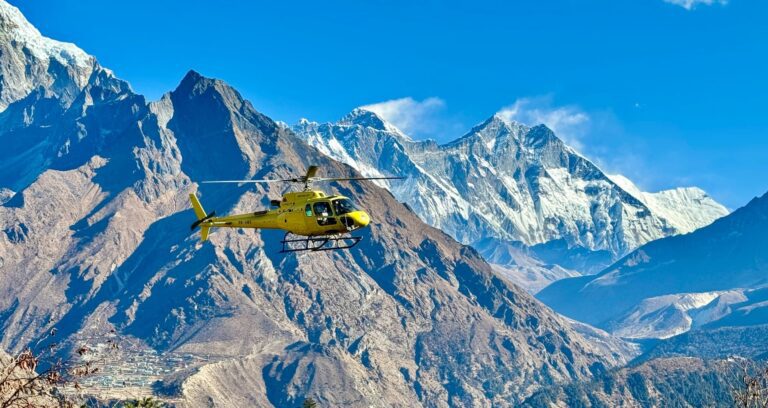
Tenzing-Hillary Airport in Lukla is famous for its short, sloping runway in the mountains. Flights only operate when pilots can see clearly, so weather delays are normal in the Himalaya, not a sign that something is wrong.
In the busy seasons, many Lukla flights leave from Manthali Airport in Ramechhap instead of Kathmandu. That means a very early drive of about 4 to 5 hours from Kathmandu, followed by a short flight. Out of season, flights usually go directly from Kathmandu.
Leave at least 1 to 2 spare days in Kathmandu after your scheduled return from Lukla. Delays of a day or more happen, especially in spring and the monsoon. A buffer day turns a stressful delay into a relaxed extra day in Kathmandu.
If flights are grounded for several days, shared or private helicopters can sometimes fly when planes cannot. This costs extra, which is another reason to have good travel insurance and a buffer day.
Teahouse life: what to expect
The family-run lodges on the trail are called teahouses. They are not hotels, but they are one of the best parts of the trek once you know what to expect.
- Rooms: simple twin rooms with beds, a mattress and a pillow. Bedrooms are unheated at every altitude.
- Bathrooms: attached bathrooms are possible at lower villages like Lukla, Phakding and Namche. Higher up, shared toilets are normal, and some are squat toilets.
- Dining room: the only heated room, with a stove in the evening. This is where trekkers share stories and make friends.
- Food: filling and simple. Dal bhat (rice, lentils and vegetable curry) is the best fuel, often with free refills. Many guides advise eating vegetarian higher up.
- Extras: hot showers, device charging and Wi-Fi usually cost a few dollars each and become less reliable higher up.
Cold drains batteries fast. Keep your phone, power bank and camera batteries inside your sleeping bag at night.
Curious where you will sleep? Have a look at stays like Phakding Lodge.
Money, tipping and insurance
Cash on the trail
The trail runs on cash. Card payments are rare outside Kathmandu, and the ATMs in Namche can run out of cash in busy season. Take enough Nepalese rupees from Kathmandu for snacks, showers, charging and souvenirs.
Tipping your guide and porter
Tips are an important part of your crew’s income. A common guideline is 10 to 15% of your trek cost, shared among your guide and porter and given at the farewell dinner. Bring this in cash from Kathmandu.
Travel insurance: non-negotiable
There are no roads above Lukla. In an emergency the only fast way out is a helicopter, which costs thousands of dollars. Your policy must cover:
- Trekking up to at least 6,000 m (many standard policies stop much lower, so read the small print)
- Emergency helicopter evacuation and hospital treatment in Kathmandu
- Trip cancellation or cutting your trip short for medical reasons
Send a copy of your policy to your trek operator before you start, so a rescue can be organised quickly if you ever need one. You can check exactly what our package covers in what’s included.
The best season for a first Everest Base Camp trek
| Season | Months | Good for beginners? | Why |
|---|---|---|---|
| Autumn | Late Sept–Nov | ✅ Best choice | Clearest skies, stable weather, festivals in Kathmandu. Busy trails. |
| Spring | March–May | ✅ Great | Warmer days, rhododendrons in bloom, Everest expedition tents at Base Camp in April and May. |
| Winter | Dec–Feb | ⚠️ Only if prepared | Very cold nights, often −15 °C or lower at Gorak Shep, and some lodges close. Quiet and clear. |
| Monsoon | June–Aug | ❌ Not recommended | Rain, slippery trails, leeches lower down, cloudy views and flight delays. |
10 mistakes beginners make on the EBC trek
- Walking too fast on the first days because they feel easy.
- Skipping acclimatisation hikes to “save energy”.
- Arriving in brand-new boots.
- Not drinking enough water because it’s cold and they’re not thirsty.
- Hiding symptoms from their guide so they can keep going.
- Booking the flight home too soon after the Lukla return.
- Packing too much, especially cotton and spare casual clothes.
- Buying cheap insurance that doesn’t cover high-altitude rescue.
- Training only on flat ground instead of hills and stairs.
- Choosing the shortest, cheapest itinerary with no rest days.
Your Everest Base Camp countdown checklist
- 3–6 months beforeBook your trek and international flights, start training, and see your doctor for a check-up.
- 8 weeks beforeFollow the training plan, buy boots and start breaking them in, and buy insurance that covers 6,000 m.
- 4 weeks beforeDo back-to-back hiking days, finish your packing list and send your insurance details to your operator.
- 1 week beforeTaper your training, sleep well and pack. Leave bulky items to rent in Kathmandu.
- In KathmanduGear check and briefing, withdraw cash, and confirm your buffer day before your flight home.
Walking respectfully in the Khumbu
- Walk to the left of mani walls and chortens, so they stay on your right.
- Remove your hat and speak quietly in monasteries, and take off your shoes if asked.
- Ask before photographing people, especially monks and elders.
- Carry your rubbish back down. Every piece of plastic you take out helps the Khumbu.
Everest Base Camp for beginners: FAQs
Can a beginner climb to Everest Base Camp?
Yes. Reaching Everest Base Camp is a trek, not a climb. No climbing skills or equipment are needed on the standard route. Beginners need 8 to 12 weeks of training, an itinerary with acclimatisation days and ideally a guide.
Is Everest Base Camp a good first trek?
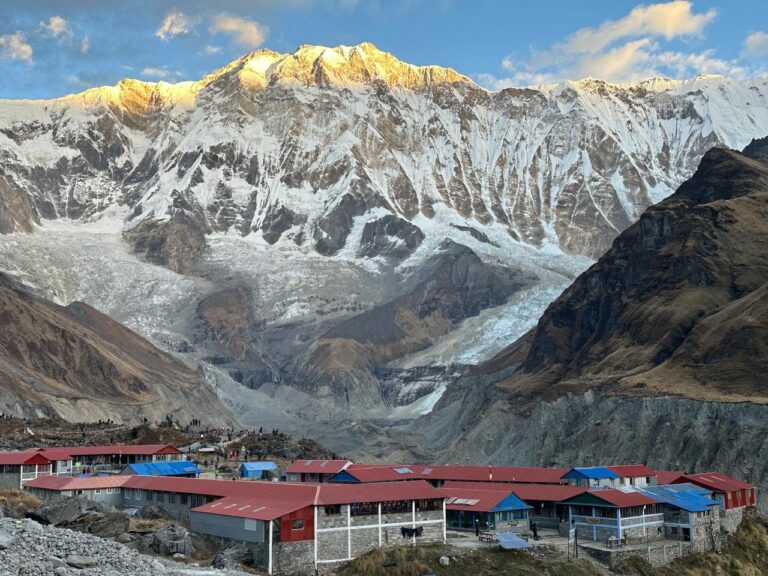
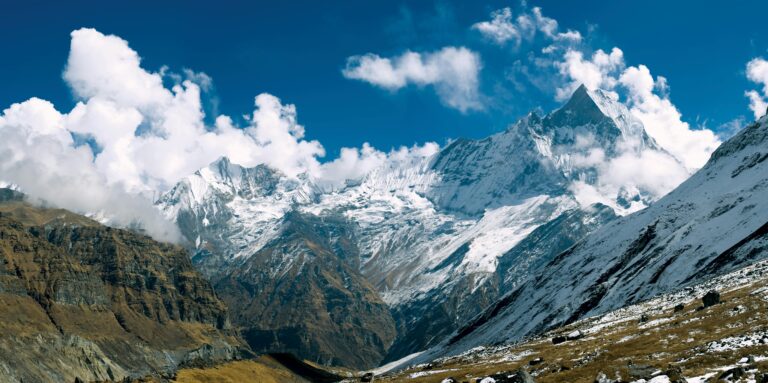
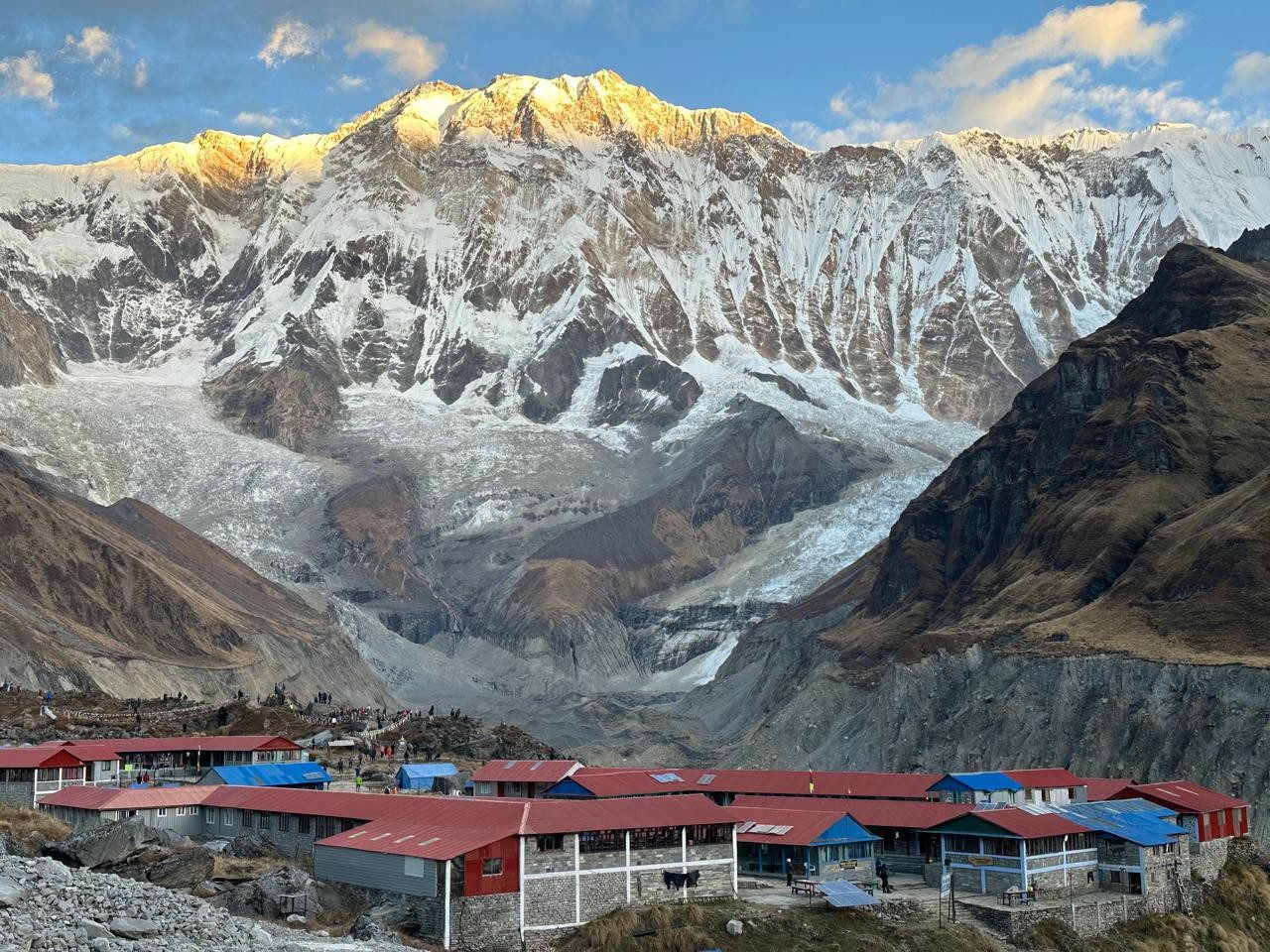
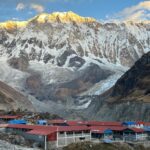
It can be, if you prepare well and choose a 12 to 14-day itinerary. If you would like an easier first trek in Nepal, the Annapurna Base Camp Trek reaches a lower altitude of 4,130 m.
How long should a beginner train for Everest Base Camp?
At least 8 weeks if you are already active, and 3 to 6 months if you are starting from a low fitness level. Focus on long hill walks, stairs with a pack and back-to-back hiking days.
Do beginners need a guide for Everest Base Camp?
A guide is strongly recommended for first-timers. The Everest region’s local municipality has allowed independent trekking, but rules can change, so check before you go. A guide sets a safe pace, watches for altitude sickness and handles logistics.
Can an overweight or unfit person do the Everest Base Camp trek?
Many people with average or below-average fitness complete the trek after several months of steady training. Start early, build up gradually, see your doctor first and choose a longer itinerary with a porter.
What is the minimum age for Everest Base Camp?
There is no official minimum or maximum age. Teenagers and people in their 70s complete it every year. Children and older trekkers should get medical advice before booking.
How much does the Everest Base Camp trek cost for a beginner?
The cost depends on the itinerary, group size and what is included, such as Lukla flights, permits, guide, porter, teahouses and meals. Compare packages by what’s included, not just the price. See our full list of inclusions.
What if I can’t make it to Base Camp?
Your guide will help you decide whether to rest, descend or turn back. There is no shame in it: your health always comes first. Many trekkers who turn back still have an amazing experience in Namche, Tengboche and Dingboche.
Your First Himalayan Adventure Starts Here
Our 14-day Everest Base Camp Trek is built for first-timers: licensed Sherpa guides, porters, permits, Lukla flights, teahouses and meals, with two acclimatisation days and daily oxygen checks.
Altitudes and walking times are typical figures for the standard route. Flight arrangements, permit fees and trekking rules are set by Nepal’s authorities and airlines and can change, so check the latest information before you travel. This guide is general information, not medical advice. Speak with your doctor about trekking at high altitude.
Essential Reads Before You Visit
View all travel info (5)Nepal Visa on Arrival 2026: Fees, eVisa & How to Apply
Nepal visa on arrival in 2026: US$30 for 15 days, US$50 for 30 days, US$125 for 90 days. The new eVisa, who…
- 15-day visa
- US$30
- 30-day visa
- US$50
- 90-day visa
- US$125
- Entries
- Multiple
Money in Nepal: ATMs, Cards, Cash & Tipping
Nepal still runs mostly on cash. In Kathmandu and Pokhara you can pay by card in hotels, bigger restaurants and trekking shops,…
- Currency
- Nepali rupee (NPR)
- Pay with
- Mostly cash
- ATM limit
- NPR 10,000–35,000
- ATM fee
- NPR 500–800
SIM Card & Internet in Nepal for Tourists
Staying connected in Nepal is easier and cheaper than most travellers expect. In Kathmandu and Pokhara, a local SIM gives you fast…
- Main networks
- Ncell and Nepal Telecom (NTC)
- SIM cost
- About NPR 100–150 plus a data pack
- Documents needed
- Original passport, visa or entry stamp, passport photo
- Where to buy
- Kathmandu airport counters, city shops
Is Nepal Safe for Tourists?
Yes. Nepal is one of the friendliest and safest countries in Asia for travellers, and violent crime against tourists is rare. The…
- Overall
- Safe for visitors
- US advice level
- Level 2: increased caution
- Crime
- Low; mostly petty theft
- Biggest risks
- Roads, weather, altitude
Altitude Sickness on Nepal Treks: Signs & Prevention
Altitude sickness is the most common health problem on Nepal's treks, and it can affect anyone, however fit. The good news is…
- Starts from
- About 2,500–3,000 m
- Most common
- Mild AMS
- Safe pace
- +300–500 m a day
- Rest days
- Every 3–4 days