








Gorak Shep
The last settlement on the trail, at the foot of Kala Patthar and Everest Base Camp
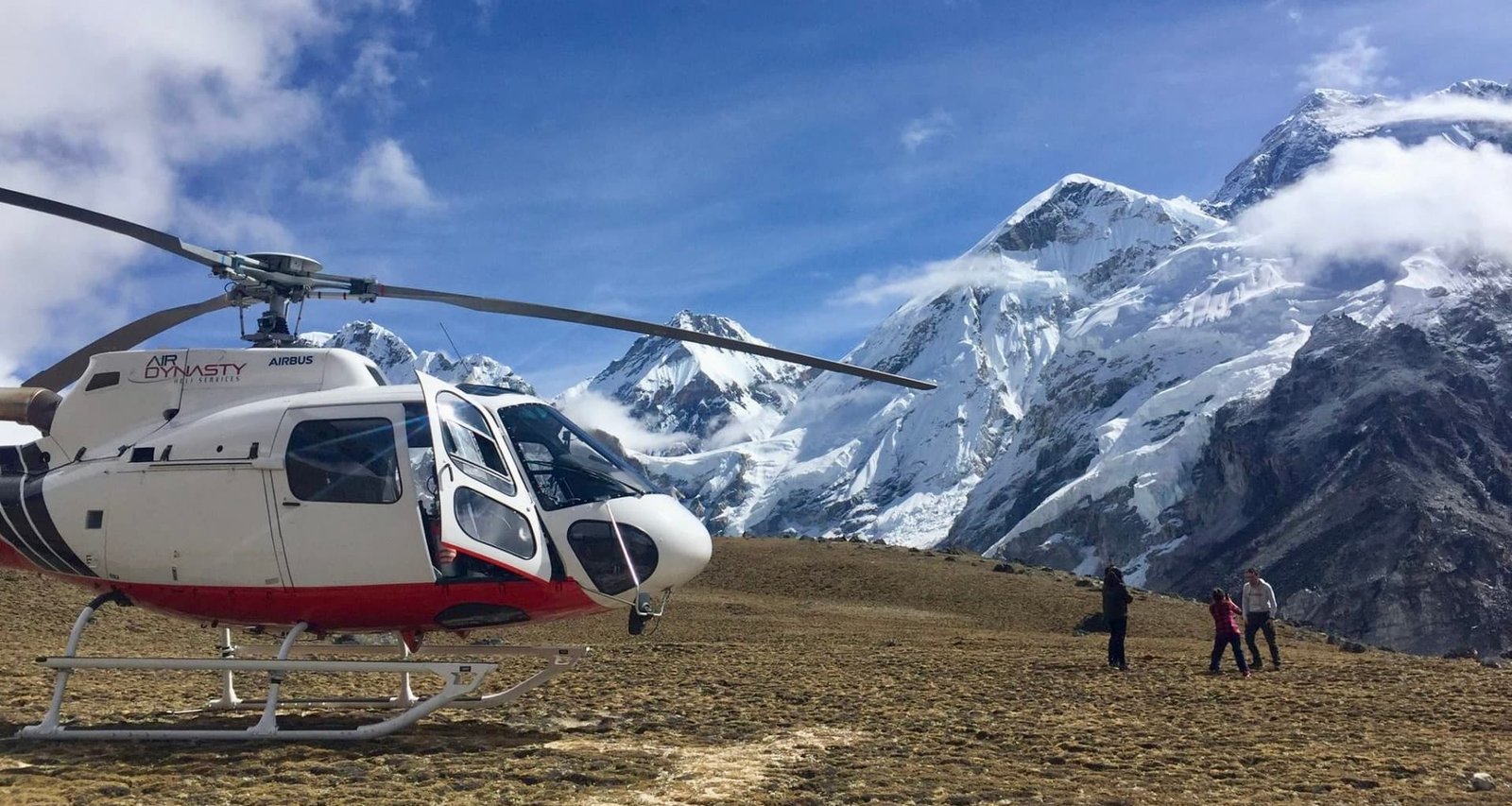
Set at 5,164 m on a frozen lakebed beside the Khumbu Glacier, Gorak Shep is the highest overnight stop on the Everest Base Camp trek and the launch point for Base Camp and Kala Patthar.
Why Gorak Shep is known
Highest overnight stop on the Everest Base Camp trek
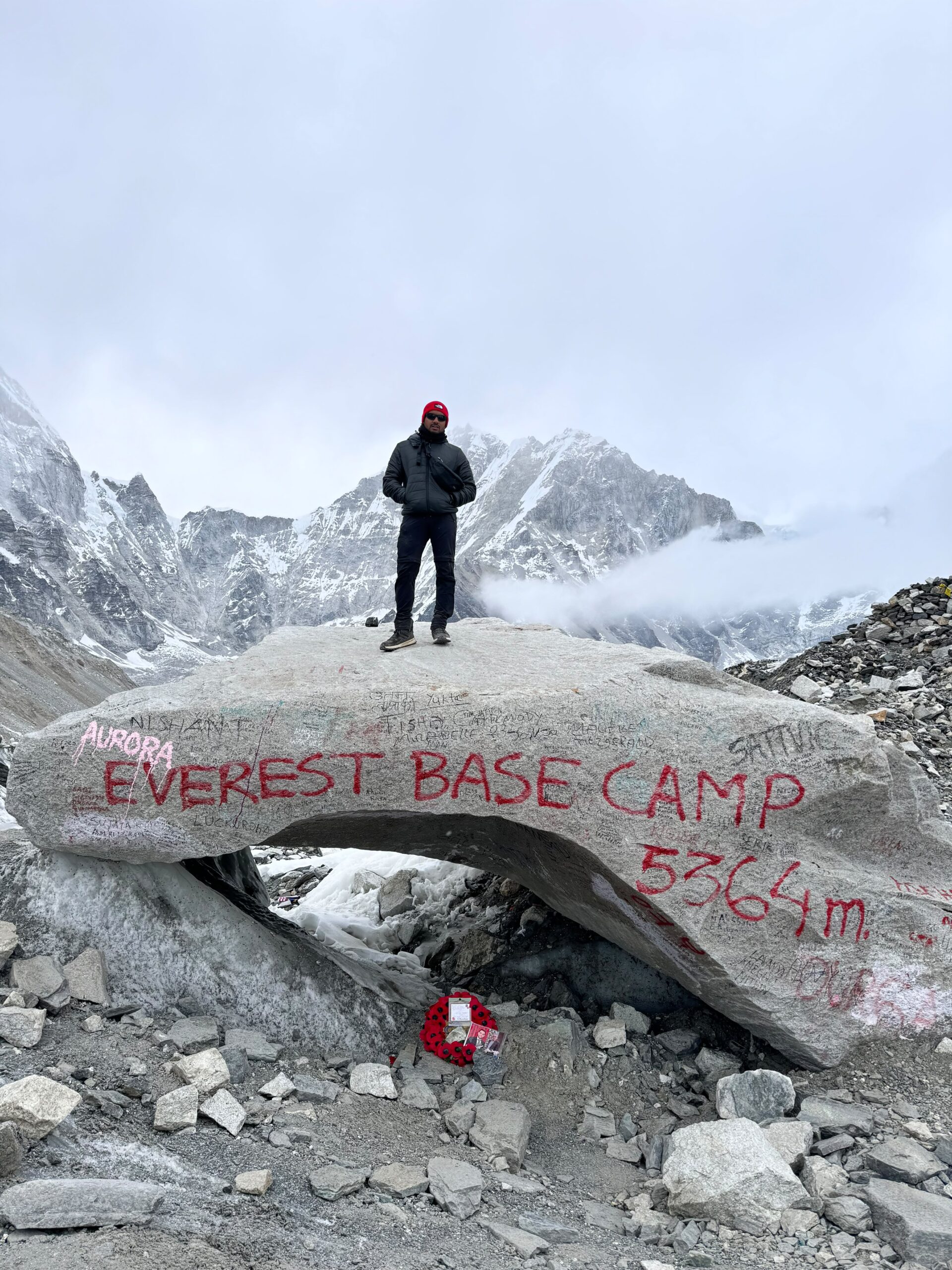
Last settlement before Everest Base Camp (5,364 m)
Base for the sunrise climb of Kala Patthar (5,644 m)
Sits on a dry lakebed beside the Khumbu Glacier
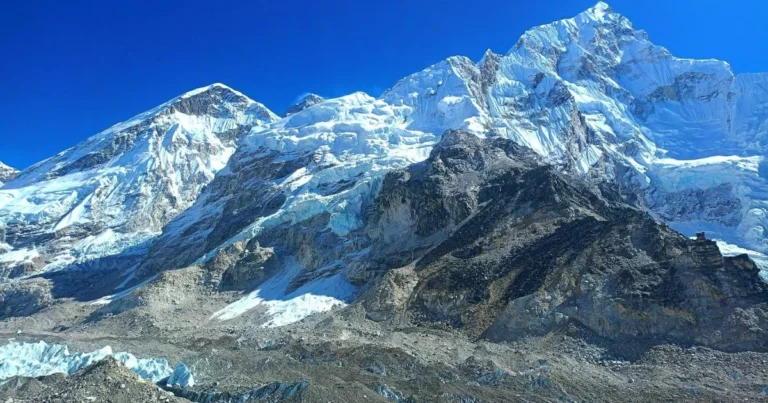
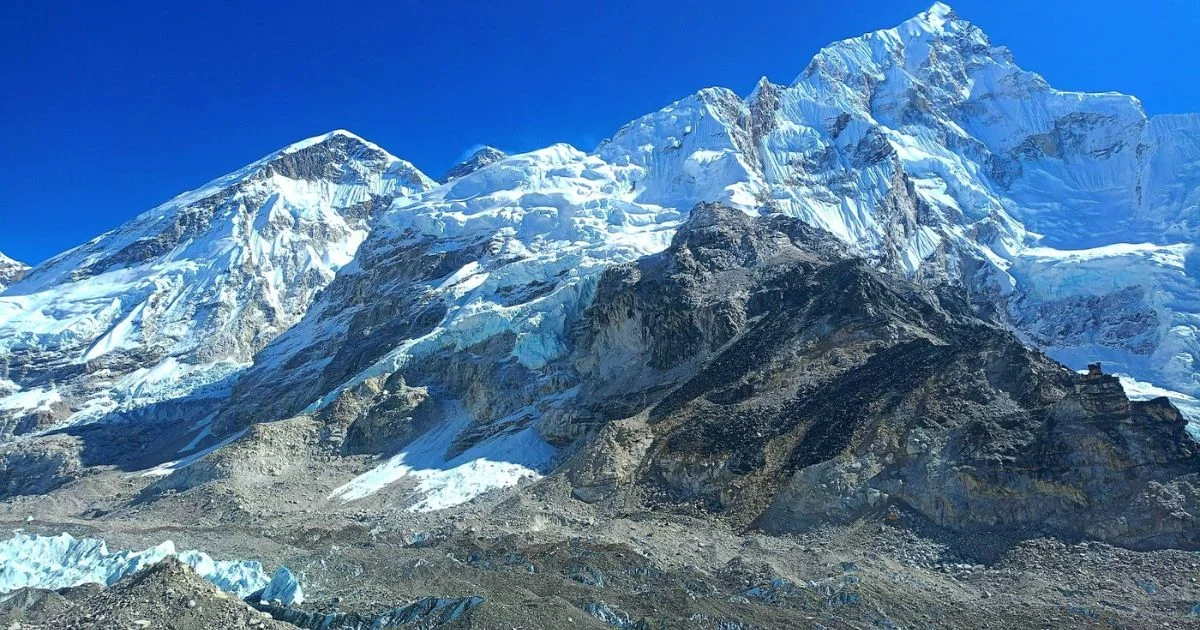
Surrounded by Pumori, Nuptse and Mount Everest's upper slopes
About Gorak Shep
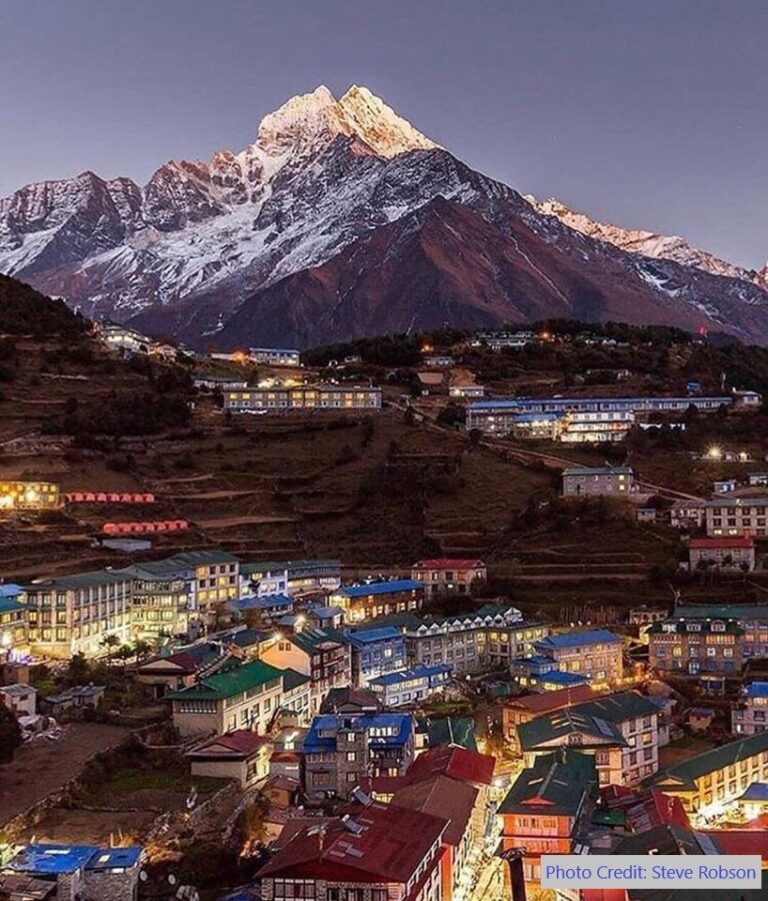
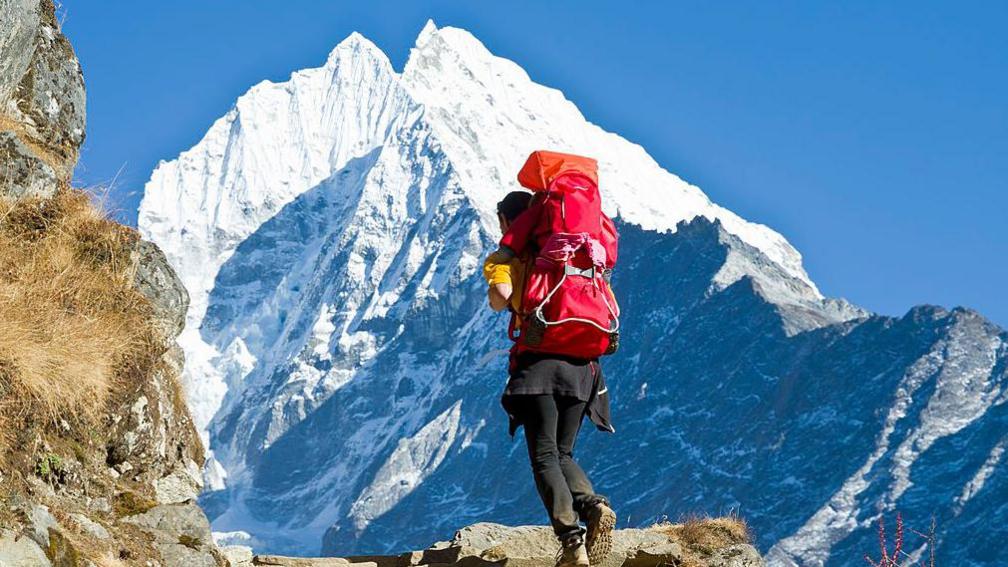
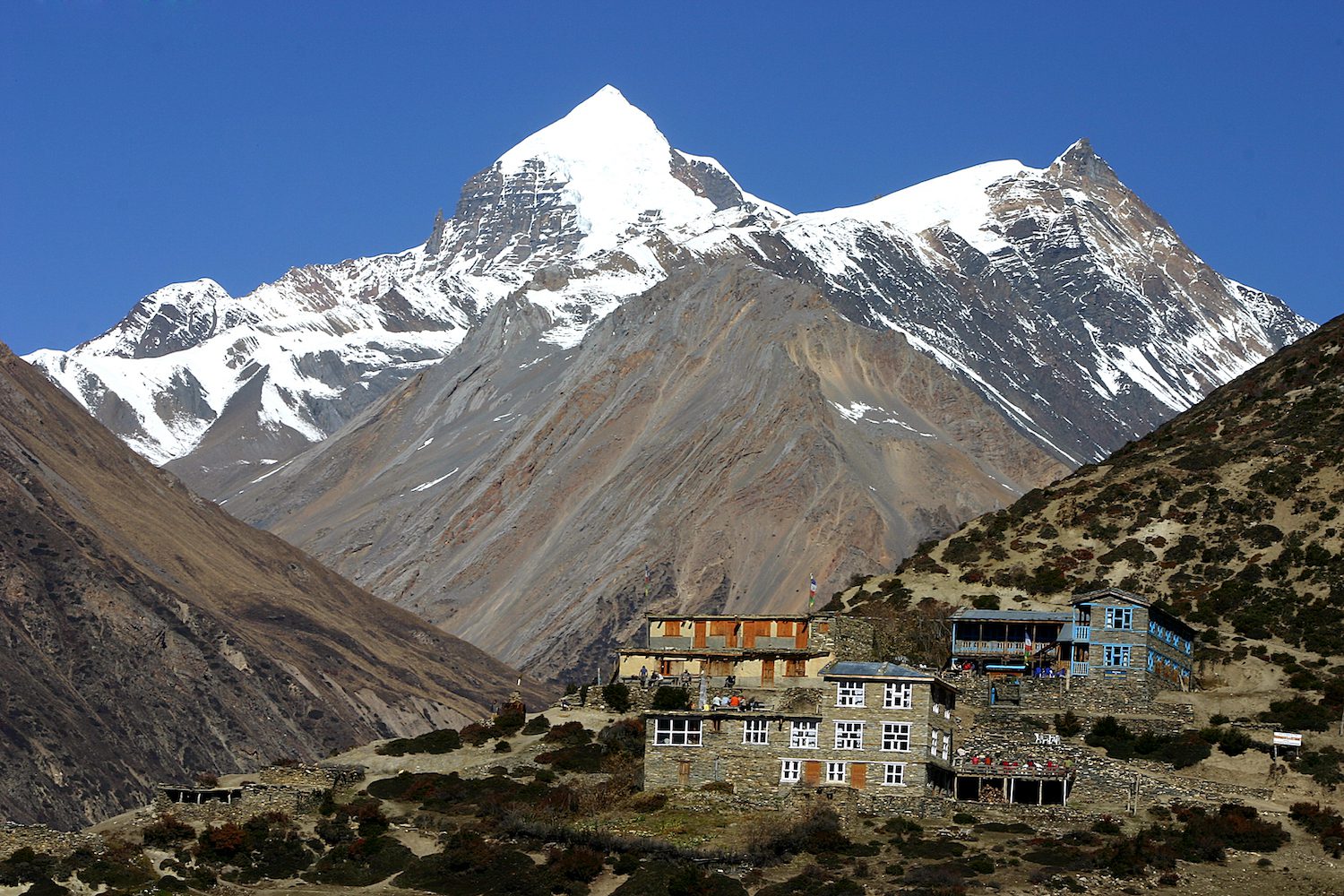
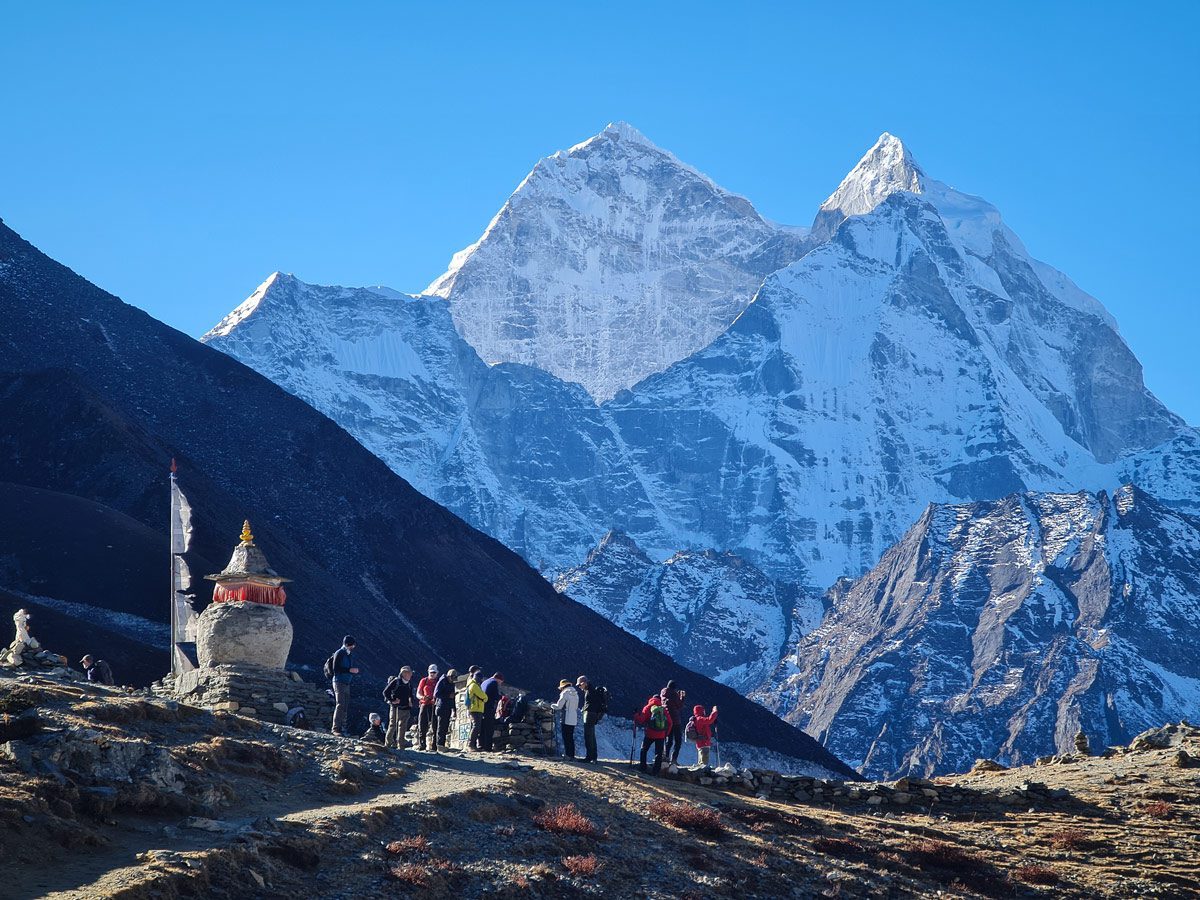
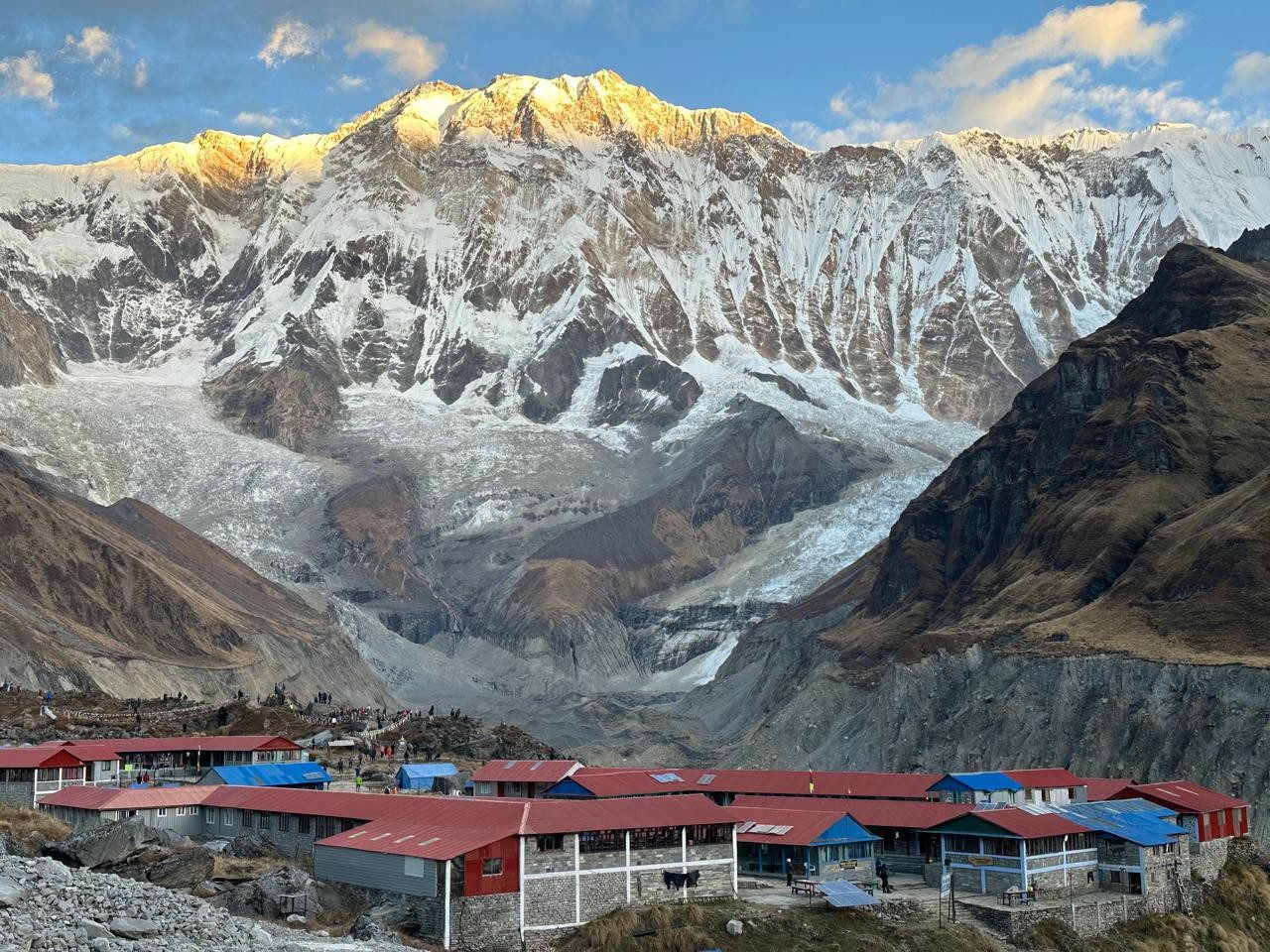
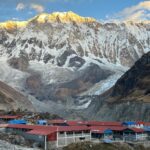
At 5,164 metres, Gorak Shep is a tiny cluster of teahouses on a flat, sandy lakebed beside the Khumbu Glacier. There are no trees, no fields and very little color, only rock, ice and enormous mountains. Pumori rises right above the village, and the long ridgeline of Nuptse fills the horizon. For most trekkers, this is where the Everest Base Camp journey reaches its high point.
The walk to Gorak Shep
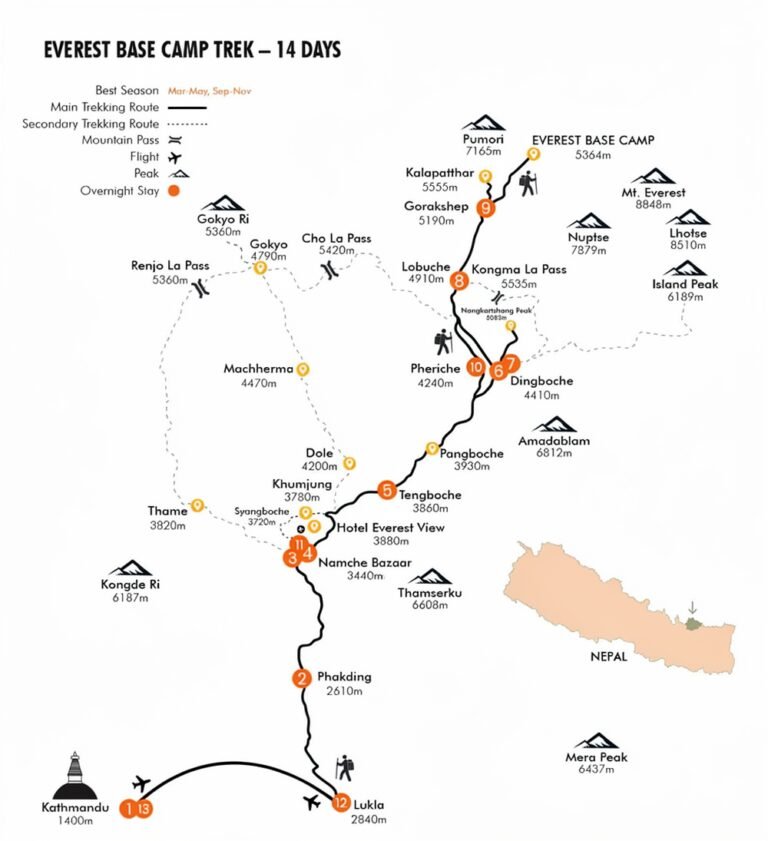
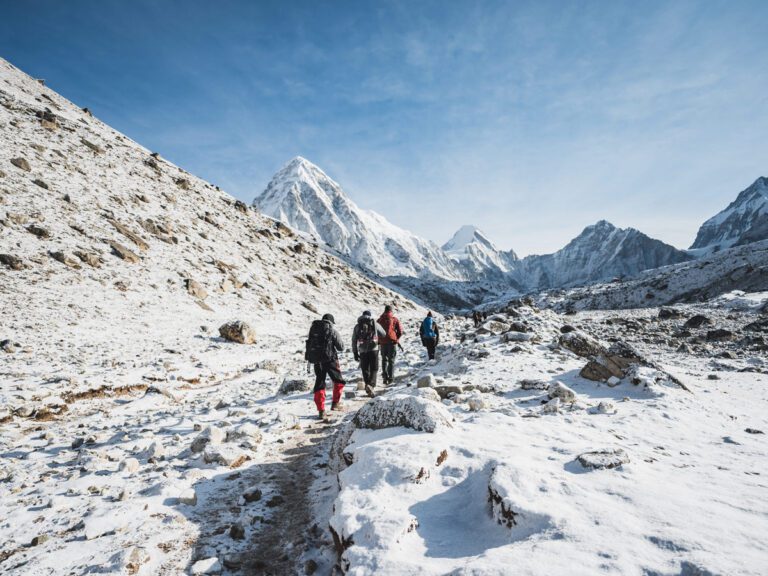
From Lobuche, the trail climbs along the moraine of the Khumbu Glacier, crossing rocky, uneven terrain with views of Pumori, Lingtren and Khumbutse. The pace is slow, the air is thin and the scenery is stark. After a few hours, the cluster of lodges appears on the lakebed below.
Visiting Everest Base Camp
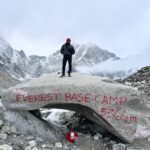
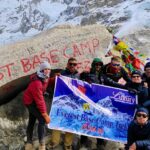
Most itineraries drop their bags at Gorak Shep, rest and head to Everest Base Camp the same day, returning by late afternoon. The walk takes about 3 hours one way along the glacier. Base Camp itself is a field of tents and prayer flags with the Khumbu Icefall above. Note that Everest’s summit is not visible from Base Camp.
Sunrise at Kala Patthar
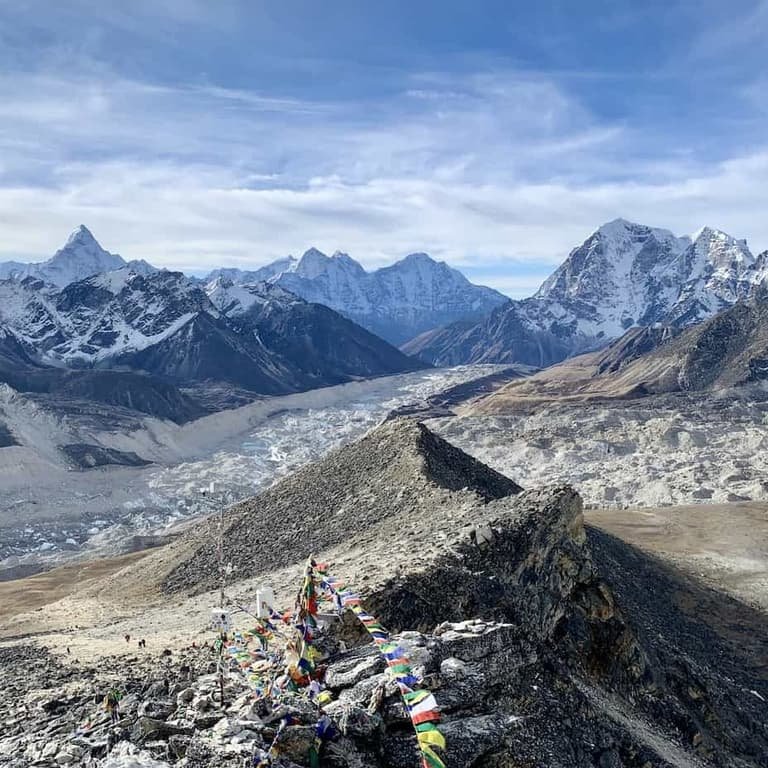
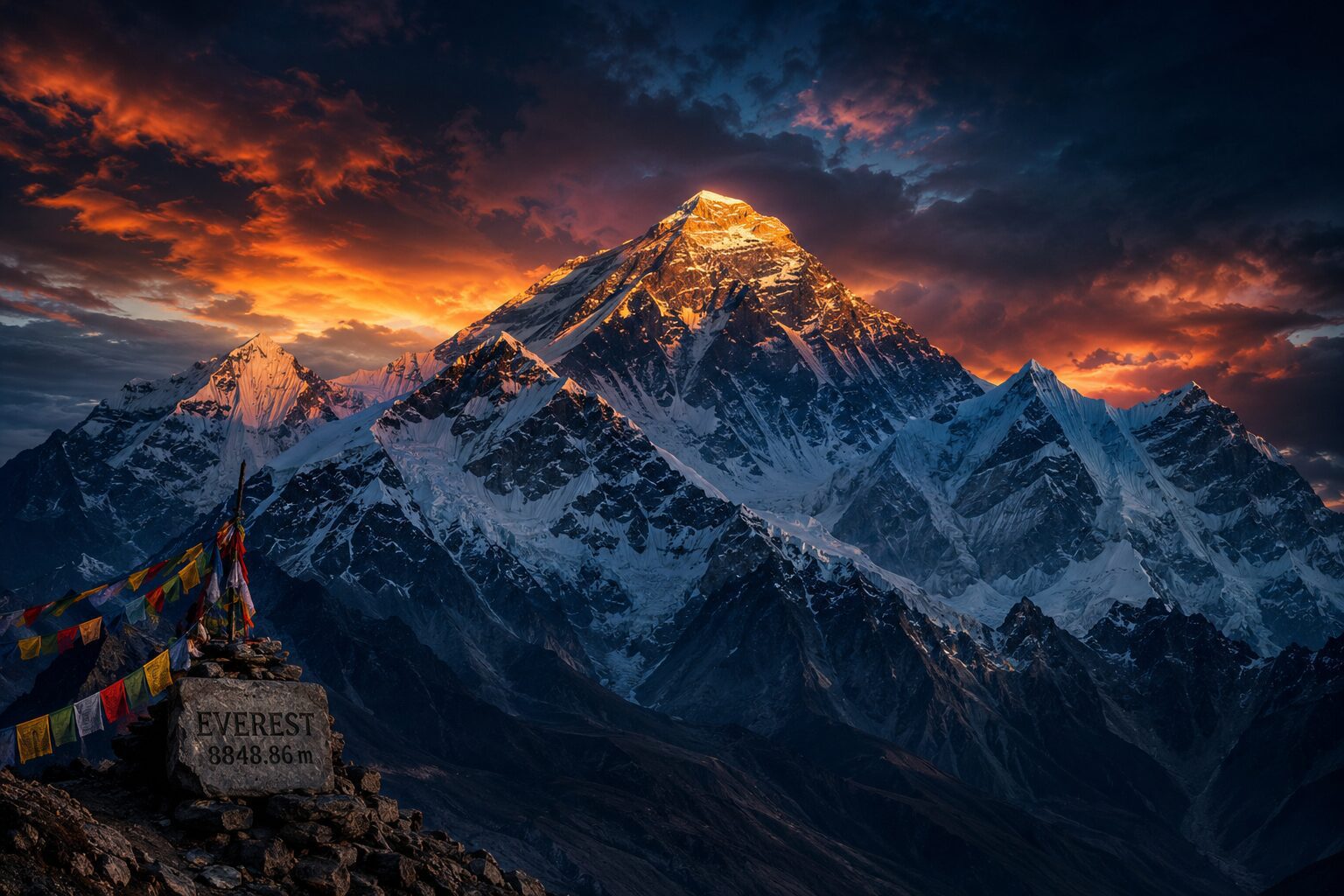
The next morning, trekkers rise before dawn and climb Kala Patthar (5,644 m), a black rocky ridge above the village. The climb takes about 1.5 to 2 hours and is cold, steep and demanding, but the reward is the best view of Everest on the trek, with sunrise lighting the summit and surrounding peaks.
Life in the village
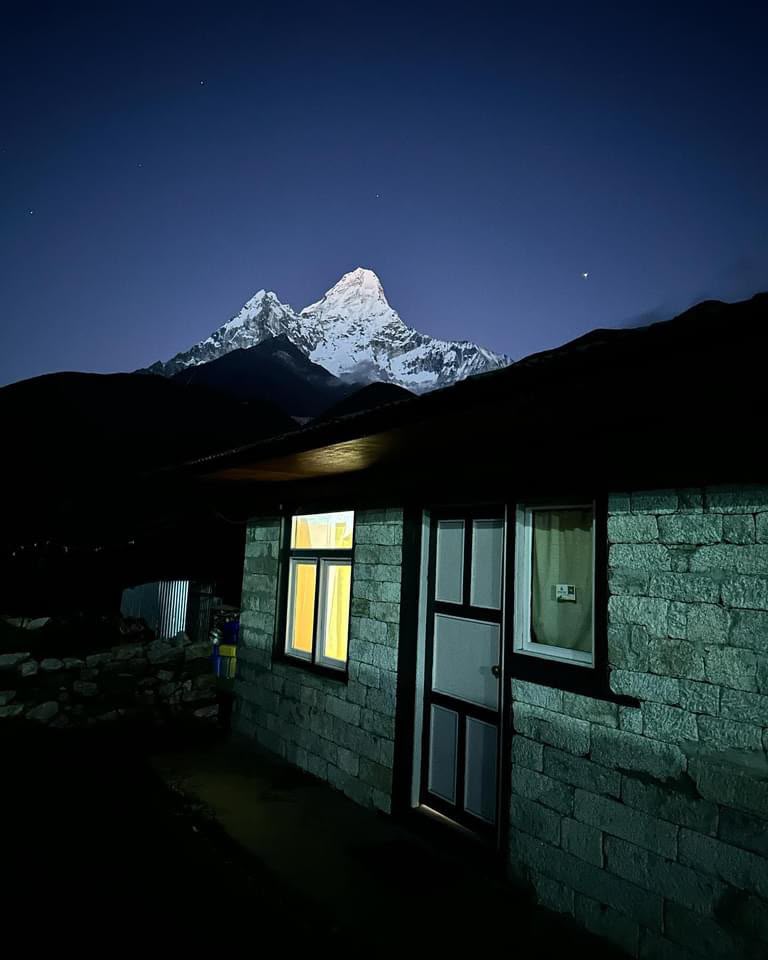
Gorak Shep is simple and basic. Lodges are cold, rooms are small and facilities are limited. Meals are warming and plain: soup, noodles, dal bhat and hot drinks. Electricity is limited and charging costs extra.
Altitude and health
At 5,164 metres, the air holds roughly half the oxygen found at sea level. Headaches, poor sleep and loss of appetite are common. Walk slowly, stay hydrated, avoid alcohol and tell your guide immediately about worsening symptoms. Descending is the most effective response to serious altitude sickness.
Practical tips
Bring a warm sleeping bag, a down jacket, thermal layers, gloves, a headlamp and spare batteries, as cold drains them quickly. Carry enough cash, since there are no ATMs. Keep your water bottle inside your sleeping bag overnight so it does not freeze.
Highlights
- Stand at the last settlement before Everest Base Camp
- Walk across the Khumbu Glacier toward Base Camp
- Climb Kala Patthar for sunrise over Everest, Nuptse and Pumori
- Look out over the sandy, frozen lakebed from which the village takes its name
- Enjoy a hot meal in the highest teahouses of the trek
- See Khumbu Icefall from the Base Camp trail
- Share the trail with climbers heading to and from Everest
- Feel the thin, crisp air of the high Himalaya
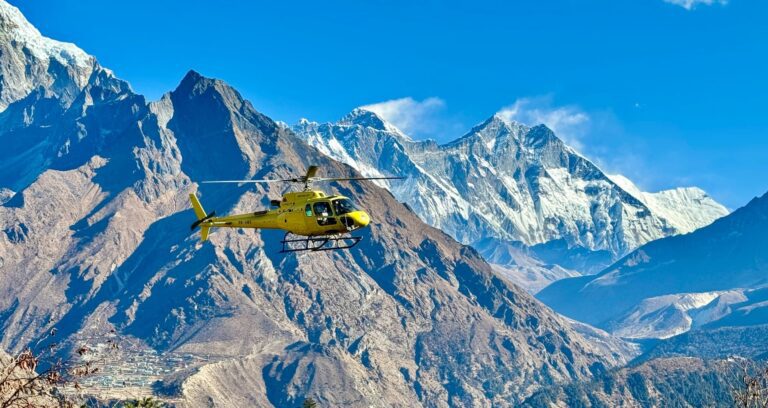
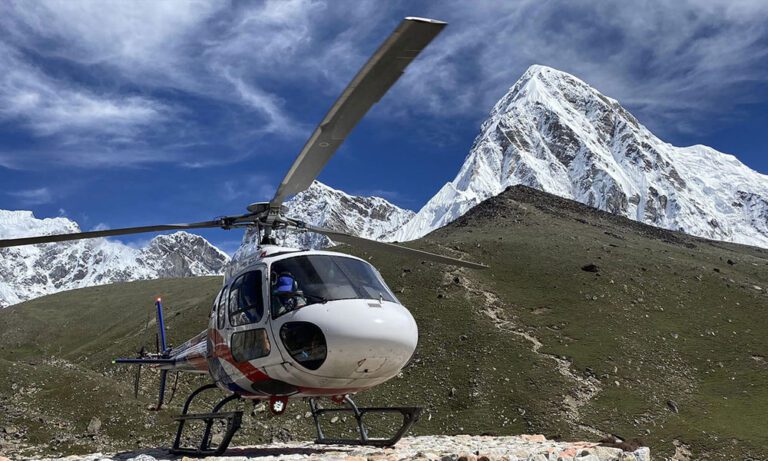
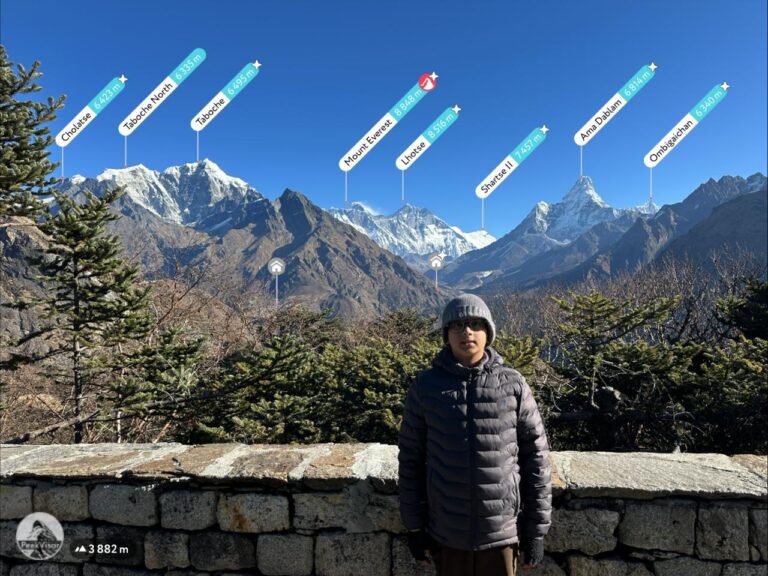
Gallery
Frequently asked questions
What is the altitude of Gorak Shep?
About 5,164 metres (16,942 feet), the highest overnight stop on the standard Everest Base Camp trek.
How far is Gorak Shep from Everest Base Camp?
About 2 to 3 hours one way on foot along the Khumbu Glacier, so most trekkers visit Base Camp the same day they arrive.
Can I see Everest from Gorak Shep?
Not clearly. Nuptse blocks most of the view, but the best Everest view is from nearby Kala Patthar.
How long is the climb to Kala Patthar?
About 1.5 to 2 hours up from Gorak Shep, usually at sunrise, and about 1 hour back down.
Is altitude sickness a risk in Gorak Shep?
Yes. This is the highest point most trekkers sleep at, so go slowly, stay hydrated and report symptoms early.
Are there ATMs, WiFi or hot showers in Gorak Shep?
There are no ATMs, WiFi is limited and paid, and hot showers are rare. Bring cash and expect basic facilities.
Where do trekkers stay in Gorak Shep?
In simple teahouses with shared facilities. Rooms fill quickly in peak season, so book through your trekking company.
Where do Three Passes trekkers go after Gorak Shep?
After Kala Patthar, they walk back towards Lobuche and turn west to Dzongla, the starting point for Cho La Pass.
You may also like
 Place · GlacierKhumbu GlacierAbout 4,900 to 7,600 m
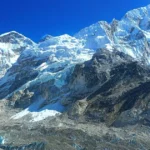
 Place · GlacierKhumbu IcefallAbout 5,400 to 6,000 m
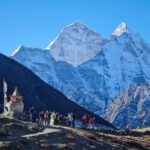
 Place · Base CampEverest Base Camp5,364 m / 17,598 ftPlace · Base CampDingboche4410
 Place · Base CampLobuche4,910 m
 Place · Base CampLukla2,846 m / 9,337 ft
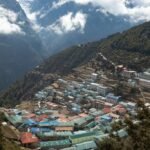
 Place · Base CampNamche Bazaar3,440 m
 Place · Base CampSagarmatha National Park2,845 m to 8,849 m
 Place · Base CampTengboche Monastery3,867 mOffer · AutumnSpecial Everest Base Camp Trek Discount Offer5% Off In EBC Trek
 Accommodation · TeahouseGorak Shep Teahouse5,164 m