

Sagarmatha National Park
Home of Mount Everest, Sherpa culture and the world's highest trails
A UNESCO World Heritage Site in Nepal's Khumbu region, Sagarmatha National Park protects Mount Everest, glaciers, Sherpa villages, ancient monasteries and rare Himalayan wildlife.
Why Sagarmatha National Park is known
Home to Mount Everest, the highest point on Earth
UNESCO World Heritage Site since 1979
Heartland of the Sherpa people and culture
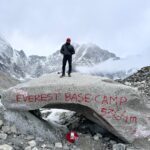
Gateway to Everest Base Camp and Gokyo Lakes
Rare wildlife, including snow leopard and Himalayan tahr
About Sagarmatha National Park
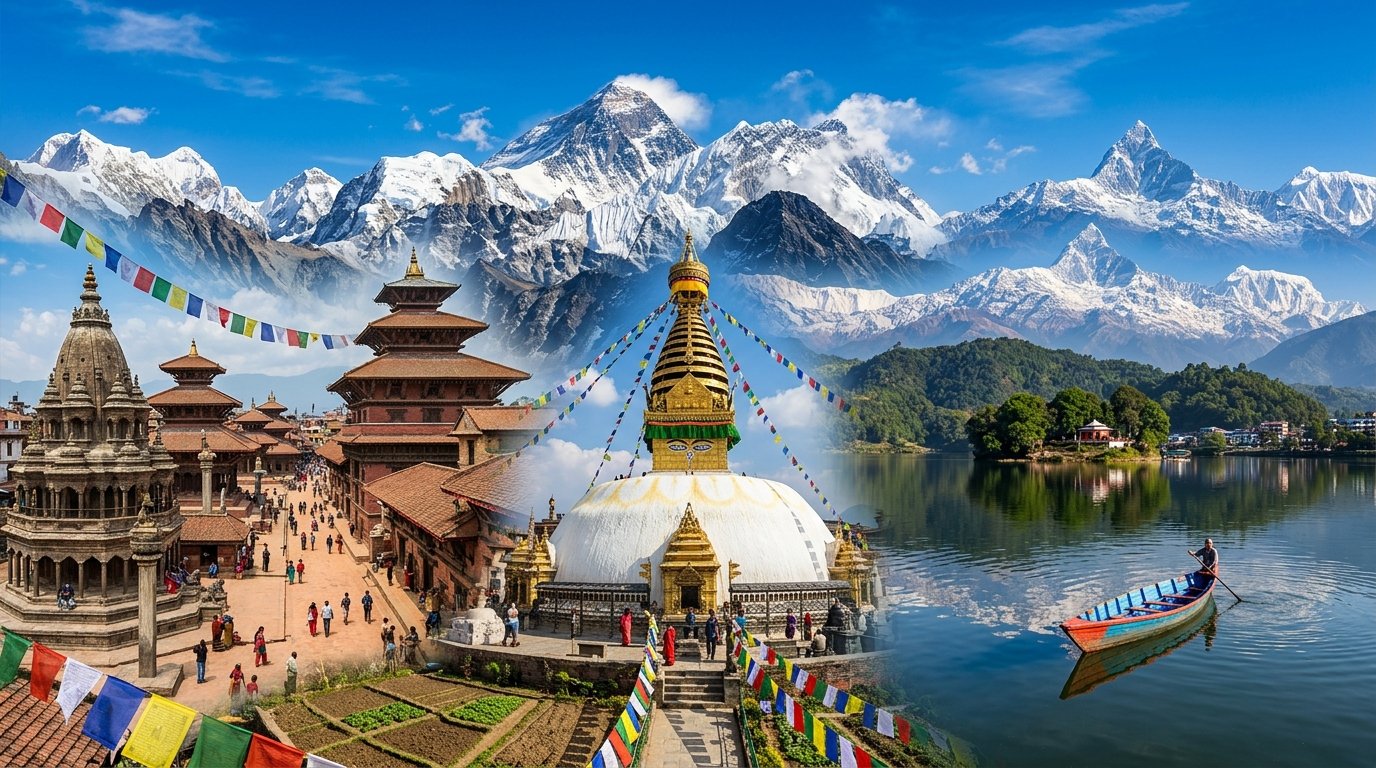
Sagarmatha National Park is Nepal’s most iconic protected area and one of the most dramatic landscapes on Earth. Established in 1976 and listed as a UNESCO World Heritage Site in 1979, it covers 1,148 square kilometres of glaciers, deep river gorges, alpine forests and towering Himalayan peaks. At its heart stands Mount Everest, known in Nepali as Sagarmatha, the “Forehead of the Sky”.
A landscape of giants
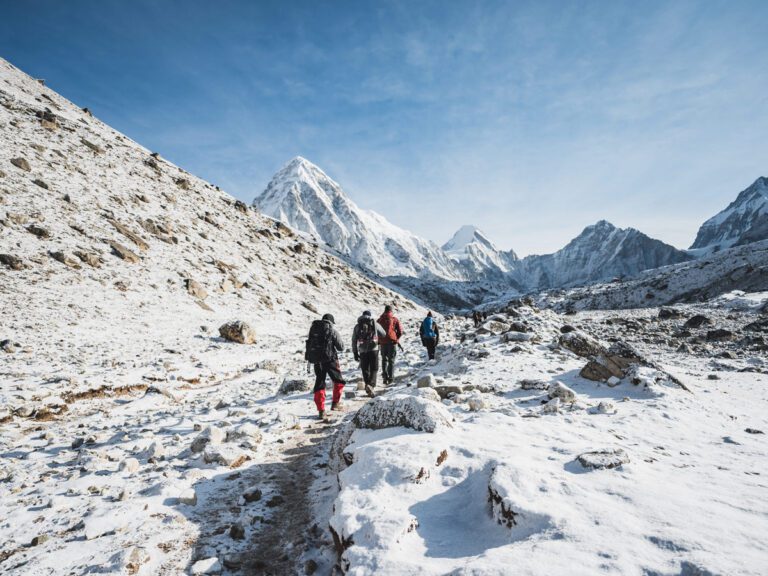
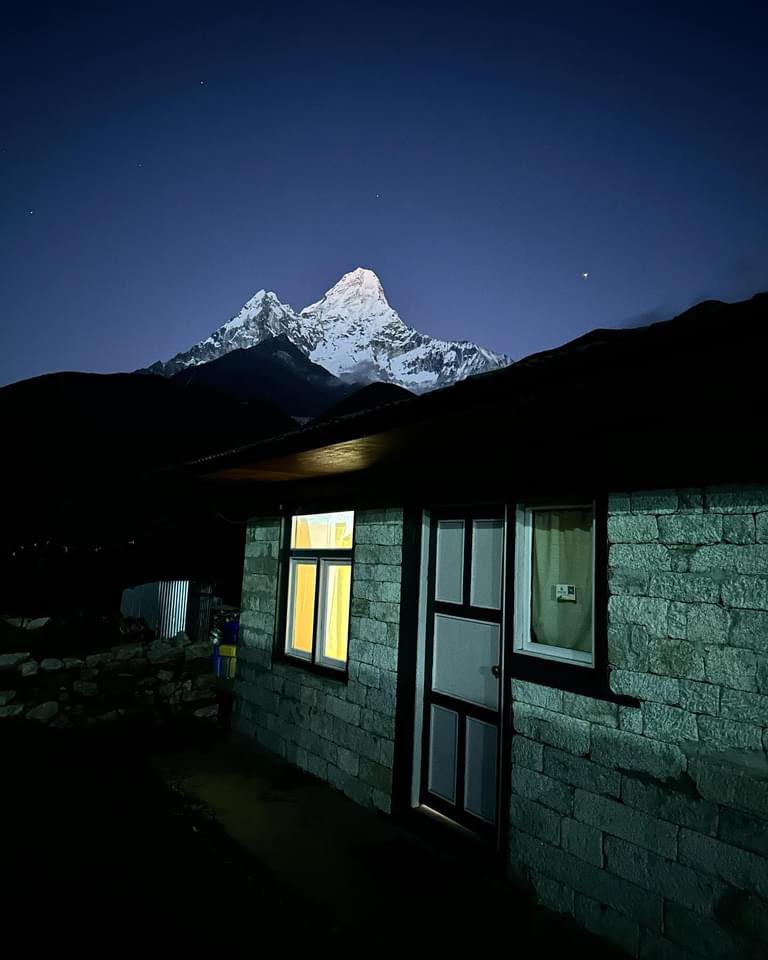
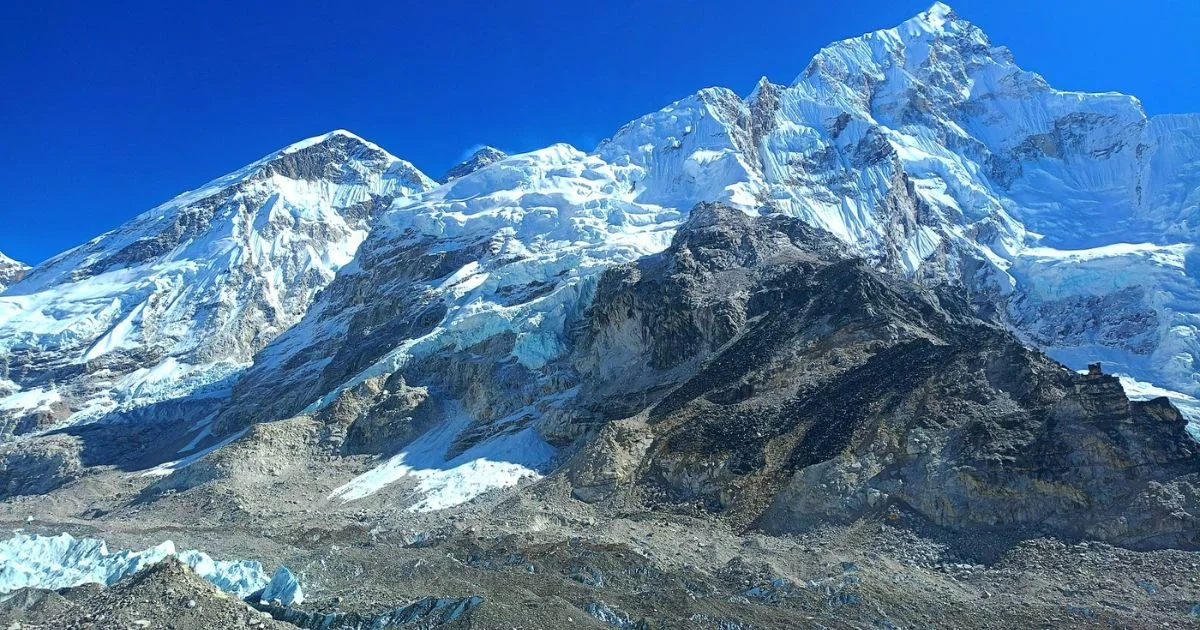
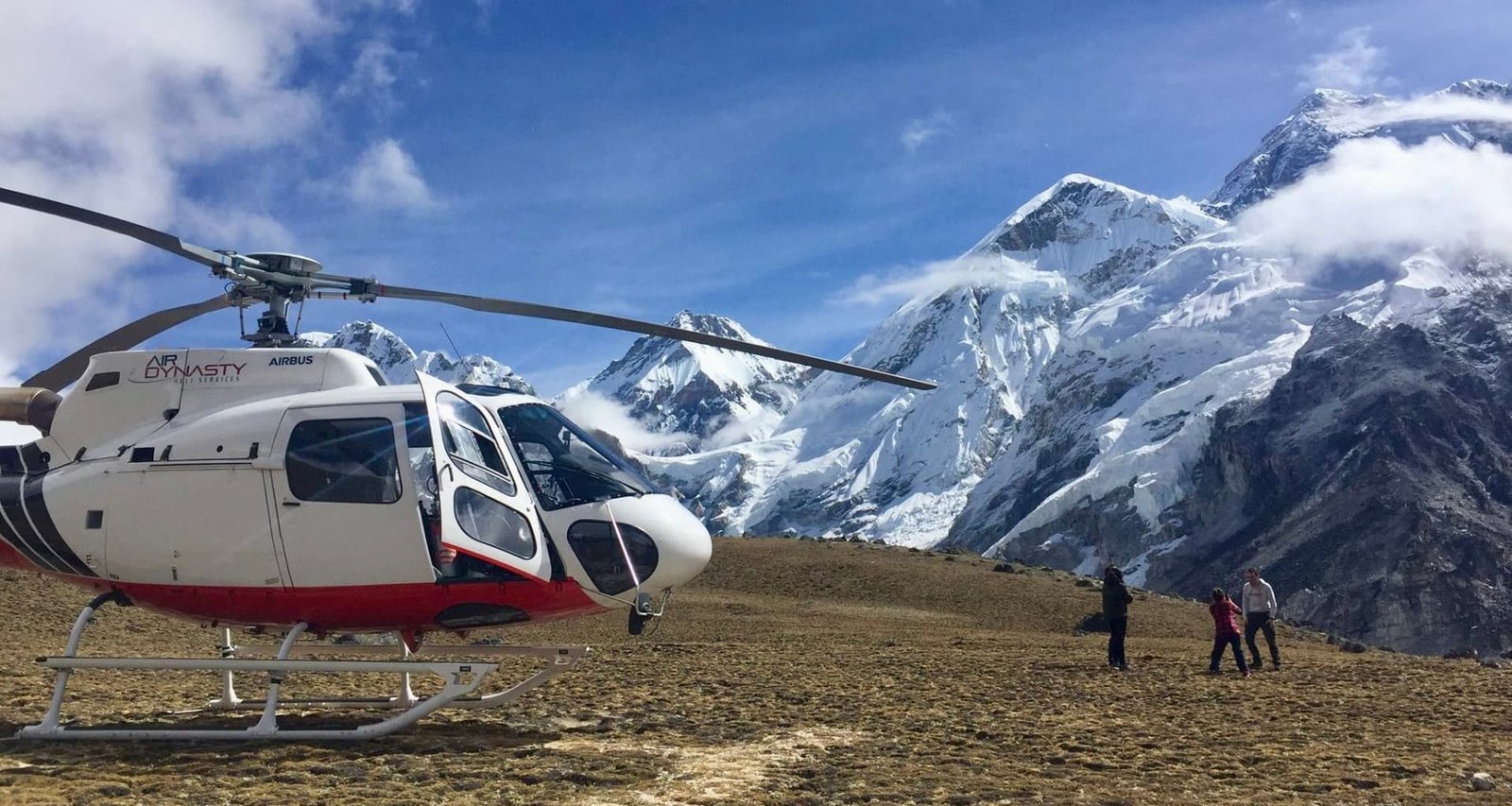
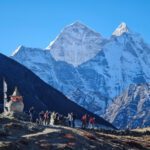
The park is ringed by some of the world’s highest mountains, including Everest, Lhotse, Nuptse, Cho Oyu and the graceful Ama Dablam. Rivers of ice such as the Khumbu and Ngozumpa glaciers carve through the valleys, and turquoise lakes sit high in the Gokyo basin.
Sherpa culture
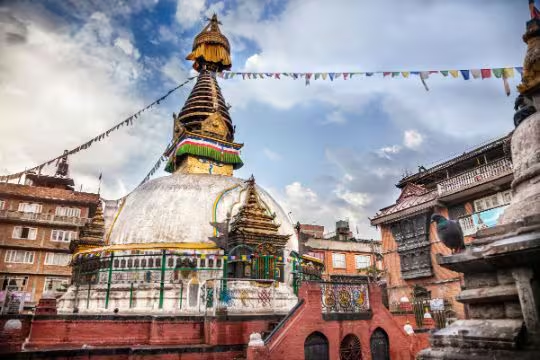
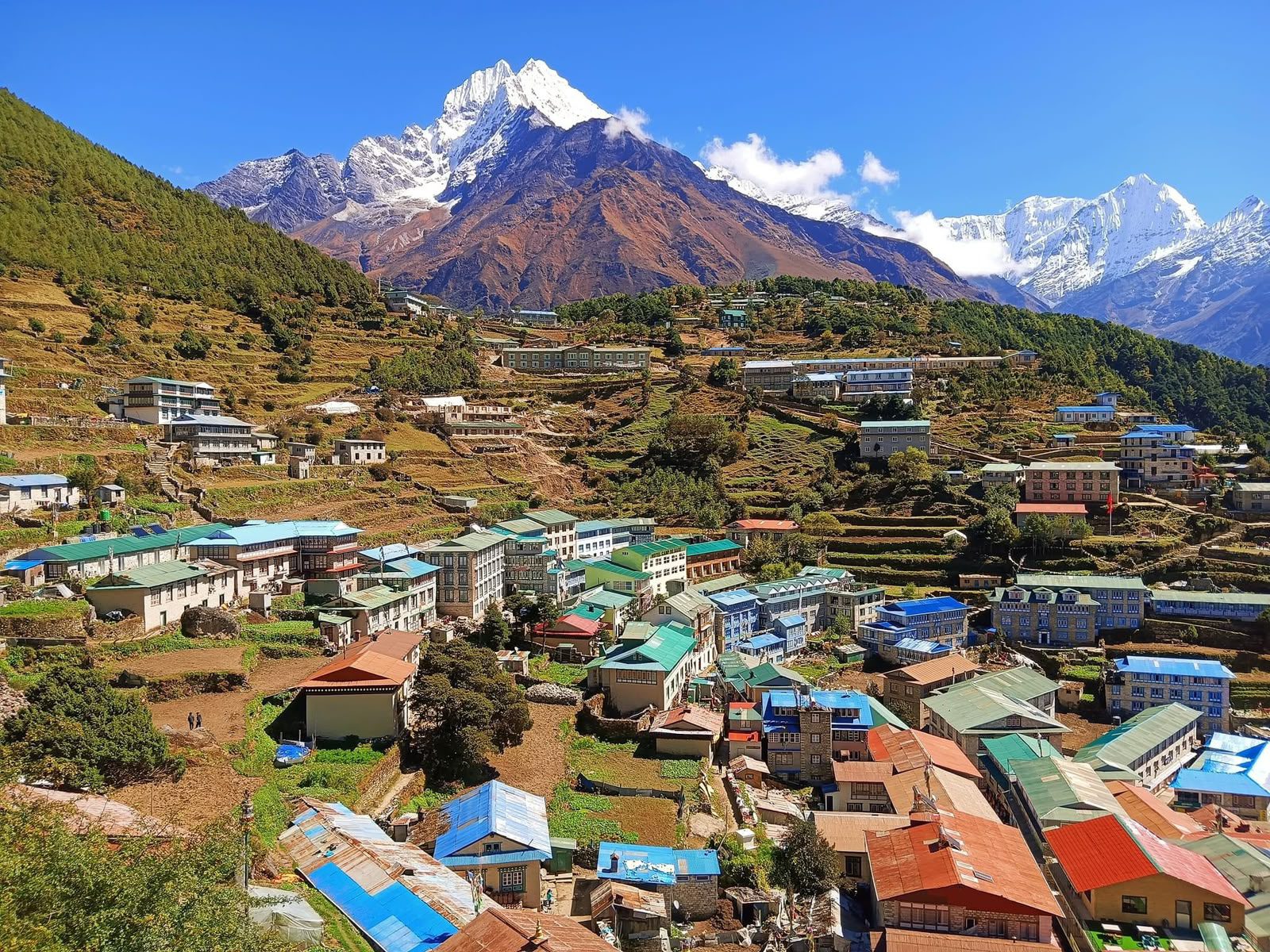
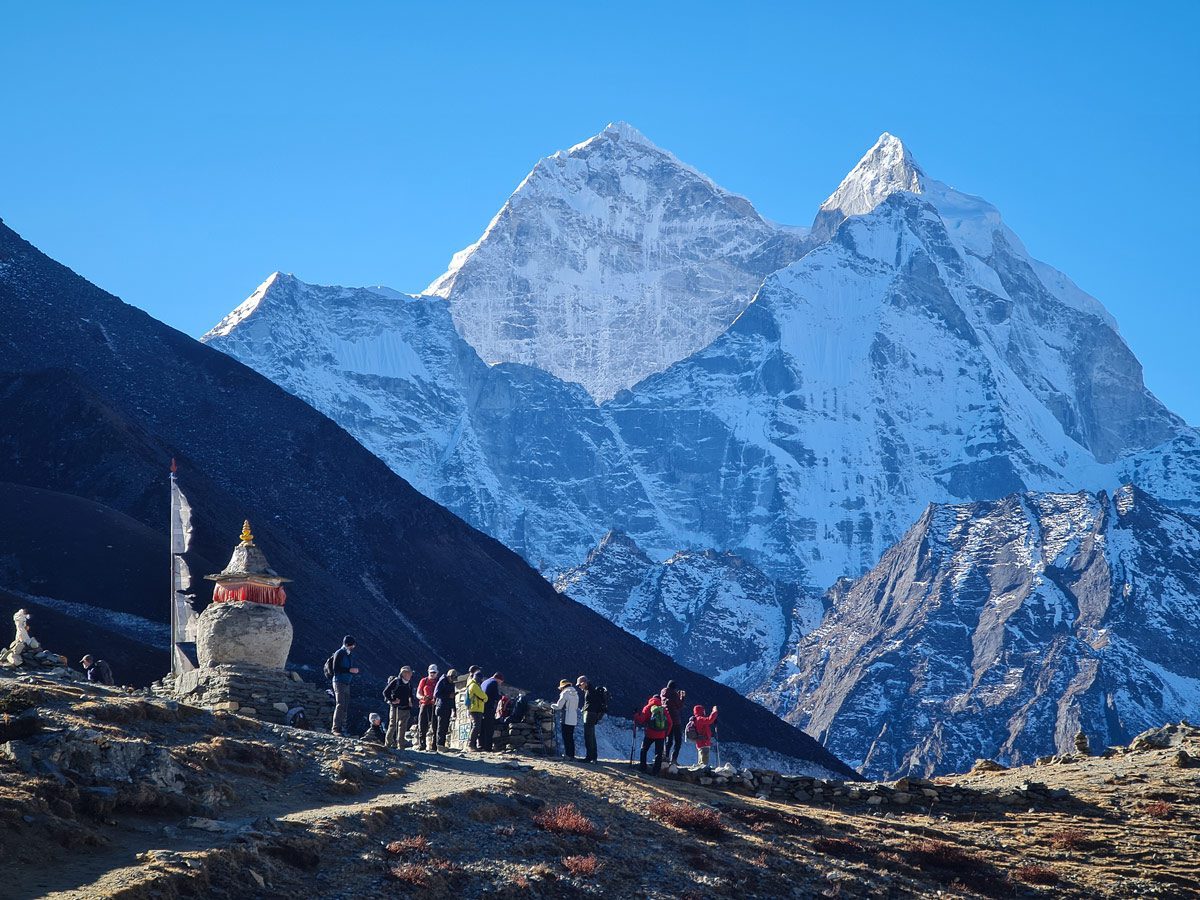
The Khumbu is the homeland of the Sherpa people, world-renowned for their mountaineering skill and warm hospitality. Along the trails you’ll find prayer flags, mani walls, chortens and centuries-old monasteries such as Tengboche, Pangboche and Khumjung. Namche Bazaar, the region’s bustling trading hub, offers cafés, bakeries, gear shops and a lively Saturday market.
Wildlife and nature
Below the treeline, forests of pine, juniper, birch and rhododendron shelter Himalayan tahr, musk deer, martens and colorful pheasants, including Nepal’s national bird, the Himalayan monal. Snow leopards and red pandas live here too, though sightings are rare.
Trekking in the park
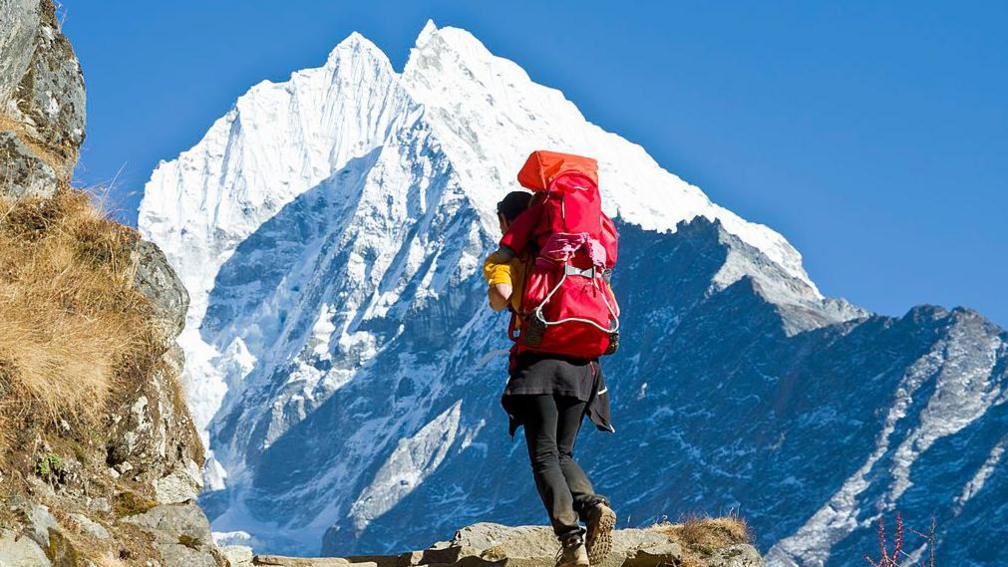
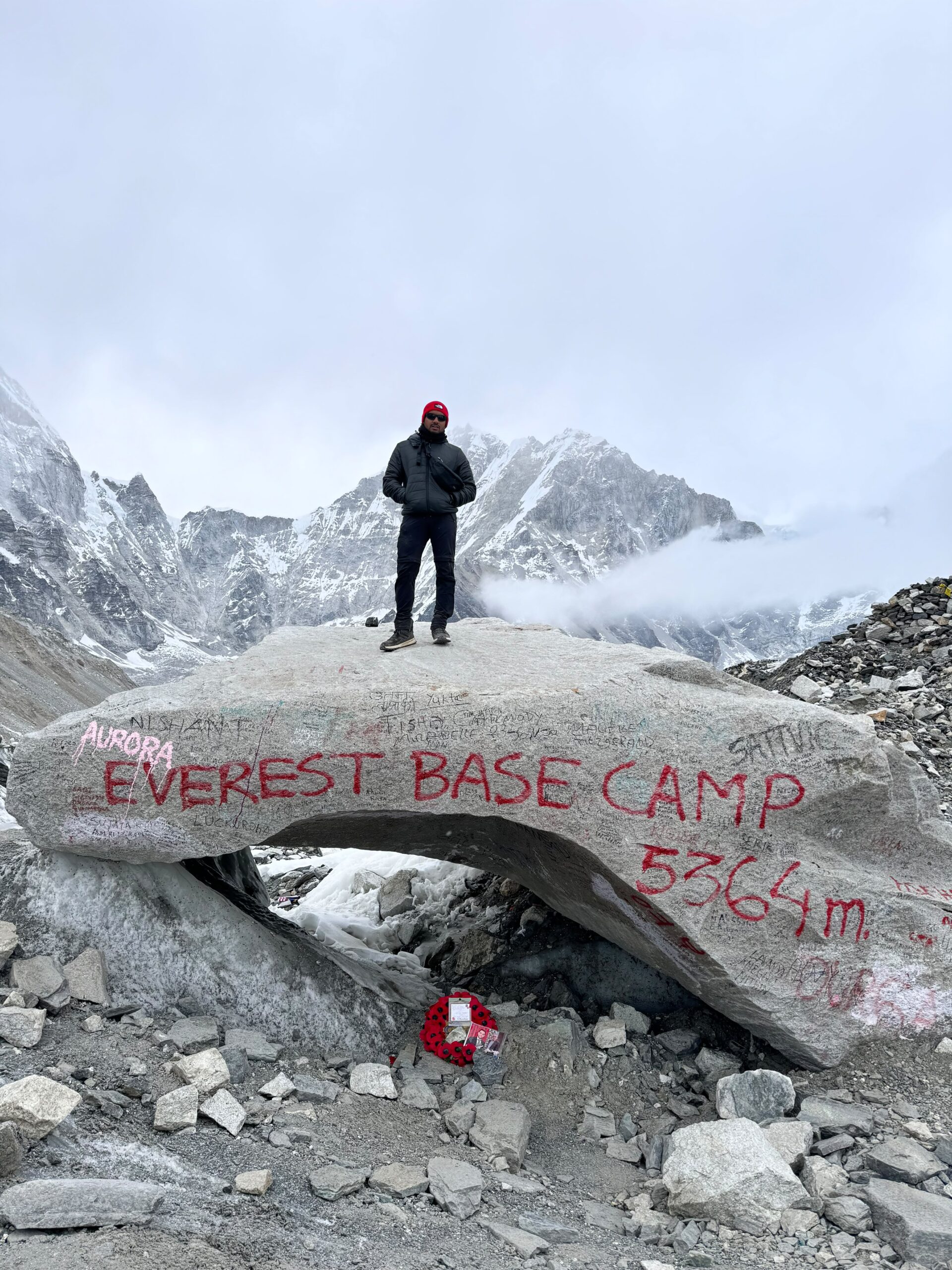
Sagarmatha National Park is the setting for the world’s most famous treks: Everest Base Camp, Gokyo Lakes, the Three Passes and Everest Panorama. Trails are supported by teahouses in almost every village, so you can walk comfortably without camping.
Permits and practical tips
Visitors need a Sagarmatha National Park permit and a local municipality entry permit, both available in Kathmandu, Monjo or Lukla. Plan for gradual acclimatization, pack layers and carry cash for remote villages. Traveling with a licensed guide makes the journey safer and more rewarding.
Responsible travel
The park protects a fragile mountain ecosystem. Carry out non-biodegradable waste, respect local customs, and walk clockwise around sacred monuments.
Highlights
- Stand in the shadow of Mount Everest, Lhotse, Ama Dablam and Nuptse
- Explore Namche Bazaar, the vibrant Sherpa trading town
- Visit Tengboche Monastery with Everest views
- Spot Himalayan tahr, musk deer and colorful Himalayan monal
- Walk suspension bridges over the Dudh Koshi River
- Reach Kala Patthar (5,644 m) for the best Everest sunrise
- Discover the turquoise Gokyo Lakes and Ngozumpa Glacier
- Experience Sherpa hospitality in cozy mountain teahouses
Location
Open in Google MapsFrequently asked questions
Where is Sagarmatha National Park?
In the Khumbu region of Solukhumbu District, northeastern Nepal, about 140 km from Kathmandu. Most visitors reach it by flying to Lukla.
Why is it a UNESCO World Heritage Site?
It was listed in 1979 for its outstanding mountain scenery, including Mount Everest, and for its unique Sherpa culture and Himalayan ecosystem.
Do I need a permit to enter?
Yes. You need the Sagarmatha National Park permit and the local Khumbu municipality permit. Both can be arranged by your trekking company, or bought in Kathmandu, Monjo or Lukla.
When is the best time to visit?
March to May and September to November offer the clearest views and most stable weather.
Can beginners trek in Sagarmatha National Park?
Yes, with good fitness and proper acclimatization. Shorter routes like the Everest Panorama trek suit first-time trekkers.
Is altitude sickness a risk?
Yes. Much of the park is above 3,000 m, so a slow ascent, rest days, hydration and a guide who knows the symptoms are essential.
Which wildlife can I see?
Himalayan tahr, musk deer, Himalayan monal and, with luck, snow leopards and red pandas.