




Is Nepal Safe for Tourists?
Useful for: HolidaysTours & ActivitiesTrekking ToursMountain AdventuresTrekking AdventuresEverest Base Camp Trek
- Overall
- Safe for visitors
- US advice level
- Level 2: increased caution
- Crime
- Low; mostly petty theft
- Biggest risks
- Roads, weather, altitude
- Protests
- Occasional, mostly Kathmandu
- Women travellers
- Generally safe
- Tourist Police
- 1144
- Disaster hotline
- 1234
Yes. Nepal is one of the friendliest and safest countries in Asia for travellers, and violent crime against tourists is rare. The real risks are different from what most people worry about: road accidents, mountain weather, altitude, landslides in the monsoon, and occasional political protests in Kathmandu. This guide covers the current situation, the risks that actually matter, the common scams, and the simple habits that keep you safe in the cities and on the trails.
Current Alert (31 October 2026)
Nepal's disaster authority (NDRRMA) issued a severe weather warning for 29–31 October 2026 as the remains of Cyclone Arnab bring heavy rain, snowstorms and avalanche risk to high areas. Tourists are advised to avoid high-altitude trekking until conditions improve and to stay in safe shelter if already in the mountains. Permits for restricted trekking areas were paused, and domestic flights and roads may be disrupted. If you are on one of our treks, your guide will keep you in a safe lodge and we will contact you about any changes.
The Current Situation
In September 2025, youth-led protests in Kathmandu turned violent, the government resigned, and a curfew and a short airport closure followed. Since then Nepal has held general elections (March 2026), daily life has returned to normal, and tourism is running in Kathmandu, Pokhara, Chitwan and all the main trekking regions.
As of autumn 2026, the US State Department rates Nepal Level 2: Exercise increased caution, the same level as many popular destinations in Europe and Asia. Demonstrations can still happen with little warning, mostly around government buildings in central Kathmandu. Stay away from crowds and follow local news; they rarely affect tourist areas.
Always check your own government's travel advice before you go, and make sure your travel insurance is valid for Nepal and for trekking.
The Risks That Actually Matter
| Risk | How likely | How to stay safe |
|---|---|---|
| Road accidents | The biggest risk | Use a private car with a professional driver instead of night buses; wear a seatbelt where there is one |
| Mountain weather | Seasonal | Trek in October–November or March–May; follow your guide when weather turns |
| Altitude sickness | Common, mostly mild | Ascend slowly and take rest days (see our altitude guide) |
| Landslides and floods | June–September | Avoid long road journeys in heavy rain; build in buffer days |
| Domestic flight delays | Common | Lukla and mountain flights often wait for weather; keep a spare day |
| Petty theft | Occasional | Watch bags in crowds and on buses; use the hotel safe |
| Protests | Occasional | Avoid gatherings; carry on with your plans elsewhere |
| Earthquakes | Rare but real | Know your hotel's exits; follow "drop, cover, hold on" |
For altitude, read our altitude sickness guide; for water and food, see drinking water on the trail.
Safety in Kathmandu and Pokhara
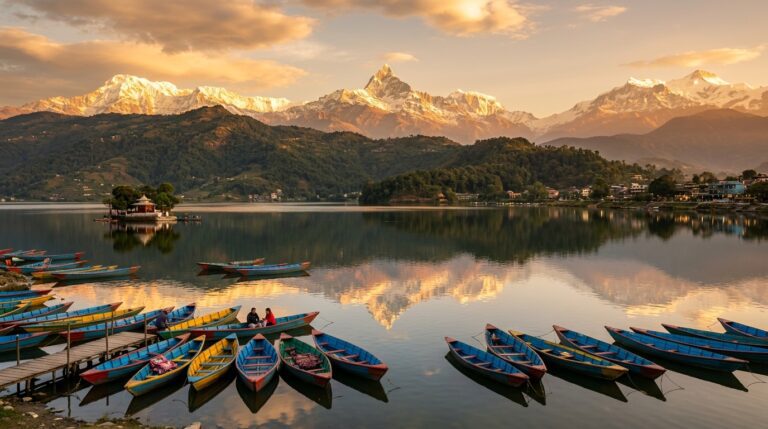
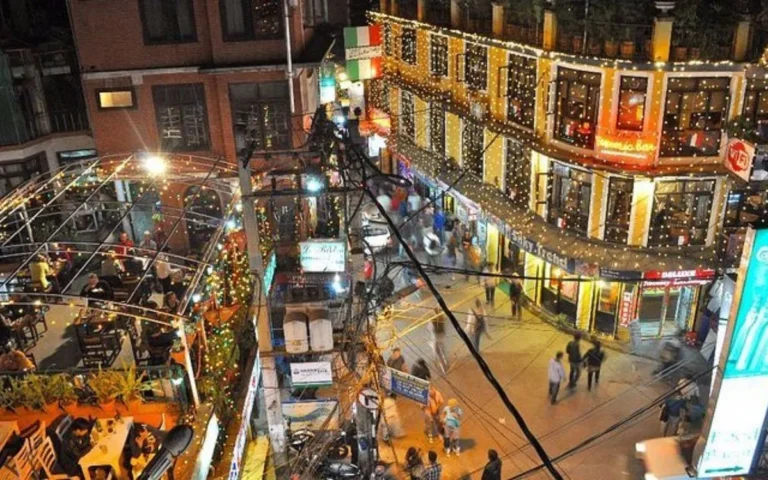
Kathmandu and Pokhara are busy but relaxed, and walking around in the day and evening is safe for most visitors. The main hazards are traffic, uneven pavements and dust, not people.
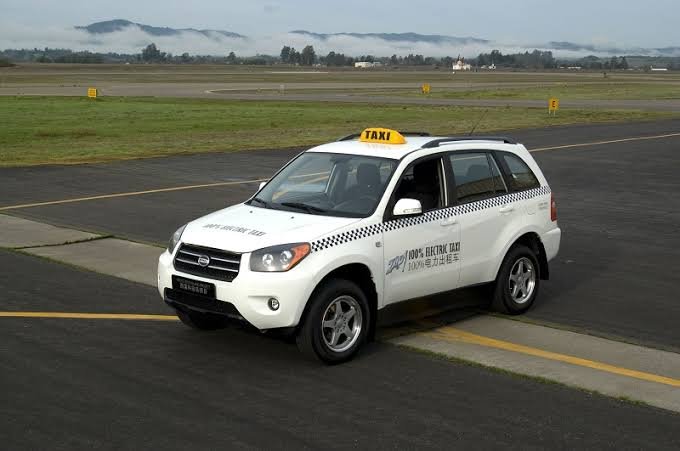
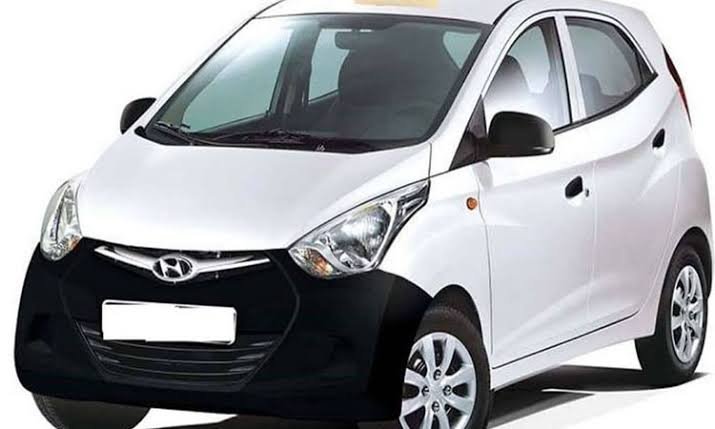
- Getting around: book a private airport transfer for arrival and a private taxi with driver for sightseeing. Agree taxi fares before you get in.
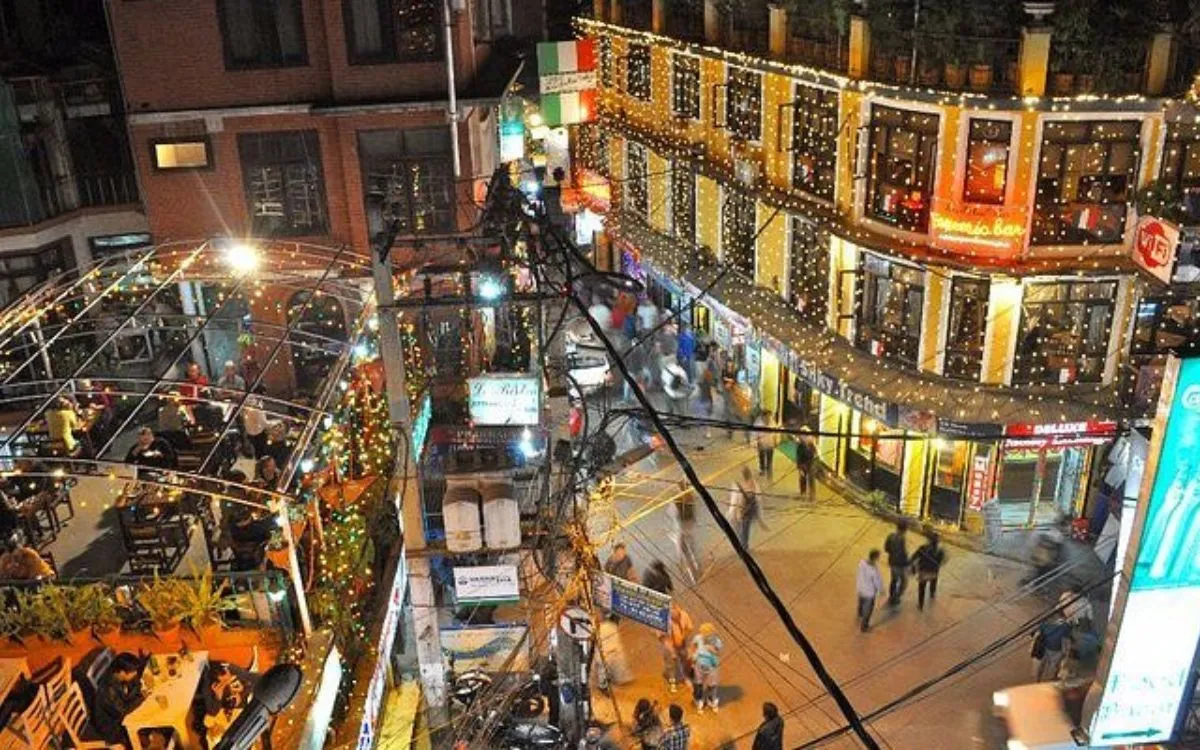
- At night: Thamel and Lakeside Pokhara stay busy until late. Use registered taxis after dark and avoid empty side streets.
- Money: use ATMs inside bank lobbies and keep cash in two places. See money in Nepal.
- Stay connected: buy a local SIM on arrival so you can call for help. See our SIM card guide.
Planning a few days in the city? Our 2 days in Kathmandu and 3 days in Kathmandu itineraries include safe transport between every stop.
Is Trekking in Nepal Safe?
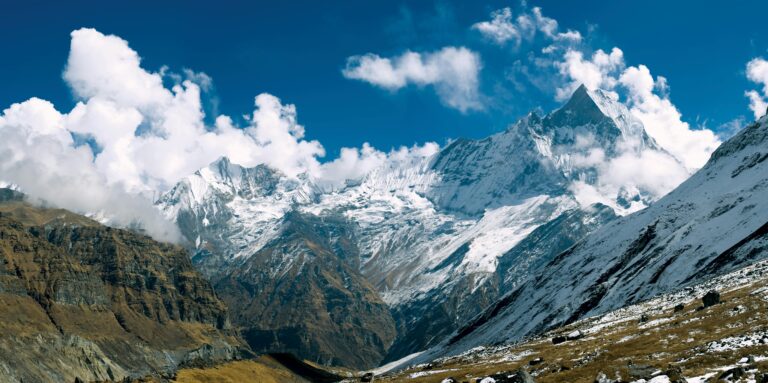
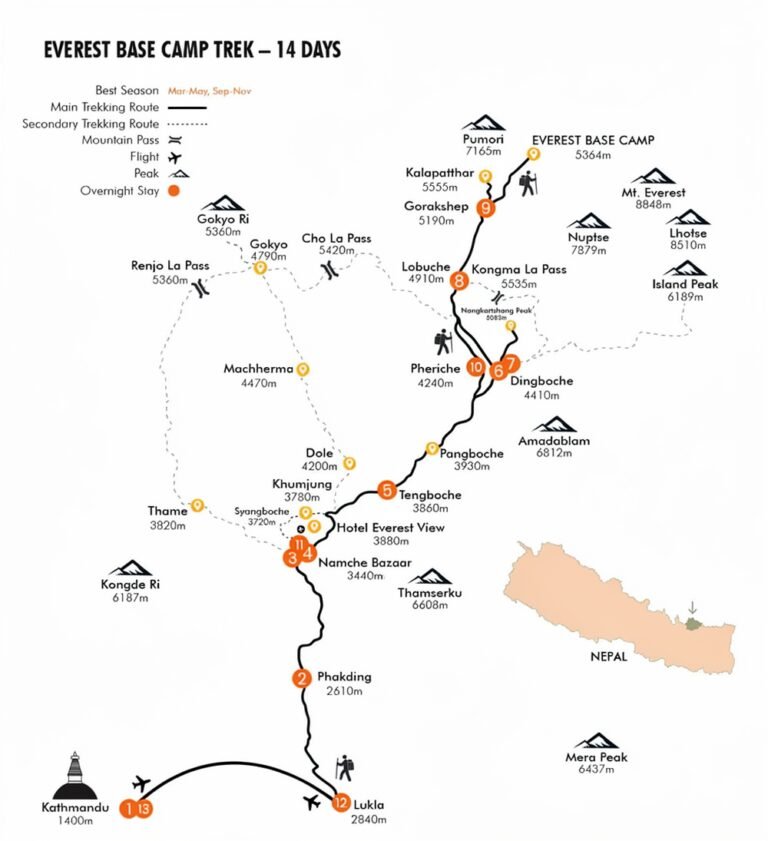
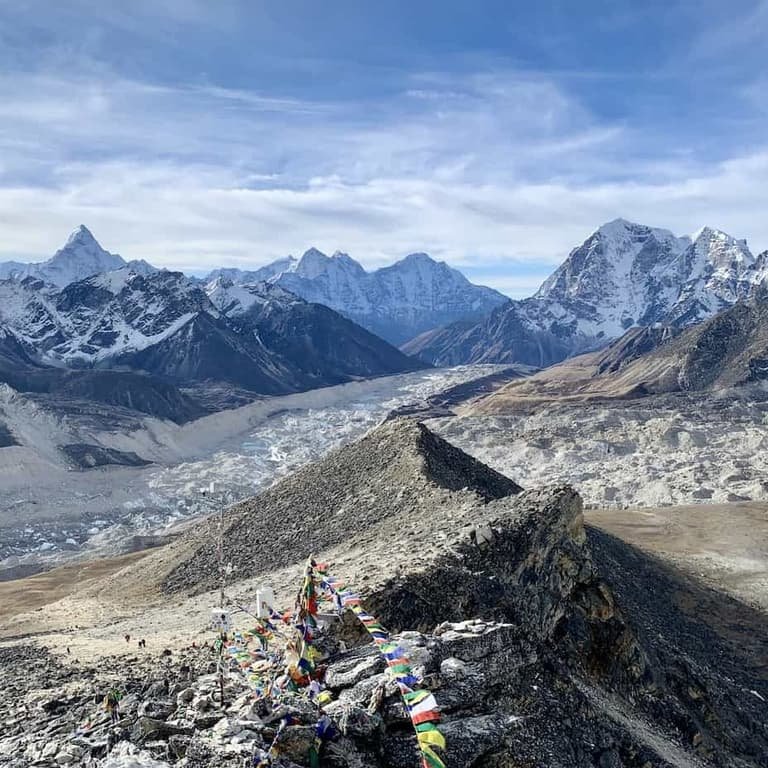
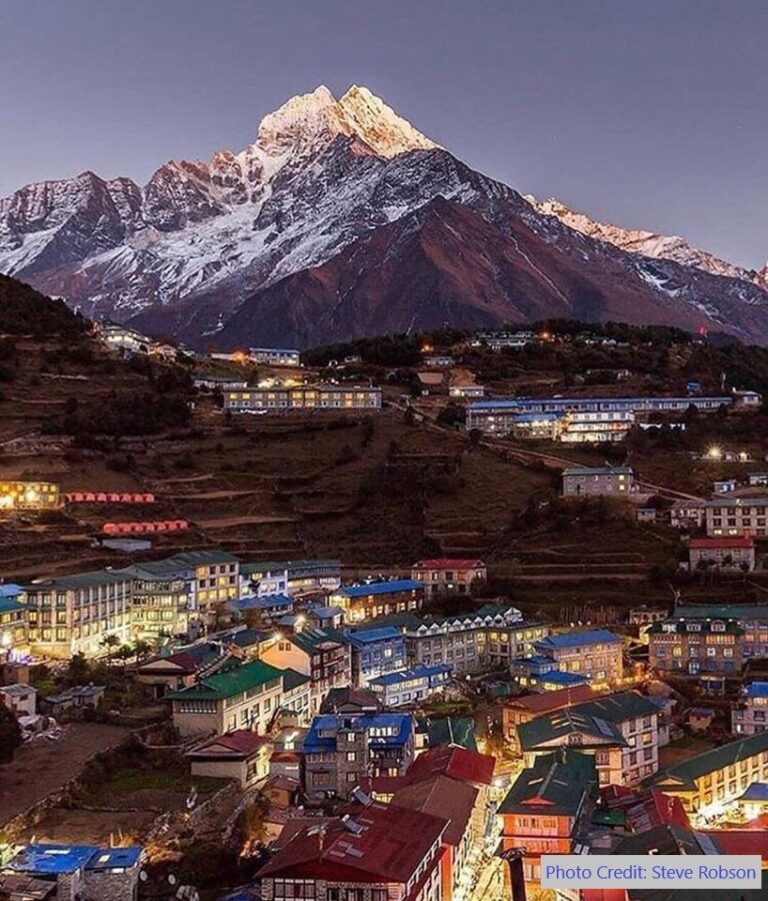
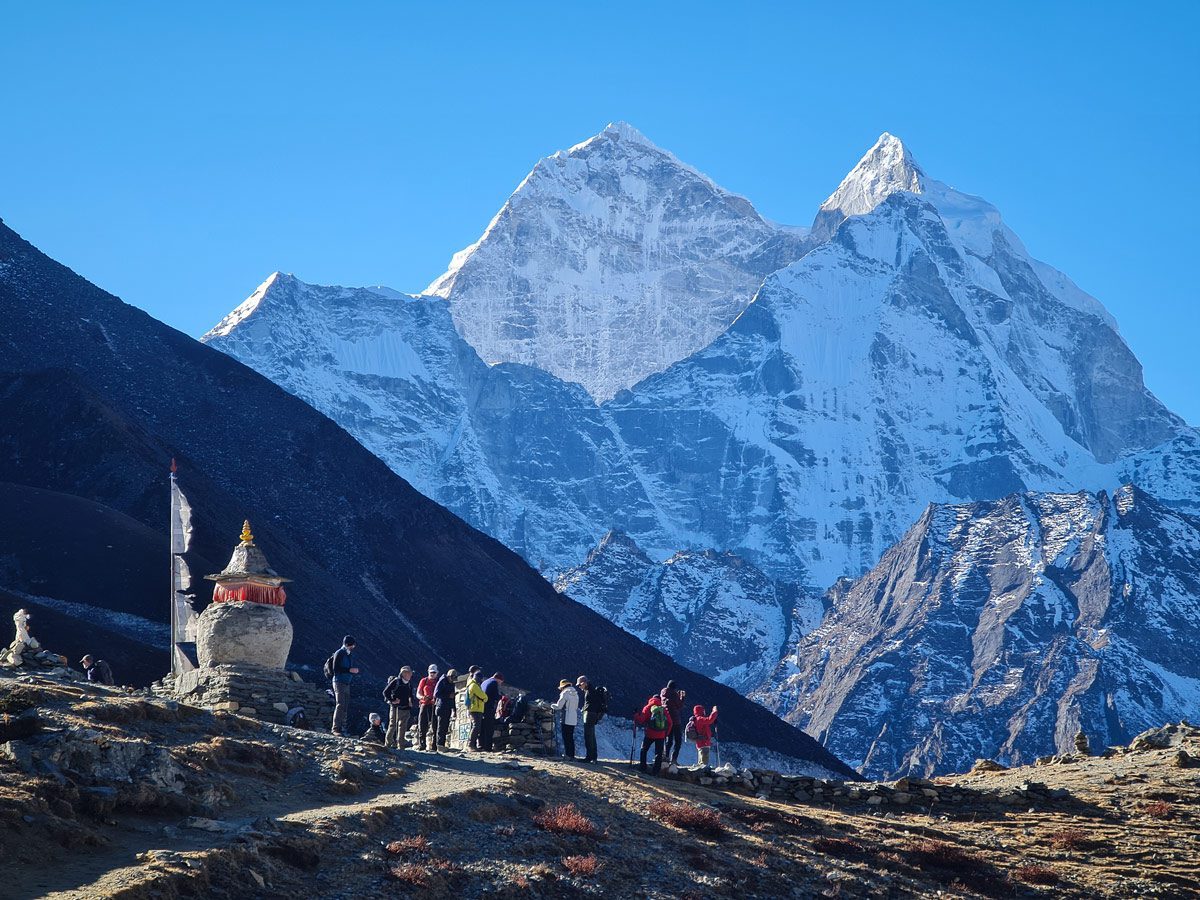
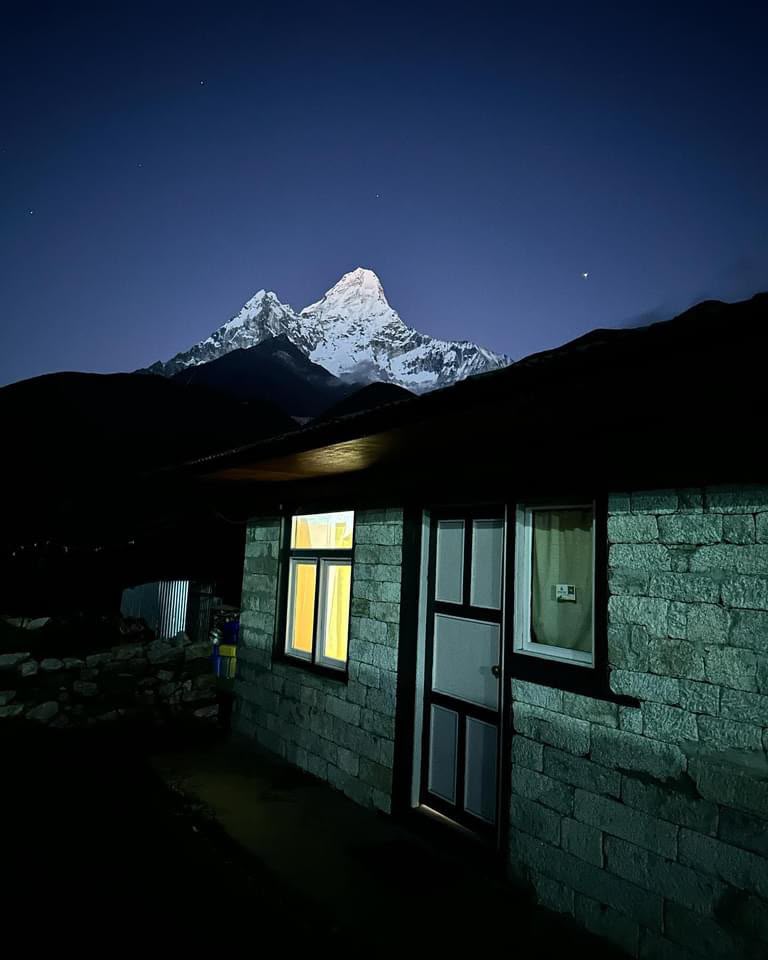
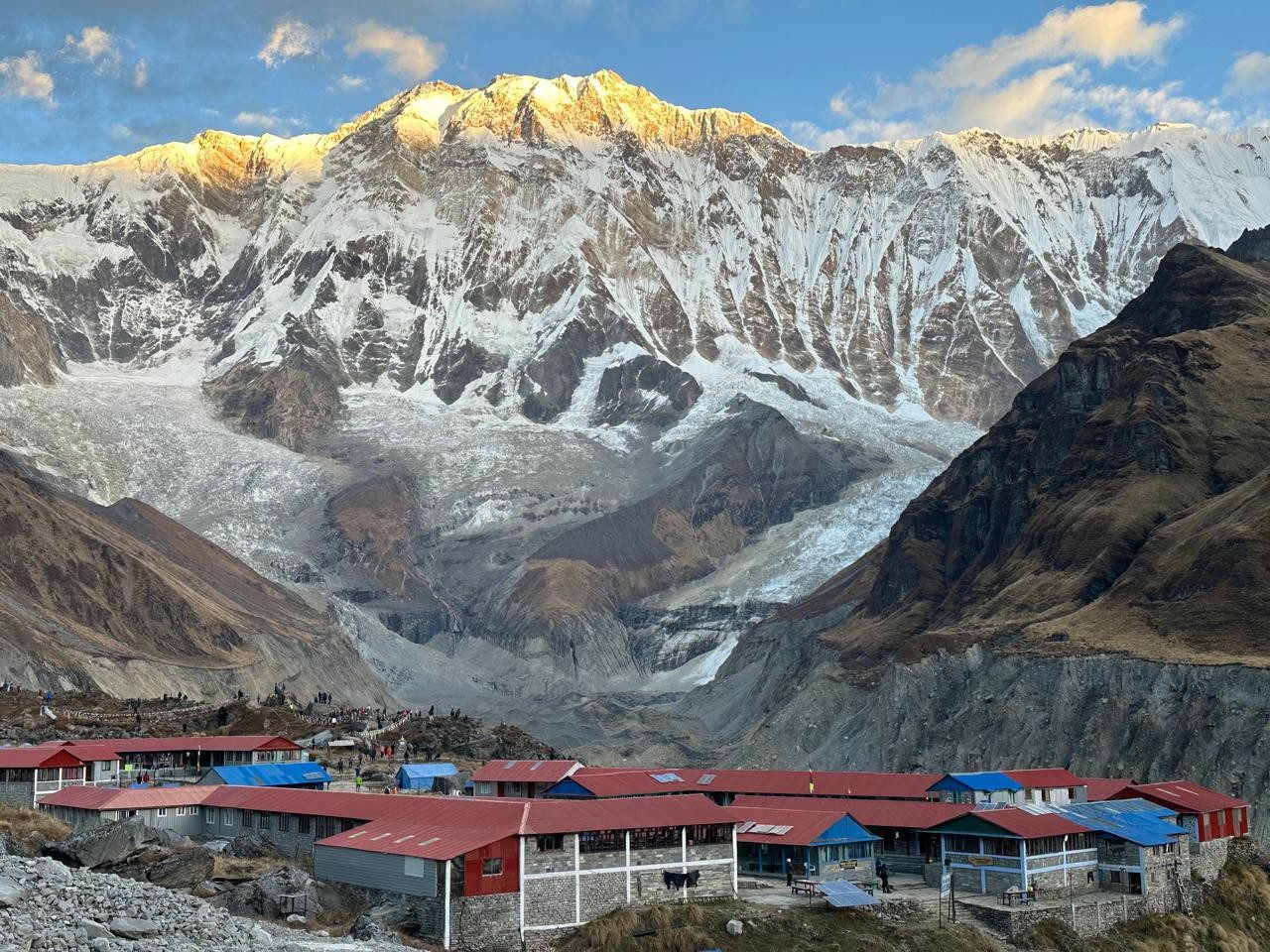
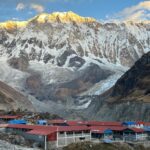
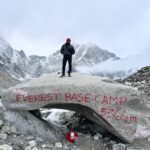
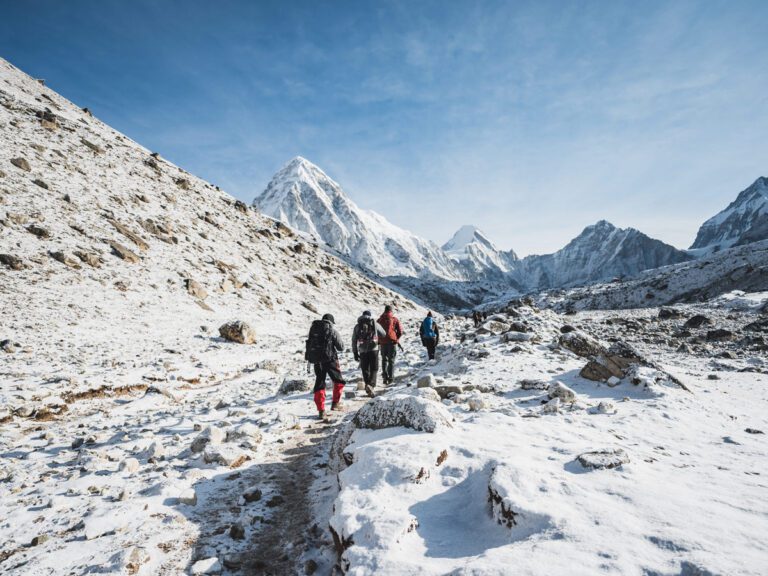
The popular routes such as the Everest Base Camp Trek and the Annapurna Base Camp Trek are busy, well-marked and lined with lodges, so you are never far from help. The dangers in the mountains come from nature, not people:
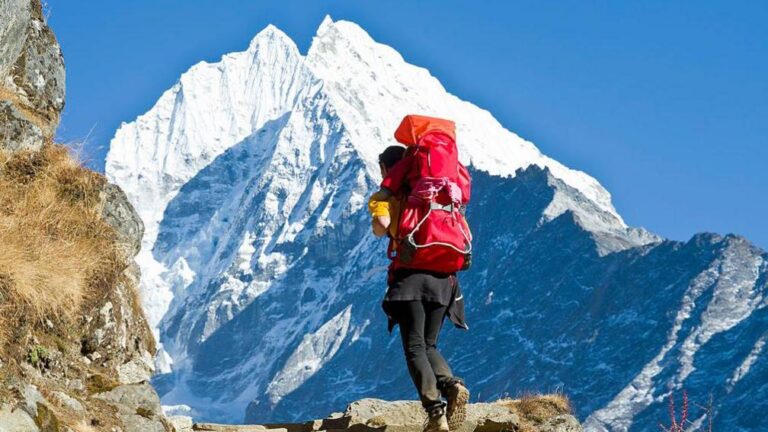
- Altitude: the most common problem. A slow itinerary with rest days and a guide who checks your oxygen levels prevents almost all serious cases.
- Weather: snowstorms can hit high passes, especially outside the main seasons. Never cross a pass in bad weather because you have a booking or a permit.
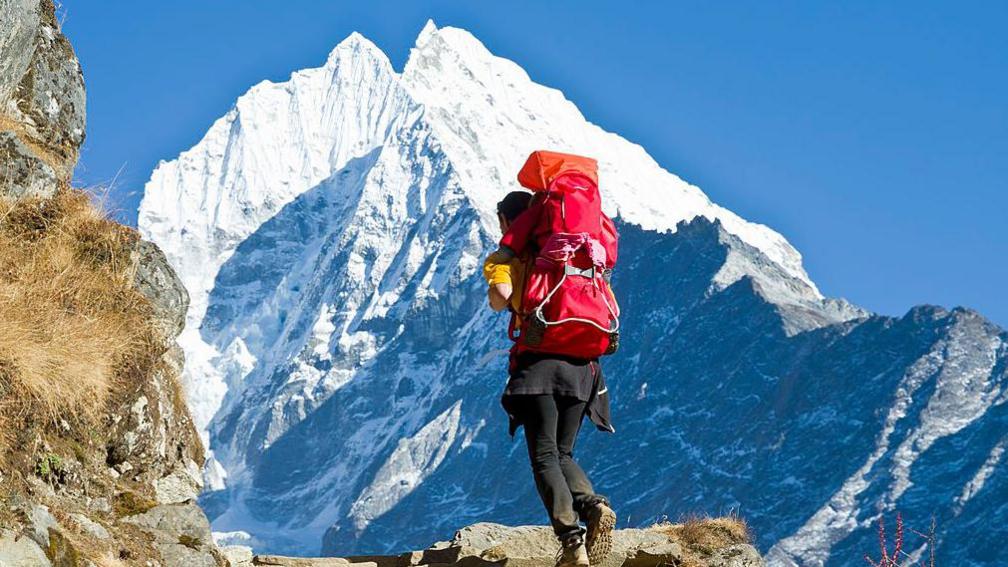
- Trail hazards: step to the mountain side when yaks and porters pass, and take care on icy sections early in the morning.
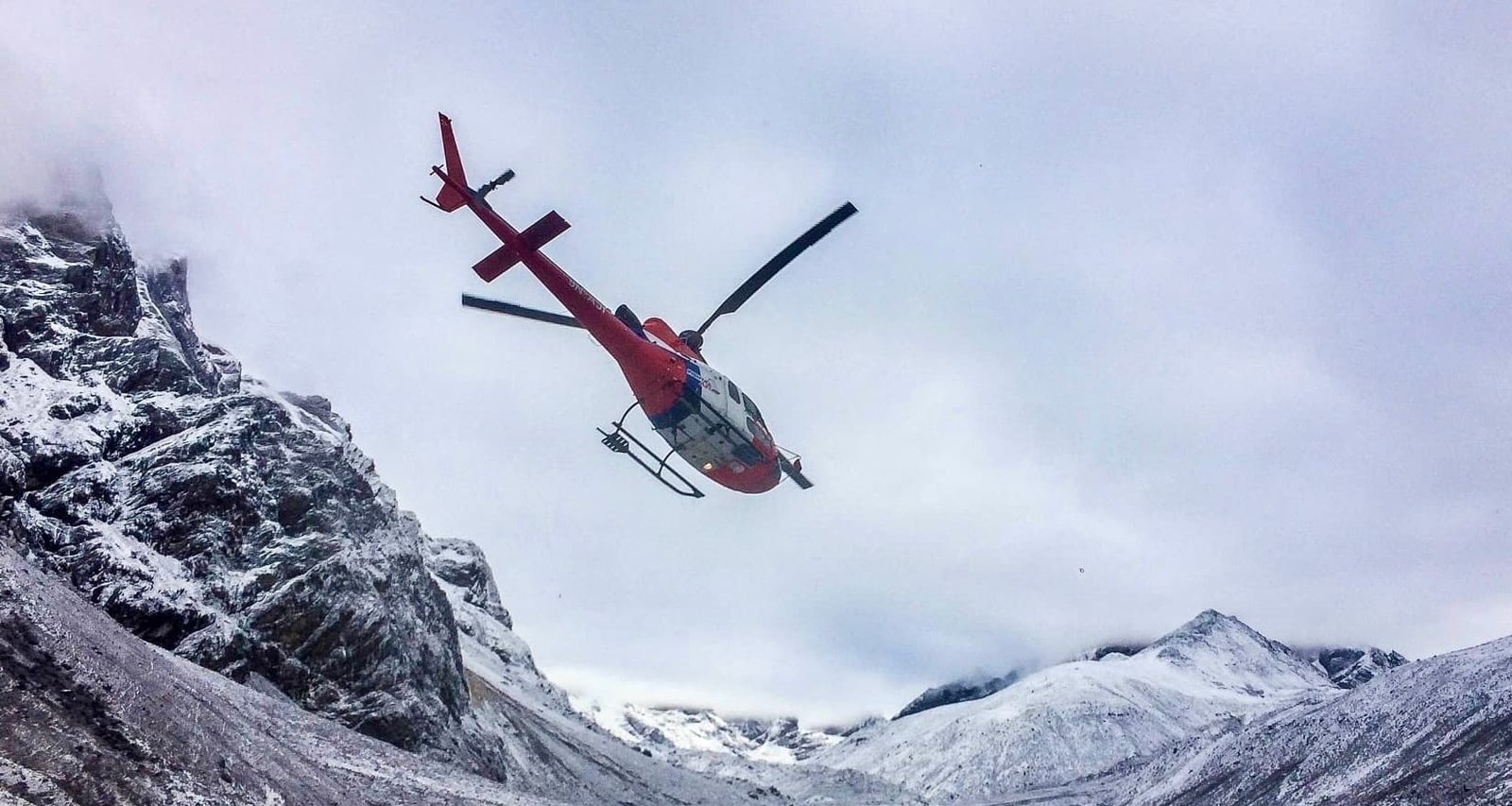
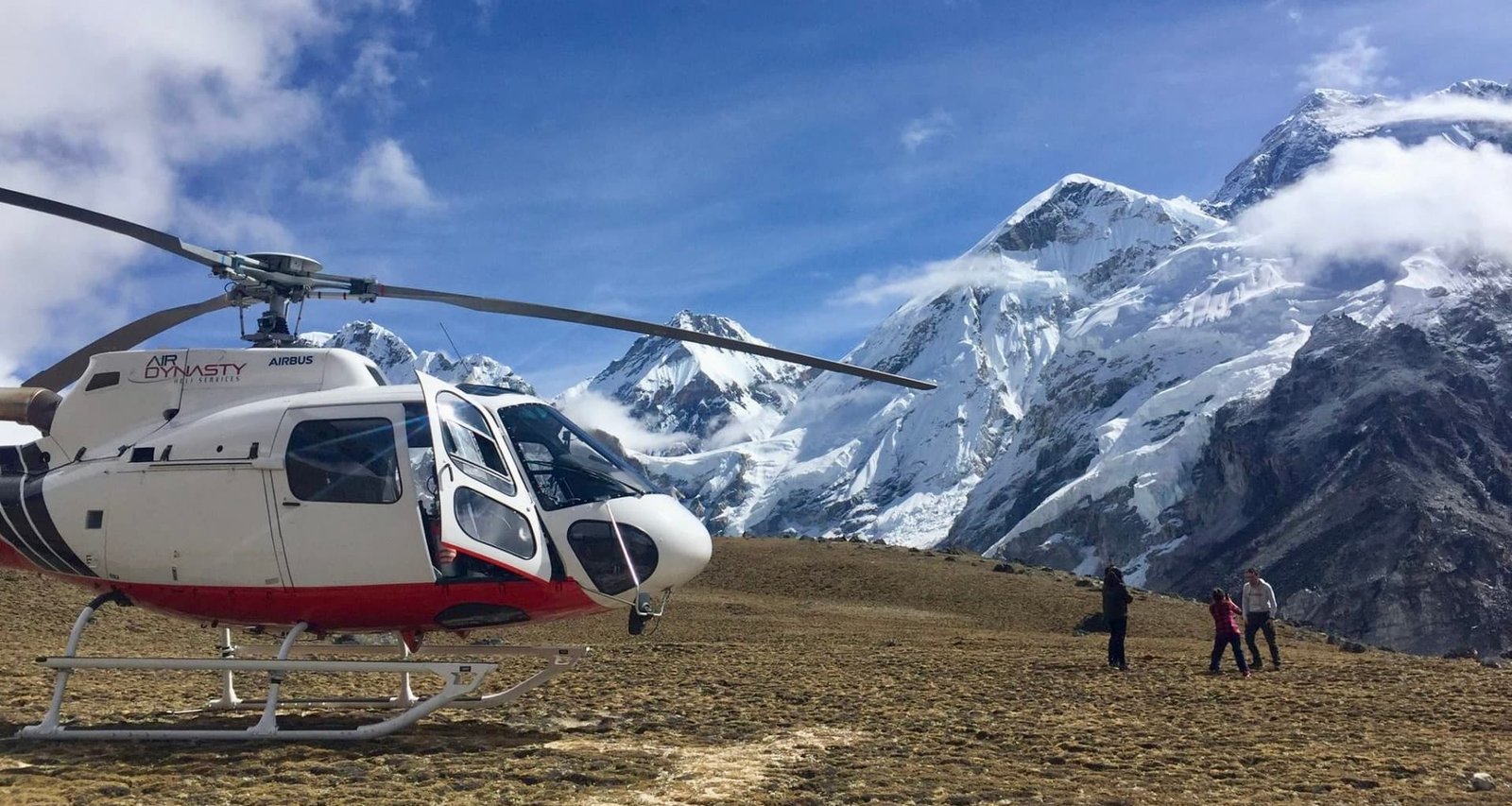
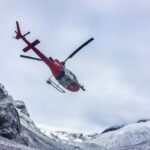
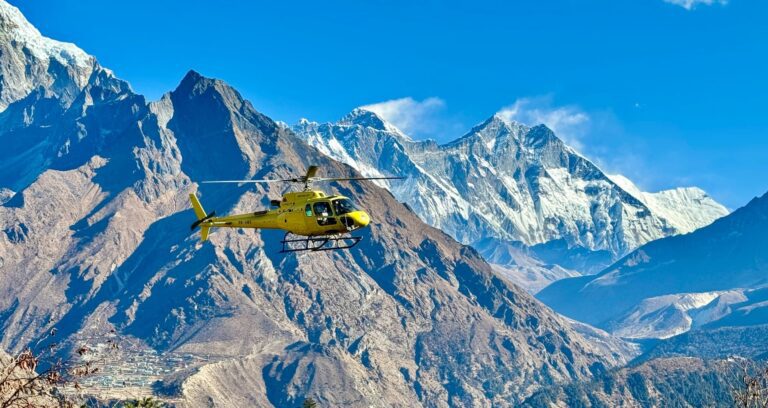
- Rescue: helicopter evacuation is available from most of the Everest and Annapurna regions, but only if your insurance covers trekking and rescue up to 6,000 m.
Guides: since April 2023, foreign trekkers in most of Nepal's trekking areas must hire a licensed guide. The Everest region's local authority has applied the rule differently, so check the current requirement for your route. Even where it is optional, a licensed guide is the single best safety decision you can make.
Common Scams and How to Avoid Them
Women and Solo Travellers
Many women travel and trek in Nepal alone and report feeling safe and welcome. Use the same care you would at home: dress modestly (covered shoulders and knees are respectful in temples and villages), avoid walking alone late at night, and choose a reputable company and a licensed guide for treks. Female guides are available on request for our treks. Solo travellers should share their itinerary with family and register with their embassy.
Safety Do's and Don'ts
Do
- Buy travel insurance that covers trekking and helicopter rescue
- Use private cars or reputable buses on long journeys
- Register with your embassy and share your itinerary
- Carry a copy of your passport and visa
- Keep a buffer day for weather and flight delays
- Follow your guide's advice in the mountains
Don’t
- Take night buses on mountain roads
- Join or watch political demonstrations
- Trek alone on remote routes
- Cross passes in bad weather
- Drink untreated tap or stream water
- Carry all your cash in one place
Emergency Numbers in Nepal
Tourist Police have offices in Thamel, Basantapur and Lakeside Pokhara, and staff who speak English.
Safety Checklist Before You Travel
0 / 0 packed
Paperwork
Plans
On arrival
Frequently asked questions
Is Nepal safe for tourists right now?
Yes. Daily life and tourism have returned to normal since the September 2025 protests and the March 2026 elections. Check the current weather and travel alerts before you go, and avoid any demonstrations.
What is the biggest danger for tourists in Nepal?
Road accidents. Mountain roads are narrow and buses can be poorly maintained, so use private cars or reputable tourist buses, and avoid travelling at night.
Is Kathmandu safe at night?
Thamel and the main tourist areas are lively and generally safe in the evening. Use registered taxis after dark and avoid empty side streets.
Is Nepal safe for solo female travellers?
Generally yes. Many women travel and trek alone in Nepal. Dress modestly, avoid walking alone late at night, and choose a reputable trekking company; female guides are available on request.
Is the Everest Base Camp trek safe?
Yes, with a sensible itinerary. The main risks are altitude and weather, both managed by slow acclimatisation, a licensed guide, a buffer day and insurance that covers helicopter rescue.
Do I need a guide to trek in Nepal?
Since April 2023, foreign trekkers need a licensed guide in most trekking areas. The Everest region has applied the rule differently, so check the latest requirement for your route.
Are there protests in Nepal?
Occasionally, mostly around government buildings in central Kathmandu. They rarely affect tourist areas. Avoid crowds and follow local news.
Is the food and water safe in Nepal?
Food in busy restaurants is generally safe. Don't drink tap water: use filtered, boiled or treated water, and avoid ice in small local places.
Are domestic flights in Nepal safe?
Flights to Lukla and other mountain airstrips depend on good weather and are often delayed for safety. Fly in the morning, keep a buffer day and choose an experienced operator.
What should I do in an emergency in Nepal?
Call the Tourist Police on 1144 or the police on 100. In the mountains, tell your guide or lodge owner first: they know the fastest way to get help.
More Nepal travel info
All Nepal travel info (4)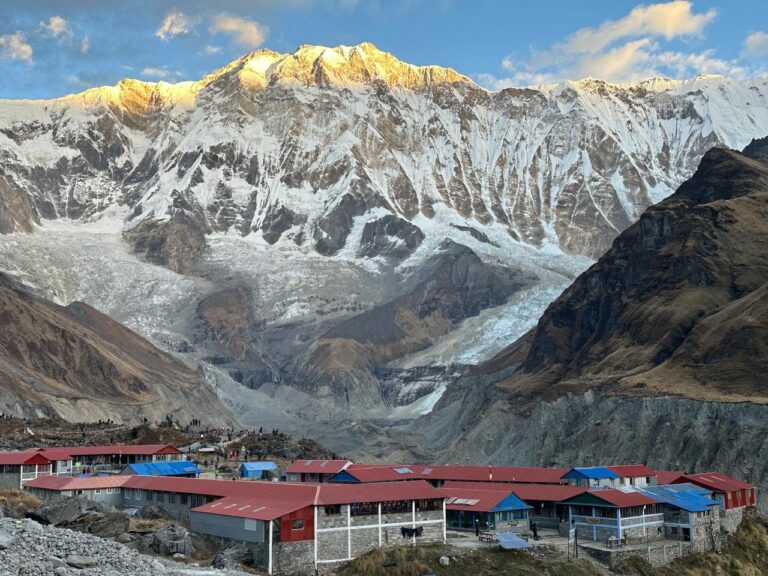
Traveller questions
No questions yet — ask the first one and our team will answer.