





Everest Base Camp Trek: Is It Right for You? 14-Day Complete Guide
No climbing skills needed. If you're comfortable with long trekking days, basic lodges and high altitude, this trek could be right for you.
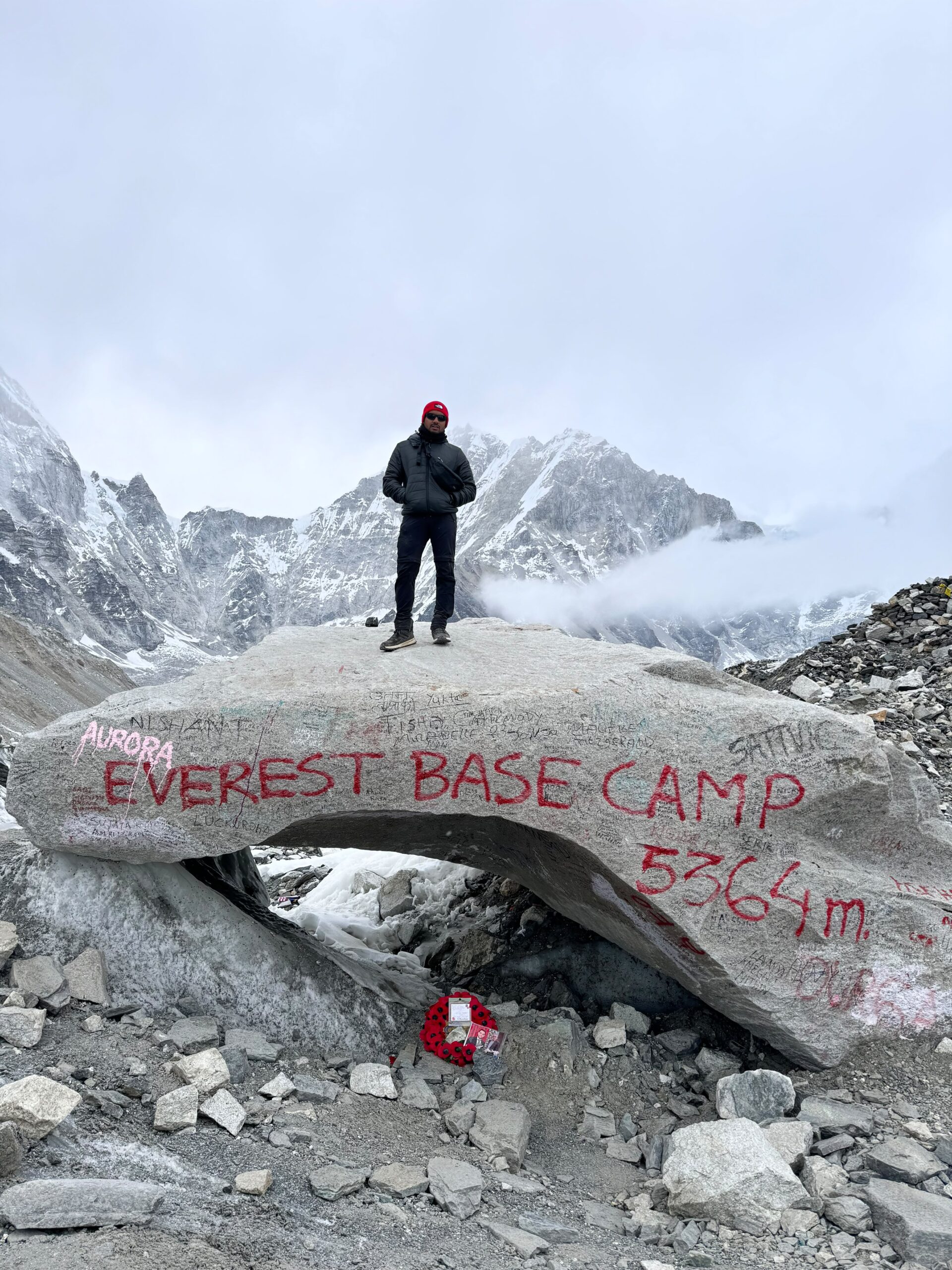
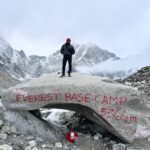
The Everest Base Camp trek is a 14-day guided trek in Nepal's Khumbu region, reaching Base Camp at 5,364 m and Kala Patthar at 5,545 m. You don't need climbing experience, but you should be comfortable walking 5–8 hours a day on rocky trails at high altitude and sleeping in simple lodges. The best months are March to May and late September to November. If you have a medical condition, speak with your doctor first.
- Duration
- 14 days (11 on the trail)
- Max altitude
- 5,545 m (Kala Patthar)
- Base Camp altitude
- 5,364 m
- Best season
- Mar–May, late Sep–Nov
- Starting point
- Kathmandu, then flight to Lukla
- Daily walking
- 5–8 hours
- Difficulty
- Moderate to strenuous, non-technical
- Climbing experience
- Not required
- Accommodation
- Mountain lodges (teahouses)
- Permits
- Sagarmatha National Park and Khumbu municipality permits
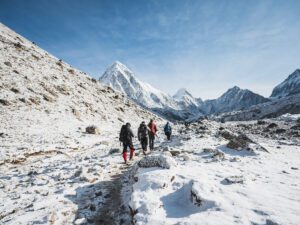
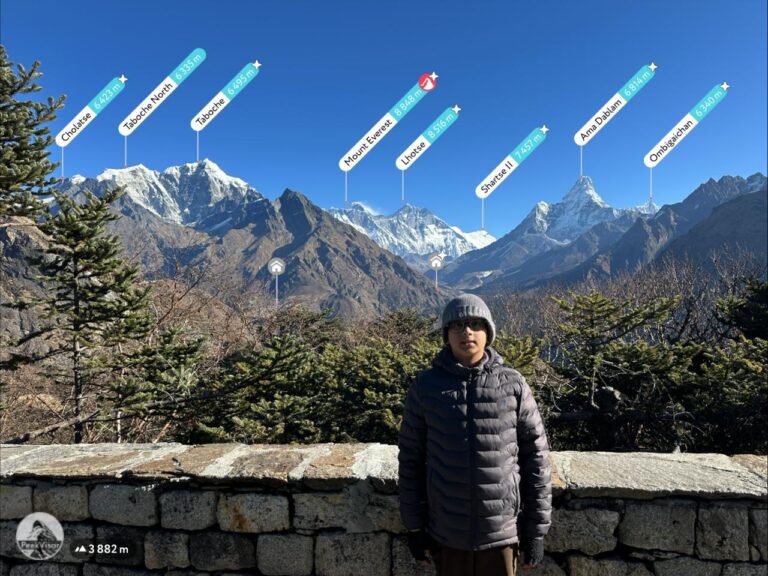
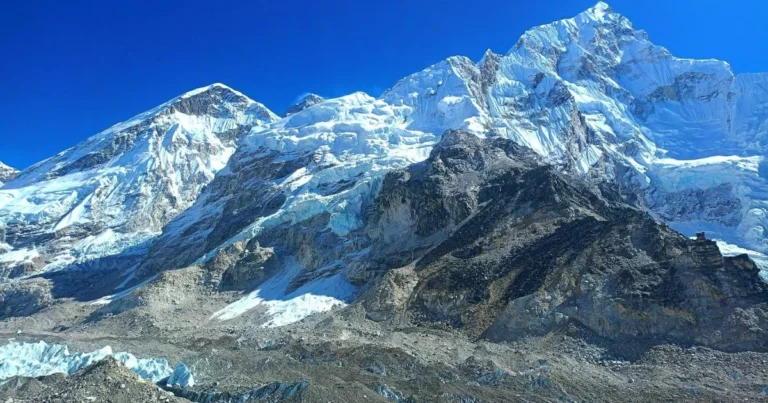
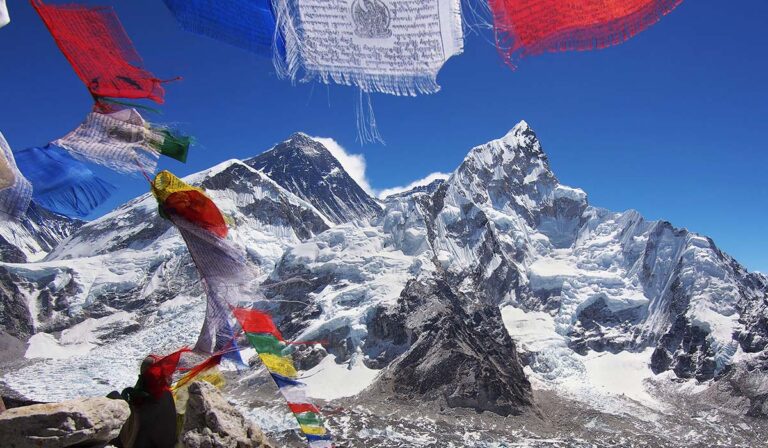
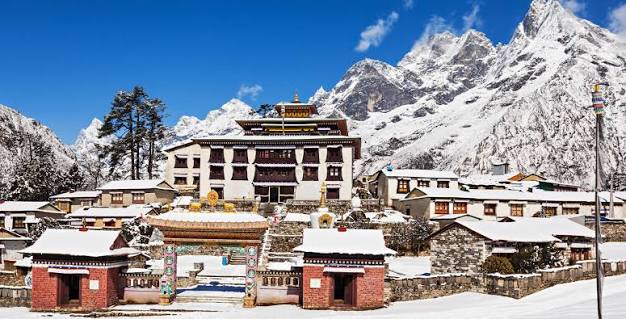
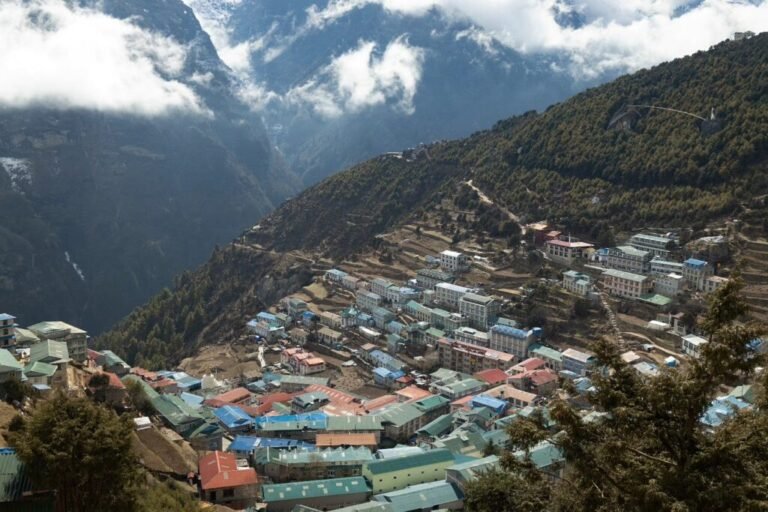
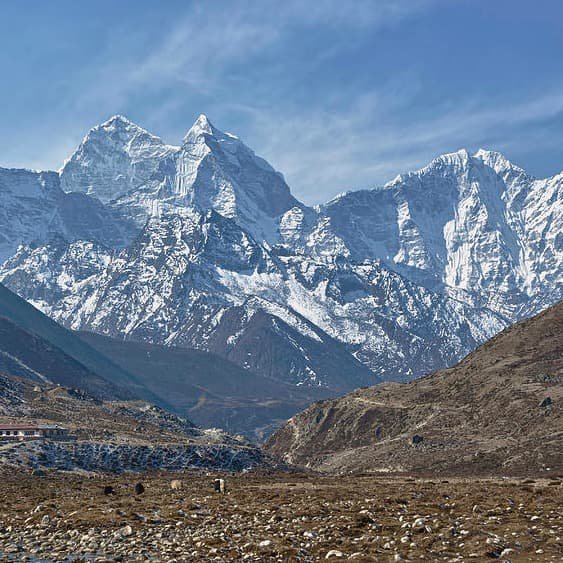
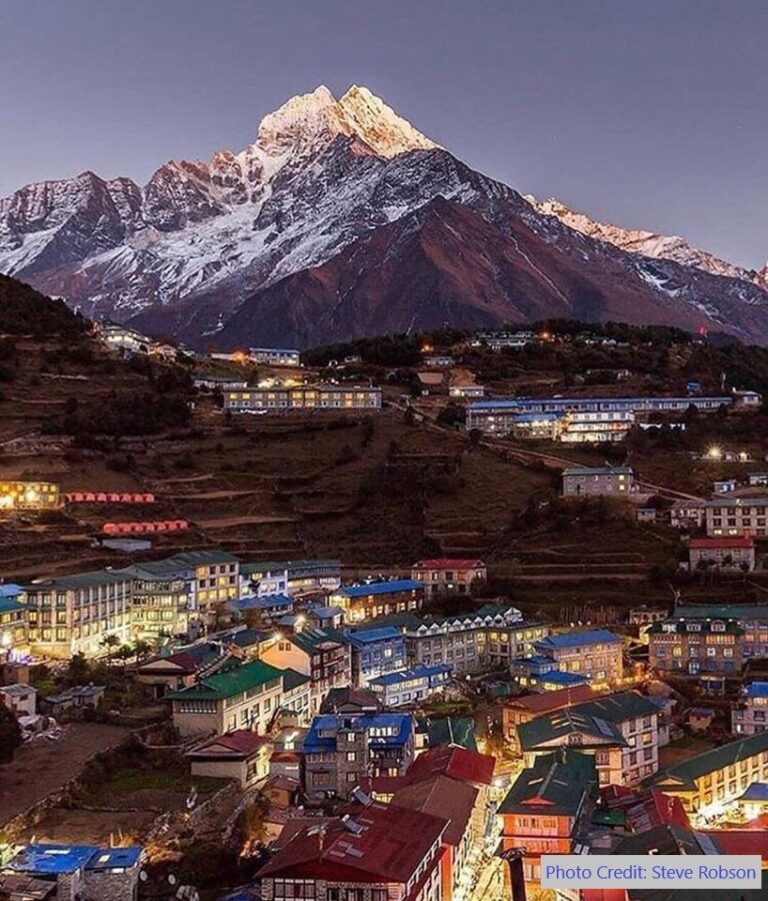
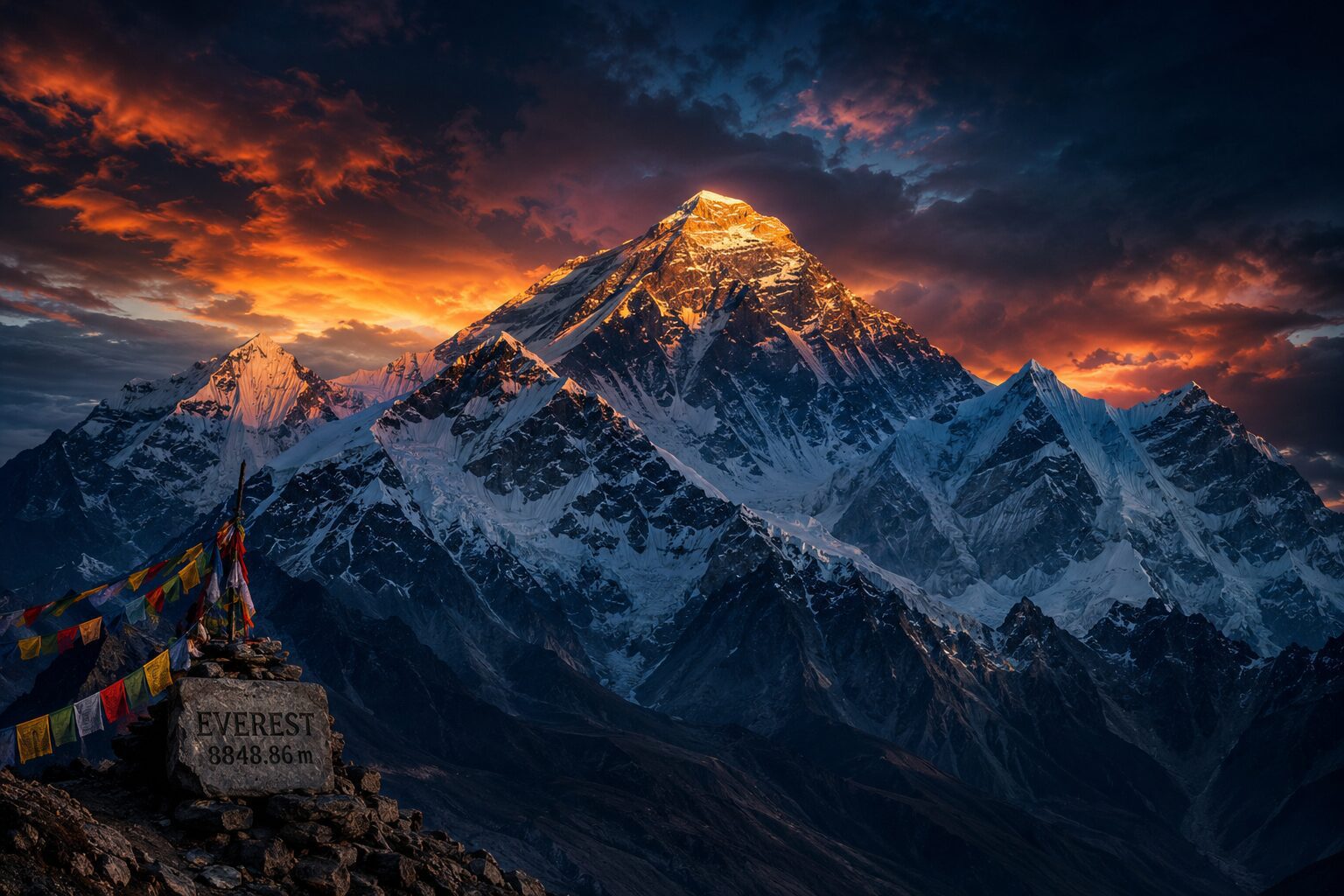
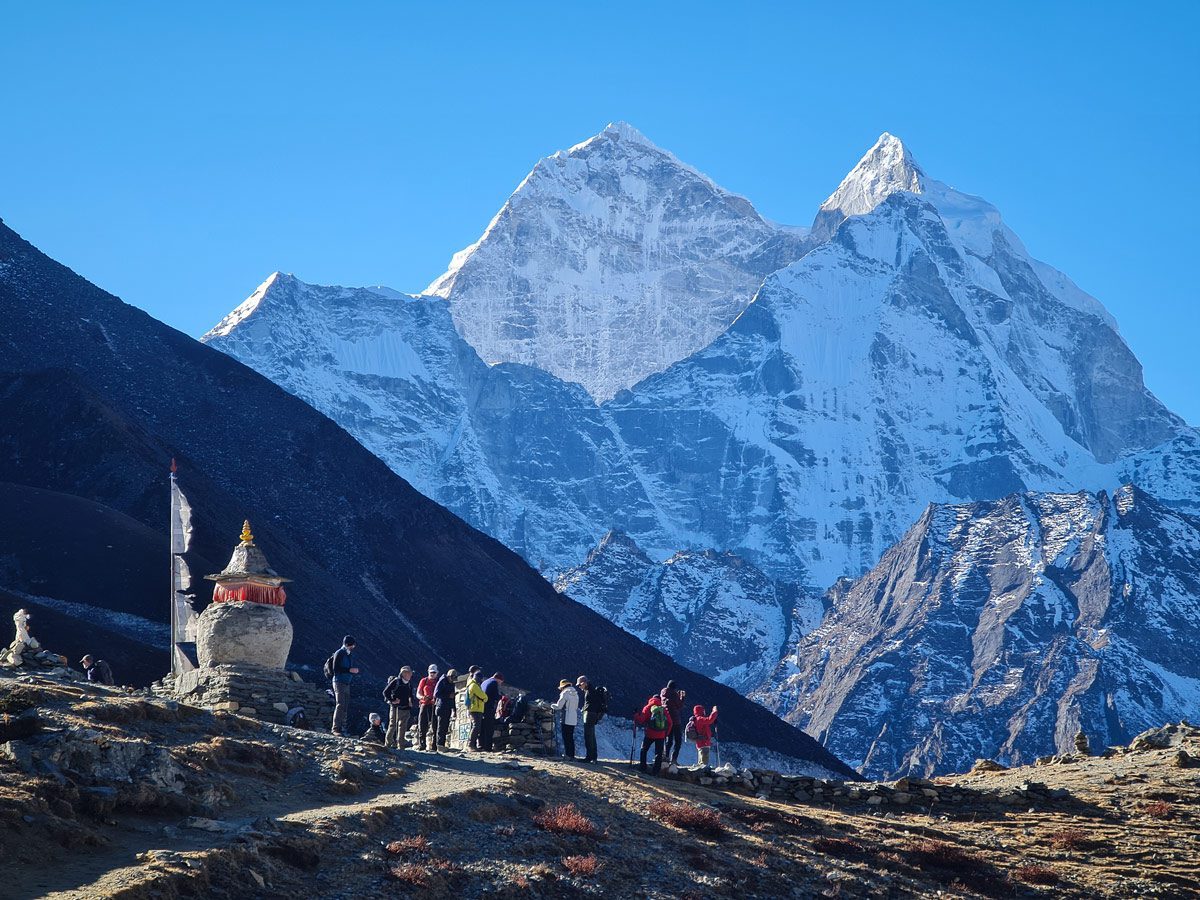
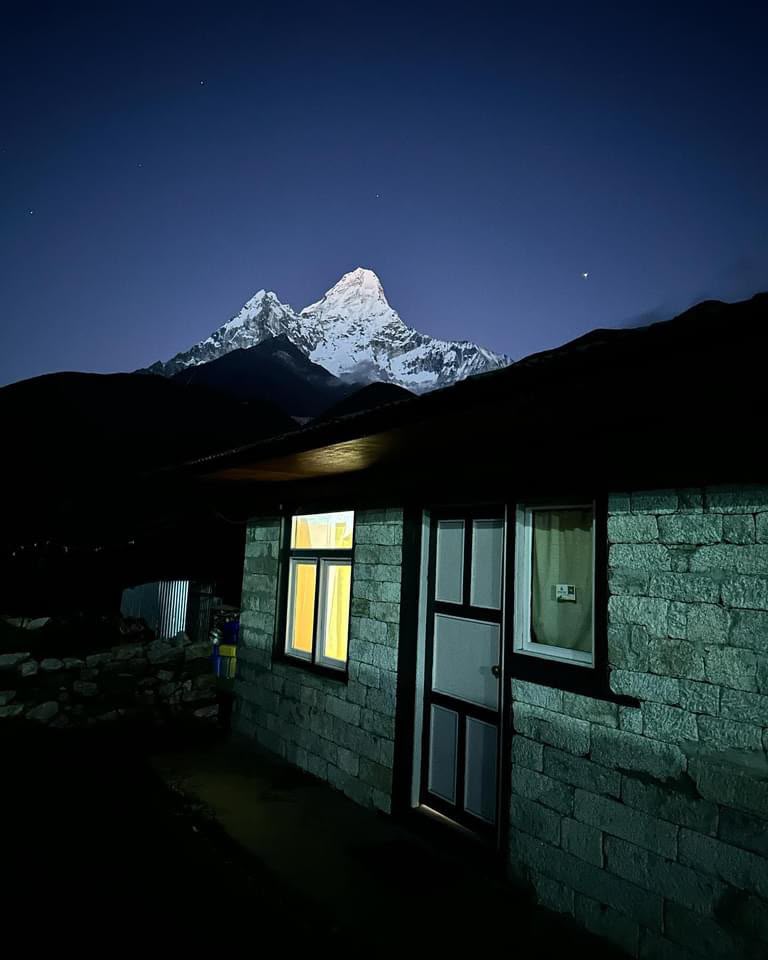
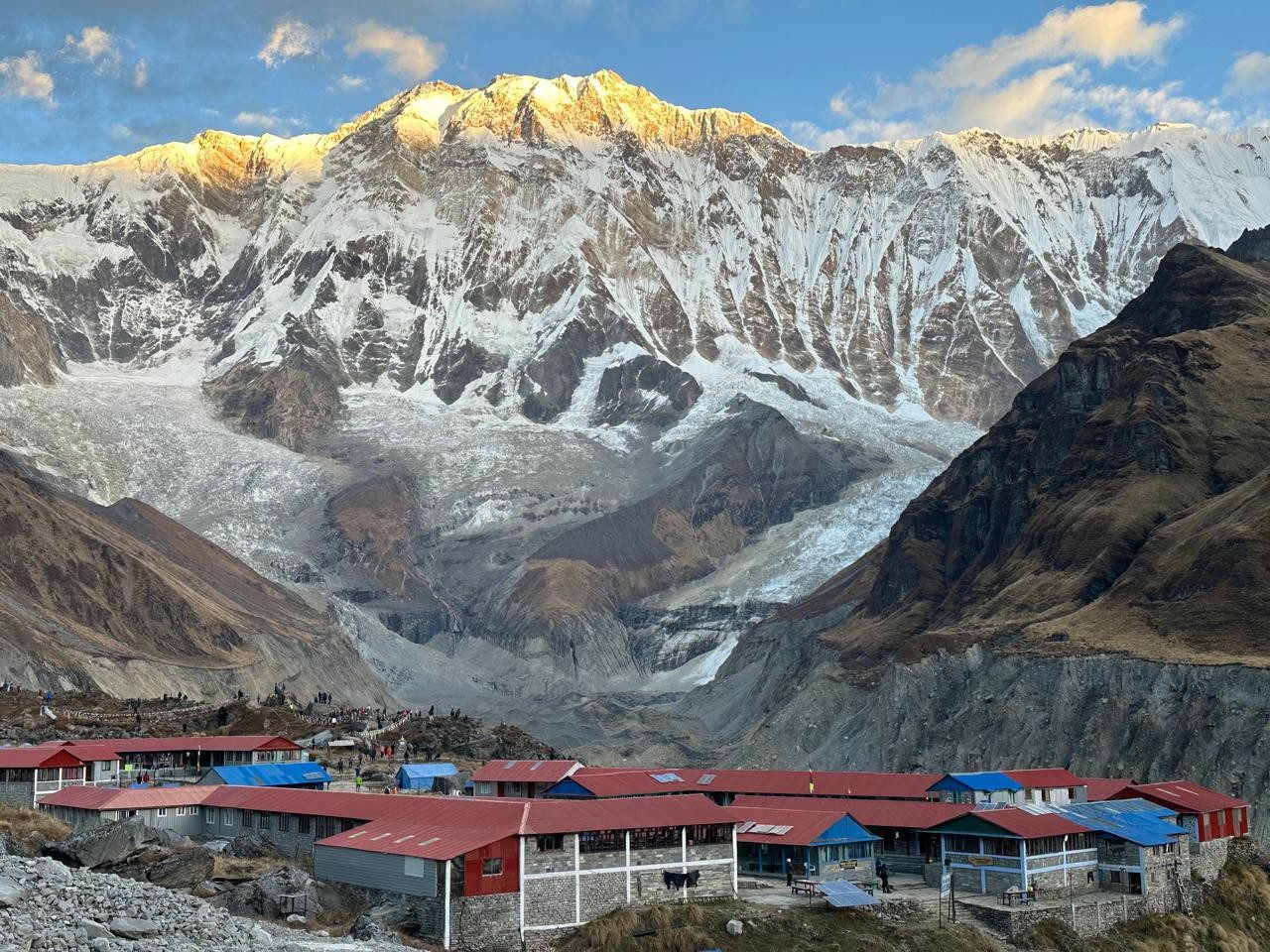
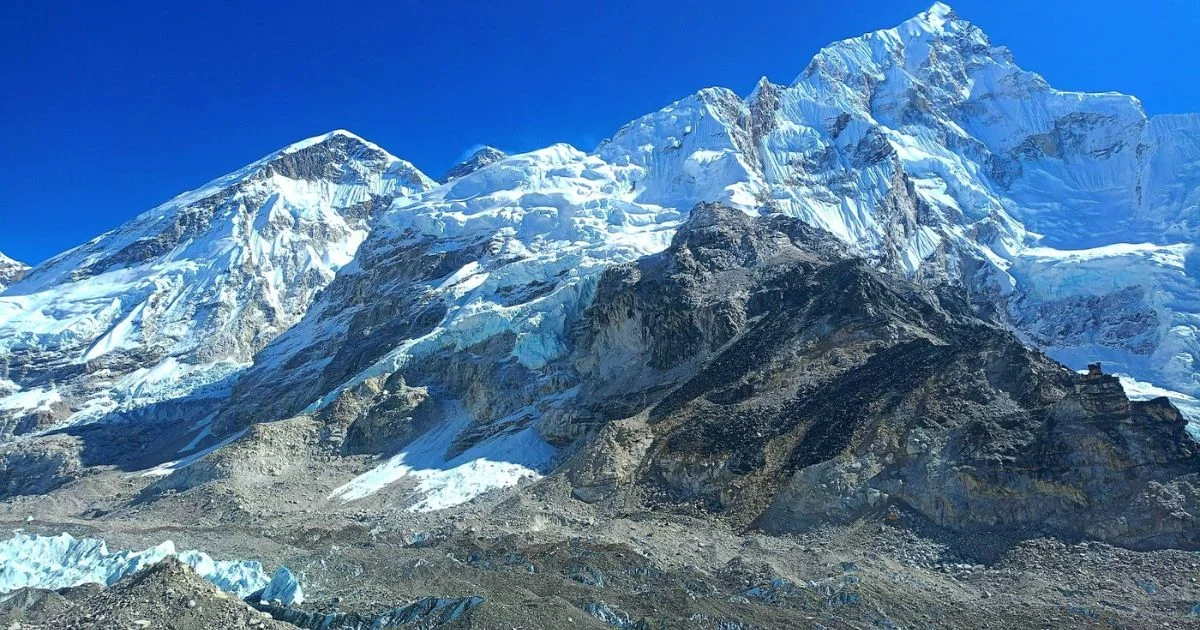
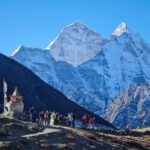
The Everest Base Camp trek is a 14-day walking journey through Nepal’s Khumbu region. You follow the Dudh Koshi valley past Sherpa villages, monasteries and high suspension bridges, and arrive at the foot of the Khumbu Icefall at 5,364 m. Many trekkers then climb Kala Patthar (5,545 m) for one of the best close-up views of Mount Everest.
The most common question we hear is simple: is this trek right for me? This guide answers that first, then covers the route, difficulty, best time to go, permits, accommodation, food, preparation and altitude safety. It is reviewed by our senior Sherpa guide.
Is Everest Base Camp Trek right for you?
You should be comfortable with:
- 5–8 hours walking
- Consecutive hiking days
- Uneven rocky trails
- Steep ascents and descents
- Cold temperatures
- Basic mountain accommodation
- High altitude
- Limited hot water/charging
You don’t need:
- Technical climbing experience
- Mountaineering experience
- Ropes
- Ice-climbing skills
You should speak with your doctor if:
- You have a medical condition
- You take regular medication
- You have previous altitude problems
- You have cardiovascular/respiratory concerns
- You are pregnant
- You are unsure about high-altitude travel
Who Is the Everest Base Camp Trek For?
The trek suits active, well-prepared travellers who enjoy walking and are ready for a challenge. It is a trek on established trails, not a climbing expedition. There is no single age, weight or fitness number that decides who can go. What matters is how you feel about long walking days, simple mountain living and altitude, and how well you prepare.
It is a good fit if you:
- Enjoy hiking or long walks and want a bigger challenge
- Are happy with a slow, steady pace rather than a fast one
- Can accept basic comfort for a few weeks in return for the scenery
- Are willing to train in the months before you travel
- Will tell your guide honestly how you feel each day
It may need more thought if you:
- Dislike cold, basic lodges or limited washing facilities
- Have not walked for several hours at a time in years and don’t plan to build up
- Have a health concern that makes altitude a worry (see the doctor section above)
- Want a fast trip with no flexibility for weather or flight delays
Not sure where you fit? Contact our team and we will talk through your experience and concerns before you book. If a shorter or lower trek suits you better, we will say so.
A Simple Readiness Check
Ask yourself these questions honestly. They are a guide, not a test.
- Have I walked or hiked for several hours on more than one day in a row?
- Have I done it with a backpack, on hills or stairs?
- Do I enjoy being outdoors in cold or changing weather?
- Can I manage without a hot shower, a heated room or regular charging for several days?
- Have I spoken to my doctor if any of the health points above apply to me?
- Am I willing to slow down, rest and turn back if my guide advises it?
If most answers are yes, you are in a good place to start preparing. If several are no, that is not a closed door. It means more training, a conversation with a doctor, or talking to us about the best option.
Ready to look closer? See the day-by-day itinerary, the route map with villages and altitudes, what’s included and the packing list. For more on fitness, read how difficult the EBC trek is and whether a beginner can do it, then check dates and prices for the Everest Base Camp Trek 14 Days.
How Difficult Is the Everest Base Camp Trek?
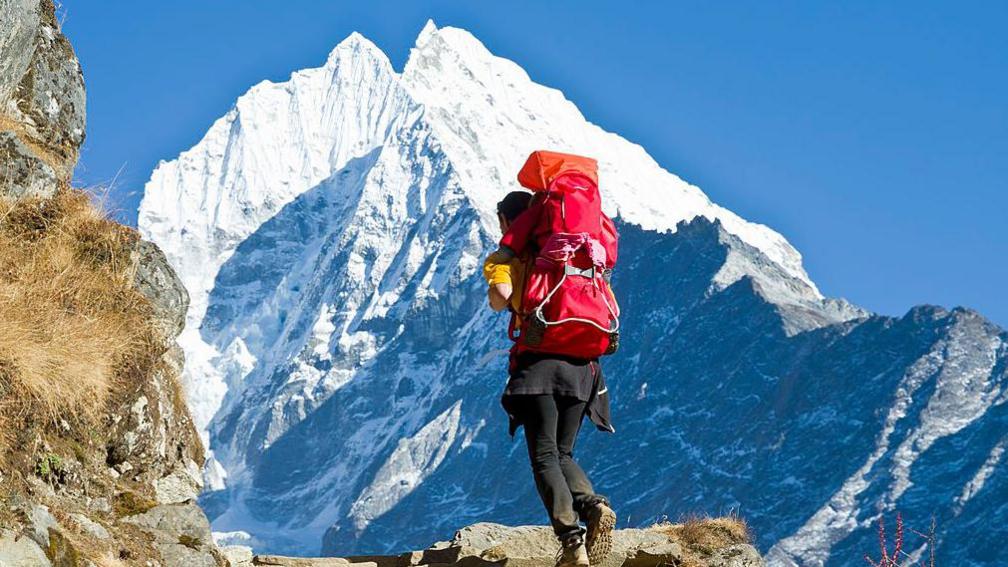
The trek is challenging but non-technical. The trails are well established and you never need ropes or climbing gear. The difficulty comes from four things:
- Altitude: the biggest challenge. Being fit does not protect you from altitude sickness, which is why a slow pace and acclimatisation days matter more than speed.
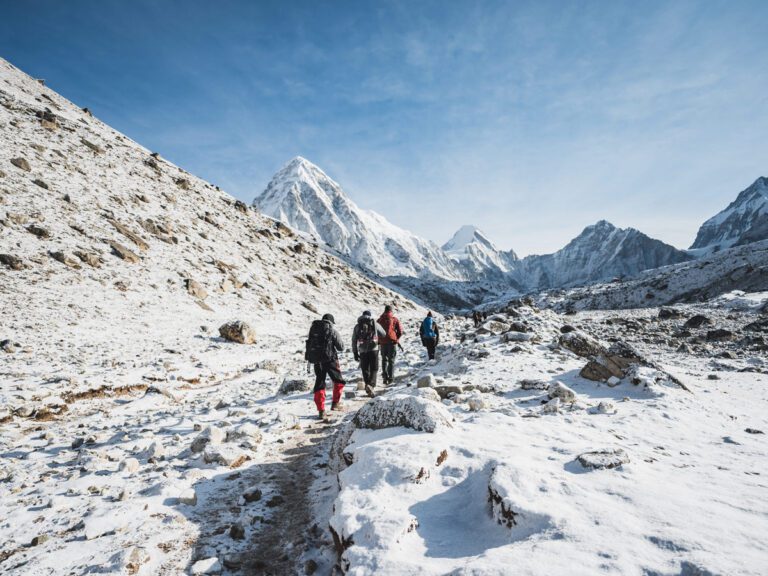
- Daily effort: 5–8 hours of walking, day after day, with steep climbs and long descents.
- Cold: temperatures drop sharply at night above 4,000 m.
- Basic conditions: lodges are simple, rooms are unheated, and hot water and charging are limited.
Most healthy people who prepare well and walk slowly complete the trek. Those who struggle usually start too fast, drink too little or ignore early symptoms.
How to Prepare
You don’t need a gym programme. You need to get your body used to what the trek asks of it.
- Walk and hike regularly: build up to several hours at a time, including hills and stairs.
- Do back-to-back days: a long walk on Saturday and again on Sunday is the best practice for consecutive trekking days.
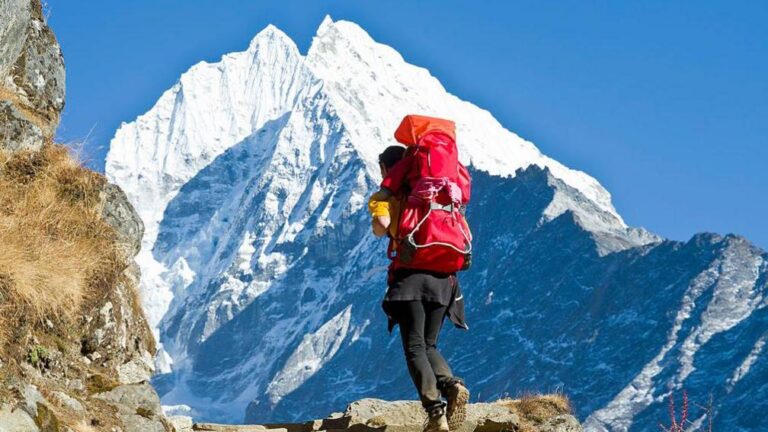
- Train with a daypack: carry the weight you plan to carry on the trek.
- Break in your boots: blisters can ruin a trek, so wear them long before you go.
- Start early: aim to begin around three months before departure.
- Speak with your doctor: especially if any point in the doctor section applies to you.
Altitude Sickness: What You Need to Know
Altitude sickness (acute mountain sickness) can affect anyone, regardless of age or fitness. Early symptoms include headache, nausea, dizziness, poor sleep and loss of appetite. If you have mild symptoms, rest and do not go higher. Severe symptoms such as confusion, loss of balance, breathlessness at rest or a persistent cough mean you must descend immediately.
How to lower your risk:
- Walk slowly and take every acclimatisation day
- Drink plenty of water throughout the day
- Avoid alcohol and sleeping pills
- Tell your guide about any symptom straight away
- Never ascend with worsening symptoms
- Discuss altitude medication with your doctor before you travel
Accommodation and Food on the Trek
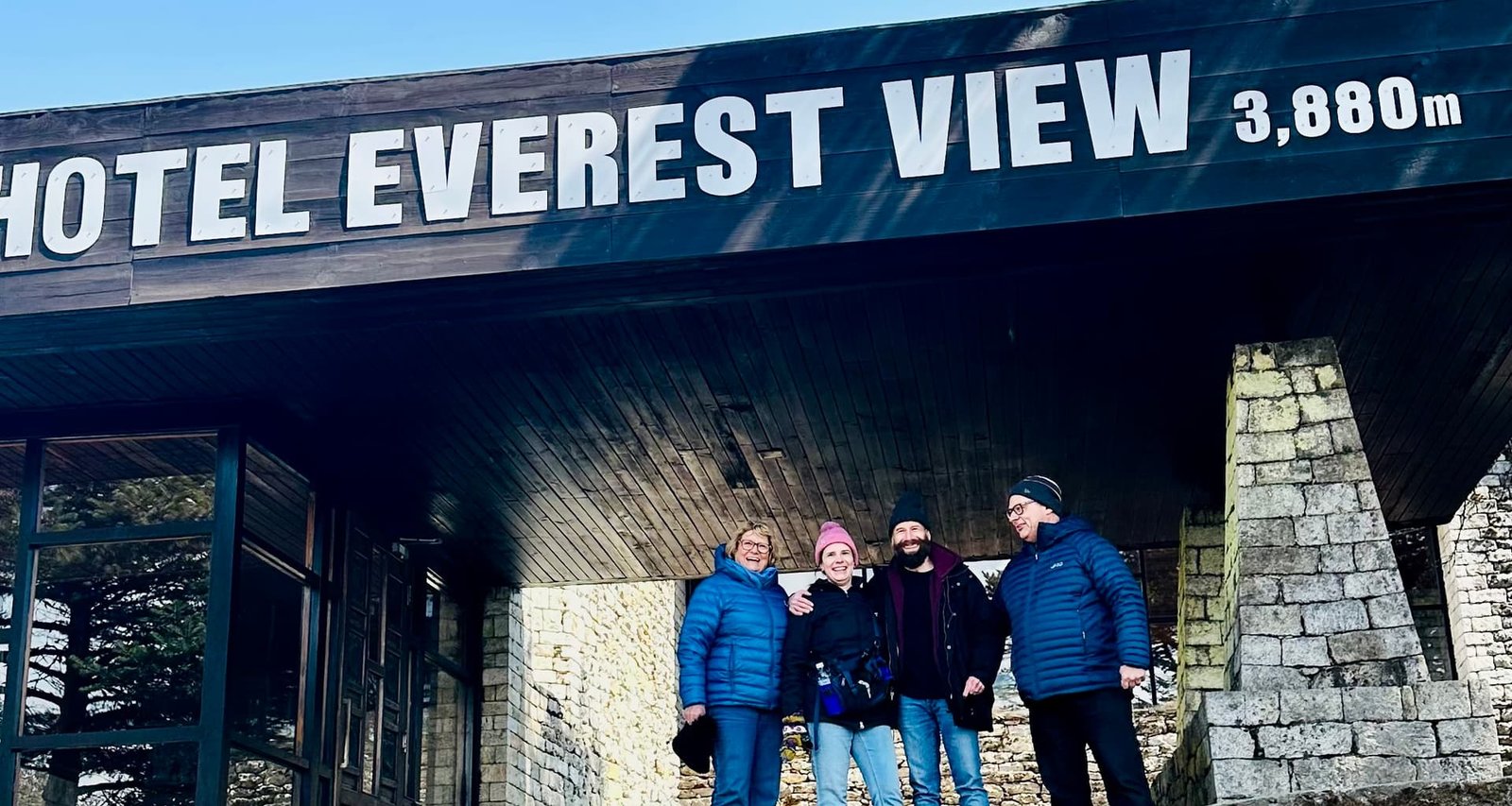
You stay in mountain lodges (teahouses) with twin-share rooms, shared bathrooms and a communal dining room, usually heated by a stove in the evening. Rooms are basic and get colder with altitude, so a warm sleeping bag makes a real difference.
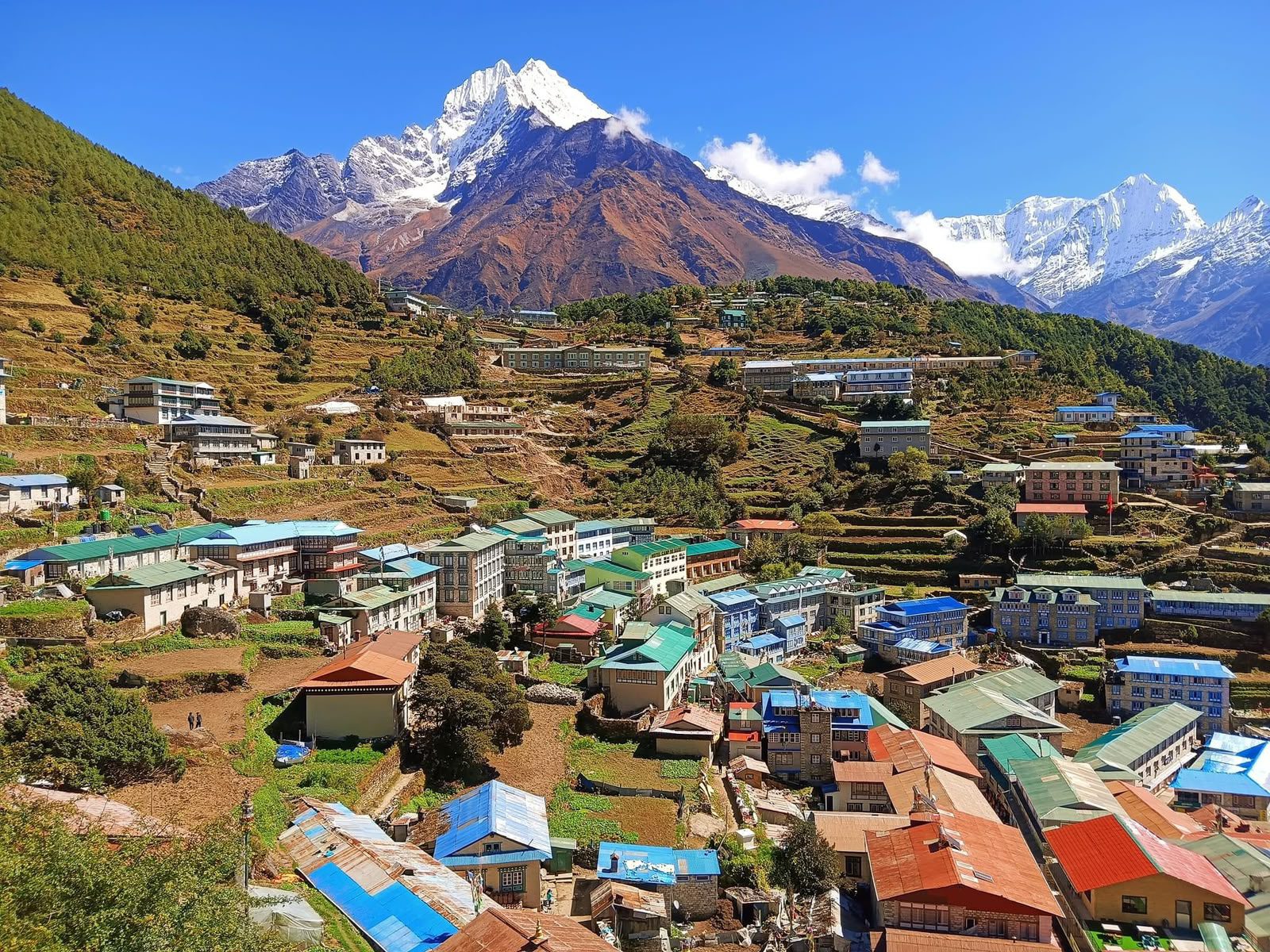
Menus are similar in every lodge: dal bhat (rice, lentils and vegetables), noodles, soups, pasta, eggs, potatoes and porridge. Dal bhat is the classic trekking meal and is often refillable. Prices rise with altitude because everything is carried up on foot. Hot showers, device charging and wifi are usually paid extras and may be limited above Namche Bazaar.
Permits You Need
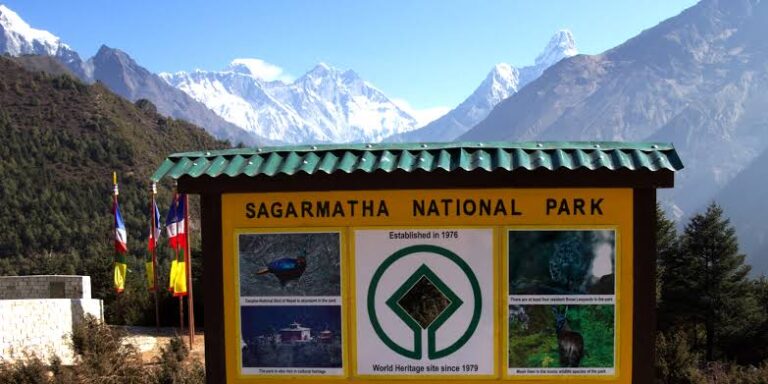
The trek requires a Sagarmatha National Park entry permit and a local Khumbu rural municipality permit. We arrange both for you. Fees are set by the authorities and can change, so check current rates before travel.
Why Trek with Us
- Senior Sherpa guidance: this guide and our route are reviewed by Pasang Sherpa.
- Built-in acclimatisation: rest days at Namche Bazaar and Dingboche.
- Safety first: your guide checks how you feel every day and can adjust the plan.
- Honest advice: we help you decide if the trek is right for you before you book.
Frequently asked questions
Is the Everest Base Camp trek right for me?
It is right for you if you are comfortable with 5–8 hours of walking on consecutive days, uneven rocky trails, steep climbs and descents, cold nights, basic mountain lodges, high altitude and limited hot water and charging. You don't need climbing experience. If you have a medical condition or are unsure about altitude, speak with your doctor first.
Do I need climbing or mountaineering experience?
No. You don't need technical climbing or mountaineering experience, ropes or ice-climbing skills. The trek follows established trails.
Can beginners do the Everest Base Camp trek?
Yes, if they prepare well. You need to build up to long walking days and be comfortable with cold nights and basic lodges. Contact our team for advice on your experience level.
Do I need to be an athlete?
No. Most people who complete the trek are regular walkers who trained in the months before. A steady pace, good hydration and the acclimatisation days matter more than speed.
When should I speak with my doctor?
If you have a medical condition, take regular medication, have had altitude problems before, have heart or breathing concerns, are pregnant, or are unsure about high-altitude travel. Take the trek details with you: Base Camp is at 5,364 m and Kala Patthar at 5,545 m.
Is there an age limit?
There is no fixed age limit. Suitability depends on health, preparation and experience. If you are planning for an older traveller or a child, speak with a doctor and contact our team before booking.
How difficult is the Everest Base Camp trek?
It is moderate to strenuous but non-technical. The main difficulty is altitude, along with long days and cold nights. Most healthy, well-prepared trekkers complete it by walking slowly and using the acclimatisation days.
Can I get altitude sickness on the trek?
Yes, it can affect anyone regardless of fitness. A slow pace, plenty of water and the acclimatisation days lower the risk. Tell your guide about any symptom immediately and never go higher with worsening symptoms.
What is the best time to do the Everest Base Camp trek?
March to May and late September to November. Spring is warmer with blooming rhododendrons, while autumn usually has the clearest skies.
What is accommodation like?
Simple mountain lodges with twin-share rooms. Bathrooms are often shared above Namche, rooms are unheated, and hot showers and charging cost extra. A warm sleeping bag (included with our trek) makes a real difference.
Is travel insurance required?
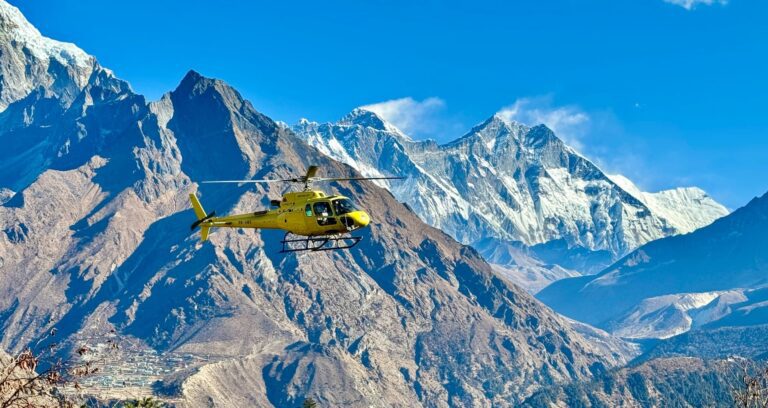
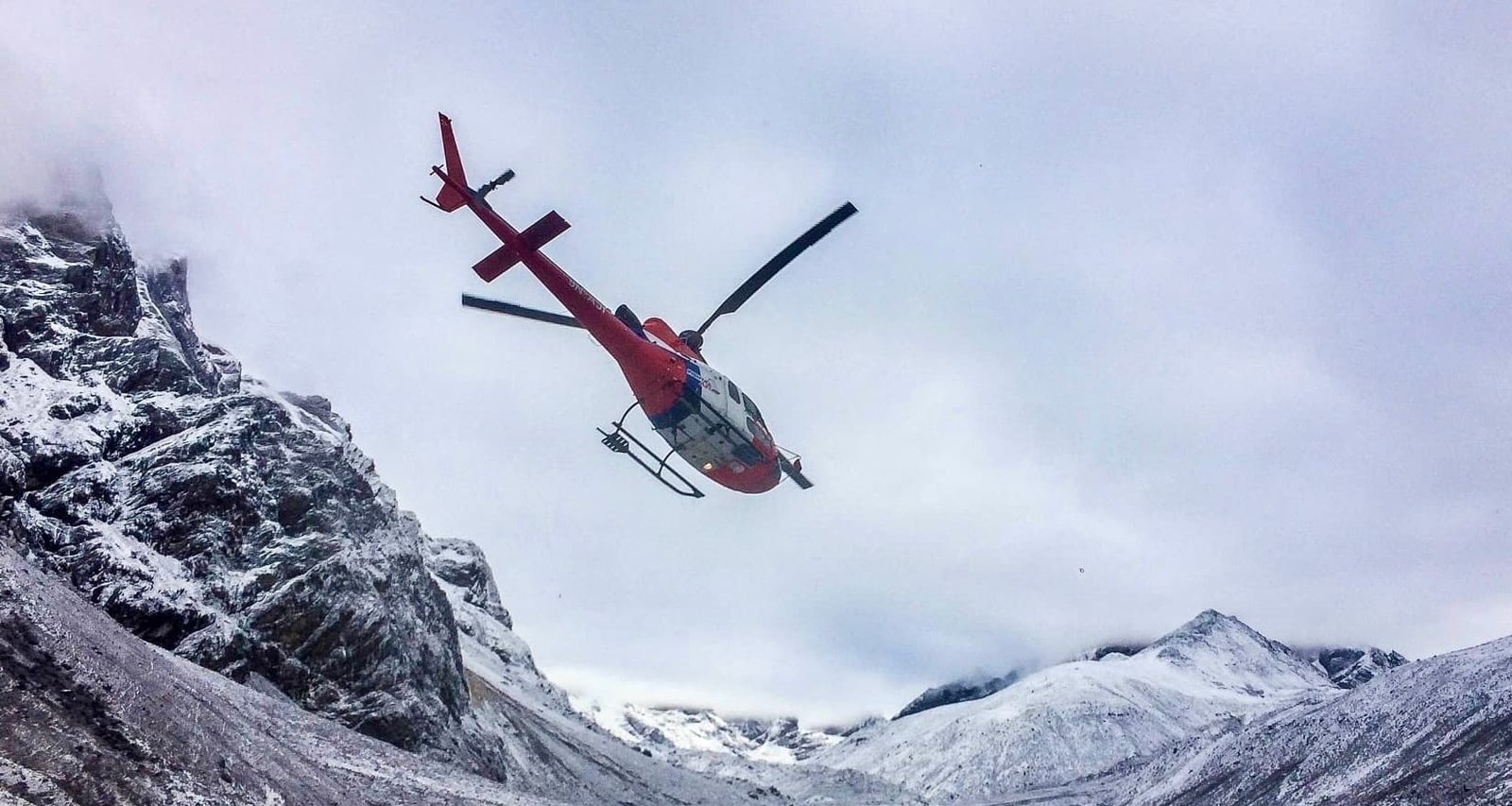
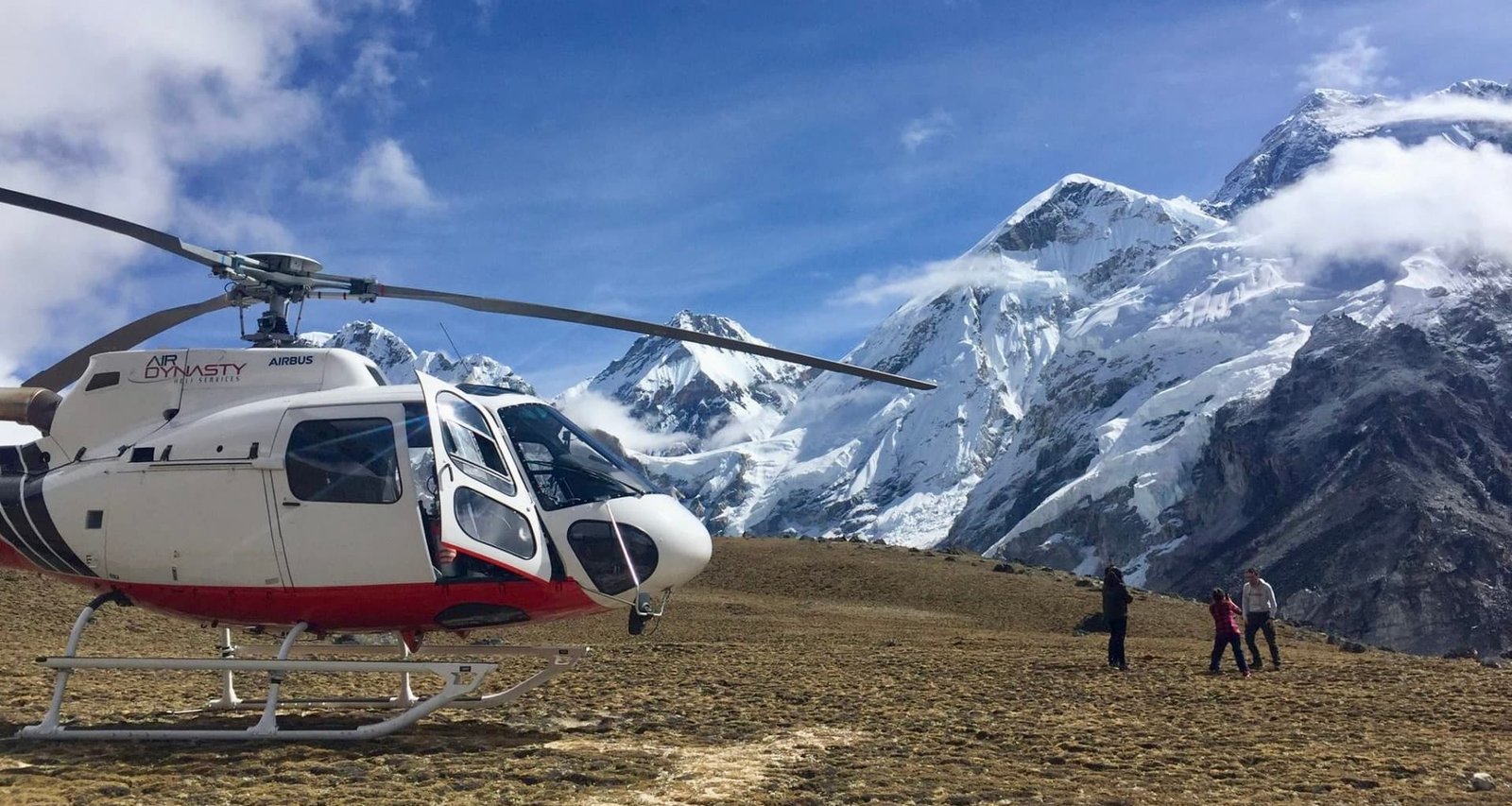
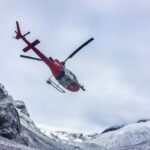
Yes, it is mandatory. Your policy must cover trekking up to 6,000 m and emergency helicopter evacuation.
Do I need a guide?
A guide is not legally required in the Khumbu, but it is strongly recommended for safety at altitude. Every InTicketo trek includes a licensed guide.