

Tengboche Monastery
The spiritual heart of the Khumbu, with Everest and Ama Dablam on the horizon
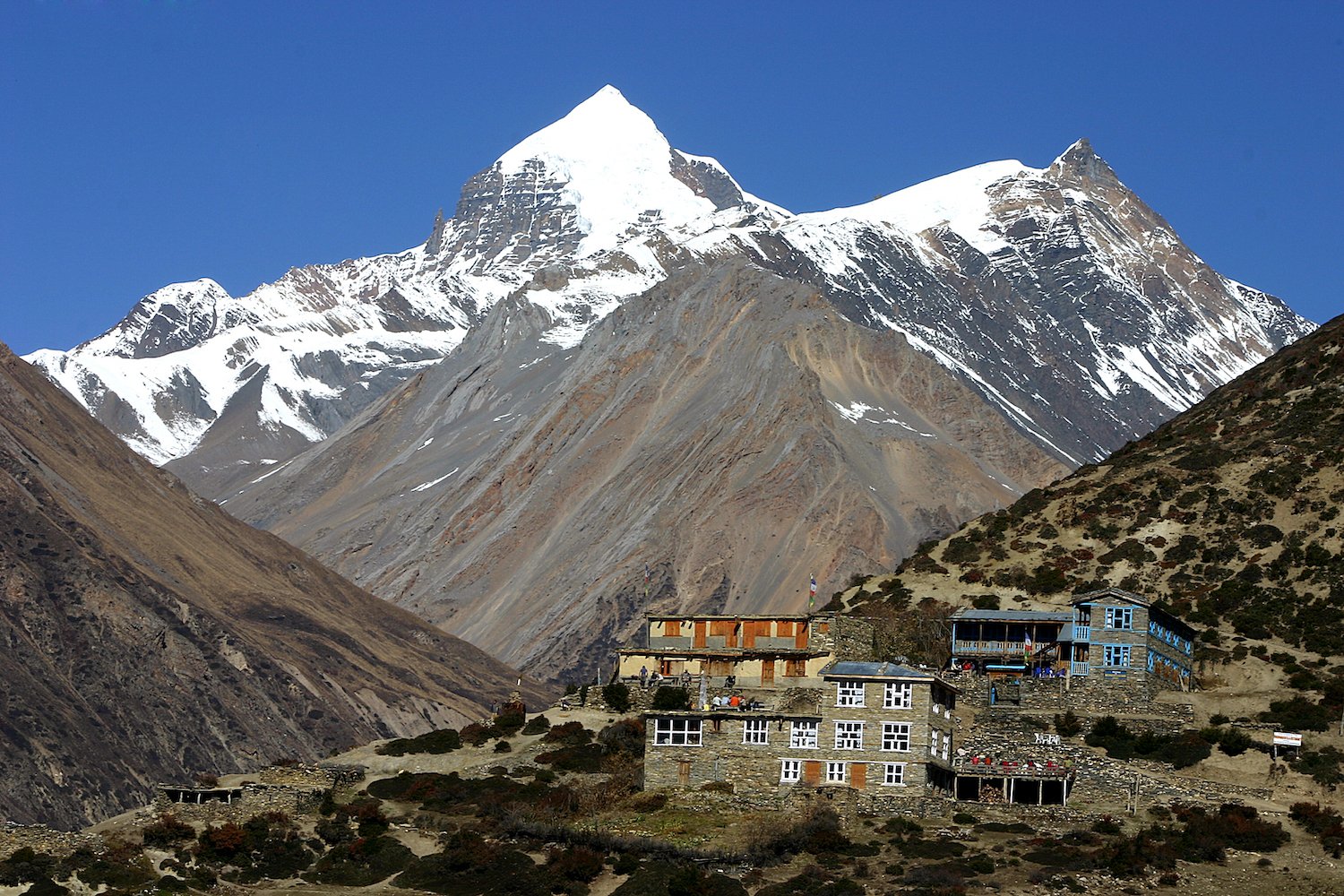
Perched on a forested ridge at 3,867 m, Tengboche Monastery is the largest Buddhist gompa in the Everest region, famed for its peaceful prayers, the Mani Rimdu festival and one of the most stunning mountain panoramas in Nepal.
Why Tengboche Monastery is known
Largest and most important Buddhist monastery in the Khumbu
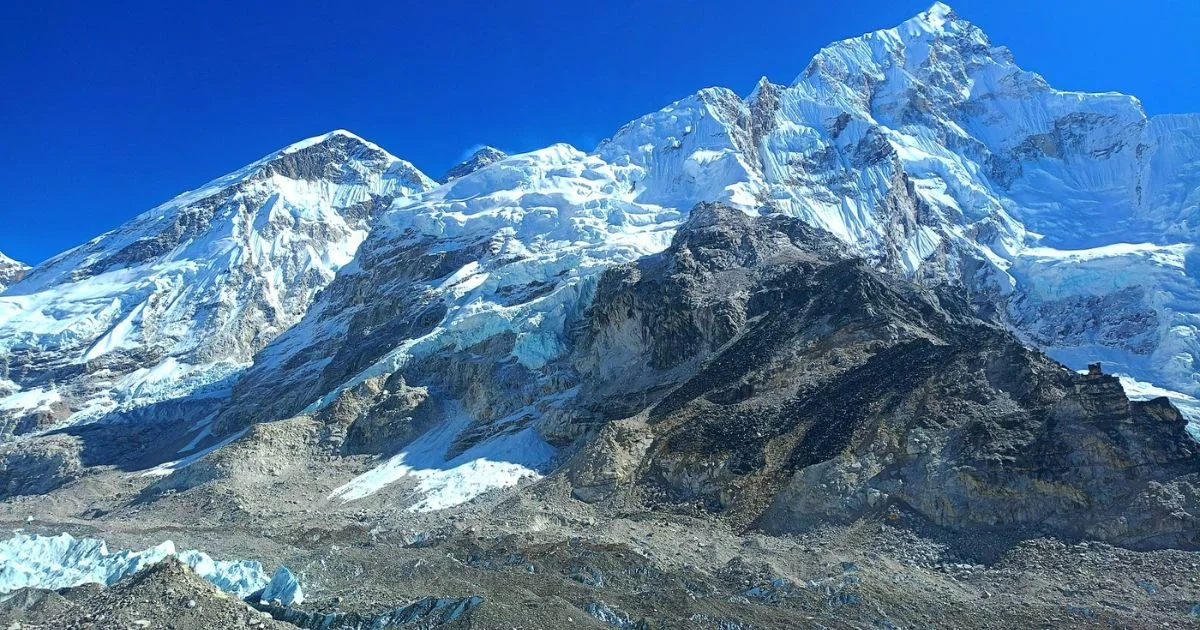
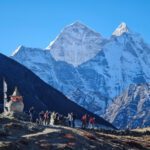
Spectacular views of Everest, Lhotse, Nuptse and Ama Dablam
Home of the colorful Mani Rimdu festival
Spiritual center of Sherpa culture on the Everest trail
Surrounded by rhododendron, pine and juniper forest
About Tengboche Monastery
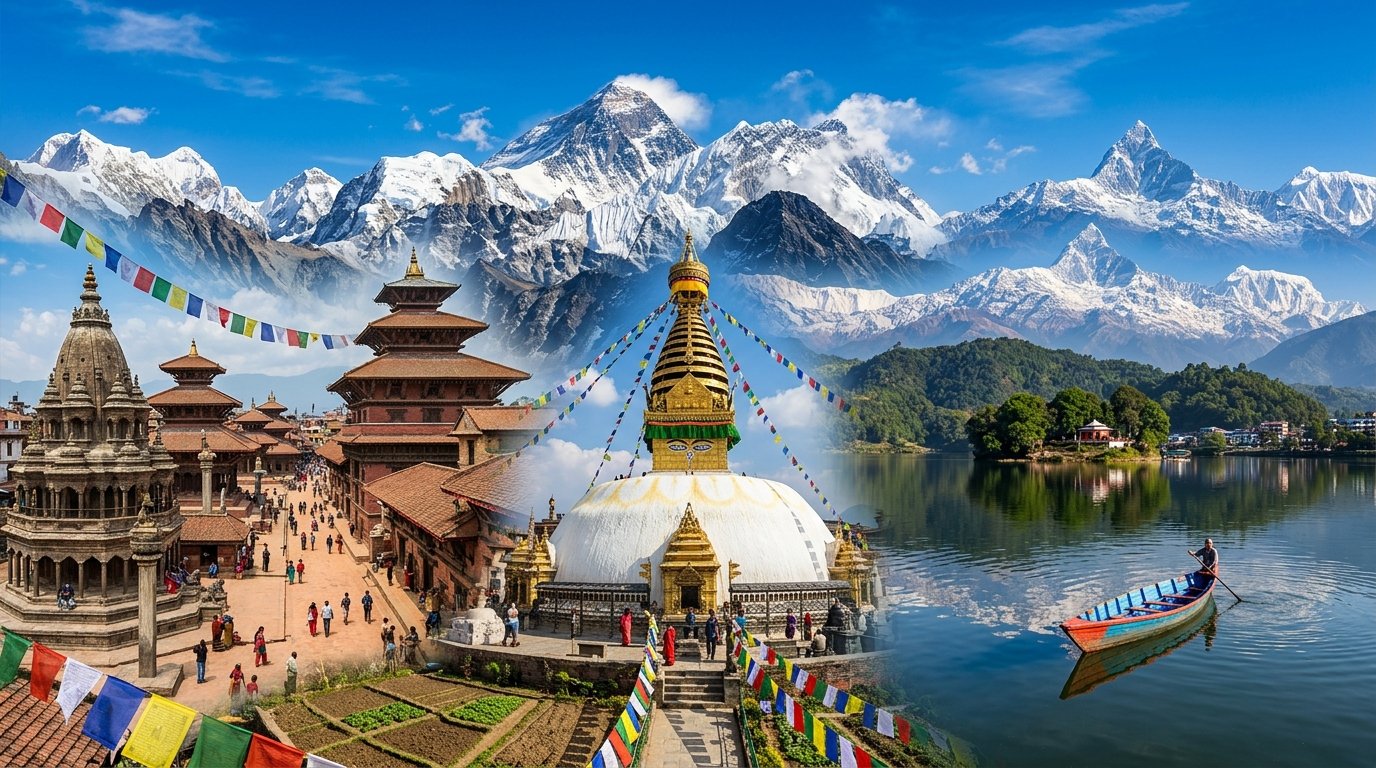
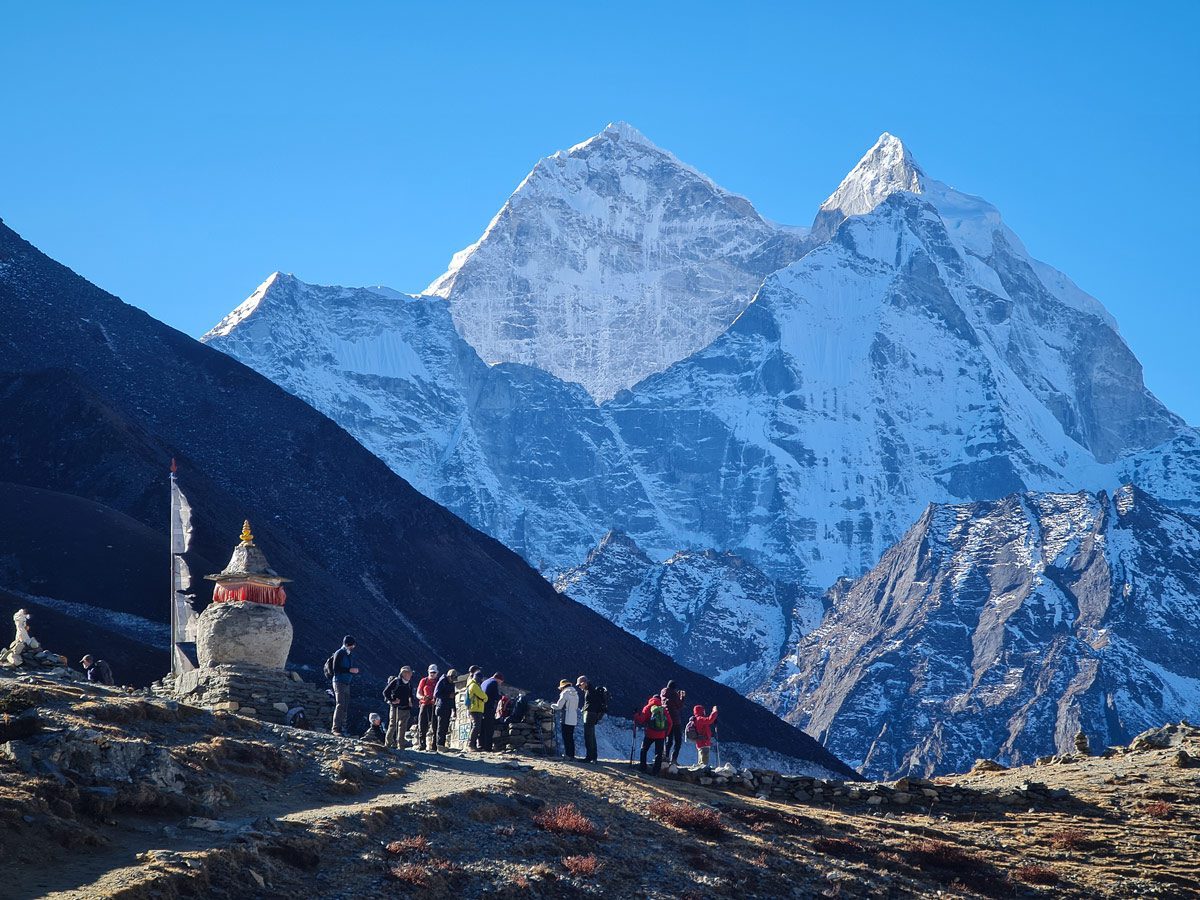
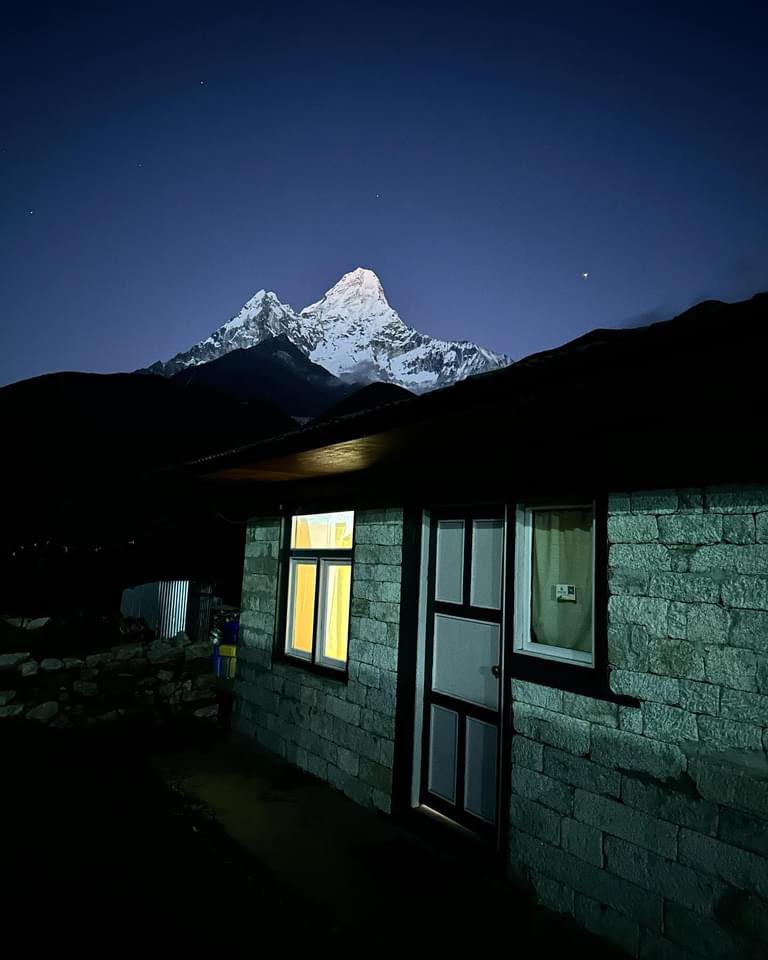
At 3,867 metres, on a wide ridge where the Dudh Koshi and Imja rivers meet, Tengboche Monastery is the spiritual heart of the Everest region. Founded in 1916, it is the largest gompa in the Khumbu and the center of Sherpa Buddhist life. The setting is hard to beat: Ama Dablam rises like a giant pyramid, with Everest, Lhotse and Nuptse filling the skyline beyond.
The climb to Tengboche
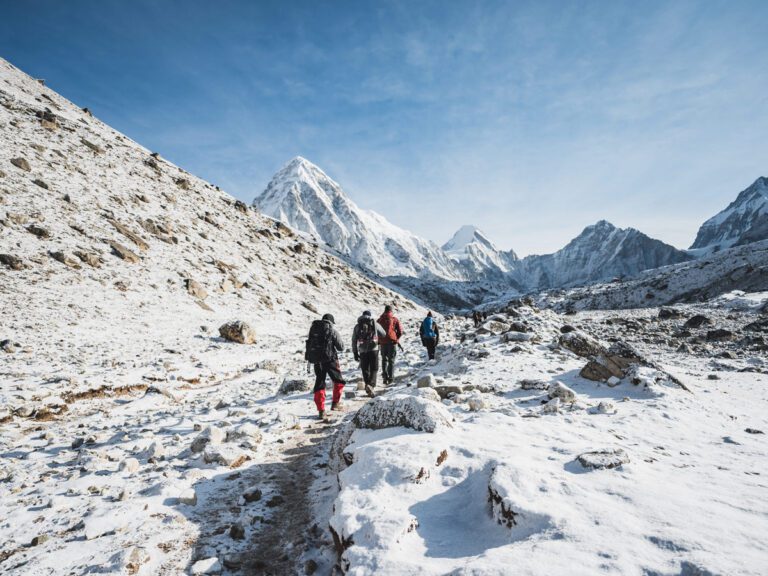
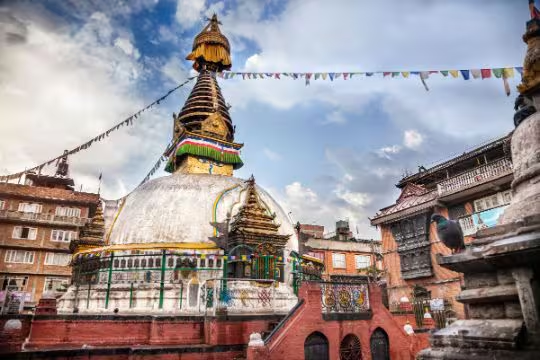
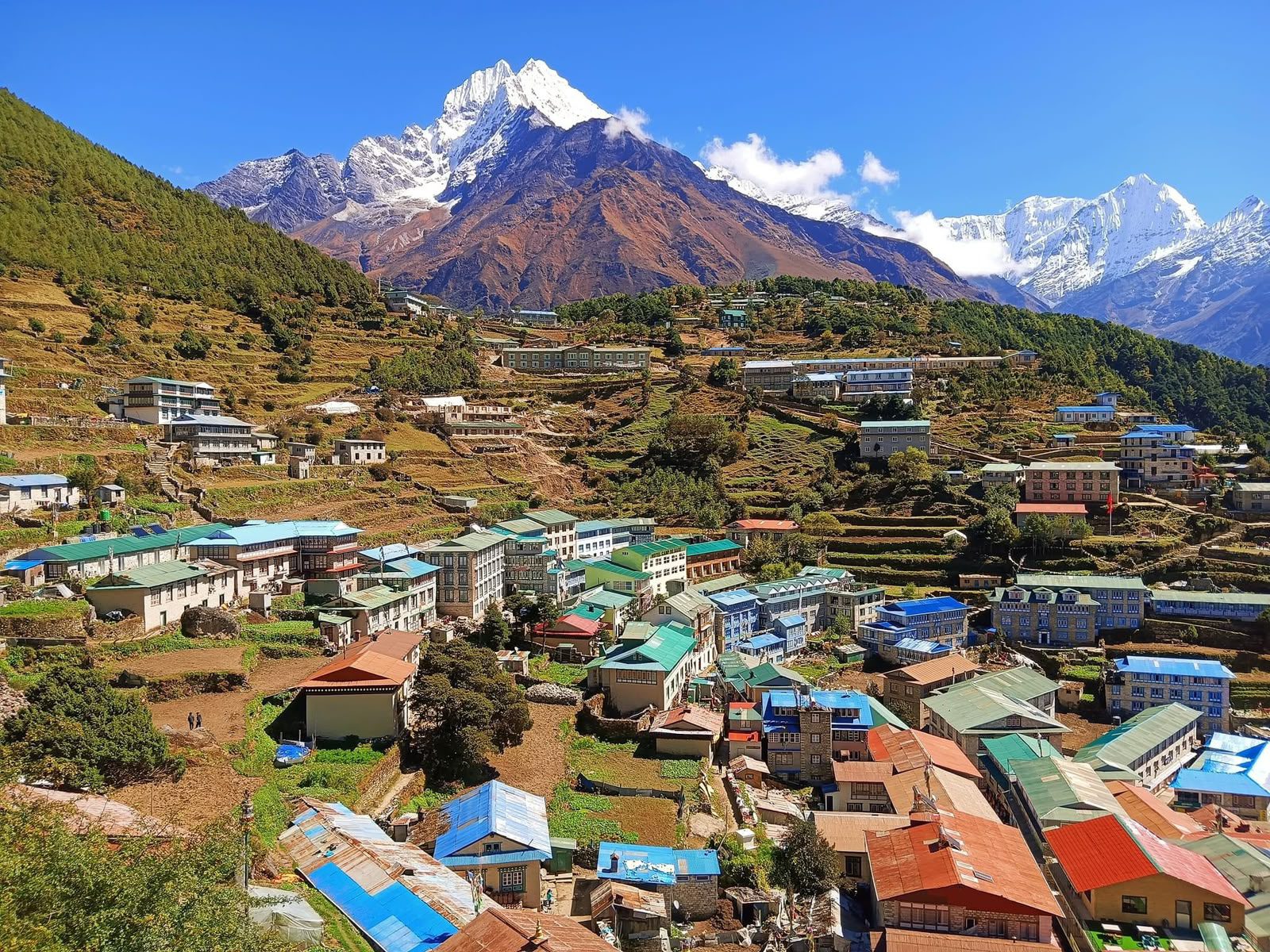
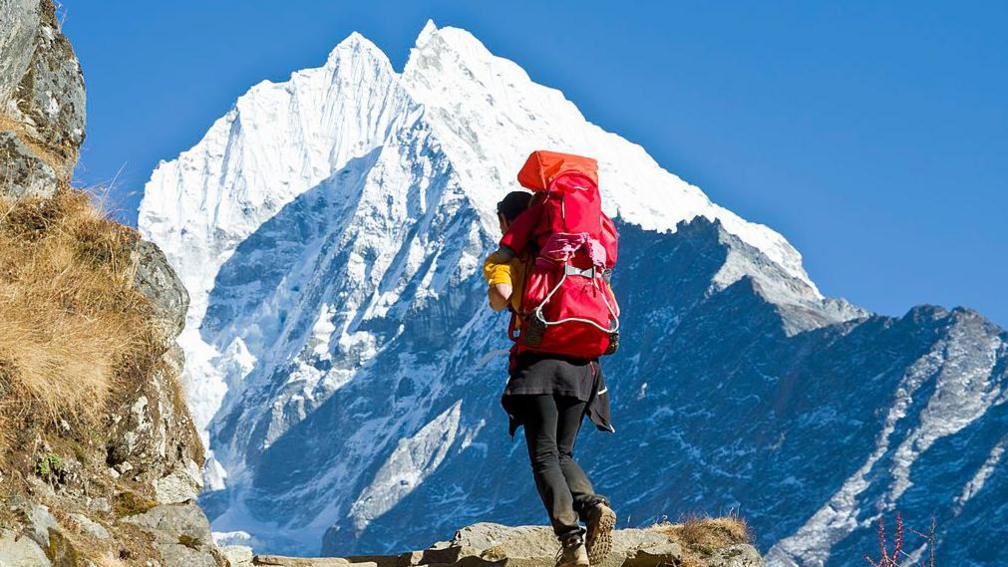
From Namche Bazaar the trail contours above the river, passes Sanasa and Kyangjuma, then drops to Phunki Tenga before a long, steady climb through forests of pine, fir and rhododendron. Keep an eye out for Himalayan monal, musk deer and tahr. As the trail levels out, prayer flags and the golden roofs of the monastery appear.
Inside the monastery
The gompa is a place of quiet devotion, with painted walls, butter lamps and a large statue of Buddha. Visitors are welcome to sit in on the prayer ceremony, usually held in the afternoon. Remove your shoes at the door, dress modestly, speak softly and ask permission before taking photos inside.
Mani Rimdu festival
Each autumn, Tengboche hosts Mani Rimdu, one of the Khumbu’s most vivid festivals. Monks in elaborate costumes and masks perform sacred dances, and Sherpa families travel from across the valley to attend. Dates follow the lunar calendar, so check in advance if you want your trek to coincide.
Views at dawn and dusk
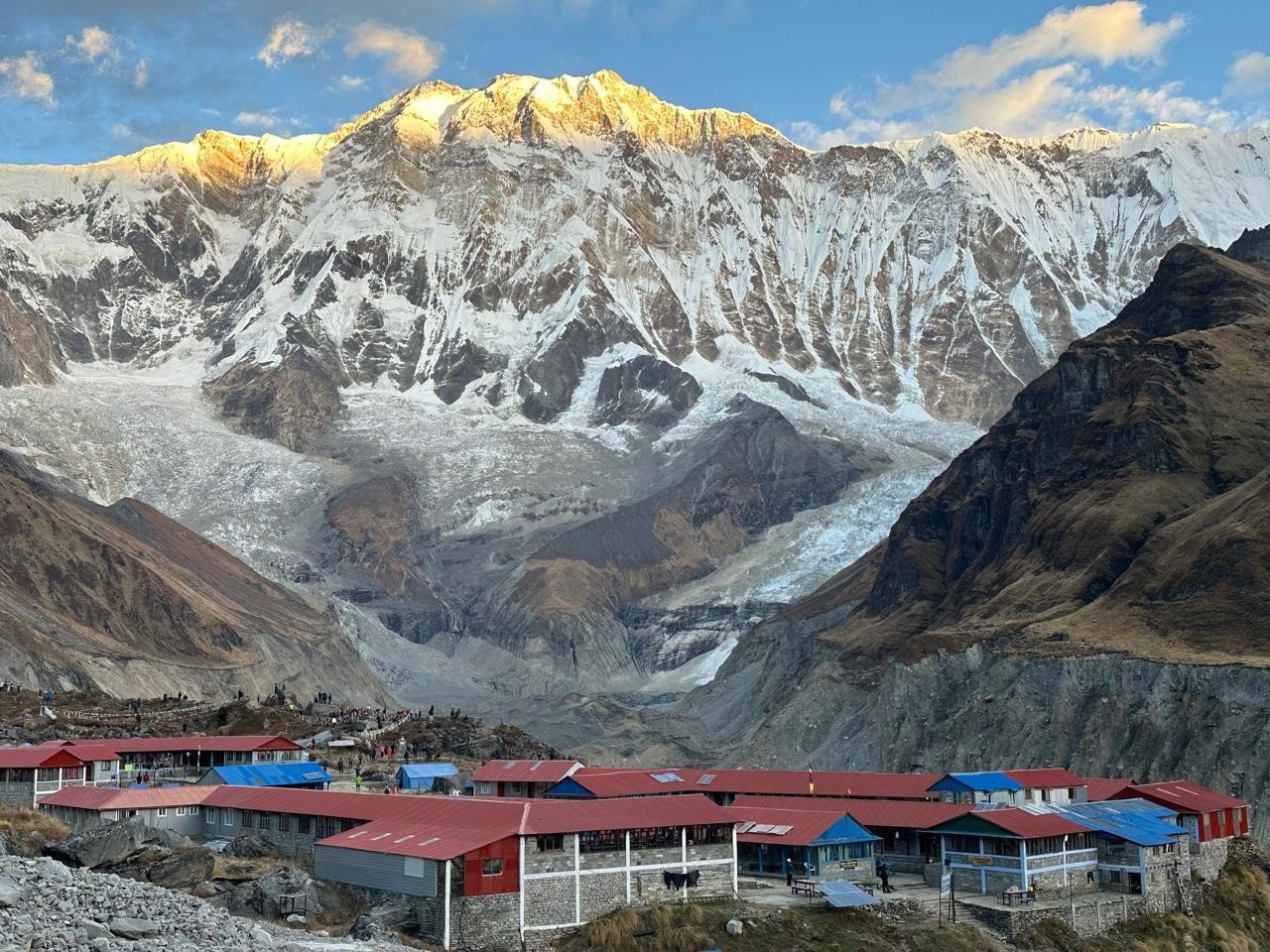
Tengboche is at its most magical at sunrise, when the first light turns Ama Dablam and Everest gold. Many trekkers wake early for this moment and then enjoy a hot drink at a local bakery before continuing the trek.
History and resilience
The monastery was damaged by an earthquake in 1934 and rebuilt, then lost to a fire in 1989 and rebuilt again with support from the local community and international friends. Today it stands as a symbol of Sherpa faith and resilience.
Practical tips
Book lodging early in peak season, as Tengboche is a popular overnight stop. Nights are cold, so carry a warm sleeping bag. Bring cash, walk slowly and keep hydrated, since you are now well above 3,800 m.
Highlights
- Step inside the grand gompa and feel the calm of the Khumbu
- Watch monks chant during the afternoon prayer ceremony
- See Everest, Lhotse, Nuptse and Ama Dablam from one viewpoint
- Walk through magical rhododendron and juniper forests
- Experience the Mani Rimdu festival of masked dances
- Spot Himalayan monal and musk deer near Deboche
- Catch golden sunrise over Ama Dablam
- Enjoy fresh bakery treats with a mountain view
Location
Open in Google MapsFrequently asked questions
Where is Tengboche Monastery?
In the Khumbu region of Solukhumbu District, on the Everest Base Camp trail between Namche Bazaar and Dingboche, inside Sagarmatha National Park.
What is the altitude of Tengboche?
3,867 metres (about 12,687 feet).
How long is the walk from Namche Bazaar to Tengboche?
About 5 to 6 hours, with a descent to the river at Phunki Tenga followed by a steady climb.
Can visitors enter the monastery?
Yes. Visitors are welcome, especially during the afternoon prayer session. Remove your shoes, dress modestly and ask before taking photos.
What is the Mani Rimdu festival?
A Sherpa Buddhist festival with masked dances, blessings and ceremonies, held in autumn at Tengboche. Dates follow the Tibetan lunar calendar.
Can I see Everest from Tengboche?
Yes. On a clear day you can see Everest, Lhotse and Nuptse, with Ama Dablam dominating the view.
Are there lodges at Tengboche?
Yes. There are several teahouses and lodges, plus a bakery, though rooms fill quickly in peak season.