






All travel info for Trekking Adventures
Altitude Sickness on Nepal Treks: Signs & Prevention
Useful for: HolidaysTours & ActivitiesTrekking ToursMountain AdventuresTrekking AdventuresEverest Base Camp Trek
- Starts from
- About 2,500–3,000 m
- Most common
- Mild AMS
- Safe pace
- +300–500 m a day
- Rest days
- Every 3–4 days
- Best cure
- Go down
- Danger signs
- Confusion, breathless at rest
- EBC highest
- 5,545 m
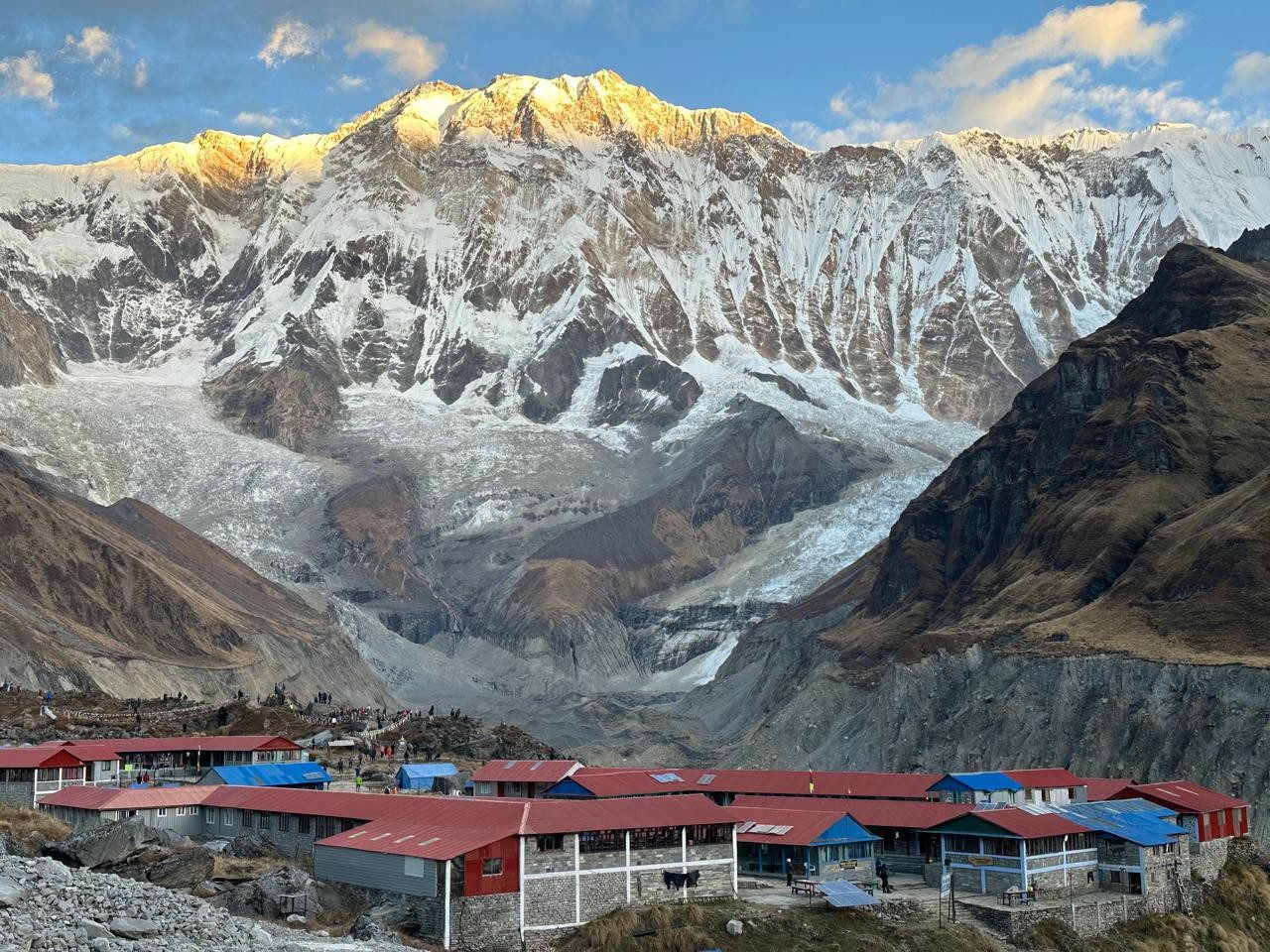
- ABC highest
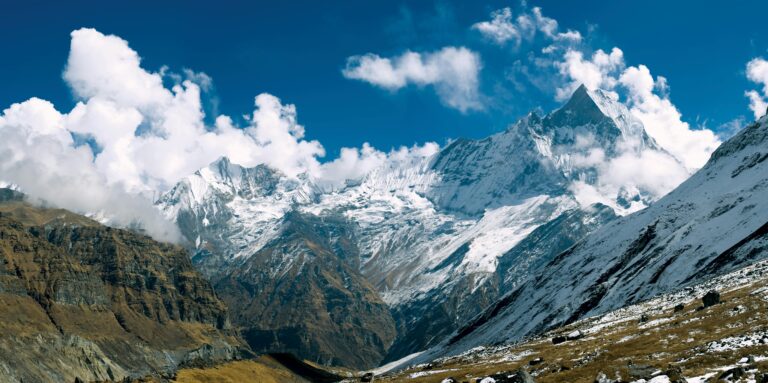
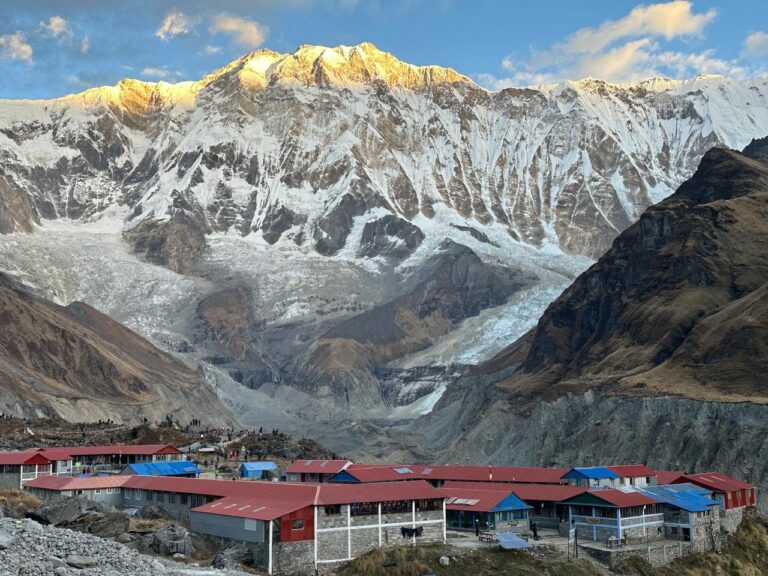
- 4,130 m
Altitude sickness is the most common health problem on Nepal’s treks, and it can affect anyone, however fit. The good news is that it is predictable and preventable: climb slowly, take acclimatisation days, know the warning signs and go down when your body tells you to. This guide explains what altitude sickness is, how to spot it on the Everest and Annapurna trails, how to lower your risk, and exactly what to do if you or someone in your group feels unwell.
What Is Altitude Sickness?
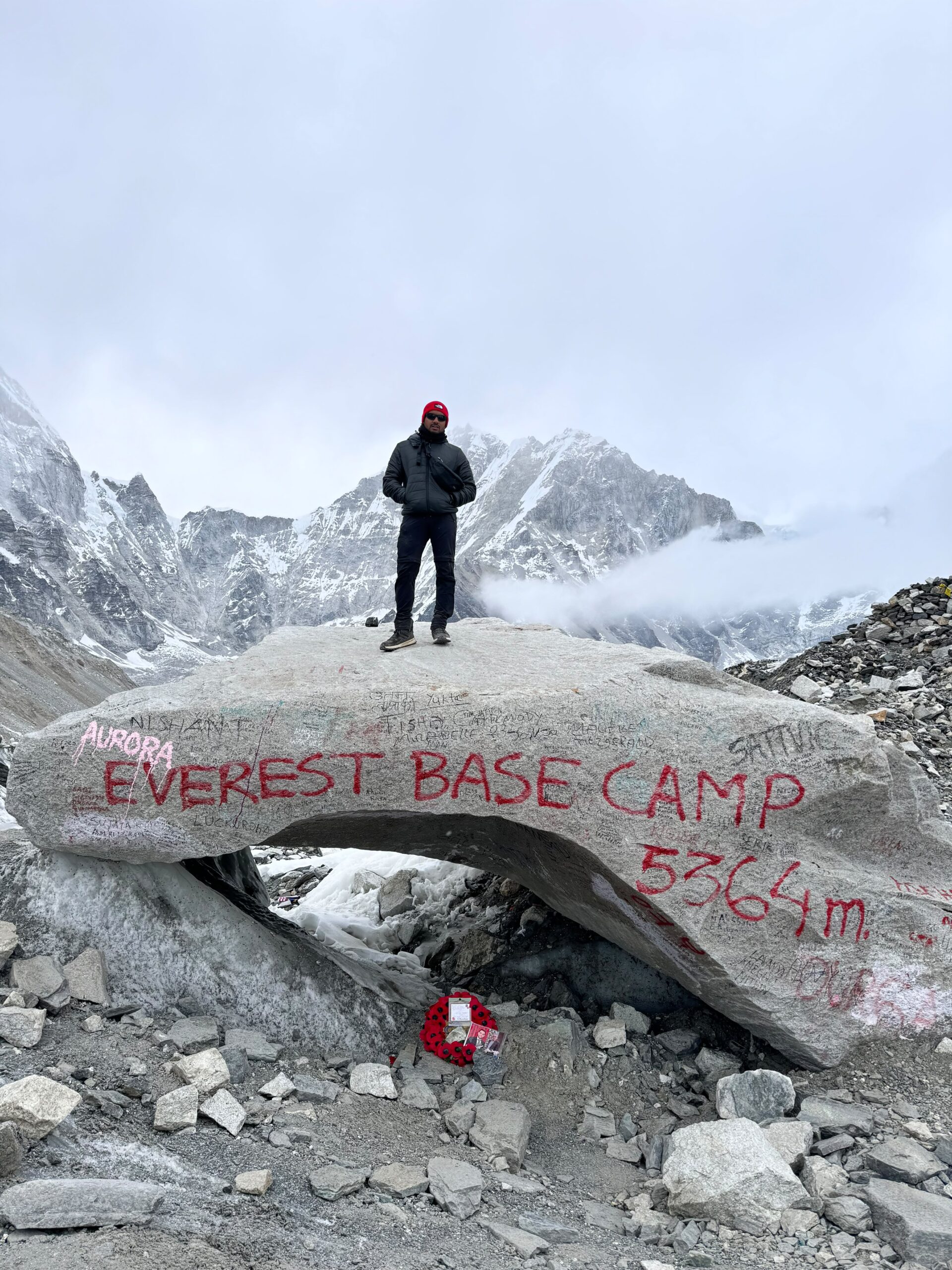
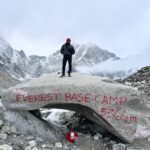
As you climb, the air holds less oxygen. At Everest Base Camp (5,364 m) each breath carries roughly half the oxygen it does at sea level. Your body can adapt, but it needs time. When you go up faster than it can adjust, you get acute mountain sickness (AMS).
Most trekkers feel some mild effects above about 3,000 m: a light headache, poor sleep, less appetite or breathlessness on hills. That is normal and usually passes after a rest day. The problem is when symptoms grow worse and you keep climbing. In rare cases AMS develops into two dangerous conditions: HAPE (fluid in the lungs) and HACE (swelling of the brain). Both can kill if the person does not go down.
Fitness does not protect you. Young, strong trekkers often get sick precisely because they walk too fast. What protects you is a slow itinerary, honest reporting of how you feel, and a guide who knows when to stop.
The Three Types: Signs and What to Do
| Condition | Warning signs | What to do |
|---|---|---|
| AMS (mild to moderate) | Headache plus one or more of: nausea or vomiting, tiredness, dizziness, poor sleep, loss of appetite | Stop climbing. Rest, drink water, take a painkiller for the headache. Go up only when symptoms are gone. If they get worse, go down. |
| HAPE (high altitude pulmonary edema) | Breathless even at rest, dry cough that becomes wet or frothy, tight chest, very tired, blue lips | Emergency. Go down at once, with help. Oxygen and evacuation if available. |
| HACE (high altitude cerebral edema) | Confusion, strange behaviour, very drowsy, can't walk in a straight line, severe headache that painkillers don't help | Emergency. Go down at once, never alone. Oxygen and helicopter evacuation if available. |
A simple test for HACE: ask the person to walk heel-to-toe along a straight line. If they stumble or can't do it, treat it as HACE and descend.
The Golden Rules
- Feeling unwell at altitude is altitude sickness until proven otherwise. Don't blame it on a cold or tiredness.
- Never go higher with symptoms. Wait where you are until you feel better.
- If symptoms get worse, or don't improve after a day, go down.
- Never leave a sick person alone, and never send them down alone.
How to Prevent Altitude Sickness
- 1Go up slowly
Above 3,000 m, don't increase your sleeping altitude by more than 300–500 m a day.
- 2Take rest days
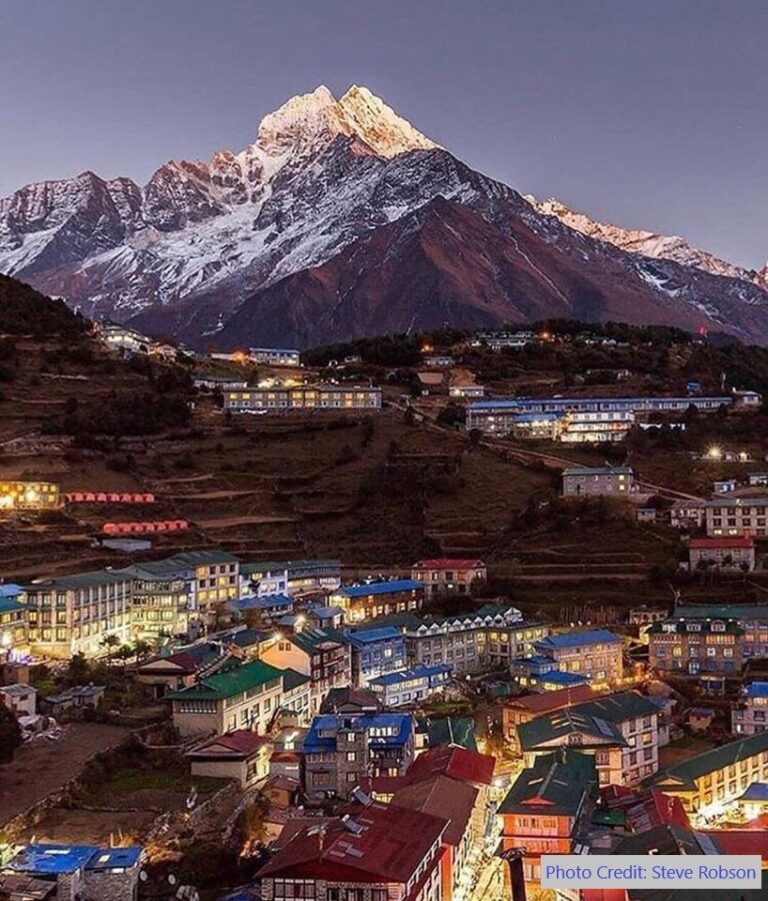
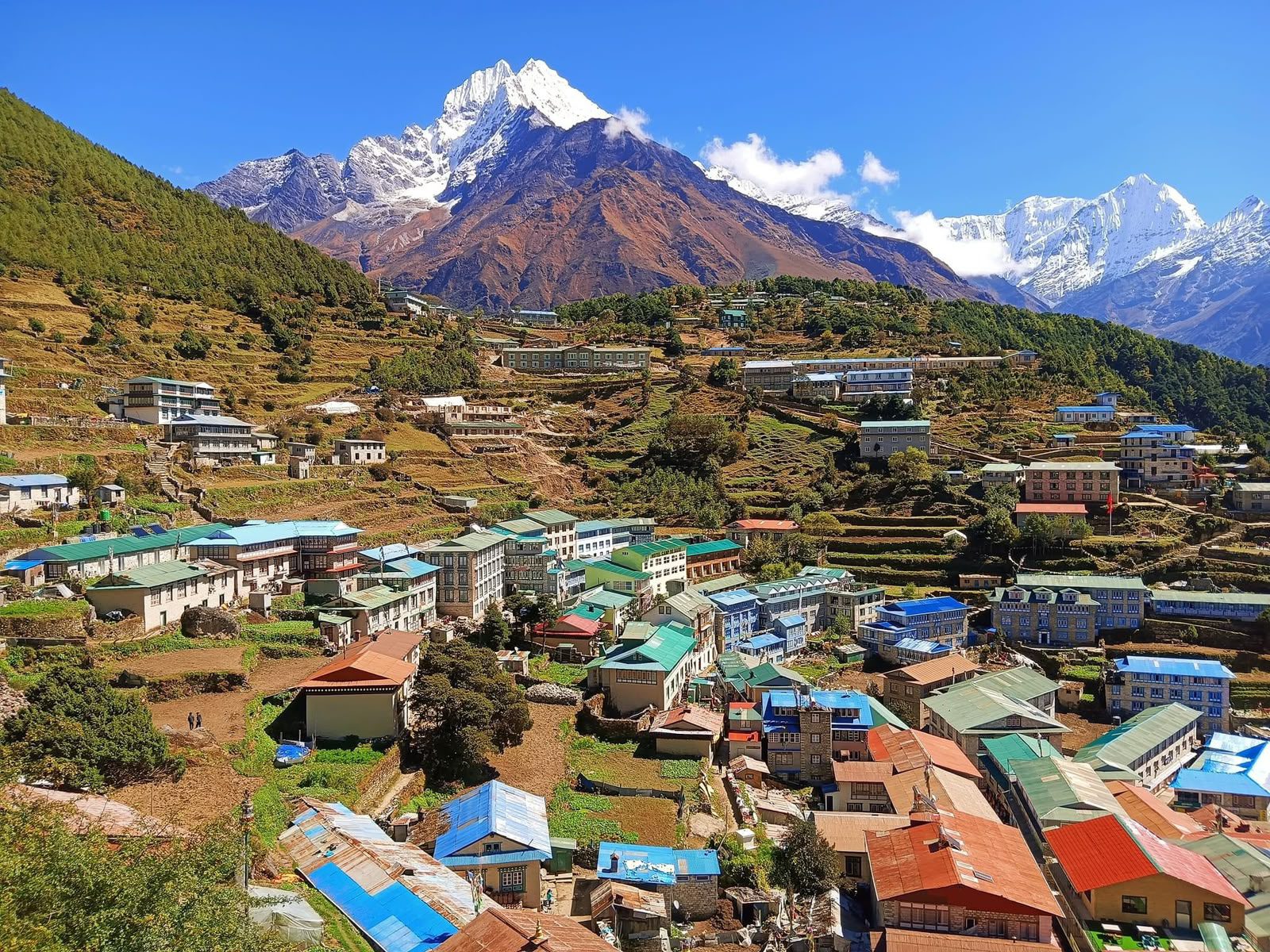
Add an acclimatisation day every 3–4 days, or every 1,000 m of height gained. On the EBC trek these are in Namche Bazaar and Dingboche.
- 3Climb high, sleep low
On rest days, hike a few hundred metres higher, then sleep lower. It speeds up adaptation.
- 4Walk slowly
Keep a pace where you can still talk. Let your guide set it.
- 5Drink enough
Aim for 3–4 litres a day of water, tea or soup. Clear, pale urine is a good sign.
- 6Eat well
Carbohydrates like dal bhat, potatoes and noodles give energy and help at altitude.
- 7Avoid alcohol and sleeping pills
Both slow your breathing at night and hide early symptoms.
- 8Tell your guide everything
A small headache in the morning is useful information. Hiding it is how people get into trouble.
- 9Ask your doctor about medication
Acetazolamide (Diamox) can help some trekkers acclimatise. It is a prescription medicine: discuss it with your doctor before you travel.
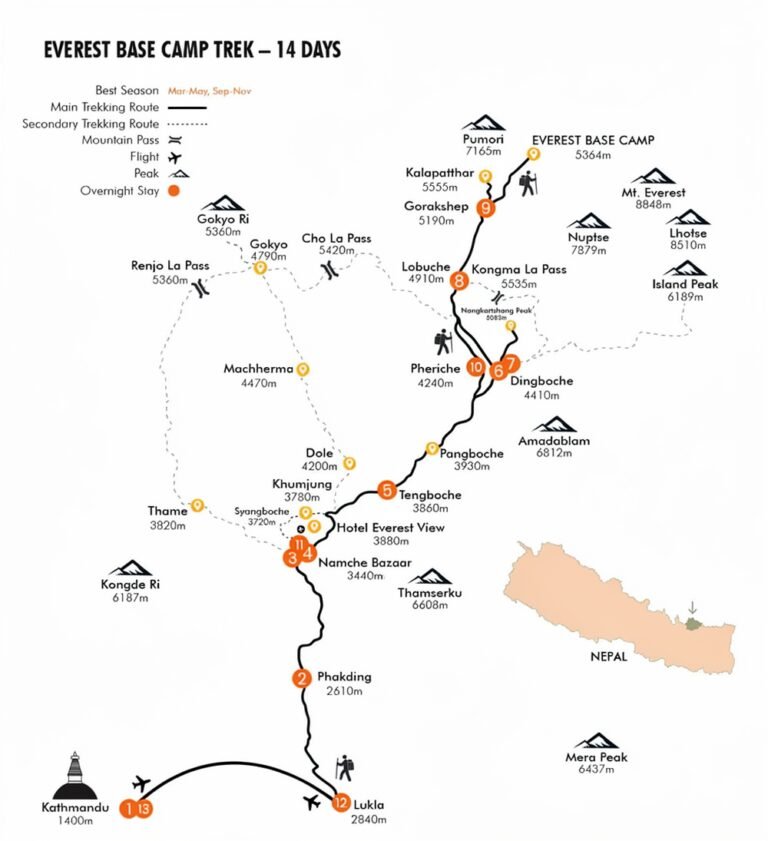
Altitude Profile: Everest Base Camp Trek
- Day 2Lukla → Phakding2,610 m
- Fly into Lukla (2,860 m), then walk down to a low first night
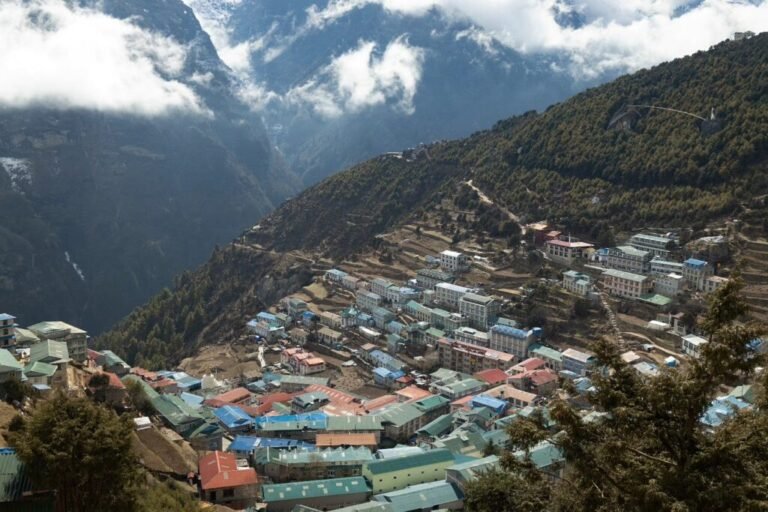
- Day 3Namche Bazaar3,440 m
- Big climb; first night above 3,000 m
- Day 4Namche rest day3,440 m
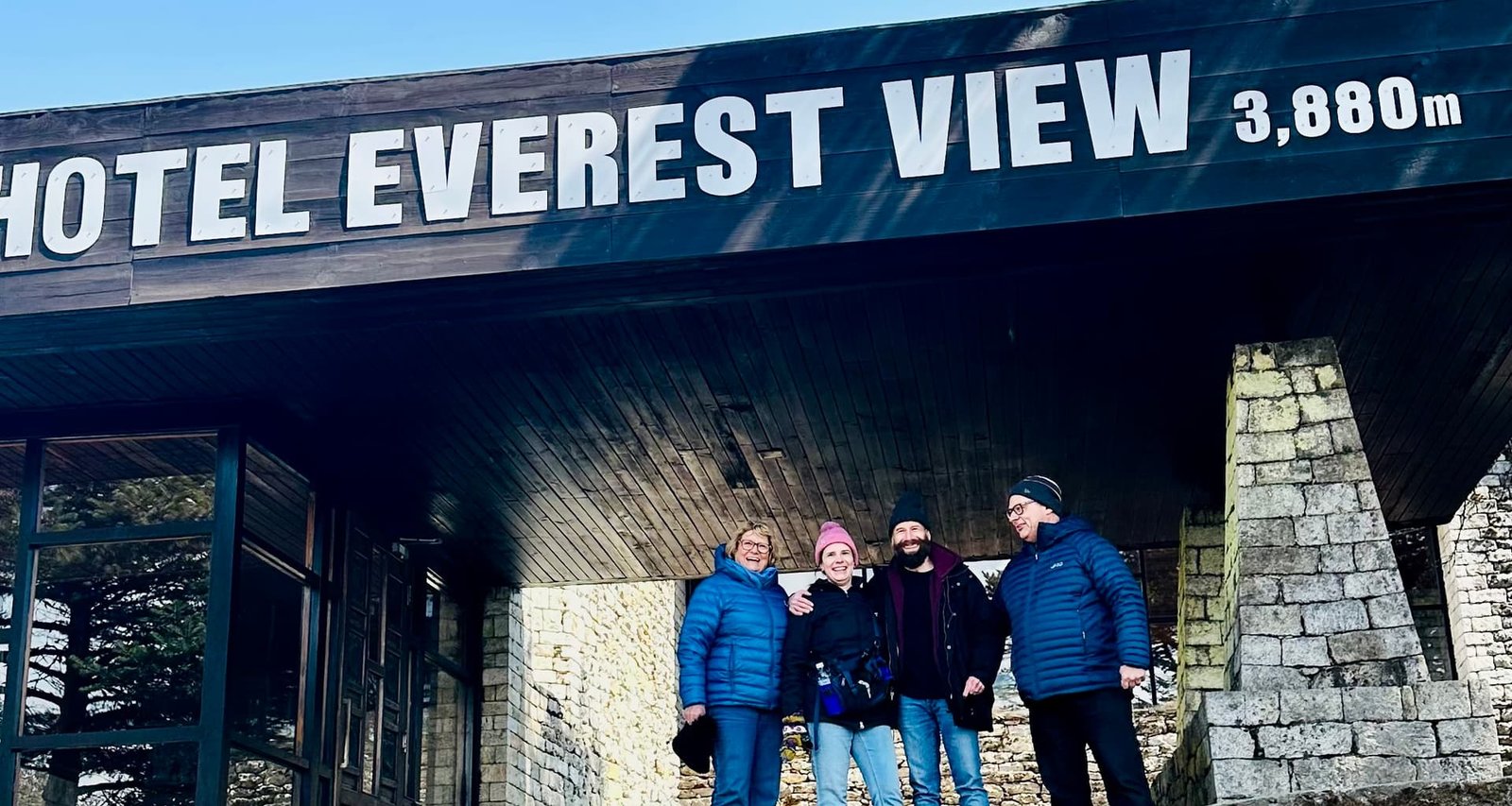
- Acclimatisation hike to Everest View Hotel or Khumjung (about 3,800 m), sleep in Namche
- Day 5Tengboche3,867 m
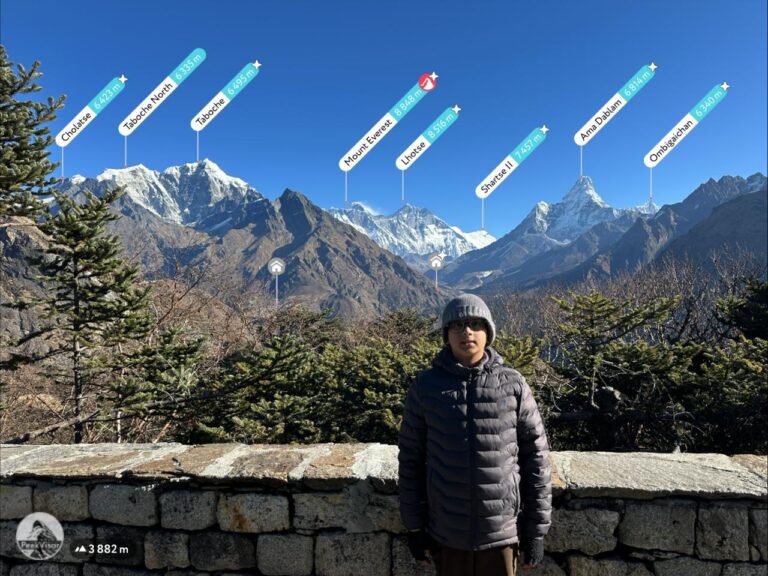
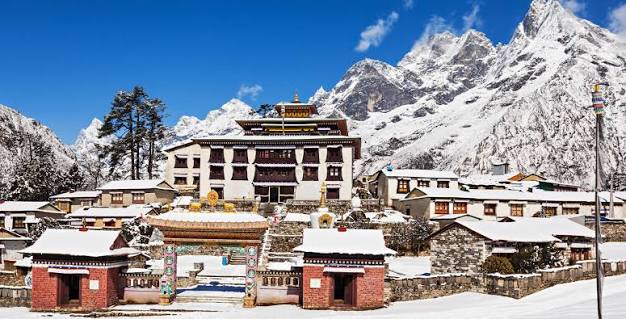
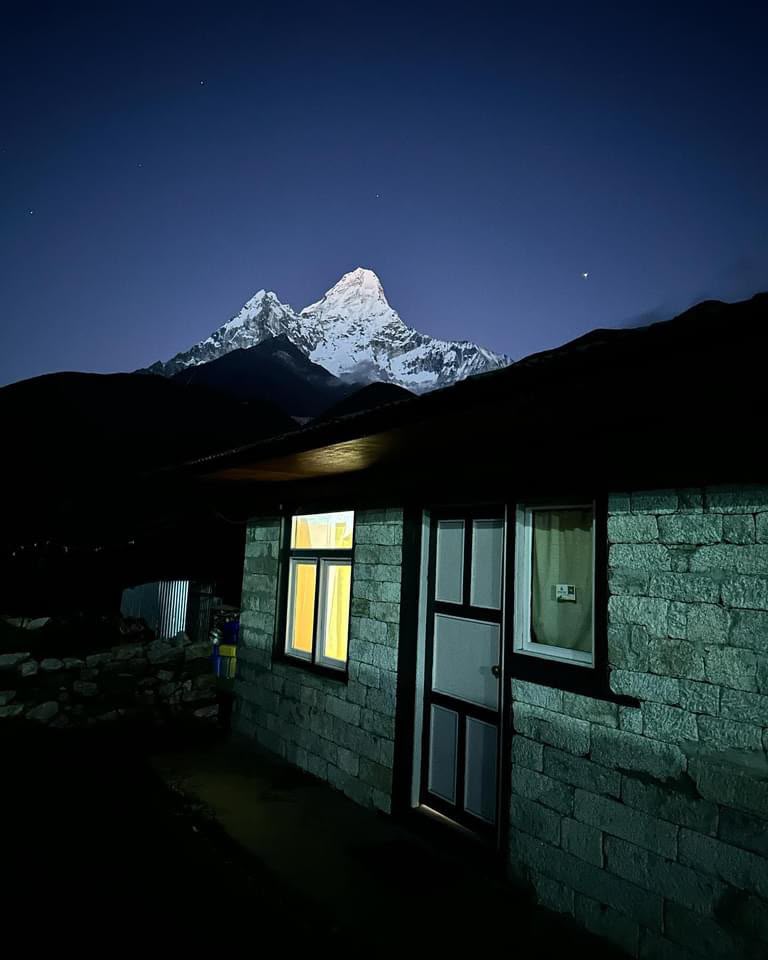
- Monastery village with Ama Dablam views
- Day 6Dingboche4,410 m
- Above the tree line; nights get cold
- Day 7Dingboche rest day4,410 m
- Hike towards Nangkartshang (about 5,000 m), sleep in Dingboche
- Day 8Lobuche4,910 m
- Most people feel the altitude here
- Day 9Gorak Shep and Base Camp5,164 m / 5,364 m
- Highest night of the trek
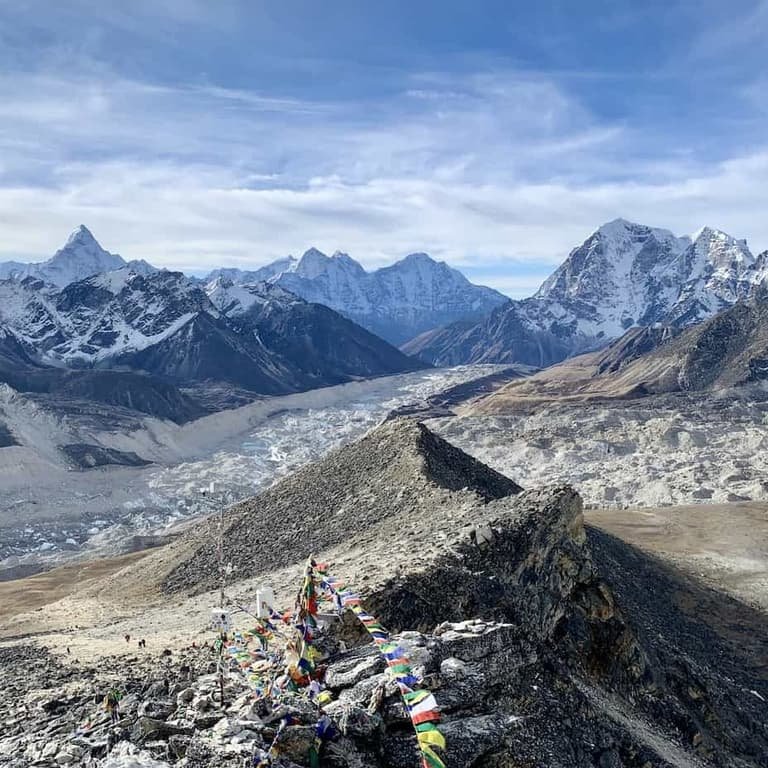
- Day 10Kala Patthar sunrise5,545 m
- Highest point, then descend fast to Pheriche or Pangboche
See every stop on our Everest Base Camp trek itinerary and trek map. Village guides: Namche Bazaar, Dingboche, Lobuche, Gorak Shep and Kala Patthar.
What to Do If Someone Feels Unwell
- Step 1: Stop and tell your guide
Don't keep walking. Sit down, drink water and describe every symptom honestly.
- Step 2: Check the signs
Headache, nausea, breathing at rest, walking in a straight line, oxygen level on a pulse oximeter.
- Step 3: Mild symptoms: rest
Stay at the same altitude. Painkiller, fluids, food and an early night. Reassess in the morning.
- Step 4: Not better or worse: go down
Descend 300–1,000 m. Most people feel much better within hours.
- Step 5: Danger signs: descend now
Confusion, unsteady walking or breathless at rest means an emergency. Go down immediately with help, day or night.
- Step 6: Call for evacuation
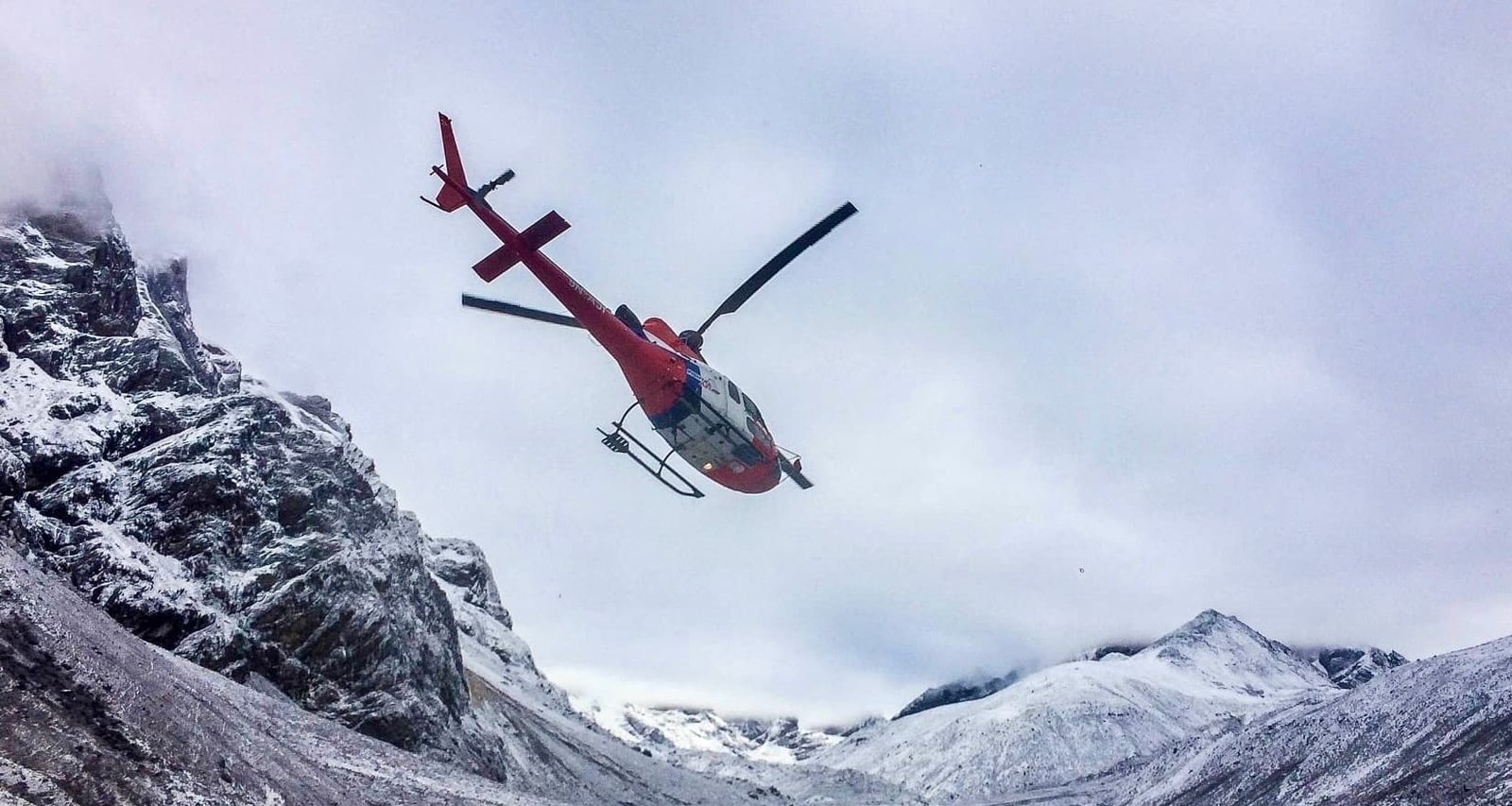
Your guide arranges a helicopter through your trekking company and insurance when walking down isn't possible.
How Our Guides Keep You Safe
On the Everest Base Camp Trek and the Annapurna Base Camp Trek, our licensed guides follow the same routine every day:
- Oxygen checks morning and evening with a pulse oximeter, plus a short health questionnaire.
- Two acclimatisation days built into the 14-day EBC itinerary, and a spare buffer day for weather or illness.
- A first-aid kit on every trek, and guides trained to recognise AMS, HAPE and HACE.
- A clear rule: if a trekker shows danger signs, the group helps them down first and plans the rest of the trip afterwards.
On the Everest route, the Himalayan Rescue Association runs an aid post in Pheriche (4,371 m) during the main seasons, staffed by volunteer doctors who also give free talks on altitude sickness most afternoons.
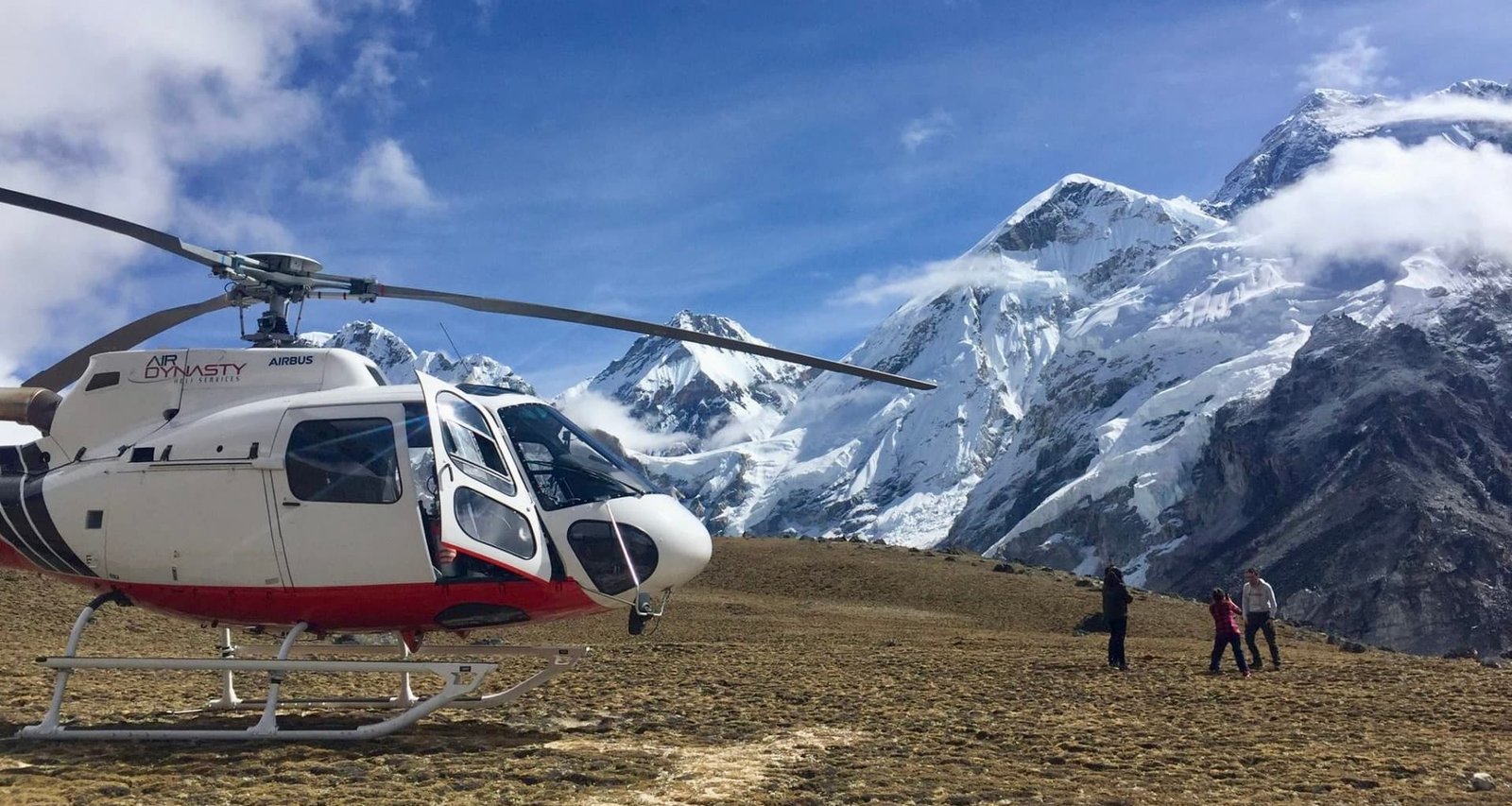
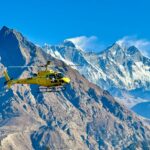
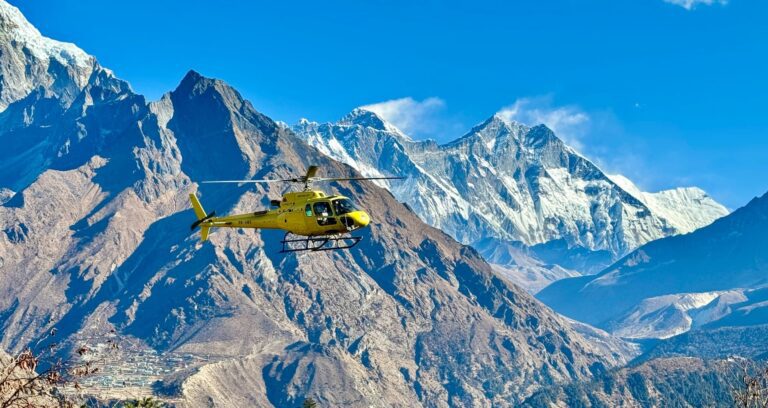
If you would rather not spend nights at altitude at all, the Everest Base Camp helicopter tour lands near Base Camp for a short stop and is back in Kathmandu by lunchtime. Brief exposure carries much less risk than sleeping high, but the tour still isn't advised for people with serious heart or lung conditions.
Altitude Risk by Trek
| Trek | Highest sleep | Highest point | Acclimatisation needed |
|---|---|---|---|
| Poon Hill (Annapurna) | About 2,870 m | 3,210 m | Low risk |
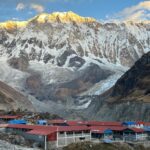
| Annapurna Base Camp | 4,130 m | 4,130 m | Moderate: take it slow above Deurali |
| Everest Base Camp | 5,164 m (Gorak Shep) | 5,545 m (Kala Patthar) | High: needs two rest days |
| Gokyo Lakes | 4,790 m | 5,357 m (Gokyo Ri) | High: needs two rest days |
| Everest Three Passes | About 5,164 m | 5,535 m (Kongma La) | Very high: for experienced trekkers |
Not sure which trek suits you? Read how difficult the Everest Base Camp trek is and whether a beginner can do it.
Altitude Do's and Don'ts
Do
- Walk slowly and let your guide set the pace
- Drink 3–4 litres a day
- Take every acclimatisation day in your plan
- Sleep lower than the highest point you reach on rest days
- Tell your guide about any headache, nausea or bad night
- Buy travel insurance that covers helicopter rescue up to 6,000 m
Don’t
- Climb higher with symptoms
- Drink alcohol or take sleeping pills above 3,000 m
- Rush to keep up with a faster group
- Leave a sick trekker alone
- Start a new medicine on the trail without medical advice
- Cut rest days to save time
Altitude Packing Checklist
0 / 0 packed
Health kit
On the trail
Paperwork
Full gear list: Everest Base Camp packing list. Cash for the trail: money in Nepal. Staying in touch: SIM card and internet guide.
Emergency Numbers in Nepal
In the mountains, your guide and lodge owner are your fastest help: they know the nearest aid post and how to call a rescue helicopter.
Medical Note
This guide is general travel information, not medical advice. If you have a heart or lung condition, high blood pressure, are pregnant, or take regular medication, talk to your doctor or a travel clinic before booking a high-altitude trek.
Frequently asked questions
At what altitude does altitude sickness start?
Usually above about 2,500–3,000 m. On the Everest Base Camp trek, that means from Namche Bazaar (3,440 m) upwards; on the Annapurna Base Camp trek, from around Deurali and Machapuchare Base Camp.
What are the first signs of altitude sickness?
A headache together with nausea, tiredness, dizziness, poor sleep or loss of appetite. Tell your guide straight away and don't climb higher until you feel better.
Can fit people get altitude sickness?
Yes. Fitness doesn't protect you, and fit trekkers sometimes get sick because they climb too fast. A slow pace and rest days matter far more than fitness.
How do you prevent altitude sickness on the Everest Base Camp trek?
Follow an itinerary with rest days in Namche Bazaar and Dingboche, walk slowly, drink 3–4 litres a day, avoid alcohol, and never go higher with symptoms.
Should I take Diamox for Everest Base Camp?
Acetazolamide (Diamox) helps some people acclimatise, but it is a prescription medicine with side effects. Discuss it with your doctor before you travel; it is not a replacement for a slow ascent.
What should I do if I get altitude sickness on the trek?
Stop climbing and rest. If symptoms get worse or don't improve within a day, go down 300–1,000 m. Confusion, unsteady walking or breathlessness at rest are emergencies: descend immediately with help.
How common is altitude sickness at Everest Base Camp?
Mild symptoms such as headaches and poor sleep are very common above 4,000 m. Serious cases (HAPE and HACE) are rare, especially on itineraries with proper acclimatisation days.
Is the Annapurna Base Camp trek safer for altitude than EBC?
Yes. ABC tops out at 4,130 m, compared with 5,164 m for the highest night and 5,545 m at Kala Patthar on the EBC trek, so the risk is lower. Altitude sickness can still happen above 3,000 m, so the same rules apply.
Does travel insurance cover altitude sickness?
Only if your policy covers trekking to your maximum altitude. For Everest Base Camp choose a policy that covers trekking and helicopter evacuation up to at least 6,000 m.
Can I do the Everest helicopter tour if I'm worried about altitude?
Yes, for most healthy people. The helicopter tour stops at high altitude only briefly, which carries far less risk than sleeping high. People with serious heart or lung conditions should check with a doctor first.
More Nepal travel info
All Nepal travel info (4)
Traveller questions
No questions yet — ask the first one and our team will answer.