Book guided trekking tours in Nepal with a local Kathmandu team — Everest Base Camp, Annapurna Base Camp and shorter Himalayan treks. Licensed guides, permits, teahouse stays and transfers arranged, for beginners to experienced trekkers.
Compare Annapurna Base Camp trek packages and book a guided ABC trek from Pokhara — through Gurung villages and rhododendron forest into the Annapurna…
Guided Trekking Tours in Nepal & the Himalaya: 2026 Guide
Fully organised trekking tours with licensed local guides, permits, teahouse stays and transfers — choose a classic Himalayan trek and our Kathmandu team handles the rest.
Our Most Popular Trekking Tours
Hand-picked Himalayan treks run by experienced local teams
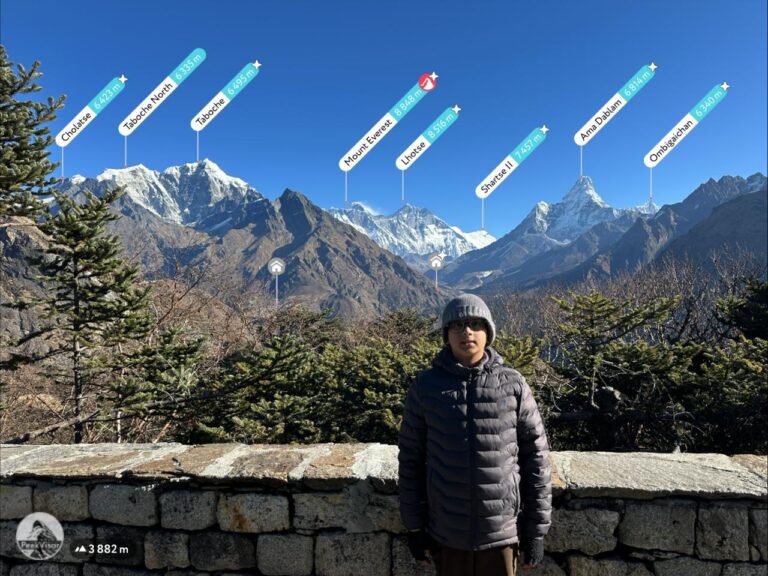
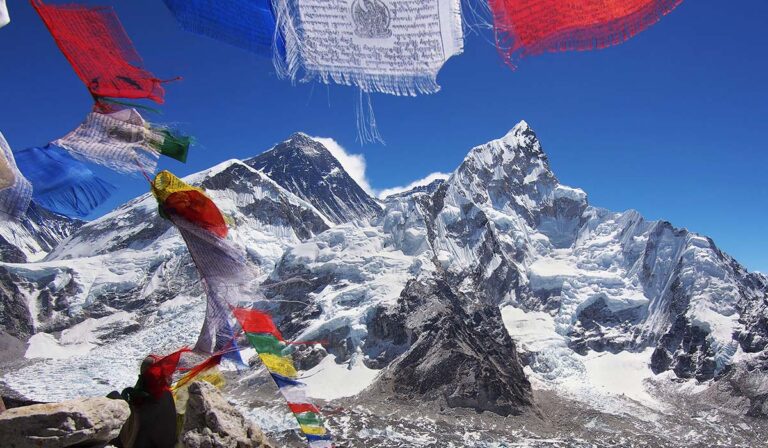
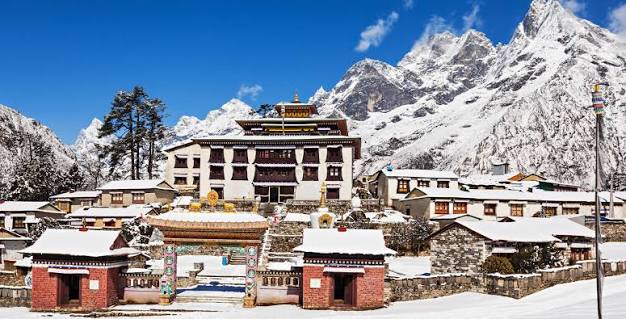
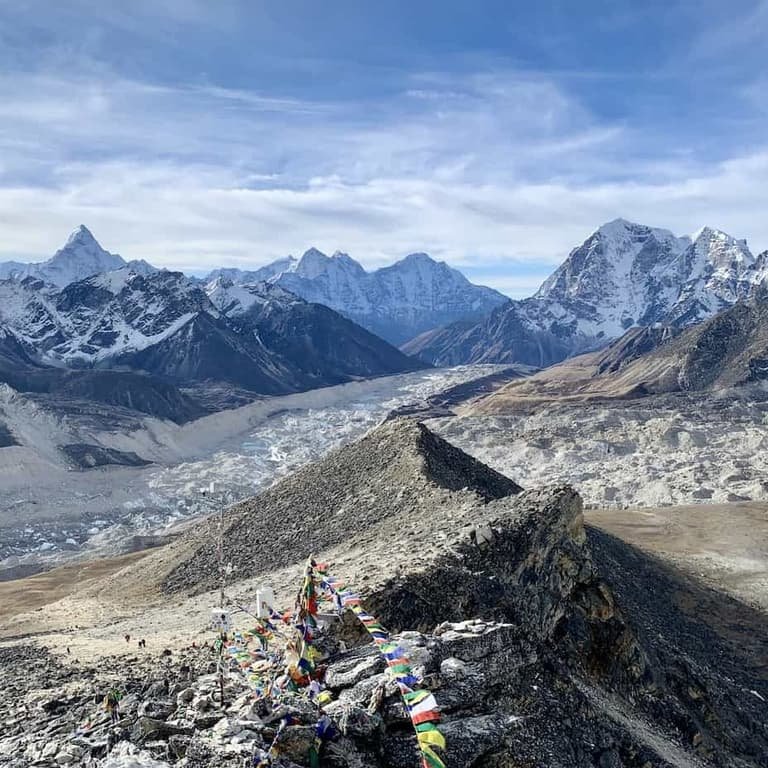
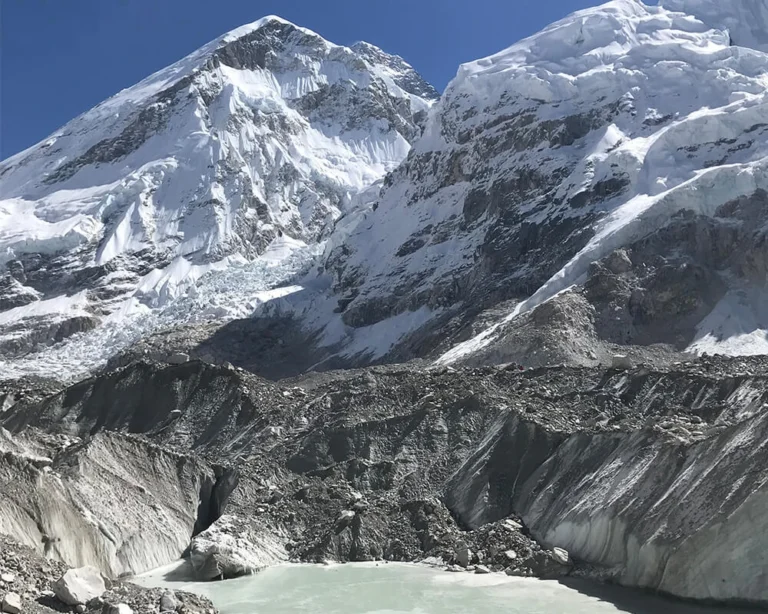
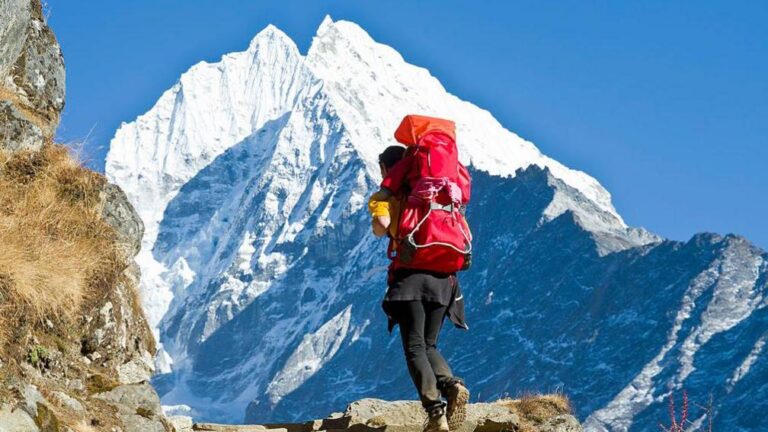
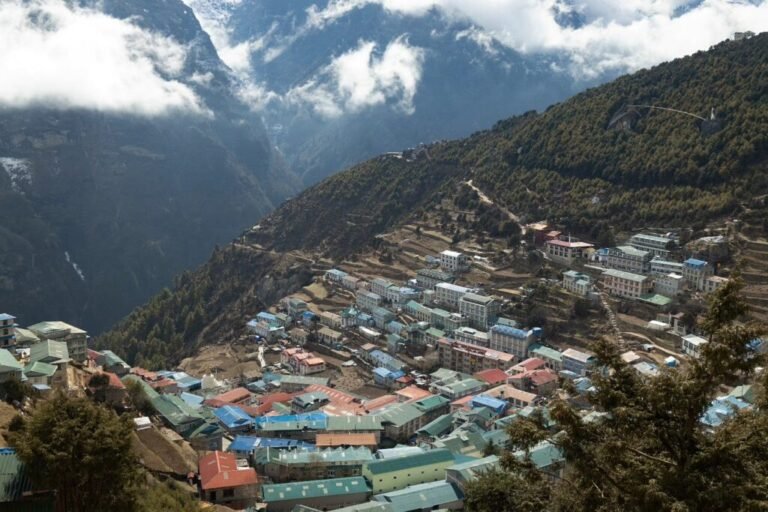
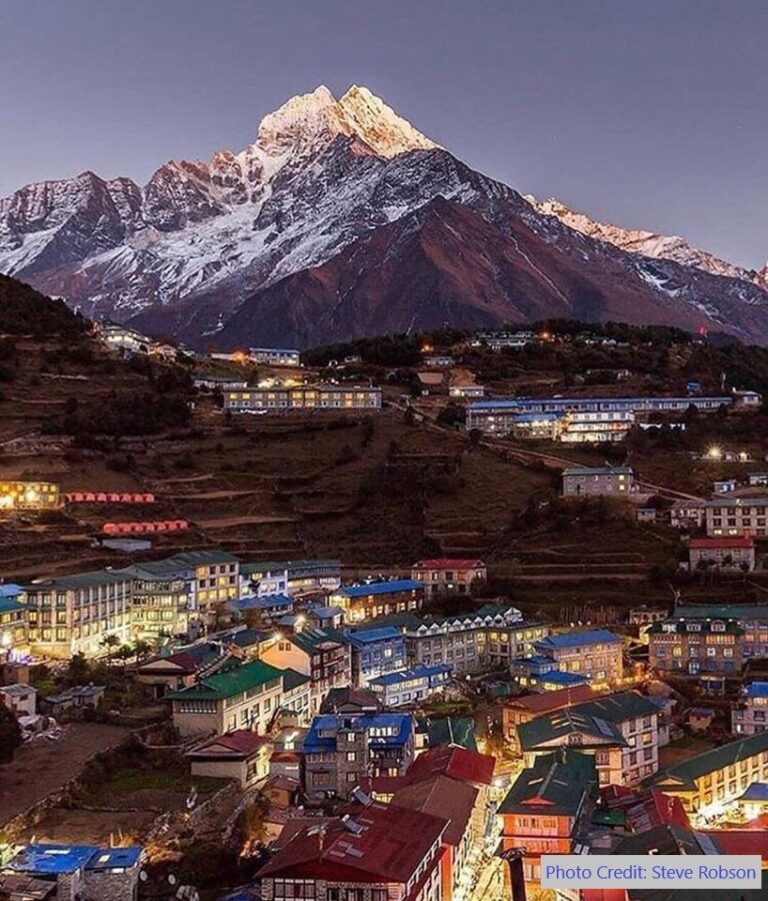
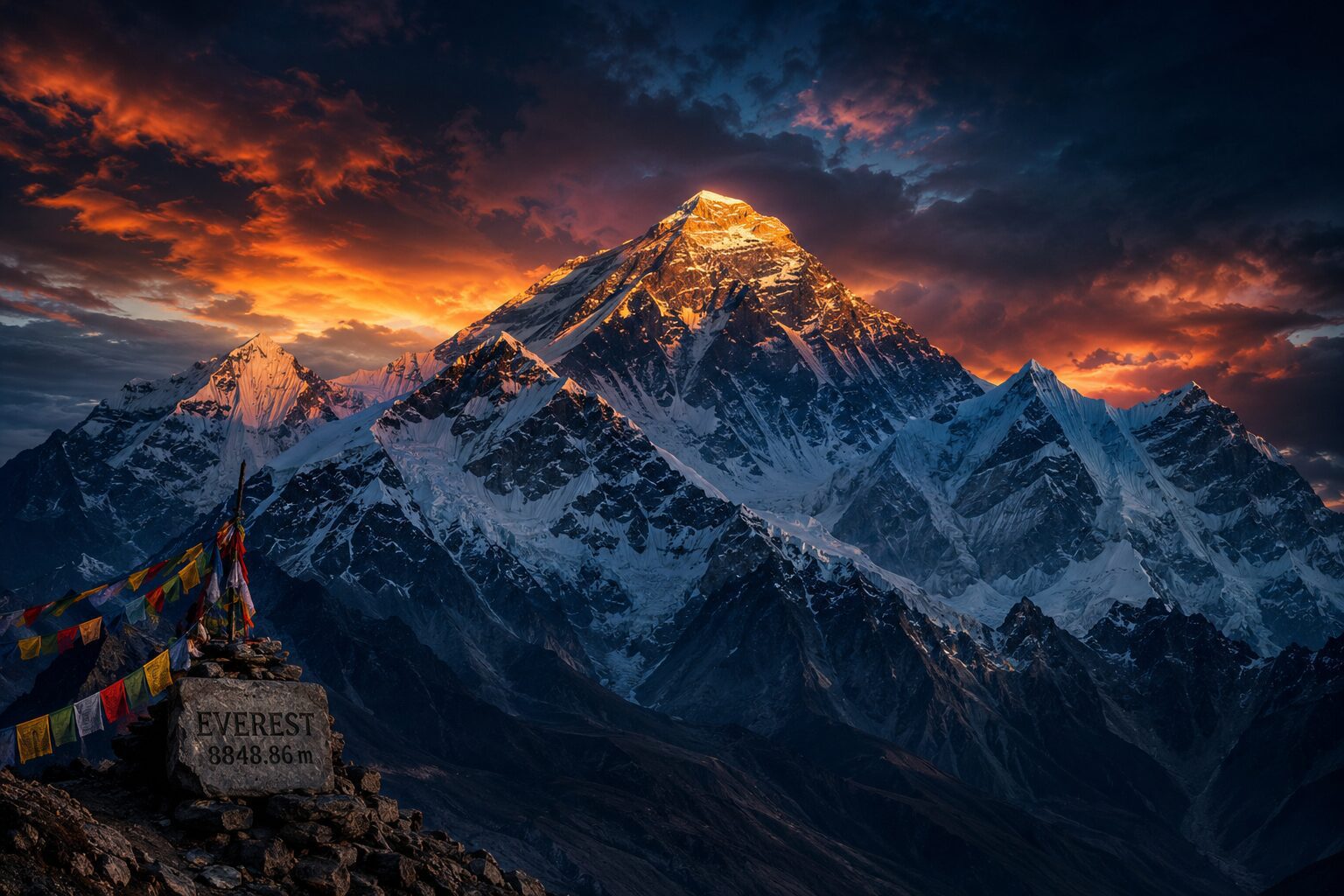
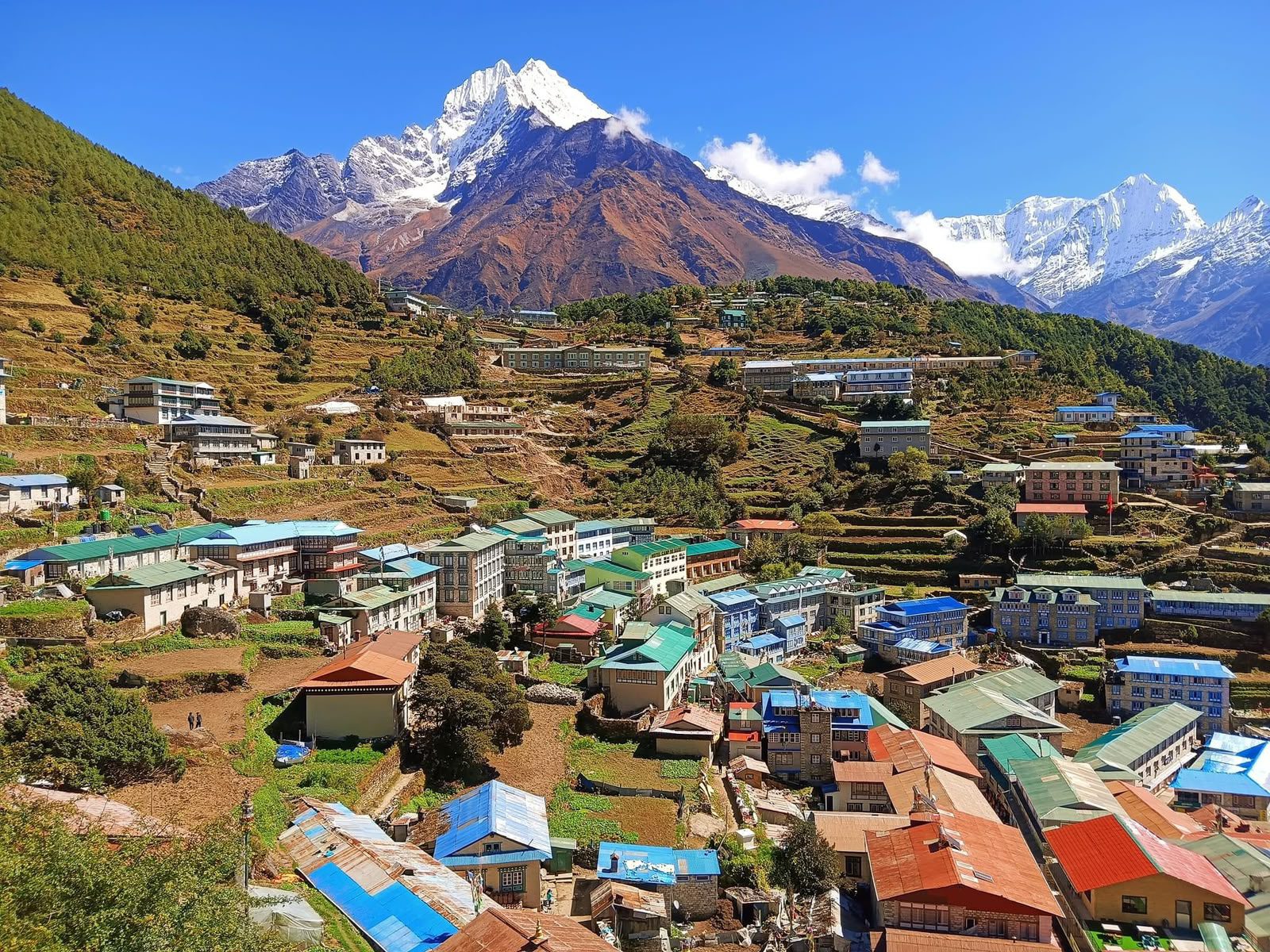
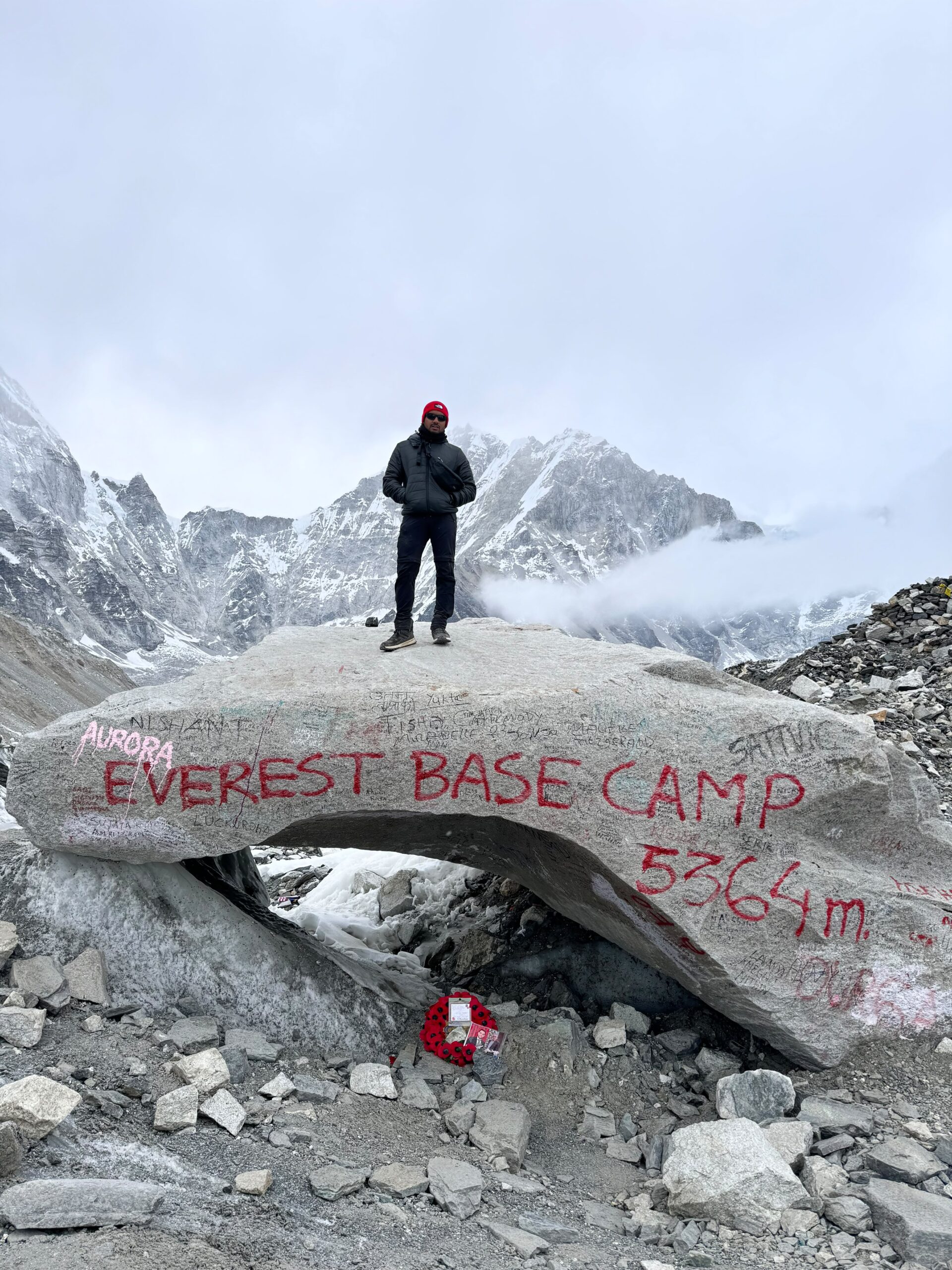
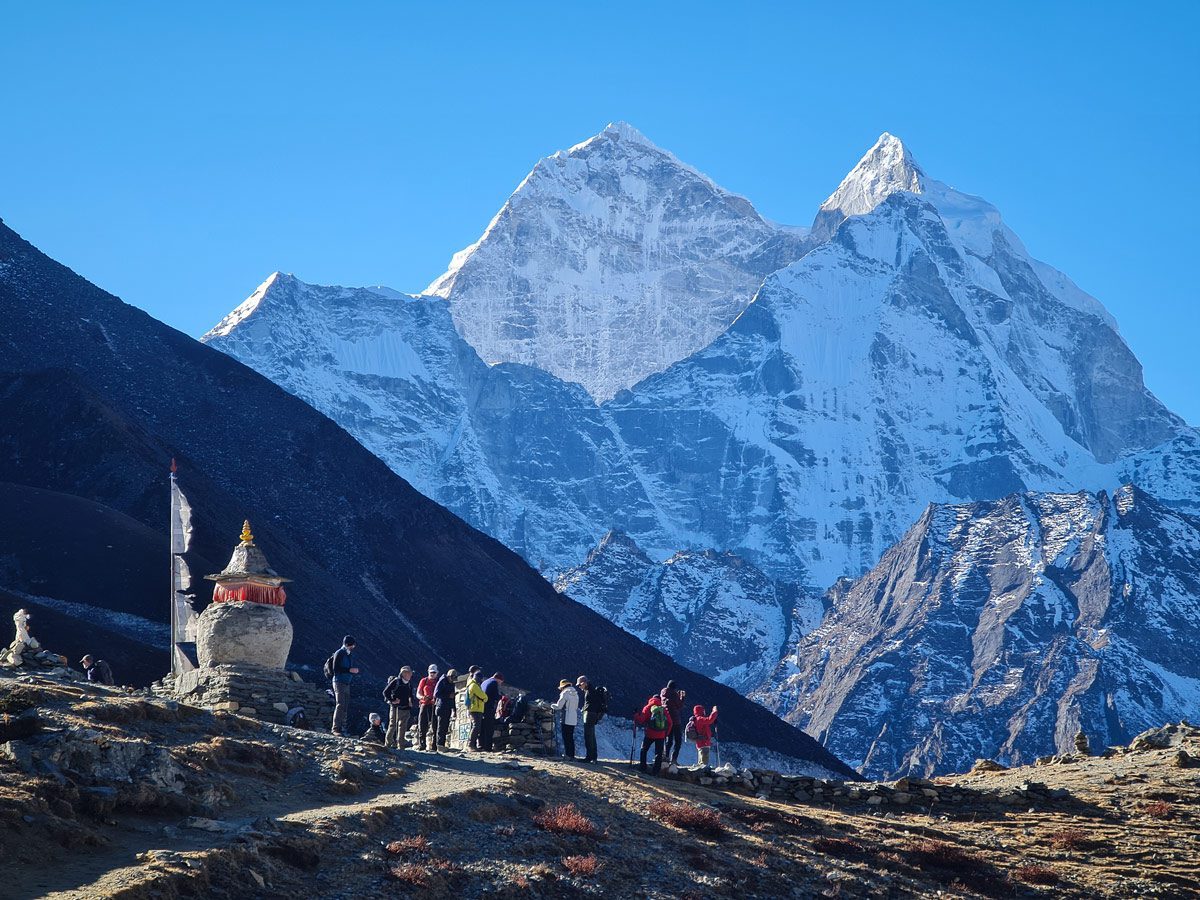
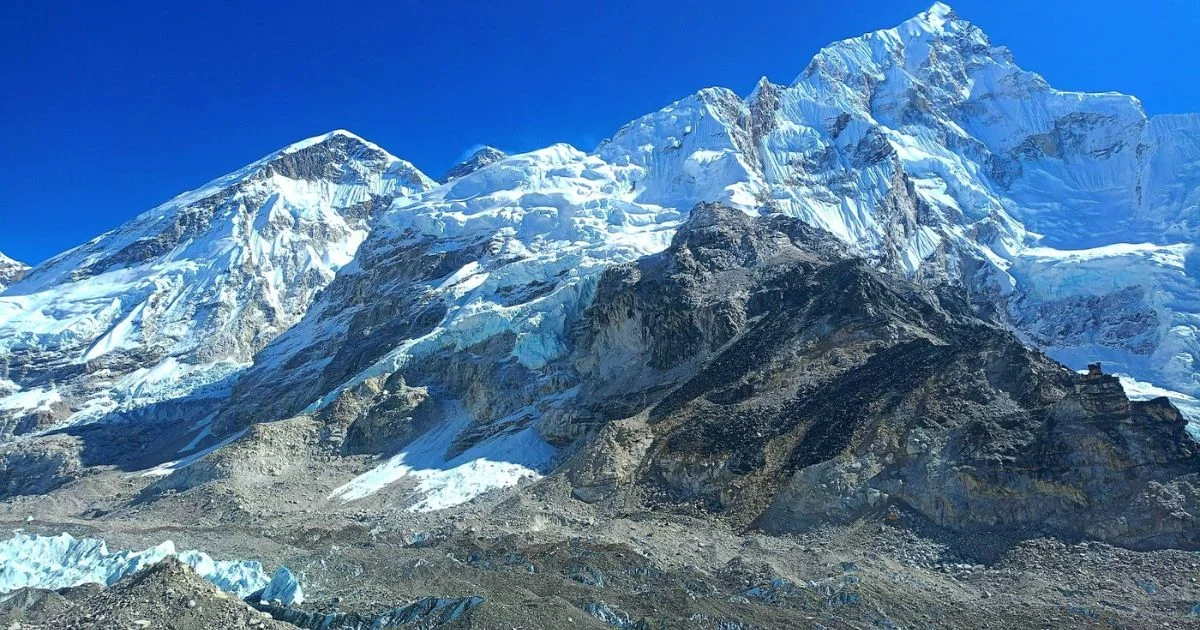
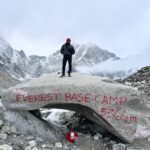
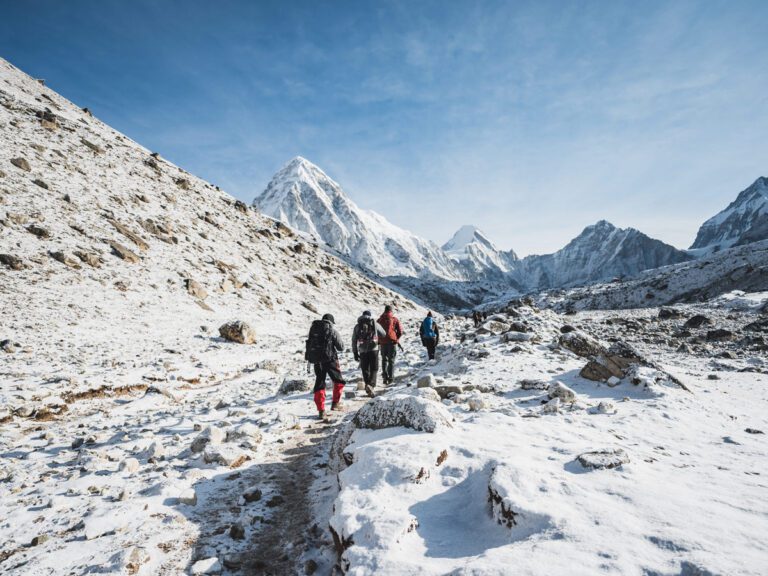
Everest Base Camp Trek 14 Days The world’s most famous trek: fly to Lukla, walk through Sherpa villages, Namche Bazaar and Tengboche Monastery, reach Everest Base Camp (5,364 m) and climb Kala Patthar for sunrise over Everest.
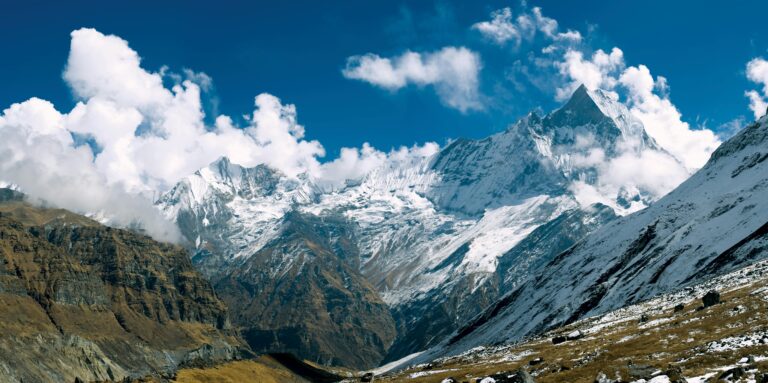
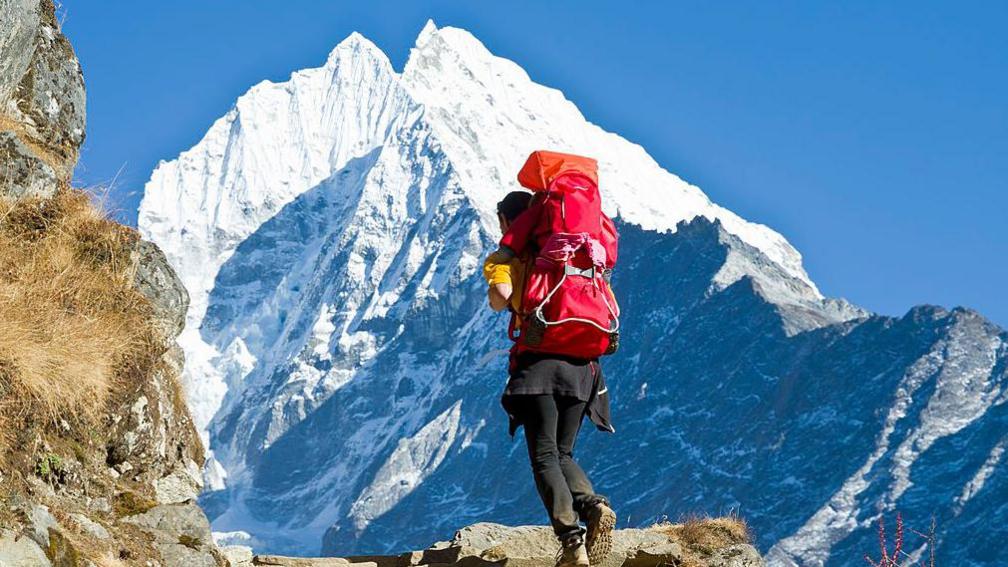
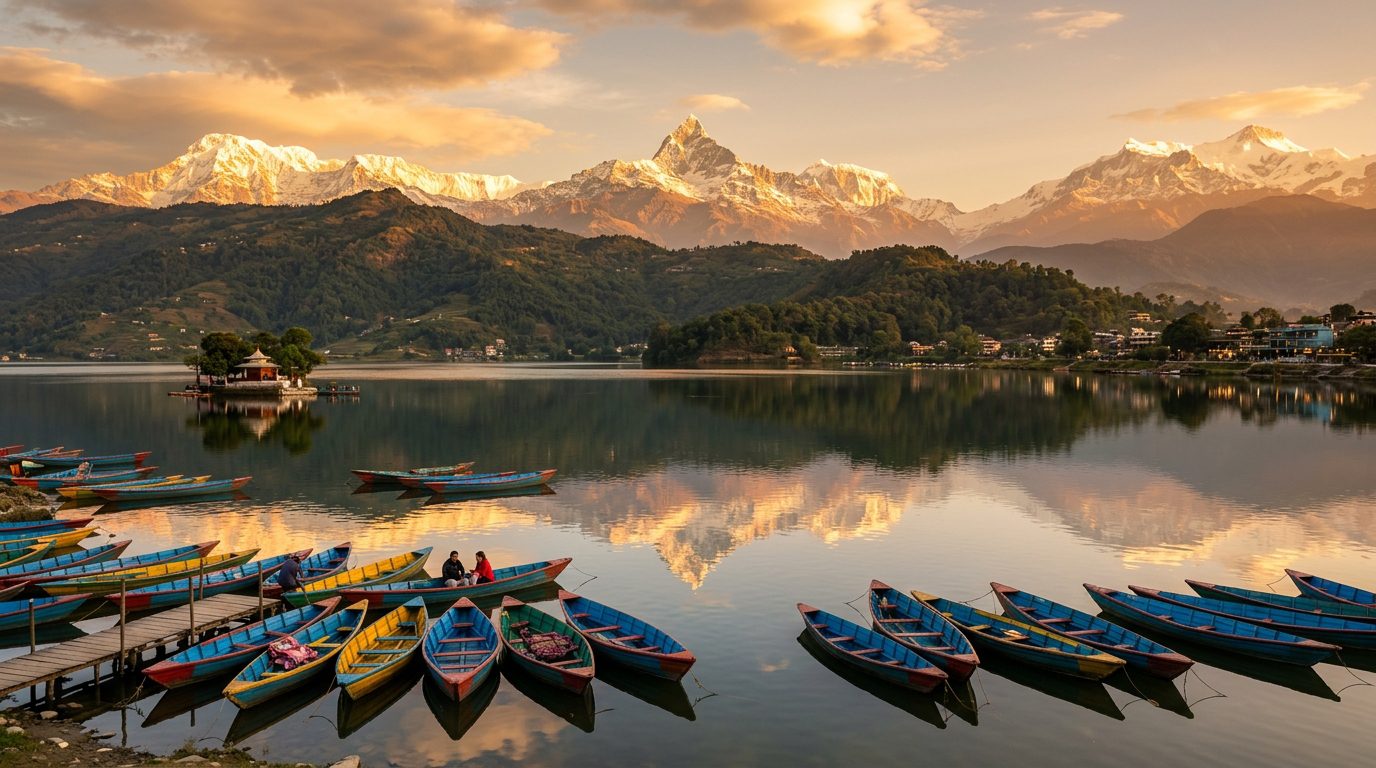
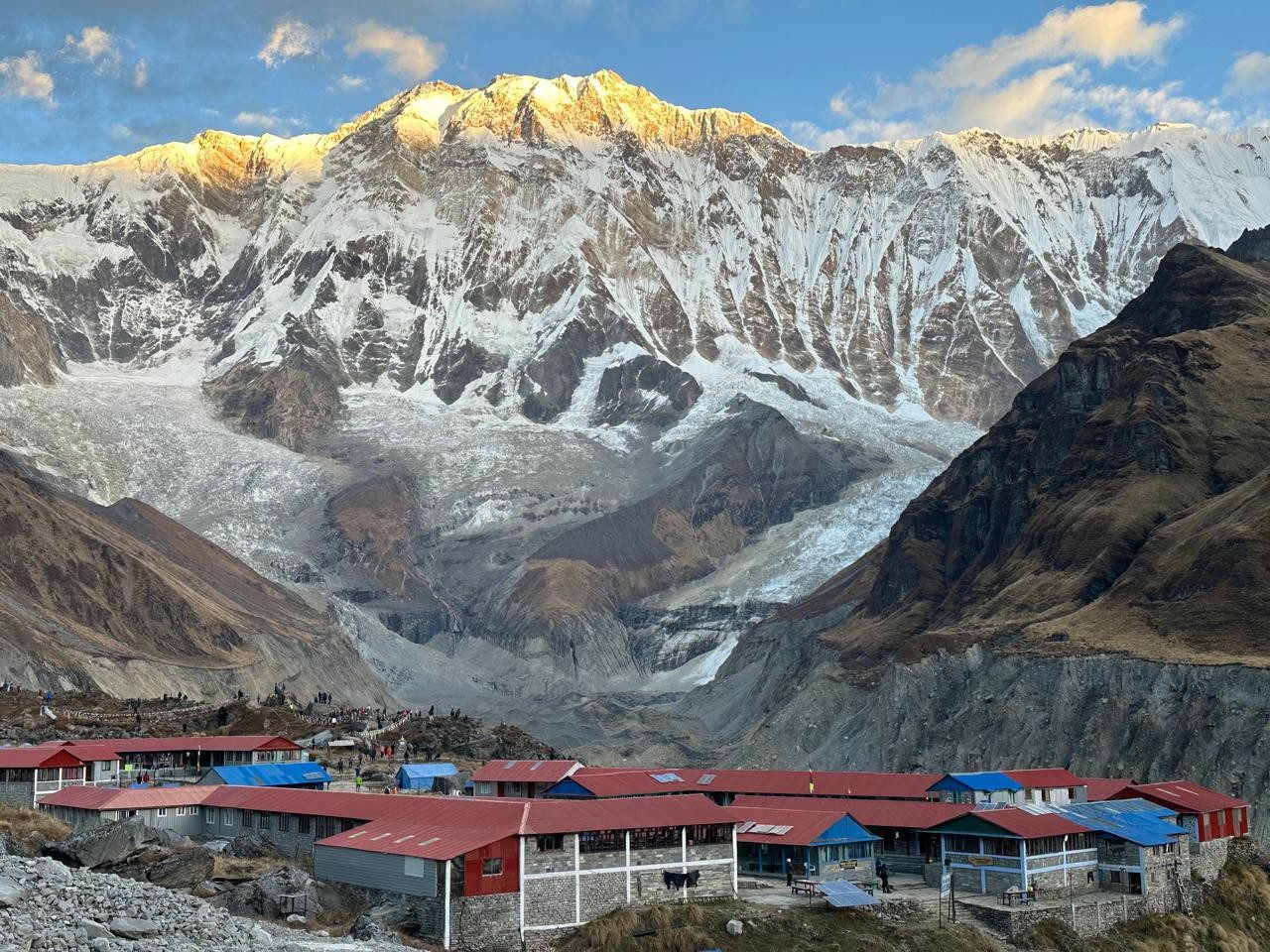
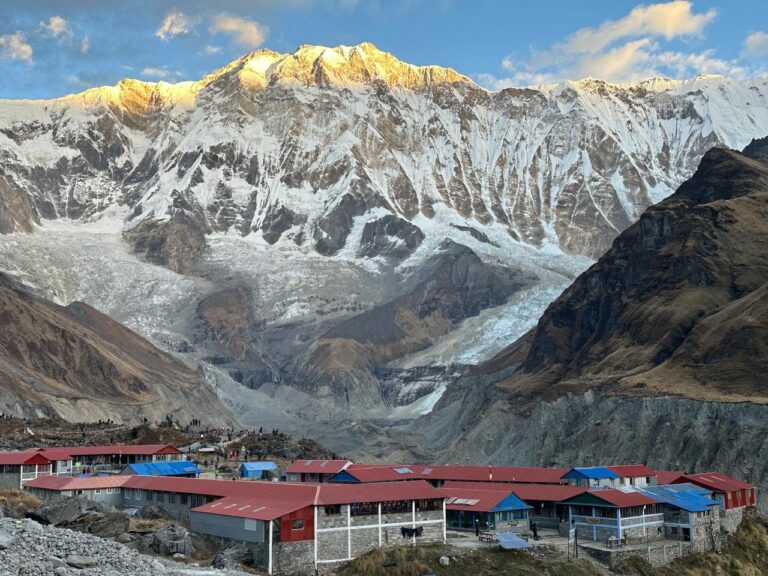
Annapurna Base Camp Trek A shorter, greener route from Pokhara through Gurung villages, rhododendron forest and bamboo groves into the Annapurna Sanctuary, ringed by Annapurna I, Machapuchare and Hiunchuli.
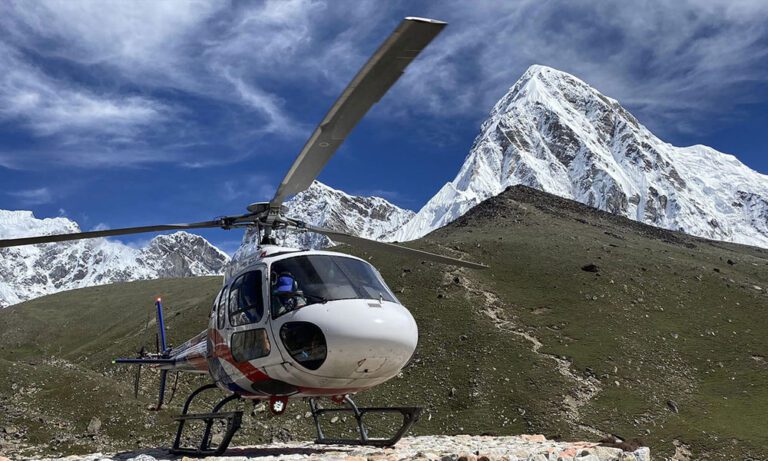
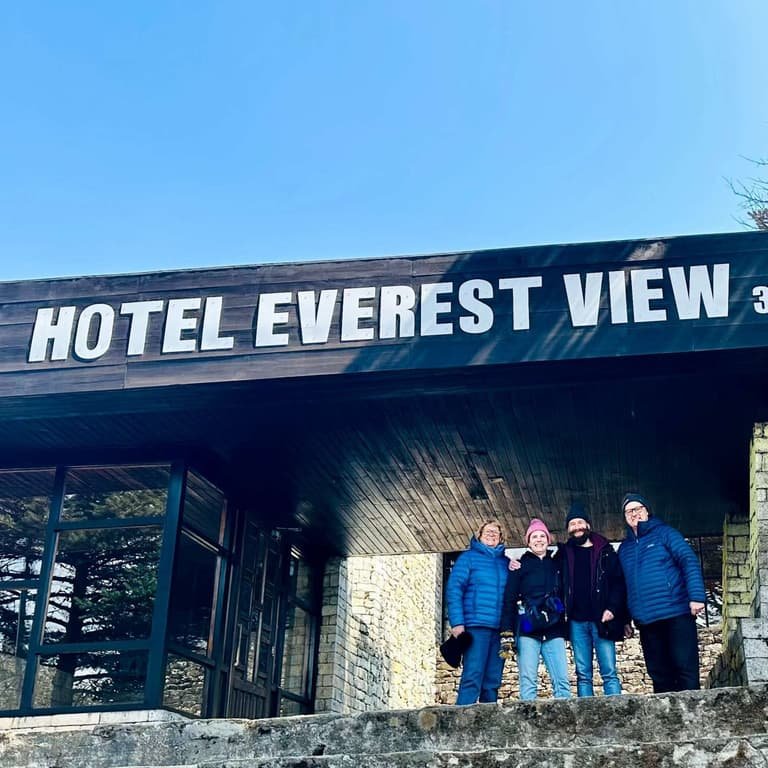
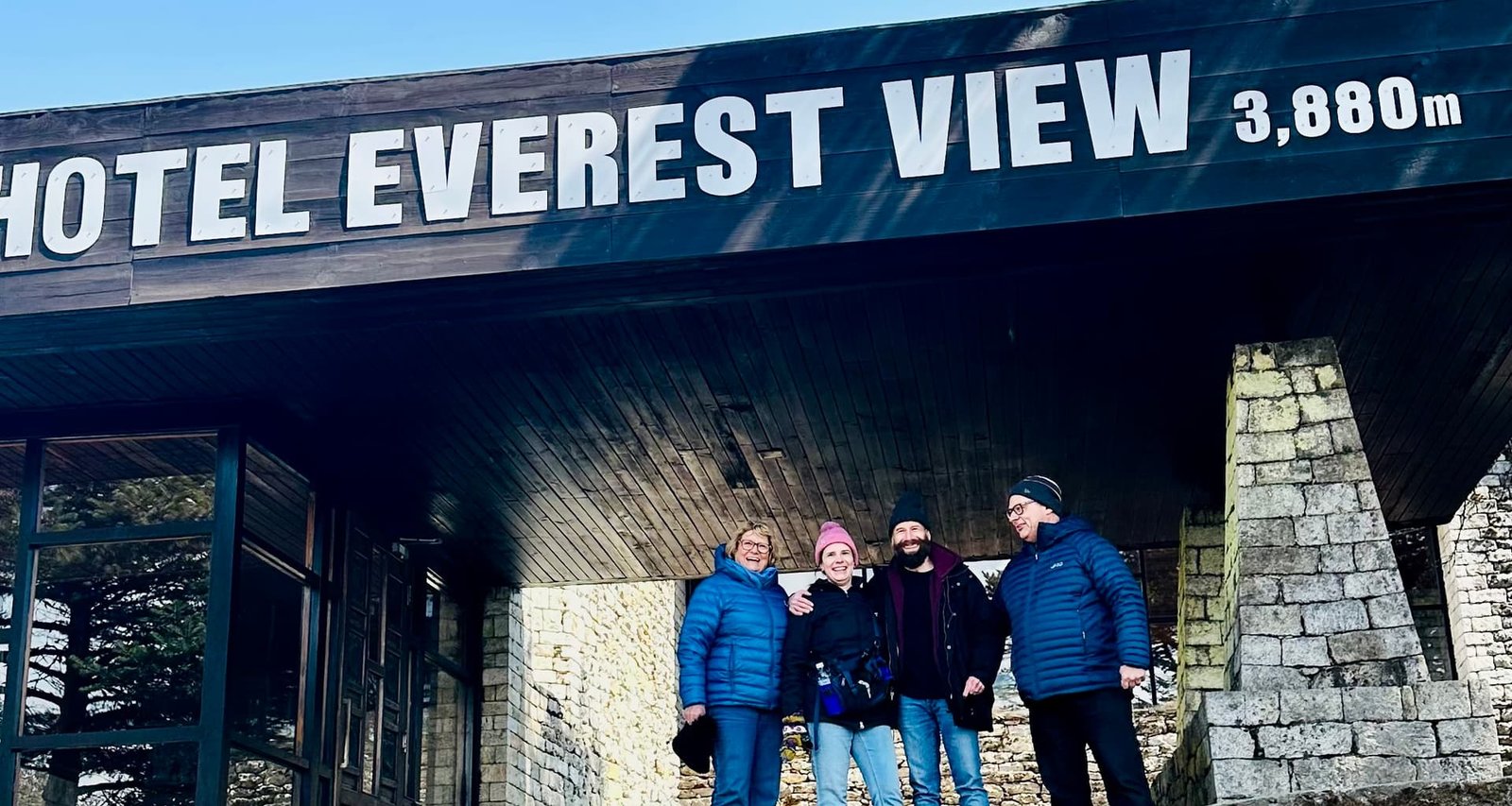
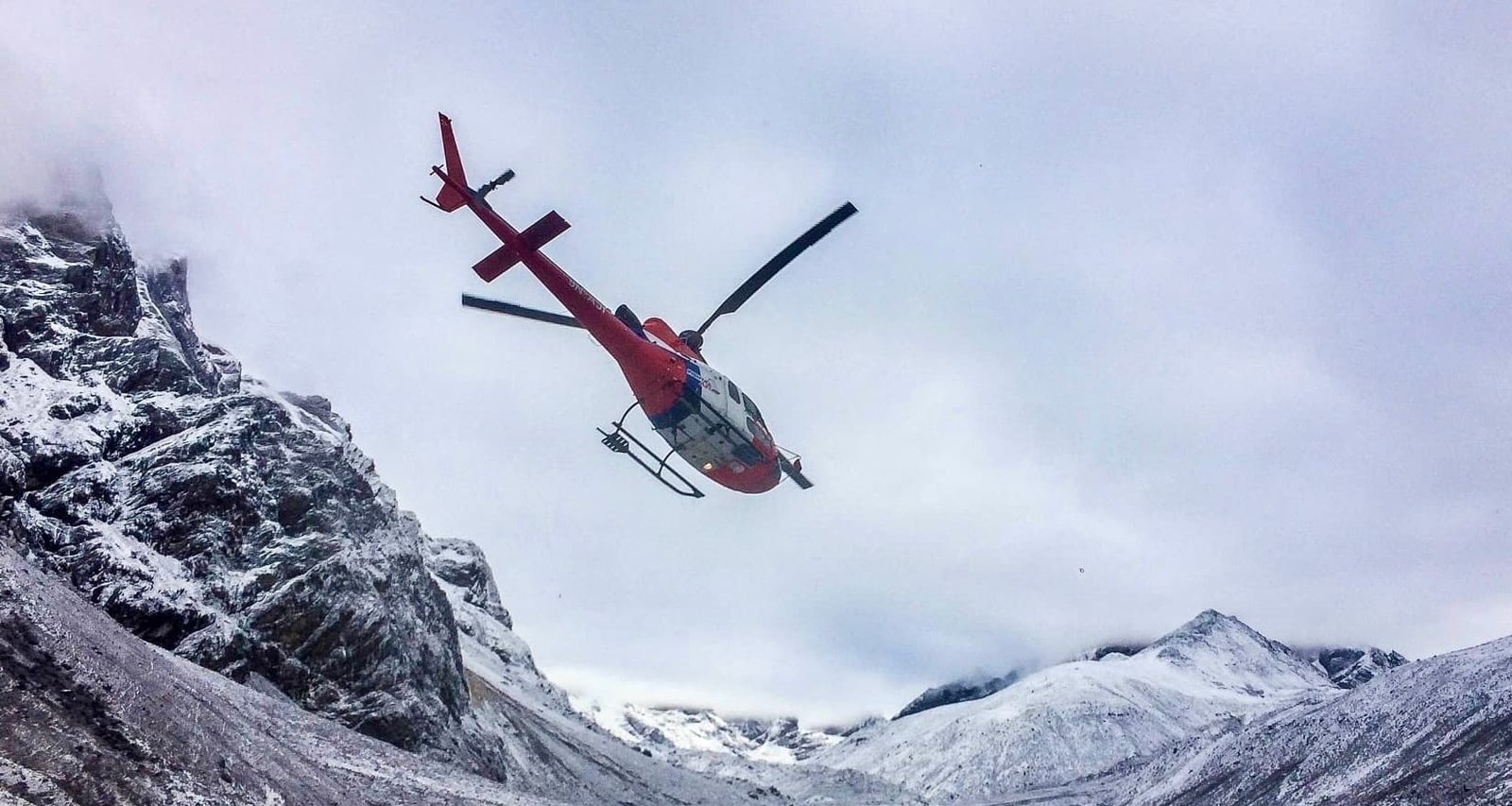
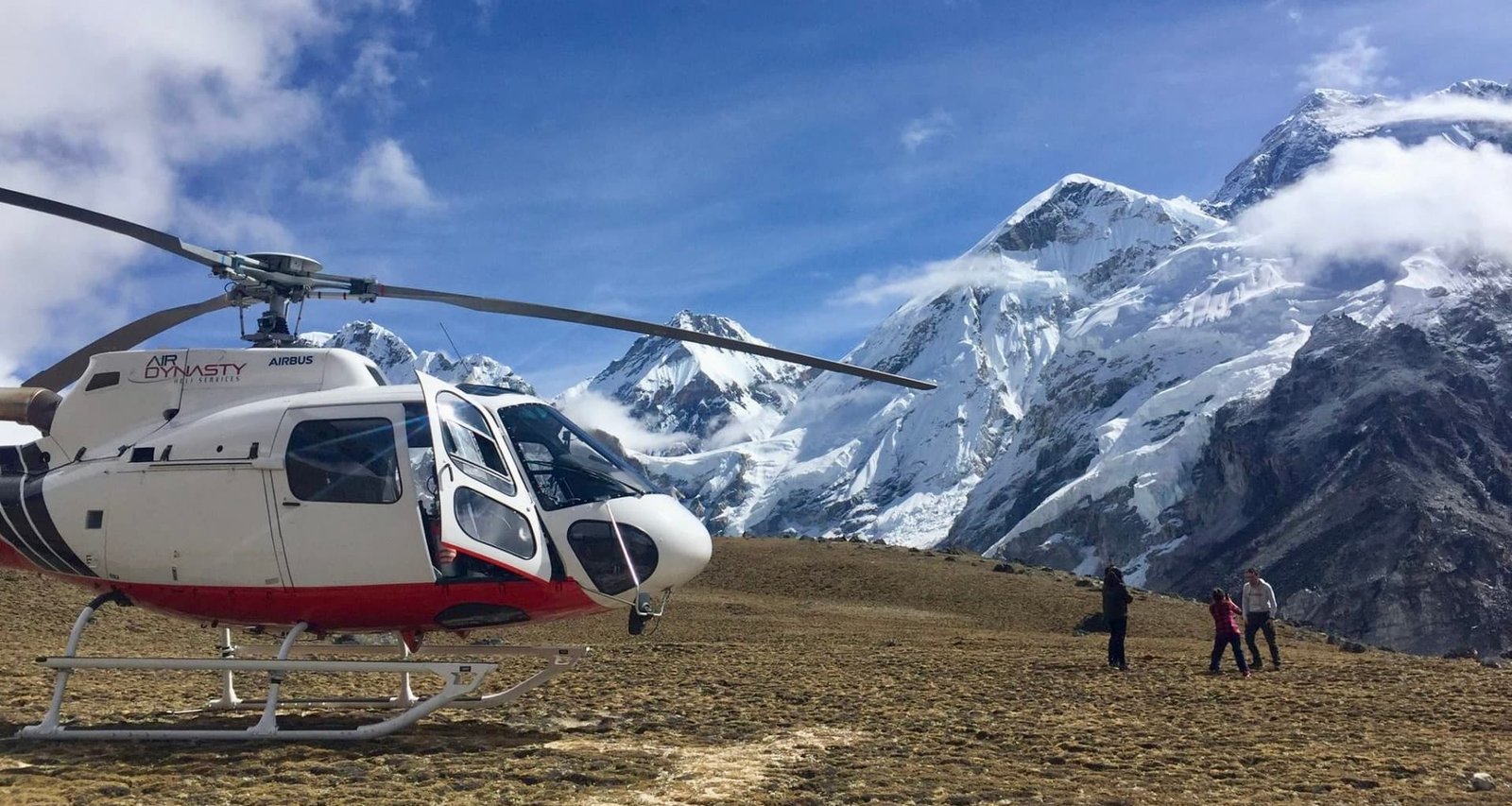
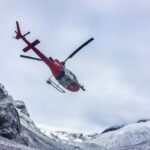
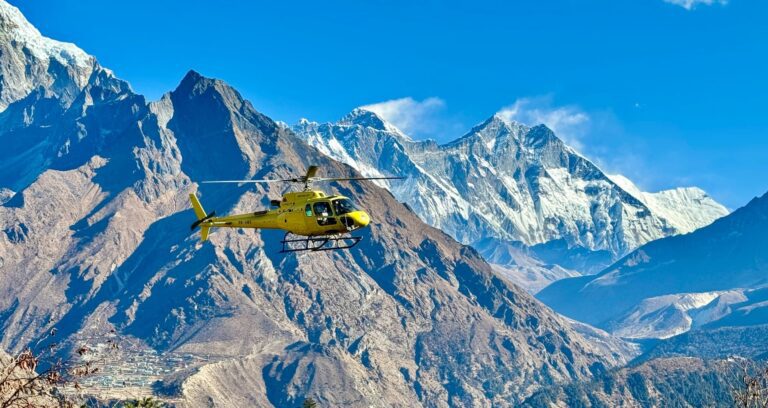
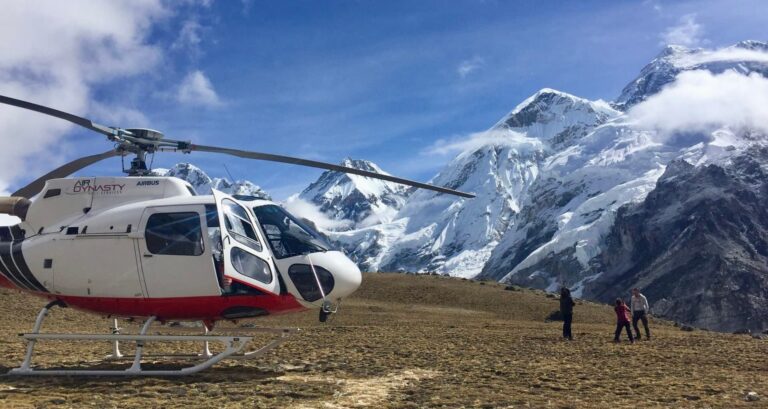
No time to trek? See Everest Base Camp in a single morning on our Everest helicopter day tour, with a Kala Patthar landing and breakfast at Hotel Everest View.
New routes, including an Everest Base Camp short trek with helicopter return and the Everest Three Passes Trek, are being added. Compare every route on our trekking in Nepal page.
What's Included in a Guided Trekking Tour?
What you can expect when you book with InTicketo
Inclusions vary by trip, so always check the itinerary and inclusions on each booking page. Our guided trekking tours typically cover:
A licensed, English-speaking trekking guide for the whole trek, with porter options for your main bag.
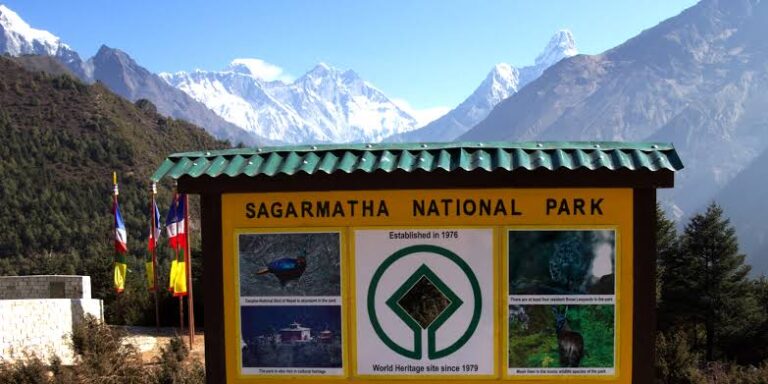
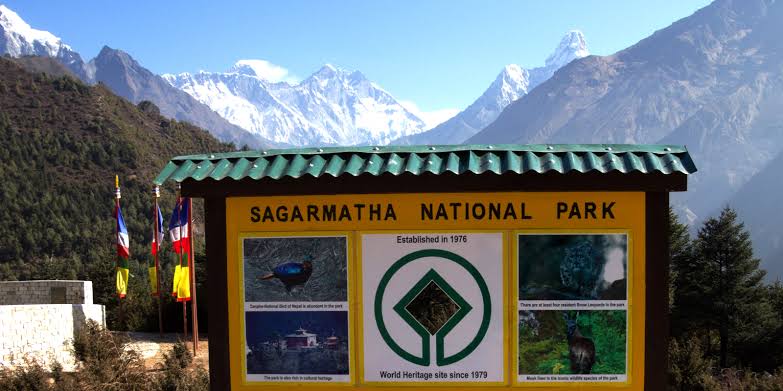
Trekking permits and entry fees — such as Sagarmatha National Park and the local Khumbu permit for Everest, or the ACAP permit for Annapurna — arranged before you start.
Teahouse accommodation on the trail, usually twin rooms in family-run lodges.
Domestic flights and road transfers listed in the itinerary, for example Kathmandu–Lukla flights on Everest treks.
Meals on the trail where stated, plus safe drinking water options and daily health checks at altitude.
Pre-trek briefing in Kathmandu and 24/7 support from our local office.
Choose a Trek by Difficulty and Days
From first-time trekkers to high-altitude adventurers
Easy (2–5 days) Short treks below about 3,500 m with good trails and plenty of villages — ideal for families, beginners and anyone short on time.
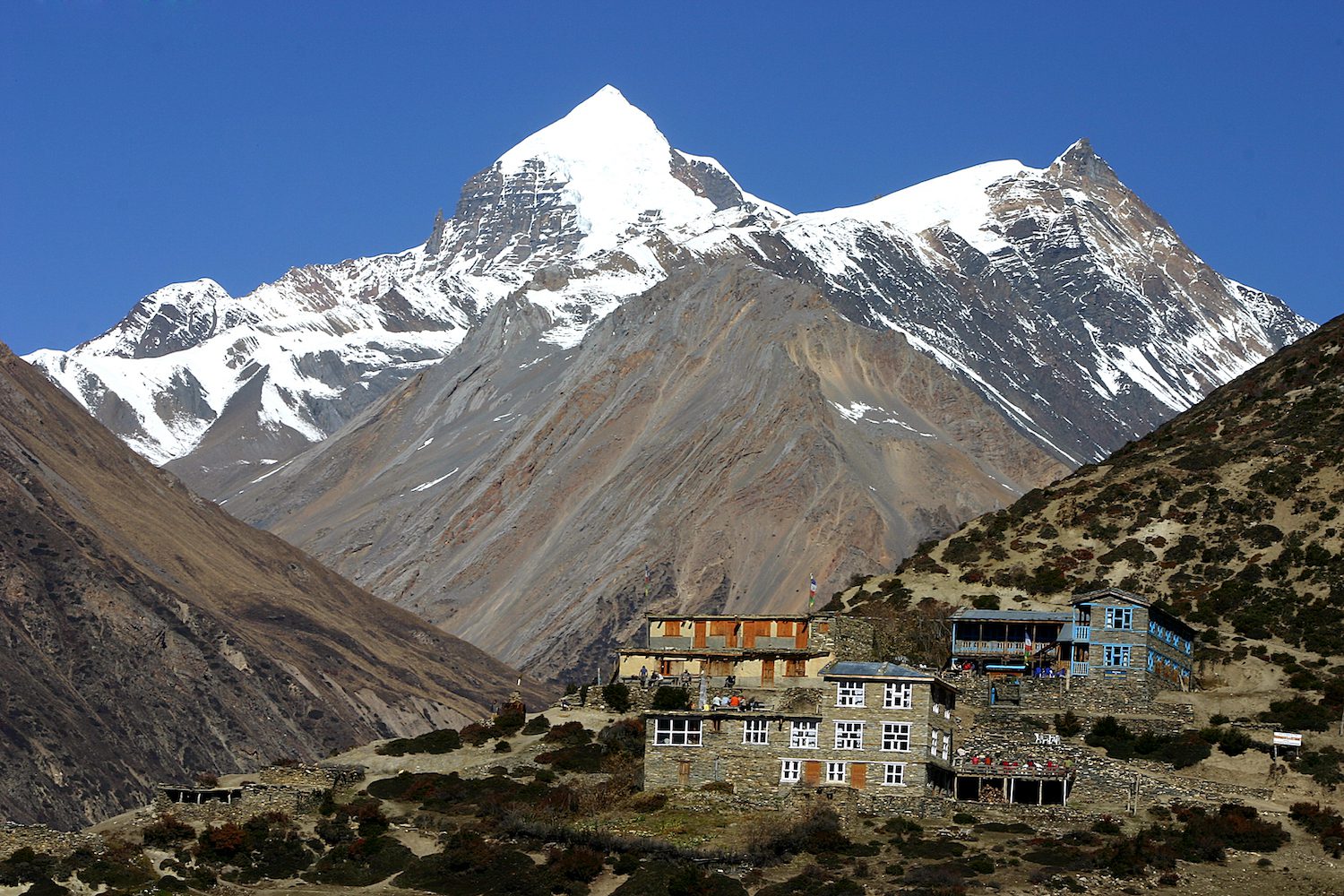
Moderate (6–10 days) Routes like the Annapurna Base Camp Trek: steady daily climbs, many stone steps and a high point around 4,100 m. Good general fitness is enough.
Challenging (11–16 days) The Everest Base Camp Trek: 5–7 hours of walking a day, thinner air above 4,000 m and nights near 5,000 m. Beginners with good preparation can do it — read can a beginner do Everest Base Camp?
Strenuous (16+ days) High passes and remote routes such as Everest Three Passes, with long days above 5,000 m. Previous high-altitude trekking experience is recommended.
Best Time to Book a Trekking Tour
Nepal's trekking seasons at a glance
Autumn (late September–November) — the most popular season, with clear skies, stable weather and the best mountain views. Book early for October.
Spring (March–May) — warmer days, blooming rhododendrons and the Everest expedition season at base camp.
Winter (December–February) — cold nights at altitude but quiet trails and clear views; lower treks are very pleasant.
Monsoon (June–August) — rain, cloud and leeches on lower trails, and more flight delays to Lukla. Best for rain-shadow areas or flexible travellers.
Teahouse Trekking Explained
Where you sleep and eat on a Himalayan trek
Most trekking tours in Nepal are teahouse treks: you stay in simple, family-run lodges along the trail instead of camping. Rooms are usually twin beds with blankets, toilets may be shared, and meals are eaten in a warm dining room around a stove. Expect dal bhat, noodles, soups, potatoes, eggs and pancakes, with hot showers and Wi-Fi often available for a small extra charge.
Everest region: Sagarmatha National Park entry permit and the Khumbu Pasang Lhamu Rural Municipality permit.
Annapurna region: Annapurna Conservation Area Permit (ACAP) plus any local registration required.
Licensed guides: since 2023 Nepal has required most foreign trekkers in national parks and conservation areas to trek with a licensed guide. Rules can vary by region, so we confirm the current requirements for your route.
Travel insurance: make sure your policy covers trekking at your maximum altitude and helicopter evacuation.
All permits for our trekking tours are arranged by our team. For visas, money and SIM cards, see our Nepal travel essentials.
Fitness, Altitude and Safety
How to prepare for a high-altitude trek
Train ahead: 6–8 weeks of regular hiking, stair climbing or cardio makes a big difference.
Acclimatise: our itineraries include rest days (for example in Namche and Dingboche on the Everest trek) and follow the climb-high, sleep-low rule.
Know the signs of altitude sickness: headache, nausea, dizziness and poor sleep. Tell your guide early — descending is the most effective treatment.
Pack well: layered clothing, a warm sleeping bag and broken-in boots. Use our trekking packing list.
Choose your trek — compare days, difficulty and inclusions on each trip page.
Pick your date and group — join a group departure or book a private trek for your own dates.
Book securely online — our Kathmandu team confirms your permits, flights and guide, and we can add an airport pickup and hotel nights.
Questions or a custom route? WhatsApp us on +977 9712067531 or email help@inticketoglobal.com.
Frequently Asked Questions
A trekking tour is an organised multi-day walk through mountains and villages with a guide, where accommodation, permits, transport and often meals are arranged for you. In Nepal, most trekking tours are teahouse treks that stay in local lodges each night.
The most popular are the Everest Base Camp Trek and the Annapurna Base Camp Trek. Other classics include the Annapurna Circuit, Poon Hill, Langtang Valley, Manaslu Circuit and the Everest Three Passes.
Yes. Many treks in Nepal suit beginners with reasonable fitness, especially shorter routes below 3,500 m. Even Everest Base Camp is possible for well-prepared first-timers, because guided itineraries include acclimatisation days and a steady pace.
Short treks take 2–5 days, the Annapurna Base Camp Trek usually around 7–12 days and the classic Everest Base Camp Trek about 12–14 days including Kathmandu. Longer routes such as the Three Passes take 16 days or more.
Since 2023 Nepal has required most foreign trekkers in national parks and conservation areas to trek with a licensed guide, although enforcement can vary by region. All of our trekking tours include a licensed guide.
It depends on the region. Everest treks need a Sagarmatha National Park permit and the Khumbu Pasang Lhamu Rural Municipality permit; Annapurna treks need the Annapurna Conservation Area Permit (ACAP). Our team arranges the permits for every trek we sell.
Autumn (late September–November) and spring (March–May) are the best seasons, with stable weather and clear mountain views. Winter is possible on many routes but colder at altitude, and the summer monsoon brings rain and cloud.
You should be comfortable walking 5–7 hours a day on uneven trails with a light daypack. Regular hiking, stair climbing or cardio training for 6–8 weeks before your trip is ideal.
On most Nepal treks you stay in teahouses — simple family-run lodges with twin rooms and a shared dining room. Learn more on our teahouse trekking page.
Prices depend on the route, number of days, group size and whether you book a group or private trek. See live prices on each trip page, and for a full breakdown of the most popular trek read our Everest Base Camp Trek cost guide.
Yes. You can join a group departure or book a private trek with your own guide and dates. Message us on WhatsApp (+977 9712067531) for a custom itinerary.
Bring broken-in hiking boots, layered clothing, a down jacket, a warm sleeping bag, a rain shell, sun protection, a water bottle and a basic first-aid kit. See our full trekking packing list.
Weather delays on Kathmandu–Lukla flights are common. We recommend keeping one or two spare days at the end of an Everest trek, and our team will rebook flights or arrange alternatives where possible.
What Our Travelers Say
5.0171 reviews for Trekking Tours in Kathmandu·99% recommend
AS
Arnav SinghPune, India · May 28, 2025
Did this with my brother and it was the bonding experience we needed after years of adult life pulling us in different directions. Day 8 to Lobuche we were both struggling with altitude and walked very slowly, side by side, not saying much — and it was the most connected I've felt to him in years. Kala Patthar sunrise we both stood in silence for a long time. No words needed. That's what the mountains do.
I want to specifically say that the cultural experience goes far beyond the mountains. The Sherpa people, their Buddhist faith, their relationship with mountains they consider sacred — spending 14 days immersed in that world genuinely changed my perspective. Guide Pasang was a natural teacher of his culture, sharing it generously and thoughtfully. The mountains were the backdrop; the culture was the heart.
The Lukla flight alone is worth the trip. Nothing prepares you for that 20-minute flight banking between Himalayan peaks and landing on that tiny uphill runway with a cliff at the end. Then you step out and the Himalayas are just everywhere. 14 days later at Kala Patthar watching Everest in the dawn light, I understood why people dedicate their lives to these mountains. Our guide Tenzing was world class.
My 65th birthday present to myself — Everest Base Camp. Many people my age thought I was being reckless. I was being brave. The guide managed my pace carefully and checked my oxygen twice daily without being alarmist. I felt looked after and capable simultaneously. On Day 10 at Kala Patthar, 5,545m, watching the sun rise over the world's highest mountain, I felt more alive than I have in years.
The guide's knowledge of high-altitude medicine was genuinely impressive — he explained the physiology of acclimatization to us every evening in simple terms. Daily pulse oximeter readings became a ritual everyone looked forward to. The scientific understanding of what my body was doing at each altitude stage turned anxiety into fascination. Brilliant experience, brilliant operator. Kala Patthar at dawn remains my proudest achievement.
I chose this trek for my 50th year and could not be happier. Guide Nima was extraordinary — experienced, medically knowledgeable, culturally rich in his storytelling, and genuinely warm with everyone. The acclimatization schedule was perfectly designed and I had zero altitude problems. Tengboche at the evening puja, the Khumbu Glacier at Base Camp, and the Kala Patthar sunrise — three peak moments in a trek full of peak moments.
I've wanted to do this since university when I first read Into Thin Air. Twelve years later I finally did it. The reality is even better than the book describes — the colors of the prayer flags, the sound of the Dudh Koshi River, the absolute silence above 5,000m. Our guide Nima was one of the best humans I've ever spent two weeks with. This trek is a masterpiece.
I want to write a review that might encourage someone on the fence. I am 44, female, not particularly athletic, and I completed the Everest Base Camp Trek. I trained seriously, followed the guide's instructions exactly, didn't skip acclimatization days, drank 4 liters of water every day. And I stood at 5,545m watching the sun rise over Everest. If you're considering it — stop considering and book it.
The organization before the trek was faultless. On the trail, guide Nima could identify every peak visible from every viewpoint, explain the geology of the glaciers, and share Sherpa folklore by the fire every evening. The Khumbu region is more beautiful than any photograph suggests. Everest from Kala Patthar at sunrise is the most beautiful thing I will ever see in my life. 5 stars without hesitation.
My mother said don't go. My doctor said go. I went. I'm so glad I went. I'm 50 and I have now stood at Everest Base Camp and Kala Patthar. I have watched the sunrise over the world's highest mountain. I have eaten dal bhat at 5,000m while the temperature outside was minus ten. I have sat in the Tengboche Monastery at the evening puja. I have come home a completely different person. Thank you Inticketo.
My group of 4 friends did this together and it was the best decision we've ever made collectively. The shared experience of the harder days — especially Day 9 to Base Camp — brought us closer than any other trip we've done. Our guide Mingma was exceptional with group dynamics. The Tengboche Monastery experience at sunset will stay with me forever. Highly recommend.
As a Bangladeshi trekker I want to say that the EBC trail welcomes everyone. I encountered trekkers from every continent and the shared experience created instant community transcending nationality, language and background. Guide Pasang came from a Sherpa family with three generations of guiding experience. Base Camp was the physical destination. The whole journey was the real achievement. Inticketo made it possible.
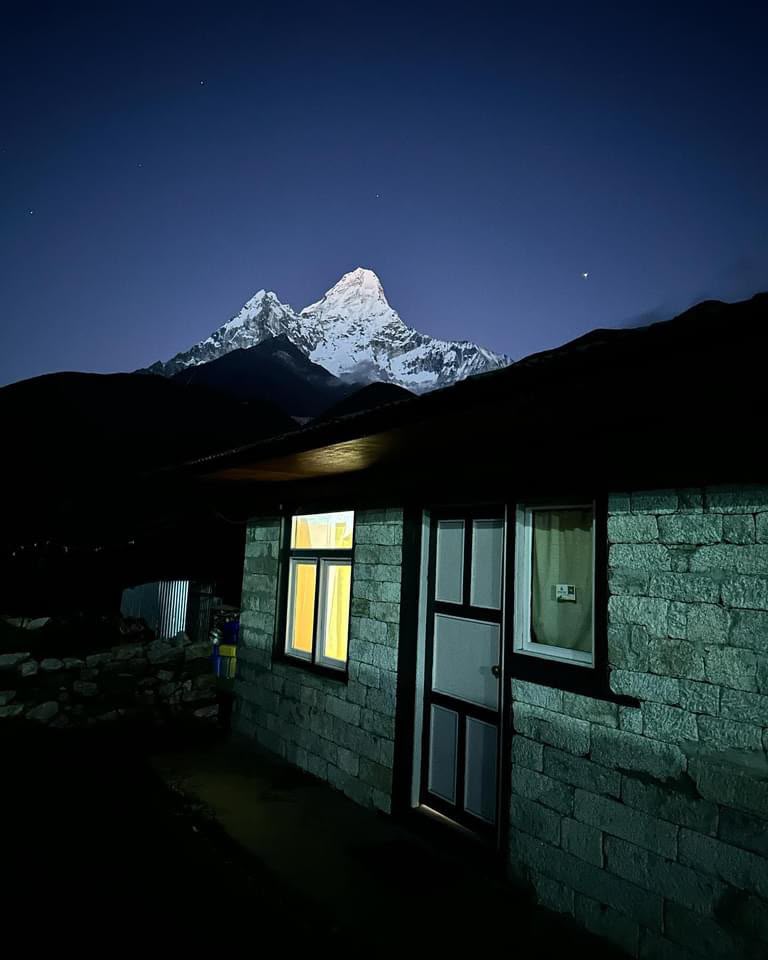
The photos online don't do it justice. The mountains look big in photos — in person they are incomprehensibly enormous. You feel genuinely small among them but in the best possible way. Day 5 to Tengboche with Ama Dablam right there — I literally gasped. Guide Tenzing was patient and knowledgeable, the tea house owners warm and welcoming. Then Kala Patthar at 4am in every layer I owned. Perfect.
Perfect organization from start to finish. The briefing in Kathmandu was thorough and our guide Nima spoke excellent English with encyclopedic mountain knowledge. The Tengboche Monastery evening puja — monks chanting, incense burning, Ama Dablam glowing outside the window — was something I will never forget. Then Kala Patthar at dawn. This trek is worth everything.
I'm a marathon runner and assumed the trek would feel easy. It didn't — altitude humbles everyone regardless of fitness. Our guide Pemba was firm when he needed to be (made me slow down on Day 3 when I wanted to race — he was completely right). Kala Patthar at dawn was my Everest moment. The most peaceful, overwhelming, beautiful thing. I was completely present for every second. Perfect.
I want to say to every African reading this — this trek is for you too. The mountains belong to everyone. Our guide Dawa was welcoming and wonderful, the Sherpa communities were warm and genuinely curious about where I was from. Standing at Base Camp I felt something that transcends nationality and culture. Inticketo made every logistical detail stress-free. Greatest thing I have ever done.
I nearly cancelled this trek twice — once when reading about altitude sickness, once when I got a cold 10 days before departure. Both times the Inticketo team talked me through my concerns with patience and genuine knowledge. I went. I completed every single day. I stood at 5,545m watching the sun rise over Everest. The two moments I almost cancelled feel like the two most important decisions I ever made correctly.
I'm a landscape photographer and I've been to some of the most visually spectacular places on Earth. Nothing has prepared me for the Khumbu. The light changes every minute. The scale defeats any lens I own. The colors — the blue of glacial rivers, the red and orange of prayer flags, the white and grey of high peaks — extraordinary in combination. I took 4,000 photographs and none fully captures it. You have to be there.
From South America to South Asia to stand at the base of Everest — it still doesn't feel real. The trek was perfectly organized, the guide exceptional, and the Khumbu region unlike anything I've experienced anywhere. Day 5 to Tengboche with Ama Dablam right there in front of me — I literally gasped out loud. And then Kala Patthar. And then Everest at sunrise. I've run out of superlatives.
I'm a yoga teacher and thought my breathing would help at altitude. It did — a little — but nothing fully prepares you for 5,000 meters. What made the difference was the guide's experience and the itinerary's pacing. The two acclimatization days are non-negotiable and I'm glad the schedule enforced them. Day 9 was the hardest day of my life and also the best. Kala Patthar made every hard moment irrelevant.
Everything exceeded my expectations. The Sherpa culture alone is worth the journey — the prayer flags, the mani walls, the monasteries, the warmth of local people in every village. Our guide Kami was thoughtful and incredibly patient. The views of Ama Dablam from Tengboche made me stop walking and just stare. Kala Patthar at sunrise made me completely forget I was exhausted and freezing.
Nobody ever mentions the food enough in these reviews. The dal bhat in the tea houses is genuinely delicious and the unlimited refills policy is one of the best things that exists at any altitude. The apple pies in Namche bakeries should be internationally famous. The garlic soup at Lobuche saved my soul on a cold evening when everything felt hard. And the farewell dinner in Kathmandu on Day 13 was perfect.
This is the first review I've written without being asked. It deserves one. The trek is physically demanding, the tea houses are basic above 4,000m, and the altitude is very real — but none of that matters when you're at Kala Patthar watching the most spectacular sunrise on the planet. Guide was exceptional, health monitoring was thorough, every detail handled perfectly. A customer for life.
I'm a doctor and I've always been curious about high altitude physiology. Flying above Everest Base Camp and Kala Patthar, understanding what climbers experience at that altitude — it was fascinating beyond just the visual. But the visual was extraordinary too. Ama Dablam from the helicopter looks like something from a different planet. Breakfast at Hotel Everest View was magical.
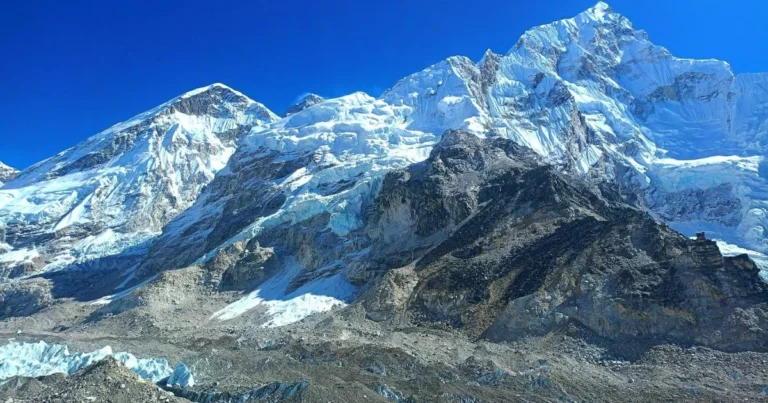
I teach environmental science and climate change. The Khumbu Glacier from above tells the story of climate change more powerfully than any academic paper or presentation I've ever given. The glacial retreat is visible. The moraines tell the story. The meltwater lakes that didn't exist 30 years ago are right there below you. Beyond the extraordinary beauty — and it is extraordinarily beautiful — this tour gave me classroom material that will move my students more than any slide deck. Book it. See it. Understand it.
I came to Nepal for a yoga retreat and added the helicopter tour on an impulse on my last day. I am a contemplative person — slow travel, minimal tourism, deep experience. I wondered if a helicopter tour could deliver that. It did. Flying above the Khumbu in near-silence, watching the glaciers from altitude, the stillness of Hotel Everest View terrace with Everest in front of you — this tour has a meditative quality I did not expect. Extraordinary.
I was terrified by altitude sickness before going — read everything and scared myself. In reality the acclimatization was well-managed, the guide was constantly monitoring everyone, and the pace was conservative enough that I never felt out of control. Day 9 to Base Camp is genuinely hard but manageable with the right support. Standing at EBC I felt both tiny and enormous simultaneously.
Second trekking experience after the Inca Trail last year and the difference in scale is almost laughable — and I mean that as the highest possible compliment to EBC. The Inca Trail is beautiful. But the Himalayas are in a completely different category. Guide Pemba was outstanding. I felt altitude hard at Lobuche and the rest day made all the difference. Base Camp and Kala Patthar — things I will never stop talking about.
I want to tell every African traveler — Nepal is worth the journey and the Everest helicopter tour is worth the price. The Khumbu from the air is something no documentary, no photograph, no travel blog fully captures. You need to be there, in the window seat, watching the glaciers from above and feeling the scale of those peaks. Hotel Everest View with Everest right there — no description does it justice. Just go.
People ask me why I flew from Ghana to Nepal for a four-hour helicopter tour. I tell them: because Everest. Because flying above the Khumbu Icefall at dawn with the world's highest mountain filling the window. Because breakfast at a hotel that holds the Guinness World Record for highest altitude. Because there are some experiences that justify the journey entirely on their own merit. This is one of them.
Excellent organization and an outstanding guide. Lakpa had 18 years of experience and it showed in every single decision on the trail. He knew which tea house had the best food, which viewpoints to pause at for photos, and when to slow down before any of us asked. The daily oxygen checks gave huge peace of mind. Reached Base Camp and Kala Patthar with zero serious altitude problems.
I'm a landscape photographer and I've shot in Patagonia, Iceland, and the Dolomites. The aerial view of the Khumbu from a helicopter is a completely different photographic experience to any of those. The scale is impossible to capture fully but the attempt is extraordinary. Flying directly above the Khumbu Glacier with Everest filling the frame above — nothing in my portfolio comes close to those shots.
I've wanted to see Everest since I was a child watching documentaries. My job doesn't allow for two weeks of trekking. This helicopter tour was the answer I didn't know existed. From Kathmandu to Everest Base Camp flyover in 4 hours. The emotional weight of finally seeing Everest — the actual mountain, from the actual sky, right there in front of me — was overwhelming. I did not expect to cry. I cried.
As a solo female traveler, safety was my biggest concern. From landing in Kathmandu to flying back, the team made me feel completely looked after. My guide Dawa was professional, protective without being patronizing, and genuinely great company for 14 days. Kala Patthar sunrise was the most beautiful thing I have ever seen in my life. I tell absolutely everyone to do this trek.
My travel photography Instagram has 180,000 followers. This helicopter tour produced the best content I have ever posted. Four images from above Base Camp and Hotel Everest View received more engagement than anything in my four years of travel photography. But more than the content — the personal experience of being above Everest Base Camp in a helicopter at dawn, seeing the expedition tents below, watching the morning light hit the summit — that belongs only to me.
I had already booked the EBC trek for next year. I added the helicopter tour as a reconnaissance flight — I wanted to see the route from the air before walking it. Now I've seen Namche Bazaar from above, Tengboche, Dingboche, the entire Khumbu Valley laid out below. I understand the geography in a way no map could give me. And seeing Base Camp from the air makes me want to stand there on foot more than ever. This tour made me more excited for the trek, not less.
I have MS and trekking to Everest Base Camp was never going to be possible for me. This helicopter tour gave me something I thought I'd never have — I saw Everest. I flew above Base Camp. I had breakfast at the world's highest hotel. The crew was incredibly thoughtful and made sure I was comfortable throughout. I cried on the way back. Happy tears.
Emma JohnsonAuckland, New Zealand · April 15, 2025
I had 48 hours in Kathmandu before flying to London. I debated whether to spend the money and am laughing at myself now for even hesitating. The pilot gave us commentary throughout the flight identifying every peak, explaining the climbing routes, describing the history of the Khumbu. It was part scenic flight, part Himalayan masterclass. By Hotel Everest View I felt like I understood Everest at a level that took some people 14 trekking days to reach.
Our guide explained the physiology of acclimatization every evening at dinner in terms that made me understand exactly what my body was doing. The daily oxygen readings became a ritual everyone looked forward to. I went from SpO₂ 97% in Kathmandu to 78% at Kala Patthar — completely normal at that altitude, and the guide explained why. That knowledge replaced anxiety with genuine fascination.
Jean-Pierre RousseauBordeaux, France · April 11, 2025
I'm 77. Arthritis in both hips. I told my family I wanted to see Everest before I died and my granddaughter found this helicopter tour. Four hours door to door. I sat in the front seat next to the pilot. When we flew above Everest Base Camp and I saw the Khumbu Icefall, I said a prayer. When we sat at Hotel Everest View with Everest in front of me I ordered coffee and did not move for 45 minutes. I have seen Everest. I am complete.





 Everest Base Camp Trek 14 Days – Classic Nepal Himalayan Journey