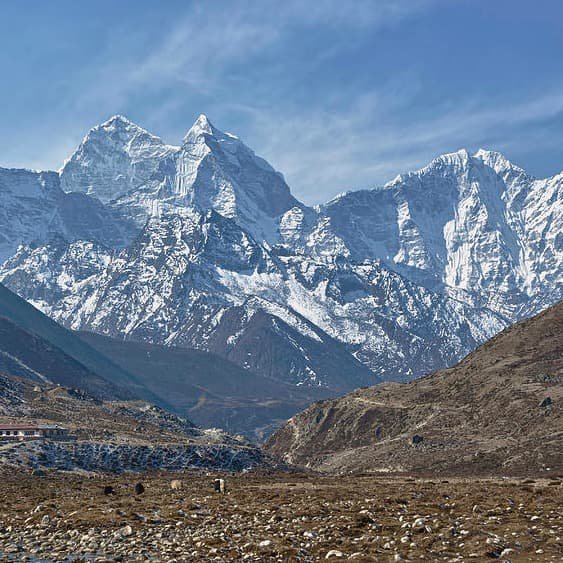
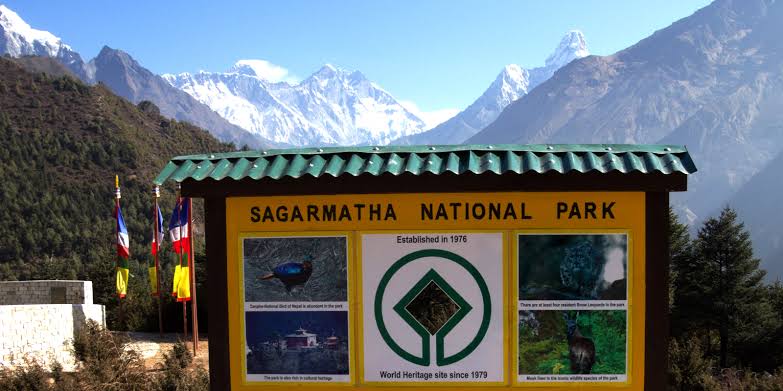
Discover the best places to visit and things to do in Kathmandu, Nepal — UNESCO temples and stupas, Durbar Squares, Thamel, day trips and Everest flights. Book Kathmandu tours, airport transfers and private taxis with our local team.
Kathmandu Travel Guide 2026: Places to Visit & Things to Do
Everything you need to plan your time in Kathmandu: the best places to visit, what to do, how many days to stay, where to sleep and eat, and how to get around. Written by our team based in Kathmandu.
Why Visit Kathmandu?
Nepal's capital, cultural heart and gateway to the Himalaya
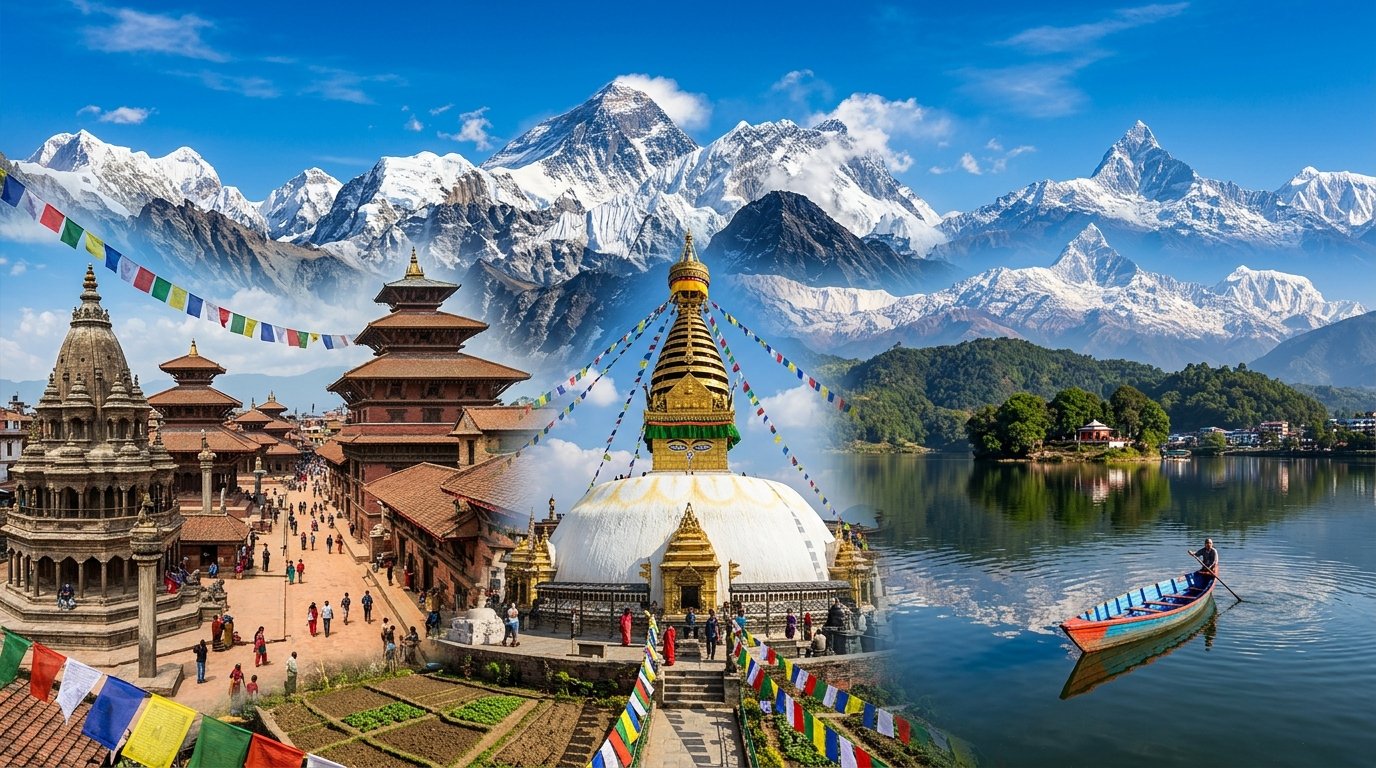
Kathmandu sits at about 1,400 m in a green valley ringed by hills, and it holds more World Heritage monuments in a small area than almost anywhere on Earth. The Kathmandu Valley has seven UNESCO-listed monument zones — the Durbar Squares of Kathmandu, Patan and Bhaktapur, Swayambhunath, Boudhanath, Pashupatinath and Changu Narayan — most of them within 30–45 minutes of each other.
Living heritage — temples and stupas are still in daily use, with morning prayers, butter lamps and festivals throughout the year.
Hindu and Buddhist culture side by side — from the cremation ghats of Pashupatinath to the Tibetan monasteries around Boudha.
Newar art and food — carved wooden windows, pagoda temples, and dishes you will not find anywhere else.
Start of every big adventure — Everest Base Camp treks, Everest helicopter tours, mountain flights and trips to Pokhara and Chitwan all begin here.
Easy for visitors — international airport, English widely spoken in tourist areas, and hotels for every budget.
15 Best Places to Visit in Kathmandu
Top attractions in and around the city, with practical tips
Kathmandu Durbar Square (Basantapur) The old royal square with Hanuman Dhoka Palace, Taleju Temple and the Kumari Ghar, home of the Living Goddess. Entry for foreigners about NPR 1,000. Allow 1.5–2 hours. Explore Basantapur.
Swayambhunath (Monkey Temple) A hilltop stupa with all-seeing Buddha eyes and the best panorama over the city. Go at sunrise and climb the 365 steps from the east side. Entry about NPR 200.
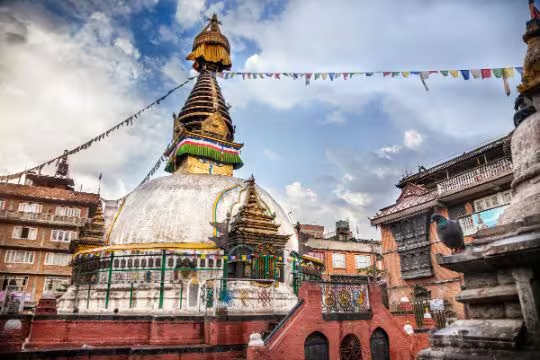
Boudhanath Stupa One of the largest stupas in the world and the centre of Tibetan Buddhist life in Nepal. Walk the kora clockwise at dusk with pilgrims and prayer wheels, then eat on a rooftop terrace. Entry about NPR 400.
Pashupatinath Temple Nepal’s holiest Hindu temple, on the Bagmati River. Watch the evening aarti (fire ceremony) and see the open-air cremation ghats from the opposite bank. Only Hindus may enter the main temple. Entry about NPR 1,000.
Patan Durbar Square Many travellers’ favourite of the three Durbar Squares, with the stone Krishna Mandir, the Golden Temple and the excellent Patan Museum (included in the ticket). Entry about NPR 1,000.
Bhaktapur Durbar Square A car-free medieval town 13 km east, with the 55-Window Palace, the five-storey Nyatapola Temple, Pottery Square and juju dhau (king curd). The highest entry fee in the valley — check the current rate at the gate. Plan a half or full day.
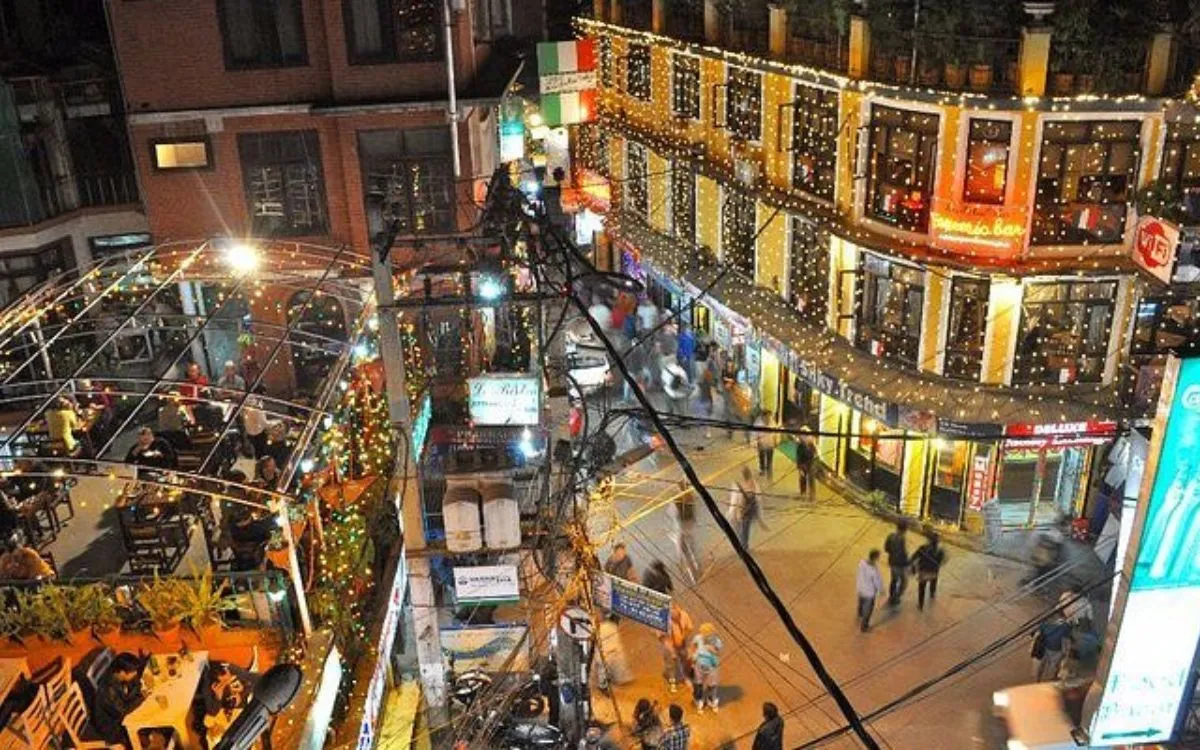
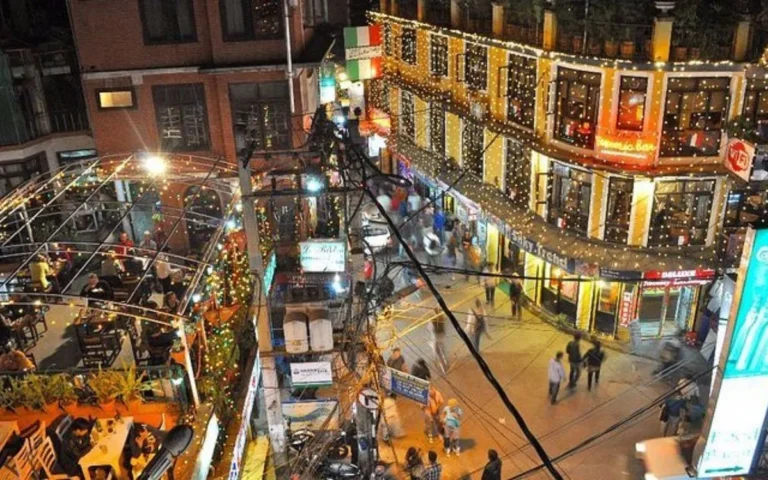
Thamel Kathmandu’s lively traveller quarter: hotels, cafes, live music, trekking-gear shops and handicrafts. Most visitors stay here.
Garden of Dreams A restored neo-classical garden on the edge of Thamel — a calm escape for coffee and reading. Small entry fee.
Asan & Indra Chowk bazaars The old trading streets between Thamel and Durbar Square, packed with spice stalls, temples and everyday Kathmandu life.
Changu Narayan Temple The valley’s oldest temple, on a ridge near Bhaktapur, with stone carvings over 1,500 years old. Combine it with Bhaktapur or Nagarkot.
Nagarkot A hill village at about 2,175 m, famous for sunrise views over the Himalaya — on clear days you can see from the Annapurnas to the Everest range.
Chandragiri Hills cable car A cable car up to about 2,500 m for sweeping mountain and valley views, a hilltop temple and restaurants. Easy half-day trip.
Kirtipur A quiet hilltop Newar town with old temples and excellent local food, just 20–30 minutes from the centre.
Budhanilkantha A huge stone statue of Vishnu reclining in a sacred pond, at the foot of Shivapuri hills.
Pharping & Dakshinkali Sacred caves, monasteries and temples in the southern valley, important to both Buddhists and Hindus.
Entry fees are approximate, for foreign visitors, and change from time to time. Children under 10 are usually free. Carry cash in Nepalese rupees.
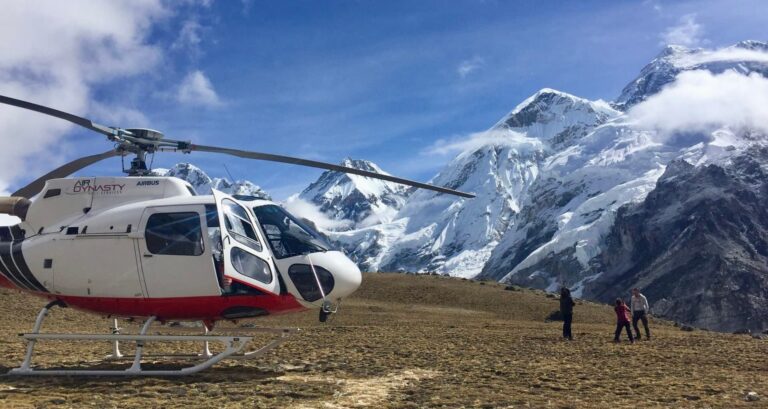
Take an Everest mountain flight — a one-hour early-morning sightseeing flight along the Himalaya.
Watch the evening aarti at Pashupatinath, or join pilgrims circling Boudhanath at sunset.
Follow a heritage walk from Thamel through Asan and Indra Chowk to Durbar Square — see our 1-day Kathmandu itinerary.
Catch sunrise at Nagarkot or Swayambhunath.
Ride the Chandragiri cable car for Himalayan views without trekking.
Take a cooking class and learn to make momos and dal bhat.
Try Newari food — bara, chatamari, choila and yomari in Patan, Kirtipur or Bhaktapur.
Shop for handicrafts — singing bowls, pashmina, thangka paintings and Patan metalwork.
Hike the valley rim — Shivapuri, Champadevi or the Nagarkot–Changu Narayan trail.
Get ready for your trek — buy or rent gear in Thamel, meet your guide and pick up permits before the Everest Base Camp Trek.
How Many Days in Kathmandu?
Sample 1-, 2- and 3-day Kathmandu itineraries
2–3 days is ideal for first-time visitors. Here is how to use them:
Day 1 — Classic Kathmandu: sunrise at Swayambhunath, then Kathmandu Durbar Square and the Asan bazaar. Afternoon at Pashupatinath and sunset at Boudhanath. (Short on time? This is our 1-day plan.)
Day 2 — Patan and Bhaktapur: morning in Patan Durbar Square and the Patan Museum, afternoon in Bhaktapur, with juju dhau and a sunset over Taumadhi Square.
Day 3 — Mountains: an Everest helicopter tour or mountain flight in the morning, or sunrise at Nagarkot and the hike to Changu Narayan.
Trekking? Plan at least one day in Kathmandu before your trek to rest and prepare, and one buffer day afterwards in case mountain flights are delayed.
Where to Stay in Kathmandu
The best areas for every kind of traveller
Thamel Best for first-time visitors and trekkers: walkable, full of restaurants, bars, gear shops and travel services. Can be busy and noisy at night.
Boudha Best for a calm, spiritual stay among monasteries, with the stupa on your doorstep at sunrise and sunset.
Patan (Lalitpur) Best for culture lovers and longer stays: historic courtyards, art galleries and excellent cafes, away from the bustle.
Lazimpat Quieter and central, with embassies, upscale hotels and good restaurants, a short walk from Thamel.
October–November (best): clear skies, mild days and mountain views from the valley rim. Dashain and Tihar, Nepal’s biggest festivals, usually fall in this period.
March–April: warm, flowering season; Holi (festival of colours) in March. Haze can reduce mountain views later in spring.
December–February: sunny days but cold mornings and nights (near freezing). Quiet and great for sightseeing; Losar (Tibetan New Year) brings celebrations to Boudha.
June–August (monsoon): warm with heavy afternoon rain, but green and uncrowded. Indra Jatra, with the Kumari chariot procession, takes place in late summer around Durbar Square.
Food, Nightlife & Shopping
What and where to eat, drink and buy
Must-try food: momos (dumplings), dal bhat, thukpa, sel roti, and Newari dishes such as bara (lentil patties), chatamari (rice crepe), choila (spiced grilled meat) and yomari (sweet dumpling).
Where to eat: Thamel for international menus, Patan and Kirtipur for Newari food, Boudha for Tibetan dishes and rooftop views.
Nightlife: live-music bars and cafes in Thamel, and cultural dinner shows with traditional dance.
Shopping: singing bowls, pashmina, thangka paintings, prayer flags, tea and spices; Patan for metalwork and Bhaktapur for pottery and woodcarving. Bargain politely in markets.
Getting To & Around Kathmandu
Airport, taxis and day trips
Airport: Tribhuvan International Airport (KTM) is about 6–7 km from Thamel — roughly 30 minutes by car, longer at rush hour. Book a fixed-price Kathmandu airport to Thamel transfer so your driver is waiting when you land.
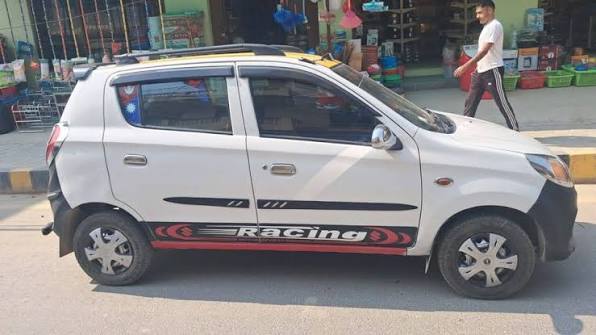
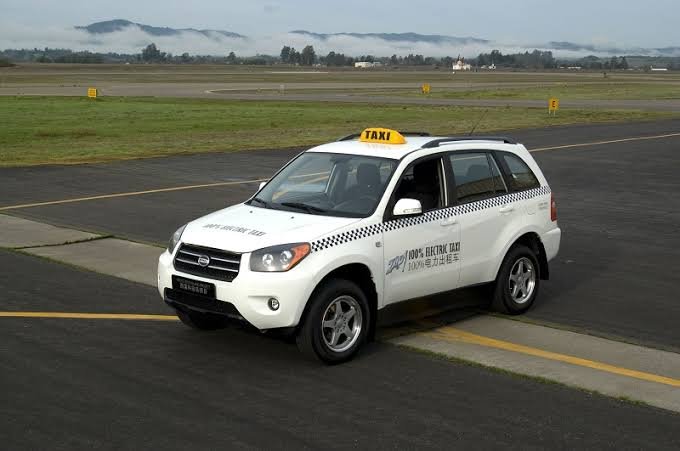
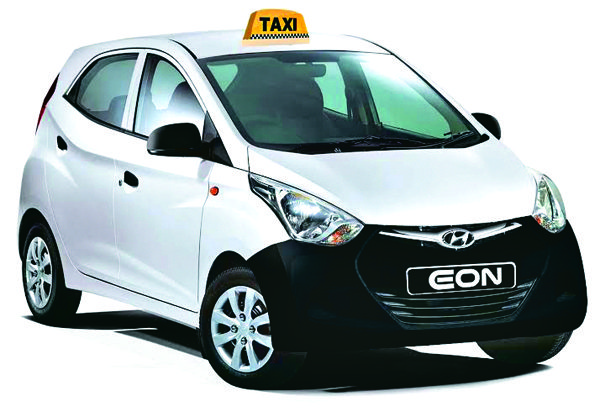
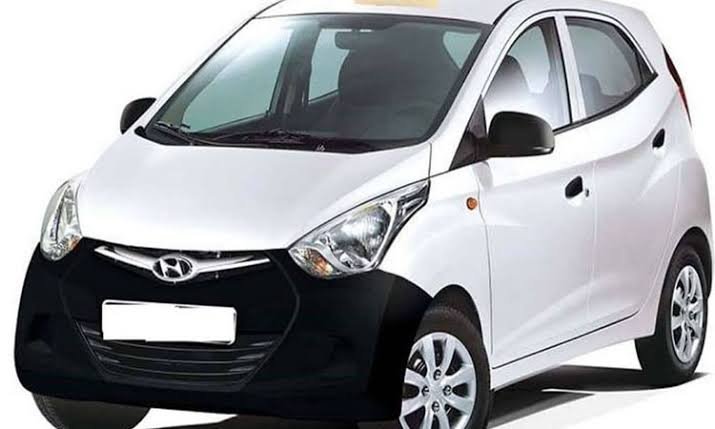
Private taxi with driver: the easiest way to see several sights in one day — hire our private taxi in Kathmandu for transfers or 2–12 hours.
Street taxis and ride apps: agree the fare before you start, or use a ride-hailing app.
On foot: Thamel, Asan and Durbar Square are best explored walking.
Onward travel: about 25 minutes by plane or 6–8 hours by road to Pokhara; flights to Lukla for the Everest region.
Walk clockwise around stupas and spin prayer wheels with your right hand.
Remove shoes before entering temples and homes, and dress modestly (shoulders and knees covered).
Ask before photographing people, rituals and cremations at Pashupatinath.
Carry cash — entry fees, small shops and taxis are usually cash only. ATMs are common in Thamel.
Drink only bottled, boiled or filtered water.
Dust and traffic can be heavy — a face mask helps on busy roads.
Keep valuables close in crowded markets and at festivals.
The Tourist Police hotline is 1144.
Frequently Asked Questions
The best places to visit in Kathmandu are Kathmandu Durbar Square, Swayambhunath (the Monkey Temple), Boudhanath Stupa, Pashupatinath Temple, Patan Durbar Square, Bhaktapur, Thamel and the Garden of Dreams. For mountain views nearby, add Nagarkot or the Chandragiri cable car.
Top things to do in Kathmandu include exploring the UNESCO Durbar Squares and stupas, watching the evening aarti at Pashupatinath, walking the kora at Boudhanath, catching sunrise at Nagarkot, taking a cooking class, shopping in Thamel and Patan, and flying to Everest on a helicopter day tour.
Yes. Kathmandu is one of Asia's great cultural cities, with seven UNESCO World Heritage monument zones in one valley, living Hindu and Buddhist traditions, unique Newari food and architecture, and easy access to the Himalaya.
Two to three days is ideal: one day for Kathmandu's main sights, one for Patan and Bhaktapur, and one for a mountain experience such as an Everest flight or Nagarkot sunrise. With one day, follow our 1-day Kathmandu itinerary.
Start at Swayambhunath for sunrise, then visit Kathmandu Durbar Square and the Asan bazaar. Spend the afternoon at Pashupatinath and end with sunset at Boudhanath Stupa. A private car with driver makes this easy to fit into one day.
The Kathmandu Valley World Heritage Site has seven monument zones: Kathmandu Durbar Square, Patan Durbar Square, Bhaktapur Durbar Square, Swayambhunath, Boudhanath, Pashupatinath and Changu Narayan.
As a rough guide for foreign visitors: Kathmandu Durbar Square, Patan Durbar Square and Pashupatinath about NPR 1,000 each, Boudhanath about NPR 400 and Swayambhunath about NPR 200. Bhaktapur charges the most. Fees change, so carry extra cash and check at the ticket counter.
October and November are the best months, with clear skies, mild weather and major festivals. March and April are also pleasant. Winter is cold at night but sunny, and June to August is the rainy monsoon season.
Thamel is best for first-time visitors and trekkers. Boudha suits travellers who want a peaceful, spiritual atmosphere, Patan is best for culture and longer stays, and Lazimpat offers quieter, upscale hotels close to Thamel.
Tribhuvan International Airport is about 6–7 km from Thamel, roughly 30 minutes by car outside rush hour. Our airport to Thamel transfer has a fixed price and your driver waits for your flight.
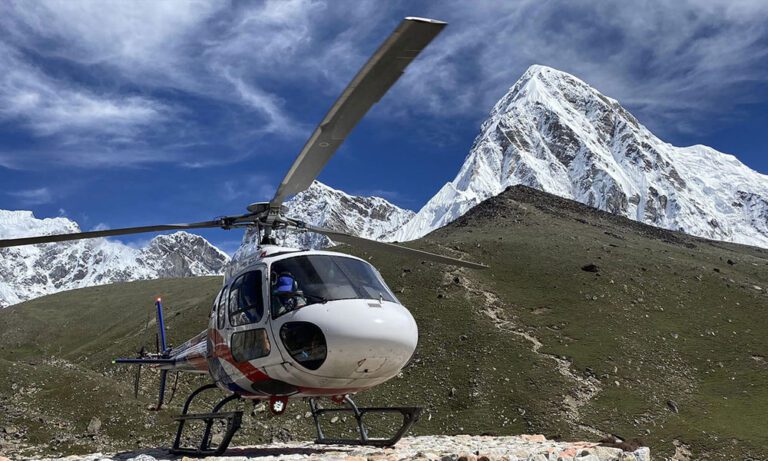
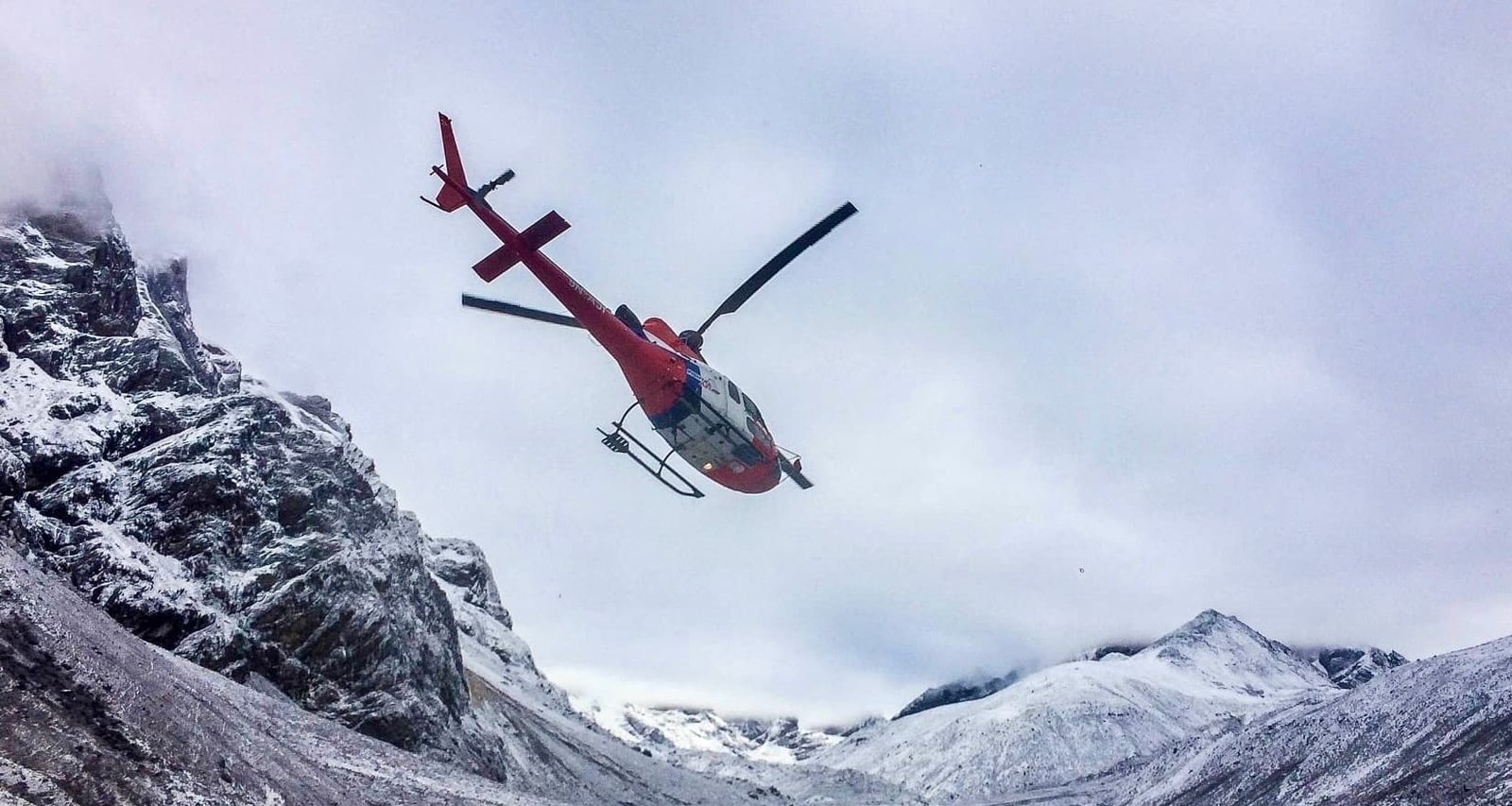
Not from the city itself, but you can see the Himalaya from Nagarkot or Chandragiri on clear days, take a one-hour mountain flight, or fly to Everest Base Camp and Kala Patthar on an Everest helicopter tour and be back the same morning.
Popular day trips are Bhaktapur, Patan, Nagarkot sunrise, the Chandragiri cable car, Changu Narayan, Kirtipur, Dhulikhel and Namobuddha, plus Everest helicopter and mountain flights.
Kathmandu is generally safe and friendly for visitors, including solo and female travellers. Watch out for pickpockets in crowds, take care crossing busy roads and use registered taxis or pre-booked transfers. The Tourist Police can be reached on 1144.
Yes. Children enjoy the monkeys at Swayambhunath, the Chandragiri cable car, the Garden of Dreams, pottery in Bhaktapur and momo-making classes. A private car makes sightseeing with kids much easier.
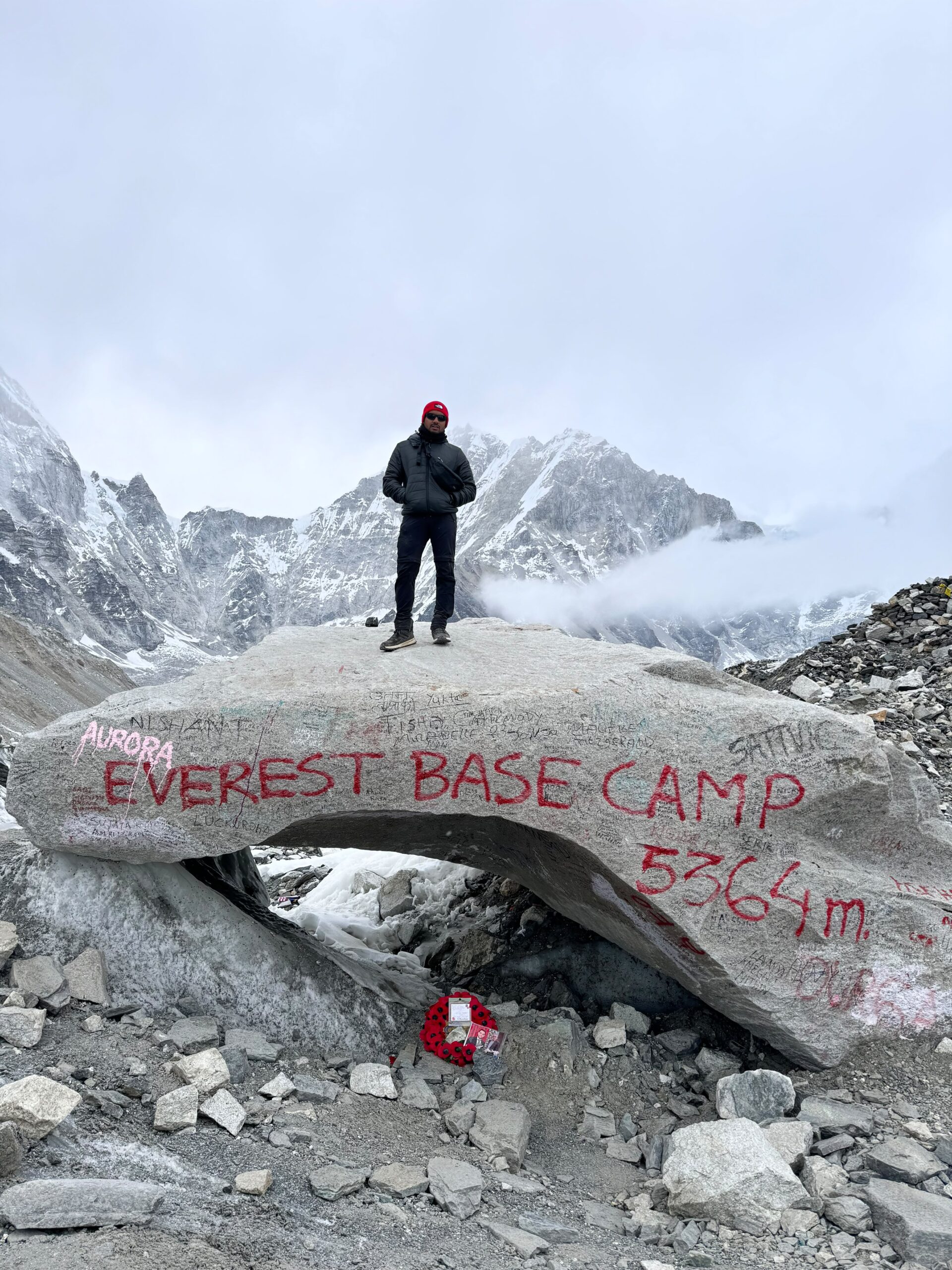
Yes. Kathmandu is the starting point for most Nepal treks. Everest treks begin with a flight to Lukla, and Langtang treks start with a drive from the city. Our Everest Base Camp Trek includes Kathmandu arrival and departure days.
Try momos, dal bhat, thukpa and sel roti, plus Newari specialities such as bara, chatamari, choila and yomari, and juju dhau (king curd) in Bhaktapur. Boudha is the best area for Tibetan food.
Popular souvenirs include singing bowls, pashmina shawls, thangka paintings, prayer flags, handmade paper, Nepali tea and spices, Patan metal statues and Bhaktapur pottery.
Wear clothes that cover your shoulders and knees, and shoes that are easy to take off. Remove shoes and leather items where asked, walk clockwise around stupas and follow local signs about photography.
What Our Travelers Say
5.0171 reviews for Kathmandu in Nepal·99% recommend
AS
Arnav SinghPune, India · May 28, 2025
Did this with my brother and it was the bonding experience we needed after years of adult life pulling us in different directions. Day 8 to Lobuche we were both struggling with altitude and walked very slowly, side by side, not saying much — and it was the most connected I've felt to him in years. Kala Patthar sunrise we both stood in silence for a long time. No words needed. That's what the mountains do.
I want to specifically say that the cultural experience goes far beyond the mountains. The Sherpa people, their Buddhist faith, their relationship with mountains they consider sacred — spending 14 days immersed in that world genuinely changed my perspective. Guide Pasang was a natural teacher of his culture, sharing it generously and thoughtfully. The mountains were the backdrop; the culture was the heart.
The Lukla flight alone is worth the trip. Nothing prepares you for that 20-minute flight banking between Himalayan peaks and landing on that tiny uphill runway with a cliff at the end. Then you step out and the Himalayas are just everywhere. 14 days later at Kala Patthar watching Everest in the dawn light, I understood why people dedicate their lives to these mountains. Our guide Tenzing was world class.
My 65th birthday present to myself — Everest Base Camp. Many people my age thought I was being reckless. I was being brave. The guide managed my pace carefully and checked my oxygen twice daily without being alarmist. I felt looked after and capable simultaneously. On Day 10 at Kala Patthar, 5,545m, watching the sun rise over the world's highest mountain, I felt more alive than I have in years.
The guide's knowledge of high-altitude medicine was genuinely impressive — he explained the physiology of acclimatization to us every evening in simple terms. Daily pulse oximeter readings became a ritual everyone looked forward to. The scientific understanding of what my body was doing at each altitude stage turned anxiety into fascination. Brilliant experience, brilliant operator. Kala Patthar at dawn remains my proudest achievement.
I chose this trek for my 50th year and could not be happier. Guide Nima was extraordinary — experienced, medically knowledgeable, culturally rich in his storytelling, and genuinely warm with everyone. The acclimatization schedule was perfectly designed and I had zero altitude problems. Tengboche at the evening puja, the Khumbu Glacier at Base Camp, and the Kala Patthar sunrise — three peak moments in a trek full of peak moments.
I've wanted to do this since university when I first read Into Thin Air. Twelve years later I finally did it. The reality is even better than the book describes — the colors of the prayer flags, the sound of the Dudh Koshi River, the absolute silence above 5,000m. Our guide Nima was one of the best humans I've ever spent two weeks with. This trek is a masterpiece.
I want to write a review that might encourage someone on the fence. I am 44, female, not particularly athletic, and I completed the Everest Base Camp Trek. I trained seriously, followed the guide's instructions exactly, didn't skip acclimatization days, drank 4 liters of water every day. And I stood at 5,545m watching the sun rise over Everest. If you're considering it — stop considering and book it.
The organization before the trek was faultless. On the trail, guide Nima could identify every peak visible from every viewpoint, explain the geology of the glaciers, and share Sherpa folklore by the fire every evening. The Khumbu region is more beautiful than any photograph suggests. Everest from Kala Patthar at sunrise is the most beautiful thing I will ever see in my life. 5 stars without hesitation.
My mother said don't go. My doctor said go. I went. I'm so glad I went. I'm 50 and I have now stood at Everest Base Camp and Kala Patthar. I have watched the sunrise over the world's highest mountain. I have eaten dal bhat at 5,000m while the temperature outside was minus ten. I have sat in the Tengboche Monastery at the evening puja. I have come home a completely different person. Thank you Inticketo.
My group of 4 friends did this together and it was the best decision we've ever made collectively. The shared experience of the harder days — especially Day 9 to Base Camp — brought us closer than any other trip we've done. Our guide Mingma was exceptional with group dynamics. The Tengboche Monastery experience at sunset will stay with me forever. Highly recommend.
As a Bangladeshi trekker I want to say that the EBC trail welcomes everyone. I encountered trekkers from every continent and the shared experience created instant community transcending nationality, language and background. Guide Pasang came from a Sherpa family with three generations of guiding experience. Base Camp was the physical destination. The whole journey was the real achievement. Inticketo made it possible.
The photos online don't do it justice. The mountains look big in photos — in person they are incomprehensibly enormous. You feel genuinely small among them but in the best possible way. Day 5 to Tengboche with Ama Dablam right there — I literally gasped. Guide Tenzing was patient and knowledgeable, the tea house owners warm and welcoming. Then Kala Patthar at 4am in every layer I owned. Perfect.
Perfect organization from start to finish. The briefing in Kathmandu was thorough and our guide Nima spoke excellent English with encyclopedic mountain knowledge. The Tengboche Monastery evening puja — monks chanting, incense burning, Ama Dablam glowing outside the window — was something I will never forget. Then Kala Patthar at dawn. This trek is worth everything.
I'm a marathon runner and assumed the trek would feel easy. It didn't — altitude humbles everyone regardless of fitness. Our guide Pemba was firm when he needed to be (made me slow down on Day 3 when I wanted to race — he was completely right). Kala Patthar at dawn was my Everest moment. The most peaceful, overwhelming, beautiful thing. I was completely present for every second. Perfect.
I want to say to every African reading this — this trek is for you too. The mountains belong to everyone. Our guide Dawa was welcoming and wonderful, the Sherpa communities were warm and genuinely curious about where I was from. Standing at Base Camp I felt something that transcends nationality and culture. Inticketo made every logistical detail stress-free. Greatest thing I have ever done.
I nearly cancelled this trek twice — once when reading about altitude sickness, once when I got a cold 10 days before departure. Both times the Inticketo team talked me through my concerns with patience and genuine knowledge. I went. I completed every single day. I stood at 5,545m watching the sun rise over Everest. The two moments I almost cancelled feel like the two most important decisions I ever made correctly.
I'm a landscape photographer and I've been to some of the most visually spectacular places on Earth. Nothing has prepared me for the Khumbu. The light changes every minute. The scale defeats any lens I own. The colors — the blue of glacial rivers, the red and orange of prayer flags, the white and grey of high peaks — extraordinary in combination. I took 4,000 photographs and none fully captures it. You have to be there.
From South America to South Asia to stand at the base of Everest — it still doesn't feel real. The trek was perfectly organized, the guide exceptional, and the Khumbu region unlike anything I've experienced anywhere. Day 5 to Tengboche with Ama Dablam right there in front of me — I literally gasped out loud. And then Kala Patthar. And then Everest at sunrise. I've run out of superlatives.
I'm a yoga teacher and thought my breathing would help at altitude. It did — a little — but nothing fully prepares you for 5,000 meters. What made the difference was the guide's experience and the itinerary's pacing. The two acclimatization days are non-negotiable and I'm glad the schedule enforced them. Day 9 was the hardest day of my life and also the best. Kala Patthar made every hard moment irrelevant.
Everything exceeded my expectations. The Sherpa culture alone is worth the journey — the prayer flags, the mani walls, the monasteries, the warmth of local people in every village. Our guide Kami was thoughtful and incredibly patient. The views of Ama Dablam from Tengboche made me stop walking and just stare. Kala Patthar at sunrise made me completely forget I was exhausted and freezing.
Nobody ever mentions the food enough in these reviews. The dal bhat in the tea houses is genuinely delicious and the unlimited refills policy is one of the best things that exists at any altitude. The apple pies in Namche bakeries should be internationally famous. The garlic soup at Lobuche saved my soul on a cold evening when everything felt hard. And the farewell dinner in Kathmandu on Day 13 was perfect.
This is the first review I've written without being asked. It deserves one. The trek is physically demanding, the tea houses are basic above 4,000m, and the altitude is very real — but none of that matters when you're at Kala Patthar watching the most spectacular sunrise on the planet. Guide was exceptional, health monitoring was thorough, every detail handled perfectly. A customer for life.
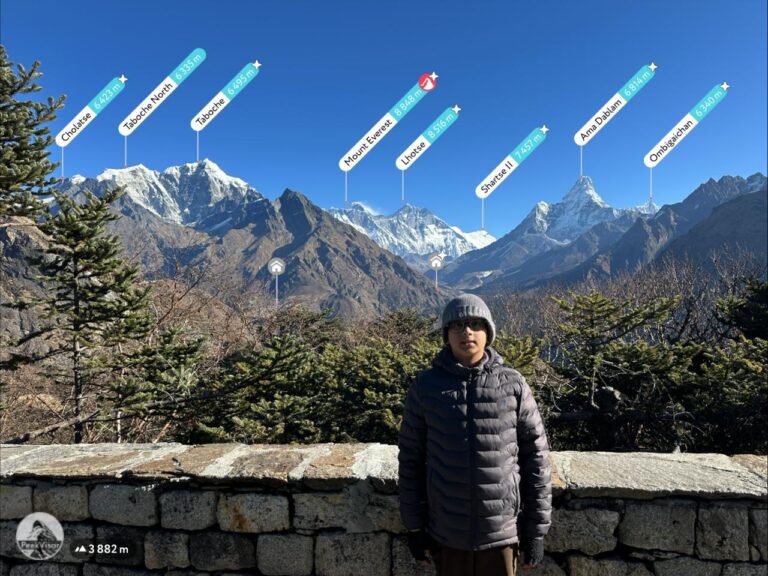
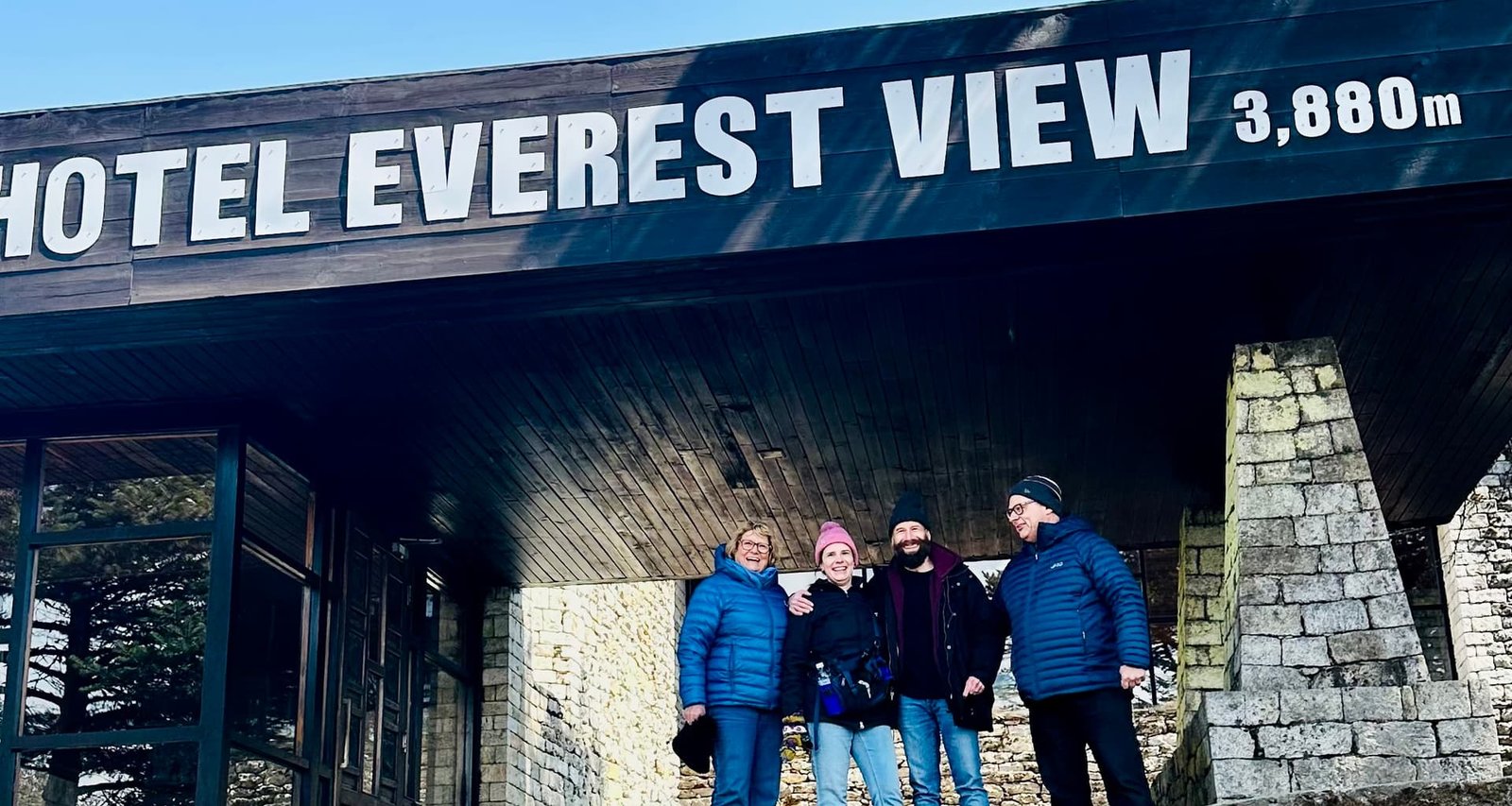
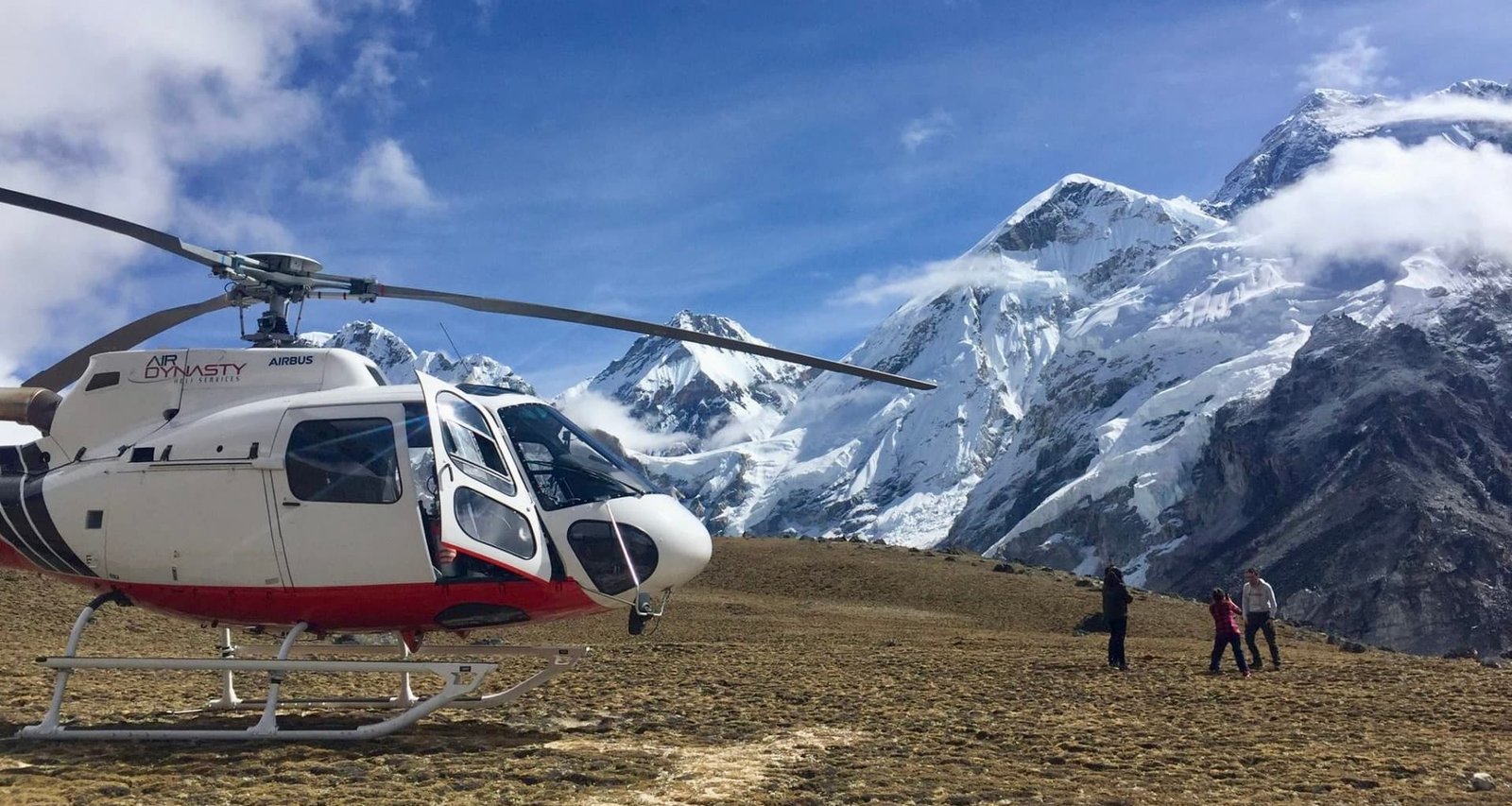
I'm a doctor and I've always been curious about high altitude physiology. Flying above Everest Base Camp and Kala Patthar, understanding what climbers experience at that altitude — it was fascinating beyond just the visual. But the visual was extraordinary too. Ama Dablam from the helicopter looks like something from a different planet. Breakfast at Hotel Everest View was magical.
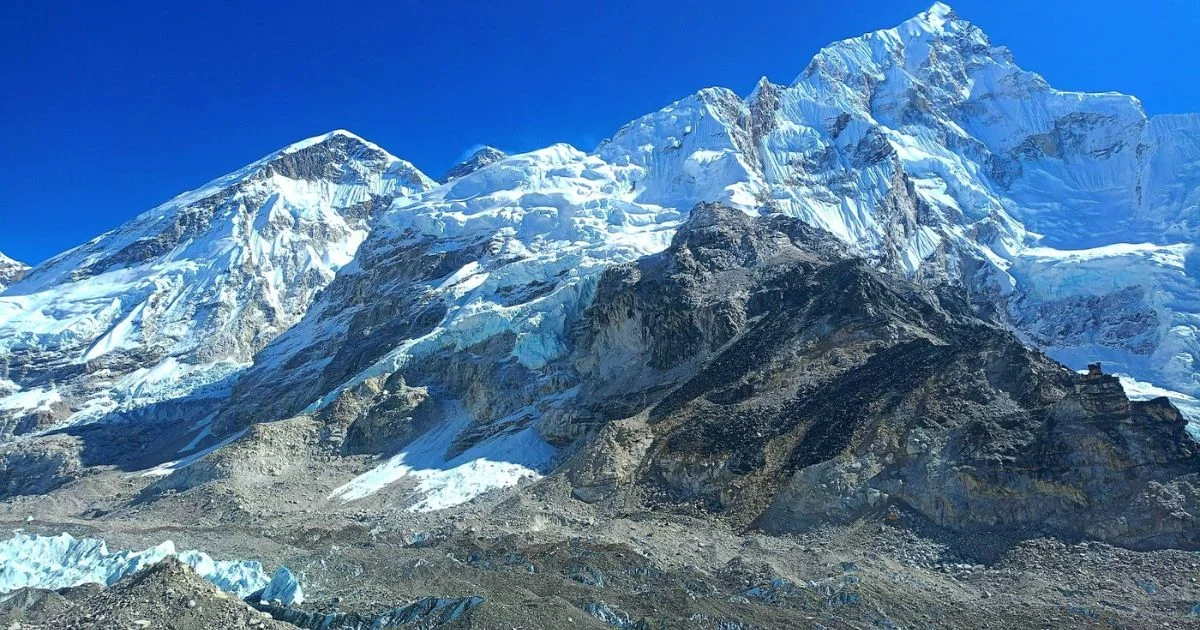
I teach environmental science and climate change. The Khumbu Glacier from above tells the story of climate change more powerfully than any academic paper or presentation I've ever given. The glacial retreat is visible. The moraines tell the story. The meltwater lakes that didn't exist 30 years ago are right there below you. Beyond the extraordinary beauty — and it is extraordinarily beautiful — this tour gave me classroom material that will move my students more than any slide deck. Book it. See it. Understand it.
I came to Nepal for a yoga retreat and added the helicopter tour on an impulse on my last day. I am a contemplative person — slow travel, minimal tourism, deep experience. I wondered if a helicopter tour could deliver that. It did. Flying above the Khumbu in near-silence, watching the glaciers from altitude, the stillness of Hotel Everest View terrace with Everest in front of you — this tour has a meditative quality I did not expect. Extraordinary.
I was terrified by altitude sickness before going — read everything and scared myself. In reality the acclimatization was well-managed, the guide was constantly monitoring everyone, and the pace was conservative enough that I never felt out of control. Day 9 to Base Camp is genuinely hard but manageable with the right support. Standing at EBC I felt both tiny and enormous simultaneously.
Second trekking experience after the Inca Trail last year and the difference in scale is almost laughable — and I mean that as the highest possible compliment to EBC. The Inca Trail is beautiful. But the Himalayas are in a completely different category. Guide Pemba was outstanding. I felt altitude hard at Lobuche and the rest day made all the difference. Base Camp and Kala Patthar — things I will never stop talking about.
I want to tell every African traveler — Nepal is worth the journey and the Everest helicopter tour is worth the price. The Khumbu from the air is something no documentary, no photograph, no travel blog fully captures. You need to be there, in the window seat, watching the glaciers from above and feeling the scale of those peaks. Hotel Everest View with Everest right there — no description does it justice. Just go.
People ask me why I flew from Ghana to Nepal for a four-hour helicopter tour. I tell them: because Everest. Because flying above the Khumbu Icefall at dawn with the world's highest mountain filling the window. Because breakfast at a hotel that holds the Guinness World Record for highest altitude. Because there are some experiences that justify the journey entirely on their own merit. This is one of them.
Excellent organization and an outstanding guide. Lakpa had 18 years of experience and it showed in every single decision on the trail. He knew which tea house had the best food, which viewpoints to pause at for photos, and when to slow down before any of us asked. The daily oxygen checks gave huge peace of mind. Reached Base Camp and Kala Patthar with zero serious altitude problems.
I'm a landscape photographer and I've shot in Patagonia, Iceland, and the Dolomites. The aerial view of the Khumbu from a helicopter is a completely different photographic experience to any of those. The scale is impossible to capture fully but the attempt is extraordinary. Flying directly above the Khumbu Glacier with Everest filling the frame above — nothing in my portfolio comes close to those shots.
I've wanted to see Everest since I was a child watching documentaries. My job doesn't allow for two weeks of trekking. This helicopter tour was the answer I didn't know existed. From Kathmandu to Everest Base Camp flyover in 4 hours. The emotional weight of finally seeing Everest — the actual mountain, from the actual sky, right there in front of me — was overwhelming. I did not expect to cry. I cried.
As a solo female traveler, safety was my biggest concern. From landing in Kathmandu to flying back, the team made me feel completely looked after. My guide Dawa was professional, protective without being patronizing, and genuinely great company for 14 days. Kala Patthar sunrise was the most beautiful thing I have ever seen in my life. I tell absolutely everyone to do this trek.
My travel photography Instagram has 180,000 followers. This helicopter tour produced the best content I have ever posted. Four images from above Base Camp and Hotel Everest View received more engagement than anything in my four years of travel photography. But more than the content — the personal experience of being above Everest Base Camp in a helicopter at dawn, seeing the expedition tents below, watching the morning light hit the summit — that belongs only to me.
I had already booked the EBC trek for next year. I added the helicopter tour as a reconnaissance flight — I wanted to see the route from the air before walking it. Now I've seen Namche Bazaar from above, Tengboche, Dingboche, the entire Khumbu Valley laid out below. I understand the geography in a way no map could give me. And seeing Base Camp from the air makes me want to stand there on foot more than ever. This tour made me more excited for the trek, not less.
I have MS and trekking to Everest Base Camp was never going to be possible for me. This helicopter tour gave me something I thought I'd never have — I saw Everest. I flew above Base Camp. I had breakfast at the world's highest hotel. The crew was incredibly thoughtful and made sure I was comfortable throughout. I cried on the way back. Happy tears.
Emma JohnsonAuckland, New Zealand · April 15, 2025
I had 48 hours in Kathmandu before flying to London. I debated whether to spend the money and am laughing at myself now for even hesitating. The pilot gave us commentary throughout the flight identifying every peak, explaining the climbing routes, describing the history of the Khumbu. It was part scenic flight, part Himalayan masterclass. By Hotel Everest View I felt like I understood Everest at a level that took some people 14 trekking days to reach.
Our guide explained the physiology of acclimatization every evening at dinner in terms that made me understand exactly what my body was doing. The daily oxygen readings became a ritual everyone looked forward to. I went from SpO₂ 97% in Kathmandu to 78% at Kala Patthar — completely normal at that altitude, and the guide explained why. That knowledge replaced anxiety with genuine fascination.
Jean-Pierre RousseauBordeaux, France · April 11, 2025
I'm 77. Arthritis in both hips. I told my family I wanted to see Everest before I died and my granddaughter found this helicopter tour. Four hours door to door. I sat in the front seat next to the pilot. When we flew above Everest Base Camp and I saw the Khumbu Icefall, I said a prayer. When we sat at Hotel Everest View with Everest in front of me I ordered coffee and did not move for 45 minutes. I have seen Everest. I am complete.





 Everest Base Camp Trek 14 Days – Classic Nepal Himalayan Journey