

Everest Base Camp Packing List 2026: Complete Trekking Gear Guide
Everything you need to pack for a safe, comfortable trek to Everest Base Camp
For the Everest Base Camp Trek, pack layered clothing for temperatures from +20°C to -20°C, a 4-season sleeping bag, sturdy broken-in trekking boots, trekking poles, a headlamp, and basic first-aid/altitude medication. Most gear can be rented or bought cheaply in Kathmandu, so pack light and let your teahouse duffel stay under 10-12 kg.
- Duration
- 14 days
- Max altitude
- 5,644 m (Kala Patthar)
- Best season
- Mar–May, Oct–Nov
- Recommended duffel weight
- 10–12 kg (porter limit)
- Temperature range
- +20°C (Lukla) to -20°C (Gorak Shep, night)
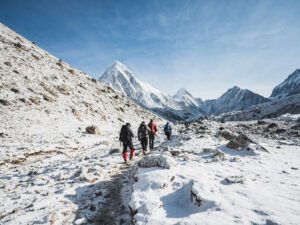
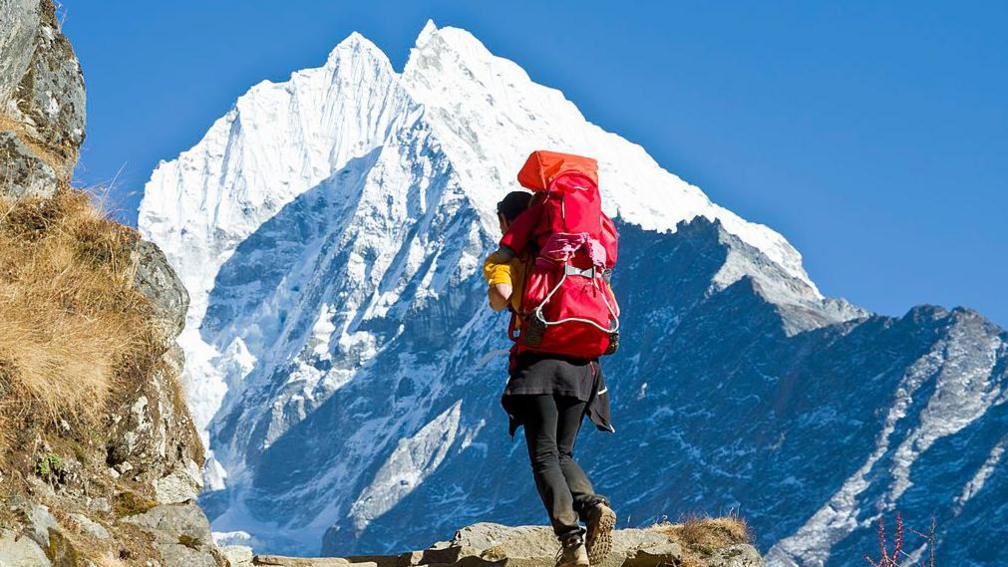
Packing right for the Everest Base Camp Trek is about layering smart, not packing heavy. Over 14 days you’ll move from the warm, lush lowlands around Lukla (around +20°C) to the freezing high-altitude nights near Gorak Shep and Kala Patthar (as low as -20°C) — so your gear needs to handle both extremes without overloading your porter’s 10-12 kg duffel limit.
The good news: you don’t need to buy everything new. Down jackets, sleeping bags, trekking poles, and other bulky or expensive items can be rented cheaply in Kathmandu or Namche Bazaar, which saves money, luggage space, and the hassle of buying gear you’ll rarely use again. This list covers everything you genuinely need, split into what to bring, what to rent, and what’s optional — plus we’ll do a full gear check together at our Kathmandu briefing before you set off, so nothing important gets missed.
Packing list
Everything you’ll need for the trek
Your knees will thank you on every single descent.
25-35L with a porter, 40-60L if you are going it alone.
Fill up often -- doubles as a hot-water bottle at night.
Non-negotiable on icy sections above Namche Bazaar.
Ankle support matters -- break them in before you fly.
Essential for 4 AM starts and late teahouse dinners.
Keeps gear dry and dirty socks safely quarantined.
Monsoon shower or dusty jeep ride -- your bag stays dry.
UV is fierce at altitude -- bring a reliable spare pair.
Hours of exposed ridgeline walking demand serious shade.
Find anything in ten seconds flat -- every trekker converts.
First thing on, last thing off -- your warmth foundation.
Mid-layer magic -- light enough to stuff in a pocket.
Merino keeps odours at bay even on day five without a wash.
Cross a stream or dodge a downpour -- dries before lunch.
Flexible and tough -- handles everything the trail throws.
When snow hits above Gorak Shep, you will be glad you packed it.
Packs to the size of a fist, blocks the Himalayan chill.
A proper shell layer is not optional above 4,000 m.
Pull them on over trekking pants in under thirty seconds.
The warmer the better -- wear it at camp, breakfast, and bed.
Swap out of trail clothes the moment you reach the lodge.
Liner under wool prevents blisters -- rotate daily.
Thin enough for map-reading, warm enough for cold wind.
Khumbu winds are relentless -- these stop them cold.
Covers your ears on exposed cols where wind bites hardest.
Sleep in it at high camps when temperatures plummet overnight.
Pull it up into a face mask when dust or cold hits hard.
Laundry stops are rare -- three sets keeps you comfortable.
High-impact support for long downhill stretches matters.
Rated to at least -10C for Gorak Shep and above.
Adds 3-5C of warmth and keeps your bag fresh all trek.
Teahouse walls are thin -- you will be glad you had these.
A proper pillow beats a rolled-up fleece every night.
Dawn breaks at 5 AM at altitude -- block it and sleep on.
Wrings out in minutes -- no damp towel smell.
Non-negotiable -- your tent-mates will agree.
Three-day stretches without a shower happen -- plan ahead.
Blister plasters, altitude meds, and basic wound care.
SPF 50 minimum -- UV intensity doubles per 1,000 m gained.
Treat hot spots on day one before they become real problems.
Biodegradable and compact for bucket-bath evenings.
Dry mountain air cracks lips fast -- reapply constantly.
Keeps trail dust from turning your hair into a proper nest.
Altitude can shift cycles -- pack more than you expect.
Long nails plus trekking boots equals pain. Clip before flying.
Many teahouses run out completely -- always carry your own.
Use before every meal -- clean water is not always nearby.
A small courtesy to every trekker sharing your lodge.
Useful for checking windburn or removing a splinter.
Never trust tap water above Lukla -- always purify first.
Cold drains batteries fast -- store it inside your jacket.
Download offline maps before leaving Kathmandu.
Elevation, heart rate, and pace all visible in one quick glance.
Back up every evening -- memory cards go missing on long treks.
Pack extras -- one always hides at the bottom of the bag.
Charging costs real money at teahouses -- a bank saves both.
Ideal for rest days in Namche or Dingboche when weather turns.
Nepal uses types C, D and M -- you will need all three.
Good music on a long climb makes altitude feel more bearable.
Your feet need to breathe the moment you reach the lodge.
Stops snow, grit, and leeches from getting inside boots.
Bad weather holds you inside? Cards make the hours fly.
Fixes poles, stoves, broken zips, and almost everything.
You will want to remember exactly how this moment felt.
Duct tape, needle and thread -- the trekker's toolkit.
Hot lemon tea stays warm for hours on bitter cold ascents.
Cards do not work above Namche -- cash is king up here.
Keep one in your hip belt pocket for between teahouses.
Replaces salt lost sweating at altitude, prevents cramps.
No items match — clear the search or choose “All”.
This packing list is here to help, not set strict rules. During our meeting in Kathmandu, we’ll check your gear together. Missing anything? Rent it from us, or we’ll guide you to the best shop for your budget.
Your ticks are saved on this device — come back any time.
Packing Tips / How to Pack
- Separate wet and dry: Use dry bags or packing cubes to keep sweaty clothes away from clean layers — teahouses rarely have laundry or fast-drying space.
- Pack your “summit day” layer on top: Keep your warmest jacket, gloves, and hat easily accessible for the early, cold push to Kala Patthar.
- Roll, don’t fold: Rolling clothes saves space and makes it easier to see what’s in your duffel at a glance.
- Use ziplock bags for small items: Keep medications, cash, and electronics dry and organized in case of rain or snow.
- Test your boots before you fly: Never trek in brand-new boots — break them in with at least 2-3 weeks of regular wear beforehand.
- Keep valuables in your daypack: Passport, cash, camera, and medication should never go in the duffel, since it’s carried separately by your porter.
- Layer thin, not thick: 3 thin layers trap more heat and are easier to adjust throughout the day than 1 heavy layer.
Weight Limits & Porter Policy
Your duffel bag must not exceed 10-12 kg. This is the standard weight one porter can carry safely and sustainably over 14 days of high-altitude trekking. Your daypack (carried by you) is separate and typically weighs 3-5 kg with water, snacks, and layers included.
If your gear exceeds the limit, we’ll help you rent lighter alternatives in Kathmandu or arrange an extra porter (additional cost) before departure.
Seasonal Packing Differences
Spring (Mar–May): Mild days, blooming rhododendrons at lower altitudes, but still cold nights above Dingboche. Standard packing list applies.
Autumn (Oct–Nov): The clearest skies and most popular season. Similar temperatures to spring, slightly colder at night in November. Standard list applies.
Winter (Dec–Feb): Significantly colder, especially above 4,000m. Add: heavier down jacket, down pants, extra base layers, and better-rated sleeping bag (-20°C or colder). Fewer crowds, but expect snow.
Monsoon (Jun–Sep): Wet, humid lower down, less common for this trek. Add: extra rain protection, quick-dry layers, and leech-proof socks/gaiters for lower elevations.
What NOT to Bring
- Cotton clothing — it absorbs sweat and stays wet, increasing hypothermia risk. Stick to synthetic or wool layers.
- Heavy jeans or cotton pants — slow to dry, heavy when wet, poor insulation.
- A 4-season tent — not needed; you’ll stay in teahouses the entire trek.
- Too many “just in case” clothes — you won’t shower daily above Namche, so extra outfits just add dead weight.
- New, unbroken-in boots — a guaranteed way to get blisters on Day 1.
- Heavy books or bulky electronics — a Kindle or phone is lighter and more practical.
- Excess cash in large bills — small denominations are far more useful at teahouses.
Frequently asked questions
How much should my duffel bag weigh?
Porters carry a maximum of 10-12 kg per trekker, plus your own daypack. Pack only essentials and rent bulky gear like sleeping bags locally to stay under the limit.
Do I need to buy a sleeping bag before I arrive?
Not necessarily. A good 4-season sleeping bag rated to -15°C or lower is essential, but quality rentals are widely available in Kathmandu for about USD 1-2/day, so many trekkers rent instead of buying.
What temperature range should I prepare for?
Expect anywhere from +20°C in Lukla to -20°C at night in Gorak Shep or Dingboche. Layering is more effective than one heavy jacket, since days can be warm and sunny while nights are bitterly cold.
Are trekking poles really necessary?
Yes, especially for the steep descents on the way back and for reducing knee strain over 14 days. They're inexpensive to rent if you don't already own a pair.
Can I rent gear in Kathmandu instead of buying it?
Yes. Down jackets, sleeping bags, poles, and gaiters are all easy to rent in Kathmandu or Namche Bazaar for a small daily fee, which saves money and luggage space.
What medication should I bring for altitude sickness?
Diamox is commonly used, but should only be taken after consulting a doctor before your trip. Always carry basic pain relief, altitude sickness tablets, and any personal prescriptions with you.
Do I need to bring cash, and how much?
Yes, cash is essential since ATMs are unreliable above Namche Bazaar. Bring Nepali rupees in small denominations to pay for snacks, hot showers, wifi, and charging at teahouses.
What's the one item people most often forget?
A good headlamp with spare batteries is easy to overlook but essential, since teahouses often have limited electricity and mornings start before sunrise.