



SIM Card & Internet in Nepal for Tourists
Useful for: HolidaysTours & ActivitiesTrekking ToursMountain AdventuresTrekking AdventuresEverest Base Camp Trek
- Main networks
- Ncell and Nepal Telecom (NTC)
- SIM cost
- About NPR 100–150 plus a data pack
- Documents needed
- Original passport, visa or entry stamp, passport photo
- Where to buy
- Kathmandu airport counters, city shops
- eSIM
- Available from both networks and international providers
- Best for treks
- Carry a local SIM plus plan for paid lodge WiFi
- Mountain data
- Patchy above about 3,800 m, often none near Base Camp
Staying connected in Nepal is easier and cheaper than most travellers expect. In Kathmandu and Pokhara, a local SIM gives you fast mobile data for less than the price of a coffee back home. In the mountains, things change: signal gets patchy, WiFi costs extra and charging becomes part of your daily planning. This guide covers both, so you know what to buy, what to bring and what to expect.
SIM Card or eSIM: Which Should You Choose?
You have two good options.
Local SIM card. Cheapest, and the best choice if you are comfortable with a short registration process at the airport or a shop. A SIM itself costs roughly NPR 100–150, and data and calling packs are inexpensive.
eSIM. Ncell and Nepal Telecom both offer eSIMs, and Ncell has tourist eSIM plans you can arrange at the airport or online. International eSIM providers also sell Nepal plans. They are easier to set up before you land, but usually cost more per gigabyte than a local SIM. Your phone must be unlocked and eSIM-compatible.
Choose a local SIM if you want the lowest price and don't mind showing your passport.
Choose an eSIM if you want data the moment you land, have a compatible phone, or want to avoid queues.
Ncell vs Nepal Telecom (NTC)
Nepal has two main mobile networks, and both work well in cities and towns.
Ncell is private, easy to find at airports and shops, and popular with tourists. It has tourist SIM and eSIM plans with generous data.
Nepal Telecom (NTC, also called Namaste) is the state-backed network. It is often reported to reach further into remote hills and mountain areas where other coverage is thin.
For city travel, either works. For trekking, local guides and trekkers often report that NTC holds a signal in some higher villages where Ncell drops, while others report the reverse on certain routes. Coverage changes with new towers and weather, so there is no single winner on every trail. If your trek matters to you for staying connected, ask your guide which network is working best on your route this season.
How to Buy a SIM Card in Nepal
At the airport. After you clear customs at Tribhuvan International Airport in Kathmandu, you will find Ncell and NTC counters near the exit. Staff handle tourist registration on the spot.
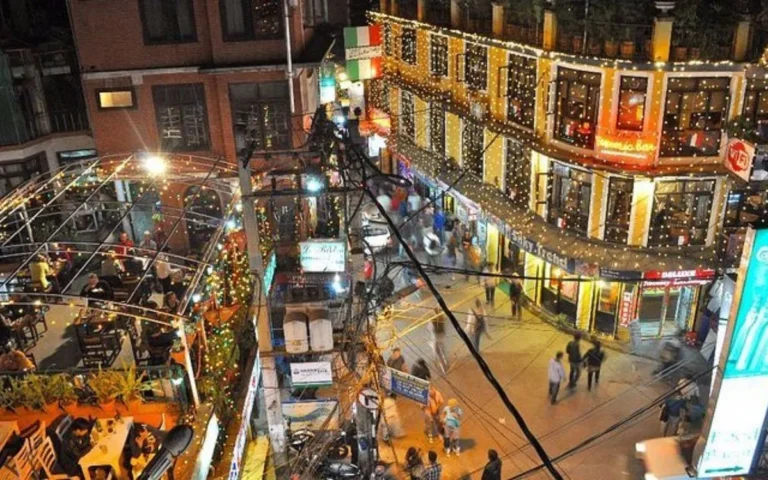
In the city. Authorised shops in Thamel and other tourist areas sell SIM cards. Look for the Ncell or NTC logo and ask whether they register SIMs, since not every small shop does.
What you need:
- Your original passport (not a photo of it)
- A valid Nepal visa or entry stamp
- One passport-sized photo (bring it with you, as it is not always available at the counter)
- A photocopy of your passport photo page and visa page, which the vendor may make for you
Registration is consistent and takes a few minutes. Some vendors may also ask for a fingerprint. Keep your passport handy for the first day or two in case the network needs to verify anything.
Internet in Cities and Hotels
In Kathmandu, Pokhara, Chitwan and other tourist hubs, mobile data is fast and reliable. Most hotels, guesthouses, cafés and restaurants offer free WiFi, though speed varies and it can drop during power cuts. For work calls, a mobile hotspot from your local SIM is often more reliable than hotel WiFi.
Internet on Treks in Nepal
Mobile signal depends on terrain and altitude, because towers in the mountains are solar-powered and spread far apart.
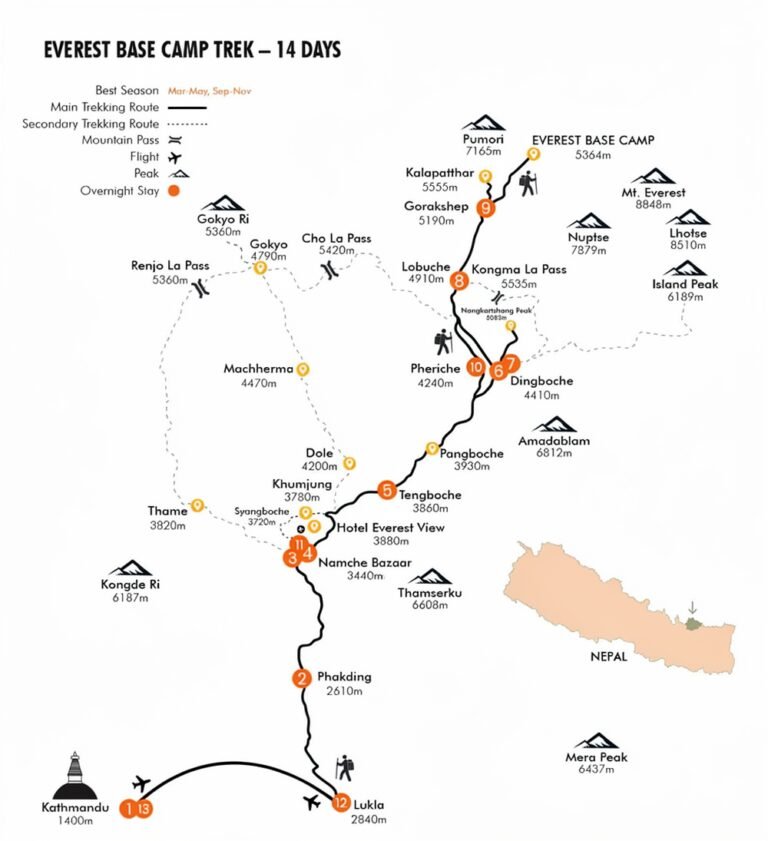
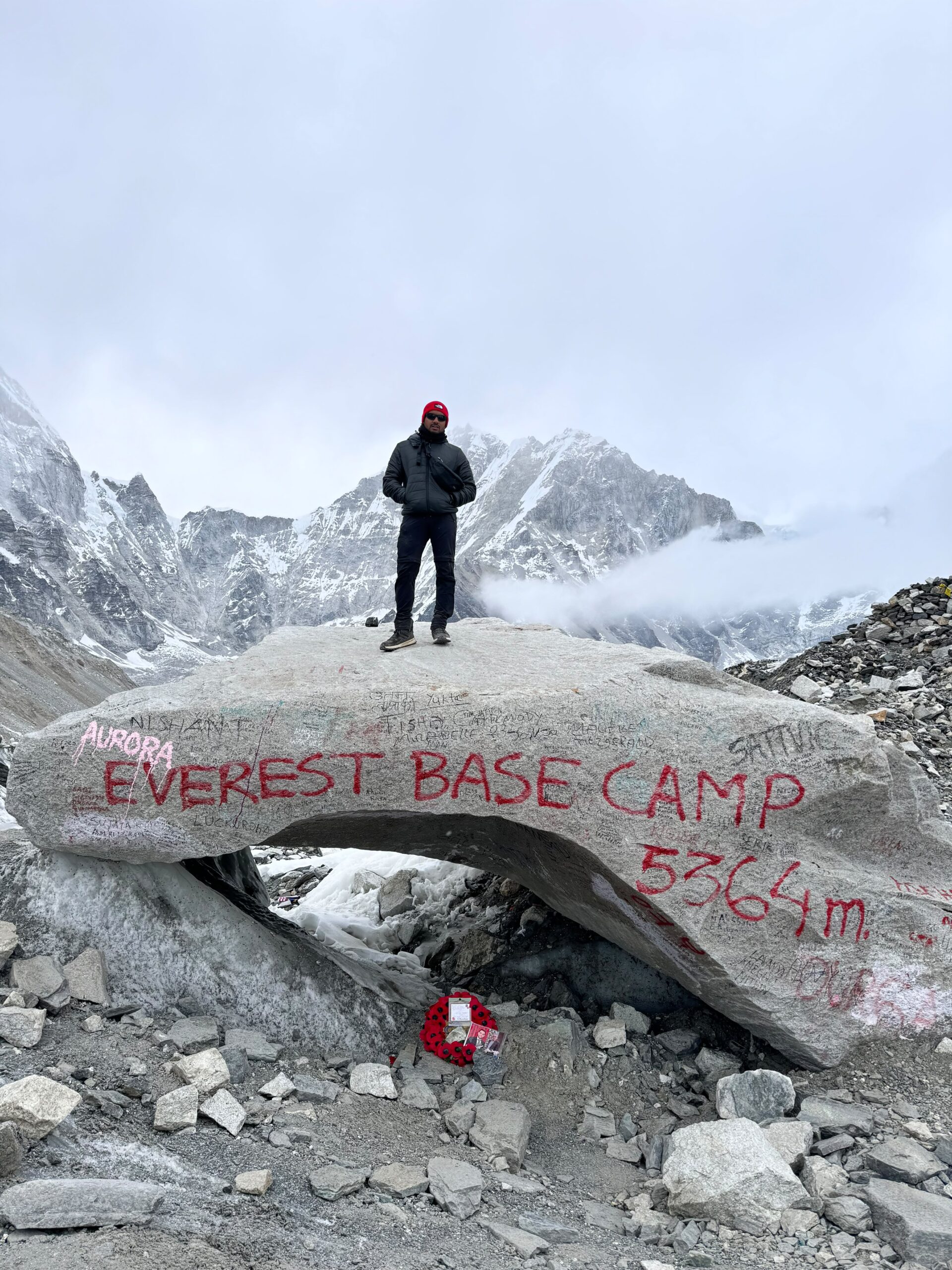
Everest Base Camp Trek
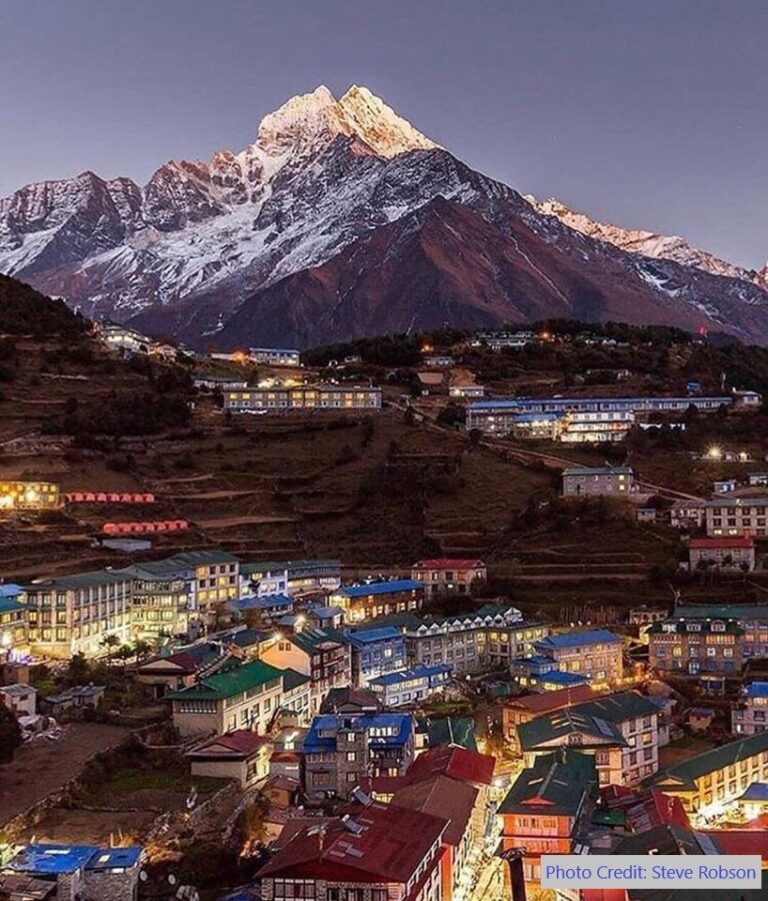
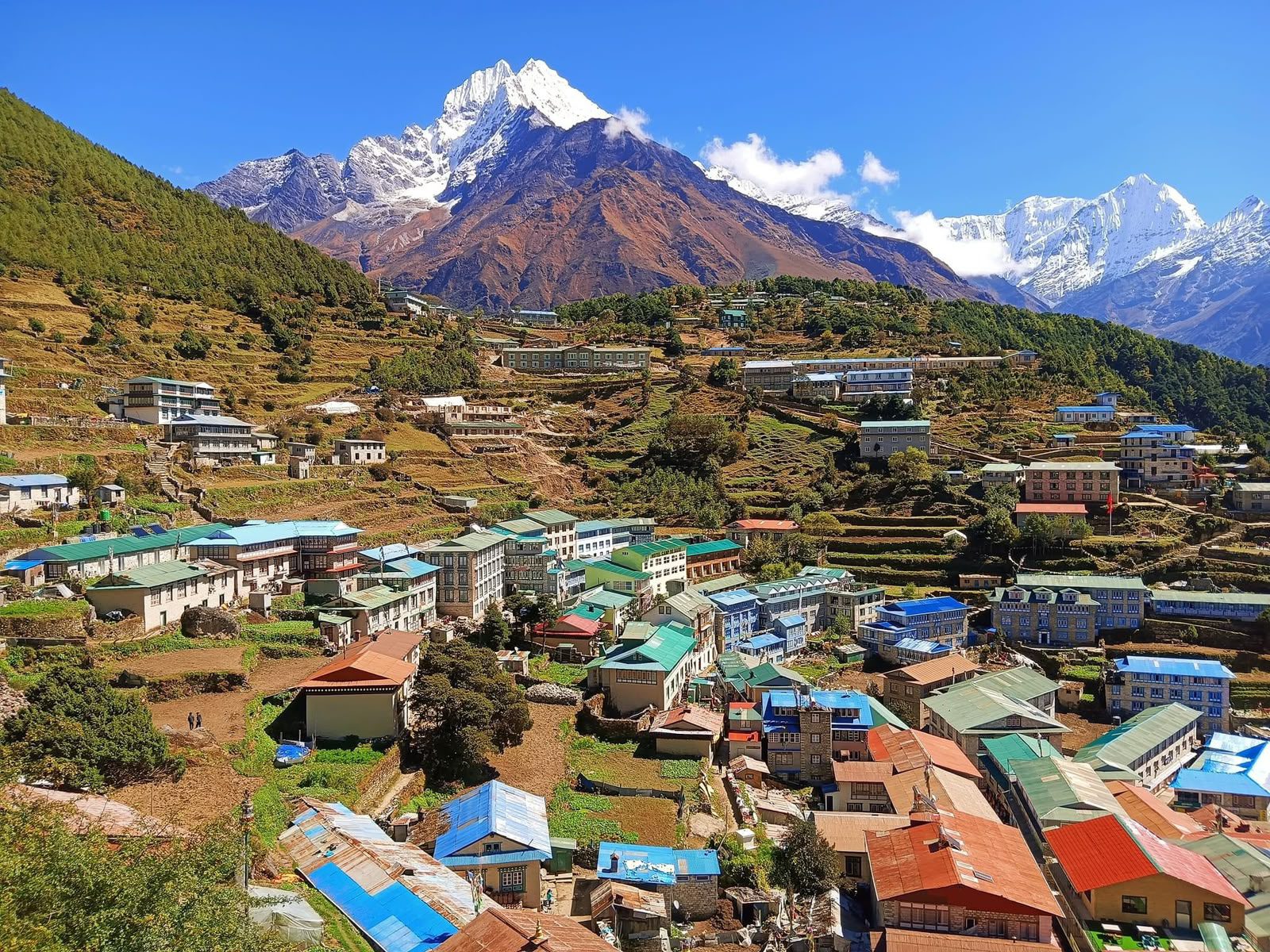
- Lukla to Namche Bazaar: mobile data generally works well.
- Namche to Tengboche and Dingboche: signal becomes patchy.
- Above about 3,800 m: do not rely on mobile data. Some trekkers report signal in places up to Gorak Shep, but it is unpredictable.
- WiFi: most lodges sell WiFi through Everest Link, the region's main provider, using prepaid cards. Prices rise with altitude. Expect to budget roughly USD 15–30 in total for WiFi over a typical 12–14 day trek, with daily costs highest near Dingboche, Lobuche and Gorak Shep.
- Speed: enough for messages, email and photos, but usually too slow for video calls or large uploads.
Other Treks
- Annapurna region: decent signal in towns like Chame, Pisang and Manang, weaker beyond.
- Langtang: NTC works reasonably up to Langtang village.
- Manaslu and Upper Mustang: very limited coverage. Plan to be offline for long stretches.
Charging Your Devices in the Mountains
Power in the mountains comes mainly from solar panels, so charging is limited and often paid.
- Charging is free or cheap up to Namche Bazaar and gets more expensive higher up, often charged per device and per hour.
- Bring a power bank (10,000–20,000 mAh) and keep it warm, because cold drains batteries fast.
- Put your phone in airplane mode when you are not using it.
- Keep devices and batteries inside your sleeping bag at night.
- Bring a universal adapter. Nepal uses 230V, and plug types vary (C, D and M are common).
Tips to Stay Connected and Safe
- Download offline maps (Google Maps or Maps.me) and your trek route before you leave Kathmandu.
- Tell family your plan. Let them know you may be offline for several days and share your itinerary and your guide's contact.
- Save important numbers: your guide, your trekking company, your embassy and your insurance emergency line.
- Use WhatsApp, Messenger or email for updates. They work on low bandwidth.
- Download entertainment and music before the trek. You won't stream above Namche.
- Consider a satellite communicator for remote routes where there is no mobile coverage and you want emergency messaging.
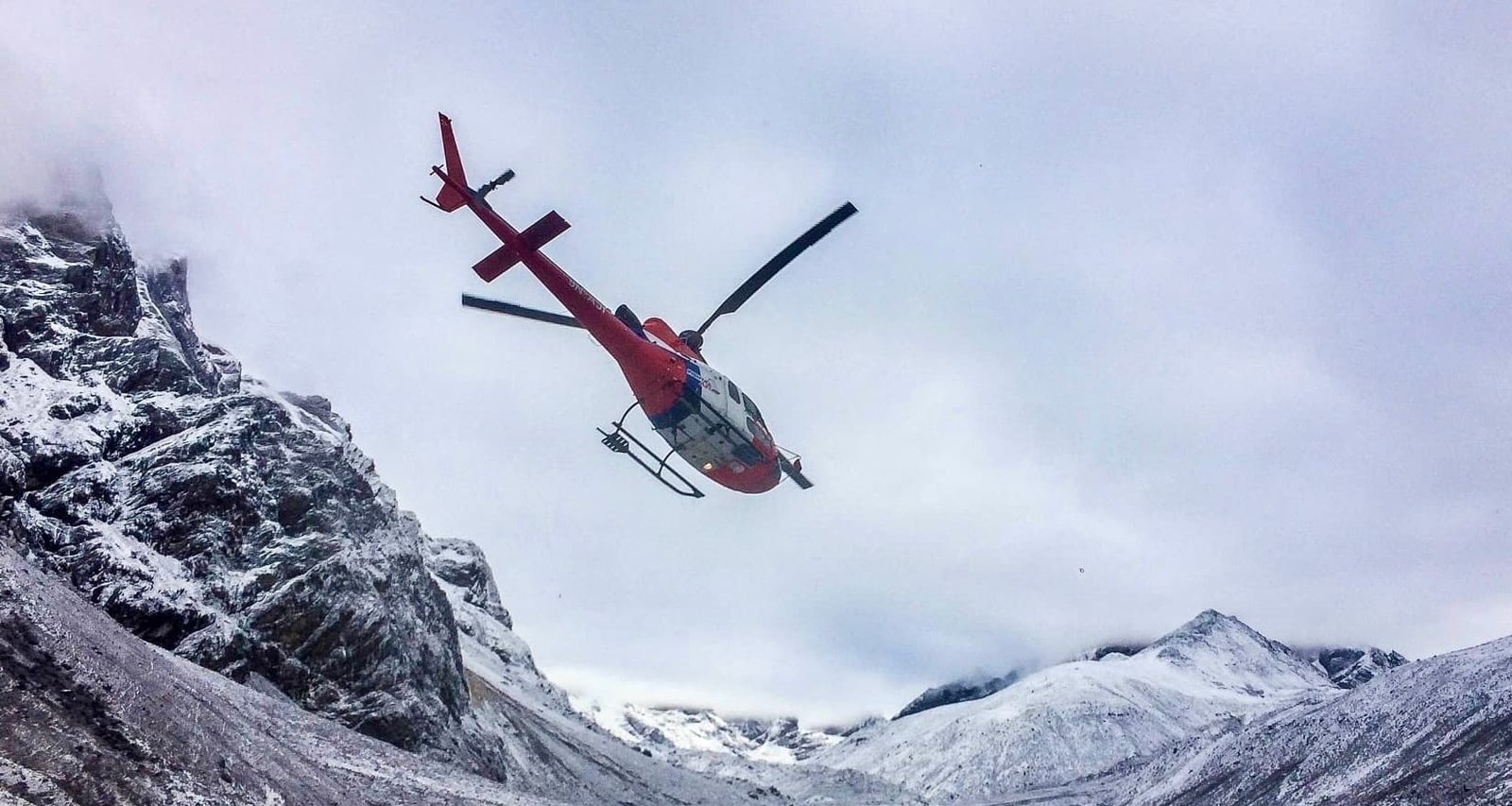
- Don't depend on a phone for emergencies. Your guide and lodge staff know the local emergency and helicopter rescue process.
- Protect your phone from altitude and cold, and keep it dry.
Roaming vs a Local SIM
International roaming is easy but usually expensive and may not work at all in remote areas. A local SIM or eSIM is almost always cheaper and gives better coverage. If you want to keep your home number for calls and texts, use a dual-SIM phone: keep your home SIM for messages and add a Nepal SIM or eSIM for data.
What to Pack for Staying Connected
- Unlocked phone (and eSIM-compatible if you plan to use one)
- Original passport and a passport photo for SIM registration
- Power bank and charging cables
- Universal travel adapter
- Offline maps and downloaded documents
- Small amount of Nepali rupees in cash for WiFi cards and charging (cards are not accepted in most mountain lodges)
Buy your SIM at the airport on arrival. Use data freely in cities, then treat mountain connectivity as a bonus rather than a guarantee. Download everything you need before you leave Kathmandu, and plan to enjoy the quiet.
Frequently asked questions
Can tourists buy a SIM card in Nepal?
Yes. Tourists can buy a SIM at Kathmandu airport or from authorised shops. You need your original passport, a valid visa or entry stamp and a passport-sized photo.
Which is better in Nepal, Ncell or NTC?
Both work well in cities. NTC is often reported to reach further into remote areas, while Ncell is easy to find and popular with tourists for its tourist plans. For a trek, ask your guide which network is working best on your route.
How much does a SIM card cost in Nepal?
A SIM card costs roughly NPR 100–150, and data packs are a few hundred rupees more depending on use.
Can I use an eSIM in Nepal?
Yes. Ncell and NTC offer eSIMs, and international providers sell Nepal eSIMs too. Your phone must be unlocked and eSIM-compatible. International eSIMs usually cost more than a local SIM.
Will my phone work on the Everest Base Camp trek?
Mobile data works in lower sections up to around Namche Bazaar and gets patchy above that. Near Base Camp, do not rely on it. Most lodges sell WiFi, usually through Everest Link, at a daily cost.
How much does WiFi cost on the Everest Base Camp trek?
Costs rise with altitude. Budget roughly USD 15–30 in total for WiFi over a 12–14 day trek, plus extra for charging devices.
Is the internet fast enough for video calls?
In cities, yes. In the mountains, WiFi is usually good enough for messages and email but not reliable for video calls or large uploads.
Can I charge my phone on the trek?
Yes, but it often costs extra at higher lodges because power comes from solar panels. Bring a power bank and keep your devices warm.
Do I need my passport to buy a SIM?
Yes. Bring the original passport, not just a photo, plus your visa or entry stamp and a passport photo.
Should I buy a SIM before I arrive?
Not necessary. You can buy a local SIM at the airport. If you want data on landing, buy an eSIM before you travel.
More Nepal travel info
All Nepal travel info (4)
Traveller questions
No questions yet — ask the first one and our team will answer.