





Places to see in Everest
All places in Everest
37 places Mountain
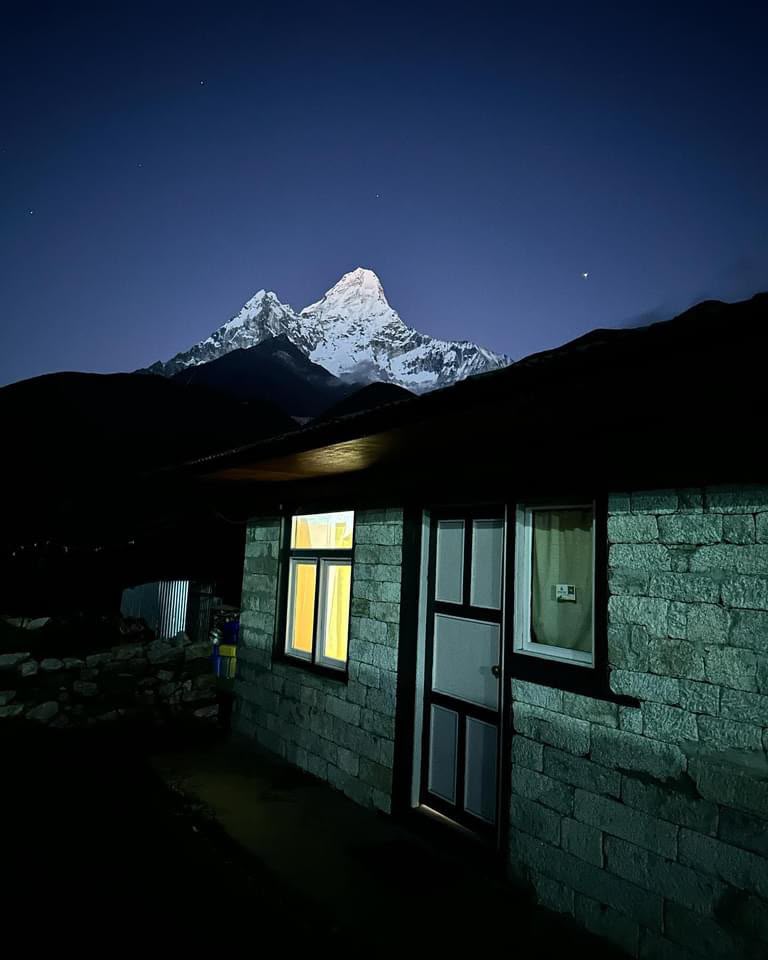
Ama Dablam
The mother's necklace: the Khumbu's most beautiful mountain
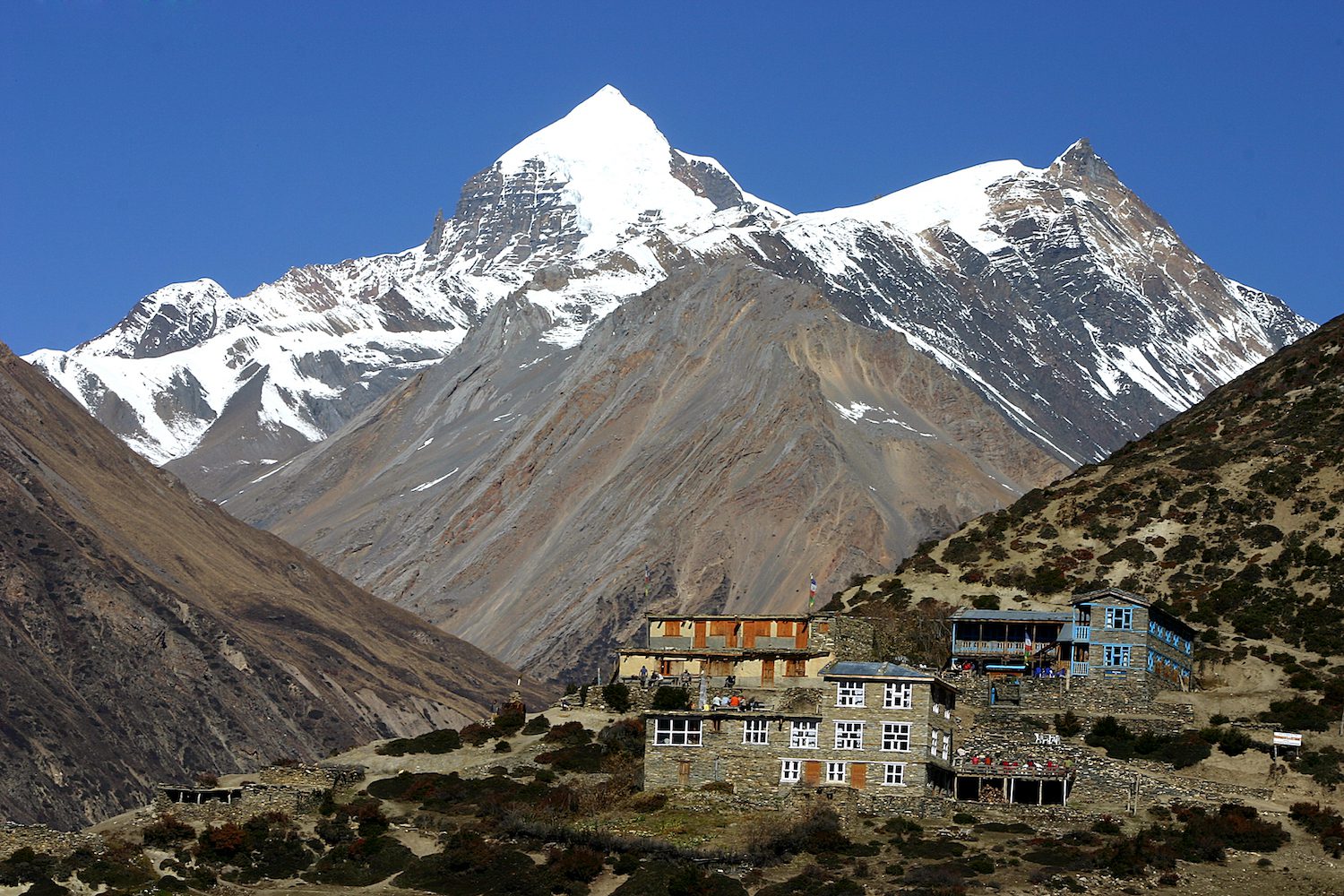
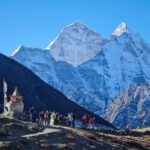
Ama Dablam (6,812 m) is the iconic peak of the Everest region, its name meaning 'mother's necklace'. First climbed in 1961, it towers over Tengboche, Pangboche and Dingboche. You see it for most of the Everest Base Camp trek, and many trekkers rate it the most beautiful mountain on the route.
 Base Camp
Everest Base Camp
Stand at the foot of the world's highest mountain, beneath the Khumbu Icefall
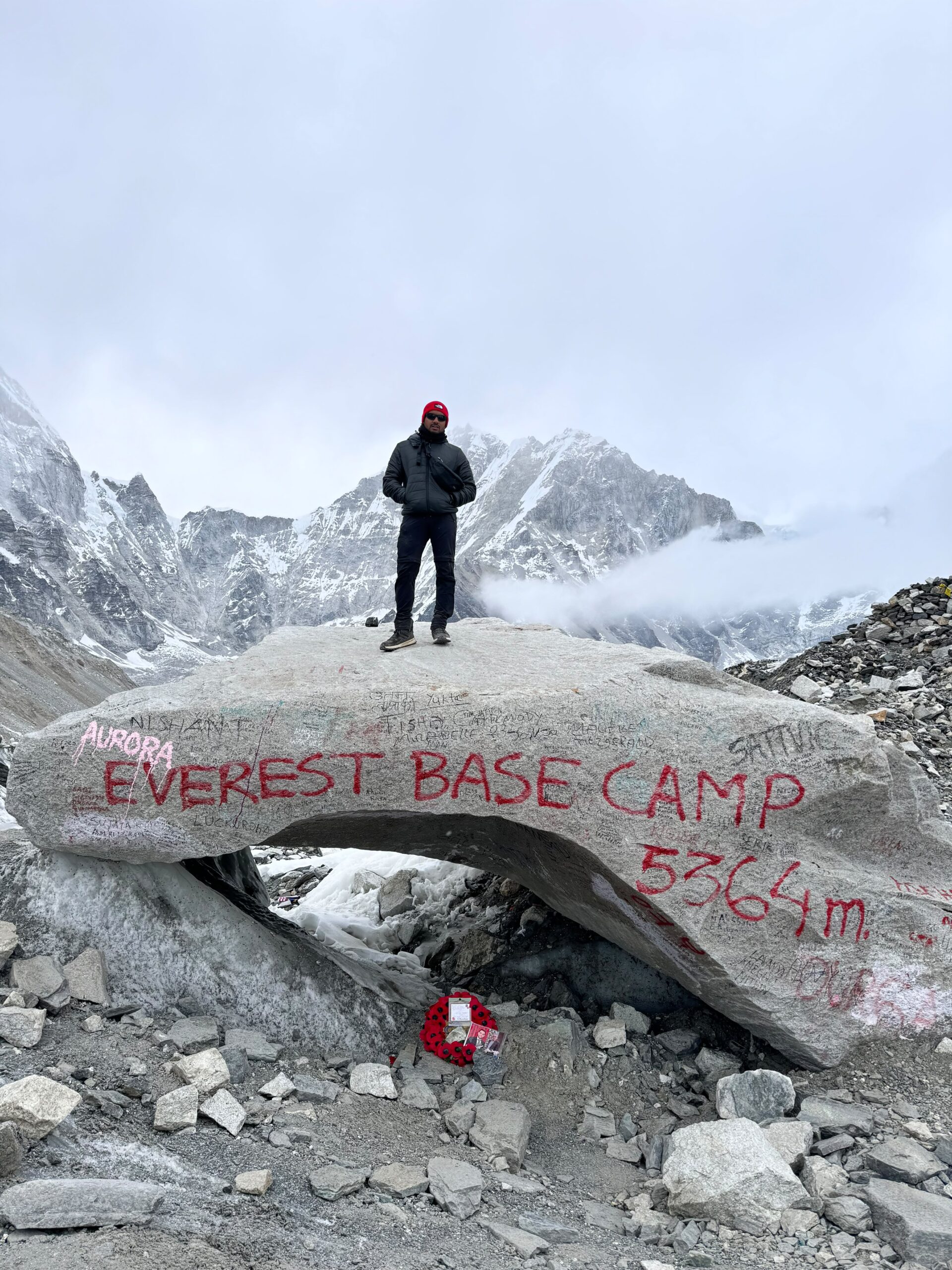
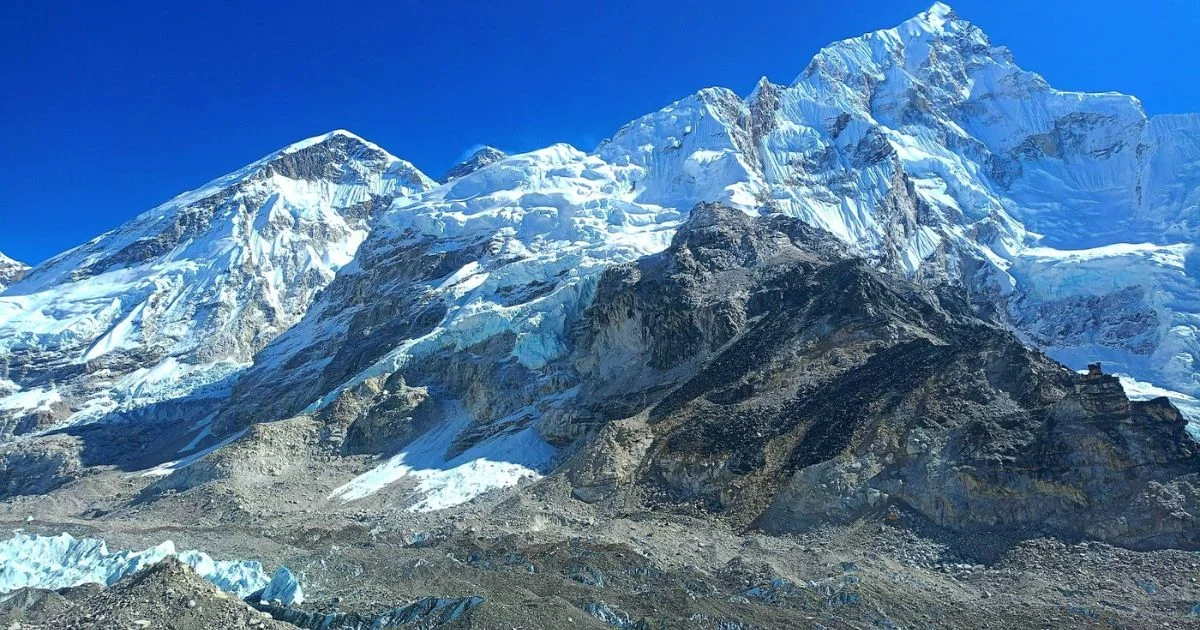
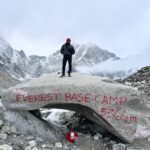
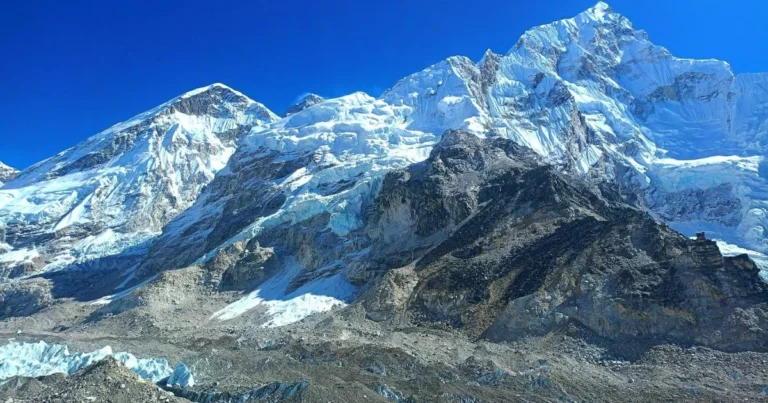
Everest Base Camp (South) lies at 5,364 m on the Khumbu Glacier in Nepal, at the foot of the Khumbu Icefall and beneath Everest, Nuptse and Khumbutse. In spring it becomes a tent city for summit expeditions; for trekkers it is the goal of an unforgettable journey through the Khumbu. You reach it on Day 9 of our 14-day trek, walking from Gorak Shep along the edge of the glacier.
 Lake
Gokyo Lakes
The turquoise lakes of the Khumbu, beside Nepal's longest glacier
Gokyo (4,790 m) is a lakeside village on the third of the six Gokyo Lakes, beside the Ngozumpa Glacier, with Gokyo Ri above it for one of the finest Everest views in Nepal.
Gokyo Ri
Four 8,000 m peaks above the Gokyo Lakes
Gokyo Ri (5,357 m) rises above Gokyo village and gives a sunrise view of Everest, Lhotse, Makalu and Cho Oyu, with the Gokyo Lakes and Ngozumpa Glacier below.
 Mountain
Mount Everest
The world's highest mountain, and the reason the Khumbu trail exists
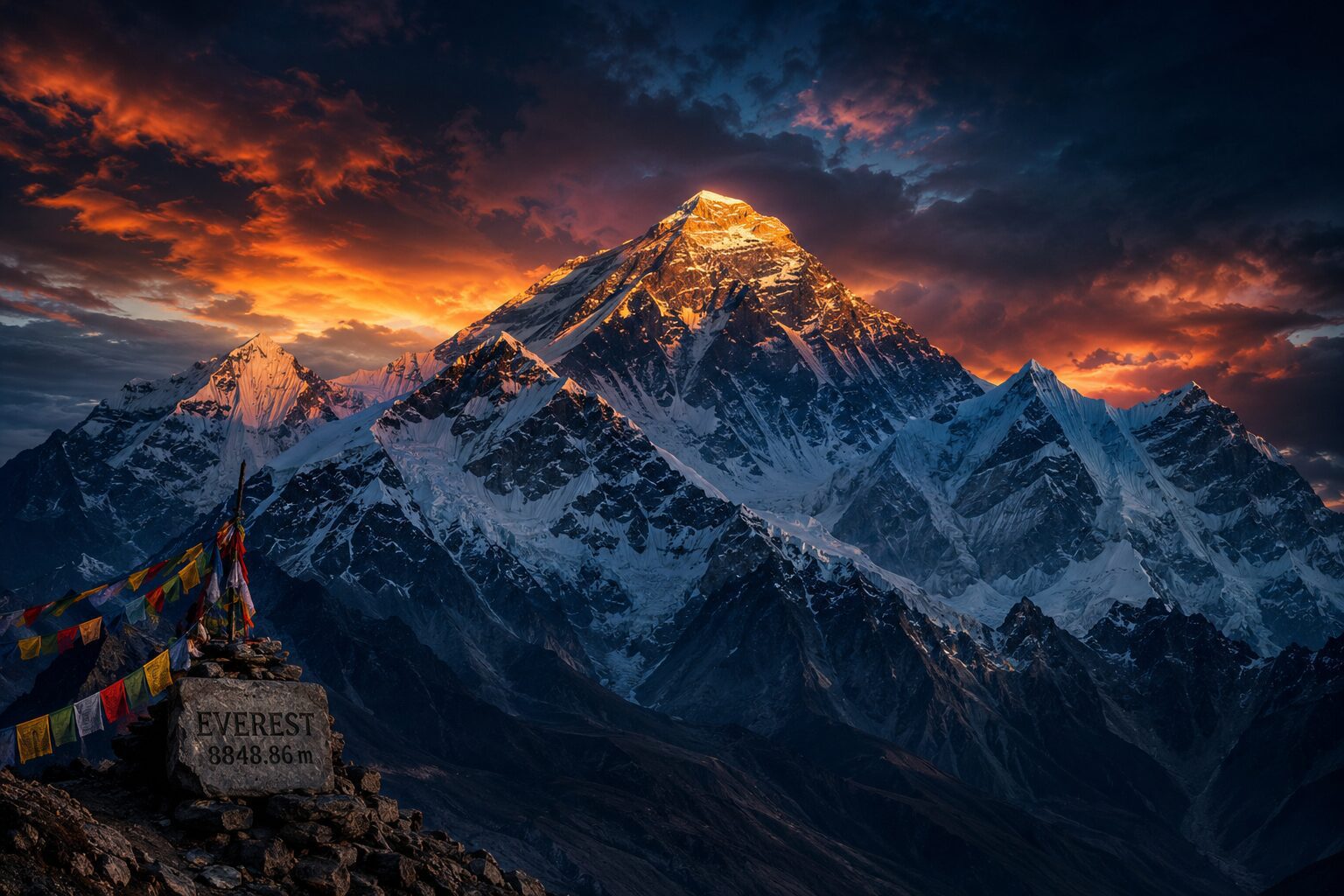
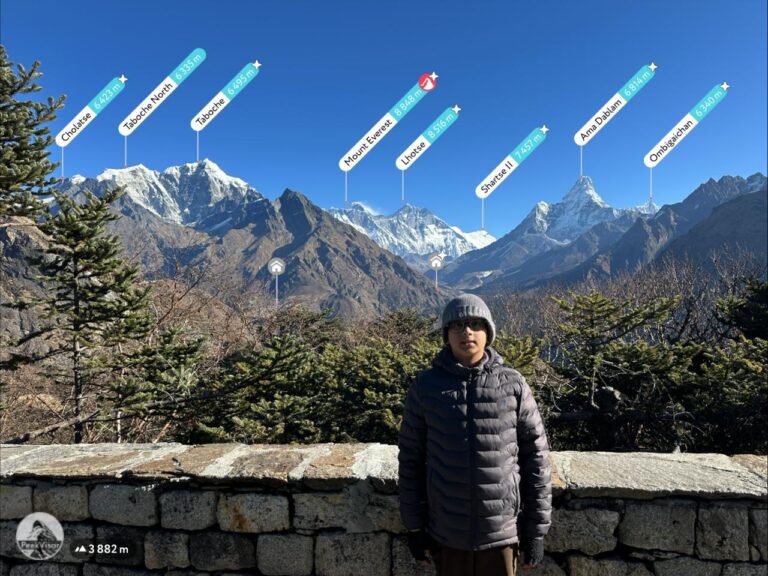
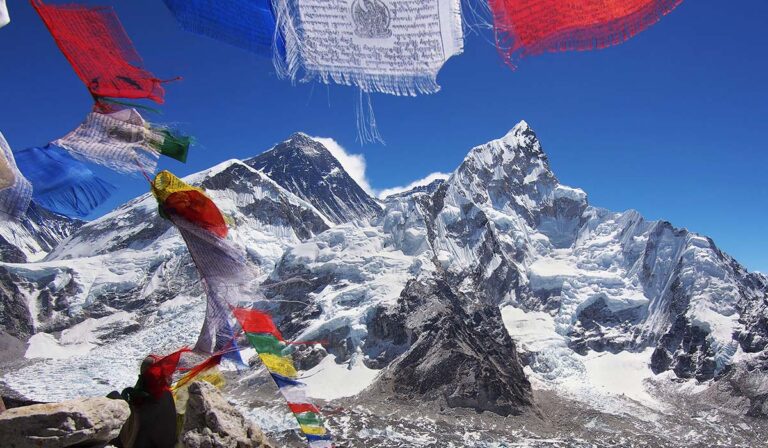
Mount Everest (8,848.86 m) is the highest mountain on Earth, on the Nepal–Tibet border in Sagarmatha National Park. Called Sagarmatha in Nepal and Chomolungma in Tibet, it was first climbed by Hillary and Tenzing Norgay in 1953. Trekkers see it best from Kala Patthar, Hotel Everest View and Tengboche on the Everest Base Camp trek.
 Base Camp
Sagarmatha National Park
Home of Mount Everest, Sherpa culture and the world's highest trails
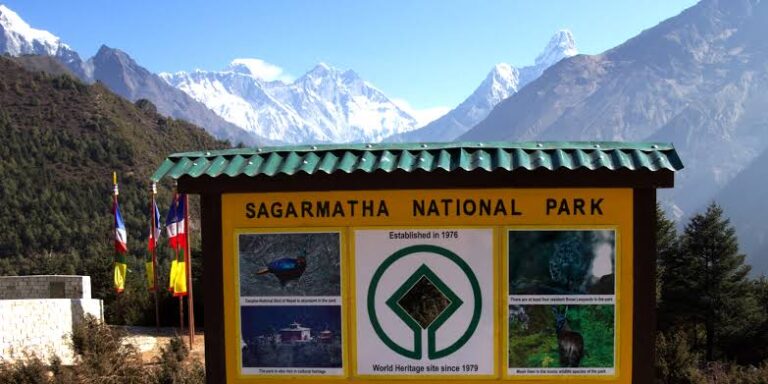
A UNESCO World Heritage Site in Nepal's Khumbu region, Sagarmatha National Park protects Mount Everest, glaciers, Sherpa villages, ancient monasteries and rare Himalayan wildlife.
Chhukung
The last village of the Imja Valley, below Lhotse's great south face
Chhukung (4,730 m) is the last village in the Imja Valley, the starting point for Kongma La and Island Peak, with Chhukung Ri above it for close-up views of Lhotse and Makalu.
 Mountain Pass
Cho La Pass
A glacier crossing between the Khumbu and Gokyo valleys
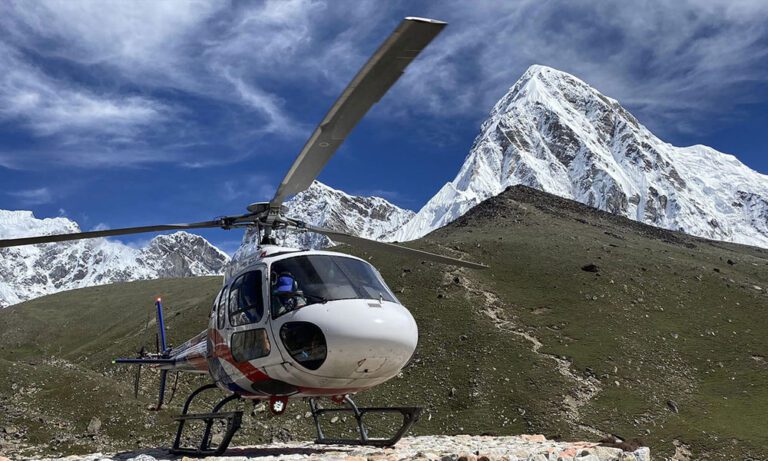
Cho La (5,420 m) links Dzongla in the Khumbu Valley with Thagnak and Gokyo, with a steep boulder climb, a short glacier on top and Cholatse towering overhead.
Dingboche
The Imja Valley's high-altitude village, with Ama Dablam towering overhead
Set at 4,410 m in the sunny Imja Valley, Dingboche is the classic acclimatization stop on the Everest Base Camp trek, with stone-walled fields, Ama Dablam views and gateway trails to Island Peak and Chhukhung.
Dzongla
A tiny hamlet at the foot of Cho La, below Cholatse
Dzongla (4,830 m) is a quiet hamlet of a few teahouses at the foot of Cho La, with views of Cholatse and Chola Tsho lake — the last stop before the pass to Gokyo.
 Base Camp
Gorak Shep
The last settlement on the trail, at the foot of Kala Patthar and Everest Base Camp
Set at 5,164 m on a frozen lakebed beside the Khumbu Glacier, Gorak Shep is the highest overnight stop on the Everest Base Camp trek and the launch point for Base Camp and Kala Patthar.
 Landmark
Hillary School (Khumjung School)
The school that answered 'our children have eyes, but cannot see'
The Hillary School (Khumjung School) was the first school in the Everest region, opened in 1961 by Sir Edmund Hillary's Himalayan Trust in the Sherpa village of Khumjung. You can see it on the Namche acclimatisation day, combined with Khumjung Monastery and Hotel Everest View.
 Landmark
Hillary Suspension Bridge
The prayer-flag bridge high above the Dudh Koshi, gateway to Namche Bazaar
The Hillary Suspension Bridge is the most iconic crossing on the Everest Base Camp trek. Covered in prayer flags, it hangs about 135 m above the gorge at Larja Dobhan, where the Bhote Koshi meets the Dudh Koshi. You cross it on the way to Namche Bazaar, with the old bridge hanging in the gorge below and the steep climb to the Sherpa capital just ahead.
 Landmark
Hotel Everest View
The legendary hilltop hotel with a front-row view of Everest
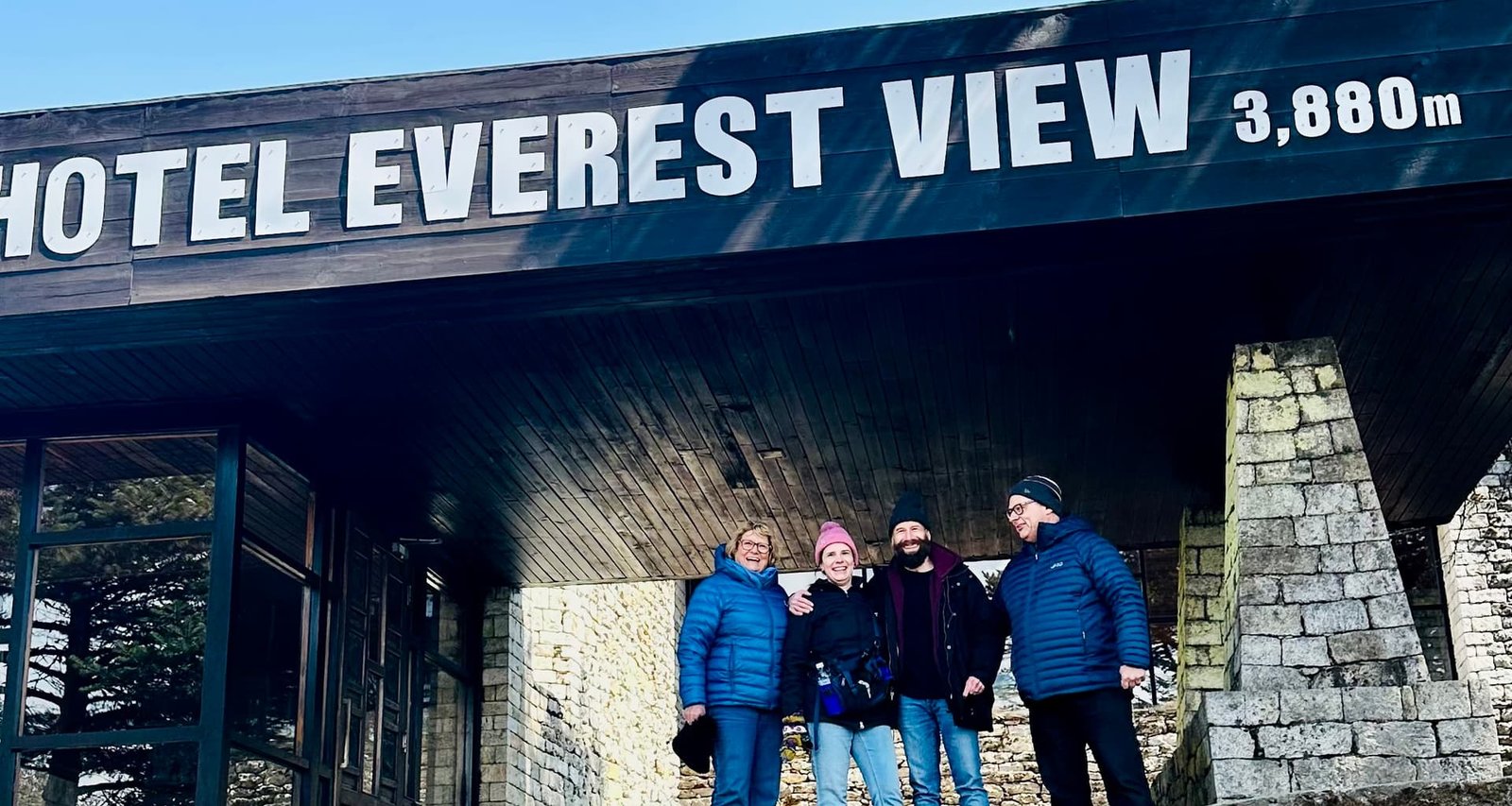
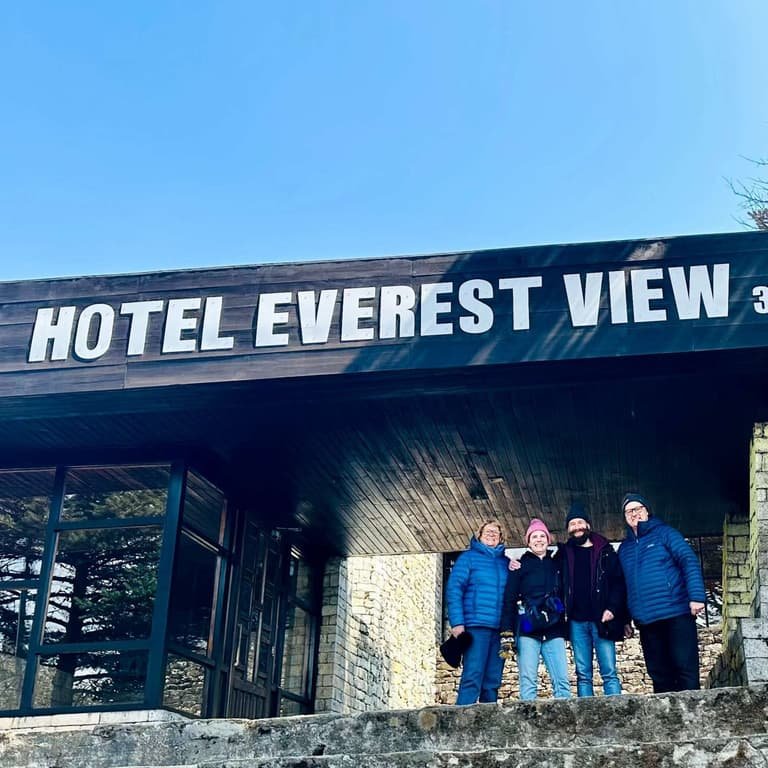
Hotel Everest View sits at 3,880 m on the Syangboche ridge above Namche Bazaar. Opened in 1971 by Takashi Miyahara and listed by Guinness in 2004 as the world's highest-placed hotel, it offers one of the finest close views of Everest, Lhotse, Nuptse and Ama Dablam. On the Everest Base Camp trek it is the reward for the Day 4 acclimatisation hike from Namche, and often your first proper look at the world's highest mountain.
 Village
Jorsalle
Lunch by the river before the big climb to Namche
Jorsalle (about 2,740 m) is the last village before the steep climb to Namche Bazaar, a riverside lunch stop just inside Sagarmatha National Park. Beyond it lie the Hillary Suspension Bridge and the first view of Everest.
 Base Camp
Kala Patthar
The best viewpoint on the trek for Mount Everest, at 5,545 m
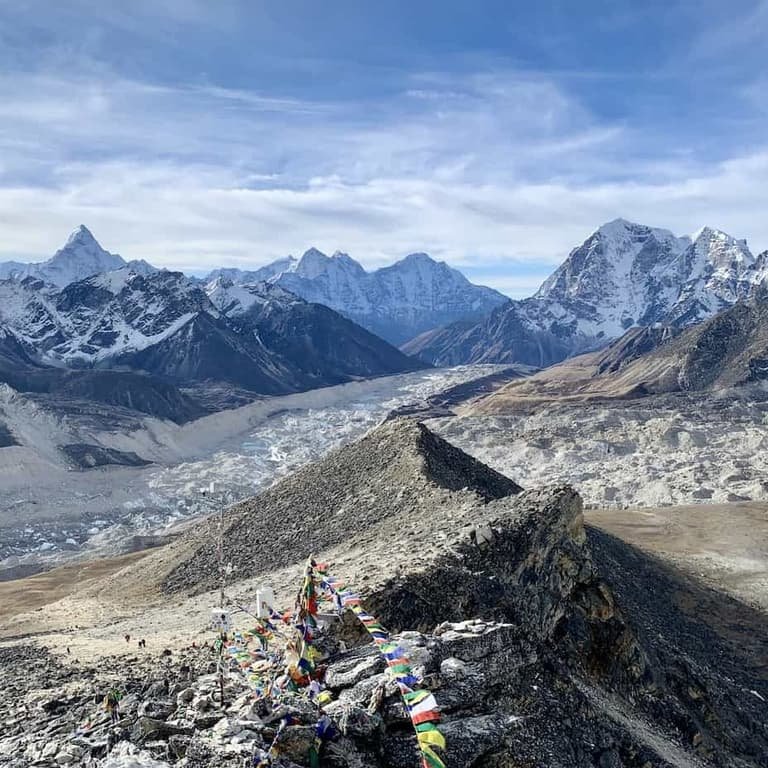
Rising above Gorak Shep, Kala Patthar is the famous black-rock viewpoint where trekkers watch sunrise light up Mount Everest, Nuptse and Pumori in one of the greatest mountain panoramas on Earth.
 Glacier
Khumbu Glacier
The river of ice that leads you to Everest Base Camp
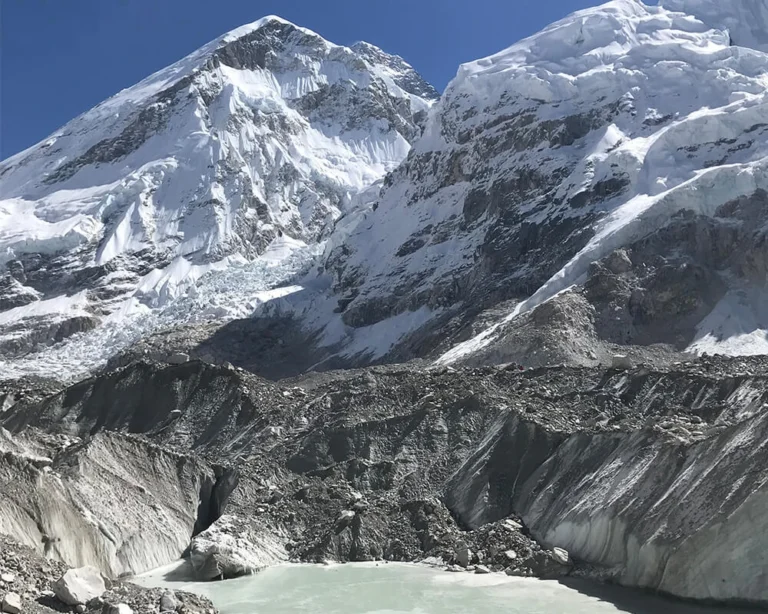
The Khumbu Glacier flows from the Western Cwm below Everest through the Khumbu Icefall and south past Gorak Shep and Lobuche to Thukla. Everest Base Camp sits on its ice. On the trek you follow its moraine for two days and look down on it from Kala Patthar.
 Glacier
Khumbu Icefall
The shifting maze of ice that guards the way to Everest's summit
The Khumbu Icefall is the chaotic river of ice above Everest Base Camp, where the Khumbu Glacier drops out of the Western Cwm. It is the first and most dangerous section of the South Col route to the summit. Trekkers see it up close from Base Camp and Kala Patthar.
 Village
Khumjung
A traditional Sherpa village below sacred Khumbila
Khumjung (3,790 m) is a large Sherpa village above Namche Bazaar, home to the Hillary School and a monastery with a famous yeti scalp — the classic acclimatisation walk via the Everest View Hotel.
 Monastery
Khumjung Monastery (Yeti Scalp)
The little monastery that keeps the Khumbu's famous yeti scalp
Khumjung Monastery (about 3,790 m) keeps the Khumbu's last 'yeti scalp', examined by Sir Edmund Hillary's 1960 expedition and found to be made from serow skin. Visit it on the Namche acclimatisation day, with the Hillary School and Hotel Everest View.
 Village
Khunde
Khumjung's quiet twin village and home of Hillary's hospital
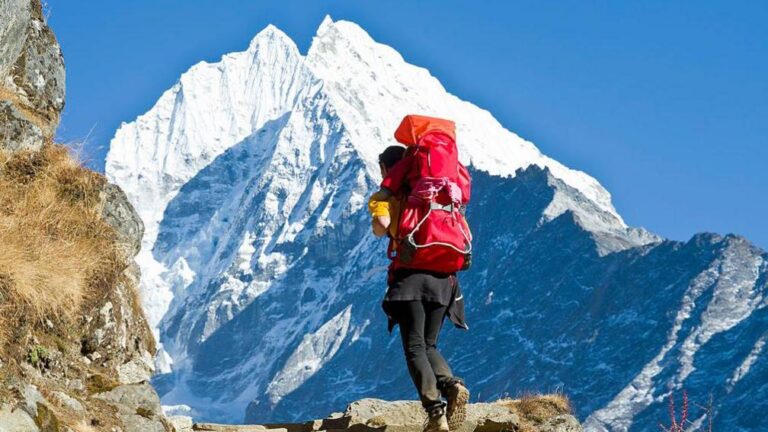
Khunde (about 3,840 m) is the quiet twin village of Khumjung above Namche Bazaar, home to Khunde Hospital, founded with Sir Edmund Hillary's Himalayan Trust in 1966. Visit it on the Namche acclimatisation day via Hotel Everest View.
Kongma La Pass
The highest and wildest of the three Everest passes
Kongma La (5,535 m) is the highest pass on the Everest Three Passes Trek, crossing from Chhukung to Lobuche past frozen lakes, with Makalu and Lhotse behind you and the Khumbu Glacier ahead.
 Base Camp
Lobuche
The high-altitude outpost beneath Lobuche Peak, one step from Everest Base Camp
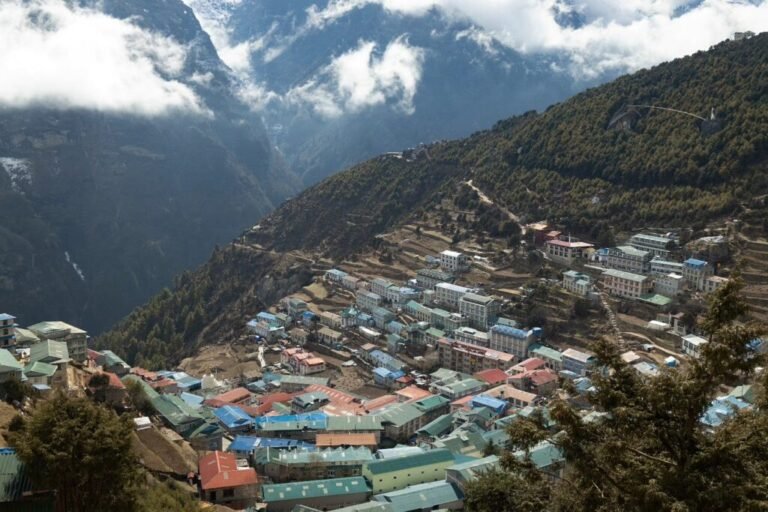
Perched at 4,910 m beside the Khumbu Glacier, Lobuche is the last major overnight stop before Gorak Shep, with stark alpine scenery, memorial cairns and close views of Nuptse and Lobuche Peak.
 Base Camp
Lukla
Gateway to Everest and the Starting Point of Himalayan Adventures
Lukla is the gateway to the Everest region and one of Nepal's most important mountain trekking hubs. Located in the Khumbu region of Solukhumbu, Lukla is best known as the arrival point for travelers beginning treks toward Everest Base Camp, Gokyo Valley, Namche Bazaar and other Himalayan destinations. The town sits at approximately 2,846 meters above sea level and is home to Tenzing-Hillary Airport, one of Nepal's most important mountain airfields. For many travelers, landing in Lukla marks the beginning of their journey into the high Himalayas.
Lungden
A quiet stop on the old Tibet trade route below Renjo La
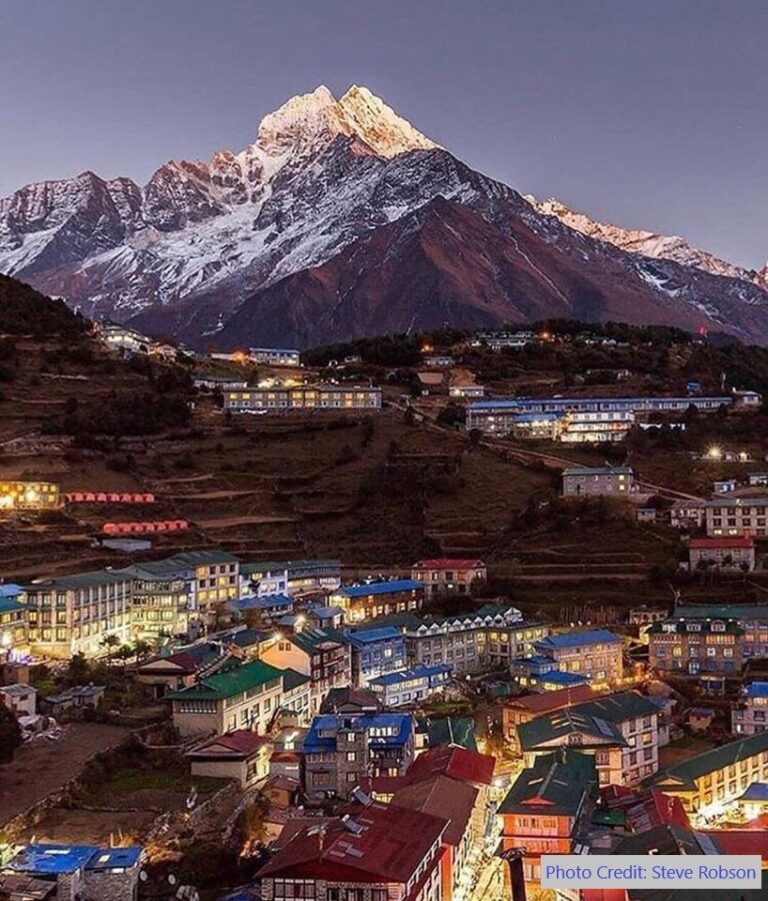
Lungden (4,380 m) is a small, peaceful settlement in the upper Bhote Koshi valley, the first stop after crossing Renjo La on the Everest Three Passes Trek.
 Village
Monjo
Where the Everest trail enters Sagarmatha National Park
Monjo (about 2,835 m) is the village at the entrance to Sagarmatha National Park, where your park permit is checked on the way from Phakding to Namche Bazaar. Green and peaceful, it is a pleasant tea stop and a good alternative first night on the trek.
 Base Camp
Namche Bazaar
The Sherpa capital of the Khumbu and the gateway to Everest
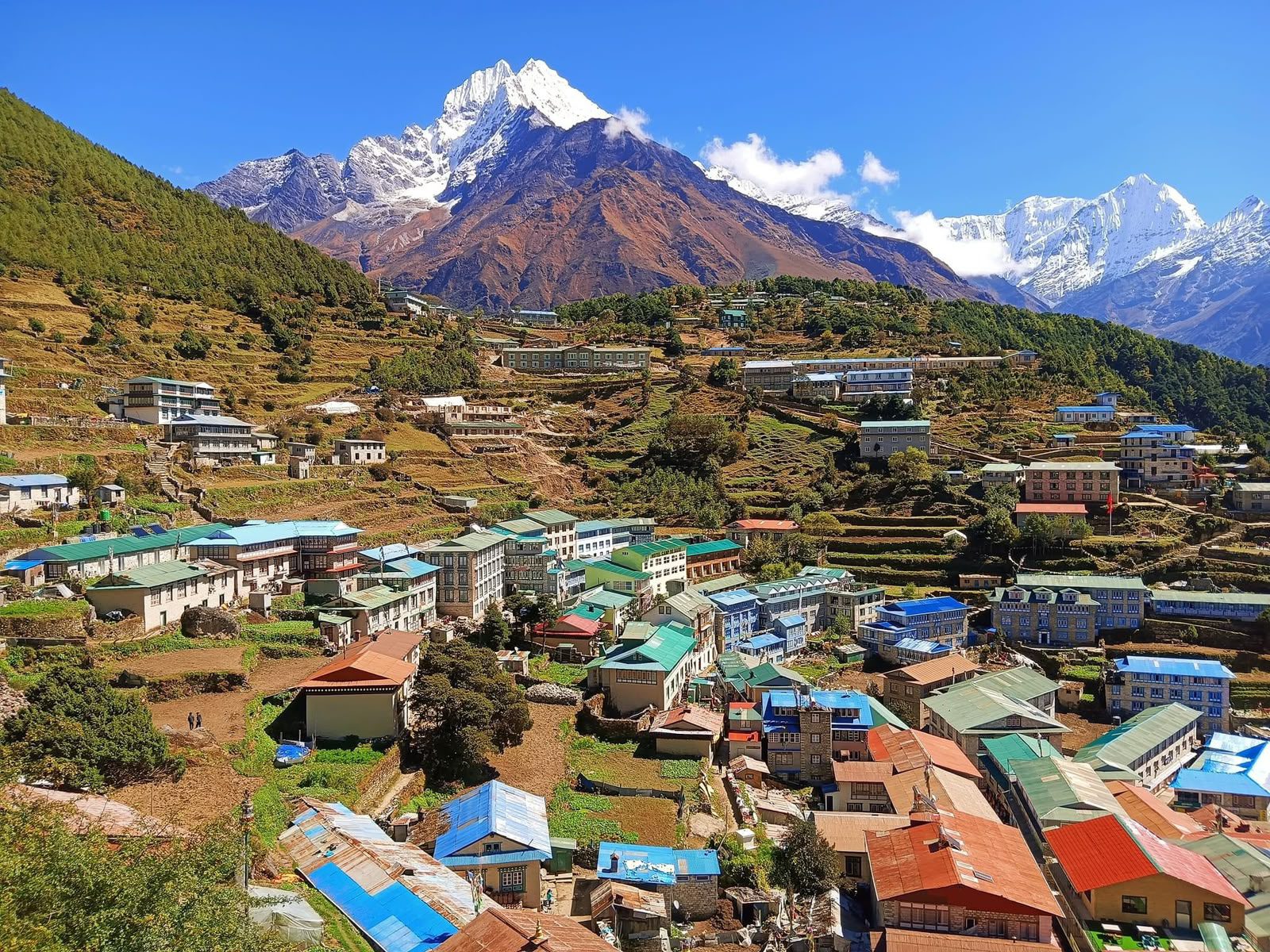
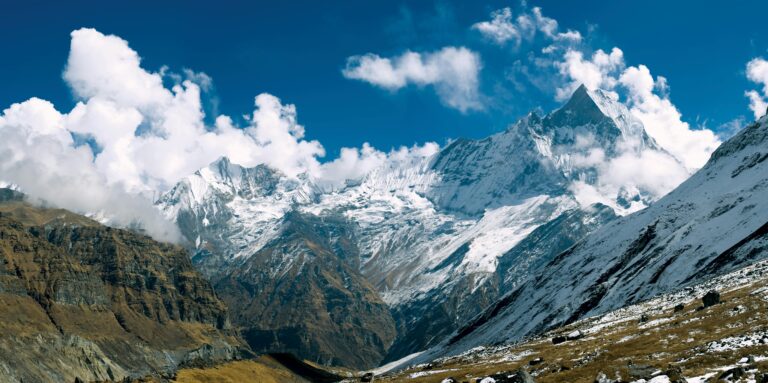
Built in a horseshoe-shaped bowl at 3,440 m, Namche Bazaar is the bustling Sherpa trading town where every Everest trek pauses to acclimatize, shop, refuel and take in the first big mountain views.
 Viewpoint
Nangkartshang Peak
Climb high, sleep low: the best viewpoint above Dingboche
Nangkartshang Peak (about 5,083 m) is the classic acclimatisation hike above Dingboche, climbing about 700 m to views of Makalu, Lhotse, Ama Dablam and Island Peak. It takes 4 to 5 hours return and prepares your body for Lobuche and Everest Base Camp.
MonasteryPangboche
The ancient Sherpa village beneath Ama Dablam
Pangboche (about 3,985 m) is one of the Khumbu's oldest Sherpa villages, with the region's oldest monastery and the legend of the stolen yeti hand. It sits right below Ama Dablam, between Tengboche and Dingboche on the Everest Base Camp trek.
Phakding
The first riverside stop on the trail to Everest
Phakding (2,610 m) is a riverside village on the Dudh Koshi, about three hours from Lukla, and the first overnight stop on the Everest Base Camp and Three Passes treks.
 Village
Pheriche
The windy valley village where Everest trekkers learn to stay safe at altitude
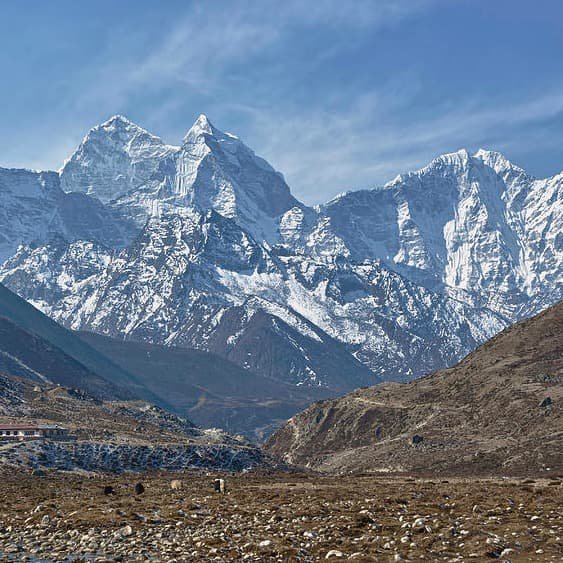
Pheriche (about 4,371 m) is a windswept Sherpa village below Dingboche, home to the Himalayan Rescue Association aid post that has cared for trekkers since 1973. On our Everest Base Camp trek it is the overnight stop on the way down after Kala Patthar.
Renjo La Pass
The pass with the best view of the Gokyo Lakes and Everest
Renjo La (5,360 m) links Gokyo with Lungden and Thame, with a breathtaking view back over the Gokyo Lakes and the Ngozumpa Glacier to Everest, Lhotse, Makalu and Cho Oyu.
Base CampTengboche Monastery
The spiritual heart of the Khumbu, with Everest and Ama Dablam on the horizon
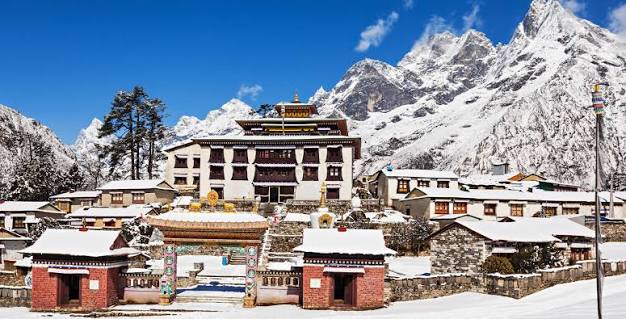
Perched on a forested ridge at 3,867 m, Tengboche Monastery is the largest Buddhist gompa in the Everest region, famed for its peaceful prayers, the Mani Rimdu festival and one of the most stunning mountain panoramas in Nepal.
 Town
Tenzing-Hillary Airport (Lukla)
The famous mountain airstrip where every Everest Base Camp adventure begins
Tenzing-Hillary Airport in Lukla is the gateway to Mount Everest and one of the most extraordinary airports on Earth. Built by Sir Edmund Hillary in 1964, its 527-metre runway climbs an 11.7% slope at 2,845 m, between a mountain wall and a deep valley. A short mountain flight from Kathmandu or Ramechhap lands you here, ready to start the trek to Everest Base Camp, Gokyo and the Three Passes.
Thagnak
The first rest stop after Cho La, beside the Ngozumpa Glacier
Thagnak (4,700 m), also called Dragnag, is the small teahouse stop below the western side of Cho La, a short glacier crossing from the Gokyo Lakes.
Thame
The home village of Everest's legendary Sherpa climbers
Thame (3,820 m) is a historic Sherpa village in the Bhote Koshi valley, home to an ancient monastery and many famous Everest climbers, on the way from Renjo La to Namche Bazaar.
 Landmark
Thukla Pass Memorial
A quiet ridge of stone chortens honouring those who never came home from Everest
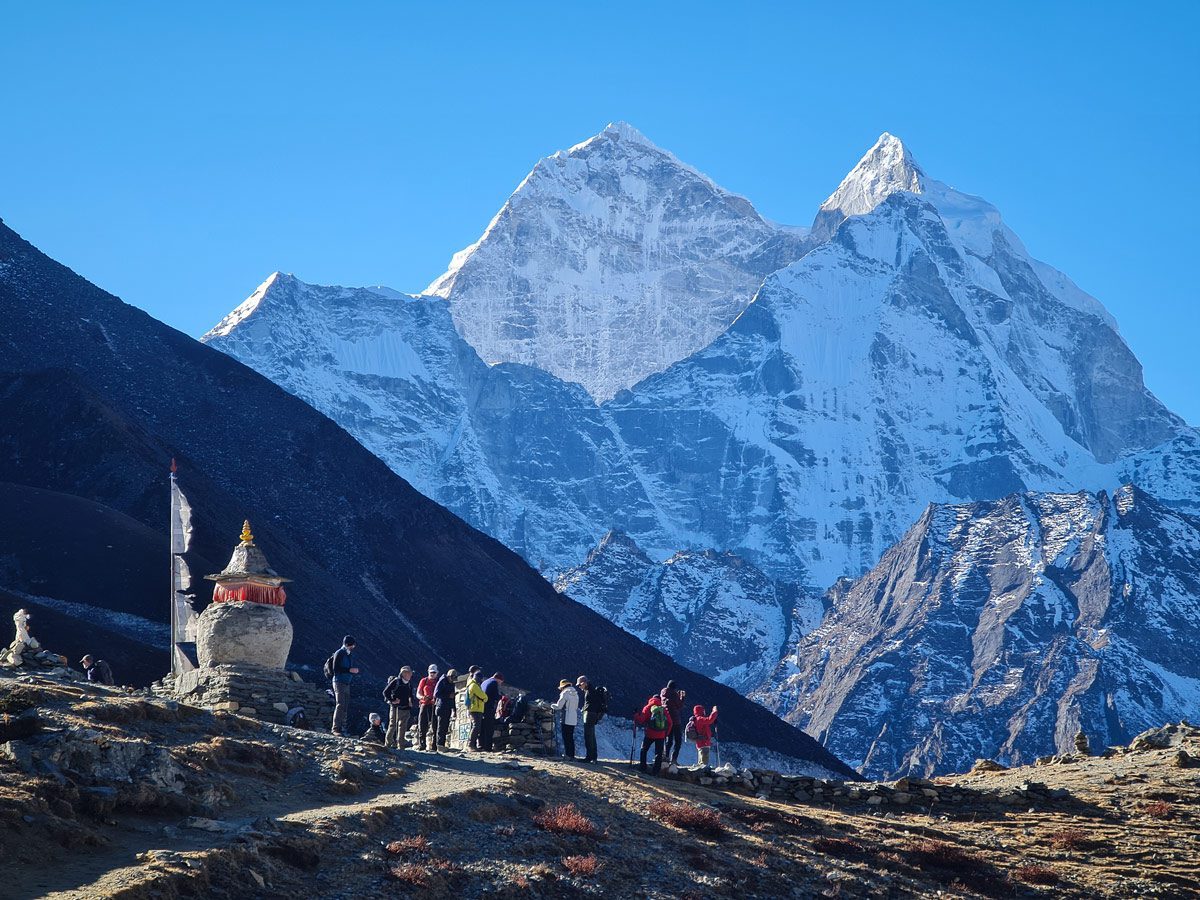
The Thukla Pass Memorial is a windswept ridge at about 4,830 m, covered in stone chortens and prayer flags honouring climbers and Sherpas who died on Everest, including Scott Fischer and Babu Chiri Sherpa. You reach it after a steep climb from Thukla on the way from Dingboche to Lobuche, with Ama Dablam rising behind and Pumori ahead.
Nothing found.