


Everest Base Camp Trek: The Complete Preparation Guide for First-Timers
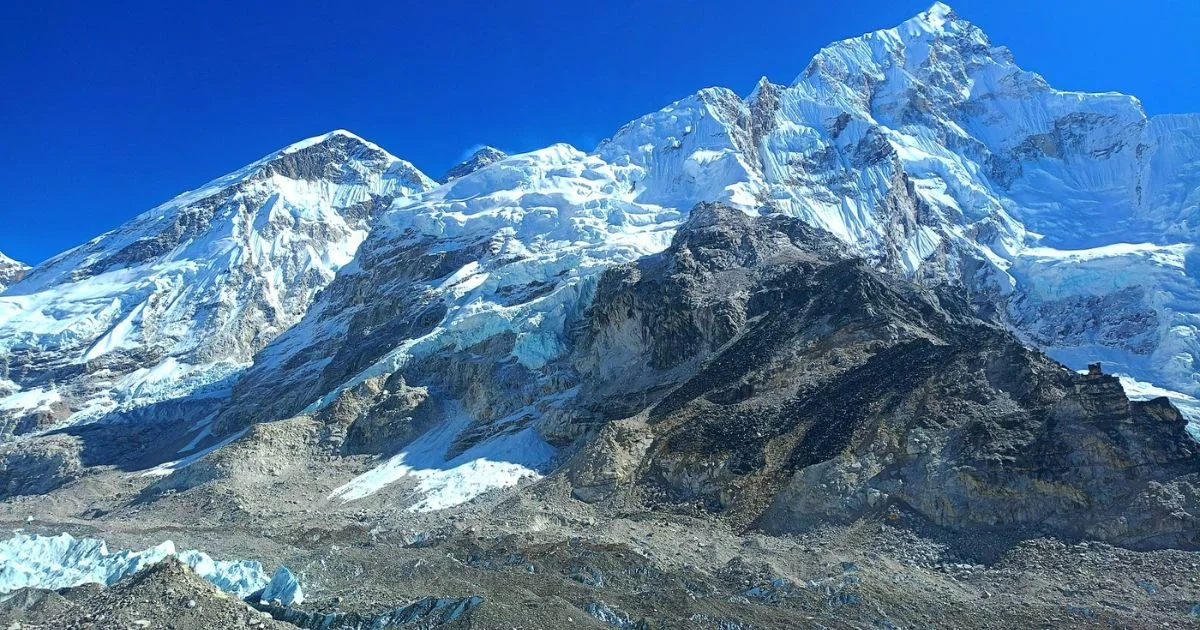
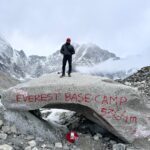
Standing at 5,364 metres beneath the Khumbu Icefall is one of the most powerful experiences a person can have. This guide gives you everything you need to get there safely — training schedules, packing realities, altitude strategies, flight logistics, and honest answers about what life on the trail actually looks like.
Who can actually do the Everest Base Camp trek?
The most persistent myth about trekking to Everest Base Camp is that it requires mountaineering experience. It does not. There are no ropes, no ice axes, no technical climbing sections. The path to Base Camp is a walking trail — steep and sustained, but a trail nonetheless — one that Sherpa traders and their families have walked for generations.
What it does require is honest physical preparation and the willingness to move slowly. Altitude is not something you can power through with fitness alone. An elite marathon runner who rushes the ascent will fare worse than a moderately fit beginner who follows a proper acclimatisation schedule.
If you can walk for five to six consecutive hours on hilly terrain with a daypack, you have the foundational fitness needed. The 8-week training plan below will get you there even if you are starting from a low base.
People who succeed tend to share two traits: they trained consistently for at least two months, and they committed to the "slowly, slowly" pace on the trail rather than pushing ahead. Fitness helps. Patience is what gets you to Base Camp.
The 8-week training blueprint
The trail demands two things your body needs to build specifically: the cardiovascular capacity to sustain five to eight hours of aerobic effort per day, and the lower-body strength to handle 12 consecutive days of ascent and descent on stone stairs. A generic gym routine will not prepare you for either.
Begin at least eight weeks before you fly. Here is how to structure those weeks:
| Phase | Weeks | Focus | Key workouts |
|---|---|---|---|
| Base aerobic | 1 – 2 | Build your cardio base | 30–40 min jog, swim, or cycle 3×/week; bodyweight squats, lunges, planks 2×/week |
| Strength & joints | 3 – 4 | Load-bearing readiness | Weighted stair climbing (30 min with 5 kg); incline treadmill; leg press and calf raises |
| Trail endurance | 5 – 6 | Mimic the actual trek | One 4–5 hour hike on hilly terrain weekly, wearing your actual boots and a 7–8 kg daypack |
| Peak & taper | 7 – 8 | Peak then recover | Week 7: one 6-hour hike with 10 kg pack. Week 8: cut intensity by half — let your muscles consolidate |
Fitness benchmarks before you fly
Arrive in Kathmandu able to meet at least one of these without residual fatigue:
- Walk 5 km in 30 minutes on flat ground
- Jog 10 km in 70 minutes continuously
- Cycle 20 km in 55 minutes at a moderate pace
- Climb 20 floors of stairs with a 7 kg pack without stopping
Stair climbing. Find a stadium, a tall office building, or a StairMaster. Thirty minutes of weighted stair climbing three times per week builds the exact quad, hamstring, and calf strength the Khumbu demands — far more specifically than cycling or flat running.
Altitude safety and acclimatisation
Above 4,000 metres, your body is running on roughly 40% less oxygen per breath than at sea level. Above 5,000 metres, that deficit climbs past 50%. This is not something that fitness compensates for — acclimatisation is a physiological process that takes time. The standard itinerary for the EBC trek builds in two full rest days specifically to support this process.
What Acute Mountain Sickness actually feels like
Acute Mountain Sickness (AMS) presents in the first 6 to 12 hours after reaching a new elevation. Early symptoms include a dull headache, mild nausea, fatigue disproportionate to effort, and disrupted sleep. These are normal and manageable with rest and hydration. What you must watch for is the progression — worsening headache that does not respond to ibuprofen, persistent vomiting, confusion, or breathlessness at rest. Those are the warning signs of High Altitude Pulmonary Edema (HAPE) or High Altitude Cerebral Edema (HACE), both of which require immediate descent.
The rules that actually work
- Climb high, sleep low. On acclimatisation days at Namche Bazaar (3,440 m) and Dingboche (4,410 m), hike to a higher elevation during the day and return to sleep lower. This stimulates red blood cell production without the risk of sleeping at altitude before your body is ready.
- Move at conversation pace. If you cannot hold a full sentence without catching your breath, you are moving too fast. The local Sherpa phrase is "bistari, bistari" — slowly, slowly. It is not metaphorical advice.
- Drink four litres daily. High altitude combined with cold, dry air causes rapid, invisible fluid loss. Dehydration produces symptoms nearly identical to AMS and accelerates the real thing. Four litres per day is the floor, not the ceiling.
- No alcohol above Lukla. Alcohol suppresses respiratory drive — exactly the mechanism your body uses to compensate for thin air. Even one drink significantly impairs your acclimatisation. Avoid it entirely above 2,840 m.
- Avoid sedatives and sleeping pills. They work by depressing the same respiratory system you need working hard all night to process altitude. Poor sleep at altitude is uncomfortable but far safer than chemically induced deep sleep.
If symptoms worsen overnight rather than improving, the only safe response is descent. Do not wait until morning. Do not take pills and push on. Descend immediately. Most AMS cases resolve rapidly within 300–500 metres of descent.
The route: elevation milestones day by day
Understanding the elevation profile before you arrive makes the experience far less intimidating. The ascent is not linear — it deliberately steps up, then retreats to lower ground for rest, then climbs again. This is not inefficiency in the routing. It is the acclimatisation strategy.
-
Kathmandu
1,400 m
Arrival, gear check, pre-trek briefing, welcome dinner
-
Lukla → Phakding
2,840 m → 2,610 m
Thrilling 30-minute mountain flight; first steps on the trail; 3–4 hours walking
-
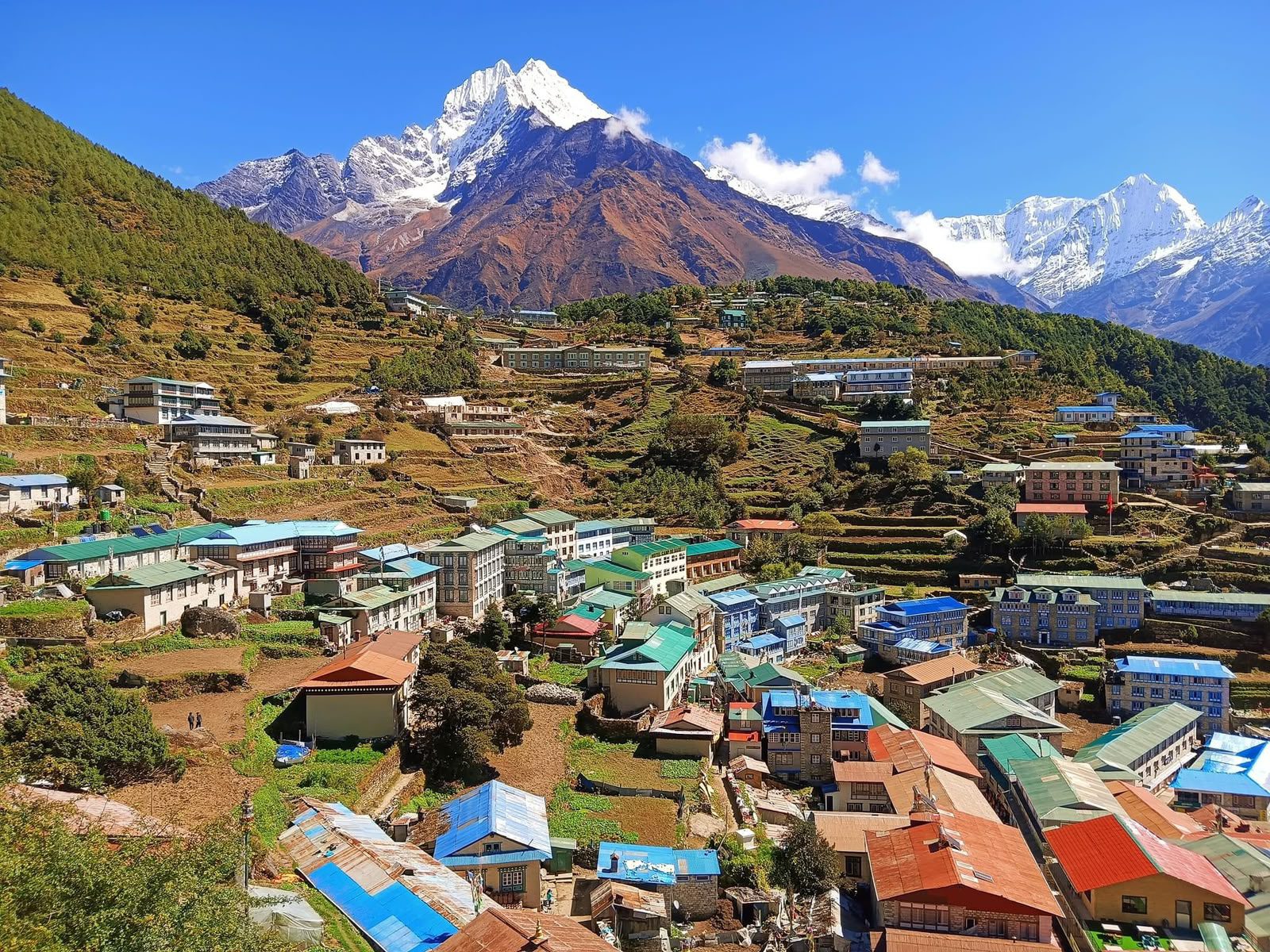
Namche Bazaar
3,440 m
Sherpa capital of the Khumbu; one full acclimatisation rest day; hike to Hotel Everest View (3,880 m)
-
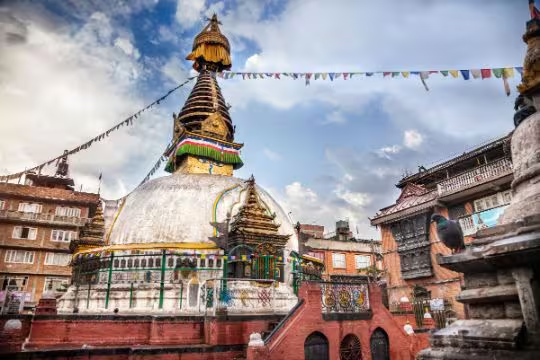
Tengboche Monastery
3,860 m
Largest monastery in the Khumbu; afternoon Buddhist puja prayers with monks
-
Dingboche
4,410 m
Second acclimatisation rest day; optional ascent to Nangkartshang Peak (5,083 m) for views of Ama Dablam and Makalu
-
Lobuche → Gorak Shep
4,910 m → 5,190 m
The Thukla Pass memorial chortens; final push to the highest village on the route
-
Everest Base Camp
5,364 m
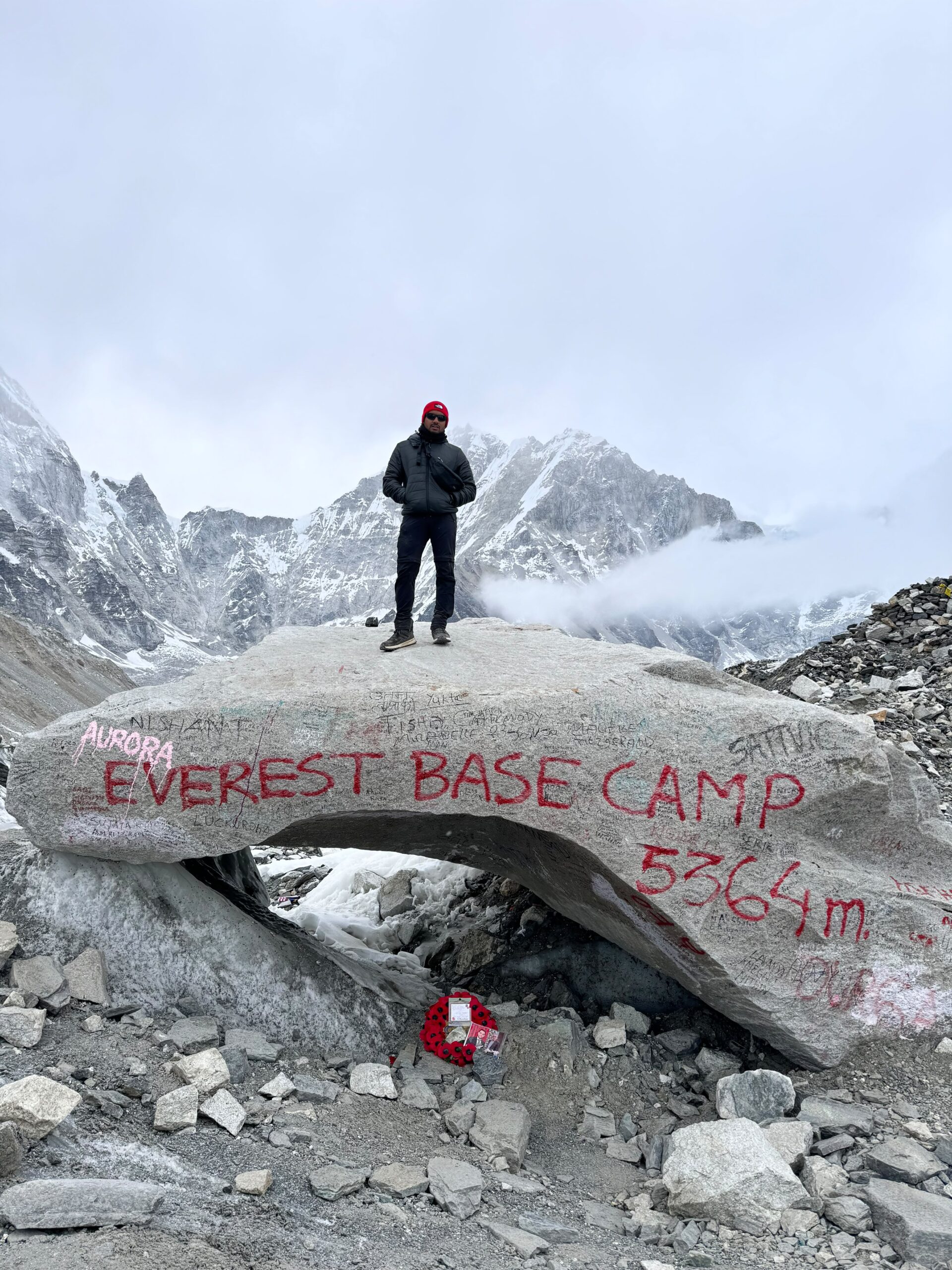
The goal. Standing on the Khumbu Glacier beneath the Icefall — an experience that stays with you permanently
-
Kala Patthar sunrise
5,555 m
Highest point of the trek. Unobstructed sunrise view of Everest's south face that Base Camp itself cannot provide
-
Descent → Lukla → Kathmandu
2,840 m → 1,400 m
Faster return via Pheriche and Namche; farewell dinner with your crew in Lukla; flight back
Packing — what matters and what doesn't
The weight limit on the Lukla flight is 15 kg total per passenger — 10 kg checked duffel and 5 kg carry-on daypack. Your porter carries the duffel; you carry the daypack. This constraint is actually useful: it forces you to pack only what you will genuinely use, and nothing available on the trail is difficult to hire or buy in Kathmandu's Thamel district beforehand.
The items that earn their weight
- Waterproof shell jacket — rain and wind protection; non-negotiable at any altitude
- Down parka with insulated hood — nights above 4,000 m regularly drop below −10°C
- Merino wool base layers (2–3 sets) — wool regulates temperature, wicks moisture, and resists odour over multiple days
- High-ankle waterproof trekking boots — broken in before departure — blisters from new boots are the most common preventable problem on the trail
- Four-season sleeping bag rated to −15°C — teahouse blankets alone are insufficient above Namche Bazaar
- Neck buff / balaclava — specifically to prevent the "Khumbu Cough," a dry bronchial irritation caused by breathing cold, dusty glacial air for days
- Trekking poles — protect your knees on the steep descents; genuinely transformative on the way back
- Headlamp with spare batteries — early morning Kala Patthar ascent happens before sunrise; load your batteries the night before
- High-SPF sunscreen and glacier glasses — UV intensity at 5,000 m is severe; ordinary sunglasses are insufficient
- Water purification tablets or a Sawyer filter — even if the package includes boiled water, carry backup
Heavy novels, multiple camera lenses, multiple pairs of casual clothes, cotton in any form. Cotton holds moisture against your skin and accelerates heat loss — it is strictly unsuitable for high-altitude trekking in any layer position.
Lukla flights and the buffer day rule
Tenzing-Hillary Airport in Lukla is one of the most famous airports in the world for one reason: it operates under Visual Flight Rules only. There is no radar. Pilots must be able to see the runway to land. In a mountain environment where weather changes in minutes, this means delays are not unusual — they are a structural feature of Himalayan travel.
Peak season departures from Ramechhap
During the two main trekking seasons — March to May and September to November — Lukla flights are rerouted from Kathmandu's congested Tribhuvan Airport to Manthali Airport in Ramechhap, approximately 138 km from the capital. Departure from your Kathmandu hotel happens between 1:00 AM and 3:00 AM to reach Ramechhap in time for early morning flights, when mountain visibility is most reliable. The flight itself is 20 minutes.
In off-peak months, flights operate directly from Kathmandu and take around 35 minutes.
The buffer day rule — non-negotiable
Build a minimum of two to three buffer days in Kathmandu after your scheduled Lukla return flight. Roughly one in ten Lukla flights is delayed by weather, particularly in shoulder seasons. If your Lukla return is scheduled for Monday, do not book your international flight home before Thursday. This is the single most important logistical decision you make before departure.
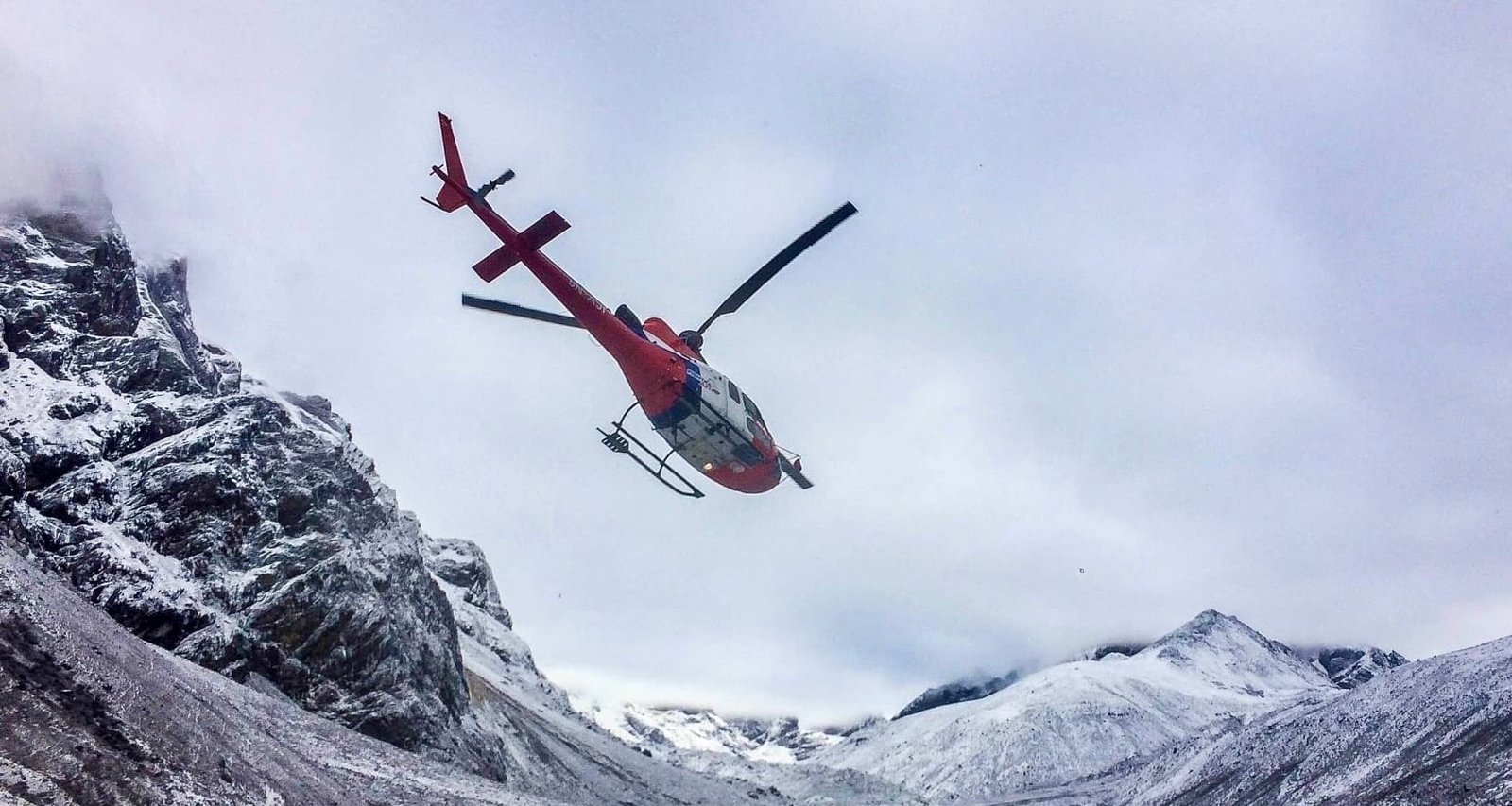
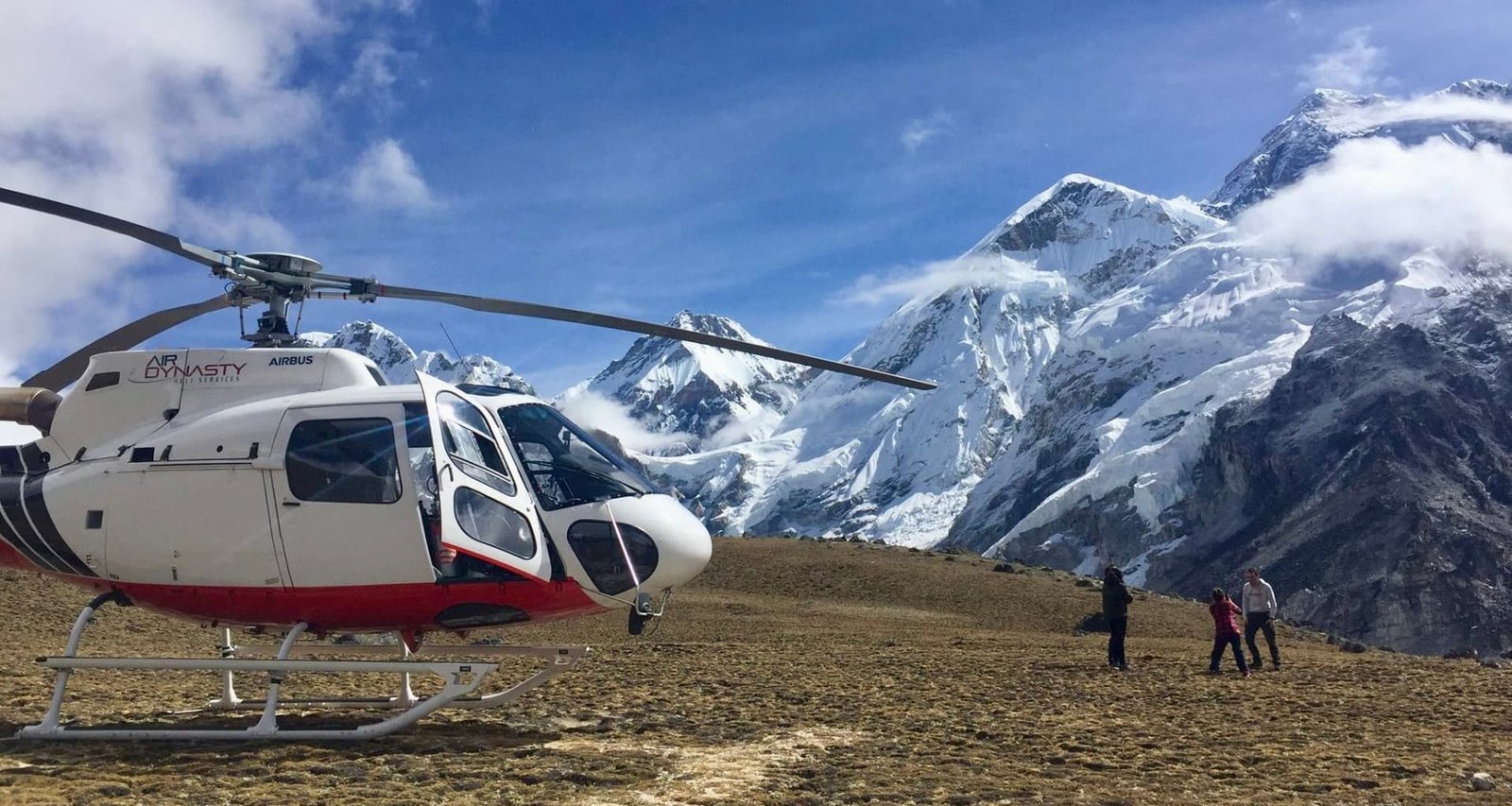
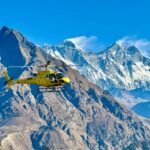
If flights are grounded but your schedule is fixed, chartered helicopters provide a backup. Helicopters require only 1.5 km of visibility versus 5 km for propeller aircraft. A shared seat costs approximately USD 450 to 500 one-way; a private charter runs USD 3,000 to 3,500. Your buffer days and travel insurance exist precisely to handle this scenario without panic.
Teahouse life: what to genuinely expect
The family-run mountain lodges along the EBC trail are called teahouses, and they are one of the most unexpectedly wonderful parts of the experience — but only if your expectations match the reality. They are not hotels. They are not meant to be.
Rooms
Standard rooms contain two single wooden beds with foam mattresses, sheets, and a pillow. There is no heating in the bedrooms — not at any altitude. Temperatures inside the rooms at Lobuche and Gorak Shep regularly drop below freezing overnight, which is why a −15°C sleeping bag is mandatory rather than optional. Your tour package sleeping bag rental covers this.
Private attached bathrooms are generally available at lower altitudes — Lukla, Phakding, and Namche Bazaar. Above that, shared hallway toilets are standard.
The dining room
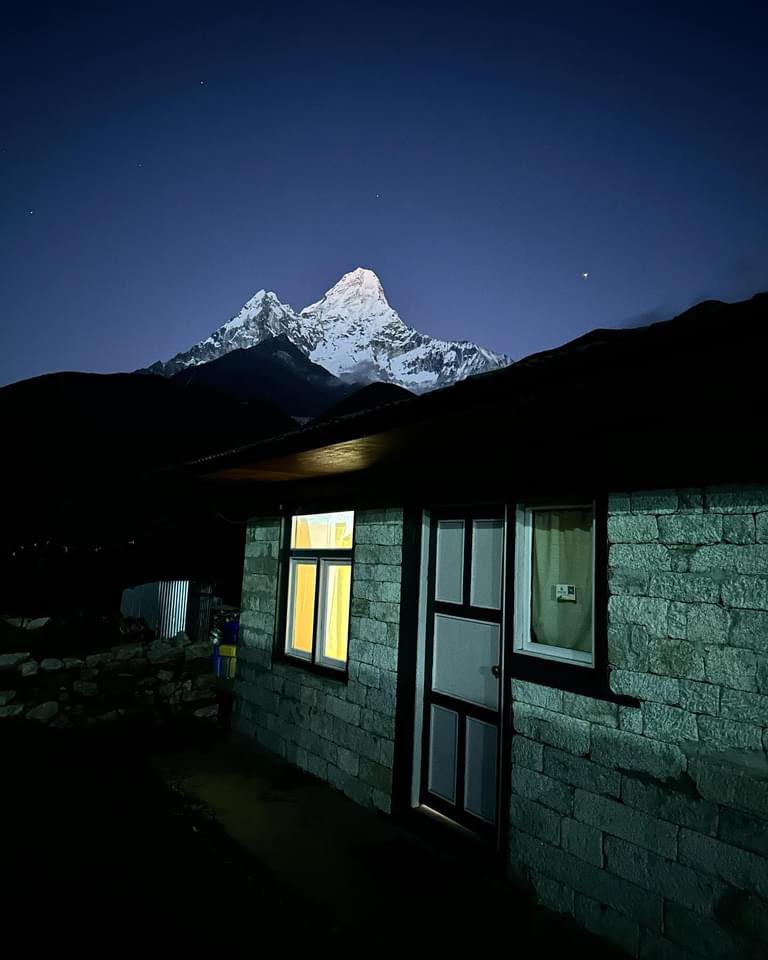
This is where you will spend most of your non-sleeping, non-hiking time, and it is genuinely warm — a central wood or yak-dung stove makes it the only heated space in the building. This is where trekkers from around the world compare notes, share days, and form the unexpected friendships that people consistently describe as one of the highlights of the trek.
Food above 4,000 metres
Teahouse menus shrink as you gain altitude, for practical reasons: everything arrives by porter or pack animal, without refrigeration. Above Namche Bazaar, eat vegetarian. The Khumbu is a protected Buddhist region where animal slaughter is prohibited, meaning all meat is carried up from lower elevations. The risk of foodborne illness at altitude — when your digestive system is already under stress — is genuinely not worth it.
Dal Bhat — Nepal's lentil soup with rice, vegetable curry, and papadum — is what Sherpas eat daily. It is the highest-quality fuel available on the trail: slow-release carbohydrates, plant protein, and unlimited refills at most teahouses. Order it whenever you see it on the menu.
Practical costs you will pay out of pocket
- Hot shower: USD 3–8 per shower (skip these above Dingboche — cold air after washing raises your illness risk significantly)
- Device charging in the dining hall: USD 1–5 per hour per device
- Everest Link Wi-Fi prepaid card: approximately USD 21–25 for 10–20 GB valid 30 days across the valley
Cold kills phone batteries faster than use does. Sleep with your phone, power bank, and camera battery inside your sleeping bag each night. You will wake up with full charge; leave them out and you wake up with a dead device.
Money, tipping, and trail finances
The trail economy is entirely cash-based. Credit card terminals exist in Kathmandu and occasionally in Namche Bazaar, but they are rare and typically charge a 3 to 4% merchant fee. ATMs are only available in Kathmandu and Namche, and Namche ATMs run out of cash reliably during peak season. Withdraw enough Nepalese Rupees in Kathmandu before you start to cover your personal out-of-pocket trail expenses.
Tipping
Tipping is not a formality in Nepal's trekking industry — it is a meaningful part of your guide and porter's livelihood. The industry standard is USD 150 to 250 per trekker total (roughly 10 to 15% of your package cost), presented as a collective pool to your crew at the final dinner in Lukla on Day 12. Bring this amount in clean USD or NPR cash from Kathmandu; do not expect to source it on the trail.
Insurance — the one thing you cannot skip
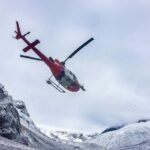
At Base Camp, there are no roads. If something goes wrong — severe AMS, HAPE, an injury, a medical emergency of any kind — the only evacuation route is a helicopter. A high-altitude medical helicopter evacuation to Kathmandu costs USD 4,000 to 7,000 or more. Without insurance, you pay this directly. Every reputable operator requires proof of coverage before you depart.
What your policy must cover
- Trekking and emergency rescue activities to a minimum of 6,000 metres (most standard travel policies cap at 3,000 m — read the policy document, not the summary)
- Emergency helicopter evacuation and airlift to a hospital in Kathmandu
- Medical treatment costs in Nepal
- Trip cancellation or curtailment for medical reasons
Submit a copy of your insurance certificate to your operator's Kathmandu office before the trek starts. This allows their 24/7 emergency team to coordinate a helicopter rescue instantly without waiting for you to supply documents from a teahouse at 5,000 metres.
Walking respectfully in the Khumbu
The Khumbu is a living Buddhist landscape, not a trekking theme park. A few customs matter genuinely, not just as etiquette:
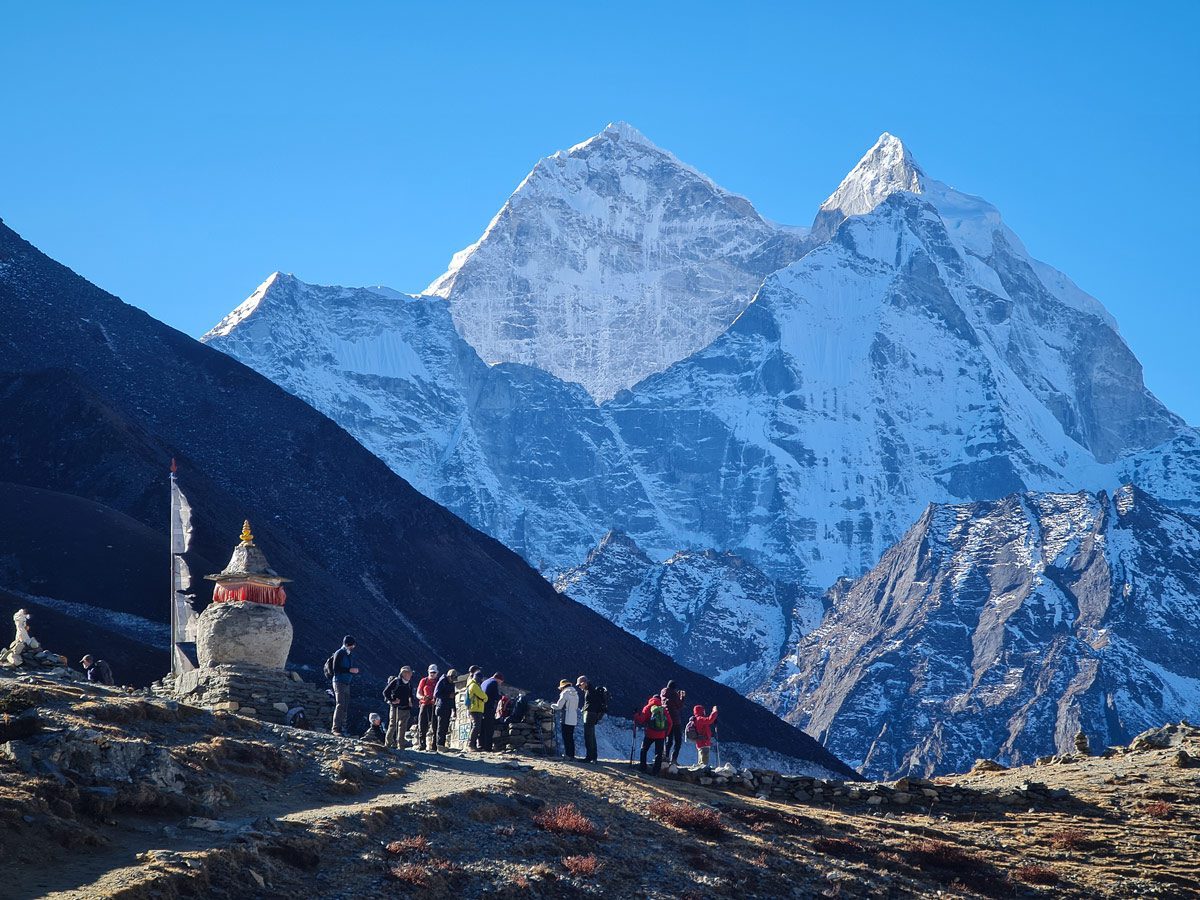
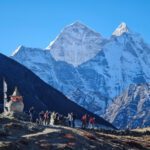
- Always walk around mani walls and chortens (Buddhist stone monuments) clockwise — passing left keeps these sacred objects on your right, which is the direction of respect
- Remove your hat and lower your voice before entering a monastery; remove shoes if requested
- Ask before photographing people, particularly monks and elders; a simple gesture of asking and a genuine smile go further than any language
- Take all your non-biodegradable waste back to Kathmandu — the Khumbu has a waste crisis and every piece of plastic you carry out makes a difference
The best seasons — and what each one actually offers
Spring (March to May) is the most popular season. Rhododendron forests at lower elevations bloom in vivid red and pink from late February through March. April and May bring the active Everest climbing season — you will see expedition tents at Base Camp and, on clear days, climbers on the Khumbu Icefall. The trails are busy; book well in advance.
Autumn (September to November) offers the sharpest mountain visibility of the year. Post-monsoon air is scrubbed clean, and the October light on Everest's south face is extraordinary. Nepal's major festivals — Dashain and Tihar — fill trail villages with colour and celebration. October is many experienced trekkers' first choice for overall quality.
Winter (December to February) is for experienced trekkers only. Some higher teahouses close in January. Temperatures at Gorak Shep regularly reach −20°C overnight. The reward is near-complete solitude and some of the clearest skies in the calendar year.
Monsoon (June to August) is not recommended. Heavy rainfall makes trails slippery, leeches appear at lower elevations, and cloud cover obscures the views that make this trek worth doing.
Ready to plan your expedition?
Our 14-day guided trek includes permits, domestic flights, teahouse accommodation, full-board meals, a licensed Sherpa guide, porter services, and a sleeping bag and down jacket for the trail.
See Full Trek Details & Dates Instant confirmation · Best price guaranteed · Risk-free booking