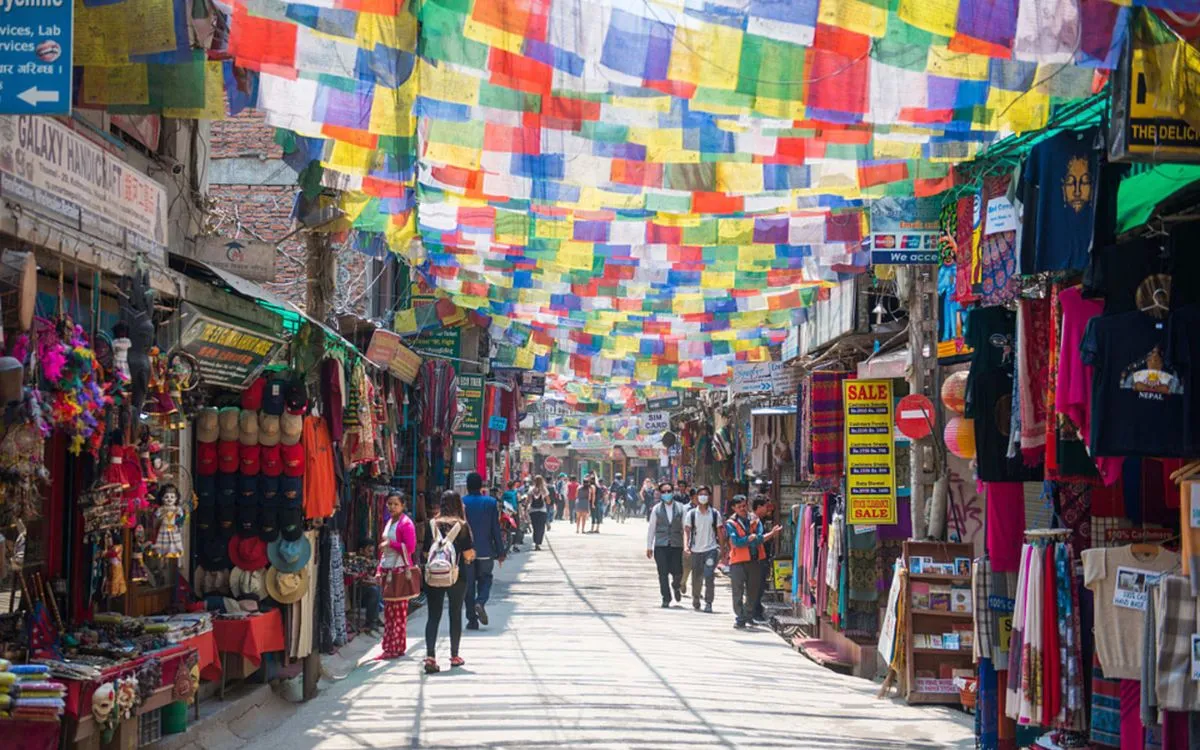
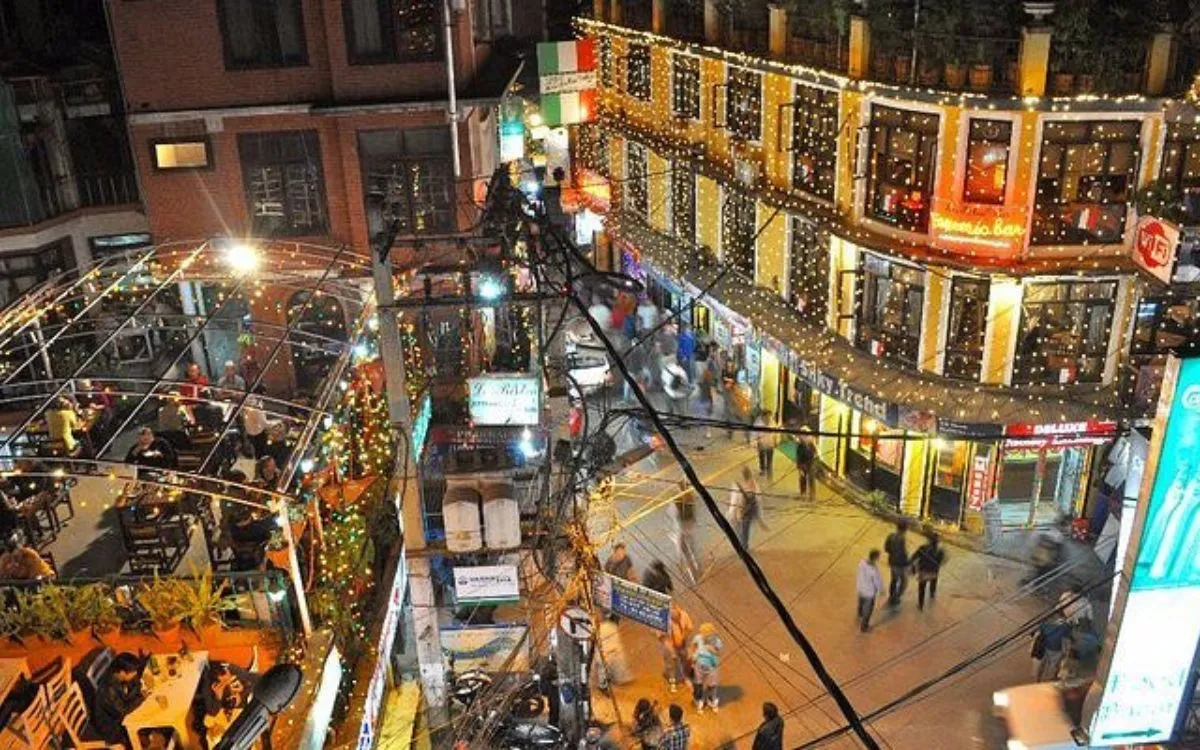
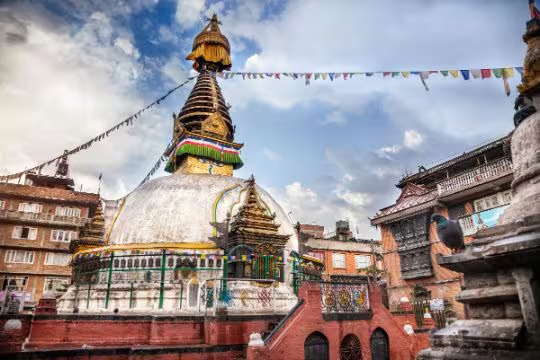
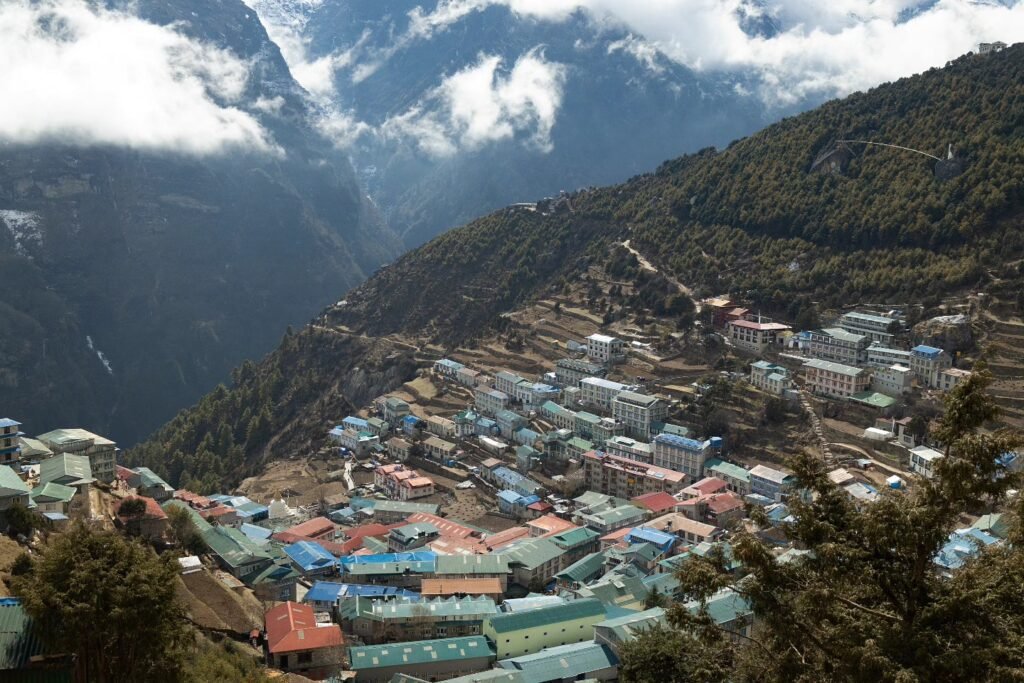
Sarah Mitchell Marco Rossi Charlotte Davies Tyler Johnson Fatima Al Rashid +1
Recommended by 99% of travelers

Everest Base Camp Trek 14 Days – Classic Nepal Himalayan Journey

4.9 (95 reviews) · 1.4K+ Booked · #2 in TripAdvisor
Instant Confirmation
Your spot is confirmed instantly.
Secure Transaction
Enjoy your safe transactions.
Best Price Guaranteed
Your travel at the best price.
24×7 Chat Support
Instant Help via Live Chat
Happy Travelers
Millions of Happy Travelers
100% Risk-Free Booking
Flexible Lifetime Deposits
Exclusive deal Only few rooms left
Duration
14 Days (Kathmandu to Kathmandu)
Trekking Distance
Approx. 130 km (80 miles) round-trip from Lukla
Maximum Altitude
5,555 m (18,225 ft) at the Kala Patthar sunrise viewpoint
Trek Grade / Difficulty
Strenuous / Challenging
Start & End Point
Kathmandu, Nepal (with round-trip domestic mountain flights to Lukla Airport)
Accommodation Type
Cozy Mountain Teahouses & Lodges
Daily Walking Hours
5 to 7 hours of hiking per day

Embark on the ultimate 14-Day Everest Base Camp Trek! Fly into exhilarating Lukla, hike through the UNESCO-listed Sagarmatha National Park, immerse yourself in Sherpa culture at Namche Bazaar, and stand at Base Camp (5,364 m). This expertly guided, safe, and fully-supported teahouse expedition is the adventure of a lifetime.

Duration Of Activity

14-Day Tour
Day 1 Arrival In Nepal Day 2 Flight to Lukla & Trek to Phakding Day 3 Trek from Phakding to Namche Bazaar +11 more
Note: Times are based on the product's local country timezone.
On average, this activity is booked 36 days in advance

Exclusive Discounts for Everest Base Camp Trek

10% OFF USD 100–200 OFF 15% OFF Corp (15+) Special Solo Offer 🏆 Up to 10% OFF
Click "Get Code" to reveal discounts. Only one code per booking.
Your Discount Codes Only one code per booking · Copy & paste at checkout
★ Best Value
SAVE
10
%
% Off 10% OFF

Standard 10% OFF for Everyone!

No matter who you are or how many times you've booked with us — you always save! Enjoy a flat 10% discount on all bookings, Because every trip deserves a little extra!

🚫 Not cancellable
✓ Everyone qualifies
EBC10
Copied! Paste at checkout.
TIERED
Tiered USD 100–200 OFF

Bring Your Crew & Save: Multi-Traveler Group Discounts

The larger your squad, the lower your per-person rate! Enjoy automatic, tiered discounts applied instantly at checkout when booking together, making it easier than ever to gather your team and stand at the foot of Mount Everest.

1 person Full price
2–6 people USD 100 OFF
7–14 people USD 150 OFF
15+ people USD 200 OFF
🚫 Not cancellable
👤 Discount scales with group size
Copied! Paste at checkout.
SAVE
15
%
Corporate 15% OFF

Special Group Deal: 15% OFF for 15 or More People!

Traveling with a big group? We’ve got you covered! Enjoy an exclusive 15% discount when you book for 15 or more guests. The more, the merrier – and the more you save!

💳 Min spend USD 1000 👥 15+ people
🏢 Corporate group of 15+
TTTT
Copied! Paste at checkout.
SAVE
🎁
Special Discount

Solo-Traveler Friendly: No Added Single Supplement Fees

Exploring the Himalayas solo shouldn't mean paying extra penalties. On all of our fixed-date group departures, we pair solo adventurers with a same-sex roommate in our cozy mountain teahouses at no additional cost.

📋 See description for details
Copied! Paste at checkout.
High Demand
Instant Confirmation

Top Reviews From Our Travelers

4.9 (95 Reviews)
See All Reviews
S
Sarah Mitchell London, UK · Mar 2025
New
★★★★★ Verified

I've been dreaming about this trek since I was 19. Finally did it at 34 and it exceeded every single expectation. Our guide Pasang was incredible — patient, funny, and so knowledgeable about Sherpa culture. On Day 9 when I actually stood at Base Camp I genuinely cried. The Khumbu Icefall was right there in front of me. Worth every penny and every training session.

Read more ↓ 📷 Photos (1)
M
Marco Rossi Milan, Italy · Oct 2024
New
★★★★★ Verified

This was my third major trek after Kilimanjaro and Torres del Paine — EBC is on another level entirely. The itinerary was perfectly paced, the acclimatization days genuinely saved me at Lobuche, and the sunrise from Kala Patthar left me completely speechless. Our guide checked our oxygen levels every single morning and evening without fail. I felt completely safe throughout.

Read more ↓ 📷 Photos (1)
P
Priya Sharma Mumbai, India · Apr 2025
New
★★★★★ Verified

As a solo female traveler, safety was my biggest concern. From landing in Kathmandu to flying back, the team made me feel completely looked after. My guide Dawa was professional, protective without being patronizing, and genuinely great company for 14 days. Kala Patthar sunrise was the most beautiful thing I have ever seen in my life. I tell absolutely everyone to do this trek.

Read more ↓

Inclusions Of This Activity

🏡 Accommodation & Stays

  • Kathmandu Boutique Hotel - 2 nights of twin-sharing/double accommodation in a comfortable 3-star boutique hotel located in the vibrant Thamel district (such as Hotel Thamel House, Surya Heritage Hotel, or Hotel Jampa)
  • Complimentary breakfast is included daily during your city stay
  • Private single room upgrades are easily available at an extra charge
  • Cozy Mountain Teahouses - 11 or 12 nights of handpicked teahouse lodging along the iconic trekking trail
  • Accommodations are provided on a twin-sharing basis with comfortable foam mattresses, clean bedsheets, and pillows
  • Upgraded Bathroom Facilities- Our standard packages include comfortable rooms with private attached bathrooms in lower elevation hubs like Phakding, Lukla, and Namche Bazaar to maximize your early-trip comfort
  • Note - Higher villages like Lobuche and Gorak Shep offer simple, shared bathrooms due to high-altitude water-freezing limitations

✈️ Transportation & Scenic Flights

  • Lukla Flights & Taxes: Round-trip domestic flights between Kathmandu (or Manthali/Ramechhap Airport) and Lukla, inclusive of all mandatory domestic airport departure taxes.
  • Seamless Kathmandu–Manthali Shuttle: During peak trekking seasons (March–May and September–November), when flights are rerouted due to airport congestion, we provide comfortable private tourist vehicle transfers (like Toyota HiAce or Mahindra Scorpio) directly from Kathmandu to Manthali Airport.
  • All Private Ground Transfers: Seamless, worry-free private vehicle pick-up and drop-off services for both your international arrival/departure flights and your domestic Lukla transfers.

📋 All Permits & Legal Paperwork (100% Handled)

  • Sagarmatha National Park Permit: Full entry fees and registration for the UNESCO World Heritage high-altitude sanctuary.
  • Khumbu Pasang Lhamu Municipality Card: Mandatory local government municipal entrance fees fully managed.
  • TIMS Security Card: Your Trekkers' Information Management System card registration is included to record and track your path for maximum safety.
  • Zero Paperwork Guarantee: Our team handles 100% of the administration, taxes, and government queueing on your behalf before you arrive in Nepal.

🍽️ Full-Board Meals & Fresh Nutrition

  • Trek Full-Board Dining: Three hearty, freshly cooked meals per day (Breakfast, Lunch, and Dinner) chosen directly from the diverse teahouse menus.
  • Enjoy local, Tibetan, and Western multi-cuisine options, including nutrient-rich Dal Bhat, porridge, pancakes, pastas, and energy-dense potato dishes.
  • Fresh Fruit After Supper: We serve fresh, seasonal fruits every evening after dinner on the trail to keep your vitamins and health optimized.
  • Safe Hydration Support: Access to purified drinking water or up to 3 liters of safe, boiled drinking water per day using high-quality filtration systems (like Katadyn filters or purification tablets).
  • Kathmandu Celebrations: A special all-inclusive Farewell Dinner at a traditional Nepalese restaurant in Kathmandu, featuring a lively local cultural show to celebrate your EBC triumph.

🥾 Elite Guiding & Support Staff

  • Licensed Local Lead Guide: An experienced, government-licensed, English-speaking local trekking guide who is wilderness first-aid certified.
  • All guides are paid a fair local wage and fully insured for accidental and medical emergencies.
  • Group Associate Guides: To ensure undivided safety attention, we provide an expert assistant guide for any group sizing over 6 to 8 participants.
  • Dedicated Porter Services: Strong, local Sherpa porters (typically 1 porter assigned to carry the luggage of 2 clients, with a strict safety weight limit of 20–25 kg total, or 10–12.5 kg per client).

🩺 Safety & Altitude Monitoring System

  • Oximeter Checks Twice Daily: Your head guide carries a portable pulse oximeter to measure your blood oxygen saturation and heart rate twice every single day.
  • This ensures your body is acclimatising safely before moving higher.
  • Comprehensive Medical Kit: A fully stocked first-aid kit and emergency oxygen cylinders carried by the guiding team at all times on the trail.
  • 24/7 Helicopter Evacuation Coordination: In the event of a severe altitude sickness (AMS) or medical emergency, our Kathmandu head office is on standby 24/7 to instantly coordinate with your travel insurance provider for immediate helicopter rescue.

🎒 Premium Takeaways, Gifts, & Gear Perks

  • Free Use of Sleeping Bags & Down Jackets: Skip the expensive baggage weight from home! We provide a four-season (-15°C to -20°C) sleeping bag and a high-fill puffy down jacket for free rental use during the entire trek.
  • Duffel Bag: A complimentary heavy-duty kit duffel bag (70–80L capacity) yours to keep, sized perfectly for the porters to carry.
  • Trekking Essentials Gift Pack: A complimentary company T-shirt, official Everest Base Camp route map, and sun hat/neck buff given during your Kathmandu pre-trip briefing.
  • Framed Achievement Certificate: A beautiful, official Trek Completion Certificate presented on your final night to validate your mountain triumph.
Top Sights You Can Explore
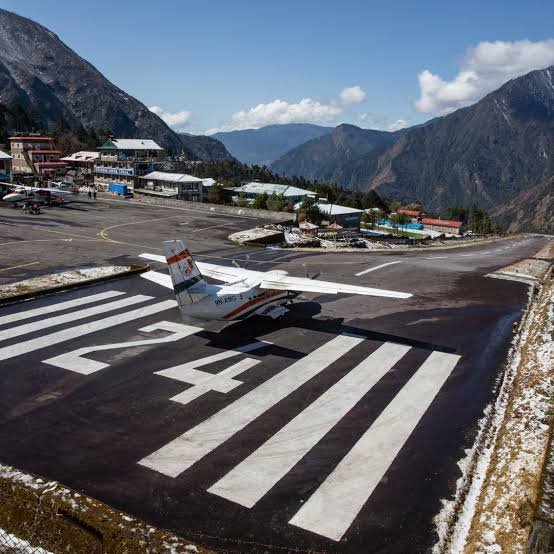
Lukla Airport (Tenzing-Hillary Airport)

Lukla Airport (Tenzing-Hillary Airport)

Perched dramatically on a mountain shelf at 2,840 m (9,317 ft) , this is the thrilling aerial gateway to the Everest region. The 25-to-30-minute flight from Kathmandu offers jaw-dropping panoramic views of the snow-capped Eastern Himalayas.

Sagarmatha National Park

Sagarmatha National Park

A UNESCO World Heritage high-altitude sanctuary. Trekkers hike through deep pine, hemlock, and birch forests that burst into vibrant pink rhododendron blooms during the spring. It is a genuine wildlife habitat where lucky hikers can spot the Himalayan tahr, musk deer, and Nepal’s iridescent national bird, the danphe pheasant.

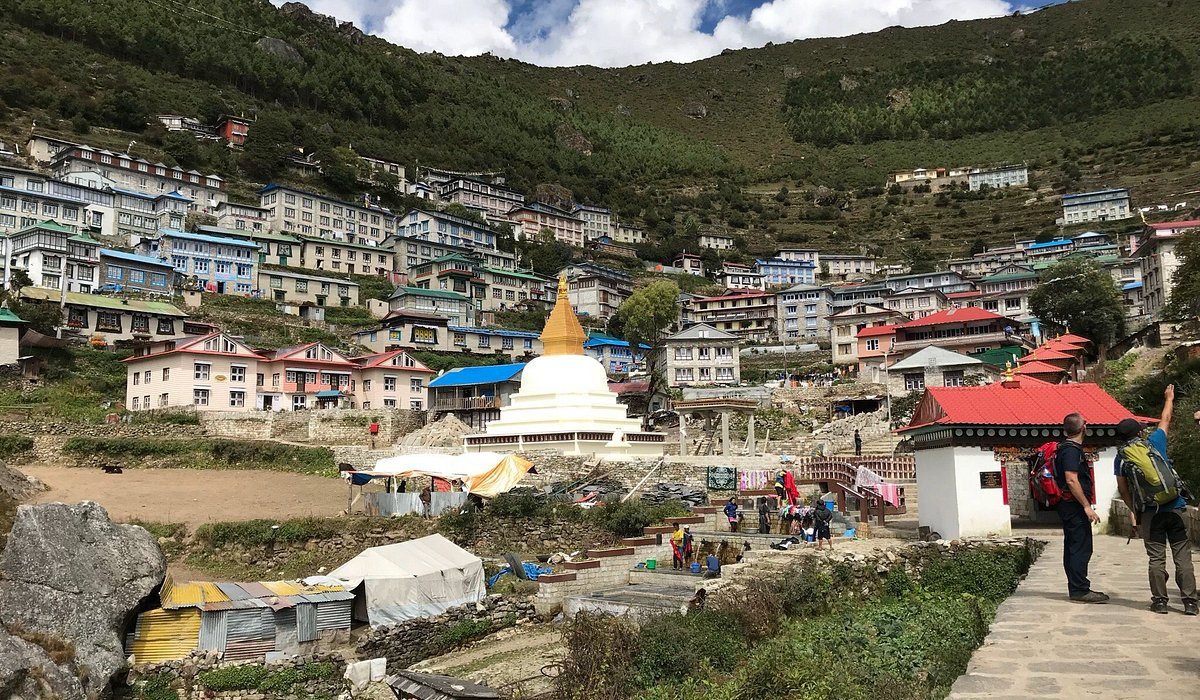
Namche Bazaar

Namche Bazaar

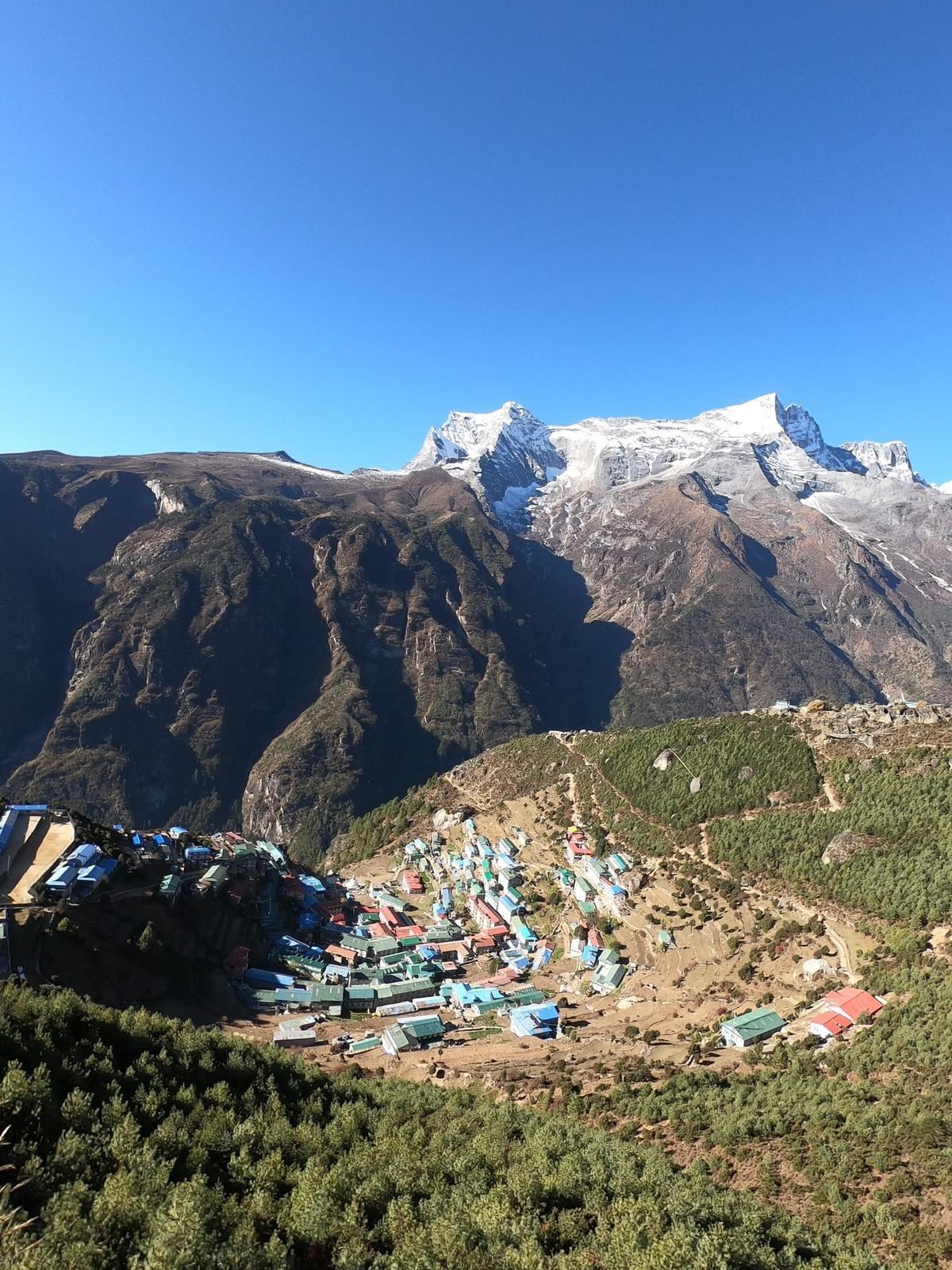
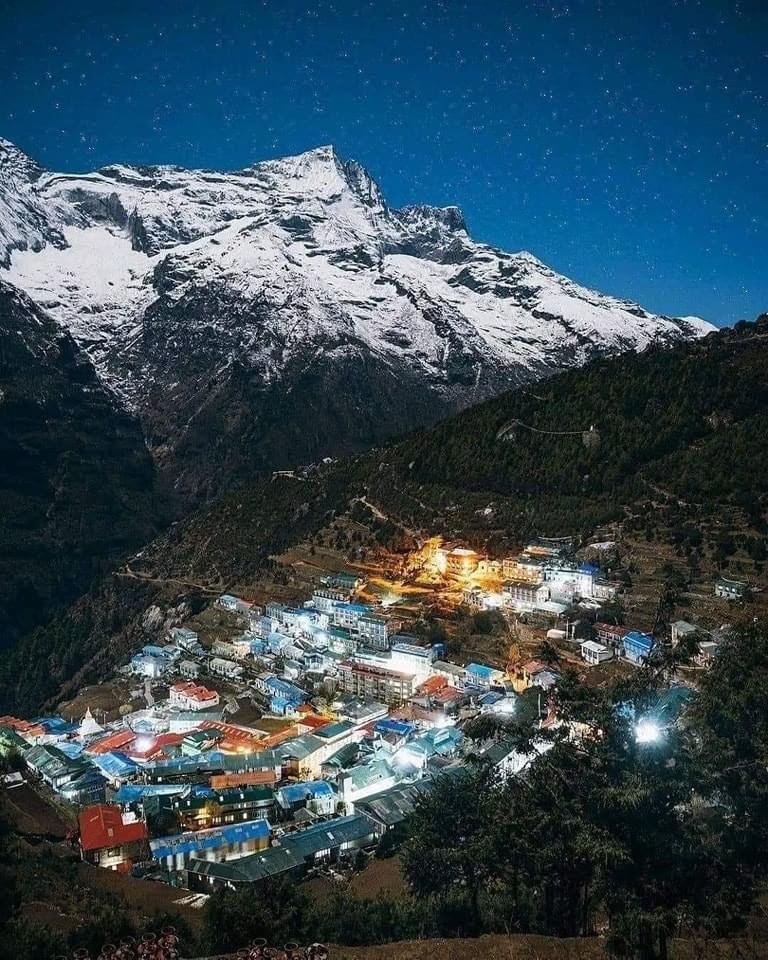
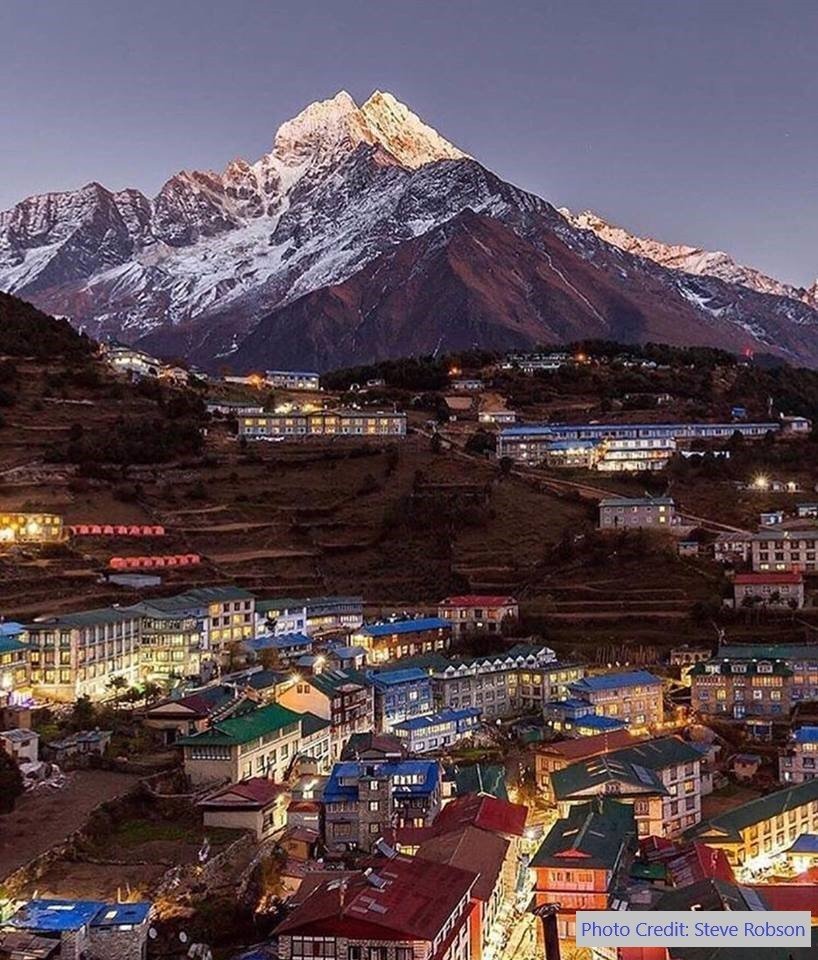
The vibrant "Sherpa Capital" built like a steep horseshoe into the mountainside at 3,440 m. This bustling trading post has thrived for centuries and now features modern bakeries, cafes, trekking gear stores, and ATMs. Notable stops include the Sherpa Museum, the Sagarmatha Next eco-center, and the famous Irish Pub (the highest located pub in the world).

Tengboche Monastery (Dawa Choling Gompa)

Tengboche Monastery (Dawa Choling Gompa)

Nestled on a scenic ridge at 3,860 m, Tengboche is the spiritual heart of the Khumbu region. The monastery was established in 1916 and is set against a spectacular mountain backdrop, with the iconic peak of Ama Dablam framed directly behind it. Visitors can quietly enter to witness the resident monks chanting their afternoon puja prayer.

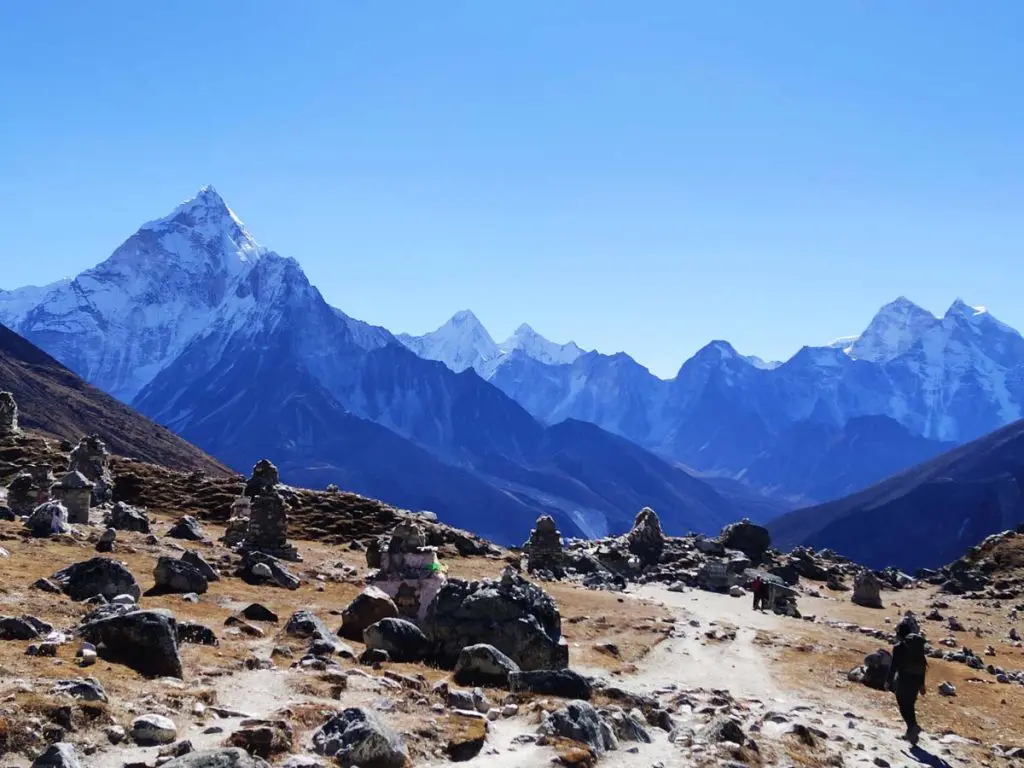
Thukla Pass Memorial (Dughla Pass)

Thukla Pass Memorial (Dughla Pass)

A windswept plateau at 4,830 m dedicated to the memory of brave Sherpas and mountaineers who lost their lives on Everest expeditions. Dozens of stone chortens and memorials decorated with prayer flags stand as a powerful reminder of human grit in this harsh high-altitude terrain.

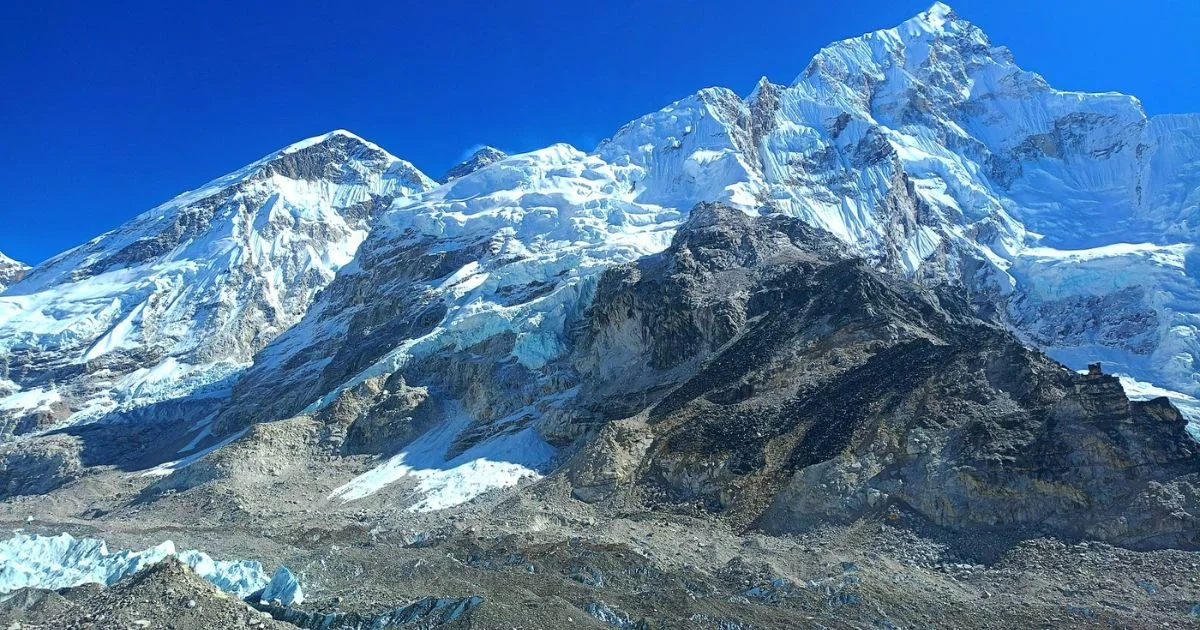
The Khumbu Glacier & Icefall

The Khumbu Glacier & Icefall

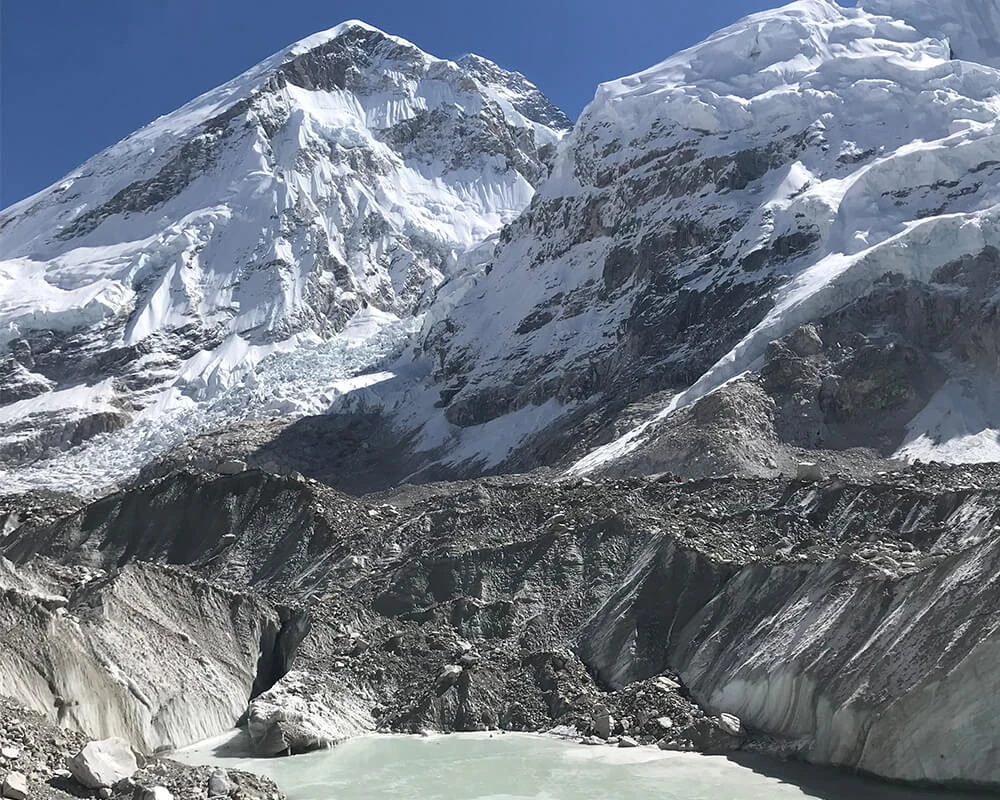
As trekkers push past Gorak Shep, they trace the lateral moraine of the Khumbu Glacier—the deepest glacier in the world. On quiet mornings, you can actually hear the ice shifting and groaning beneath you.

Kala Patthar (The Black Rock)

Kala Patthar (The Black Rock)

At 5,555 m (18,225 ft), this is the highest accessible point of the trek. Because Nuptse and Lhotse block the direct view of Everest's high summit from Base Camp itself, hiking up Kala Patthar is essential. It provides the most unobstructed, close-up 360-degree views of Everest, especially magical at sunrise when the peaks glow with golden light.

High DemandLikely to sell out
Instant ConfirmationSecure checkout

Exclusions

  • International flights and airport departure taxes.
  • Nepal tourist visa fees.
  • Lunch and dinner in Kathmandu.
  • Extra accommodation, meals, and transport if returning early.
  • Hot showers and hot water on the trek.
  • Charging fees for phones, cameras, and power banks.
  • Wi-Fi and internet packages.
  • Personal drinks, snacks, alcoholic beverages, and specialty coffees.
  • Mandatory high-altitude travel insurance and emergency evacuation coverage.
  • Expenses caused by Lukla flight delays or cancellations.
  • Optional helicopter transfers during flight disruptions.
  • Personal trekking gear and equipment rental.
  • Crew tipping and gratuities.
  • Drone permits and related authorization fees.
🧑‍💼 🧑‍🦰 👩🏽

Want to know more about this trip?

Chat with us — real experts.

Replies within 1–2 hours
WhatsApp Us

Detailed Day-by-Day Itinerary

Our 14-day Everest Base Camp itinerary includes two nights in Kathmandu (one when you arrive, one after you fly back from Lukla) and 12 days on the trail.

Day 1
Arrival in Kathmandu and Transfer to Hotel
Day 1
📍 Kathmandu - 1,300 m / 4,265 ft
Welcome to Nepal! Upon stepping out of the arrival gates at Tribhuvan International Airport (KTM), our friendly airport representative will greet you with a personalized name card. We’ll transfer you in a comfortable private tourist vehicle directly to your cozy boutique hotel in Thamel—Kathmandu’s lively tourism center. In the evening, join your lead Sherpa guide and fellow adventurers for a comprehensive pre-trip briefing. We will meticulously review the 14-day EBC route, inspect your personal trekking gear, collect required permit documents, and outline our high-altitude safety guidelines. Afterwards, we’ll enjoy an authentic Nepalese welcome dinner featuring local cultural performances to celebrate the start of your Himalayan pilgrimage.
ℹ️Accommodation: 3-Star Boutique Hotel in Thamel | Meals: Welcome Dinner Included
🔍
🔍
🔍
Day 2
Flight to Lukla & Trek to Phakding
Day 2
📍 Lukla
Your high-altitude journey officially begins! Following an early morning breakfast (or packed breakfast box), we transfer to the airport for the iconic mountain flight to Tenzing-Hillary Airport in Lukla (2,840 m). This thrilling 30-minute flight serves spectacular panoramic views of terraced green valleys and snow-capped Eastern Himalayan giants. Upon landing on Lukla’s dramatic cliffside airstrip, we meet our expert Sherpa porters who will handle our duffel bags throughout the trek. After a quick warm tea, we set foot on the EBC trail. Descending gently along the serene banks of the Dudh Koshi River (River of Milk), we trace pine-scented pathways, crossing picturesque suspension bridges decorated with colorful prayer flags. We soon arrive in the quiet, scenic village of Phakding (2,610 m) for a relaxing evening and a warm, freshly cooked dinner.
ℹ️Maximum Elevation: 2,840 m / 9,318 ft (Lukla) | Trekking Distance: 8.0 km / 5.0 miles | Trek Duration: 3 to 4 hours | Accommodation: Cozy Mountain Teahouse (Standard Room with attached private bathroom) | Meals: Breakfast, Lunch, and Dinner Included
🔍
🔍
Detailed Day-by-Day Itinerary
Day 1
Arrival in Kathmandu and Transfer to Hotel
Day 1
📍 Kathmandu - 1,300 m / 4,265 ft
Welcome to Nepal! Upon stepping out of the arrival gates at Tribhuvan International Airport (KTM), our friendly airport representative will greet you with a personalized name card. We’ll transfer you in a comfortable private tourist vehicle directly to your cozy boutique hotel in Thamel—Kathmandu’s lively tourism center. In the evening, join your lead Sherpa guide and fellow adventurers for a comprehensive pre-trip briefing. We will meticulously review the 14-day EBC route, inspect your personal trekking gear, collect required permit documents, and outline our high-altitude safety guidelines. Afterwards, we’ll enjoy an authentic Nepalese welcome dinner featuring local cultural performances to celebrate the start of your Himalayan pilgrimage.
ℹ️Accommodation: 3-Star Boutique Hotel in Thamel | Meals: Welcome Dinner Included
🔍
🔍
🔍
Day 2
Flight to Lukla & Trek to Phakding
Day 2
📍 Lukla
Your high-altitude journey officially begins! Following an early morning breakfast (or packed breakfast box), we transfer to the airport for the iconic mountain flight to Tenzing-Hillary Airport in Lukla (2,840 m). This thrilling 30-minute flight serves spectacular panoramic views of terraced green valleys and snow-capped Eastern Himalayan giants. Upon landing on Lukla’s dramatic cliffside airstrip, we meet our expert Sherpa porters who will handle our duffel bags throughout the trek. After a quick warm tea, we set foot on the EBC trail. Descending gently along the serene banks of the Dudh Koshi River (River of Milk), we trace pine-scented pathways, crossing picturesque suspension bridges decorated with colorful prayer flags. We soon arrive in the quiet, scenic village of Phakding (2,610 m) for a relaxing evening and a warm, freshly cooked dinner.
ℹ️Maximum Elevation: 2,840 m / 9,318 ft (Lukla) | Trekking Distance: 8.0 km / 5.0 miles | Trek Duration: 3 to 4 hours | Accommodation: Cozy Mountain Teahouse (Standard Room with attached private bathroom) | Meals: Breakfast, Lunch, and Dinner Included
🔍
🔍
Day 3
Trek from Phakding to Namche Bazaar (The Sherpa Capital)
Day 3
📍 Namche Bazaar
Today, we begin our climb into the high country. Following the Dudh Koshi River, we hike through tranquil pine and cedar forests, crossing several exhilarating suspension bridges draped in Buddhist prayer flags. Along the way, we pass through quaint Sherpa hamlets like Benkar, Monjo, and Jorsalle. At Monjo, we officially enter the UNESCO-listed Sagarmatha National Park, verified at the park checkpoint. After a hearty lunch at Jorsalle, we tackle the famous Hillary Suspension Bridge—the tallest bridge of our journey, swinging high above the river gorge. From here, we begin a steep, steady 2-to-3-hour climb winding up through pine forests. Halfway up the switchbacks at Top Danda, weather permitting, we catch our first spectacular glimpse of Mount Everest peeking behind Nuptse. We conclude the day in the vibrant horseshoe-shaped mountain amphitheater of Namche Bazaar (3,440 m), the bustling cultural heart of the Khumbu region.
ℹ️Maximum Elevation: 3,440 m / 11,286 ft | Trekking Distance: 10.7 km / 6.6 miles | Trek Duration: 5 to 6 hours | Accommodation: Cozy Mountain Teahouse (Standard Room with attached private bathroom) | Meals: Breakfast, Lunch, and Dinner Included
🔍
🔍
Day 4
Acclimatization Day in Namche Bazaar (Hike to Hotel Everest View)
Day 4
📍 Namche Bazaar
Safety and proper acclimatization are our absolute top priorities. Trekking high and sleeping low helps prepare your body to safely navigate the thin air above 4,000 meters. After a relaxed breakfast, we embark on an active acclimatization hike to the world-famous Hotel Everest View (3,880 m). Ascending the ridge above Namche, the trail reveals sweeping panoramic vistas of the giants: Mt. Everest, Lhotse, Nuptse, and the iconic, elegant peak of Ama Dablam. We'll enjoy a hot lemon ginger honey tea on the hotel terrace, soaking in the views. On our descent, we loop through the traditional villages of Khunde and Khumjung, where we visit the historic Khumjung Monastery (home to the legendary "Yeti Skull") and the Hillary School. We return to Namche Bazaar for a free afternoon to explore the local bakeries, cafes, and markets.
ℹ️Maximum Elevation: 3,880 m / 12,730 ft (Hotel Everest View) | Trekking Distance: 6.2 km / 3.8 miles (Round-trip) | Trek Duration: 4 to 5 hours | Accommodation: Cozy Mountain Teahouse (Standard Room with attached private bathroom) | Meals: Breakfast, Lunch, and Dinner Included
Day 5
Trek from Namche Bazaar to Tengboche Monastery
Day 5
📍 Tengboche
We leave Namche Bazaar on a well-paved, scenic trail winding along the mountain ridge. The first 90 minutes are incredibly pleasant and relatively flat, showing off unobstructed, jaw-dropping views of Everest, Lhotse, Nuptse, and the towering face of Ama Dablam. Keep your eyes open on this stretch to spot native wildlife like the Himalayan tahr and the colorful danphe pheasant (Nepal's national bird). The trail then descends steeply through lush forests to the riverside settlement of Phunki Thenga (3,250 m), where we stop for a fresh hot lunch. After refueling, we cross a suspension bridge and begin a challenging 2-to-3-hour uphill climb through rhododendron and birch forests. As we reach the top of the saddle, the grand Tengboche Monastery appears. We check into our lodge and visit the oldest and largest monastery in the Khumbu. If timing aligns, we will sit quietly inside the main hall to witness the spiritually moving afternoon chanting ceremony (puja) performed by the resident Buddhist lamas.
ℹ️Maximum Elevation: 3,860 m / 12,664 ft | Trekking Distance: 9.2 km / 5.7 miles | Trek Duration: 5 to 6 hours | Accommodation: Cozy Mountain Teahouse (Standard Room with attached private bathroom) | Meals: Breakfast, Lunch, and Dinner Included
Day 06
Trek from Tengboche to Dingboche (The Summer Valley)
Day 06
📍 Dingboche
Don't forget to step outside your teahouse at dawn to witness an unforgettable sunrise over the massive spire of Ama Dablam directly behind the monastery. After breakfast, we descend through moss-draped alpine forests of pine, fir, and juniper to the quiet village of Debuche. We cross the rushing Imja Khola River via a suspension bridge and ascend gradually toward the traditional village of Pangboche (3,985 m), the highest year-round Sherpa settlement. Here, the landscape begins to shift dramatically, leaving the dense forests behind as we rise above the tree line. We stop in Somare for a warm lunch and a restorative cup of garlic soup. Continuing our steady climb through open, wind-scoured alpine pastures, we wind past stone walls built to protect local barley and potato crops. We cross a final bridge to enter the wide, picturesque bowl of Dingboche (4,410 m), where yaks graze peacefully in the high valleys.
ℹ️Maximum Elevation: 4,410 m / 14,468 ft | Trekking Distance: 11.0 km / 6.8 miles | Trek Duration: 5 to 6 hours | Accommodation: Cozy Mountain Teahouse (Standard Room with attached private bathroom) | Meals: Breakfast, Lunch, and Dinner Included
Day 07
Second Acclimatization Day in Dingboche (Hike to Nangkartsang Peak)
Day 07
📍 Dingboche
To prepare your heart and lungs for the strenuous days ahead above 5,000 meters, we spend our second vital acclimatization day in Dingboche. Today's active acclimatization climb takes us up the steep ridge of Nangkartsang Peak (5,083 m), rising directly behind the village. Walking at a slow, rhythmic pace—the "Khumbu shuffle"—we ascend the dirt and scree trail. Reaching the summit ridge rewards us with a breathtaking 360-degree theater of Himalayan giants. You will see Mt. Lhotse, Mt. Makalu (the 5th tallest peak in the world), Island Peak, Cholatse, Taboche, and the pristine Imja Valley below. After capturing photographs, we descend to Dingboche for a warm lunch. Spend your afternoon relaxing inside your lodge, hydrating with at least 3-4 liters of water, or enjoying a hot pastry at one of the village's high-altitude bakeries.
ℹ️Maximum Elevation: 5,083 m / 16,676 ft (Nangkartsang Peak) Trekking Distance: 5.0 km / 3.1 miles (Round-trip) Trek Duration: 4 to 5 hours Accommodation: Cozy Mountain Teahouse (Standard Room with attached private bathroom) Meals: Breakfast, Lunch, and Dinner Included
Day 08
Trek from Dingboche to Lobuche
Day 08
📍 Lobuche
Today, we trek deeper into the high-altitude wilderness. Our route heads northwest, ascending gradually along a wide, barren valley floor overlooking the deep Pheriche Valley below. The imposing peaks of Taboche, Cholatse, and Lobuche East loom directly above us as we walk on trails surrounded by rugged, rocky moraines. After a steady 3-hour hike, we reach the tiny outpost of Thukla (4,620 m) for an early, energy-rich lunch. Afterward, we tackle the "Thukla Pass"—a short but intensely steep 1-hour climb up a rocky moraine wall. At the crest of the pass, we enter a powerful, sacred space: the Everest Memorial. Here, dozens of stone chortens and monuments draped in prayer flags stand in silent tribute to the brave climbers and Sherpas who lost their lives on Everest expeditions. After a respectful pause, we continue a gentle, steady climb alongside the lateral moraine of the massive Khumbu Glacier to arrive at the remote settlement of Lobuche (4,910 m).
ℹ️Maximum Elevation: 4,910 m / 16,109 ft Trekking Distance: 11.5 km / 7.1 miles Trek Duration: 5 to 6 hours Accommodation: Cozy Mountain Teahouse (Standard Room, shared bathroom) Meals: Breakfast, Lunch, and Dinner Included
Day 09
Trek from Lobuche to Gorak Shep & Stand at Everest Base Camp!
Day 09
📍 Gorak Shep
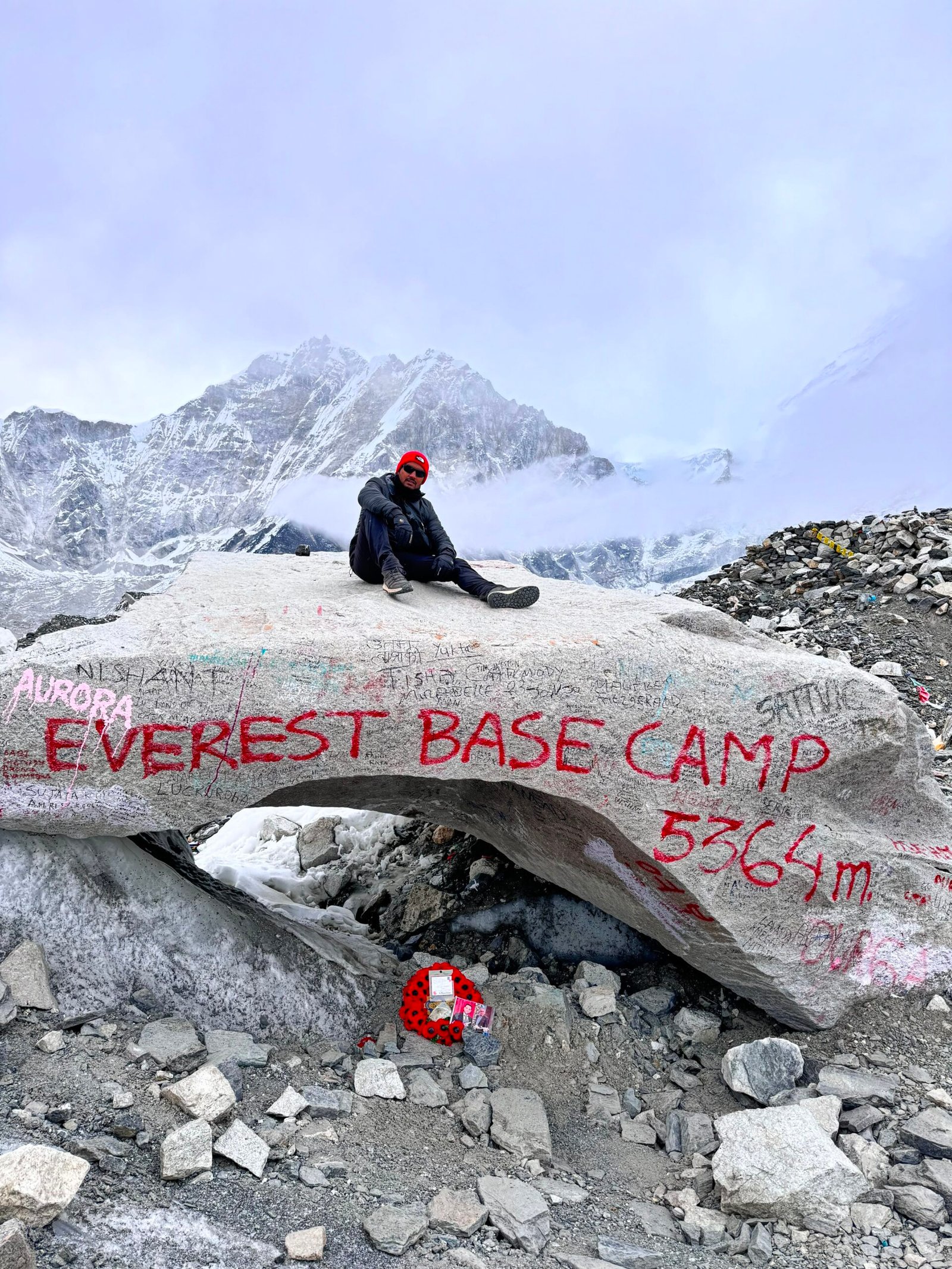
This is the day you have trained for. We wake up early for a hearty breakfast in Lobuche, packed with anticipation. Our trail ascends slowly alongside the lateral moraine of the Khumbu Glacier—the world's deepest and highest glacier. We navigate rocky ridges and loose scree, passing the high-altitude Italian Research Pyramid station before reaching the sandy frozen lakebed of Gorak Shep (5,164 m) around mid-day. We check into our lodge, drop our heavy duffel bags, eat a quick hot lunch, and prepare our daypacks with layers, water, and cameras. We set off on the final 2-hour glacial hike to Everest Base Camp (5,364 m). Walking across the rocky lateral moraine of the glacier, the excitement peaks. Suddenly, the prayer-flag-draped boulders of Everest Base Camp come into view. You made it! You are standing at the foot of the tallest peak on Earth. Peer directly up at the towering, jagged seracs of the Khumbu Icefall—the gateway climb for summit expeditions. Celebrate your victory with your teammates and capture iconic photographs next to the EBC boulder. After absorbing the immense energy of this legendary site, we retrace our steps over the glacier back to Gorak Shep for a warm celebratory soup and a hard-earned night's rest.
ℹ️Maximum Elevation: 5,364 m / 17,598 ft (Everest Base Camp) Trekking Distance: 15.0 km / 9.3 miles (Total round-trip from Lobuche) Trek Duration: 8 to 9 hours Accommodation: Cozy Mountain Teahouse in Gorak Shep (Standard Room, shared bathroom) Meals: Breakfast, Lunch, and Dinner Included
Day 10
Sunrise Ascent of Kala Patthar & Descend to Pheriche
Day 10
We wake up before dawn (around 4:00 AM) in the bone-chilling cold of Gorak Shep to conquer the highest point of our entire expedition. Wearing warm headlamps and thick layers, we begin a slow, rhythmic 2-hour climb up the steep, rocky ridge of Kala Patthar (5,555 m / 18,225 ft). As we reach the rocky peak, the first rays of the sun rise behind Mount Everest, painting the world's highest summit in brilliant shades of gold and amber. The panoramic view is jaw-dropping and unmatched: Everest's classic black pyramid stands fully revealed, flanked by the massive walls of Lhotse, Nuptse, Pumori, and Changtse. This is the ultimate, postcard-perfect view of Everest that you came to Nepal to capture. After soaking in the alpenglow and celebrating at the summit, we descend to Gorak Shep for a hot, hearty breakfast. We pack our duffels and begin our long, satisfying descent. The trail takes us back down through Lobuche, past the Thukla Pass memorials, and descends steeply into the wide, peaceful valley of Pheriche (4,240 m). Here, breathing is noticeably easier, and we enjoy a cozy evening at our lodge.
ℹ️Maximum Elevation: 5,555 m / 18,225 ft (Kala Patthar Peak) Trekking Distance: 13.5 km / 8.3 miles (Including summit & descent) Trek Duration: 7 to 8 hours Accommodation: Cozy Mountain Teahouse in Pheriche (Standard Room with attached private bathroom) Meals: Breakfast, Lunch, and Dinner Included
Day 11
Trek from Pheriche to Namche Bazaar
Day 11
📍 Namche Bazaar
After breakfast in Pheriche, we begin our return journey down the Khumbu Valley. Trekking downhill, your body will feel an immediate energy boost as we drop into lower, oxygen-rich elevations. We follow the rushing Imja Khola River, retracing our footsteps through Pangboche and descending past the Tengboche Monastery. We descend through pine and rhododendron forests down to the riverbed at Phunki Thenga, where we stop for a warm, comforting lunch. Afterward, we ascend the winding, well-paved ridge trail back toward Namche Bazaar. Arriving in Namche Bazaar in the afternoon feels like returning to comfort. Celebrate your success by treating yourself to a hot shower, enjoying a fresh cappuccino and slice of apple pie at a local bakery, or relaxing with a local craft beer to toast your EBC achievement.
ℹ️Maximum Elevation: 4,240 m / 13,910 ft (Pheriche start) Trekking Distance: 14.5 km / 9.0 miles Trek Duration: 6 to 7 hours Accommodation: Cozy Mountain Teahouse (Standard Room with attached private bathroom) Meals: Breakfast, Lunch, and Dinner Included
Day 12
Trek from Namche Bazaar back to Lukla (Final Trek Day)
Day 12
Today marks our last day of trekking on this classic Himalayan trail. Leaving Namche Bazaar, we descend the steep switchbacks down to the Hillary Suspension Bridge, exiting the boundaries of Sagarmatha National Park at Monjo. We follow the Dudh Koshi River, crossing multiple familiar suspension bridges and passing through Phakding. The trail is mostly downhill, with a gentle, final uphill climb for about an hour as we make our way back into Lukla. Arriving in Lukla is an emotional and celebratory milestone. This evening, we gather for a special final celebratory dinner at our guesthouse, where we bid a heartfelt farewell to our dedicated Sherpa porters and crew, celebrating the bonds of friendship built over 130 kilometers of mountain trails.
ℹ️Maximum Elevation: 3,440 m / 11,286 ft (Namche start) Trekking Distance: 19.0 km / 11.8 miles Trek Duration: 7 to 8 hours Accommodation: Cozy Mountain Teahouse in Lukla (Standard Room with attached private bathroom) Meals: Breakfast, Lunch, and Dinner Included
Day 13
Flight back to Kathmandu & Celebratory Farewell Dinner
Day 13
We catch our early morning flight from Lukla back to Kathmandu (or Manthali Airport in Ramechhap during peak rerouting seasons, followed by a comfortable private 4-hour drive back to the capital). As the aircraft lifts off the runway, catch one final, breathtaking view of the high peaks out your window. Upon arrival in Kathmandu, our private vehicle transfers you back to your boutique hotel in Thamel. Spend your free afternoon relaxing, getting a well-deserved massage, or shopping for local souvenirs, cashmere, or handicrafts in Thamel's lively streets. In the evening, we host an official Farewell Dinner at a premium, traditional Nepalese restaurant with a cultural show, toast to your incredible EBC success, and present you with your official framed Trek Completion Certificate.
ℹ️Maximum Elevation: 1,400 m / 4,593 ft (Kathmandu) Trekking Distance: None Flight Duration: 30 minutes (Lukla to Kathmandu or Manthali Airport) Accommodation: 3-Star Boutique Hotel in Thamel (e.g., Hotel Jampa / Surya Heritage Hotel) Meals: Breakfast and Farewell Dinner Included
Day 14
Final Departure from Kathmandu
Day 14
Your monumental Himalayan adventure officially concludes today. Enjoy a relaxed breakfast at your hotel. Depending on your scheduled international flight departure time, our private tourist vehicle will pick you up from your hotel lobby and transfer you seamlessly to Tribhuvan International Airport (KTM) for your flight back home. As you board your flight, you will carry with you the deep lessons of high-altitude grit, the warm smiles of the Sherpa people, and memories of Mount Everest that will remain with you for a lifetime.
ℹ️Maximum Elevation: 1,400 m / 4,593 ft Meals: Breakfast Included Activity: Airport transfer
High DemandLikely to sell out
Instant ConfirmationSecure checkout

Not satisfied with this itinerary?

Are you interested in planning a custom trip? It only takes 2 minutes.

Everest Base Camp Trek Map & Elevation

In Meter
In Meter
In Feet
In Feet
1 / 2
🧑‍💼 🧑‍🦰 👩🏽

Want to know more about this trip?

Chat with us — real experts.

Replies within 1–2 hours
WhatsApp Us

Highlights

  • Stand at the Foot of the World’s Tallest Mountain (5,364 m / 17,598 ft): Reach the ultimate milestone at Everest Base Camp. Walk along the edge of the legendary Khumbu Glacier—the deepest glacier on Earth—and feel the buzzing energy of the colorful expedition camps where elite summit teams prepare for their climbs.
  • Catch the Golden Sunrise from Kala Patthar (5,555 m / 18,225 ft): Ascend the famous "Black Rock" summit, the highest accessible point of your trek. This unbeatable vantage point offers a completely unobstructed, close-up panoramic view of Mount Everest, Nuptse, and Lhotse, which are otherwise hidden from Base Camp itself.
  • Fly into the Thrilling Gateway of Lukla Airport (2,840 m / 9,318 ft): Kick off your Himalayan adventure with a scenic, exhilarating 30-minute mountain flight. Landing on the dramatic, cliff-side sloped runway of Tenzing-Hillary Airport is an adventure of a lifetime in itself.
  • Explore Sagarmatha National Park (A UNESCO World Heritage Site): Trek through an incredibly pristine high-altitude sanctuary. You'll navigate deep pine, hemlock, and juniper forests that burst into vibrant pink rhododendron blooms in the spring, with a rare chance to spot Himalayan tahr, musk deer, and Nepal’s national bird, the danphe pheasant.
  • Immerse in the Sherpa Capital of Namche Bazaar (3,440 m / 11,286 ft): Wander the steep, horseshoe-shaped streets of this legendary alpine amphitheater. Discover cozy bakeries, lively gear shops, and Sherpa cultural museums during your dedicated acclimatisation stops.
  • Enjoy High-Tea at Hotel Everest View (3,880 m / 12,730 ft): Take a deliberate acclimatisation hike to one of the highest-placed hotels in the world. Sip hot lemon ginger honey tea on the open-air terrace with a jaw-dropping direct view of Everest, Lhotse, and the iconic peak of Ama Dablam.
  • Experience the Spiritual Heart of Tengboche Monastery (3,860 m / 12,664 ft): Visit the largest and most revered Tibetan Buddhist monastery in the Khumbu region. If the timing is right, you'll quietly sit inside the sacred temple to witness the local monks chanting their peaceful afternoon puja prayers.
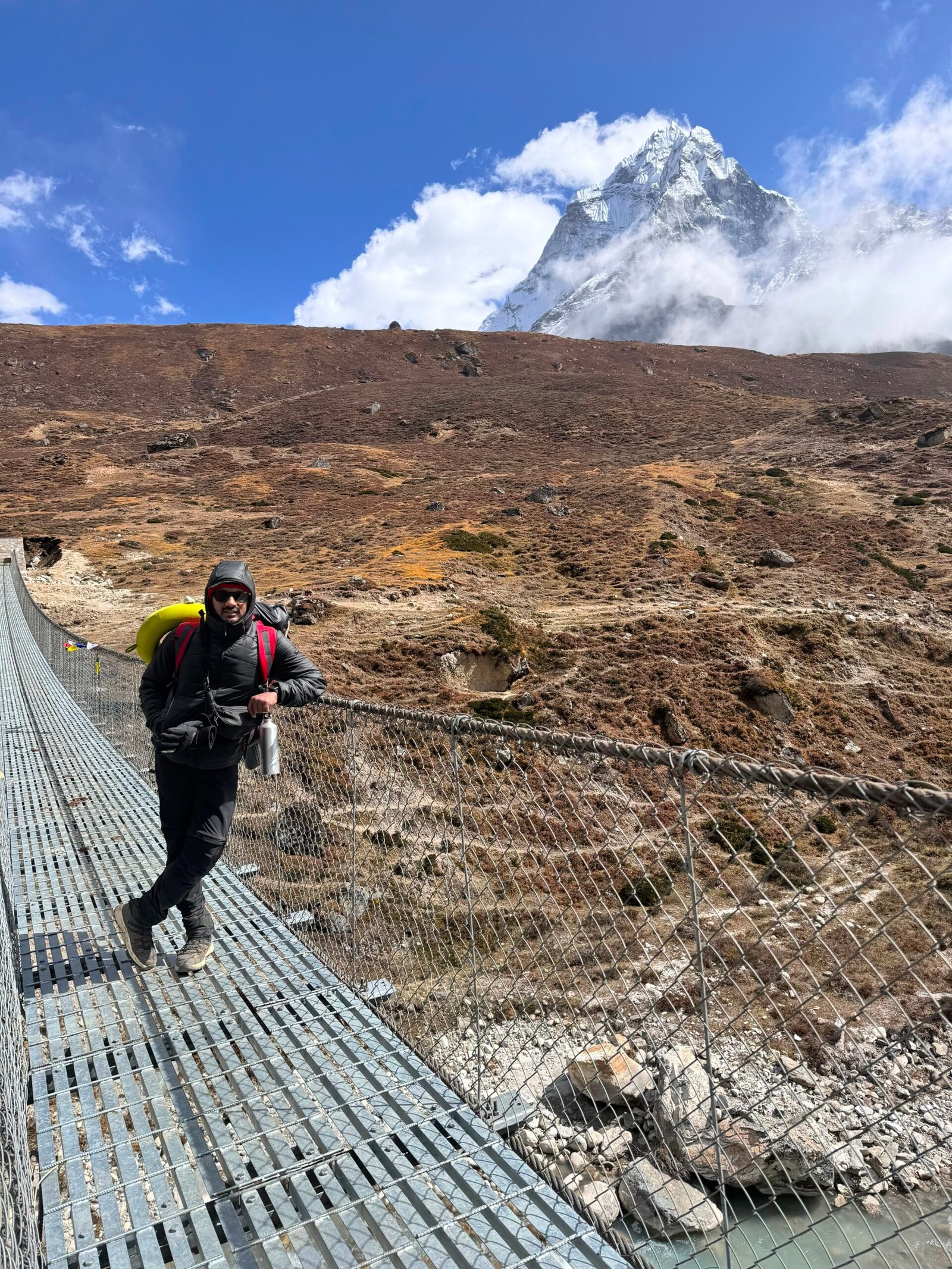
  • Cross the Swaying suspension Bridges of the Dudh Koshi: Get your adrenaline pumping as you cross dramatic steel suspension bridges draped in hundreds of fluttering Buddhist prayer flags, including the iconic, soaring Hillary Suspension Bridge high above the roaring river gorge.
  • Enjoy Warm Teahouse Hospitality & Hearty Cuisine: Spend your evenings sharing travel tales in family-run Nepalese teahouses. Fuel your body daily with fresh, cooked-to-order mountain meals, including unlimited portions of nutrient-rich local Dal Bhat.

Key Highlights & Points Of Interest

Tenzing-Hillary Airport (Lukla)

Tenzing-Hillary Airport (Lukla)

Your Himalayan expedition kicks off with one of the most thrilling and scenic aerial experiences in the world. The 25-to-30-minute flight from Kathmandu rewards you with sweeping views of lush green valleys and the towering Eastern Himalayas before landing on Lukla's famous 527-meter sloped runway. As the official gateway to the Everest region, the bustling mountain town of Lukla instantly immerses you in the fresh alpine air and the rich Sherpa way of life.
The Hillary Suspension Bridge

The Hillary Suspension Bridge

Suspended high above the roaring white waters of the Dudh Koshi River gorge, this iconic steel suspension bridge is a masterpiece of mountain engineering. Adorned with hundreds of colorful, fluttering Buddhist prayer flags, it is the tallest and longest of the five suspension bridges crossed on your journey to Namche Bazaar. Walking across its swaying mesh pathway is an unforgettable milestone that will truly make you feel like an intrepid Himalayan explorer.
All Key Highlights
Tenzing-Hillary Airport (Lukla)

Tenzing-Hillary Airport (Lukla)

Your Himalayan expedition kicks off with one of the most thrilling and scenic aerial experiences in the world. The 25-to-30-minute flight from Kathmandu rewards you with sweeping views of lush green valleys and the towering Eastern Himalayas before landing on Lukla's famous 527-meter sloped runway. As the official gateway to the Everest region, the bustling mountain town of Lukla instantly immerses you in the fresh alpine air and the rich Sherpa way of life.
The Hillary Suspension Bridge

The Hillary Suspension Bridge

Suspended high above the roaring white waters of the Dudh Koshi River gorge, this iconic steel suspension bridge is a masterpiece of mountain engineering. Adorned with hundreds of colorful, fluttering Buddhist prayer flags, it is the tallest and longest of the five suspension bridges crossed on your journey to Namche Bazaar. Walking across its swaying mesh pathway is an unforgettable milestone that will truly make you feel like an intrepid Himalayan explorer.
Namche Bazaar (The Sherpa Capital)

Namche Bazaar (The Sherpa Capital)

Carved like a giant horseshoe into a natural mountain amphitheater, Namche Bazaar is the bustling trading and cultural hub of the entire Khumbu region. It serves as your primary acclimatization haven. Here, traditional stone buildings stand side-by-side with modern cafes, bakeries, gear shops, and ATMs. You can spend your rest day exploring the Sherpa Cultural Museum or enjoying a warm drink while chatting with fellow adventurers from around the globe.
Hotel Everest View

Hotel Everest View

Perched on a scenic ridge above Namche, this legendary landmark is celebrated as one of the highest-placed hotels in the entire world. Sipping a warm cup of lemon ginger honey tea on its open-air panoramic terrace is an absolute highlight of the acclimatization process. On a clear morning, you are rewarded with your first completely unobstructed, jaw-dropping direct view of Mount Everest, Lhotse, Nuptse, and the breathtaking silhouette of Ama Dablam.
Tengboche Monastery (Dawa Choling Gompa)

Tengboche Monastery (Dawa Choling Gompa)

Nestled on a windswept saddle surrounded by dense rhododendron and juniper forests, Tengboche is the spiritual heart of the Everest region. The majestic monastery, originally founded in 1916, sits against a dramatic mountain backdrop, with the iconic peak of Ama Dablam framed directly behind it. Visitors are welcome to step inside to hear the deep copper horns and witness the local Buddhist monks chanting their peaceful afternoon puja prayers.
The Thukla Pass Memorial (Dughla Pass)

The Thukla Pass Memorial (Dughla Pass)

Situated on a windswept plateau at the head of the Khumbu Valley, this quiet, sacred monument is dedicated to the memory of brave Sherpas and mountaineers who lost their lives on Everest. Dozens of hand-built stone chortens and monuments draped in faded prayer flags stand in silent tribute. It is a deeply moving and reflective place on the trail, offering a powerful reminder of human determination and the raw, untamed power of the high Himalayas.
Everest Base Camp

Everest Base Camp

Stand at the literal foot of the world's tallest mountain—the ultimate destination of your 130-kilometer round-trip trek. Walking on the lateral moraine of the shifting Khumbu Glacier brings you face-to-face with the towering, cracked walls of the Khumbu Icefall. During the spring climbing season, the rocky basin transforms into a vibrant "city of tents," buzzing with the energy of elite global expeditions preparing to summit the peak.
Kala Patthar Peak (The Black Rock)

Kala Patthar Peak (The Black Rock)

Reaching the summit of the iconic "Black Rock" is the highest point of your trekking journey. Because Nuptse and Lhotse block the direct view of Everest's high summit from Base Camp itself, ascending Kala Patthar is an essential pilgrimage. Your guide will time your hike to witness the sun rise over the mountains, painting the snowy summits of Mount Everest, Lhotse, and Nuptse in a brilliant, glowing golden alpenglow.
High Demand Likely to sell out
Instant Confirmation Secure checkout
On average, this activity is booked 36 days in advance
Why book with Inticketo?

Exceptional Support

Dedicated team for a smooth experience.

Unbeatable Prices

Competitive rates without compromising quality.

Exclusive Packages

Unique offers found only on our platform.

Secure Booking

Simple, encrypted, and stress-free process.

Constantly Improving

We evolve based on your valuable feedback.

Local Expertise

In-depth local knowledge for best advice.

Need assistance?

Overview Of The Product

The Everest Base Camp Trek is the world’s premier alpine pilgrimage, inviting intrepid travelers to walk in the legendary footsteps of Tenzing Norgay and Sir Edmund Hillary. This hand-carved mountain path leads you deep into the heart of the Khumbu Valley, traversing the pine forests, roaring glacial rivers, and dramatic suspension bridges of the UNESCO-listed Sagarmatha National Park.

Along the route, you will immerse yourself in the rich, spiritual traditions of the Sherpa people. You will explore vibrant alpine amphitheaters like Namche Bazaar, and witness peaceful afternoon Buddhist prayers at the historic Tengboche Monastery.

Your journey culminates in an unforgettable triumph at Everest Base Camp (5,364 m) next to the deep, shifting crevasses of the Khumbu Icefall. Finally, you will climb the famous vantage point of Kala Patthar (5,555 m) to watch the sunrise paint the snowy south face of Mount Everest in a spectacular, glowing golden alpenglow. This is more than a hike—it is a profound journey of self-discovery and physical triumph.

Know Before You Go For This Activity
  • Trekking Fitness: Moderate to high fitness level required; be ready for daily 4–8 hours of trekking on rugged trails and steep ascents.
  • Altitude Awareness: Maximum altitude: Kala Patthar 5,555 m (18,225 ft); proper acclimatization days included to prevent altitude sickness.
  • Best Time to Trek: March–May (spring) and September–November (autumn) for clear skies, moderate temperatures, and scenic views.
  • Weather Conditions: Expect cold mornings/evenings and possible snow at higher elevations; layered clothing and waterproof gear recommended.
  • Flight Options to Lukla: Peak season flights operate from Manthali/Ramechhap, off-peak from Kathmandu; helicopter transfer available at extra cost.
  • Accommodation: Twin-sharing guesthouses in the Everest region; 3-star hotel in Kathmandu. Private rooms available at additional cost.
  • Meals: Breakfasts in Kathmandu and along trek; lunch & dinner included on trekking days.
  • Trekking Permits: Sagarmatha National Park Permit, TIMS card, Pasang Lhamu Rural Municipality fee provided by the operator.
  • Packing Essentials: Trekking boots, trekking poles, insulated jackets, gloves, hat, sunglasses, sunscreen, water bottle, personal medications, camera/GoPro.
  • Travel Insurance: Mandatory, including high-altitude emergency evacuation coverage.
  • Connectivity: Limited mobile network in remote regions; some lodges may offer Wi-Fi for a fee.
  • Cultural Etiquette: Respect local Sherpa customs, monasteries, prayer flags, and sacred sites along the trek.
Honest Talk: Who Can Do the EBC Trek?

The EBC Trek is right for you if:

  • You can walk 5–8 hours per day for 11 consecutive days
  • You can carry a 6–8kg daypack on your back
  • You have no serious heart, lung, or blood pressure conditions
  • You can handle sleeping in rustic, cold tea houses with basic facilities
  • You're mentally prepared for discomfort and embrace it as part of the experience
  • You're aged 10 to 75 (participants at both ends of this range complete the trek regularly)

The EBC Trek is NOT for you if:

  • You have uncontrolled hypertension or serious cardiac conditions
  • You cannot comfortably walk 10km on consecutive days at present
  • You have less than 2 months to prepare physically (if starting from zero fitness)
  • You expect hotel-quality beds and hot showers every night above Namche

The #1 reason treks fail is not fitness — it is altitude sickness. Altitude affects Olympic athletes and weekend walkers equally. Our licensed Sherpa guides monitor your blood oxygen saturation (SpO₂) every day with a pulse oximeter. Our itinerary includes two non-negotiable acclimatization days. Our protocol for any AMS symptoms is immediate, decisive descent. We do not compromise on safety.

How Difficult is the Everest Base Camp Trek?
Classification: Moderate to Strenuous The EBC trek requires no technical climbing skills whatsoever — no ropes, no crampons, no ice axes. The trail is well-marked and well-maintained. Tea houses provide food, water, and shelter every few hours of walking. You do not need to be an elite athlete. What you do need:
  • The ability to walk 5–8 hours daily with a 6–8kg daypack
  • Cardiovascular endurance for sustained uphill walking
  • Mental resilience for consecutive trekking days
  • Respect for altitude — it does not care how fit you are

🏃 12-Week Training Plan (Start 3 Months Before Your Trek)

Months 1–2: Building Base Fitness
  • Walk or jog 5km, 4–5 times per week
  • Add a loaded daypack (4–6kg) to all hikes
  • Weekly long hike: 15–20km on varied terrain
  • Gym: squats, lunges, step-ups, core work (3x per week)
Month 3: Trek-Specific Conditioning
  • Increase pack weight to 7–8kg
  • Weekly long hike: 20–25km with 600–800m elevation gain
  • Multi-day hiking weekend: back-to-back 15km days
  • Stair climbing: 30–50 floors with pack, 3x per week
  • Reduce rest days — teach your body to recover overnight
Fitness Test (2 weeks before departure): If you can complete a 20km hike with 700m elevation gain while carrying 7kg, and feel tired but not broken — you are ready for Everest Base Camp.
Altitude Safety — Everything You Need to Know

What is Altitude Sickness (AMS)?

Acute Mountain Sickness (AMS) occurs when your body doesn't have enough time to adapt to reduced oxygen levels at altitude. Above 2,500m, the partial pressure of oxygen decreases significantly. Symptoms include: persistent headache, nausea, dizziness, fatigue, loss of appetite, and disturbed sleep.

Critical fact: Altitude sickness cannot be predicted. Olympic athletes get AMS. Sedentary people sometimes sail through. Physical fitness is NOT a protection against AMS.

How Our Itinerary Prevents AMS

Our 14-day itinerary is structured specifically around the "climb high, sleep low" principle:

  • Acclimatization Day at Namche Bazaar (3,440m) — Day 4: Side hike to 3,880m, sleep at 3,440m
  • Acclimatization Day at Dingboche (4,410m) — Day 7: Side hike to 5,083m, sleep at 4,410m
  • Gradual altitude gain: we never ascend more than ~500m per sleeping night
  • Daily SpO₂ monitoring with our pulse oximeter

Warning Signs to Report Immediately

Tell your guide immediately if you experience:

  • Severe headache unresponsive to ibuprofen/paracetamol
  • Vomiting (not just nausea)
  • Loss of coordination or balance (HACO — High Altitude Cerebral Oedema)
  • Difficulty breathing at rest (HAPO — High Altitude Pulmonary Oedema)
  • Confusion, irrational behaviour, or extreme fatigue

Our Protocol

  1. Immediate descent to the last sleeping altitude
  2. Administration of supplemental oxygen if available
  3. Emergency helicopter evacuation if required (this is why travel insurance is mandatory)

Diamox (Acetazolamide) — Should You Take It?

Diamox is a prescription medication that accelerates acclimatization. Many EBC trekkers take it prophylactically, starting 24 hours before arriving at altitude. Consult your doctor at home before your trek — it is not suitable for people with sulfa drug allergies. It does not replace proper acclimatization — it supplements it.

Hydration is Non-Negotiable

Drink 3–4 liters of water daily throughout the trek. Dehydration worsens AMS symptoms dramatically. Avoid alcohol entirely above 3,000m. Limit caffeine.

Advanced High-Altitude Safety Protocols
At our company, your physical safety is our absolute, non-negotiable priority. Hiking above 5,000 meters is an incredible achievement, but it requires professional medical supervision and pacing. We have engineered a gold-standard safety system to ensure you reach Base Camp and return home in perfect health:
  • 🩺 Twice-Daily Oximeter & Pulse Checks: Every morning and evening on the trail, your lead guide will measure your blood oxygen saturation ($SpO_2$) and resting pulse using a professional, digital oximeter. This allows us to track your acclimatisation progress scientifically and catch any signs of Acute Mountain Sickness (AMS) early.
  • 🚶 Strict "Climb High, Sleep Low" Pacing: We maintain a slow, steady walking pace (known as "Bistari, Bistari") to prevent overexertion. Our 14-day route features a gradual ascent curve with two vital, built-in acclimatisation rest days in Namche Bazaar (3,440 m) and Dingboche (4,410 m).
  • 📋 Certified Wilderness First-Aid Guides: Our local lead guides are fully certified in Wilderness First Aid and high-altitude emergency protocols. They carry a fully stocked medical kit, emergency oxygen cylinders, and high-altitude medication (like Diamox) at all times.
  • 🚁 24/7 Helicopter Evacuation Network: In the rare event of a severe high-altitude emergency, our Kathmandu operations center works in immediate, seamless coordination with your travel insurance provider to launch an emergency helicopter rescue and hospital transfer.
Seasonality & Weather Guide
Trekking in the Himalayas is highly seasonal. Booking during the correct window guarantees clear mountain views, safe flying conditions, and comfortable trail temperatures.
  • Spring Season (March to May) – The Blooming Alpine Wonderland Average Temperatures: Daytime: 10°C to 15°C (lower valleys) | Nighttime: -5°C to -10°C (at Gorak Shep).
  • The Experience: The lower trails are painted with spectacular, blooming pink and red rhododendron forests. The weather is stable, and Everest Base Camp is alive with the colorful tents and high-energy camps of elite summit climbers.
  • Autumn Season (September to November) – Crisp Air & Endless Clear Skies Average Temperatures: Daytime: 8°C to 12°C (lower valleys) | Nighttime: -10°C to -15°C (at Gorak Shep).
  • The Experience: This is the absolute peak window for landscape photography. The post-monsoon mountain air is incredibly crisp, offering the absolute clearest, unobstructed, and sharpest views of Everest's towering snow-capped peak.
Risk-Free Guarantees & Booking Policies
Flexible Lifetime Deposits: Life happens. Secure your departure date with a low, flexible deposit. If you need to postpone or reschedule your trek for any reason, your deposit is valid for life and can be transferred to any future date or other trip we offer, free of charge. No Hidden Fees: The booking price you see is the absolute final price you pay. All local municipal taxes, national park entry fees, airport transfers, domestic flights, local guides, porters, and trail meals are completely bundled with zero hidden commissions. Guaranteed Group Departures: Once booked, your trek departure date is 100% guaranteed to run, even if you are the only trekker registered for that date. We do not cancel trips due to low group sizes.
Managing Your Money in Nepal
Exchanging Currency
Do 100% of your currency exchange in Kathmandu (the tourist area of Thamel has the best rates). Airport exchanges have significantly lower rates.
Cash is King
Teahouses, remote shops, and local crew tip pools strictly accept Nepalese Rupees (NPR) in cash. They do not accept credit cards or foreign currencies.
ATM Caveats
ATMs are only available in Kathmandu and Namche Bazaar. Mountain ATMs are highly unreliable, experience power cuts, and frequently run completely out of cash.
Card Use Fees
Major establishments in Kathmandu accept Visa and Mastercard, but typically apply a 3% to 4% credit card processing fee.

FAQs Regarding This Activity

Common Questions & Answers

How difficult is the Everest Base Camp Trek?
The Everest Base Camp Trek is classified as Moderate to Strenuous. It requires no technical climbing skills — no ropes, crampons, or ice axes. The trail is well-marked and supported by tea houses throughout. The primary challenges are altitude (not fitness), the duration of consecutive trekking days (11 days of walking), and the mental resilience required for discomfort in cold, basic conditions above 4,000m. If you can walk 10–15km per day on hilly terrain with a 6–8kg pack, you can complete the EBC trek.
Can beginners do the Everest Base Camp Trek?
Yes — with proper preparation. The EBC trek is completed by thousands of first-time high-altitude trekkers every year, including people in their 60s and 70s. The key requirements are: 8–12 weeks of pre-trek training (cardiovascular + leg strength), mental commitment to the challenge, and respect for altitude acclimatization protocols. Our licensed Sherpa guides monitor your health daily with pulse oximeters. The two mandatory acclimatization days in our itinerary are specifically designed to give first-timers the best possible chance of reaching Base Camp safely.
Can I see the summit of Mount Everest from Everest Base Camp?
Contrary to popular belief, you cannot see the summit of Mount Everest clearly from Everest Base Camp itself because it is blocked by the towering shoulders of Nuptse and Lhotse. To get that iconic, unobstructed, 360-degree panoramic view of Everest's golden summit, your guide will lead you on a pre-dawn climb up Kala Patthar (5,555 m / 18,192 ft), which serves as the ultimate viewpoint of the trek.
What is the food like on the trail, and is it safe to eat meat?
Traditional teahouses offer a surprisingly diverse and hearty menu, combining Nepalese, Tibetan, and Western cuisines. You can expect freshly cooked meals like pasta, momos (dumplings), pancakes, porridge, eggs, and the staple Dal Bhat (lentils, rice, and vegetable curry with free refills). The Safety Rule: We strongly recommend sticking to a vegetarian diet once you climb past Namche Bazaar. Because the local park is a protected Buddhist sanctuary, no animals are slaughtered in the high highlands. All meat must be carried up on foot or by animals for several days without refrigeration, making meat consumption a major risk for food poisoning and stomach upset.
Is it safe for solo female travellers to trek to Everest Base Camp?
Yes, Nepal is widely recognized as an exceptionally safe, welcoming, and respectful country for solo female travellers. Because the Nepalese government legally prohibits solo, unguided trekking, you will never be truly alone. Joining one of our guided group departures is a wonderful way to trek with peace of mind, make friends from all over the world, and share cost benefits.
What is the "Khumbu Cough" and how do I prevent it?
The "Khumbu Cough" is a dry, hacking, and persistent high-altitude cough that affects many trekkers in the upper valley. It is caused by breathing in the exceptionally dry, cold mountain air and glacial dust. To prevent it, you must wear a seamless neck gaiter or fleece buff over your nose and mouth to humidify the air you breathe, keep continuously hydrated, and pack throat lozenges or cough syrup.
How do I manage drinking water safely and sustainably?
Staying hydrated is your best defense against altitude sickness; you should aim to drink 3 to 4 litres of water daily. To protect the pristine Himalayan environment from plastic waste, the local government has banned single-use plastic water bottles. The Pure Water Plan: You must bring reusable, thermal water bottles or a hydration bladder. You can safely purify natural tap or spring water using water purification tablets, a Katadyn filter, or a UV purifier. Alternatively, teahouses sell safe, boiled water for an out-of-pocket fee of USD $2 to $5 per litre (which also doubles as an excellent sleeping bag warmer at night!).
What happens if my Lukla flight is delayed or cancelled?
Weather at Lukla Airport is highly unpredictable. If flights are delayed, we coordinate with airlines to secure the next available departure. During peak seasons, flights frequently operate from Manthali/Ramechhap Airport (a 4-hour drive from Kathmandu) to reduce congestion. We provide all private transfers to Manthali for you. We strongly advise booking 2 to 3 contingency/buffer days at the end of your trip in Kathmandu.
Do I need travel insurance for this trek?
Yes, comprehensive travel insurance is 100% mandatory. Your policy must explicitly cover medical expenses, high-altitude trekking up to 6,000 meters (20,000 feet), and emergency helicopter rescue and evacuation. Ensure your provider accepts direct payment for helicopter charters in case of medical emergencies.

Booking, Cancellations, & Payment Policies

How far in advance should I book my Everest Base Camp trek?
What is your deposit requirement to secure a booking?
To guarantee your departure date and allow us to purchase your non-refundable domestic Lukla flights and permits, we require a 20% to 30% deposit of the total trip cost at the time of booking. The remaining balance must be settled upon your arrival in Kathmandu during your pre-trip briefing, or prior to departure.
What payment methods do you accept, and are there extra fees?
You can pay your remaining balance in Kathmandu using US Dollars (USD) cash or major credit cards (Visa, Mastercard, and American Express). Please note that paying with a credit card incurs a 4% credit card transaction fee. We encourage paying with USD cash to avoid this fee. If paying in cash, please ensure bills are in good condition, not worn, torn, or crumpled, and not older than the year 2009, as local banks do not accept older or damaged currency.
What happens if I am a solo traveler? Do I have to pay a single supplement?
If you book one of our published group departure dates, there is no additional fee or mandatory single supplement—you will simply share a twin room with another traveler of the same gender. However, if you prefer private single accommodations, you can upgrade by paying a single supplement fee (typically around USD 200 to USD 248, applicable to Kathmandu hotel stays and subject to availability in mountain teahouses). If you prefer a solo private trek, you may be subject to a solo supplement.
Can I get a refund for unused days if I leave the trek early?
No. If you must discontinue your trek early due to sickness, injury, altitude complications, or personal choice, all unused services—including teahouse accommodation, mountain meals, domestic flights, and guide/porter allocations—are entirely non-refundable. This is because we must pay our administration staff, guides, and porters, and secure all permits and lodge bookings in advance. We will gladly provide all necessary receipts and letters to help you claim these losses through your travel insurance.

Lukla Flights, Transport, & Logistics

Why do flights to Lukla depart from Ramechhap/Manthali instead of Kathmandu?
During peak trekking months (March, April, May, October, and November), the Civil Aviation Authority of Nepal (CAAN) redirects Lukla flights to Manthali Airport in Ramechhap to relieve severe air traffic congestion at Kathmandu's Tribhuvan International Airport. This ensures flights can utilize the short, early-morning clear weather windows in the mountains more efficiently.
How do I get to Ramechhap/Manthali Airport, and what is the schedule?
Manthali Airport is located approximately 138 km (85 miles) from Kathmandu, which takes about 5 to 6 hours to drive over winding, bumpy mountain roads. On your flight day, we will depart from your Kathmandu hotel in a comfortable shared tourist vehicle (such as a Toyota HiAce or Mahindra Scorpio) between 1:00 AM and 3:00 AM to catch the early-morning 20-minute flight to Lukla.
What is the flight duration to Lukla from Kathmandu versus Ramechhap?
A direct flight from Kathmandu Airport to Lukla takes 30 to 35 minutes. A flight from Ramechhap/Manthali Airport to Lukla takes 20 minutes. Both options offer spectacular, bone-chilling views of the Eastern Himalayas.
What are Visual Flight Rules (VFR), and how do they affect my Lukla flight?
Lukla’s Tenzing-Hillary Airport sits in a narrow mountain valley at 2,840 m (9,317 ft) and does not have a radar system. Pilots must navigate strictly using Visual Flight Rules (VFR), meaning they require clear visibility to land. If there is thick fog, high winds, or heavy cloud cover at Lukla or along the route, flights are immediately delayed or suspended until conditions improve.
How many buffer days should I add to my overall itinerary?
Because Lukla flights are highly weather-dependent and experience delays or cancellations on approximately 1 in 10 flights (especially during shoulder seasons), it is mandatory to add 2 to 3 contingency/buffer days at the end of your trip in Kathmandu. Do not book your international flight home for the day immediately following your scheduled trail return.
What is the baggage weight limit for the Lukla domestic flight?
Airlines enforce a strict maximum baggage allowance of 15 kg (33 lbs) total per passenger. This is divided into 10 kg (22 lbs) for your checked duffel bag (which will be carried by your porter) and 5 kg (11 lbs) for your hand-carry daypack. Excess weight can sometimes be paid at a rate of USD 2 to USD 5 per kilogram, but airlines may refuse extra weight if the aircraft is at its maximum safety threshold.
Can I leave my non-trekking luggage in Kathmandu during the trek?
Yes. Any suitcases, city clothes, laptop computers, or non-trekking items can be stored safely and completely free of charge at your hotel's secure luggage room or our company office in Kathmandu until you return from the mountains.

Physical Fitness, Health, & Medical Screening

What are the specific fitness benchmarks required for the EBC trek?
While technical climbing skills are not required, you must possess strong cardiovascular endurance and lower-body stamina. Before booking, you should be physically capable of completing at least one of the following benchmarks without experiencing physical stress:
  • Walking: Cover 5 km on foot in 30 minutes.
  • Jogging: Jog 10 km in 70 minutes.
  • Cycling: Cycle 20 km in 55 minutes.
Is there a Body Mass Index (BMI) requirement for this activity?
Yes. For optimal safety at high altitudes, your BMI should ideally fall within the normal, healthy range of 18.5 to 25 (or up to 26). If your BMI is above or below this range, please consult our Trek Coordinator before booking so we can evaluate your pacing and physical readiness.
What resting vital signs must I meet before starting the trek?
To ensure your cardiovascular system can safely adapt to thin mountain air, your resting vitals should fall within these healthy ranges:
  • Pulse Rate: 60 to 100 beats per minute at rest.
  • Blood Pressure: Diastolic 75–85 mm Hg / Systolic 100–130 mm Hg.
  • Respiratory Rate: 12 to 20 breaths per minute at rest.
What pre-existing medical conditions would disqualify me from trekking?
For safety reasons, individuals with uncontrolled Hypertension, active Diabetes Mellitus, a Pacemaker implant, or a history of liver or kidney disease should not participate in high-altitude trekking. If you suffer from Epilepsy, severe Sinus issues, or controlled Asthma, you must obtain specialized clearance from your doctor and consult with our coordinator prior to booking.
Are there any age limits or restrictions for trekking to EBC?
There are no strict legal age limits. We have guided active families with children as young as 5 years old, as well as senior adventurers in their late 70s. However, children under 10–12 require extra acclimatization attention, and seniors must undergo thorough medical check-ups and obtain doctor clearance for trekking up to 5,500 m.

Altitude Sickness (AMS), Safety, & Medical Emergencies

What is the difference between AMS, HAPE, and HACE?
They are the three progressive stages of altitude-related illnesses:
  • AMS (Acute Mountain Sickness): The mildest form, characterized by headaches, fatigue, dizziness, loss of appetite, and mild nausea.
  • HAPE (High Altitude Pulmonary Edema): A life-threatening condition where fluid builds up in the lungs, causing severe breathlessness at rest, persistent coughing, and chest tightness.
  • HACE (High Altitude Cerebral Edema): A life-threatening brain swelling characterized by severe confusion, hallucinations, and a complete loss of physical coordination (ataxia).
How does your itinerary physically support proper acclimatization?
Our classic 14-day itinerary is scientifically paced to prevent altitude sickness. It features two mandatory acclimatization rest days at critical altitude thresholds: Day 4 at Namche Bazaar (3,440 m) and Day 7 at Dingboche (4,410 m). We do not shorten or bypass these rest days, as they allow your respiratory system to adapt gradually.
What is the "Climb High, Sleep Low" rule?
This is the core strategy of high-altitude adaptation. On our rest days, your guide will lead you on active hikes to higher elevations—such as climbing to Hotel Everest View (3,880 m) or Nangkartshang Peak (5,083 m)—before descending back down to Namche or Dingboche to sleep. This temporary exposure triggers red blood cell production without over-stressing your body overnight.
How do guides monitor trekkers for altitude sickness daily?
Your lead guide will carry a medical-grade portable pulse oximeter to check your blood oxygen saturation ((SpO_2)) and heart rate twice daily (every morning and evening in the teahouse dining rooms). This systematic tracking allows us to monitor how your cardiorespiratory system is adapting and catch early, asymptomatic signs of altitude illness.
What happens if I require an emergency helicopter evacuation?
If you exhibit severe symptoms of HAPE, HACE, or a physical fracture that prevents walking, your guide will immediately trigger our emergency protocol. Utilizing cell or satellite communication, our Kathmandu headquarters coordinates with your travel insurance provider and local helicopter charter companies. A rescue helicopter can land at high-altitude stations (weather permitting) and fly you directly to a private hospital in Kathmandu within hours.
Are there medical clinics or doctors along the EBC trekking trail?
Yes, the trail is unique for its specialized high-altitude medical aid stations. In Pheriche (4,242 m), the Himalayan Rescue Association (HRA) operates a legendary clinic staffed by Western volunteer doctors specializing in mountain medicine. Additionally, during the spring climbing season (April and May), the Everest ER clinic is fully operational directly at Everest Base Camp.

Packing, Technical Clothing, & Gear

What sleeping bag temperature rating is required for the trek?
You must use a four-season sleeping bag rated to at least -15°C to -20°C (5°F to -4°F). Although teahouses provide simple blankets, the individual sleeping rooms are completely unheated and night temperatures regularly plunge below freezing at high elevations.
Can I rent heavy down jackets and sleeping bags in Kathmandu?
Yes. High-quality four-season sleeping bags and thick down parkas are available for hire directly in Kathmandu's tourist hub of Thamel for approximately USD 15 to USD 35 each for the duration of the trek. This is highly recommended to save luggage space and cost. Please note that a lost or damaged rental item may require reimbursement of approximately USD 200.
Why is cotton clothing strictly banned for high-altitude trekking?
Cotton is a highly absorbent fabric that holds moisture. When you sweat while walking, cotton base layers become wet and stay wet. In the freezing mountain winds, wet cotton will rapidly chill your core temperature, putting you at extreme risk of hypothermia. Always pack technical synthetic or merino wool fabrics that wick sweat away from your skin.
What type of footwear is recommended for the EBC trail?
You must wear sturdy, waterproof, high-ankle trekking boots with deep rubber traction and stiff soles. It is absolutely vital that you break in your boots several weeks prior to arriving in Nepal to avoid painful, trek-ending blisters. Additionally, bring lightweight camp shoes, sneakers, or sandals to wear inside the teahouses each evening.
What are microspikes (ice cleats) and do I need them?
Microspikes are small steel-toothed bands that slip over your regular trekking boots to provide traction on icy or slippery trails. If you are trekking between November and March, or during shoulder seasons when snow storms are common, carrying a pair of microspikes is highly recommended to prevent slips on frozen surfaces.
Why do I need a separate daypack if I have a porter?
Your porter will carry your main duffel bag and walk at their own fast pace, meaning you will not have access to your duffel bag until you reach your overnight teahouse. You must carry a 25 to 45-liter daypack containing your daily essentials, including water bottles, rain gear, windbreakers, sunscreen, passport, cash, and personal medications.

Teahouse Accommodations & Trail Amenities

What are mountain teahouses, and what are the room setups?
Teahouses are simple, family-run mountain lodges offering basic shelter and hot meals. Rooms are almost exclusively on a twin-sharing basis containing two single wooden beds, simple foam mattresses, bedsheets, and a pillow. Rooms are unheated, compact, and basic.
Are private attached bathrooms available in teahouses?
Attached private bathrooms are generally only available at lower elevations, specifically in Lukla, Phakding, and Namche Bazaar. Past Namche Bazaar, or at very high elevations like Lobuche and Gorak Shep, rooms are incredibly basic, and you must use shared (common) toilets down the corridor.
What are the toilet facilities like higher up the trail?
Toilets can be a mix of Western seated toilets and traditional Asian squat toilets. Because high-altitude plumbing freezes overnight, toilets are flushed manually by pouring a container of water down. Teahouses do not supply toilet paper or soap, so you must carry your own rolls and hand sanitizer.
How much do hot showers cost on the trail?
Hot showers are heated using gas canisters carried up by porters or animals and are charged as an extra out-of-pocket fee. Depending on your altitude, a hot shower costs USD 3 to USD 8 (or 250 to 500 NPR) per shower. At extreme elevations, "showers" are usually just a bucket of hot water. We recommend not taking showers above Dingboche to avoid catching a cold.
Is there electricity to charge my phone, and what are the fees?
Yes, teahouses have solar power and electricity, but charging your gadgets is a paid luxury. Expect to pay an out-of-pocket fee of USD 1 to USD 5 (or approximately 200 to 500 NPR) per hour or per device. Carrying a high-capacity power bank is highly advised to save on daily charging fees.
What type of electrical adapters do I need in Nepal?
Teahouse outlets are designed to fit two-pin circular plugs (Type C) and three-pin circular plugs (Type D). You can easily purchase a cheap universal adapter in the shops of Kathmandu's Thamel district before starting your trek.
How does teahouse dining room heating work?
Individual sleeping rooms are completely unheated, but teahouses feature a large, central, communal dining hall. Every evening, this common area is warmed by a central stove fueled by wood or dried yak dung. This cozy, heated space serves as the social hub where trekkers gather to eat, play games, and relax before bed.

Food, Hydration, & Dietary Options

What is the standard meal plan provided on the trek?
Standard all-inclusive packages cover three freshly prepared meals a day (Breakfast, Lunch, and Dinner) chosen from teahouse menus. Each meal typically includes a complimentary cup of hot tea or coffee, and some operators serve fresh, seasonal sliced fruit every evening after dinner.
What kind of dishes are available on teahouse menus?
Teahouse menus offer a surprising variety of local, Tibetan, and international dishes. Options include pancakes, porridge, toast, eggs, pasta, macaroni, spring rolls, chowmein, vegetable fried rice, and the traditional Nepalese staple, Dal Bhat (steamed rice, lentil soup, vegetable curry, and pickle).
What is Dal Bhat and why is it so highly recommended?
Dal Bhat is the ultimate, energy-dense trekking meal. It is packed with nutritious carbohydrates and proteins, making it the perfect fuel for grueling days on your feet. Best of all, Dal Bhat is cooked fresh daily and always comes with free refills of rice, lentil soup, and curry—just ask your host for a top-up!
Is it safe to eat meat on the Everest Base Camp trek?
No. We strictly advise eating a 100% vegetarian diet once you climb past Namche Bazaar. Sagarmatha National Park is a sacred Buddhist sanctuary where no animals are permitted to be slaughtered. All meat must be carried up on foot or by animals for several days from lowlands without refrigeration, creating a major risk of bacterial contamination and severe food poisoning.
Can teahouses accommodate gluten-free or vegan diets?
Yes, but choices are limited at higher altitudes. For gluten-free diets, options include vegetable fried rice, potatoes, and eggs. Many soups are powdered and contain gluten, so bringing your own gluten-free energy bars is recommended. For vegan diets, porridge or muesli made with water, along with vegetable Dal Bhat and local Sherpa stews, are widely available. Always inform your guide of dietary restrictions during your pre-trip briefing.
Is tap or stream water safe to drink on the trail?
No. Never drink untreated tap or stream water in Nepal, as it contains harmful bacteria and waterborne parasites. Since single-use plastic water bottles were banned in the Khumbu region in January 2020 to prevent plastic pollution, you must bring reusable thermal bottles or a hydration bladder.
What are the best ways to purify my drinking water?
You can safely treat natural cold water using chlorine/iodine purification tablets or portable UV water filters (like a Steripen). Alternatively, teahouses sell boiled drinking water for an out-of-pocket fee of USD 2 to USD 5 per litre (which also doubles as a fantastic hot-water bottle inside your sleeping bag at night!).

Culture, Etiquette, & Sustainable Trekking

Who are the Sherpa people, and what is their role on the trek?
Sherpas are an indigenous ethnic group native to the mountainous regions of Nepal. Renowned for their incredible high-altitude physical genetic adaptations, they serve as the backbone of Himalayan mountaineering. Our certified local guides, assistant guides, and porters are primarily Sherpa natives, offering you deep cultural insights, language support, and unparalleled trail safety.
What is the correct way to walk around stupas and mani walls?
Out of deep respect for local Buddhist traditions, you must always walk clockwise around stupas, chortens, mani walls, and prayer wheels. This ensures that the religious monuments are kept on your right-hand side as you pass.
What does the Buddhist mantra "Om Mani Padme Hum" mean?
It is the most sacred mantra in Tibetan Buddhism, carved into thousands of mani stones and painted on prayer flags across the Khumbu valley. It is a prayer wishing for the cultivation of compassion, spiritual wisdom, and well-being for all living beings.
What are the core rules of etiquette inside Buddhist monasteries?
When visiting sacred monasteries (such as the Tengboche Monastery), you must remove your shoes, hats, and sunglasses before entering. You must remain completely quiet, do not touch religious artifacts or paintings, and never use a single finger to point at statues or lamas (instead, gesture respectfully with your whole hand, palm facing upwards).
Can I take photographs of local people and children?
You should always ask for explicit permission before taking photos of local people, monks, or children. Avoid giving sweets, chocolates, or money directly to local children, as this encourages begging; if you wish to support, ask your guide to help you make a formal donation to a local Sherpa school or health post instead.
Why are drones highly restricted, and how can I fly one legally?
Drones are strictly regulated inside Sagarmatha National Park due to the high volume of unscheduled rescue helicopters and national park privacy rules. To fly a drone legally, you must register your drone with the Civil Aviation Authority of Nepal (CAAN), obtain a Unique Identification Number (UIN), and secure permits from the Department of Tourism, Tribhuvan International Airport customs, and local park authorities.
🧑‍💼 🧑‍🦰 👩🏽

Want to know more about this trip?

Chat with us — real experts.

Replies within 1–2 hours
WhatsApp Us

Packing List For Everest Base Camp Trek

Everything you’ll need for the trek — simply check it off as you pack.

0 / 70 packed 0%
Need to rent gear? We’ve got you covered — just USD 1 per item, per day.
🥾
Hiking Gear (11 items)
Missing something? Rent any item from us — just USD 1/day.
Trekking Poles 🔑 Rentable
Your knees will thank you on every single descent.
1 pair
Backpack 🔑 Rentable
25-35L with a porter, 40-60L if you are going it alone.
1
Reusable Water Bottles
Fill up often -- doubles as a hot-water bottle at night.
1
MicroSpikes 🔑 Rentable
Non-negotiable on icy sections above Namche Bazaar.
1 pair
Trekking Boots 🔑 Rentable
Ankle support matters -- break them in before you fly.
1 pair
Headlamp 🔑 Rentable
Essential for 4 AM starts and late teahouse dinners.
1
Dry Bag / Zip-Lock Bags
Keeps gear dry and dirty socks safely quarantined.
1
Rain Cover for Backpack 🔑 Rentable
Monsoon shower or dusty jeep ride -- your bag stays dry.
1
Sunglasses
UV is fierce at altitude -- bring a reliable spare pair.
2 pairs
Sun Hat / Cap
Hours of exposed ridgeline walking demand serious shade.
1
Packing Organizers
Find anything in ten seconds flat -- every trekker converts.
1
🧥
Garments (19 items)
Smart layering beats a heavy bag every single time.
Base Layer Set (Thermal)
First thing on, last thing off -- your warmth foundation.
2
Fleece / Microfiber Jacket 🔑 Rentable
Mid-layer magic -- light enough to stuff in a pocket.
1
Quick-Dry Tees (Merino)
Merino keeps odours at bay even on day five without a wash.
3
Quick-Dry Pants
Cross a stream or dodge a downpour -- dries before lunch.
1
Trekking Pant (Soft Shell)
Flexible and tough -- handles everything the trail throws.
1
Trekking Pant (Hard Shell)
When snow hits above Gorak Shep, you will be glad you packed it.
1
Windbreaker Jacket 🔑 Rentable
Packs to the size of a fist, blocks the Himalayan chill.
1
Waterproof Jacket 🔑 Rentable
A proper shell layer is not optional above 4,000 m.
1
Waterproof Pant
Pull them on over trekking pants in under thirty seconds.
1
Down Jacket 🔑 Rentable
The warmer the better -- wear it at camp, breakfast, and bed.
1
Cosy Outfit for Teahouses
Swap out of trail clothes the moment you reach the lodge.
1 set
Socks (Liner / Trekking)
Liner under wool prevents blisters -- rotate daily.
6 pairs
Gloves -- Liner
Thin enough for map-reading, warm enough for cold wind.
1 pair
Gloves -- Windproof 🔑 Rentable
Khumbu winds are relentless -- these stop them cold.
1 pair
Woolen Hat
Covers your ears on exposed cols where wind bites hardest.
1
Beanie
Sleep in it at high camps when temperatures plummet overnight.
1
Neck Gaiter
Pull it up into a face mask when dust or cold hits hard.
1
Under Garments
Laundry stops are rare -- three sets keeps you comfortable.
3
Bra
High-impact support for long downhill stretches matters.
3
😴
Sleeping (5 items)
Quality sleep at altitude is how you acclimatise well.
Sleeping Bag 🔑 Rentable
Rated to at least -10C for Gorak Shep and above.
1
Sleeping Bag Liner 🔑 Rentable
Adds 3-5C of warmth and keeps your bag fresh all trek.
1
Earplugs
Teahouse walls are thin -- you will be glad you had these.
2 sets
Travel Pillow
A proper pillow beats a rolled-up fleece every night.
1
Eye Mask
Dawn breaks at 5 AM at altitude -- block it and sleep on.
1
🧴
Toiletries & Hygiene (16 items)
Staying clean keeps morale high and illness low on the trail.
Microfiber Towel
Wrings out in minutes -- no damp towel smell.
1
Toothbrush & Toothpaste
Non-negotiable -- your tent-mates will agree.
1 set
Wet Wipes
Three-day stretches without a shower happen -- plan ahead.
2 packs
First Aid Kit 🔑 Rentable
Blister plasters, altitude meds, and basic wound care.
1
Sunscreen
SPF 50 minimum -- UV intensity doubles per 1,000 m gained.
1
Blister Kit
Treat hot spots on day one before they become real problems.
1
Soap / Shampoo
Biodegradable and compact for bucket-bath evenings.
1 set
Lip Balm
Dry mountain air cracks lips fast -- reapply constantly.
1
Comb or Brush
Keeps trail dust from turning your hair into a proper nest.
1
Period Supplies
Altitude can shift cycles -- pack more than you expect.
As needed
Nail Clippers / Tweezers
Long nails plus trekking boots equals pain. Clip before flying.
1
Toilet Paper
Many teahouses run out completely -- always carry your own.
Varies
Sanitising Gel
Use before every meal -- clean water is not always nearby.
1
Deodorant
A small courtesy to every trekker sharing your lodge.
1
Mirror (Optional)
Useful for checking windburn or removing a splinter.
1
Water Purification Tablets/Filters
Never trust tap water above Lukla -- always purify first.
1
📱
Electronics (9 items)
Power is scarce up high -- charge everything every chance you get.
Camera
Cold drains batteries fast -- store it inside your jacket.
1
Phone
Download offline maps before leaving Kathmandu.
1
GPS Watch / Device
Elevation, heart rate, and pace all visible in one quick glance.
1
External Hard Drive
Back up every evening -- memory cards go missing on long treks.
1
Cables
Pack extras -- one always hides at the bottom of the bag.
1
Power Bank 🔑 Rentable
Charging costs real money at teahouses -- a bank saves both.
1
E-Book Reader
Ideal for rest days in Namche or Dingboche when weather turns.
1
Travel Adapter (D,C & M)
Nepal uses types C, D and M -- you will need all three.
1
Earphones
Good music on a long climb makes altitude feel more bearable.
1
🎒
Miscellaneous (10 items)
Small items, massive impact on your overall experience.
Lightweight Shoes / Sandals
Your feet need to breathe the moment you reach the lodge.
1
Gaiters 🔑 Rentable
Stops snow, grit, and leeches from getting inside boots.
1 pair
Playing Cards / Card Games
Bad weather holds you inside? Cards make the hours fly.
1
Multitool
Fixes poles, stoves, broken zips, and almost everything.
1
Journal / Pen
You will want to remember exactly how this moment felt.
1 set
Repair Kit
Duct tape, needle and thread -- the trekker's toolkit.
1
Insulated Flask 🔑 Rentable
Hot lemon tea stays warm for hours on bitter cold ascents.
1
USD 15-20 in Nepalese Currency
Cards do not work above Namche -- cash is king up here.
As needed
Snacks (Energy Bars, Trail Mix)
Keep one in your hip belt pocket for between teahouses.
Varies
Electrolyte Tablets or Powder
Replaces salt lost sweating at altitude, prevents cramps.
Varies
This packing list is here to help, not set strict rules. During our meeting in Kathmandu, we’ll check your gear together. Missing anything? Rent it from us for just USD 1 per item, per day, or we’ll guide you to the best shop for your budget.

Not satisfied with this itinerary?

Are you interested in planning a custom trip? It only takes 2 minutes.

Guest Experiences

★★★★4.9 95 Reviews
4.9 ★★★★★ 4.9 (95 Reviews) 🌍 89+ Countries
99%of travelers recommend this
How We Collect Reviews

All reviews come from verified customers and trusted partners. Ratings are calculated from confirmed bookings only — never incentivised.

5-Star reviews
96%
Satisfaction
99%
Would recommend
99%

📸 Photos & 🎥 Videos from our guests

Priya Sharma
Kwame Asante
Guest photo Guest photo Guest photo Guest photo Guest photo
Guest
Photos
6+
Guest photo
S
Sarah Mitchell London, UK · Mar 2025
New
★★★★★ Verified

I've been dreaming about this trek since I was 19. Finally did it at 34 and it exceeded every single expectation. Our guide Pasang was incredible — patient, funny, and so knowledgeable about Sherpa culture. On Day 9 when I actually stood at Base Camp I genuinely cried. The Khumbu Icefall was right there in front of me. Worth every penny and every training session.

Read more ↓ 📷 Photos (1)
M
Marco Rossi Milan, Italy · Oct 2024
New
★★★★★ Verified

This was my third major trek after Kilimanjaro and Torres del Paine — EBC is on another level entirely. The itinerary was perfectly paced, the acclimatization days genuinely saved me at Lobuche, and the sunrise from Kala Patthar left me completely speechless. Our guide checked our oxygen levels every single morning and evening without fail. I felt completely safe throughout.

Read more ↓ 📷 Photos (1)
P
Priya Sharma Mumbai, India · Apr 2025
New
★★★★★ Verified

As a solo female traveler, safety was my biggest concern. From landing in Kathmandu to flying back, the team made me feel completely looked after. My guide Dawa was professional, protective without being patronizing, and genuinely great company for 14 days. Kala Patthar sunrise was the most beautiful thing I have ever seen in my life. I tell absolutely everyone to do this trek.

Read more ↓
🧑‍💼 🧑‍🦰 👩🏽

Want to know more about this trip?

Chat with us — real experts.

Replies within 1–2 hours
WhatsApp Us

Read before you book, Everest Base Camp Trek

To help you decide if the Everest Base Camp Trek is for you, we have provided information on flight details, trek difficulty, and the best time to visit.

0 / 11
read
1

The Ultimate Lukla Flight & Transport Guide

Flying into Tenzing-Hillary Airport in Lukla (2,840 m / 9,317 ft) is the thrilling start to your Everest Base Camp adventure. Because high-altitude mountain flights are highly unique and subject to strict aviation safety rules, here is the vital information you need to prepare for your journey:

Kathmandu vs. Ramechhap/Manthali Airport (The Seasonal Diversion)

To manage heavy air traffic congestion at Kathmandu’s Tribhuvan International Airport, the Civil Aviation Authority of Nepal (CAAN) redirects Lukla flights during the peak trekking seasons.

  • Peak Trekking Months (March, April, May & September, October, November): Your flight to Lukla will operate from Manthali Airport in Ramechhap. Ramechhap is located about a 5-to-6-hour drive (approx. 138 km) from Kathmandu. On your flight day, we will depart Kathmandu in a comfortable tourist vehicle (such as a Toyota HiAce or Mahindra Scorpio) between 1:00 AM and 3:00 AM to catch the early morning 20-minute flight to Lukla.
  • Off-Peak Trekking Months (January, February, June, July, August, December): Your flight will depart directly from Kathmandu Airport, taking approximately 35 minutes to land in Lukla. On these days, we depart your hotel between 5:00 AM and 6:00 AM.

Why Flights Get Delayed or Cancelled (Visual Flight Rules)

Safety is the absolute priority of our flight crews and local airlines. Mountain weather in the Himalayas is notoriously localized and unpredictable.

  • No Radar Operations: Lukla Airport operates strictly under Visual Flight Rules (VFR) because the airport does not have a radar system. Pilots must be able to visually see the landing strip to land.
  • Weather-Permitting Basis: If there is thick morning fog, heavy cloud cover, or high afternoon crosswinds at Lukla, planes will not take off.
  • Mandatory Buffer Days: Because approximately 1 in 10 flights experience weather delays (especially during shoulder seasons), it is highly recommended to build 2 to 3 contingency/buffer days at the end of your trip in Kathmandu before booking your international flights home.

The Emergency Backup Plan: Helicopter Charter Upgrades

If commercial planes are grounded due to weather but you want to keep your trekking schedule on track, chartered helicopters are your best alternative:

  • Lower Visibility Thresholds: While commercial propeller planes (like the 19-seat Twin Otter) require a minimum of 5 km of visibility to fly, helicopters can safely operate with as little as 1.5 km of visibility.
  • Shared Helicopter Upgrade: We can coordinate a shared helicopter flight for an additional charge of USD 450 to USD 500 per person, one-way (arranged on a sharing basis of up to 5 passengers).
  • Private Charters: If you prefer a private charter, a dedicated helicopter costs USD 3,500 one-way from Kathmandu to Lukla, or USD 3,000 one-way from Manthali to Lukla.
Note
Helicopter upgrades are an out-of-pocket expense not covered by standard tour packages, but our team handles 100% of the emergency logistics and provides the necessary receipts so you can claim the cost through your travel insurance.

Because the aircraft flying to Lukla are small propeller planes designed for high-altitude mountain airstrips, airlines enforce a strict luggage weight limit.

  • Maximum Baggage Limit: Strictly 15 kg (33 lbs) total per traveler.
  • Duffel Bag (Checked Weight): Maximum 10 kg (22 lbs). This bag is placed in the aircraft hold and will be carried throughout the trek by your local Sherpa porter. To ensure porter welfare, each porter is legally limited to carrying a maximum weight of 25 kg total (supporting two clients).
  • Daypack (Hand Carry): Maximum 5 kg (11 lbs). This is the small backpack you carry yourself during the day to hold your daily essentials like water, passports, cameras, layers, and personal medications.
  • Excess Weight Fees: Any luggage over the 15 kg limit is subject to an excess baggage fee of USD 2 to USD 5 per kilogram. Note: During highly congested or warm weather periods, airlines may refuse to carry excess baggage even if you are willing to pay the fee. We strongly advise packing light to stay under the 15 kg threshold.
  • City Luggage Storage: Any non-trekking items, clean travel clothes, or suitcases can be stored safely at our company office or your hotel in Kathmandu for free until you return.

Kathmandu Accommodation (Pre & Post-Trek)

Before you head into the mountains and after you return, you will stay in the comfort of a hotel in Kathmandu.

  • What is Provided: You will typically be lodged in clean, standard three-star hotels located in the heart of the bustling tourist district of Thamel (such as Hotel Jampa, Hotel Thamel House, Surya Heritage Hotel, or Hotel Royal Singi).
  • Room Setup & Amenities: Rooms are on a double or twin-sharing basis. Unlike the mountains, these rooms come with excellent modern amenities, including attached private bathrooms, comfortable bedclothes, a TV, luggage storage, and complimentary Wi-Fi.
  • Meals: Daily breakfast is included at the hotel, usually served buffet-style or from a set menu.
  • Upgrades & Solo Travelers: If you prefer solo occupancy in Kathmandu, a single room can be organized for an additional single supplement fee (often around +USD 248). Non-trekking luggage or suitcases can be stored safely at the hotel or your operator’s office for free while you are on the trail.

Himalayan Teahouses (During the Trek)

Along the trail, your home will be traditional mountain teahouses (also known as trekking lodges or guesthouses). These are simple, family-run establishments that offer basic lodging and warm hospitality.

Rooms & Living Conditions

  • Twin-Sharing Standard: Rooms are basic and almost always on a twin-share basis containing two single wooden beds, simple foam mattresses, bedsheets, and a pillow.
  • No In-Room Heating: Individual sleeping rooms are completely unheated and can get extremely cold at night, especially at higher altitudes where temperatures plummet.
  • Sleeping Bags are Mandatory: Because teahouse blankets may not be freshly washed or warm enough, it is strongly recommended to bring or rent a high-quality four-season sleeping bag rated between -15°C and -20°C. Most local operators offer these for rental (around USD 15 to USD 35 for the trip).
  • The Dining Room Hub: The central focal point of teahouse life is the cozy, communal dining hall. This area is warmed every evening by a central stove (often fueled by wood or dried yak dung), making it the only heated space in the building where trekkers gather to eat, play cards, and socialize.

Bathrooms & Toilets

  • Attached Toilets (Lower Altitudes): Attached private bathrooms are generally only available at lower elevations, specifically in Lukla, Phakding, and Namche Bazaar. Some standard operators can secure rooms with attached toilets up to Dingboche.
  • Shared Facilities (Higher Altitudes): As you ascend past Namche Bazaar, or at very high elevations like Lobuche and Gorak Shep, rooms are incredibly basic, and you must use shared (common) toilets down the corridor.
  • Toilet Style: Toilets can be a mix of Western seated toilets and traditional Asian squat toilets. Because there is no running water in freezing higher-altitude pipes, toilets are flushed manually by pouring a container of water down.
  • Hygiene Essentials: Teahouses do not provide toilet paper, towels, or soap. You must pack your own hand sanitizer and toilet paper (or buy paper on the trail, though it gets increasingly expensive as you hike higher).

Charging & Wi-Fi Facilities

  • Device Charging Fees: Most teahouses rely heavily on solar power systems installed at high altitudinal costs. While they offer device charging in the dining areas, they will charge a fee of USD 1 to USD 5 (approx. 200 to 500 NPR) per hour or per device. Carrying a high-capacity power bank or a portable solar charger is highly recommended to save on these daily costs.
  • On-Trail Wi-Fi: Wi-Fi is available across most of the trail via prepaid “Everest Link” or “Air Link” cards, which can be purchased locally (roughly USD 20 to USD 30 for 10GB–20GB of data valid for 30 days). However, connections are highly dependent on mountain weather and location, meaning internet access can be slow and unreliable.

Hot Showers & Laundry

  • Paid Hot Showers: Hot showers are available at lower elevations for an out-of-pocket fee of USD 3 to USD 8 per shower. Showers become increasingly expensive and less dependable the higher you climb, as water must be heated using gas canisters carried up by porters or animals. At extreme altitudes, “showers” are usually just a bucket/pail of hot water.
  • Safety Recommendation: To avoid catching a chill or falling ill in the thin air, it is strongly advised not to take showers once you ascend past Dingboche (4,410 m).
  • Laundry: While some lower teahouses offer laundry services, clothes rarely dry on the same day due to the cold and damp. It is best to pack sufficient quick-drying layers instead of relying on laundry facilities.

Upgraded Luxury Lodge Alternatives

For travelers who prefer not to “rough it,” there are luxury lodges available at lower elevations (typically below Namche Bazaar). While they do not match international five-star city hotels, they provide a much higher standard of comfort, premium bedding, private attached bathrooms, and superior dining experiences. If this is your preference, you can look for a dedicated “Everest Luxury Lodge Trek” package.

Acclimatisation is the single most important factor for a successful and safe Everest Base Camp (EBC) trek. Because the trail climbs rapidly from Kathmandu (1,400 m) to Lukla (2,840 m) and ultimately reaches 5,364 m at Base Camp and 5,555 m at the Kala Patthar summit, your body must adapt to a low-oxygen environment where ambient oxygen is only about half of what is available at sea level.

The Two Mandatory Acclimatisation Rest Days

To adapt safely to the thin air, a classic 14-day EBC itinerary incorporates two non-negotiable rest days:

  • Namche Bazaar (3,440 m / 11,286 ft) – Day 4: Trekkers take an active acclimatisation walk up to Hotel Everest View (3,880 m / 12,730 ft). Climbing slowly to this height and returning to Namche Bazaar to sleep helps stimulate red blood cell production.
  • Dingboche (4,410 m / 14,468 ft) – Day 7: Trekkers undertake a steeper, challenging hike up to Nangkartsang Peak (5,083 m / 16,677 ft). Spending a short time at this high ridge before descending back to Dingboche’s wind-protected valley is critical before pushing past the 5,000-meter barrier.

The Golden Rule: “Climb High, Sleep Low”

Rather than staying idle, rest days are designed around active acclimatisation. By hiking to a higher elevation during the day and descending to sleep at a lower elevation, you trigger your body’s natural adaptation process without subjecting it to sustained high-altitude stress.

Pacing and Trail Secrets

Avoiding physical exhaustion is a key preventative measure against altitude sickness:

  • The “Khumbu Shuffle” (Bistari, Bistari): Pacing on the trail must be deliberate and slow. Taking 30 to 40 slow steps followed by a brief breathing break—a rhythm locals call the Khumbu shuffle—allows your lungs to keep up with the steep slopes.
  • Massive Hydration: Trekkers must drink 3 to 4 litres of purified water daily. High altitudes cause rapid dehydration, which accelerates the onset of altitude sickness.
  • Nutrition and Garlic Soup: Sticking to a high-carbohydrate, hot diet is highly recommended. Local guides advocate for garlic soup, as garlic acts as a mild, natural blood thinner that assists with breathing at high elevations.
  • Zero Alcohol or Sedatives: Trekkers must completely avoid alcohol, smoking, and sleeping pills above Lukla. These substances depress your respiratory system, severely masking or mimicking symptoms of altitude sickness.

Symptoms of Altitude Sickness (AMS, HAPE, & HACE)

Knowing what symptoms to watch out for is vital for trail safety:

  • Mild AMS Symptoms: Headaches, nausea, dizziness, fatigue, loss of appetite (anorexia), and difficulty sleeping are common warnings that your body is struggling to adapt.
  • Severe & Life-Threatening Conditions:
    • HAPE (High Altitude Pulmonary Edema): A build-up of fluid in the lungs, making breathing difficult even while resting, often accompanied by persistent coughing and chest congestion.
    • HACE (High Altitude Cerebral Edema): A build-up of fluid in the brain that causes severe confusion, loss of physical coordination, and hallucination.

Professional Monitoring & Emergency Protocols

Registered agencies utilize medical-grade monitoring and instant evacuation support:

  • Twice-Daily Oximeter Checks: Your head guide carries a portable pulse oximeter to check your blood oxygen saturation (\(SpO_2\)) and heart rate every morning and evening. Oxygen levels dropping into the 80s are normal at high altitude, but steep drops warrant caution.
  • Altitude Medication (Diamox): Many trekkers carry Diamox (Acetazolamide) as a preventative measure to help their bodies acclimatise faster.
  • Immediate Descent: If mild symptoms do not improve after resting, or if severe symptoms of HAPE/HACE develop, the guide will coordinate an immediate, assisted descent to lower elevations.
  • Emergency Helicopter Airlift: For critical medical cases, guides maintain satellite or cellular communication to coordinate an immediate helicopter rescue back to a hospital in Kathmandu. Trekkers must have comprehensive travel insurance covering helicopter airlifts up to 6,000 meters.
  • The 2:1 Support Ratio: Standard trekking packages assign one porter to carry the duffel bags of two clients.
  • Total Porter Weight Limit: To ensure porter safety and welfare, a single porter carries a maximum total load of 20 kg to 25 kg (44 to 55 lbs). Depending on the operator’s specific guidelines, the absolute maximum safety threshold is capped at 30 kg.
  • Individual Client Allowance: Because the load is split between two hikers, each client’s duffel bag must weigh no more than 10 kg to 12.5 kg (22 to 27.5 lbs).
  • Flight Alignment: This weight distribution perfectly matches the strict 15 kg (33 lbs) baggage limit enforced on domestic Lukla mountain flights. This limit is divided into 10 kg for your checked duffel bag (carried by your porter) and 5 kg for your hand-carry daypack.

Trail Dynamics: Who Carries What?

  • The Airstrip Hand-Off: Your assigned porters will meet you directly at Lukla Airport to collect your duffel bags and begin their work.
  • Walking Pace: Porters are highly adapted to the high altitude and rough terrains, meaning they usually walk much faster than the average trekker. They will head off ahead of your group to secure and deposit your luggage at the evening’s teahouse before you arrive.
  • Your Daypack Responsibilities: Because you will not have access to your duffel bag during the day, you must hike with your own daypack (ideally 25 to 45 litres). Your daypack should hold all your immediate trail essentials, including:
    • Sufficient drinking water (bottles or hydration bladder)
    • Passports, permits, cash, and valuables
    • Windproof/waterproof layers and trail snacks
    • Cameras, sunscreen, and daily personal medications

Porter Welfare & Ethical Trekking Standards

Responsible tourism is a massive selling point for modern travelers. You should explicitly showcase that your company protects its trail crew by adhering to local and international guidelines:

  • Fair Wages & Insurance: Porters are paid fair local wages and are provided with comprehensive medical and accidental insurance.
  • Appropriate Mountain Gear: Crews are equipped with proper protective clothing, boots, and high-altitude gear to handle sub-zero temperatures.
  • Dignified Room & Board: Guides and operators ensure that porters receive nutritious, hot meals and warm, safe lodgings at every teahouse stop along the trek.
  • Private Porter Option: If a trekker prefers to have their luggage carried individually without sharing, they can pay a single supplement fee to hire a dedicated private porter (1:1 ratio).

Tipping Customs

While tipping is not technically compulsory, it is a deeply embedded custom in Nepal’s trekking culture and serves as a vital way to reward your crew’s hard work. Trekkers typically pool a tip of USD $150 to $250 per traveler (approximately 10% to 15% of the total trip cost) to distribute to the guides and porters during the final group celebration dinner in Lukla.

While the journey to Everest Base Camp is a thrilling adventure, traveling above 3,000 meters (10,000 feet) involves real high-altitude risks, including Acute Mountain Sickness (AMS), High Altitude Pulmonary Edema (HAPE), and High Altitude Cerebral Edema (HACE). Your safety is our absolute priority. We operate a highly structured, gold-standard safety and rescue network to ensure that if the unexpected happens, you are in the safest possible hands.

Here is exactly how emergencies and medical evacuations are managed on the trail:

Continuous On-Trail Health Monitoring

  • Certified High-Altitude Guides: Your lead guide is government-licensed, highly experienced in high-altitude terrain, and fully certified in wilderness first aid, rescue coordination, and Acute Mountain Sickness management.
  • Twice-Daily Oximeter Checks: Every morning and evening in the teahouses, your guide will use a portable pulse oximeter to check your pulse, heart rate, and blood oxygen saturation levels. This medical-grade tracking allows us to catch early, subtle signs of altitude sickness before they become serious.
  • Comprehensive First-Aid & Oxygen: Your guiding team carries a fully stocked medical kit. Additionally, emergency oxygen cylinders are accessible on the trail, and supplemental oxygen can be pre-booked or purchased at high-altitude teahouses like Lobuche and Gorak Shep if required.
  • Portable Altitude Chambers: For added security, we have access to portable hyperbaric chambers (Gamow bags), which serve as critical, life-saving tools during severe altitude emergencies.

The Step-by-Step Evacuation Protocol

If a trekker falls ill, suffers an injury, or shows progressive symptoms of severe altitude sickness (such as extreme breathlessness at rest, persistent vomiting, or loss of physical coordination), we initiate our strict evacuation protocol:

  • Step 1: Immediate Assisted Descent: The golden rule of high-altitude medicine is immediate descent. The guide will immediately escort the trekker to a lower altitude, assisting them on foot, or by coordinating a local horse, mule, or porter to carry them safely down.
  • Step 2: Emergency Satellite & Cellular Communication: Your guide carries a working local SIM card (Ncell or NTC) to maintain continuous contact with our Kathmandu head office. In remote areas without cellular signal, we utilize satellite phones or radio networks to ensure emergency updates are transmitted without delay.
  • Step 3: 24/7 Kathmandu Operations Coordination: Our Kathmandu office is on standby 24 hours a day, 7 days a week. The moment an evacuation is triggered, our city team coordinates directly with local helicopter charter companies, emergency medical teams, and your international travel insurance provider.

Specialized High-Altitude Medical Aid Stations

The EBC trail is unique because it features world-class high-altitude medical facilities where trekkers can be evaluated and stabilized before or during descent:

  • The HRA Clinic in Pheriche: Located at 4,242 meters (13,910 ft), the Himalayan Rescue Association (HRA) operates a legendary medical post staffed by Western volunteer doctors who specialize in high-altitude medicine.
  • Everest ER: During the bustling spring climbing season (April and May), the Everest ER clinic operates directly at Everest Base Camp to assist climbers and trekkers alike.

Emergency Helicopter Rescue (Heli-Airlift)

In critical cases where a trekker cannot descend on foot or requires immediate hospitalization in Kathmandu, a chartered helicopter rescue is deployed:

  • Rapid Evacuation: Weather permitting, search-and-rescue helicopters can land directly at high-altitude points (including Gorak Shep, Lobuche, Dingboche, and Pheriche) and fly you directly to a private hospital in Kathmandu within hours.
  • All-Weather Performance: While standard propeller planes require at least 5 km of clear visibility to operate in the mountains, rescue helicopters can safely fly in lower-visibility conditions of just 1.5 km of visibility, making them highly reliable during unstable mountain weather.
  • Helicopter Logistics & Costs: Standard airline flight tickets do not cover emergency helicopter rescues. A shared helicopter rescue costs approximately USD $450 to $500 per person, one-way (on a sharing basis of up to 5 passengers). Private charters cost USD $3,000 one-way from Manthali and USD $3,500 one-way from Kathmandu.

Mandatory Travel Insurance Requirements

To prevent massive out-of-pocket rescue bills, we enforce a strict insurance policy:

  • Altitude Threshold: You must purchase comprehensive travel insurance before arriving in Nepal. Your policy must explicitly cover trekking activities and emergency medical helicopter evacuation up to a minimum of 6,000 meters (20,000 feet).
  • Leave a Copy with Us: You are required to submit a copy of your travel insurance policy to our Kathmandu office before departing. We keep this on file so that in an emergency, we can instantly coordinate with your insurer to secure immediate flight authorization and avoid any critical delays.


Note
In the event of an early return from the trail due to sickness or personal medical emergencies, all pre-booked hotels, mountain rooms, domestic flights, and meal allocations are completely non-refundable. We will gladly provide all necessary receipts and letters to help you file a claim with your travel insurance provider.

Tipping in Nepal is a deeply respected custom and a meaningful way to show appreciation for the hard work of your trekking crew. Your guides and porters carry heavy loads, navigate challenging terrains, and monitor your health around the clock to ensure you reach Everest Base Camp safely. While tipping is not strictly compulsory, it is highly expected and forms a standard part of the trekking culture.

Here is everything you need to know about tipping practices for your Everest Base Camp trek:

The General Budget Guideline

  • The 10% Rule: A standard industry guideline is to set aside approximately 10% to 15% of your total trek cost for tipping.
  • Per-Trekker Average: For a standard EBC package, this generally equates to USD $150 to $250 per trekker.

How to Split the Tips

  • The 60/40 Split: If you choose to tip based on a percentage of your total trip cost (e.g., $150), a common practice is to split the total amount 60% for your lead guide and 40% for your porter.
  • Direct Rates: Another widely used approach is to calculate the tip as 10% of the total trek cost for the guide and 5% for the porter.
  • Assistant Guides: If you are trekking in a larger group of more than 6 to 8 people, you will likely have an assistant guide. You should tip assistant guides at a level slightly below your lead guide.

How and When to Give Tips

  • Use Nepalese Rupees (NPR): While guides and porters will accept major foreign currencies like US Dollars, it is highly recommended to tip them in Nepalese Rupees. This ensures they can spend the money immediately without having to travel to city exchange counters or lose a portion of their earnings to exchange commissions.
  • The Final Night Celebration: The customary time to present tips is on Day 12 during your final dinner in Lukla. This dinner is a lively, celebratory event where you say goodbye to your local porters and assistant guides who will remain in the mountains while you fly back to Kathmandu the next morning.
  • Group Tipping: On group departures, it is common practice for all travelers to pull their tipping cash together into a single pool. The group then presents the tips collectively to the crew.

Tipping Other Staff

  • Drivers: Drivers of private tourist vans or shuttles used for airport pickups and city transfers are tipped separately. A tip of USD $1 to $5 per journey is standard, depending on the distance.
  • Restaurants & Cafes: In major city areas like Kathmandu, tipping around 10% of the bill is standard practice in tourist restaurants and cafes, although many establishments already build a 10% service charge directly into the bill.

For any hiker embarking on the Everest Base Camp (EBC) trek, securing the correct travel insurance is not just a smart planning step—it is a strict, non-negotiable mandatory requirement enforced by professional trekking agencies. Because the classic route climbs above the tree line into remote, high-altitude terrain, having the right policy can literally be a life-saving safety net.

Here is the essential guide to choosing the correct travel insurance for your EBC adventure, fully grounded in local trekking operations:

Core Coverage Requirements (The Must-Haves)

Standard travel insurance policies will not suffice in the high Himalayas. Your policy must explicitly include the following details:

  • High-Altitude Threshold (Minimum 6,000 Meters): Most standard policies cut off coverage at 2,500 m or 3,000 m. Because the trek reaches a maximum elevation of 5,364 m at Base Camp and 5,555 m at the summit of Kala Patthar, your policy must explicitly cover trekking and high-altitude activities up to 6,000 m (20,000 ft).
  • Emergency Helicopter Evacuation (Airlift): In severe cases of Acute Mountain Sickness (AMS), High Altitude Pulmonary Edema (HAPE), or physical injury, roads do not exist. The only quick way to safety is a medical helicopter evacuation. Your insurance must cover emergency search, rescue, and high-altitude helicopter airlifts.
  • Medical Treatment & Hospitalisation: The policy should cover the costs of emergency medical treatment and hospitalization at private clinics or city hospitals in Kathmandu.
  • Flight Cancellations & Delays: Mountain weather in Lukla is notoriously unpredictable, frequently grounding aircraft. Good insurance covers the unexpected expenses (such as extra teahouse stays or meals) resulting from severe flight delays or cancellations.
  • Theft, Loss, and Baggage Damage: This protects your expensive trekking gear, cameras, and personal possessions while traveling on international and domestic flights and along the trail.

Recommended Insurance Providers by Region

Based on real-world experiences from global trekkers, the following legitimate providers are frequently utilized and accepted by operators in Nepal:

  • United Kingdom & Europe: Allianz Europe, Global Allianz, Europe Assistance, Austrian Alpine Club.
  • USA & Canada: Tugo, UnitedHealthcare Global, World Nomads, Blue Cross.
  • Australia & New Zealand: Fast Cover, Allianz Australia, Cover-More Travel Insurance.
  • Singapore & Asia Pacific: Ergo, World Nomads (Explore Plan Level 3).
  • India: ICICI Lombard.

Local Logistics: What Happens in an Emergency?

To ensure your rescue network runs seamlessly, local agencies follow a strict administrative process:

  • Submit Your Policy Prior to Departure: You must bring a readable copy of your travel insurance policy to your pre-trip briefing in Kathmandu. The agency keeps this copy on file so that in the event of an emergency, their city staff can coordinate directly with the helicopter companies, hospitals, and your insurance provider to secure immediate rescue authorization and prevent critical delays.
  • No-Refund Policy for Early Returns: If you must discontinue your trek early due to sickness, injury, or severe weather, note that pre-booked teahouse stays, mountain meals, and internal flights are entirely non-refundable. However, your agency will gladly support you by providing all necessary paperwork, including invoices, receipt of monies paid, and a letter confirming the interruption to help you file a successful claim with your insurance company.
Note
Aline Insurance Warning: Be incredibly careful when booking. Insurance policies purchased directly from airlines when booking your international flights frequently exclude high-altitude medical evacuations and extreme adventure sports. Always purchase a dedicated policy from an established international travel insurer.
Always contact these companies directly to confirm that your specific policy tier covers trekking up to 6,000 m before completing your purchase.

Keeping your phone, camera, and other electronic devices powered up is one of the most common logistical concerns on the trek. Since the high-altitude trails are far from standard electrical grids, teahouses rely heavily on renewable energy, specifically solar power systems that have been installed at considerable local cost.

Here is exactly what you need to know about charging your devices on the trail to Everest Base Camp:

Charging Availability & Costs

  • The Charging Fee: While most teahouses have the ability to charge your devices, it is not free. You will be expected to pay a fee of USD 1 to USD 5 (or approximately 200 to 500 Nepalese Rupees) per device or per hour of charging.
  • Free Charging Limits: Charging is typically provided for free until you reach Namche Bazaar. Beyond Namche, you must pay extra to charge your gadgets in the communal dining areas.
  • Rising Prices: As you climb higher, the costs of charging increase because solar setups are more difficult to install and maintain at extreme altitudes.
  • Reliability Issues: Since teahouses rely on solar power, electricity is highly dependent on the weather. If there is heavy cloud cover or snowfall, there may not be enough charge available to top up everyone’s devices. Low voltage issues are also common.

Required Adapters

  • Plug Types: You will need two-pin (Type C) and three-pin (Type D) adapters to plug into teahouse outlets.
  • Where to Buy: It is highly recommended to purchase these before you leave or simply pick them up for a very cheap price in Kathmandu’s tourist hub of Thamel before starting the trek.

Cold Weather Battery Warning

  • Rapid Battery Drain: Mountain temperatures drop significantly at night, sometimes falling as low as -10°C to -20°C in higher stops like Lobuche and Gorak Shep. This extreme cold causes lithium-ion batteries in phones, cameras, and headlamps to drain exceptionally fast, sometimes losing their charge even when not in use.

Expert Packing Tips for the Trail

  • Bring a High-Capacity Power Bank: Carrying a durable power bank (or extra camera batteries) is the absolute best way to save money and ensure you always have power.
  • Consider a Portable Solar Charger: Bringing a portable solar charger allows you to capture solar energy on your daypack while walking under the high-altitude sun.
  • Keep Devices Warm: At night, sleep with your phone, camera batteries, and power bank inside your sleeping bag. Your body heat will prevent the freezing air from killing the battery life overnight.

Unlike other trekking trails in Nepal, the Everest region stands out for its well-developed infrastructure, which includes relatively widespread internet connectivity. As you trek, you have three primary options for staying online: prepaid regional Wi-Fi cards, local mobile data, and teahouse Wi-Fi connections.

The exact breakdown of costs, coverage, and logistics for each option is detailed below:

Regional Prepaid Wi-Fi Networks (The Most Cost-Effective Choice)

The Khumbu valley relies on specialized mountain Internet Service Providers (ISPs), primarily Everest Link and Air Link (formerly Airlink). These networks are accessible in the vast majority of local teahouses along the entire route.

  • Everest Link Packages: You can buy Everest Link prepaid cards at shops in Lukla or Namche Bazaar. A comprehensive 10GB to 20GB data package, valid for 30 days across the region, costs NPR 2,500 (approx. USD 21 to 25). If you only want internet at a single overnight stop, you can purchase a localized 6GB card for NPR 600–800 (USD 5–7). Smaller cards ranging from 50MB to 100MB are also sold, with prices varying by location.
  • Air Link Packages: Air Link offers unlimited data packages valid for short durations. These cost NPR 700 (USD 6–7) for a 24-hour pass, or NPR 1,200 (USD 9–10) for a 48-hour pass.
  • Crucial Rule: All prepaid ISP cards are strictly valid for a single registered device only. Vouchers cannot be shared across multiple devices.

Local Mobile Data (3G/4G SIM Cards)

  • Mobile networks are available along the EBC trail, supported by multiple base stations established starting from Lukla.
  • The two major networks are Ncell and NTC (Nepal Telecom). You can easily purchase a local SIM card with tourist data packages in the arrivals hall at Kathmandu Airport (Ncell is highly recommended for its reliable tourist service).
  • It is highly recommended to carry both Ncell and NTC SIM cards, as their coverage is highly localized—Ncell works better in certain villages, while NTC works better in others.
  • Coverage Range: You can expect reliable mobile data up to Namche Bazaar (3,440 m). Beyond Namche, mobile signals become patchier and weaker, eventually cutting out entirely as you approach high-altitude locations like Lobuche and Gorak Shep.

Individual Teahouse Wi-Fi Hotspots

  • Many teahouses operate their own local Wi-Fi connections.
  • Teahouse hosts typically charge an out-of-pocket fee of USD 2 to 6 for unlimited Wi-Fi, though some lower-altitude lodges or premium accommodations may offer it for free.
  • Quality Warning: Teahouse-specific Wi-Fi is notoriously slow, unstable, and prone to crashing when multiple trekkers log on simultaneously.

Vital Practical Tips & Weather Realities

  • Weather Dependency: All internet connections on the trek are highly weather-dependent. Severe cloud cover, heavy rain, or high-altitude snowstorms can knock out satellite dishes, causing entire valleys to lose internet for days at a time.
  • Electricity and Battery Prep: Remember that charging devices is also a paid luxury. Teahouses rely on solar power and charge USD 1 to 5 per device/charge. Because the freezing cold drops battery levels rapidly, it is essential to carry a high-capacity power bank and keep your electronics warm inside your sleeping bag at night.
  • Emergency Contact: If you find yourself in a dead zone, do not panic. Your guides carry local cell phones and satellite telephones to ensure direct, uninterrupted 24/7 communications with Kathmandu emergency teams.

Yes, a beginner can absolutely trek to Everest Base Camp! It is a strenuous high-altitude walk, not a technical climb—meaning no ropes, crampons, or mountaineering experience are required.

Here is the quick formula for beginner success:

  • Physical Preparation: Start cardio and leg training (hiking, running, stair climbing) at least 6 to 8 weeks before departing. You need the stamina to walk 5 to 7 hours daily with a light daypack.
  • Pacing & Acclimatisation: Never rush. Walk slowly (Bistari, Bistari) and choose a standard 14-day itinerary that includes mandatory acclimatisation rest days at Namche Bazaar and Dingboche.
  • Professional Guides: Trekking with a licensed guide is legally mandatory. They will monitor your blood oxygen levels twice daily, manage your pace, and coordinate emergency logistics if you get altitude sickness.

With solid physical preparation, a slow pace, and a certified mountain crew, any active beginner can safely reach Base Camp.

Not satisfied with this itinerary?

Are you interested in planning a custom trip? It only takes 2 minutes.

When is the Best Time to Trek to Everest Base Camp?

⭐ Spring — March to May (BEST SEASON)

The most popular and spectacular season.

  • Rhododendron forests bloom in vivid reds and pinks at lower elevations (March)
  • Daytime temperatures: 10–15°C at mid-altitude | Cold but manageable at summit
  • Clear mornings, occasional afternoon cloud buildup
  • April–May: Active Everest climbing season — see expedition tents at Base Camp, climbers on the Khumbu Icefall — a once-in-a-generation spectacle
  • Trails and tea houses are busiest — book well in advance

⭐ Autumn — September to November (BEST SEASON)

The clearest skies and best mountain views of the year.

  • Post-monsoon air is washed clean — Himalayan views are sharpest in October and November
  • Daytime temperatures: 10–18°C at mid-altitude | Nights: -5 to -15°C at high altitude
  • Nepal’s major festivals (Dashain, Tihar) create a joyful cultural atmosphere in villages
  • November brings fewer trekkers and increasingly cold temperatures — a great “shoulder” option
  • Most reliable weather window of the entire trekking year

⚠️ Monsoon Season — June to August (NOT RECOMMENDED)

  • Heavy rainfall makes trails slippery and views cloud-covered
  • Leeches at lower elevations, frequent trail closures, flight disruptions
  • Very few operators run EBC treks during this period
  • Only for experienced monsoon trekkers seeking solitude — not beginner-friendly

❄️ Winter — December to February (FOR ADVENTUROUS TREKKERS)

  • Extreme cold: -20°C or below at Kala Patthar and Gorak Shep
  • Trails are quiet — often just you, your guide, and the mountains
  • Clear, stable skies and extraordinary visibility
  • Some higher-altitude tea houses close in January
  • Not recommended for first-time high-altitude trekkers
  • Suitable for fit, well-equipped, experienced winter campers

What to Eat on the EBC Trek

Tea house food is an underrated pleasure of the EBC trek. The kitchen menus grow increasingly limited as you gain altitude, but the food is fresh, hot, and hearty. All your main meals are included in the package.

Breakfast options: Eggs (any style), porridge, Tibetan bread, toast, chapati, granola, muesli, pancakes. Tea or coffee always included.

Lunch & Dinner highlights:

  • Dal Bhat — Nepal’s national dish: lentil soup, steamed rice, vegetable curry, papadum. Unlimited refills. This is what Sherpas eat daily, and for good reason — it’s the best high-altitude fuel available.
  • Momo — Nepali dumplings (steamed or fried), filled with vegetables or cheese. A trail staple.
  • Noodle/pasta dishes — simple and filling at high altitude
  • Pizza — surprisingly good at some Namche and Dingboche tea houses
  • Sherpa Stew — hearty potato, vegetable, and noodle broth
  • Garlic Soup — the Khumbu’s altitude remedy. Trekkers swear by it.
  • Desserts: Cinnamon rolls, apple pie, chocolate cake — Namche’s bakeries are genuinely famous

Above 4,000m: Stick to vegetarian food. Meat is transported up by porter or yak and is difficult to keep fresh at altitude. Your digestion is already working harder than normal — keep it simple.

Snacks to bring: Protein bars, dried fruit, nuts, electrolyte tablets, chocolate. These are your between-meal altitude fuel and not included in the package.

🏠 Accommodation: Tea Houses Along the Route

Tea houses (also called lodges or guesthouses) are family-run mountain inns that line the EBC trail. They range from basic to surprisingly comfortable depending on elevation.

All tea houses provide twin-sharing rooms with blankets. You’ll share the dining room with other trekkers — one of the best parts of the experience, actually.

LocationAltitudeAccommodation Quality
Kathmandu1,400m3-Star Hotel (included)
Lukla2,840mGood — attached bathroom available
Phakding2,610mGood — attached bathroom available
Namche Bazaar3,440mVery good — WiFi, hot shower, bakeries nearby
Tengboche3,860mBasic — twin room, shared toilet
Dingboche4,410mBasic to medium
Lobuche4,910mBasic — cold, minimal facilities
Gorak Shep5,164mThe most basic — sleeping bags essential, very cold
Pheriche4,240mBasic

Permits Required for EBC Trek

Nepal Permits Required for EBC Trek (All Included in Package)

1. Sagarmatha National Park Permit

Required to enter the UNESCO World Heritage Sagarmatha National Park. Includes your EBC trekking area. Your guide handles this.

  • Foreign nationals: NRS 3,000 (~USD 22)
  • SAARC nationals: NRS 1,500

2. Pasang Lhamu Rural Municipality Entrance Fee

The local governing authority’s entry fee for the Khumbu region.

  • Foreign nationals: NRS 3,000 (~USD 22)
  • SAARC nationals: NRS 2,000

3. TIMS Card (Trekkers’ Information Management System)

Required for all Nepal trekkers. Tracks trekker movements for safety.

  • Foreign nationals: NRS 2,000 (~USD 15)
  • SAARC nationals: NRS 600

Important 2026 Update: Solo trekking in the Everest region is now prohibited. All trekkers must be accompanied by a government-licensed guide. This requirement is enforced at police checkpoints in Lukla and Namche Bazaar. All Inticketo packages include a fully licensed guide.

Nepal Entry Visa (Not Included — Obtain on Arrival)

Available at Kathmandu’s Tribhuvan International Airport:

  • 15 days: USD 30
  • 30 days: USD 50
  • 90 days: USD 125 Bring USD cash — card payment is unreliable at the visa counter.

How to Train for Everest Base Camp: The Ultimate 8-Week Fitness Guide

To prepare your body for the physical demands of trekking to Everest Base Camp, the training plan outlined in your sources focuses on building cardiovascular endurance, lower-body strength, and mental stamina. You should begin your physical preparation at least two months (8 weeks) before you depart.

Schedule & Consistency

  • Weekly Routine: Dedicate at least one hour, four to five times a week, to your physical training.
  • Pacing Your Progress: Prioritise gradual progress, allowing for adequate rest and proper hydration throughout your preparation months to avoid physical strain or injury.

Cardiovascular Conditioning

High-altitude hiking requires your heart and lungs to work efficiently with significantly less oxygen. Building strong cardiovascular endurance is crucial:

  • Recommended Exercises: Focus on cardio-heavy activities such as jogging, swimming, cycling, fast walking, or climbing stairs.
  • Target Endurance: Build up your stamina until you are physically capable of walking for an average of 6 to 7 hours per day over consecutive days.

Leg & Core Strength

Navigating continuous ascents and descents on rugged, uneven Himalayan trails puts a heavy demand on your lower body and joints:

  • Target Areas: Focus on core and lower-body strength, specifically targeting your legs, hips, lower back, and abdomen to help your body brace against the challenging terrain.
  • Routine Workouts: Incorporate gym workouts and targeted lower-body exercises (like squats and lunges) to strengthen your quadriceps, hamstrings, and calves.

Real-World Practice (Weekly Hikes)

The most effective way to prepare for the trail is by mimicking actual trekking conditions:

  • Weekly Uphill Hikes: Spend weekends going on long-distance hikes on steep, hilly, or incline-heavy landscapes.
  • Backpack Training: Practice hiking with a weighted daypack to get used to the weight. If you plan to carry your own backpack on the trek, you should build up the capacity to carry a 10 to 12 kg pack over back-to-back days.
  • Duration Goal: Gradually push the duration of your training hikes until you can comfortably hike for up to 6 hours at a stretch on varied elevations.

Flexibility, Diet, & Mental Readiness

  • Flexibility and Balance: Incorporate stretching and yoga into your weekly routine to improve your overall flexibility, balance, and joint stability on uneven paths.
  • Balanced Nutrition: Fuel your training with a diet rich in complex carbohydrates and proteins to support your body’s increased calorie demands.
  • Mental Fortitude: High-altitude hiking is as much a mental challenge as a physical one. Mentally prepare yourself by understanding the upcoming altitude challenges, setting realistic expectations, and practicing mindfulness to build resilience.

Fitness Benchmarks to Target

Before you depart, you should aim to meet at least one of the following fitness benchmarks without experiencing physical stress:

  • Walking: Cover a 5 km distance on foot in 30 minutes.
  • Jogging: Jog a 10 km distance in 70 minutes.
  • Cycling: Cycle a 20 km distance in 55 minutes.

What are the best buffer days to add?

To ensure your journey is seamless and stress-free, the absolute best practice is to build 2 to 3 buffer (contingency) days into your overall travel plans. While some local experts recommend keeping 3 to 4 buffer days in your plan for maximum safety, a minimum of 2 days is crucial to prevent travel complications.

Here is how you should strategically distribute and use these days:

The Primary Buffer: At the End of Your Trek (2 to 3 Days)

You should place your primary buffer days at the end of your trip in Kathmandu, after your scheduled flight back from Lukla and before your international flight home.

  • The Specific Scheduling Rule: As a practical rule of thumb, if your scheduled return flight from Lukla to Kathmandu is on a Monday, do not book your international flight home for Tuesday. It is highly advised to book your flight home for Thursday or Friday instead.
  • Why this is mandatory: Lukla’s Tenzing-Hillary Airport is famous for sudden, unpredictable weather changes. Because pilots fly strictly under Visual Flight Rules (VFR) and have no radar guidance, any heavy cloud cover, thick morning fog, or high winds will immediately ground flights. Roughly 1 in 10 flights experience weather-related delays or cancellations, especially during the shoulder seasons. Having these days at the end ensures you will not miss your international flight home if you get stuck in Lukla for a day or two.

The Secondary Buffer: Before Your Trek Starts (1 to 2 Days)

Arriving in Kathmandu 1 to 2 days before your trek begins is also highly recommended. This gives you an essential administrative and physical head start to:

  • Recover and Adjust: Get over jet lag and rest before beginning 11 days of strenuous hiking.
  • Complete the Briefing: Meet your guide, complete your pre-trip briefing, and settle permit paperwork.
  • Gear Preparation: Rent or purchase any last-minute gear (such as technical layers, walking poles, or down jackets) in Thamel’s local trekking shops, which requires extra time.

What to Do with Your Buffer Days if Flights Run on Time

If you are blessed with perfect mountain weather and your flights operate exactly on schedule, your buffer days will not go to waste. Kathmandu and the surrounding regions offer incredible ways to celebrate your triumph:

  • Explore UNESCO World Heritage Sites: Spend a day visiting Kathmandu’s ancient cultural landmarks, including the sacred Hindu temple of Pashupatinath, the massive Boudhanath Stupa, the historic Kathmandu Durbar Square, or Swayambhunath (the Monkey Temple).
  • Unwind in Thamel: Treat your tired legs to a professional massage or steam bath at a Thamel spa, browse local bookshops, buy souvenirs, and celebrate with your trekking crew over wood-fired pizza, craft beer, or traditional Nepalese momos.
  • Book an Add-on Adventure: If you want to keep exploring, you can easily extend your holiday to experience a Chitwan National Park Jungle Safari, go white-water rafting on the Trishuli River, or take a scenic Everest Helicopter Tour.
🧑‍💼 🧑‍🦰 👩🏽

Want to know more about this trip?

Chat with us — real experts.

Replies within 1–2 hours
WhatsApp Us
0