

Everest Base Camp Trek – Detailed Day-by-Day Itinerary
Classic 14-day trek to Everest Base Camp with two acclimatization days and a Kala Patthar sunrise.
The Everest Base Camp Trek takes 14 days and reaches 5,545 m at Kala Patthar. You will trek from Lukla through Namche Bazaar, Tengboche, Dingboche, Lobuche and Gorak Shep before visiting Everest Base Camp at 5,364 m. The package includes guided trekking, accommodation, meals during the trekking portion, required permits, porter support and domestic flights according to the package inclusions.
- Duration
- 14 Days
- Destination
- Nepal
- Region
- Everest / Khumbu
- Starting Point
- Kathmandu
- Trek Start
- Lukla
- Trek End
- Lukla
- Highest Point
- Kala Patthar — 5,545 m
- Everest Base Camp
- 5,364 m
- Total Trek Distance
- Approximately 135 km
- Difficulty
- Challenging
- Trek Type
- Guided Group Trek
- Group Type
- Join-in Group
- Acclimatization Days
- 2
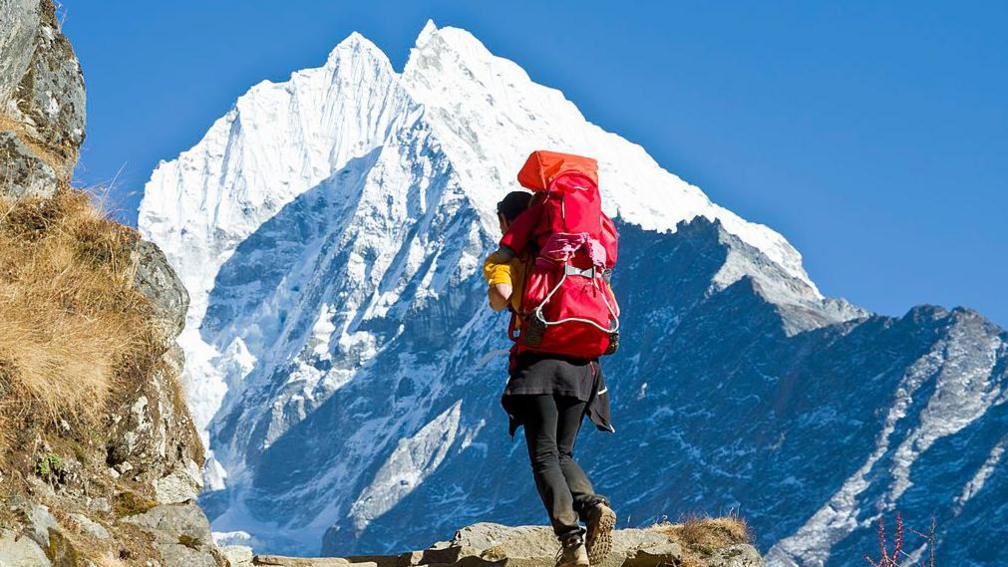
The Everest Base Camp Trek 14 Days is a classic Himalayan adventure through Nepal’s legendary Khumbu region, taking you from Kathmandu to the foot of Mount Everest and back. The journey combines mountain flights, Sherpa villages, Buddhist monasteries, dramatic Himalayan landscapes, two acclimatization days, and the unforgettable experience of standing at Everest Base Camp (5,364 m).
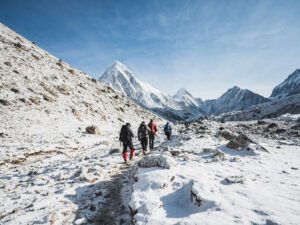
The trek begins with a scenic flight to Lukla, followed by a gradual ascent through the Dudh Koshi Valley toward Namche Bazaar, the gateway to the Everest region. From there, the trail continues through Tengboche, Dingboche and Lobuche before reaching Gorak Shep and Everest Base Camp.
The following morning, you’ll make an early ascent of Kala Patthar (5,545 m) for one of the most spectacular panoramic views of Mount Everest, before descending through the Khumbu Valley and returning to Lukla and Kathmandu.
This itinerary is designed around gradual altitude gain and includes dedicated acclimatization days in Namche Bazaar and Dingboche. It is a challenging high-altitude trek and requires good physical preparation, but no previous mountaineering or climbing experience is required.
Itinerary at a glance
Trip profile
All days in a table
| Day | Place | Altitude | Distance | Walking | Temperature | Accommodation |
|---|---|---|---|---|---|---|
| Day 1 | Arrival in Kathmandu and Transfer to Hotel | 1,400 m | — | — | 25° / 8°C77° / 46°F | 3* Hotel |
| Day 2 | Flight to Lukla & Trek to Phakding | 2,840 m | 8 km | 3-4 Hrs | 18° / 0°C64° / 32°F | Tea House |
| Day 3 | Trek from Phakding to Namche Bazaar (The Sherpa Capital) | 3,440 m | 10.7 km | 4-5 Hrs | 16° / -5°C61° / 23°F | Tea House |
| Day 4 | Acclimatization Day in Namche Bazaar (Hike to Hotel Everest View) | 3,880 m | 6.2 km | 4-5 Hrs | 16° / -5°C61° / 23°F | Tea House |
| Day 5 | Trek from Namche Bazaar to Tengboche Monastery | 3,860 m | 9.2 km | 5-6 Hrs | 14° / -8°C57° / 18°F | Tea House |
| Day 6 | Trek from Tengboche to Dingboche (The Summer Valley) | 4,410 m | 11 km | 5-6 Hrs | 12° / -10°C54° / 14°F | Tea House |
| Day 7 | Second Acclimatization Day in Dingboche (Hike to Nangkartsang Peak) | 5,083 m | 5 km | 4-5 Hrs | 12° / -10°C54° / 14°F | Tea House |
| Day 8 | Trek from Dingboche to Lobuche | 4,910 m | 11.5 km | 5-6 Hrs | 8° / -15°C46° / 5°F | Tea House |
| Day 9 | Trek from Lobuche to Gorak Shep & Stand at Everest Base Camp! | 5,364 m | 15 km | 8-9 Hrs | 5° / -18°C41° / -0°F | Tea House |
| Day 10 | Sunrise Ascent of Kala Patthar & Descend to Pheriche | 5,545 m | 13.5 km | 7-8 Hrs | 7° / -18°C45° / -0°F | Tea House |
| Day 11 | Trek from Pheriche to Namche Bazaar | 4,240 m | 14.5 km | 6-7 Hrs | 15° / -5°C59° / 23°F | Tea House |
| Day 12 | Trek from Namche Bazaar back to Lukla (Final Trek Day) | 2,840 m | 19 km | 8-9 Hrs | 19° / 0°C66° / 32°F | Tea House |
| Day 13 | Flight back to Kathmandu & Celebratory Farewell Dinner | 1,400 m | — | — | 25° / 8°C77° / 46°F | 3* hotel |
| Day 14 | Final Departure from Kathmandu | 1,400 m | — | — | 25° / 8°C77° / 46°F | 3* hotel |
Day-by-day itinerary
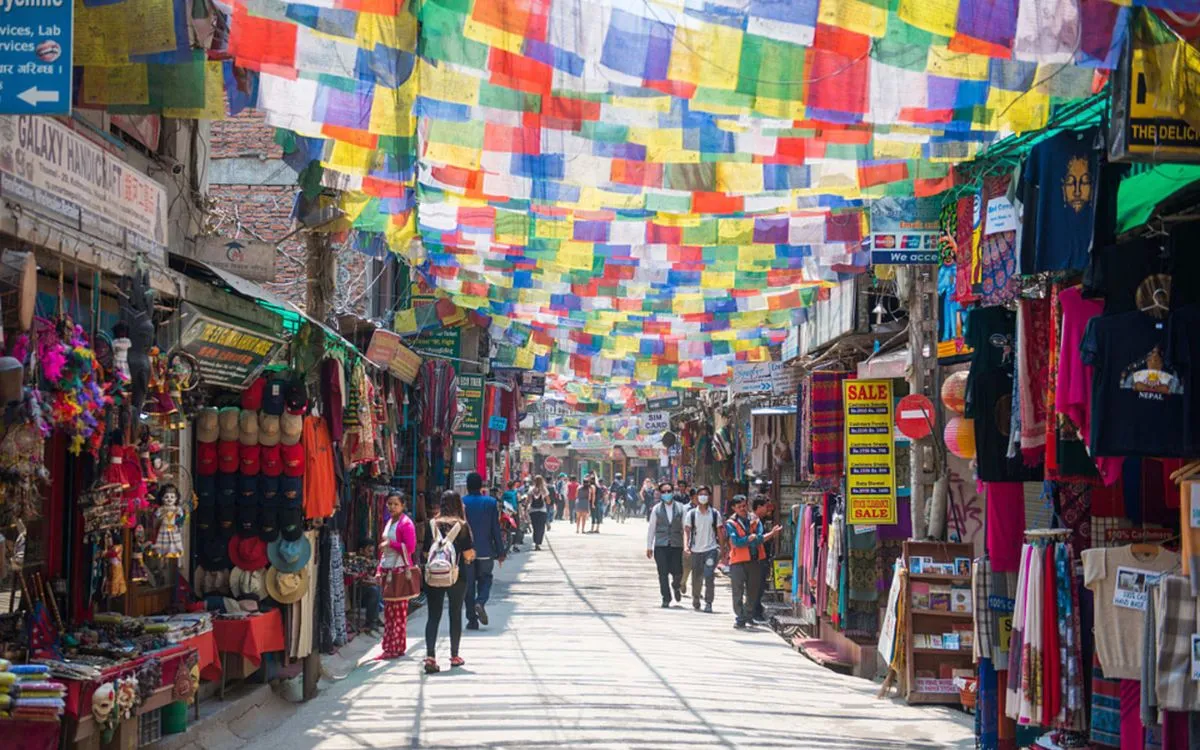
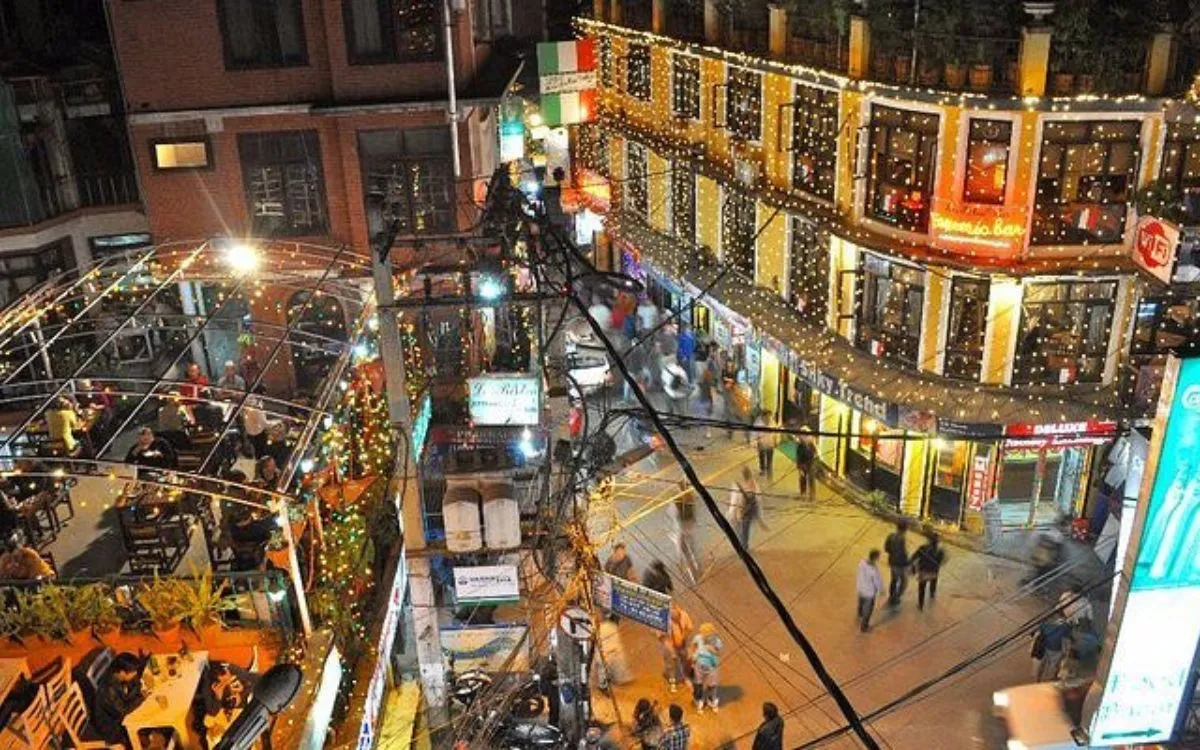
Welcome to Nepal! Upon stepping out of the arrival gates at Tribhuvan International Airport (KTM), our friendly airport representative will greet you with a personalized name card. We’ll transfer you in a comfortable private tourist vehicle directly to your cozy boutique hotel in Thamel—Kathmandu’s lively tourism center.
In the evening, join your lead Sherpa guide and fellow adventurers for a comprehensive pre-trip briefing. We will meticulously review the 14-day EBC route, inspect your personal trekking gear, collect required permit documents, and outline our high-altitude safety guidelines. Afterwards, we’ll enjoy an authentic Nepalese welcome dinner featuring local cultural performances to celebrate the start of your Himalayan pilgrimage.
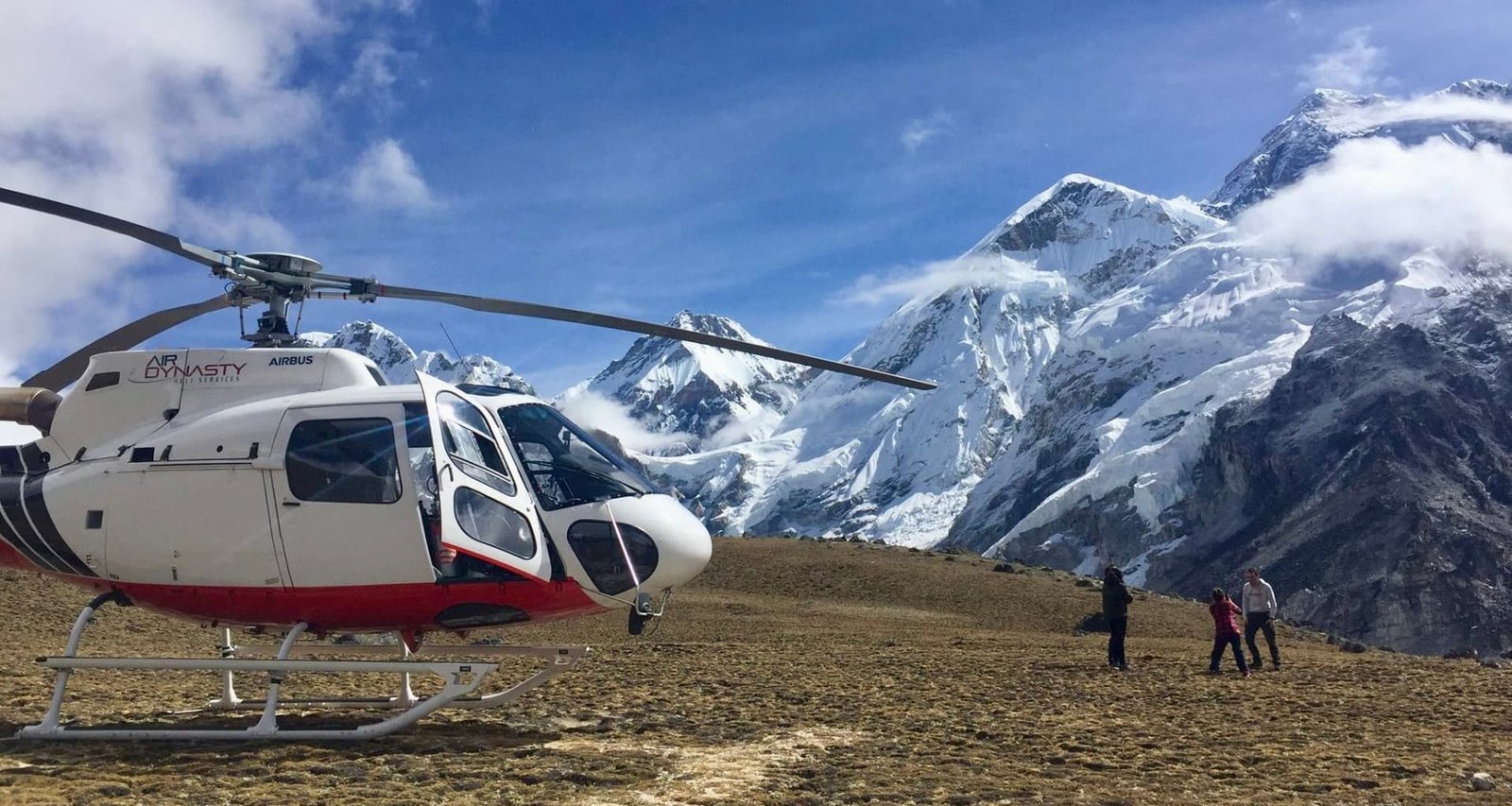
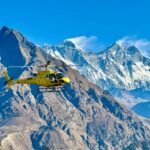
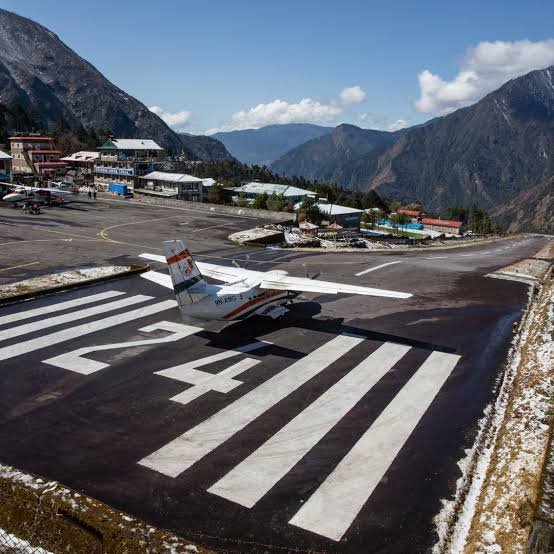
Your high-altitude journey officially begins! Following an early morning breakfast (or packed breakfast box), we transfer to the airport for the iconic mountain flight to Tenzing-Hillary Airport in Lukla (2,840 m). This thrilling 30-minute flight serves spectacular panoramic views of terraced green valleys and snow-capped Eastern Himalayan giants.
Upon landing on Lukla’s dramatic cliffside airstrip, we meet our expert Sherpa porters who will handle our duffel bags throughout the trek. After a quick warm tea, we set foot on the EBC trail. Descending gently along the serene banks of the Dudh Koshi River (River of Milk), we trace pine-scented pathways, crossing picturesque suspension bridges decorated with colorful prayer flags. We soon arrive in the quiet, scenic village of Phakding (2,610 m) for a relaxing evening and a warm, freshly cooked dinner.
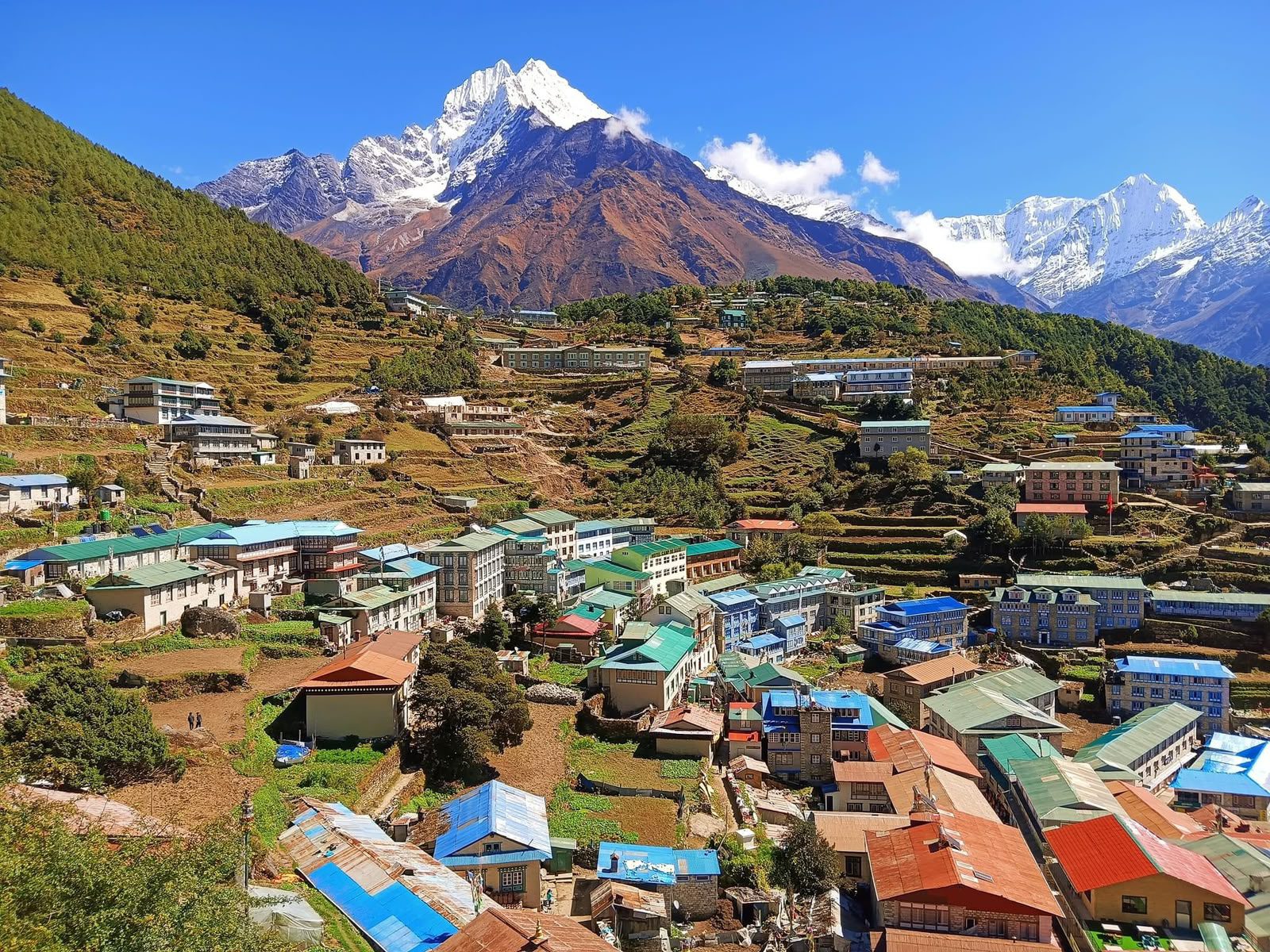
Today, we begin our climb into the high country. Following the Dudh Koshi River, we hike through tranquil pine and cedar forests, crossing several exhilarating suspension bridges draped in Buddhist prayer flags. Along the way, we pass through quaint Sherpa hamlets like Benkar, Monjo, and Jorsalle.
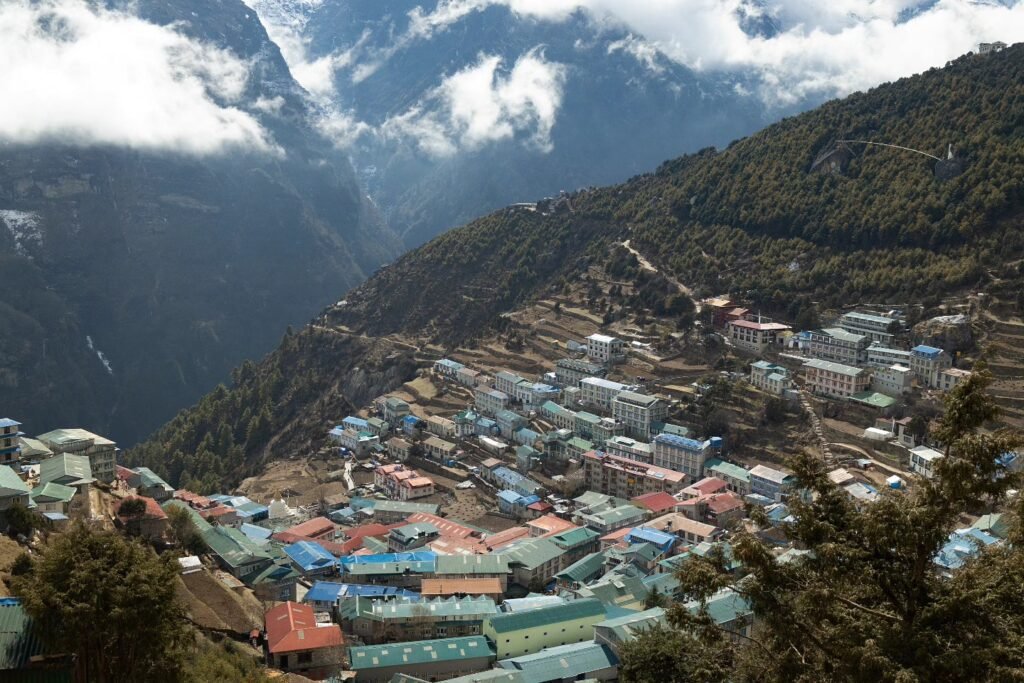
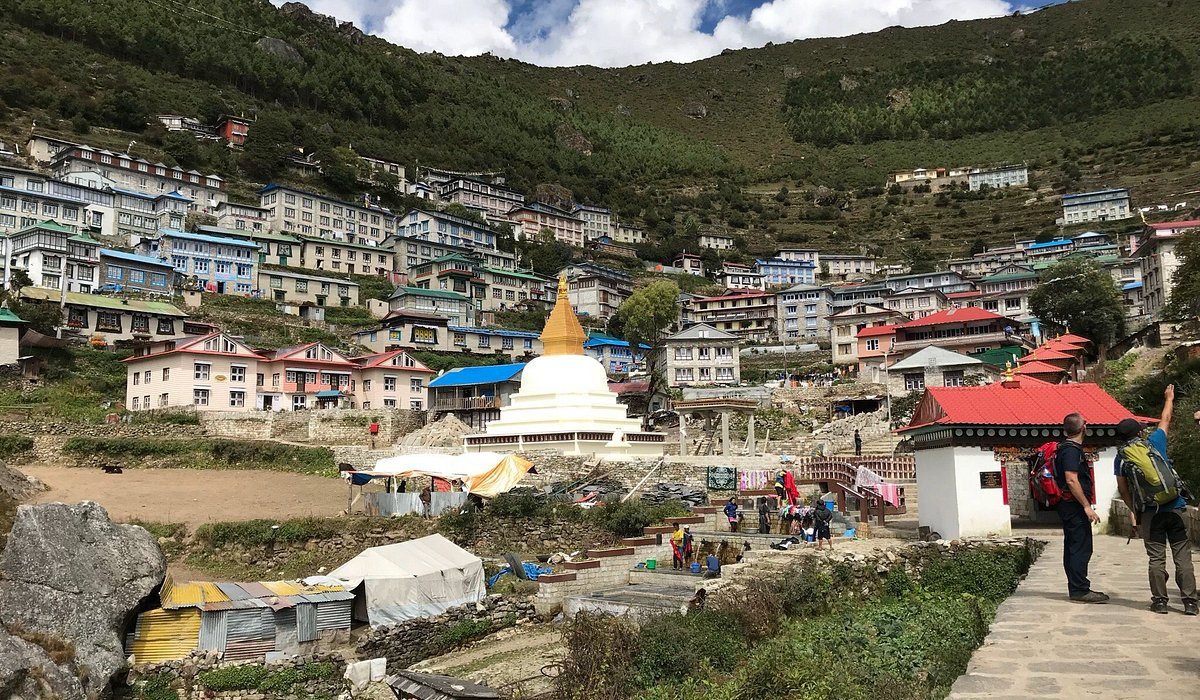
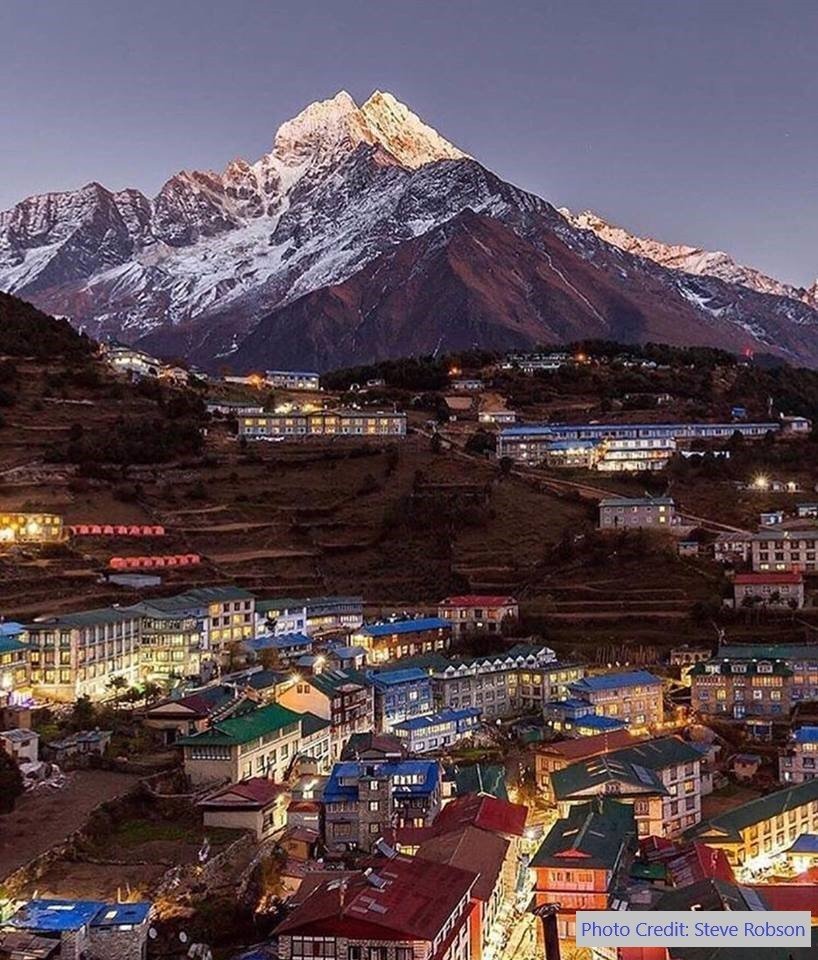
At Monjo, we officially enter the UNESCO-listed Sagarmatha National Park, verified at the park checkpoint. After a hearty lunch at Jorsalle, we tackle the famous Hillary Suspension Bridge—the tallest bridge of our journey, swinging high above the river gorge. From here, we begin a steep, steady 2-to-3-hour climb winding up through pine forests. Halfway up the switchbacks at Top Danda, weather permitting, we catch our first spectacular glimpse of Mount Everest peeking behind Nuptse. We conclude the day in the vibrant horseshoe-shaped mountain amphitheater of Namche Bazaar (3,440 m), the bustling cultural heart of the Khumbu region.
Safety and proper acclimatization are our absolute top priorities. Trekking high and sleeping low helps prepare your body to safely navigate the thin air above 4,000 meters. After a relaxed breakfast, we embark on an active acclimatization hike to the world-famous Hotel Everest View (3,880 m).
Ascending the ridge above Namche, the trail reveals sweeping panoramic vistas of the giants: Mt. Everest, Lhotse, Nuptse, and the iconic, elegant peak of Ama Dablam. We'll enjoy a hot lemon ginger honey tea on the hotel terrace, soaking in the views. On our descent, we loop through the traditional villages of Khunde and Khumjung, where we visit the historic Khumjung Monastery (home to the legendary "Yeti Skull") and the Hillary School. We return to Namche Bazaar for a free afternoon to explore the local bakeries, cafes, and markets.
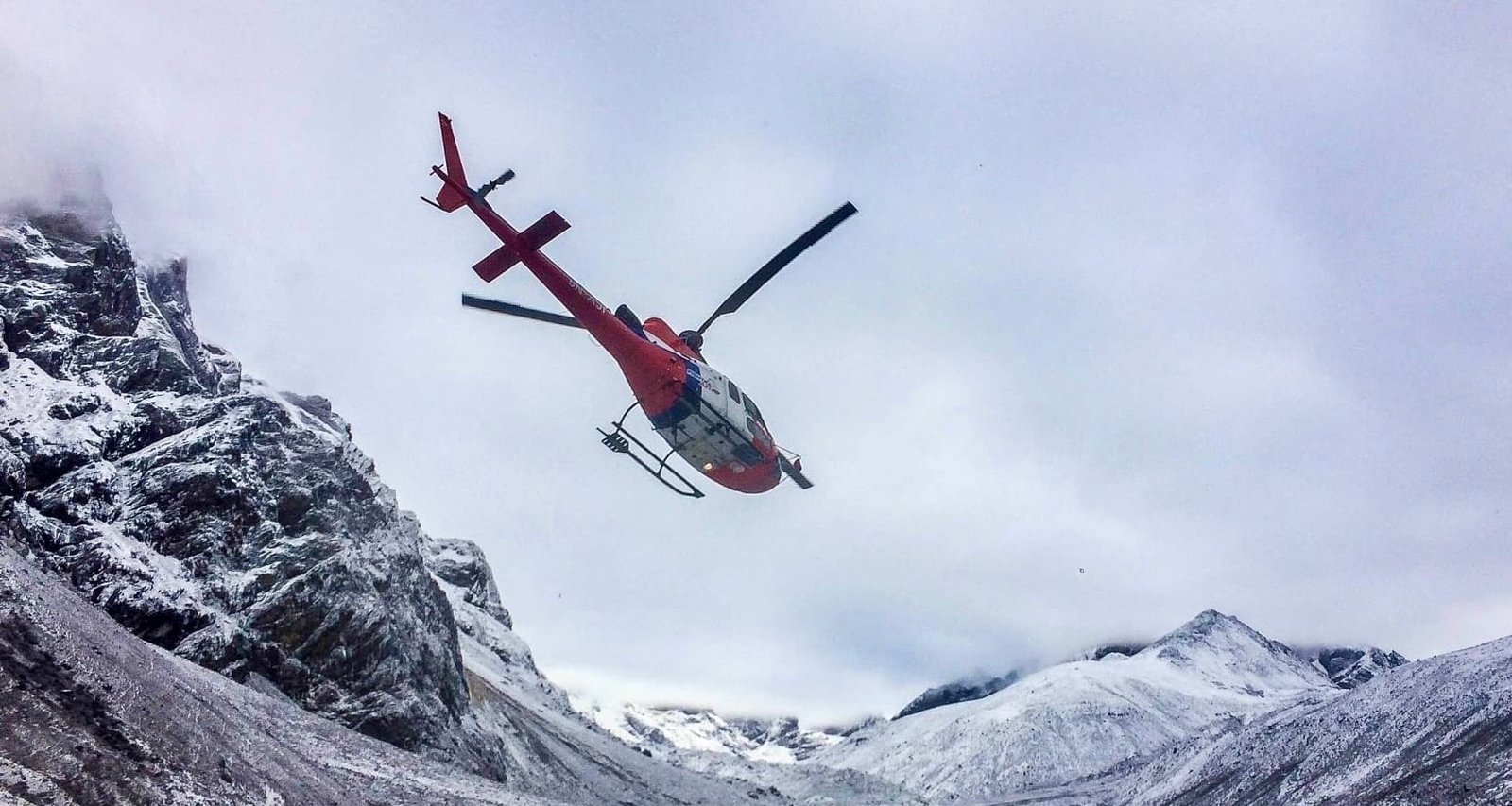
Why We Don't Cut This Day: The acclimatization stops at Namche and Dingboche are the first thing travelers ask to remove. Our answer: please don't. "Climb high, sleep low" — hike to 3,880 m, sleep at 3,440 m. We've seen both outcomes — trekkers who kept the rest days reaching Kala Patthar, and those who rushed getting evacuated from Lobuche.
We leave Namche Bazaar on a well-paved, scenic trail winding along the mountain ridge. The first 90 minutes are incredibly pleasant and relatively flat, showing off unobstructed, jaw-dropping views of Everest, Lhotse, Nuptse, and the towering face of Ama Dablam. Keep your eyes open on this stretch to spot native wildlife like the Himalayan tahr and the colorful danphe pheasant (Nepal's national bird).
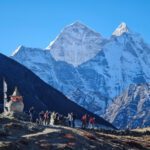
The trail then descends steeply through lush forests to the riverside settlement of Phunki Thenga (3,250 m), where we stop for a fresh hot lunch. After refueling, we cross a suspension bridge and begin a challenging 2-to-3-hour uphill climb through rhododendron and birch forests. As we reach the top of the saddle, the grand Tengboche Monastery appears. We check into our lodge and visit the oldest and largest monastery in the Khumbu. If timing aligns, we will sit quietly inside the main hall to witness the spiritually moving afternoon chanting ceremony (puja) performed by the resident Buddhist lamas.
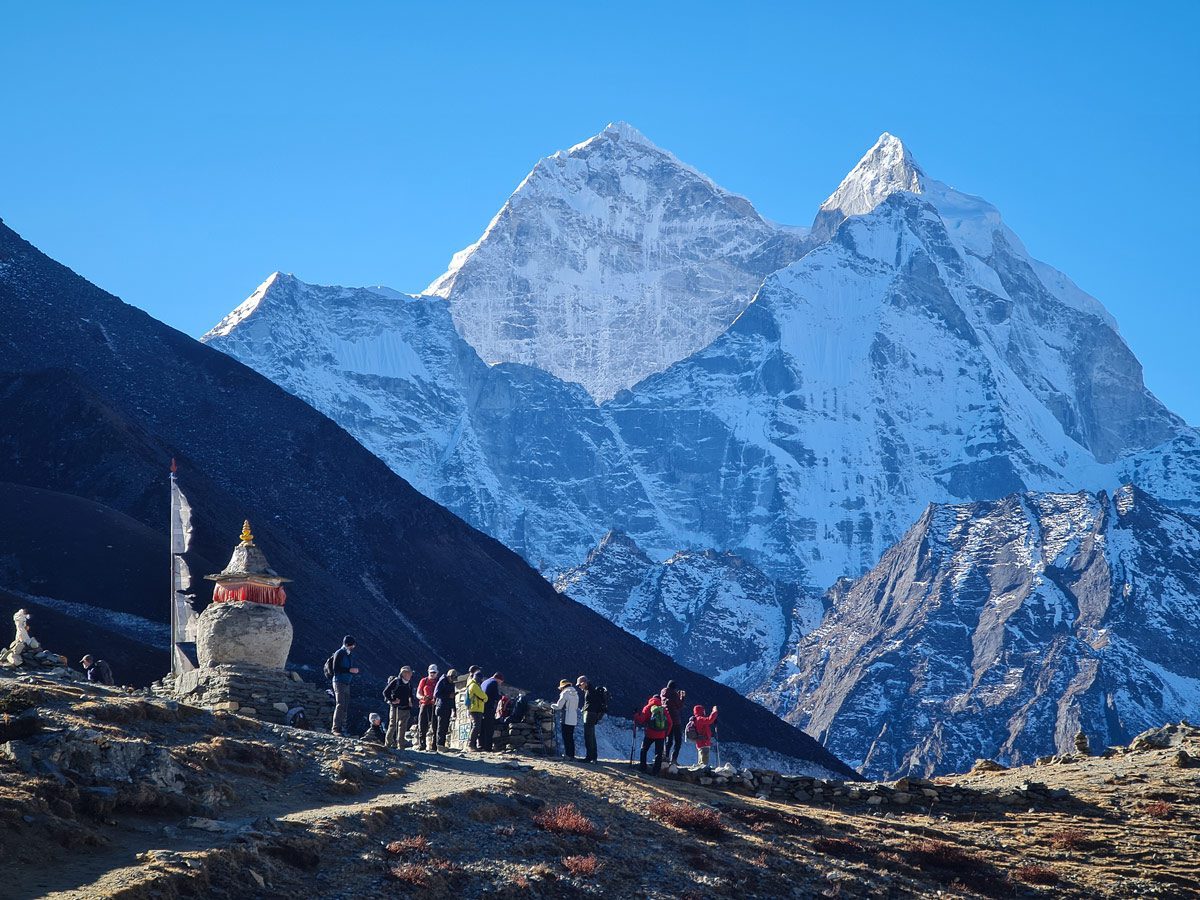
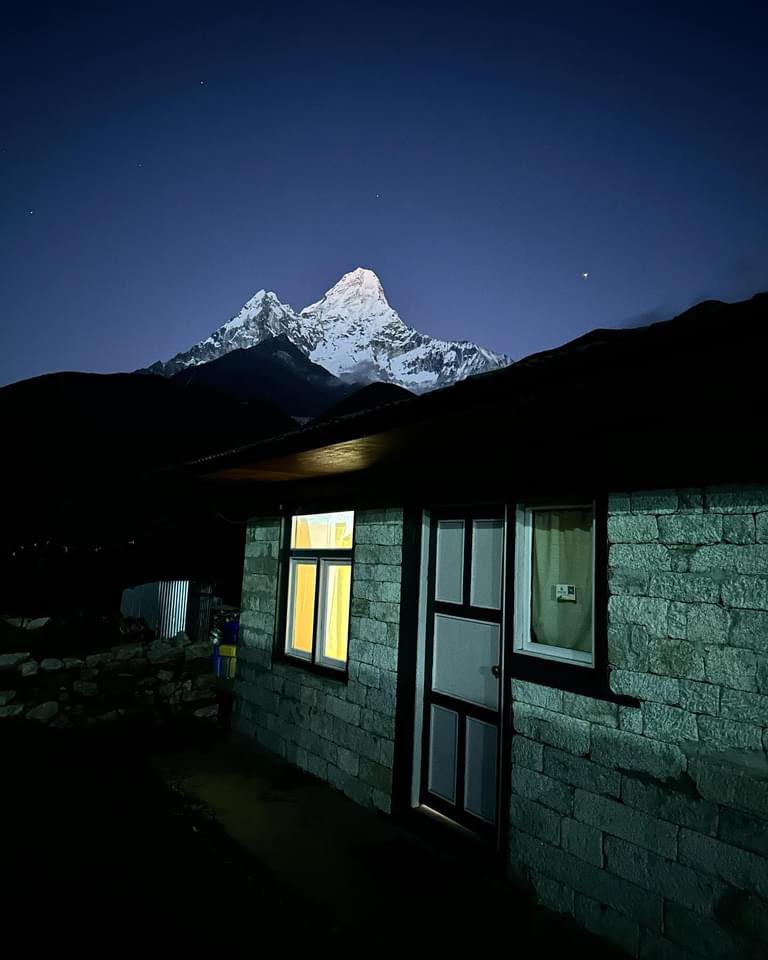
Don't forget to step outside your teahouse at dawn to witness an unforgettable sunrise over the massive spire of Ama Dablam directly behind the monastery. After breakfast, we descend through moss-draped alpine forests of pine, fir, and juniper to the quiet village of Debuche.
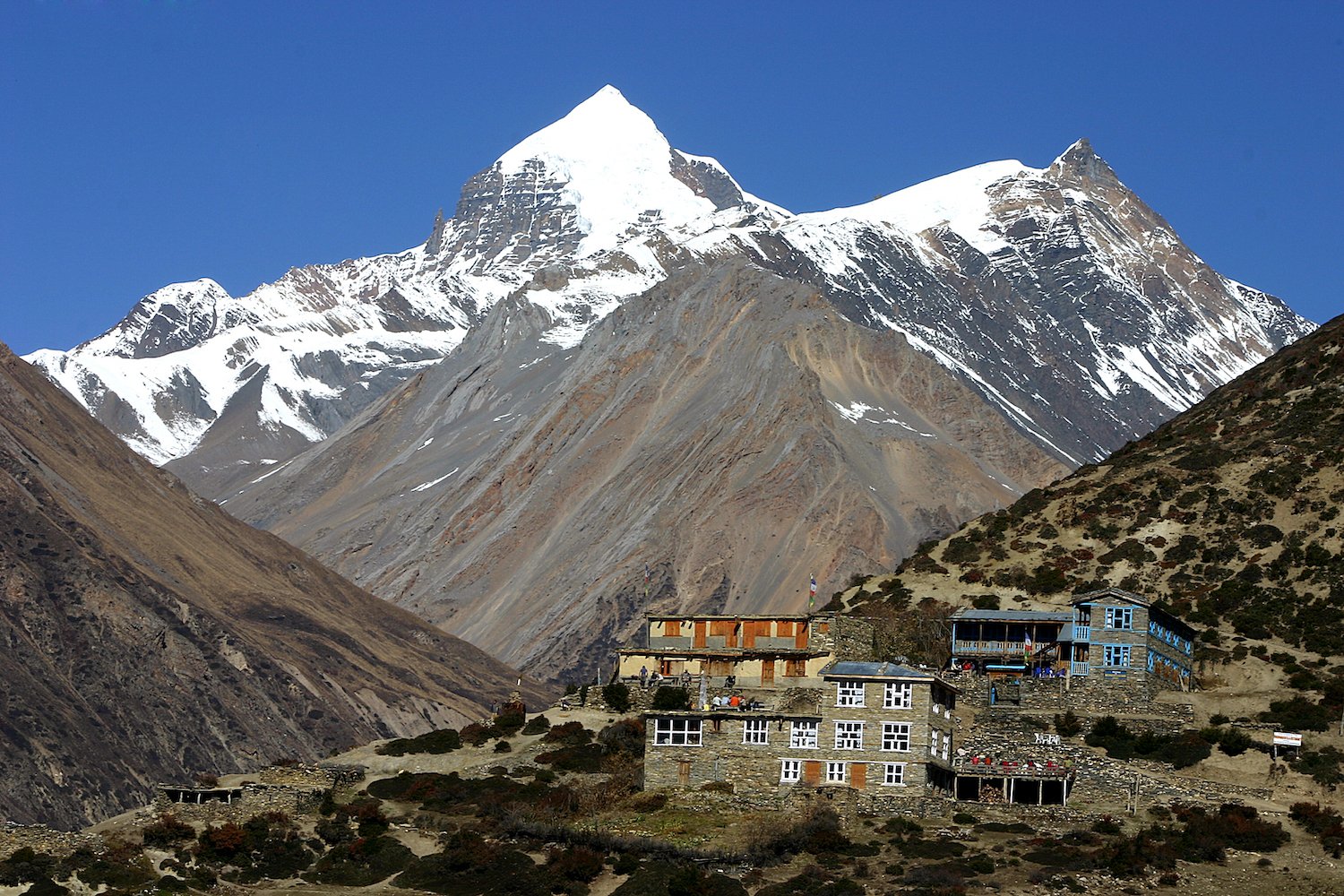
We cross the rushing Imja Khola River via a suspension bridge and ascend gradually toward the traditional village of Pangboche (3,985 m), the highest year-round Sherpa settlement. Here, the landscape begins to shift dramatically, leaving the dense forests behind as we rise above the tree line. We stop in Somare for a warm lunch and a restorative cup of garlic soup. Continuing our steady climb through open, wind-scoured alpine pastures, we wind past stone walls built to protect local barley and potato crops. We cross a final bridge to enter the wide, picturesque bowl of Dingboche (4,410 m), where yaks graze peacefully in the high valleys.
(basic to medium quality)
To prepare your heart and lungs for the strenuous days ahead above 5,000 meters, we spend our second vital acclimatization day in Dingboche. Today's active acclimatization climb takes us up the steep ridge of Nangkartsang Peak (5,083 m), rising directly behind the village.
Walking at a slow, rhythmic pace—the "Khumbu shuffle"—we ascend the dirt and scree trail. Reaching the summit ridge rewards us with a breathtaking 360-degree theater of Himalayan giants. You will see Mt. Lhotse, Mt. Makalu (the 5th tallest peak in the world), Island Peak, Cholatse, Taboche, and the pristine Imja Valley below. After capturing photographs, we descend to Dingboche for a warm lunch. Spend your afternoon relaxing inside your lodge, hydrating with at least 3-4 liters of water, or enjoying a hot pastry at one of the village's high-altitude bakeries.
Today, we trek deeper into the high-altitude wilderness. Our route heads northwest, ascending gradually along a wide, barren valley floor overlooking the deep Pheriche Valley below. The imposing peaks of Taboche, Cholatse, and Lobuche East loom directly above us as we walk on trails surrounded by rugged, rocky moraines.
After a steady 3-hour hike, we reach the tiny outpost of Thukla (4,620 m) for an early, energy-rich lunch. Afterward, we tackle the "Thukla Pass"—a short but intensely steep 1-hour climb up a rocky moraine wall. At the crest of the pass, we enter a powerful, sacred space: the Everest Memorial. Here, dozens of stone chortens and monuments draped in prayer flags stand in silent tribute to the brave climbers and Sherpas who lost their lives on Everest expeditions. After a respectful pause, we continue a gentle, steady climb alongside the lateral moraine of the massive Khumbu Glacier to arrive at the remote settlement of Lobuche (4,910 m).
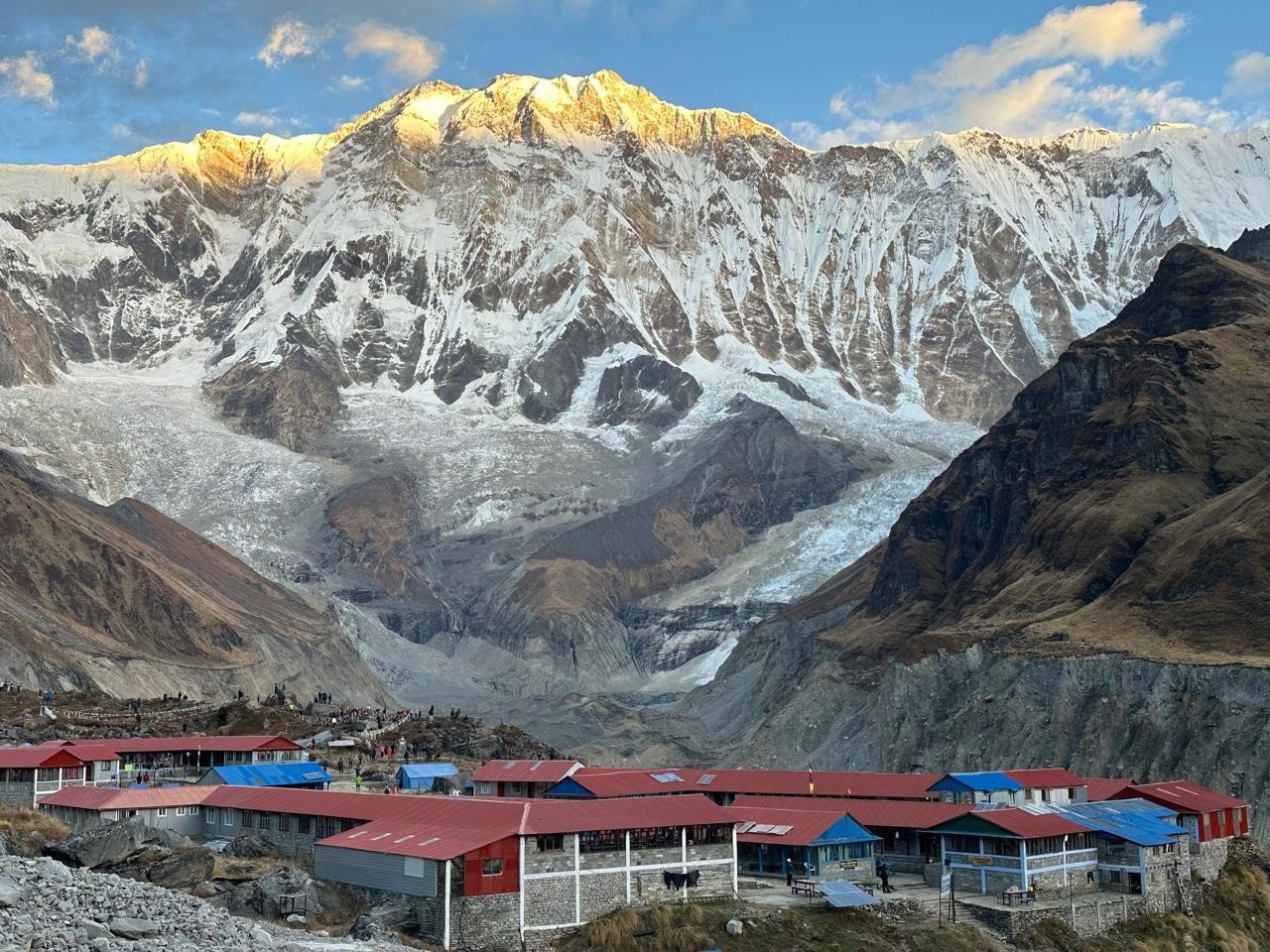
(basic — sleeping bags essential)
This is the day you have trained for. We wake up early for a hearty breakfast in Lobuche, packed with anticipation. Our trail ascends slowly alongside the lateral moraine of the Khumbu Glacier—the world's deepest and highest glacier. We navigate rocky ridges and loose scree, passing the high-altitude Italian Research Pyramid station before reaching the sandy frozen lakebed of Gorak Shep (5,164 m) around mid-day.
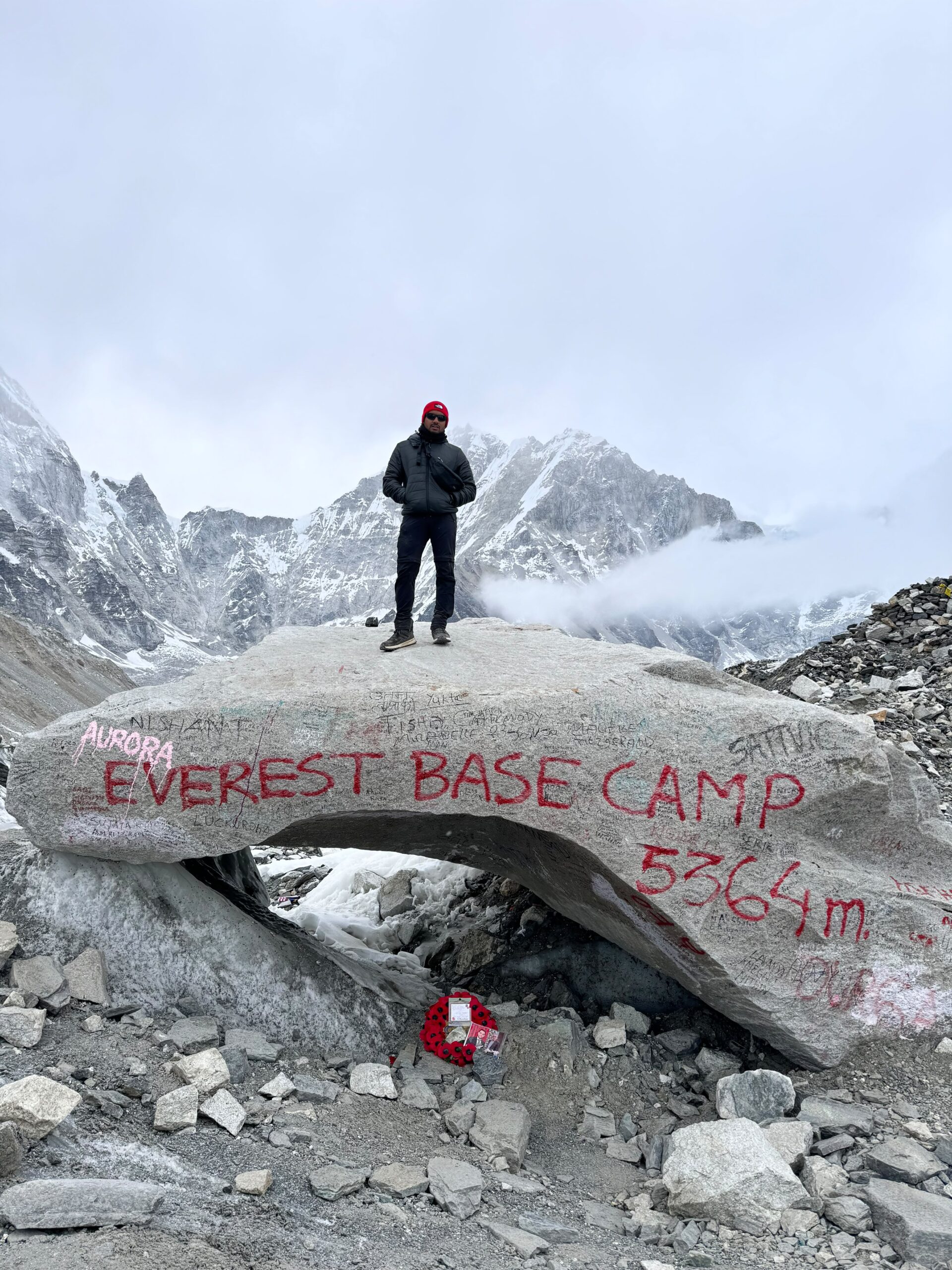
We check into our lodge, drop our heavy duffel bags, eat a quick hot lunch, and prepare our daypacks with layers, water, and cameras. We set off on the final 2-hour glacial hike to Everest Base Camp (5,364 m).
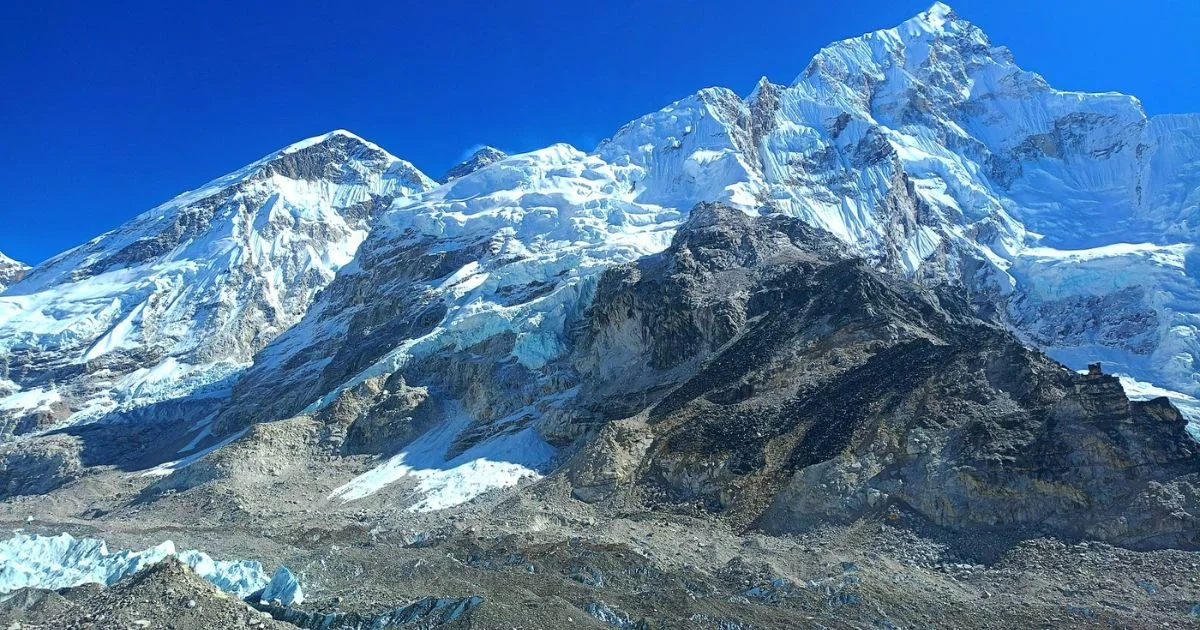
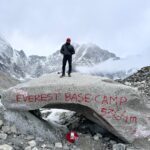
Walking across the rocky lateral moraine of the glacier, the excitement peaks. Suddenly, the prayer-flag-draped boulders of Everest Base Camp come into view. You made it! You are standing at the foot of the tallest peak on Earth. Peer directly up at the towering, jagged seracs of the Khumbu Icefall—the gateway climb for summit expeditions. Celebrate your victory with your teammates and capture iconic photographs next to the EBC boulder. After absorbing the immense energy of this legendary site, we retrace our steps over the glacier back to Gorak Shep for a warm celebratory soup and a hard-earned night's rest.
(the most basic — very cold)
We wake up before dawn (around 4:00 AM) in the bone-chilling cold of Gorak Shep to conquer the highest point of our entire expedition. Wearing warm headlamps and thick layers, we begin a slow, rhythmic 2-hour climb up the steep, rocky ridge of Kala Patthar (5,545 m / 18,192 ft).
As we reach the rocky peak, the first rays of the sun rise behind Mount Everest, painting the world's highest summit in brilliant shades of gold and amber. The panoramic view is jaw-dropping and unmatched: Everest's classic black pyramid stands fully revealed, flanked by the massive walls of Lhotse, Nuptse, Pumori, and Changtse. This is the ultimate, postcard-perfect view of Everest that you came to Nepal to capture.
After soaking in the alpenglow and celebrating at the summit, we descend to Gorak Shep for a hot, hearty breakfast. We pack our duffels and begin our long, satisfying descent. The trail takes us back down through Lobuche, past the Thukla Pass memorials, and descends steeply into the wide, peaceful valley of Pheriche (4,240 m). Here, breathing is noticeably easier, and we enjoy a cozy evening at our lodge.
🌅: This is the moment. Everest's full face turns golden at sunrise. Arrive before 5:30 AM for the best light. Your guide sets the departure time based on conditions.
After breakfast in Pheriche, we begin our return journey down the Khumbu Valley. Trekking downhill, your body will feel an immediate energy boost as we drop into lower, oxygen-rich elevations. We follow the rushing Imja Khola River, retracing our footsteps through Pangboche and descending past the Tengboche Monastery.
We descend through pine and rhododendron forests down to the riverbed at Phunki Thenga, where we stop for a warm, comforting lunch. Afterward, we ascend the winding, well-paved ridge trail back toward Namche Bazaar. Arriving in Namche Bazaar in the afternoon feels like returning to comfort. Celebrate your success by treating yourself to a hot shower, enjoying a fresh cappuccino and slice of apple pie at a local bakery, or relaxing with a local craft beer to toast your EBC achievement.
Today marks our last day of trekking on this classic Himalayan trail. Leaving Namche Bazaar, we descend the steep switchbacks down to the Hillary Suspension Bridge, exiting the boundaries of Sagarmatha National Park at Monjo.
We follow the Dudh Koshi River, crossing multiple familiar suspension bridges and passing through Phakding. The trail is mostly downhill, with a gentle, final uphill climb for about an hour as we make our way back into Lukla. Arriving in Lukla is an emotional and celebratory milestone. This evening, we gather for a special final celebratory dinner at our guesthouse, where we bid a heartfelt farewell to our dedicated Sherpa porters and crew, celebrating the bonds of friendship built over 130 kilometers of mountain trails.
We catch our early morning flight from Lukla back to Kathmandu (or Manthali Airport in Ramechhap during peak rerouting seasons, followed by a comfortable private 4-hour drive back to the capital). As the aircraft lifts off the runway, catch one final, breathtaking view of the high peaks out your window.
Upon arrival in Kathmandu, our private vehicle transfers you back to your boutique hotel in Thamel. Spend your free afternoon relaxing, getting a well-deserved massage, or shopping for local souvenirs, cashmere, or handicrafts in Thamel's lively streets. In the evening, we host an official Farewell Dinner at a premium, traditional Nepalese restaurant with a cultural show, toast to your incredible EBC success, and present you with your official framed Trek Completion Certificate.
Your monumental Himalayan adventure officially concludes today. Enjoy a relaxed breakfast at your hotel. Depending on your scheduled international flight departure time, our private tourist vehicle will pick you up from your hotel lobby and transfer you seamlessly to Tribhuvan International Airport (KTM) for your flight back home. As you board your flight, you will carry with you the deep lessons of high-altitude grit, the warm smiles of the Sherpa people, and memories of Mount Everest that will remain with you for a lifetime.
The acclimatization stops at Namche Bazaar (Day 4) and Dingboche (Day 7) are the first thing travelers ask to remove. Our answer: please don't. They hold your body at the same elevation for a second night with a short hike to higher ground and return — the "climb high, sleep low" approach. This slows your rate of ascent in the way that matters. We've seen both outcomes — trekkers who kept the rest days reaching Kala Patthar, and those who rushed getting evacuated from Lobuche. The 14-day itinerary exists because of those two days.
Frequently asked questions
How difficult is the 14-day Everest Base Camp Trek?
The Everest Base Camp Trek is a challenging high-altitude trek requiring good physical fitness and preparation. The route includes long walking days, steep ascents and descents, rocky terrain, and elevations above 5,000 m.
What is the highest point on the trek?
The highest point of this itinerary is Kala Patthar at approximately 5,545 m (18,192 ft).
How many days does the Everest Base Camp Trek take?
This itinerary takes 14 days, including arrival and departure in Kathmandu, acclimatization days, trekking, and flights between Kathmandu and Lukla.
Does the itinerary include acclimatization days?
Yes. The itinerary includes dedicated acclimatization days in Namche Bazaar and Dingboche to allow travelers to gradually adapt to increasing altitude.
Do I need previous trekking experience?
Previous high-altitude trekking experience is helpful but not necessarily required. However, you should be physically prepared for multiple consecutive days of walking at high altitude.